
How ‘green’ can a petrol car be?
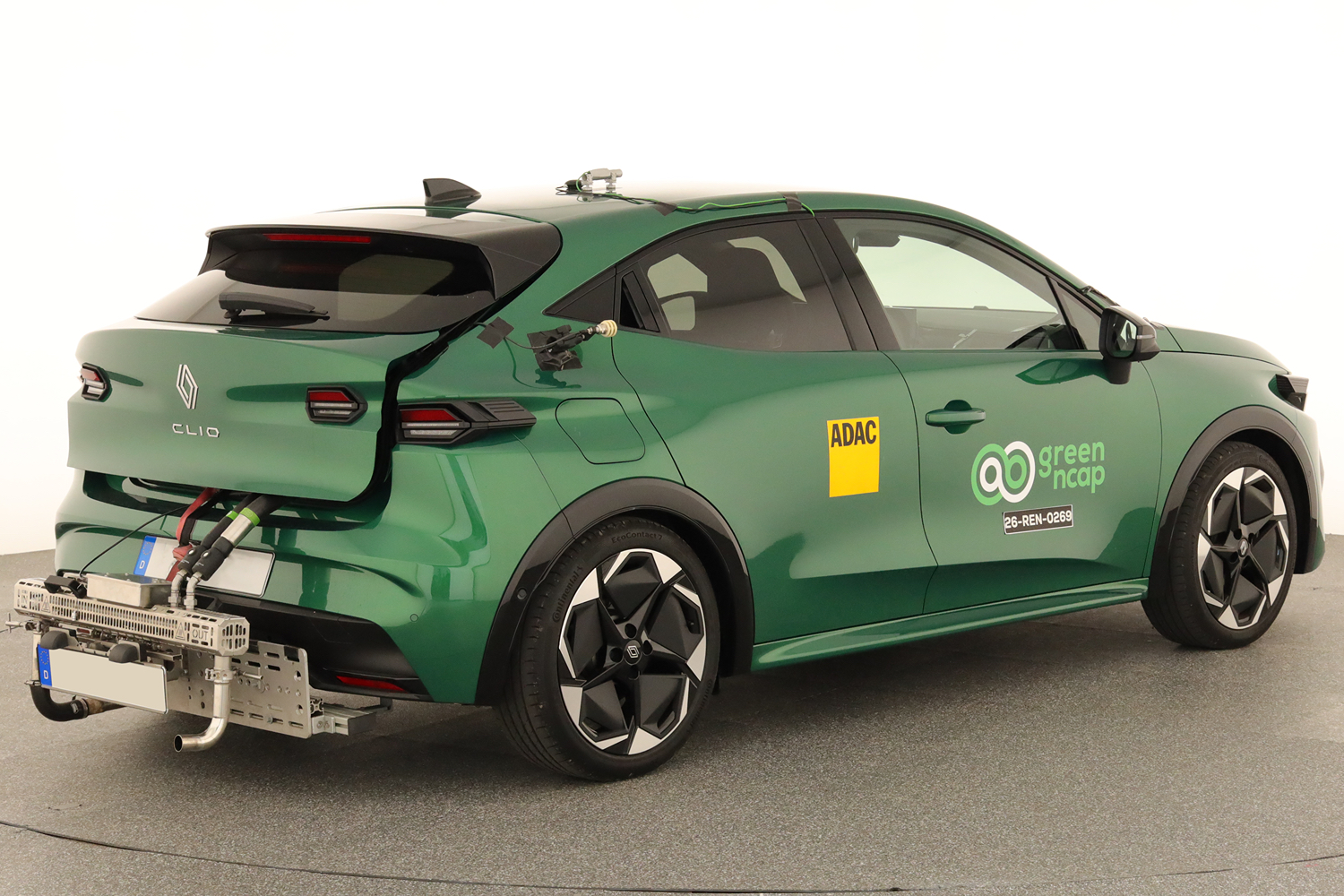
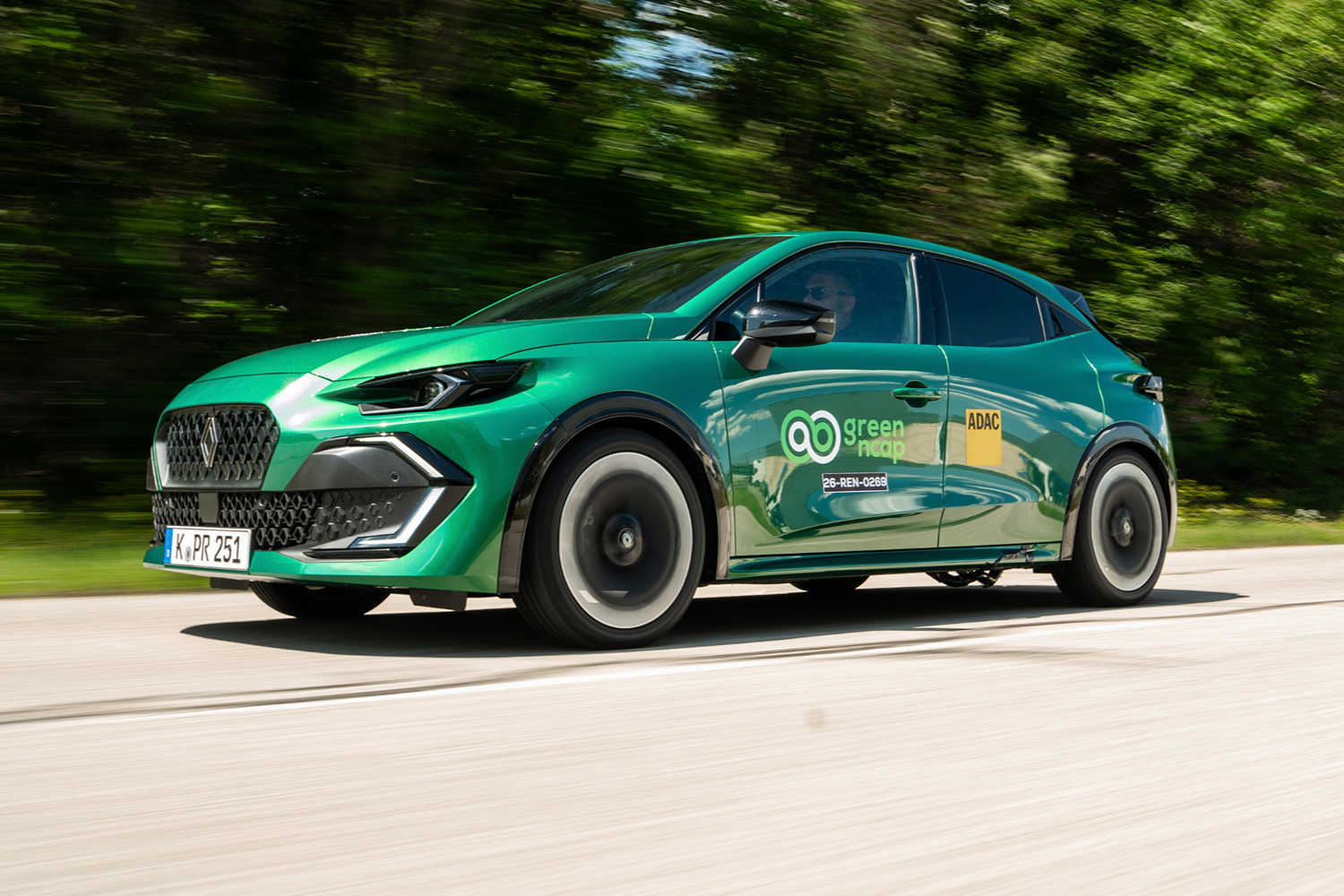
We’ve become wearily used to the relentless rise in the size and weight of bigger SUV models, but Green NCAP’s numbers show that compact, light, petrol cars can still be useful in the fight against climate change, certainly for those who aren’t yet ready to make the leap to fully electric motoring. According to Green NCAP, one of the best-performing cars in this sense is the Renault Clio, in its most basic 115hp TCe Techno form, with no hybrid assistance. “In both laboratory and on-road environments, tests carried out by experts from Green NCAP reveal that the Renault Clio’s three-cylinder, turbocharged petrol engine with direct fuel-injection strikes a good balance between delivering nippy performance and driving enjoyment, and frugal consumption with low exhaust emissions. Its performance is helped by the car’s kerb weight – a relatively low 1,186 kg,” said Green NCAP in the car’s official test. Overall, the Clio scored a solid 67 per cent rating from Green NCAP, with a 7.1/10 score for overall energy efficiency. The Clio was given a 3.5-star Green NCAP score overall.
Read our comprehensive Renault Clio review to see how it performs on the road.
Are other, similar cars as good?
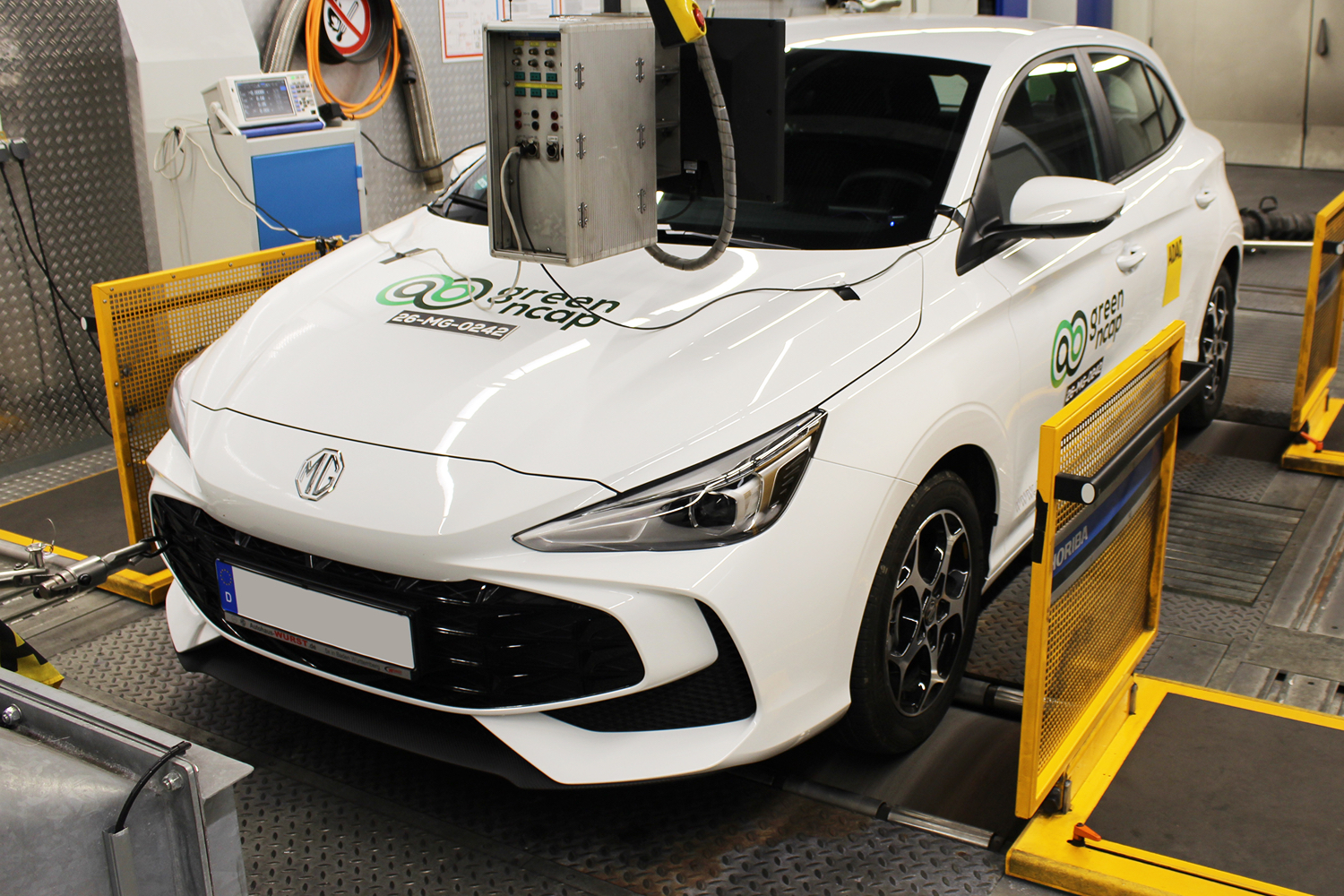
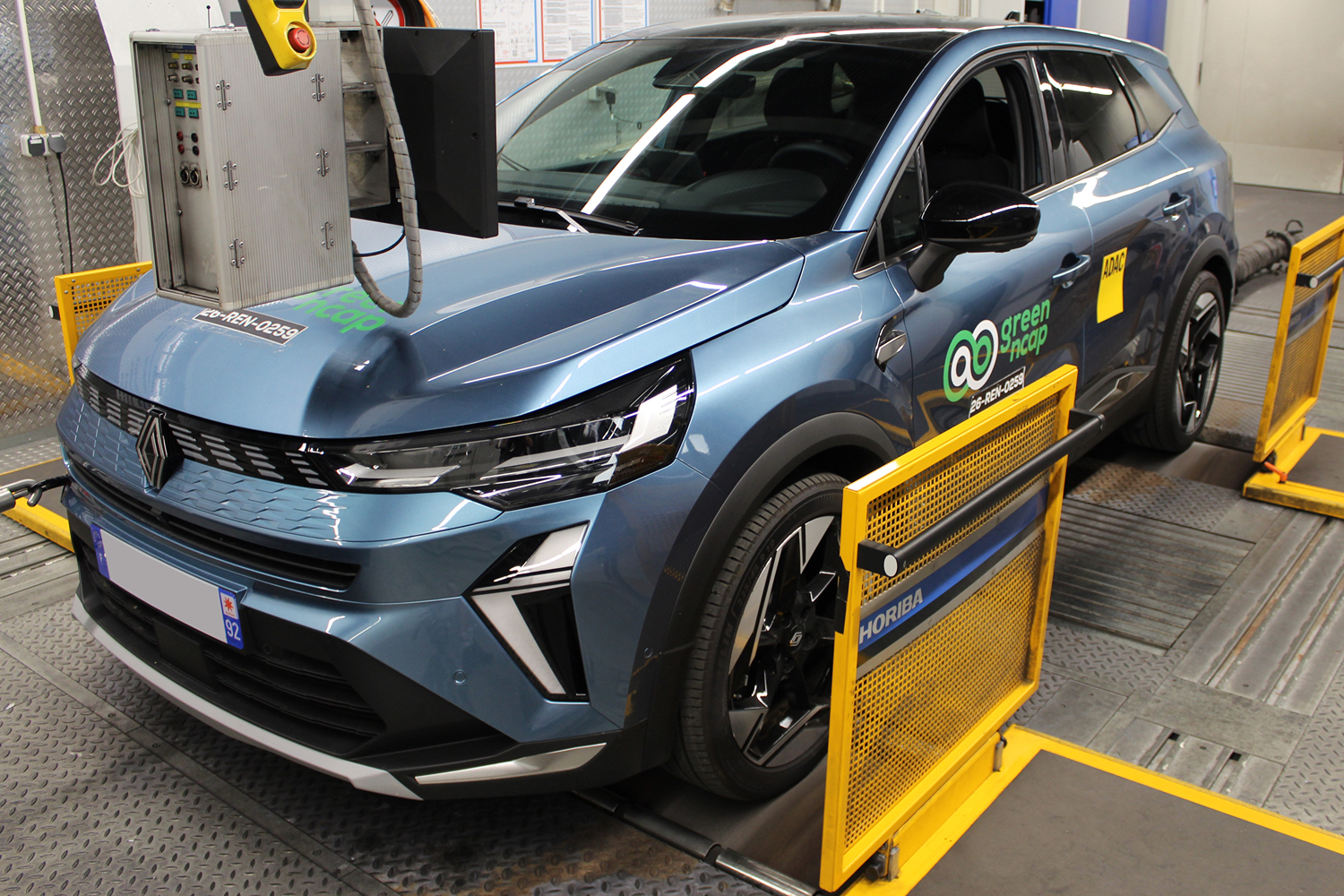
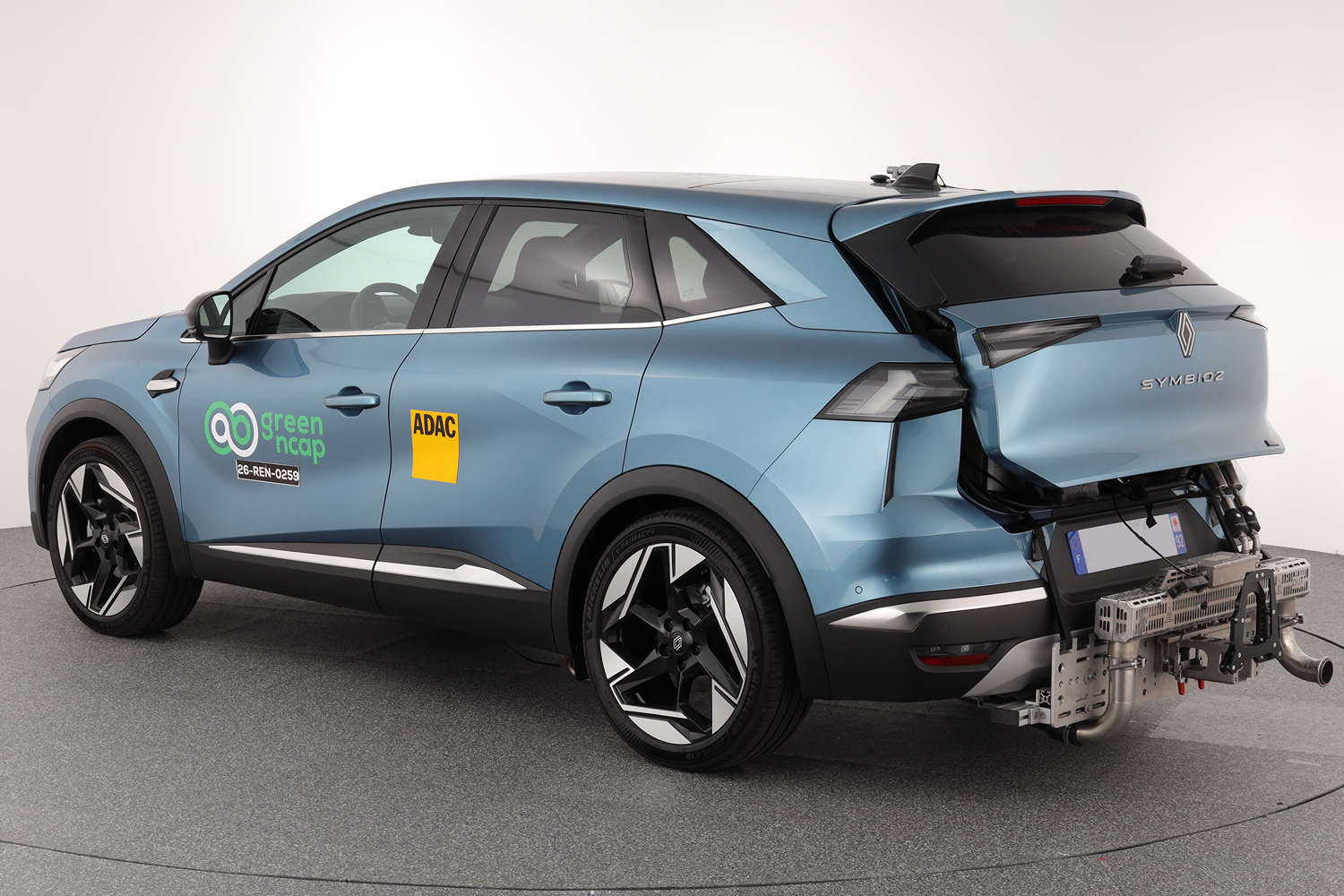
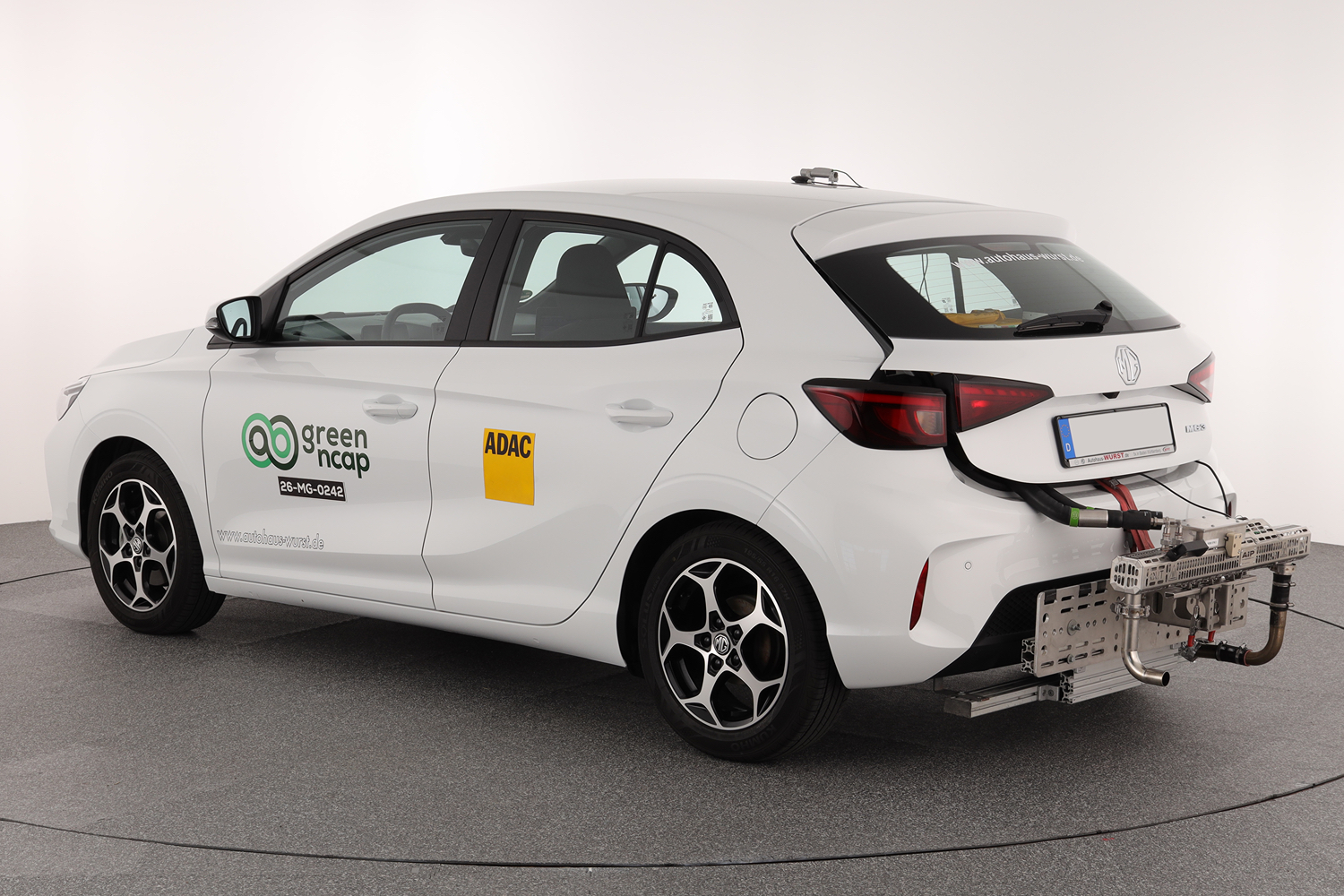
Actually, yes. The basic 1.5-litre version of the MG3 hatchback also took home a 3.5-star Green NCAP score, and although testers noted that its overall fuel economy wasn’t that great, it did well in other areas such as: “the inclusion of rear drum brakes [which] also aided non-exhaust emissions by containing brake dust.” The Renault Symbioz Hybrid also managed a 3.5-star score, which is interesting given that you’d assume that its hybrid powertrain would make it more eco-friendly overall than the Clio.
Were any other models Green NCAP tested?
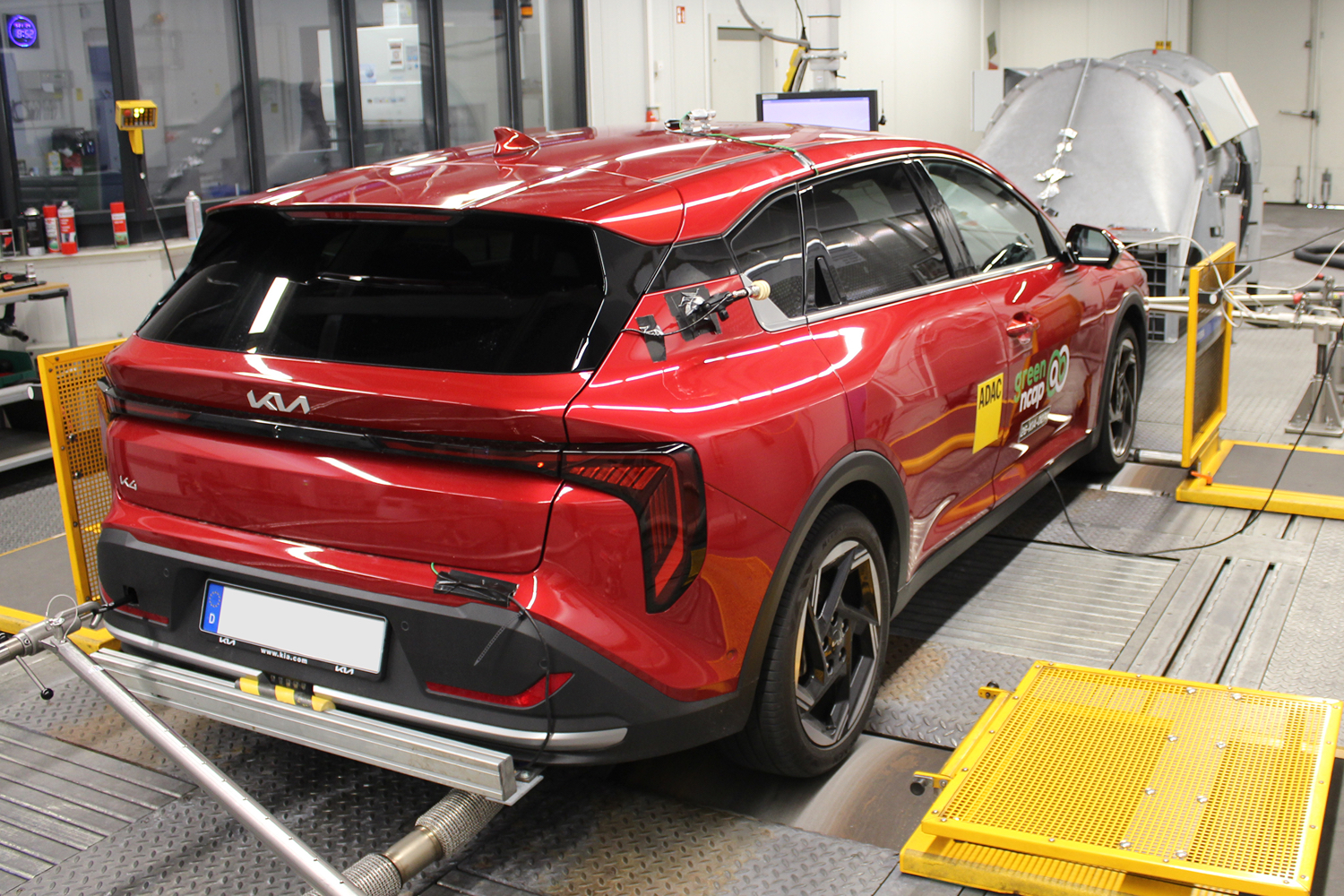
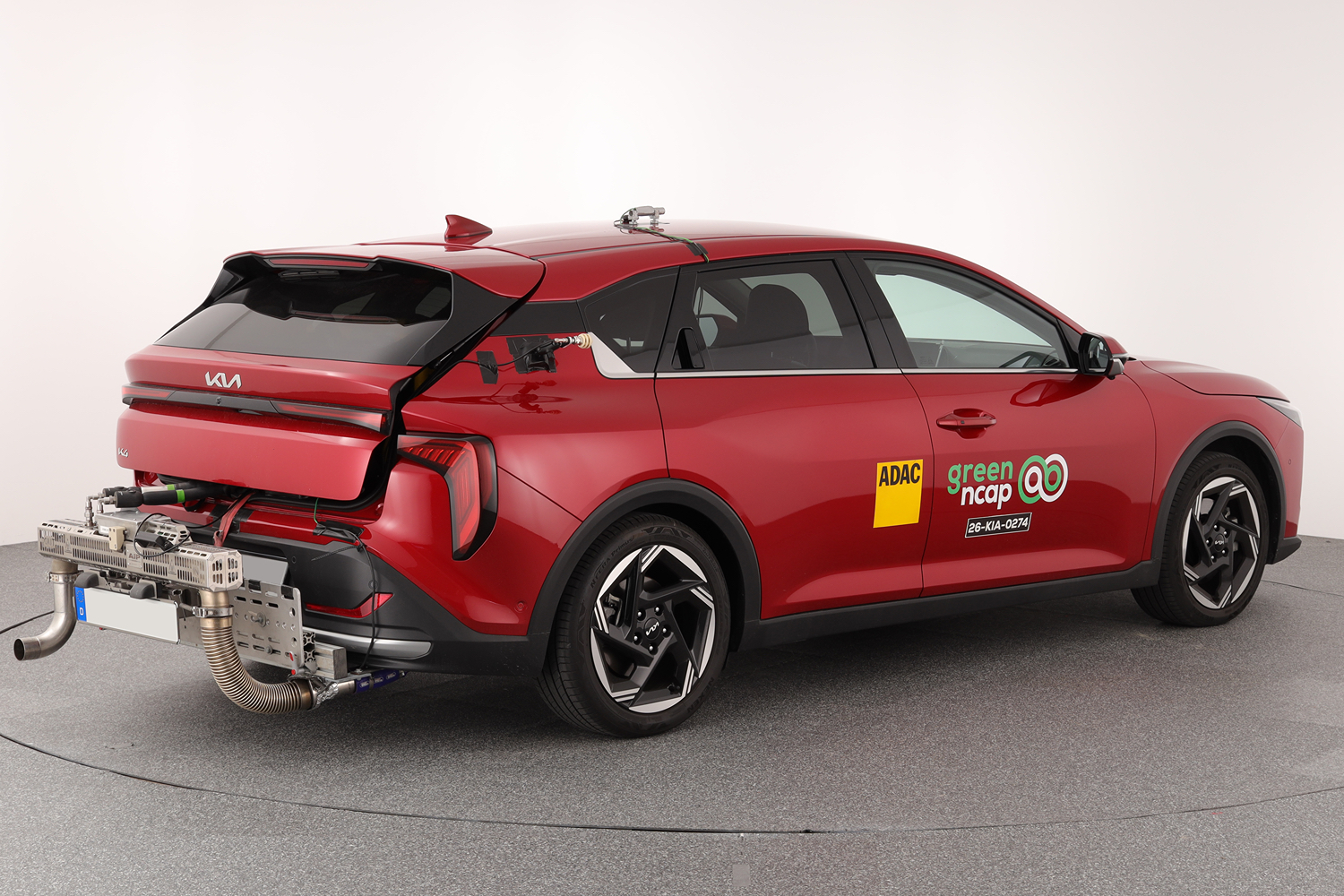
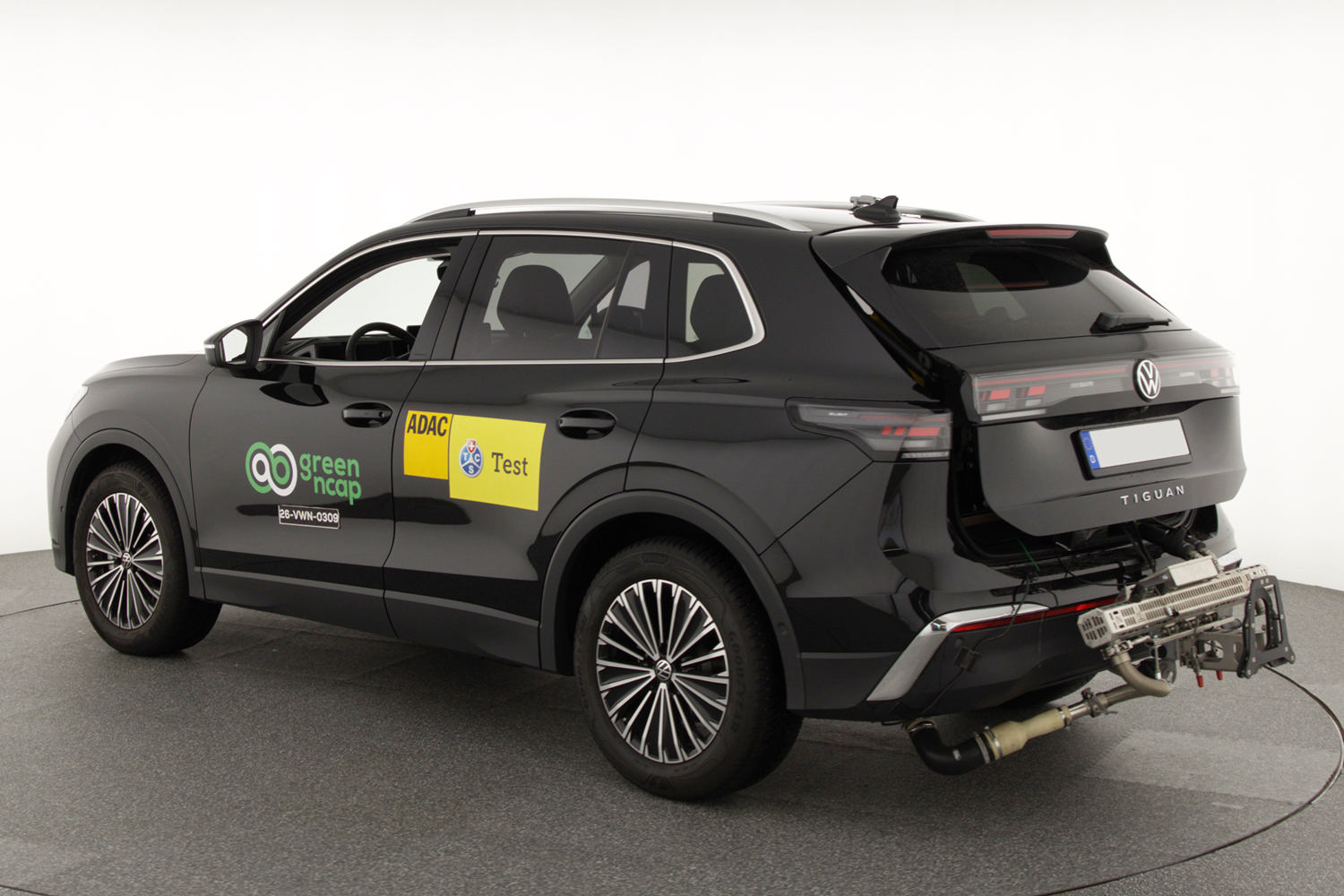
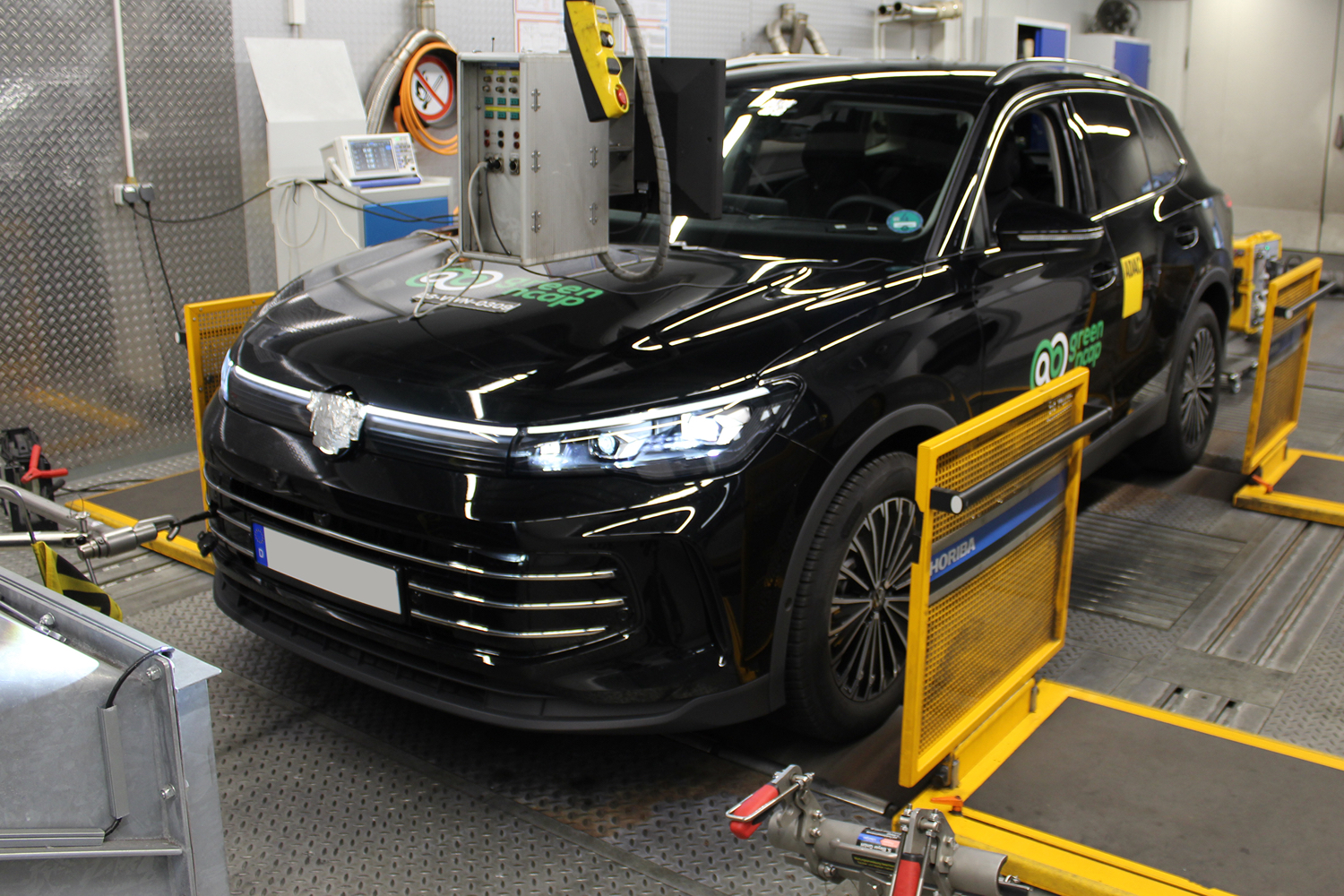
Yes, both the Volkswagen Tiguan 2.0 TDI diesel and the Kia K4 1.6 T-GDI petrol were tested, but both could only manage 2.5-star scores, with NCAP testers noting that in the Tiguan’s case, while its overall fuel economy was good: “the simple fact is that burning fossil fuels drives total lifecycle emissions to 246g CO2-eq./km, harming its Greenhouse Gas score.” The Kia was marked down for: “Being produced outside Europe and relying entirely on fossil fuel combustion pushes its lifecycle emissions to 257 g CO2-eq./km, with 160 g coming directly from tailpipe emissions.”
Can we do better than that?
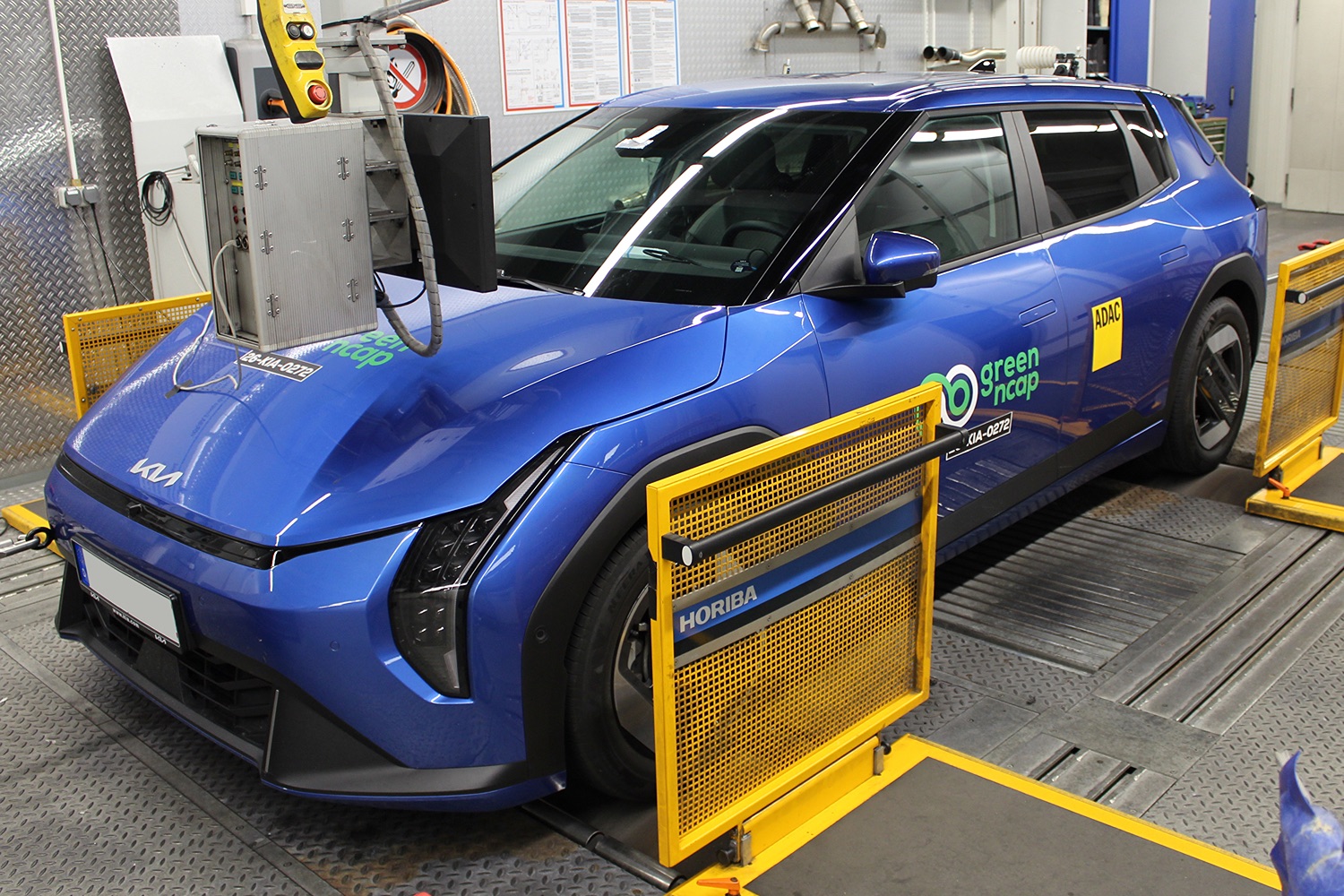
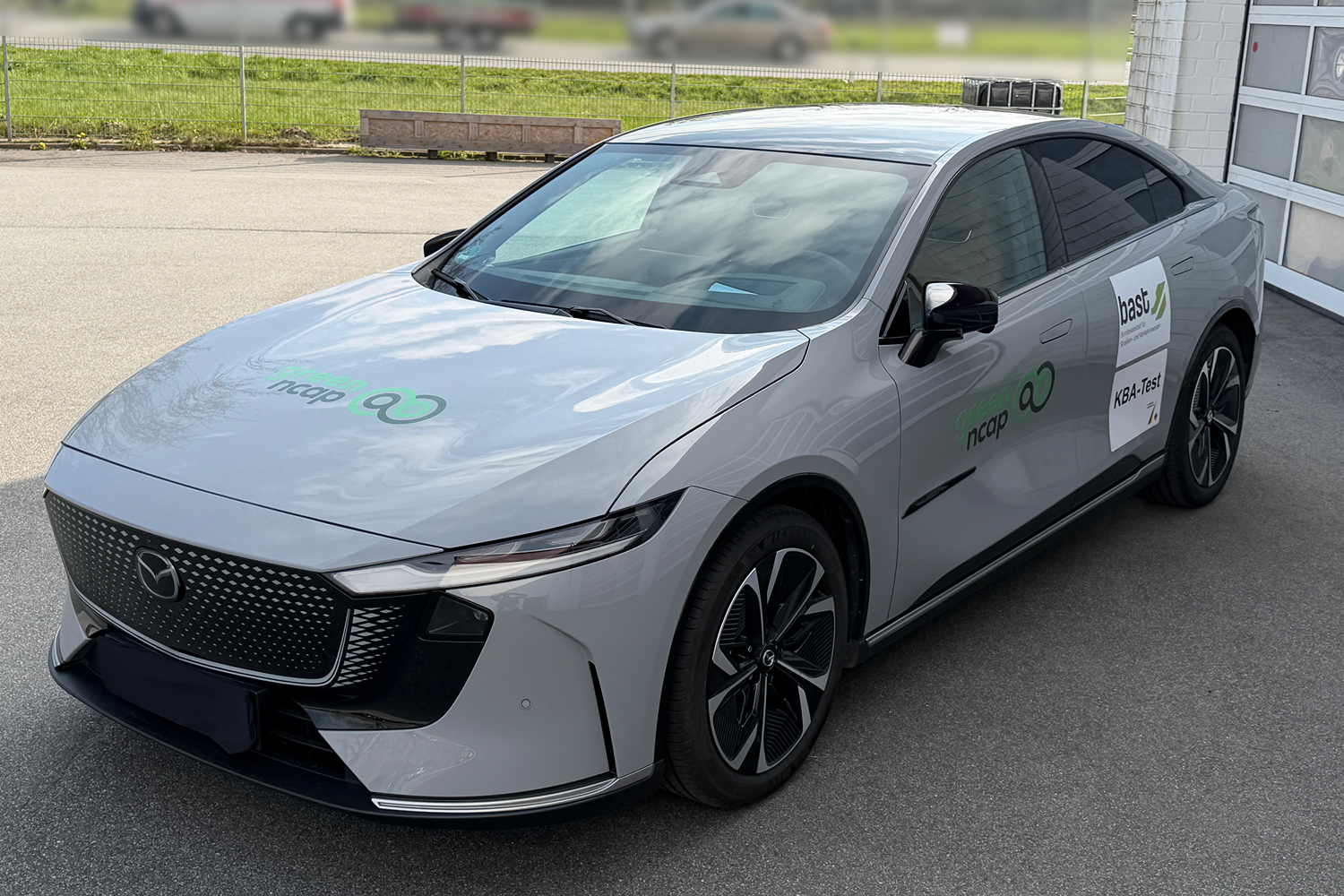
Yes, we can. The Kia EV4 electric hatchback was next in Green NCAP’s eco-crosshairs, and that, perhaps unsurprisingly, did really well. According to Green NCAP: “The process of reducing its environmental burden begins with production; built in Slovakia, Kia’s manufacturing is calculated with assumptions made for European production, limiting lifecycle climate impact to 119g CO2-eq./km.” The EV4 managed a full five-star Green NCAP score. The all-electric Mazda 6e came close to that, with a 4.5-star score, with NCAP’s testers praising its real-world range, but it was: “held back by the impact of manufacturing and distribution” as it’s a Chinese-made car.
So, small and petrol or big and electric is the way to go?
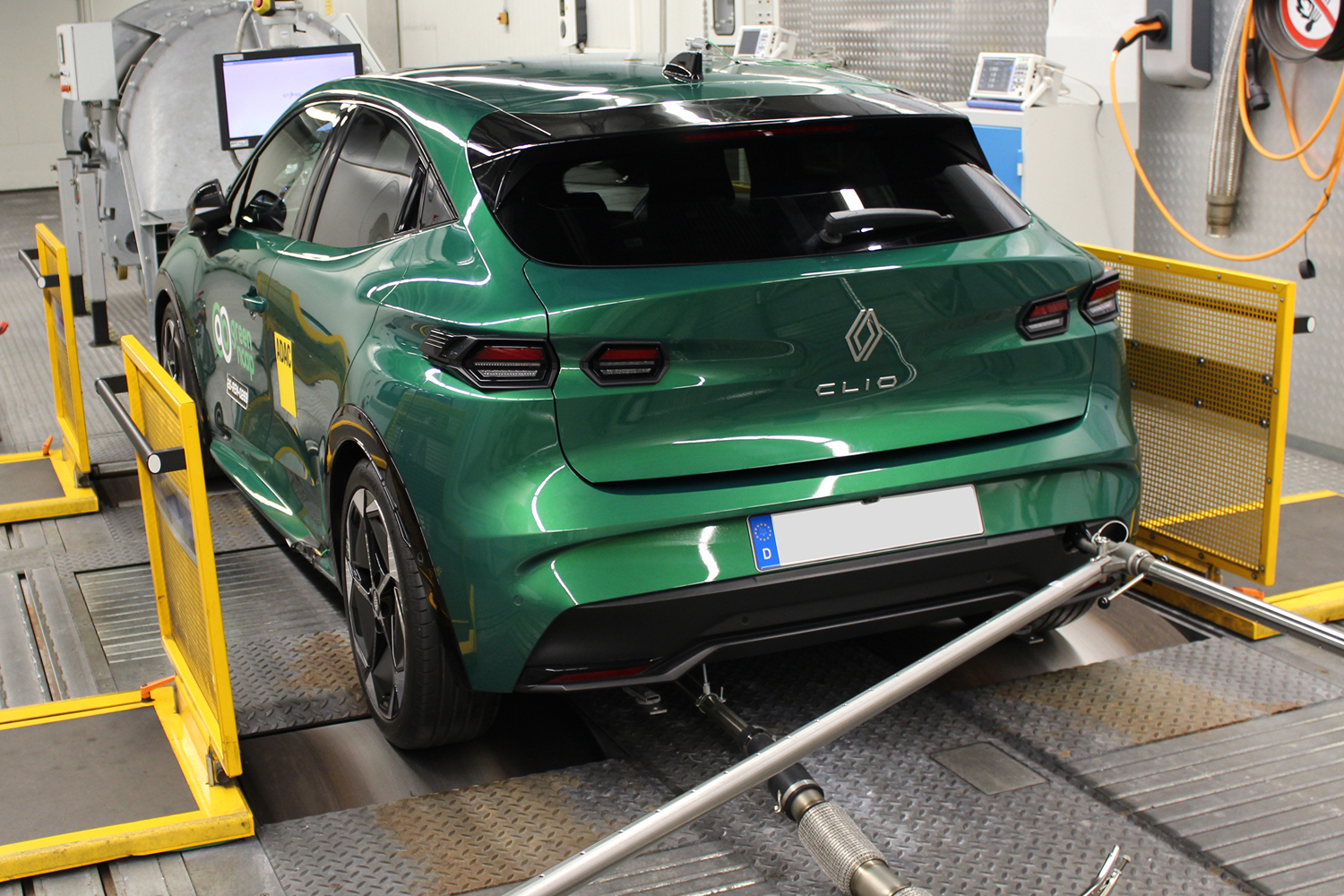
It seems so. Dr Aleksandar Damyanov, Technical Manager at Green NCAP, said: “The Renault Clio TCe 115 Techno demonstrates that good engineering still has an important role to play in reducing the environmental impact of conventional cars. Its relatively low weight, efficient petrol engine and effective emissions control help it achieve a strong result without relying on hybridisation. While our latest assessments underline the sustainability advantages that well-designed electric vehicles can offer, the Renault Clio TCe 115 Techno shows that manufacturers can also make meaningful improvements to affordable combustion-engine cars that remain an important part of today’s market.”
If there is anything about this story we have not covered, you can avail of our expert advice service via the Ask Us Anything page.