

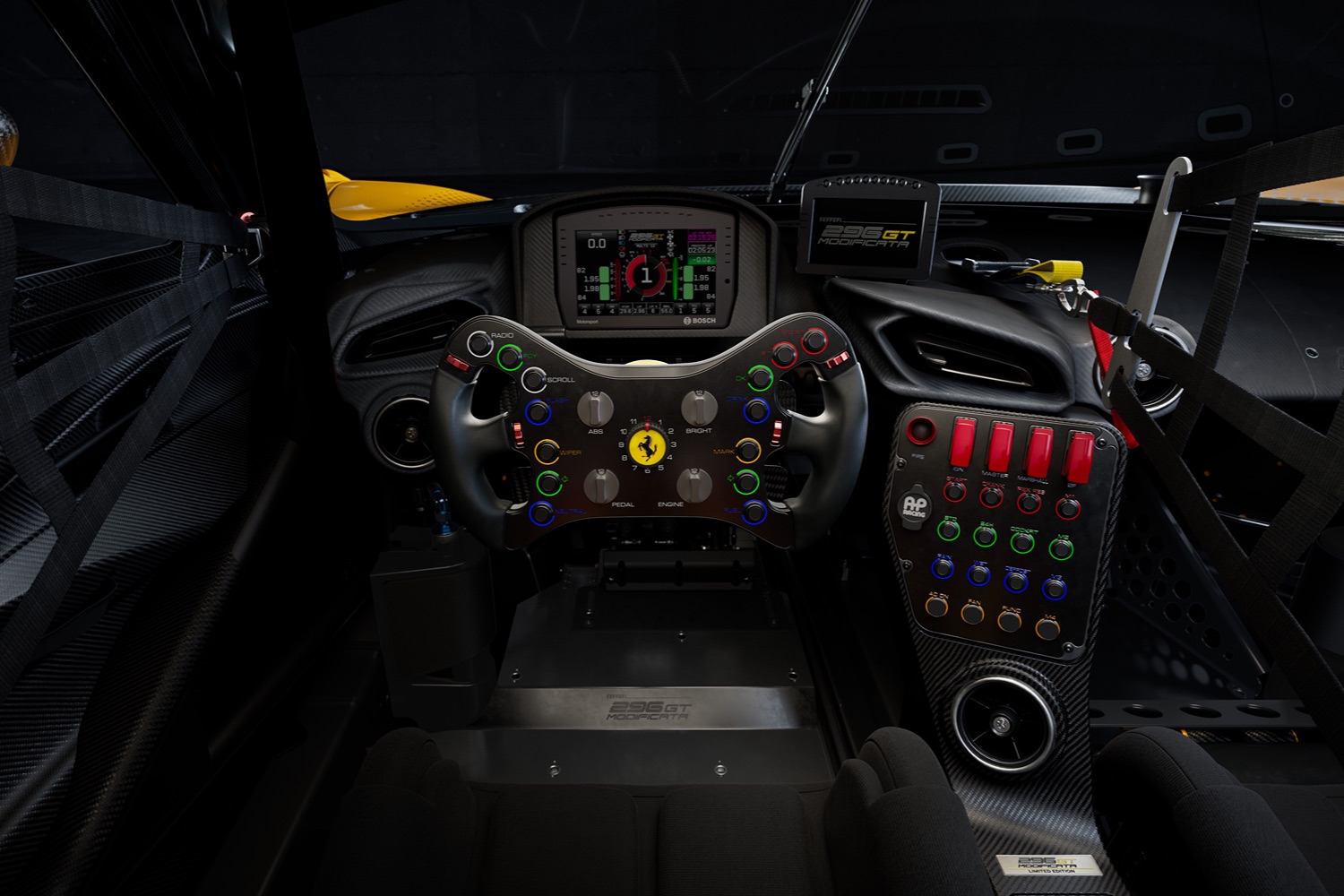
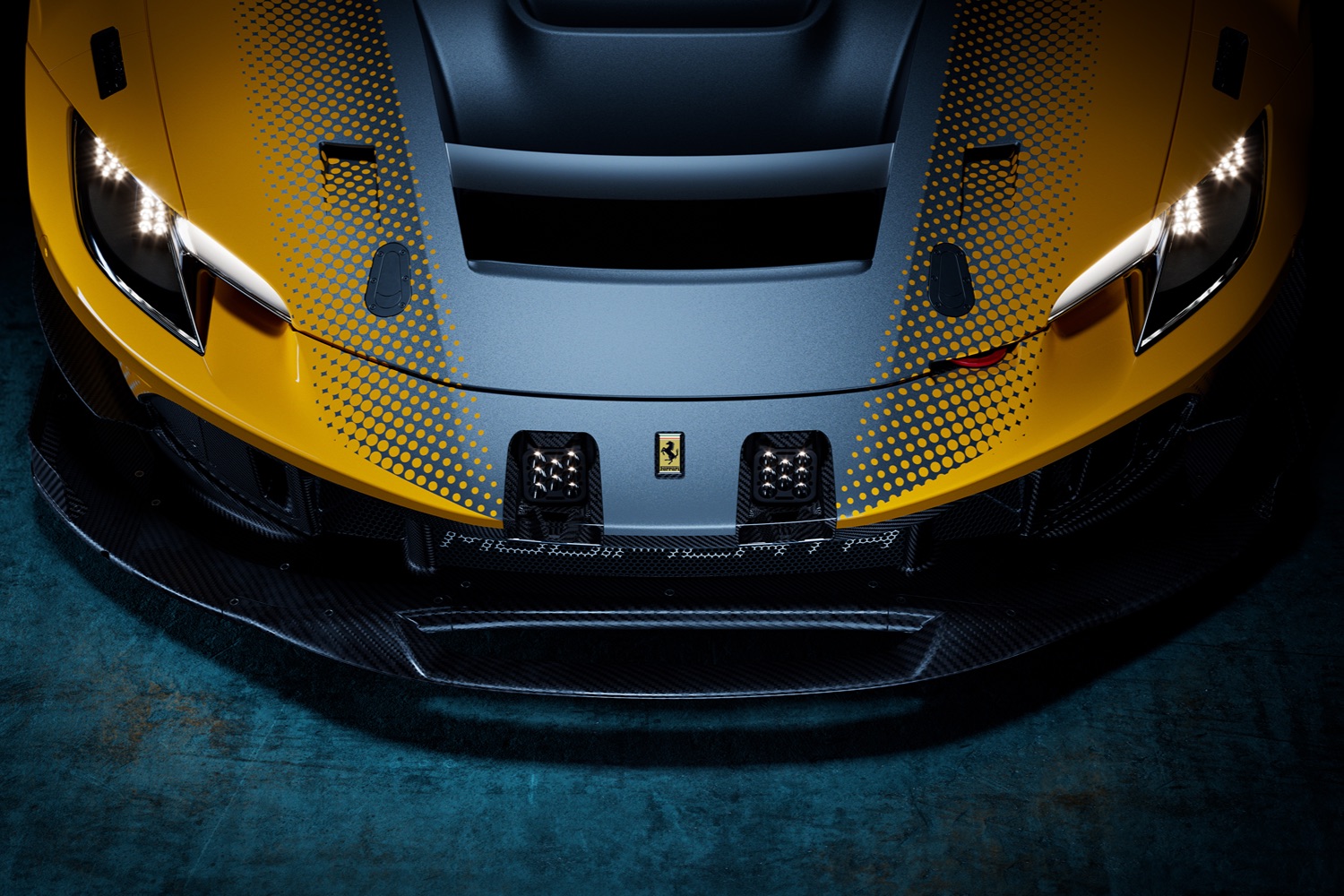
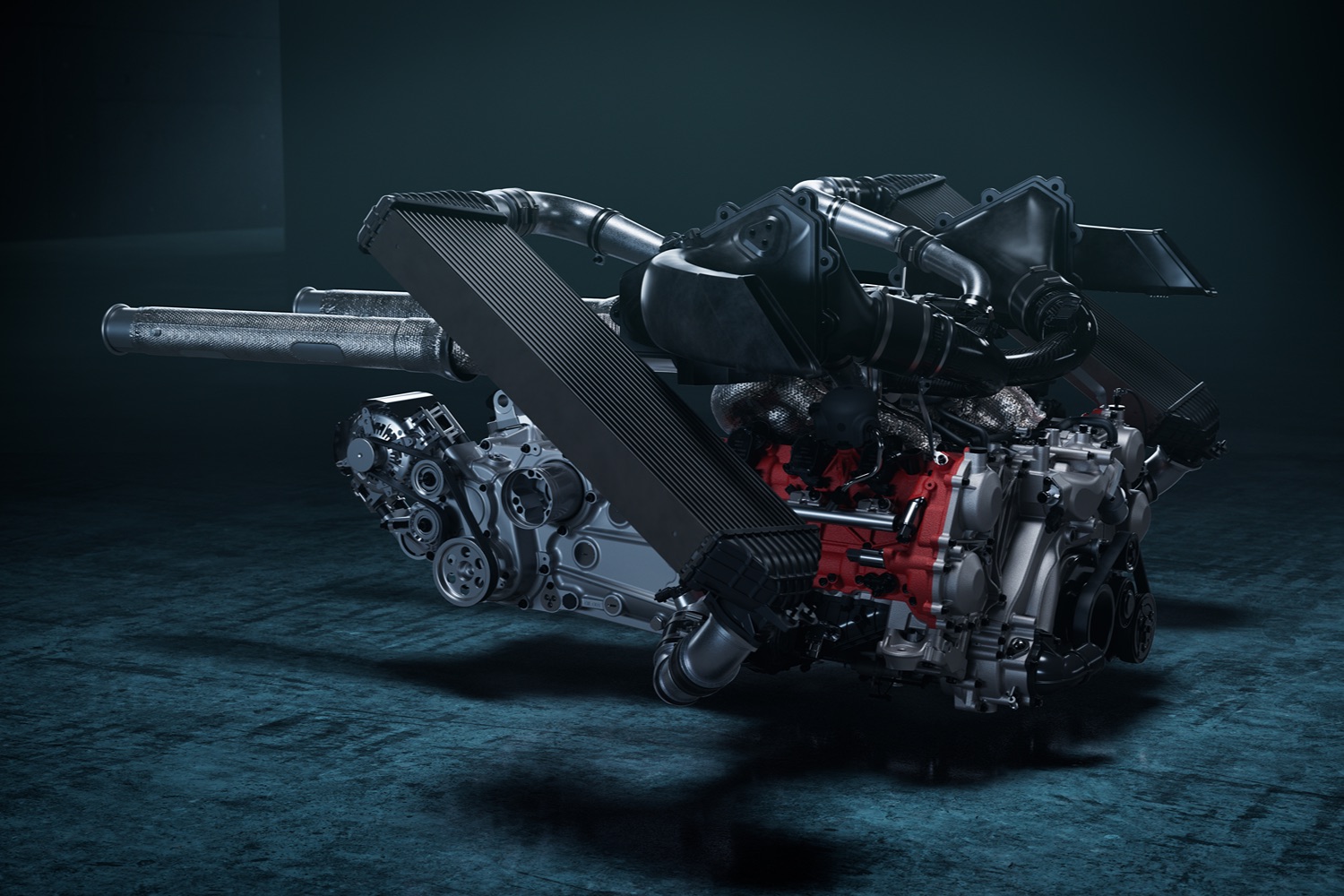
Sounds pretty extreme…
It is. This is the Ferrari 296 Modificata, based on the 296 GT3 Evo racing car - which you can see in action at Le Mans, Daytona, and in many sports car and endurance racing series around the world - but it doesn’t have to follow the restrictive rules of GT3 racing.
What does that mean?
Well, the first thing it means is that the 296 has lost its hybrid system. The road-going 296 GTB/GTS uses a twin-turbo 3.0 litre V6 petrol engine, backed by a compact 123kW motor and a small plug-in hybrid battery with just 7.45kWh capacity. Well, that’s all been binned, leaving the Modificata with just the V6 engine.
So much less power then?
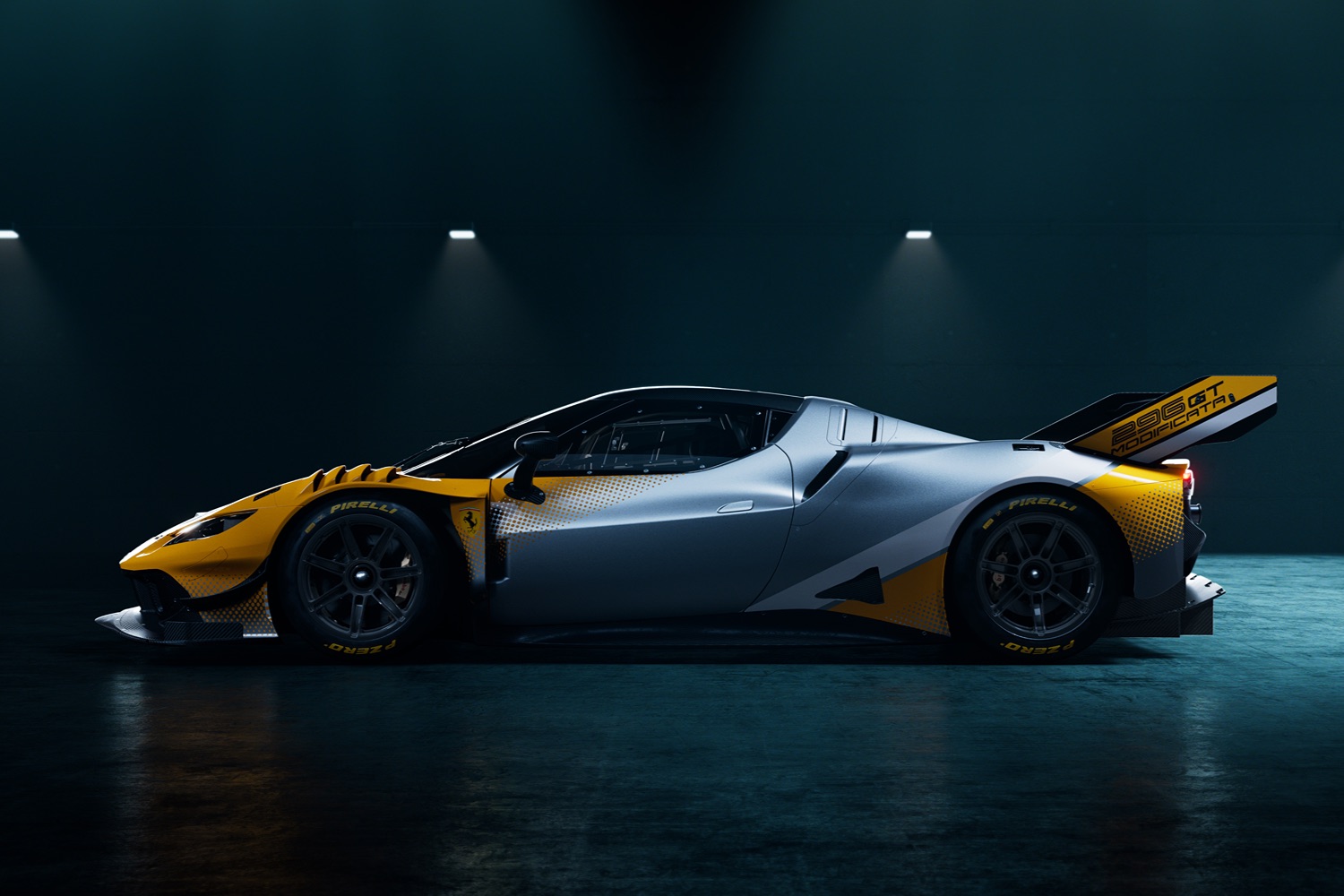
Yes. Actually, not that much less… A road-going 296 with its hybrid produces a combined 830hp, but this track-only Modificata still delivers a robust 730hp, sent to the rear wheels (of course) through a new six-speed sequential racing transmission that replaces the road-going model’s eight-speed dual-clutch auto.
Now, that 720hp actually makes this Modificata 130hp more powerful than the regular 296 GT3 Evo racing car - primarily because the racing car has to breathe through an FIA-mandated air intake restrictor. Mind you, it’s still less than the wild 880hp produced by the road-going 296 Speciale, but, then, the Modificata is some 80kg lighter even than that lightweight road car.
So how fast is it?
Good question. Ferrari says that the Modificata can lap the Fiorano race track - just across from the gates of the Maranello factory, and long held as the benchmark for Ferrari’s road and racing cars - three seconds faster than the GT3 Evo racing car. That sounds pretty quick to us, even if Ferrari isn’t being forthcoming with more precise figures than that.
What has Ferrari done to extract that kind of performance?
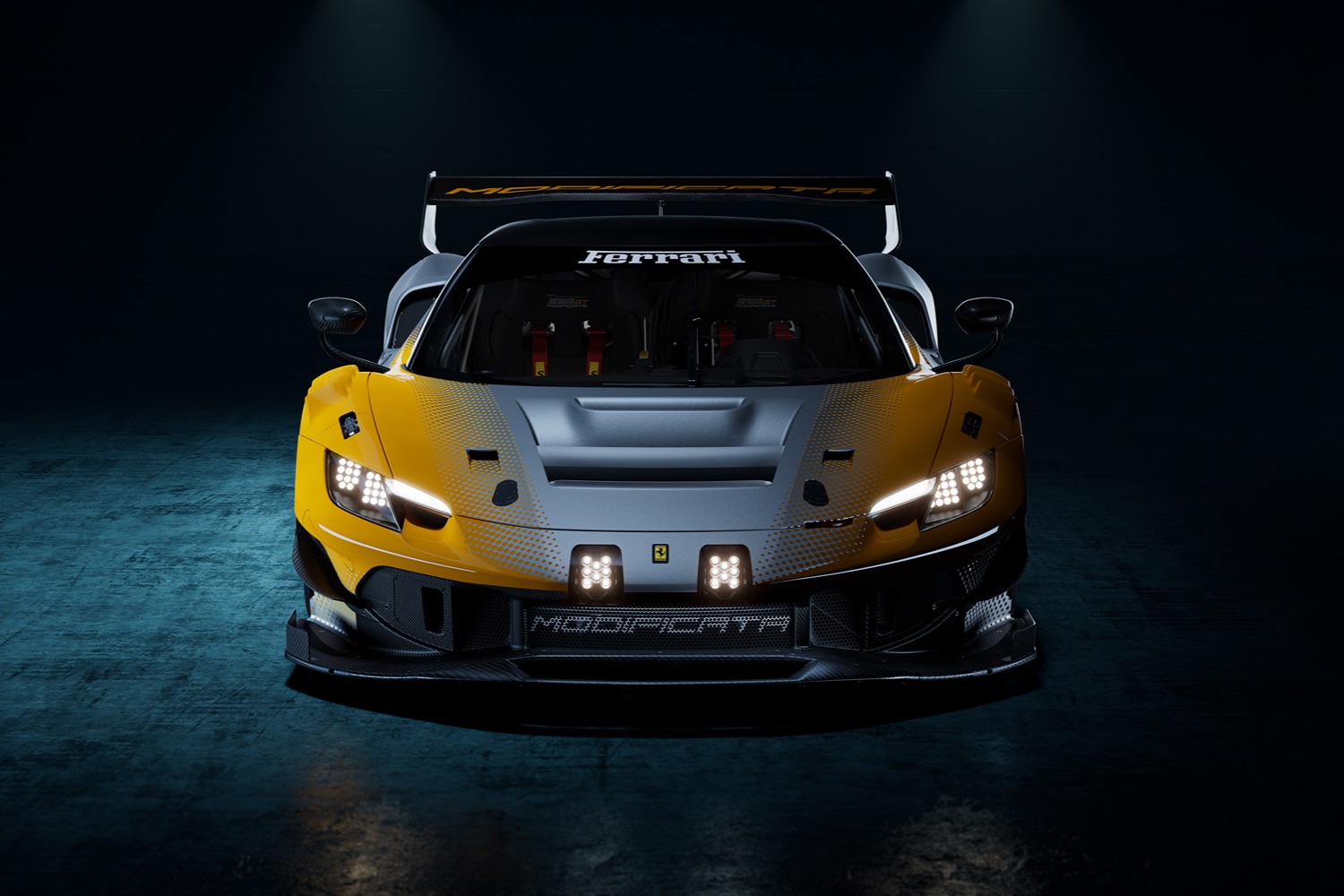
Aside from the lightening effect of chucking out the hybrid system, the Modificata’s V6 engine has benefited from experience with the mighty 499P racing car, the one that won Le Mans three years on the bounce, and the track-only 499P Modificata, a ‘turnkey’ version of that racer designed for wealthy Ferrari customers to drive on track days. So the engine has a tweaked crankshaft, camshafts, air induction, intercoolers, turbochargers, fuel system, and exhaust, as well as the new six-speed gearbox.
What about the bodywork?
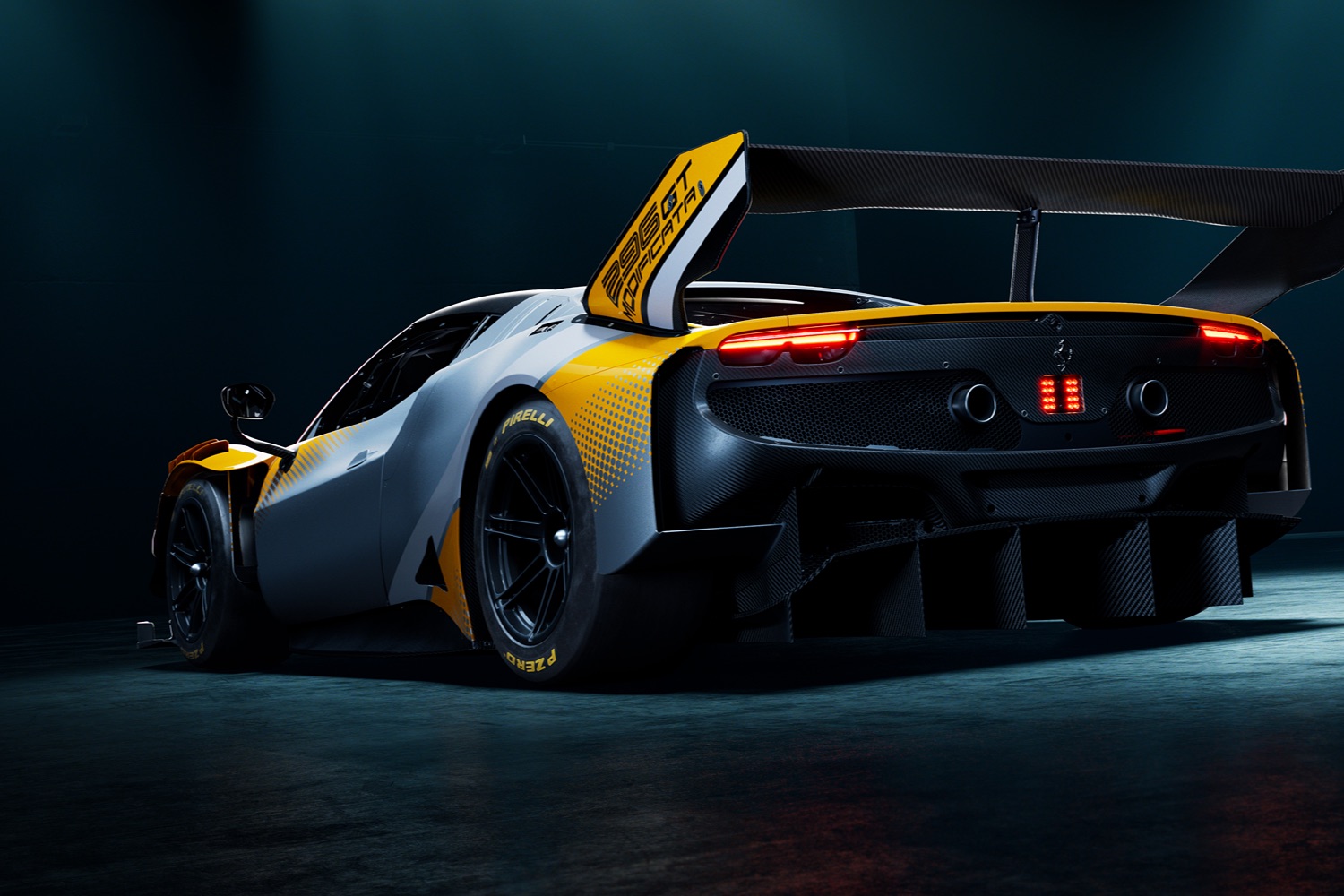
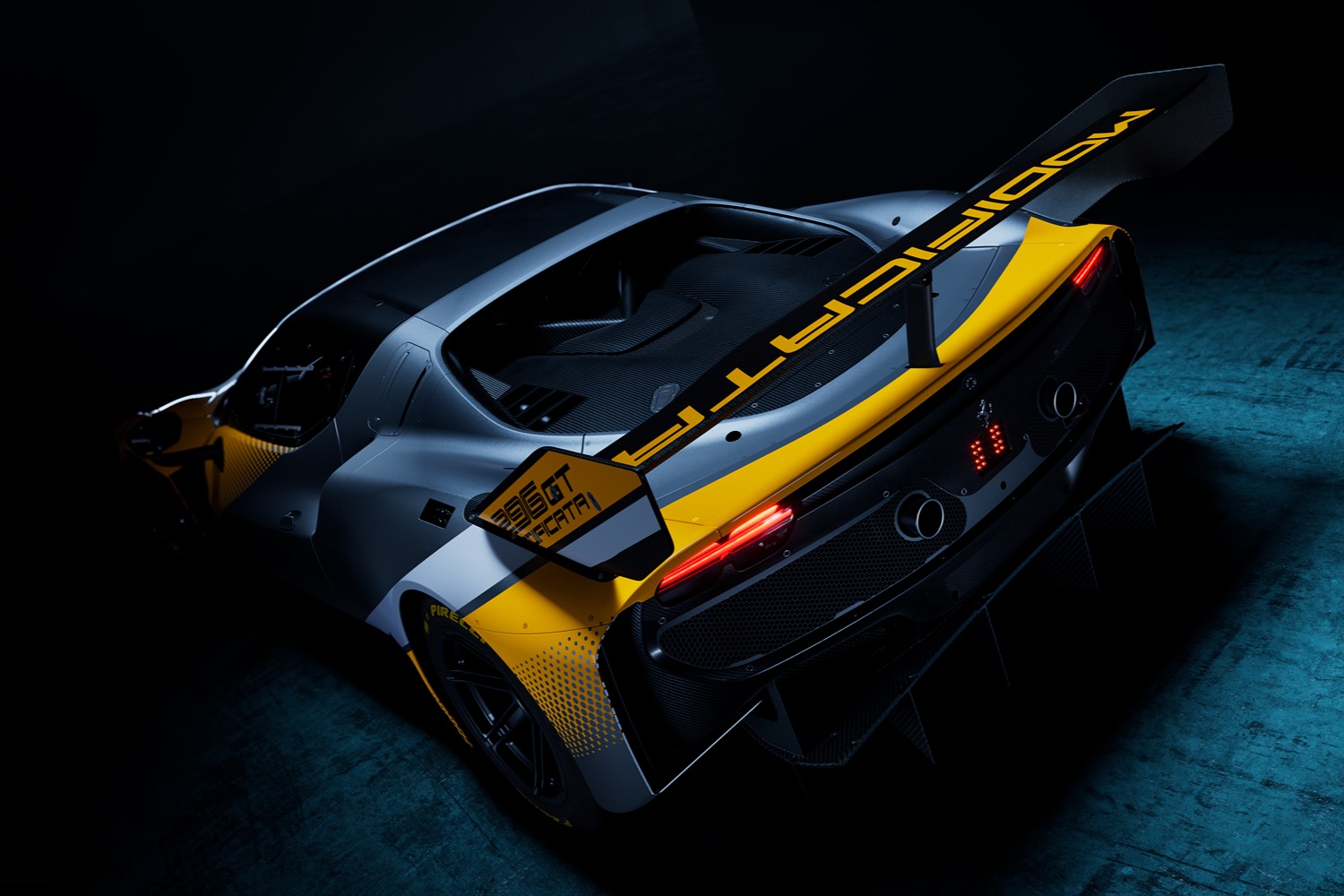
It does look very, very good, doesn’t it? Although the yellow-and-silver paint job of the car in these photos does shout ‘Corvette’ rather more than it does ‘Ferrari’ (unless you remember the Ecurie Francorchamps cars of the sixties…). There’s lots of trick aero on the Modificata’s bodywork, including a new ‘slotted splitter’ as Ferrari calls it under the nose, which “improves the management of the air flow along the underbody, increasing the car’s overall ability to generate downforce.” The big rear wing is a new design too, with a substantial 5mm ‘Gurney Flap’ (a small extra lip on the trailing edge of the wing that boosts downforce) and new endplates inspired by the 499P.
Anything else we should know?
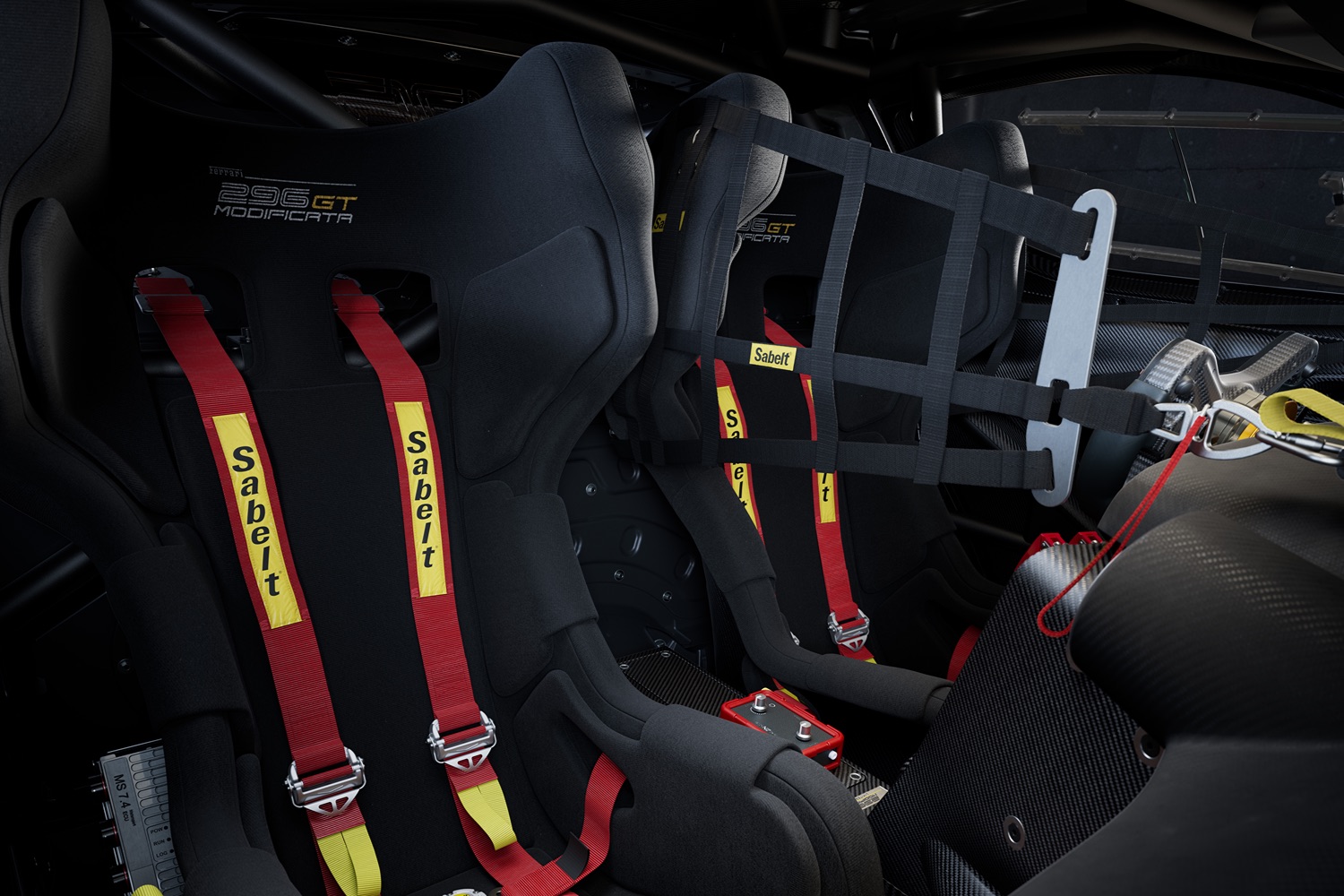
Oddly, the Modificata gets steel brakes, not carbon-ceramic discs. Ferrari hasn’t given a reason why, but it might be because steel brakes are a touch more consistent in their response than carbon brakes. Or it’s just that they’re cheaper to swap out when you’ve been pounding them on a track day. There is ABS braking, though, and traction control, which should be a literal lifesaver to the less sensitive of right foot. The Modificata also gets an optional passenger seat in the cabin, should you wish to utterly terrify a loved one, or just make them vomit a lot. Fun for all the family. It’s also there so that a professional instructor can sit in with you to help you hone your Ferrari-driving skills. It also has a full data-logging system so you can analyse each lap.
Where can I actually drive one?
Not on the road, that’s for sure (although Lanzante is only a phone call away…). Ferrari will offer Modificata customers membership of the Ferrari Club Competizioni GT programme, which will hold 12 events across two years at some of the best-known racing circuits around the world. For 2027, the programme includes Jerez de la Frontera (Spain), Misano Adriatico (Italy), Fuji (Japan), Indianapolis (USA), Paul Ricard (France), Spa-Francorchamps (Belgium), and the closing event at the Finali Mondiali Ferrari, which doesn’t have an announced track yet, but if we had to guess, we’d say will be at Mugello in Italy.
If there is anything about this story we have not covered, you can avail of our expert advice service via the Ask Us Anything page.