
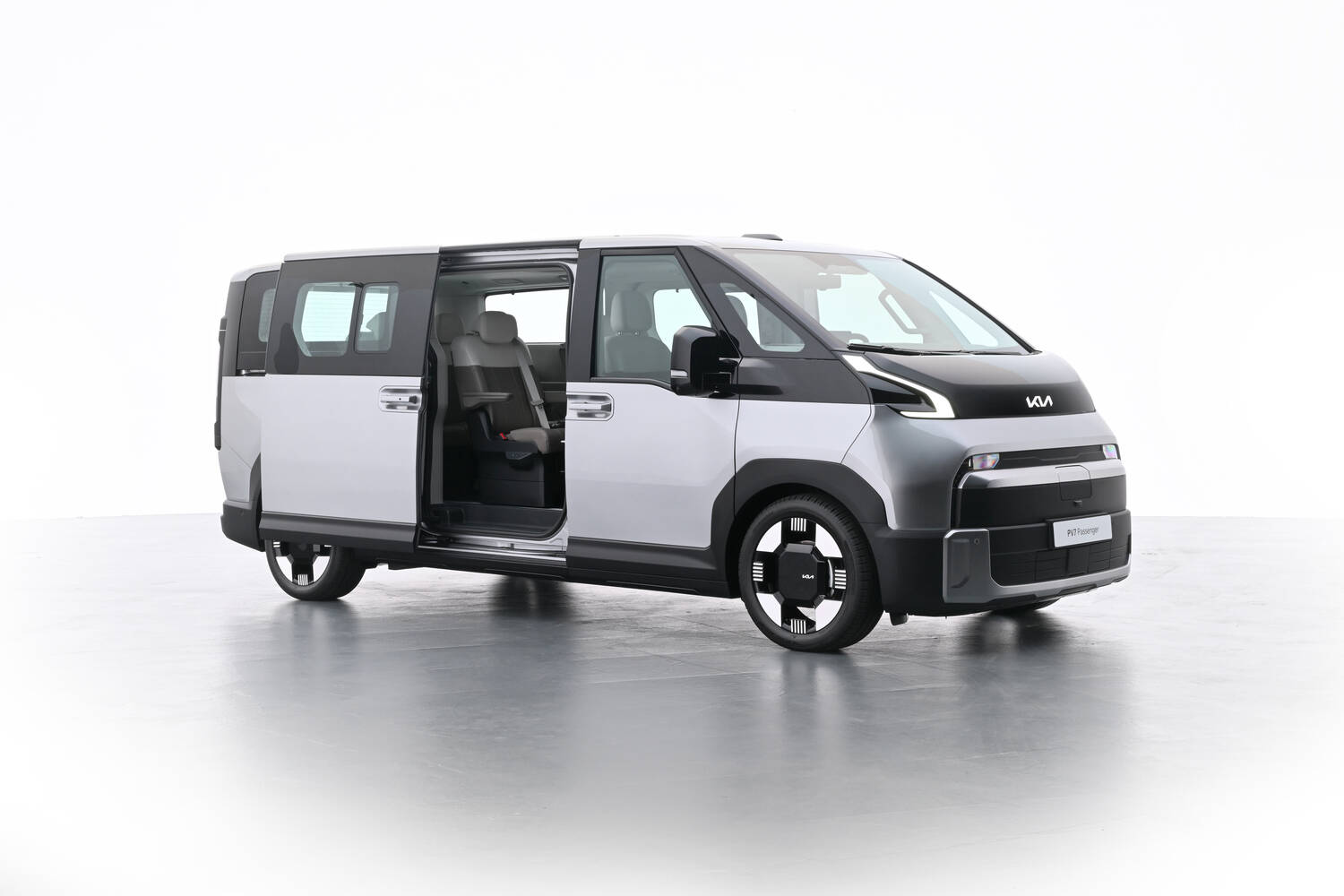
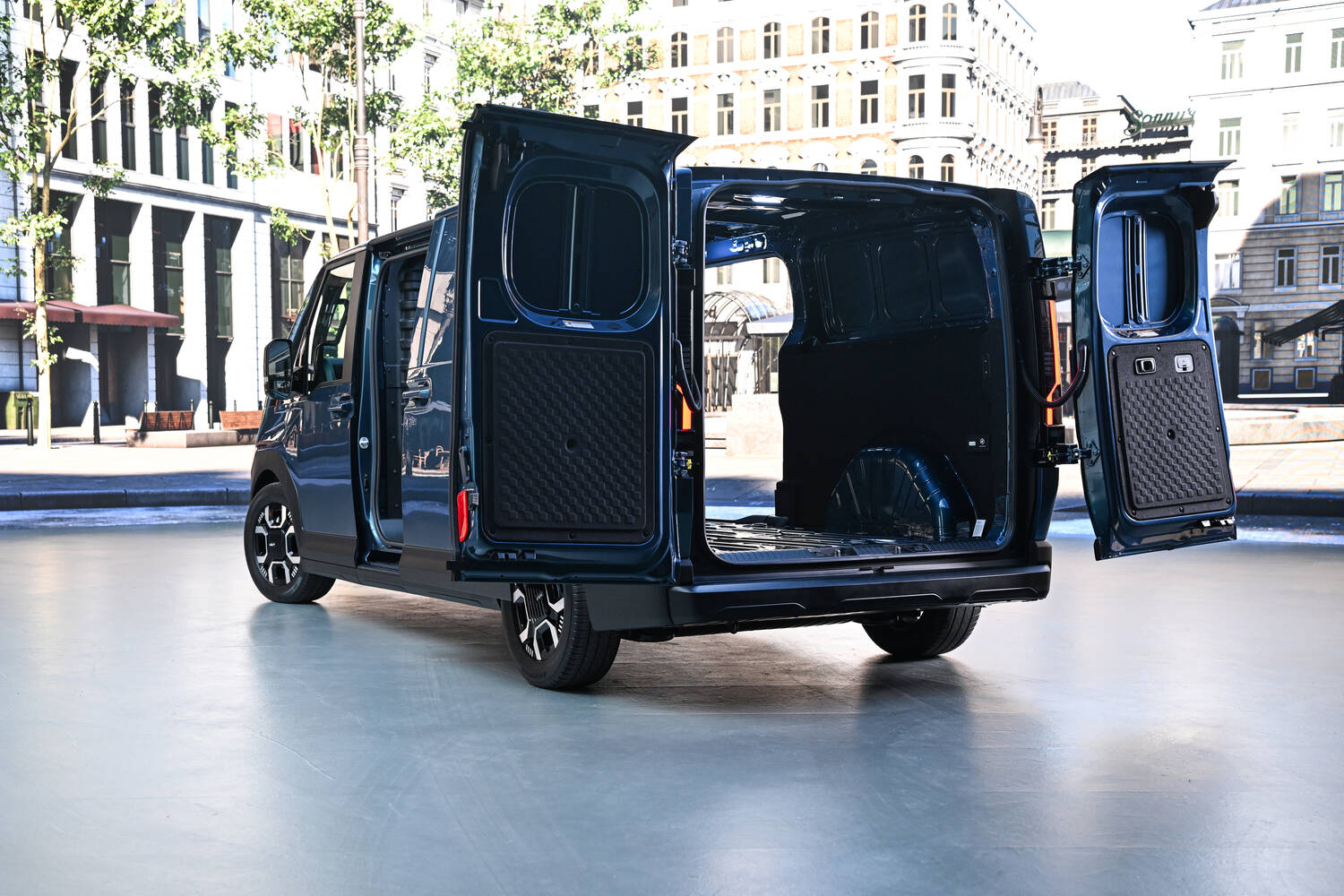
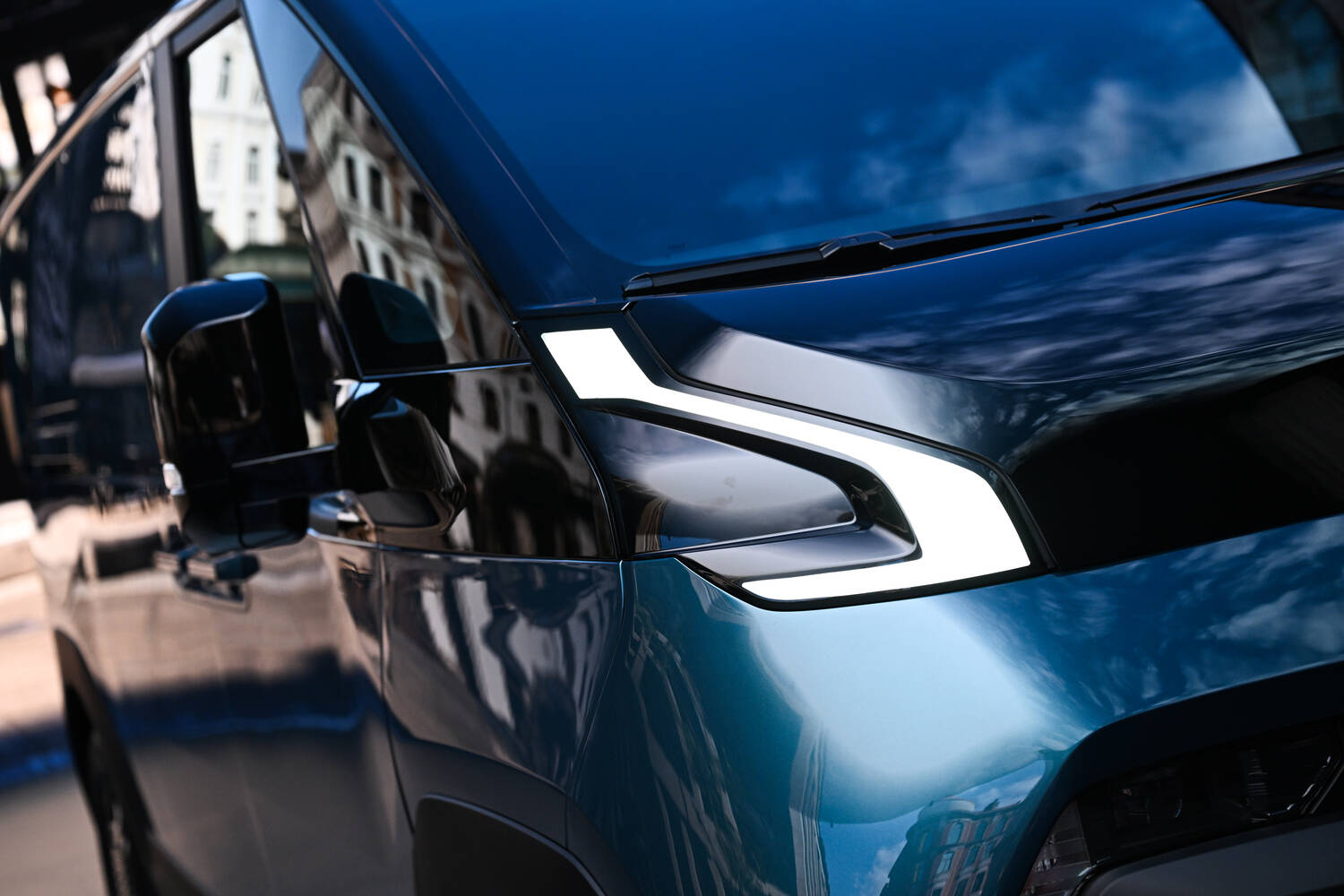
Shown for the first time at the IAA Transportation show in Hannover, Germany, the Kia PV7 will be offered in Passenger and Cargo forms (no prizes for guessing which is the van and which is the people carrier), with European sales due to begin in the second half of 2027. Kia has yet to confirm Irish pricing, specifications or an exact launch date.
Tell us a little more about the Kia PV7 Passenger
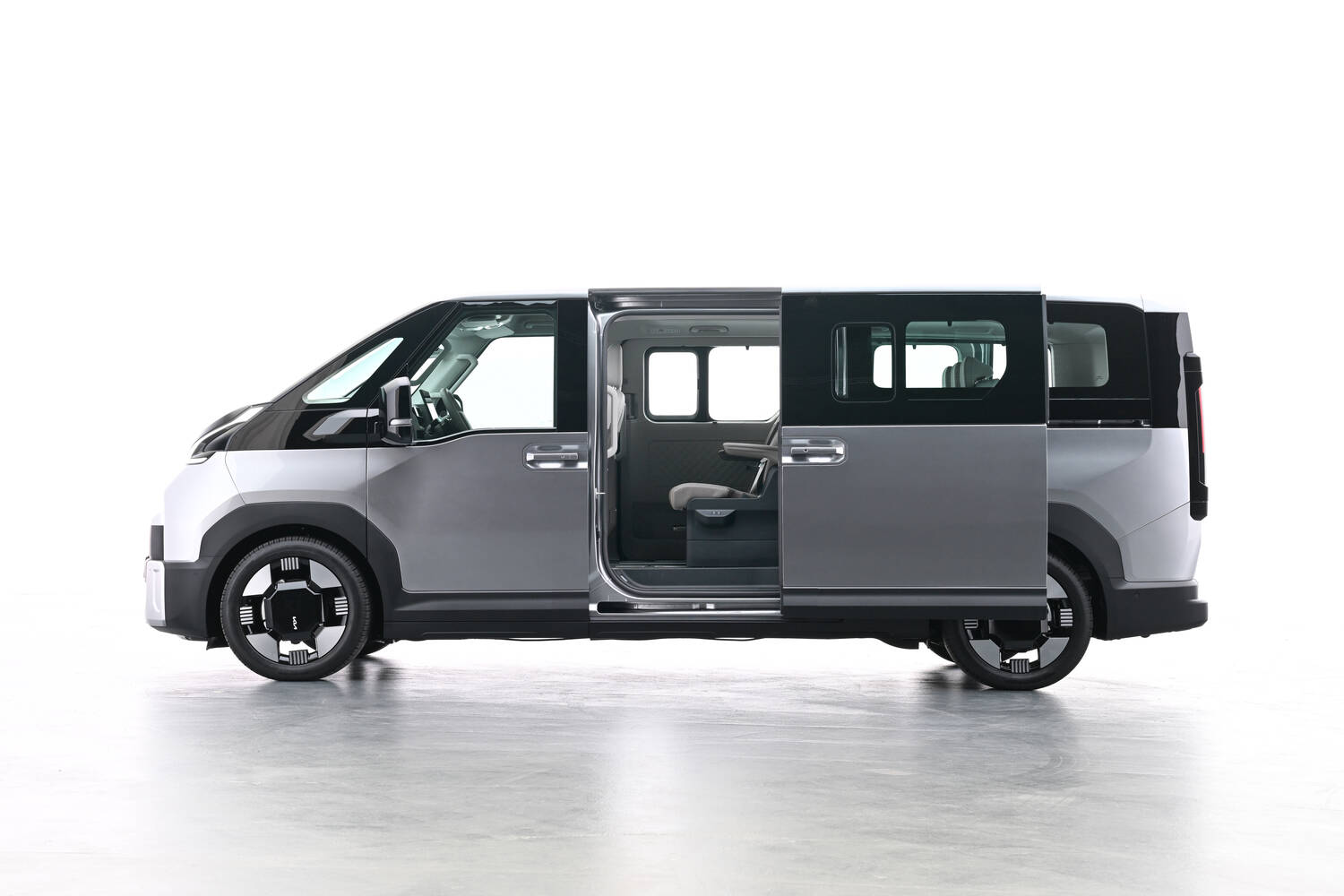
For private buyers, the most interesting version is likely to be just that, the PV7 Passenger, which can accommodate up to nine people and combines that with a choice of two large batteries, rapid charging and a highly configurable cabin.
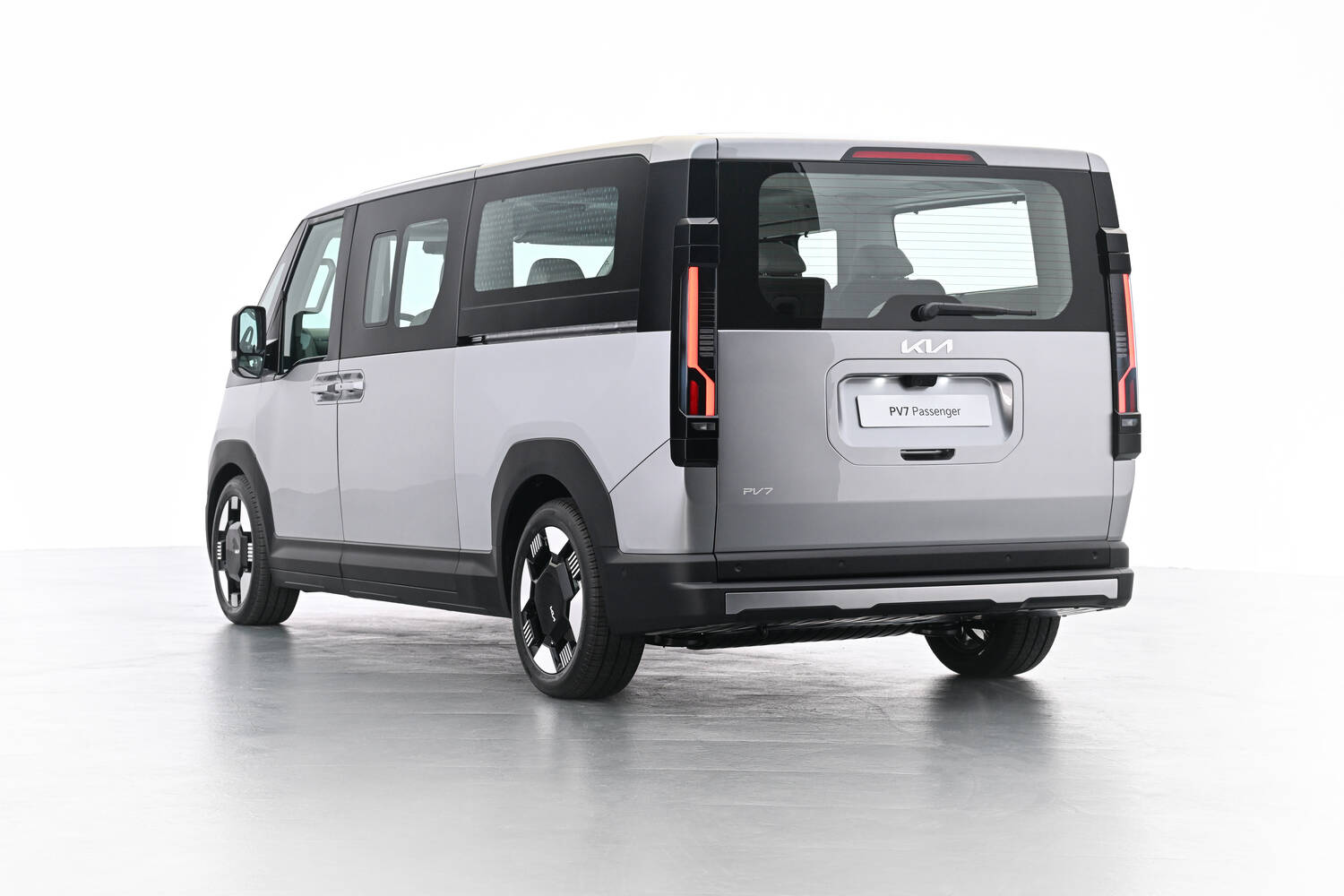
It is a substantial vehicle. The long-wheelbase nine-seat Passenger version displayed at launch measures 5,350mm long, 1,995mm wide and 1,990mm tall, with a 3,500mm wheelbase.
For reference, the Kia PV5, hardly a small vehicle has equivalent measurements of 4,695mm, 1,895mm, 1,899mm and 2,995mm, respectively.
Is the Kia PV7 fully electric like the PV5?
Yes, Kia's PBV strategy is built on purely electric vehicles. Underneath the PV7 is the company's ‘E-GMP.S’ architecture, a version of its electric vehicle platform developed specifically for these PBV models.
That architecture gives the PV7 a flat floor to maximise usable cabin space and allows Kia to build numerous different body styles and conversions from the same basic structure.
Two nickel-cobalt-manganese (NCM) battery capacities have been announced: 71.5kWh and 96.2kWh. Kia says that, depending on the market and configuration, the electric drivetrain will produce up to 200kW - equivalent to 272hp - and 420Nm of torque.
Initially, the PV7 will be front-wheel drive, though Kia says an all-wheel-drive version will be added to the lineup later.
One important figure Kia has not yet confirmed is a driving range for the PV7 Passenger. It says the Long Range Cargo model is targeting more than 460 kilometres on the WLTP test cycle, but of course that’ll be lighter than a version with rear seats on board, so expect lower for the PV7 Passenger.
The PV7 uses an 800-volt electrical architecture and Kia says a 10-80 per cent DC charge should take somewhere in the high-20-minute range when connected to a sufficiently powerful 350kW charger.
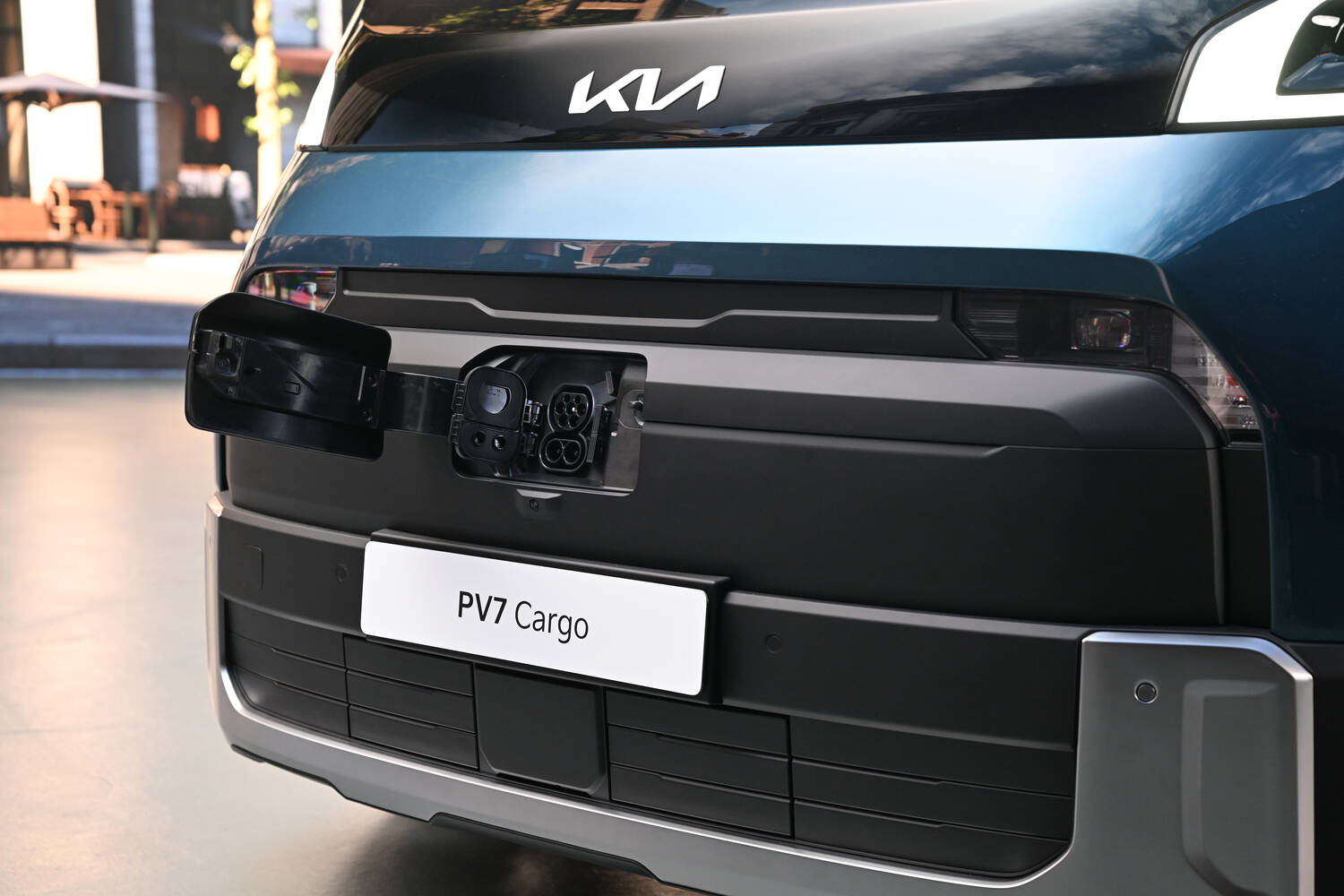
Interestingly, the PV7 introduces an unusual dual-port charging arrangement. There is an AC/DC charging connection at the front of the vehicle, while buyers can specify an additional AC charging port towards the rear. That could make the vehicle easier to plug in regardless of how it is parked. Presumably this is designed more for the Cargo model than the Passenger.
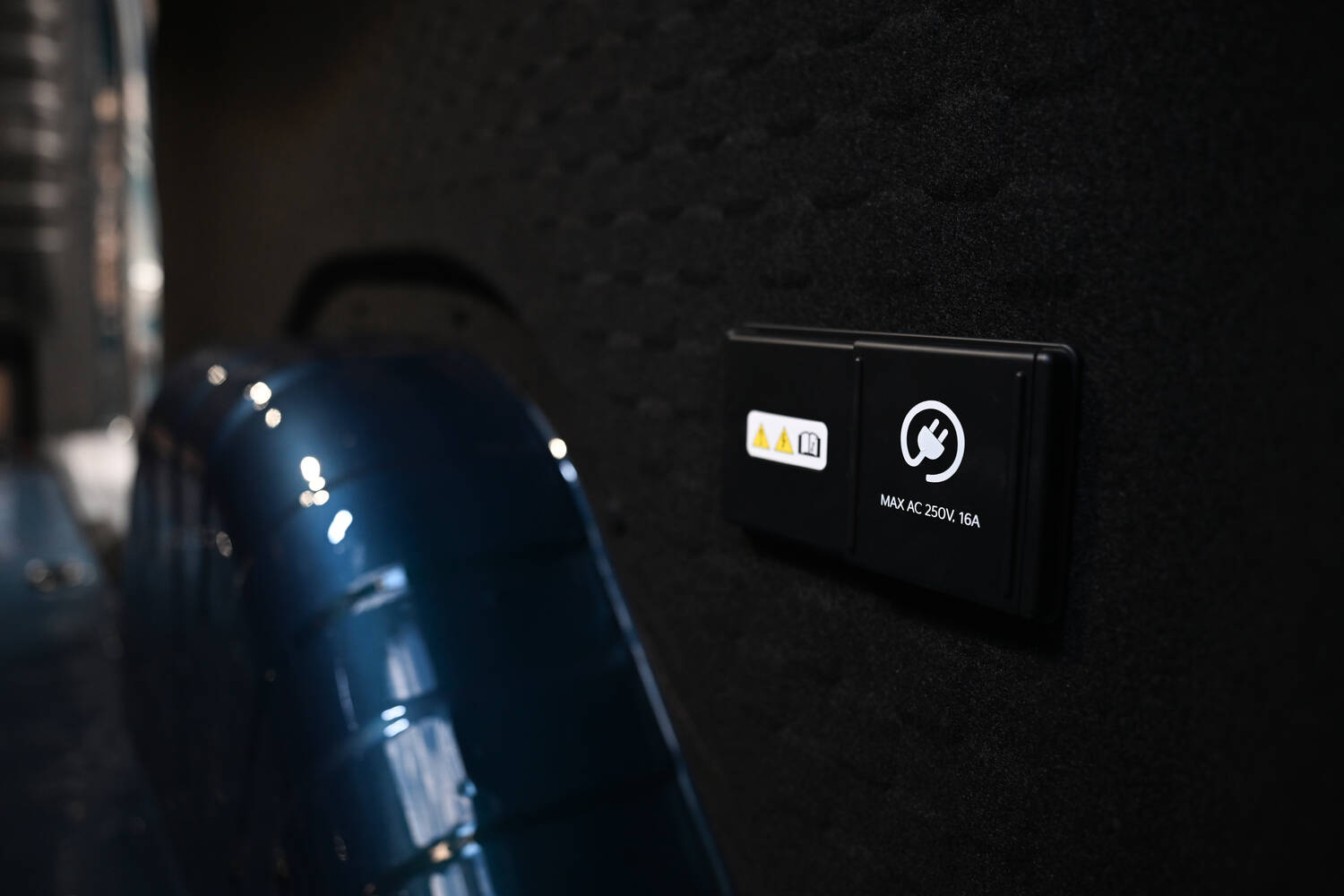
Vehicle-to-load (V2L) technology will also be available, allowing the battery to provide electrical power for external equipment and devices.
But the Kia PV7 is an electric people carrier, right?
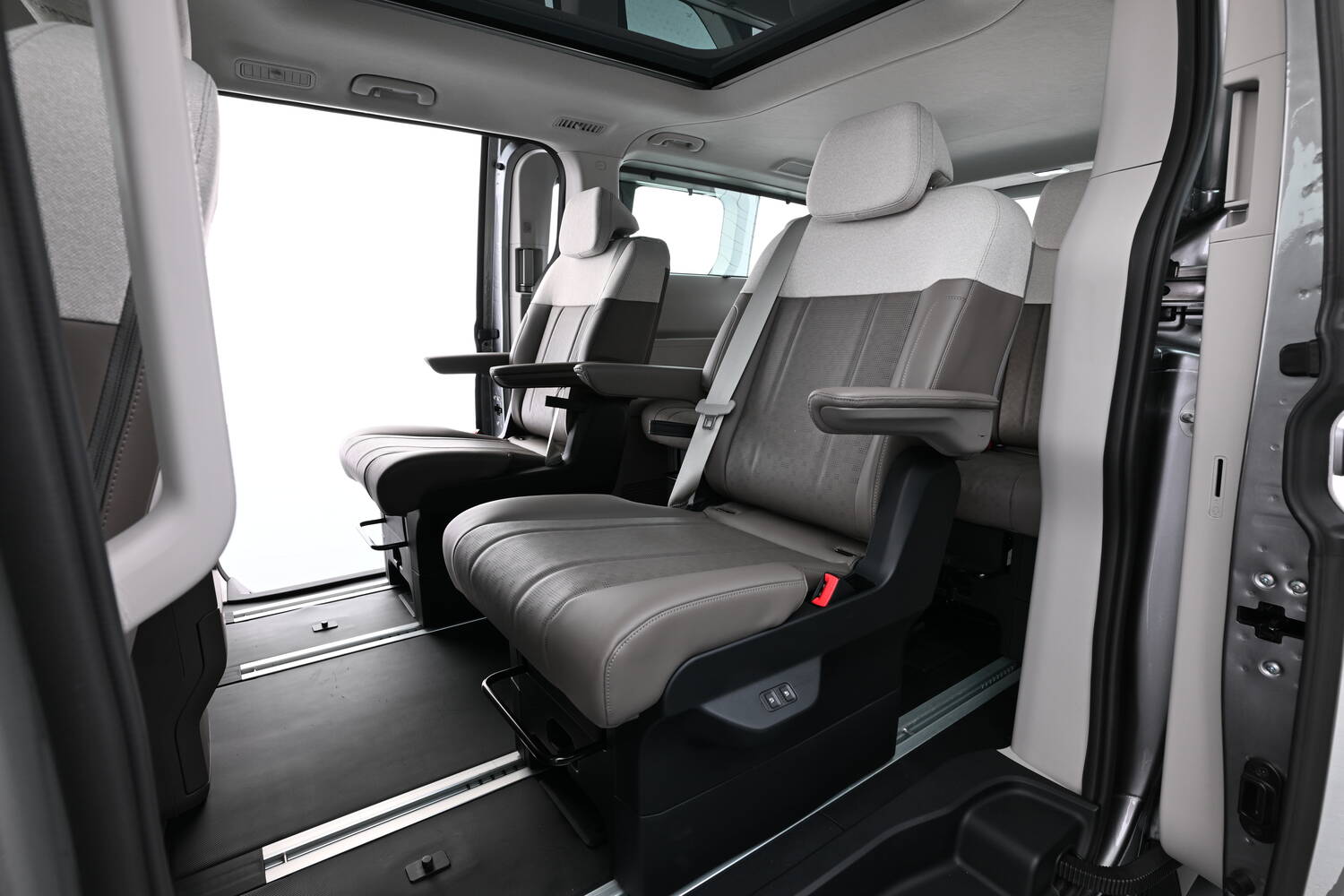
Yes, though Kia is positioning the Passenger version for considerably more than just large families.
Potential uses include private transport, shuttle services, tourism, rental fleets and crew transport. In most global markets it will be offered with seating for as many as nine people, while an 11-seat configuration will be available in Korea.
Its size should give it substantially more passenger-carrying ability than the PV5, but flexibility is one of the central themes of the design.
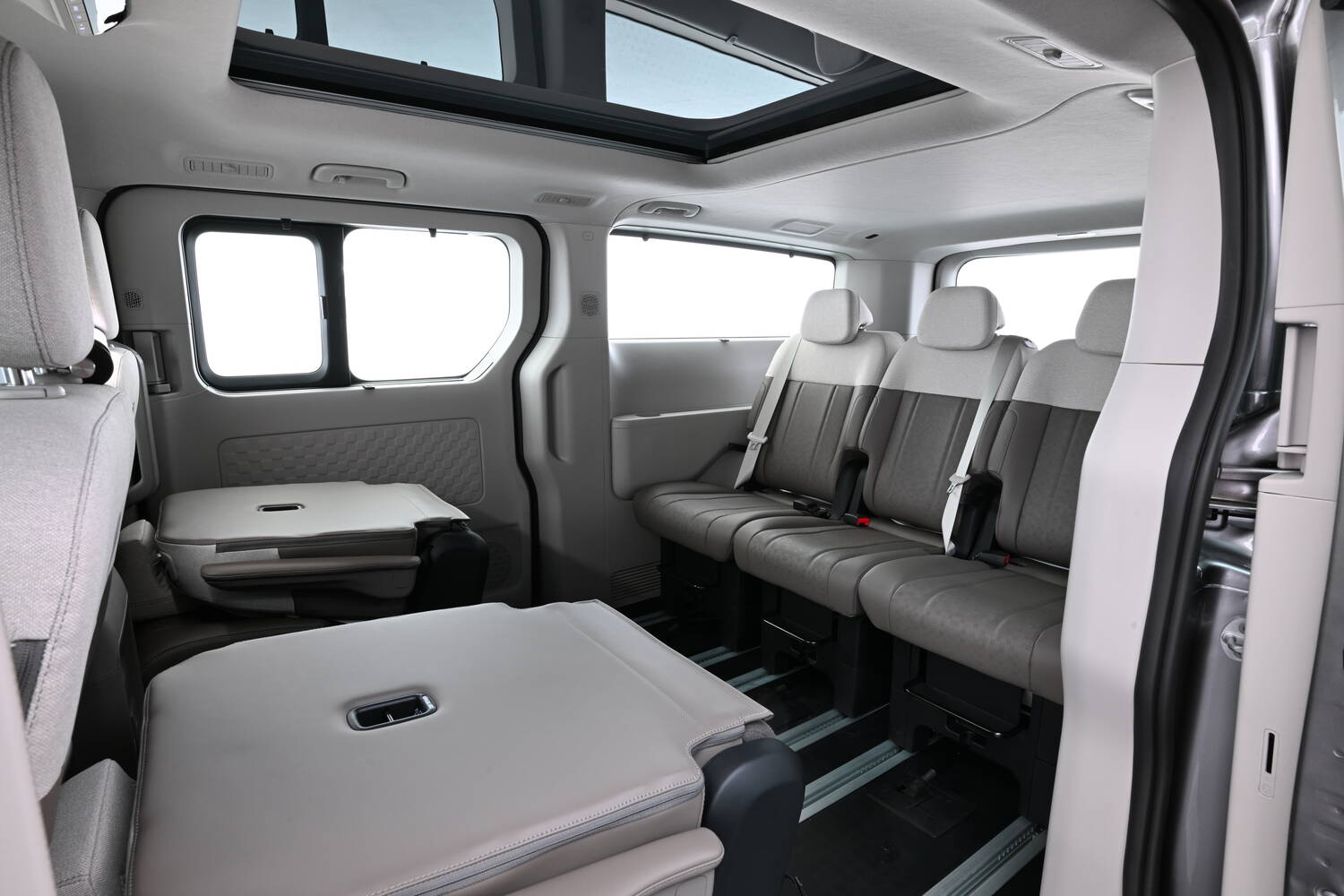
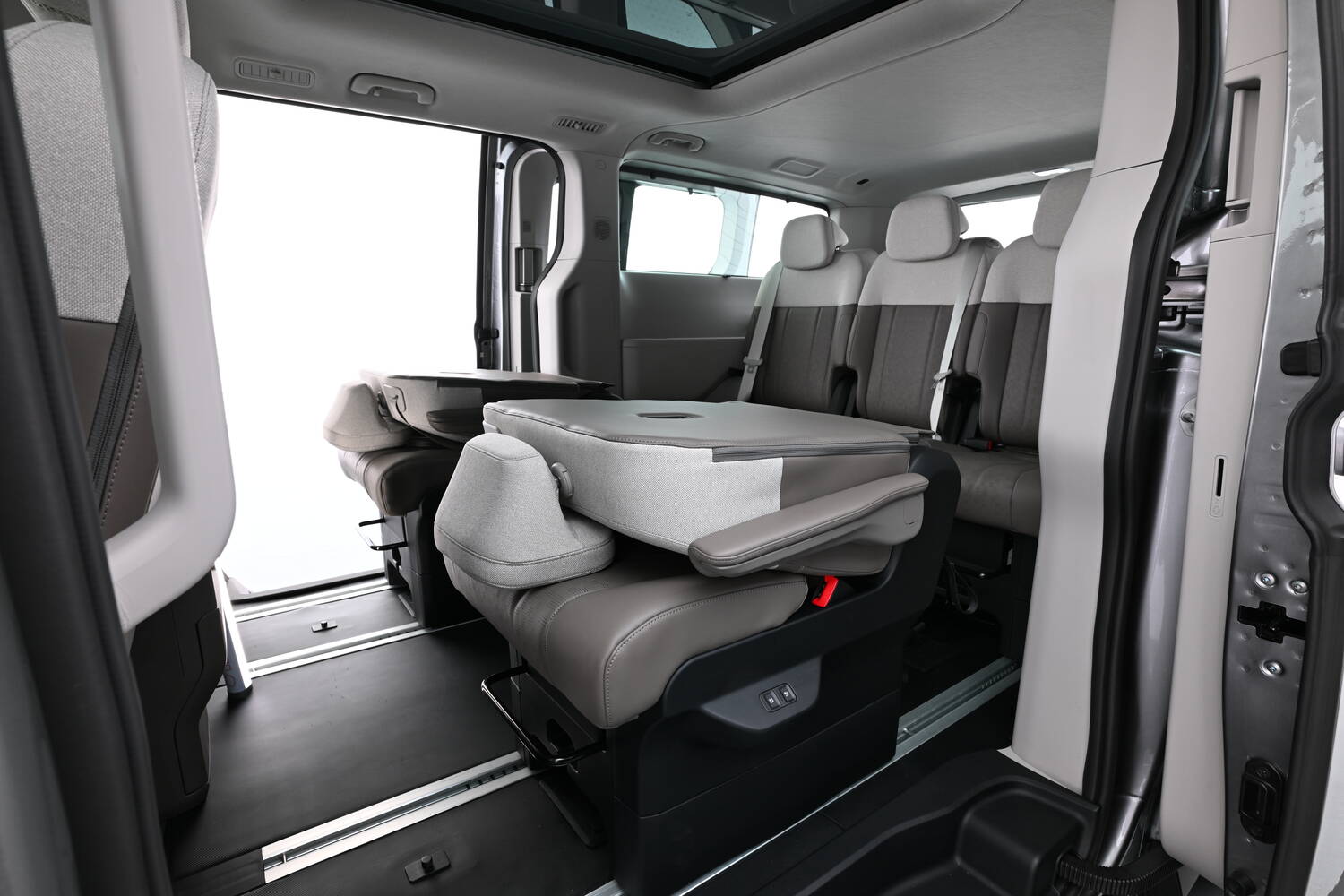
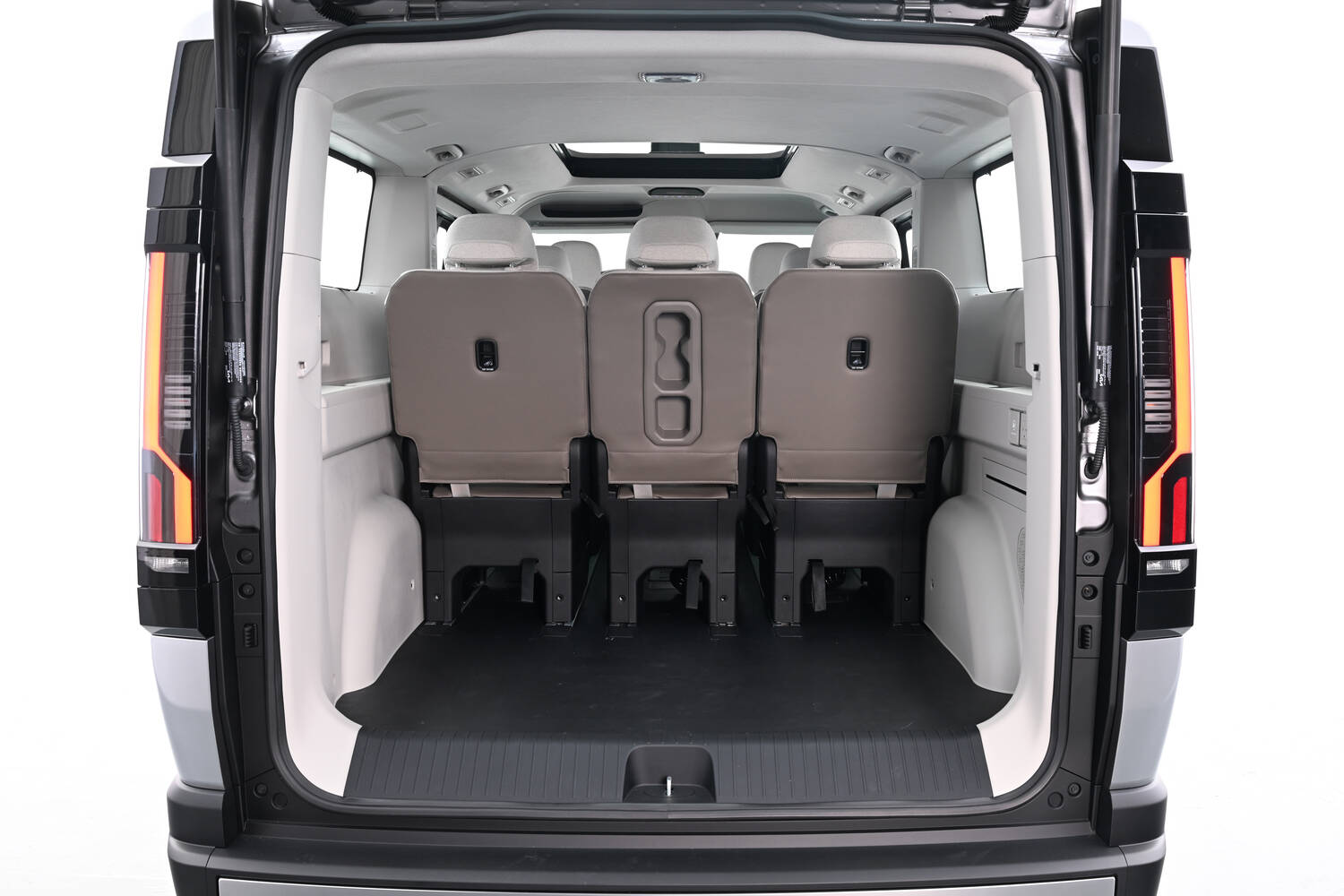
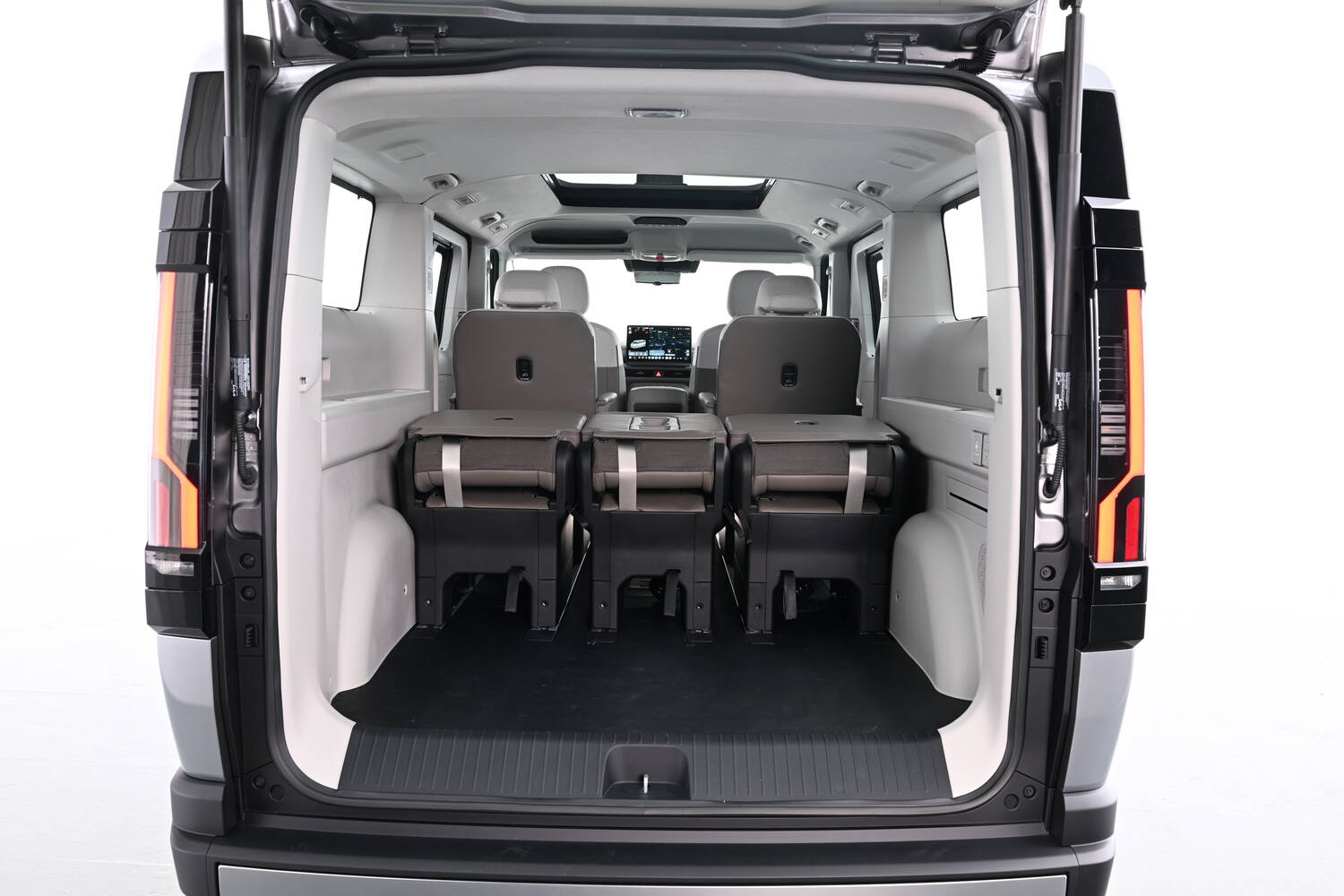
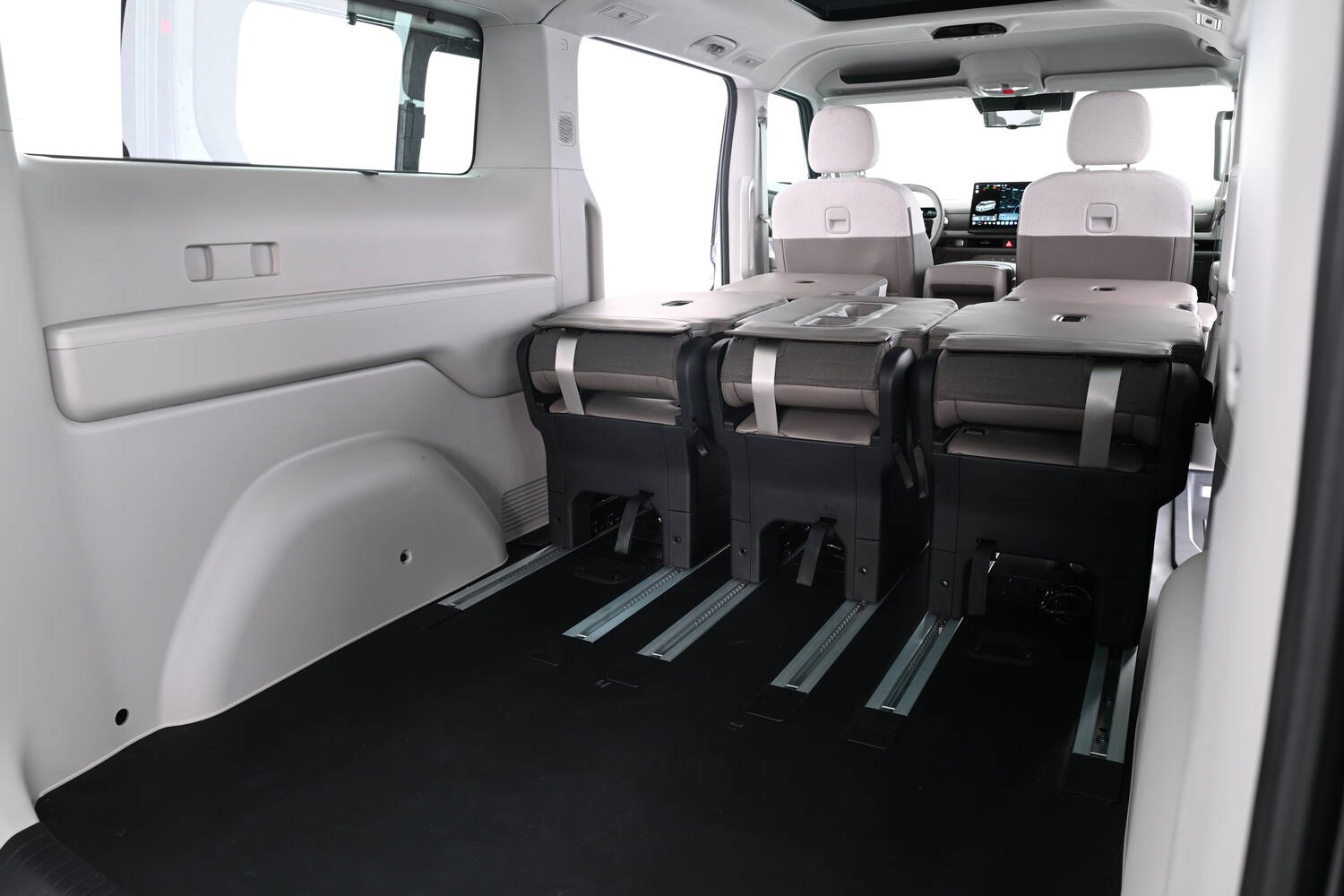
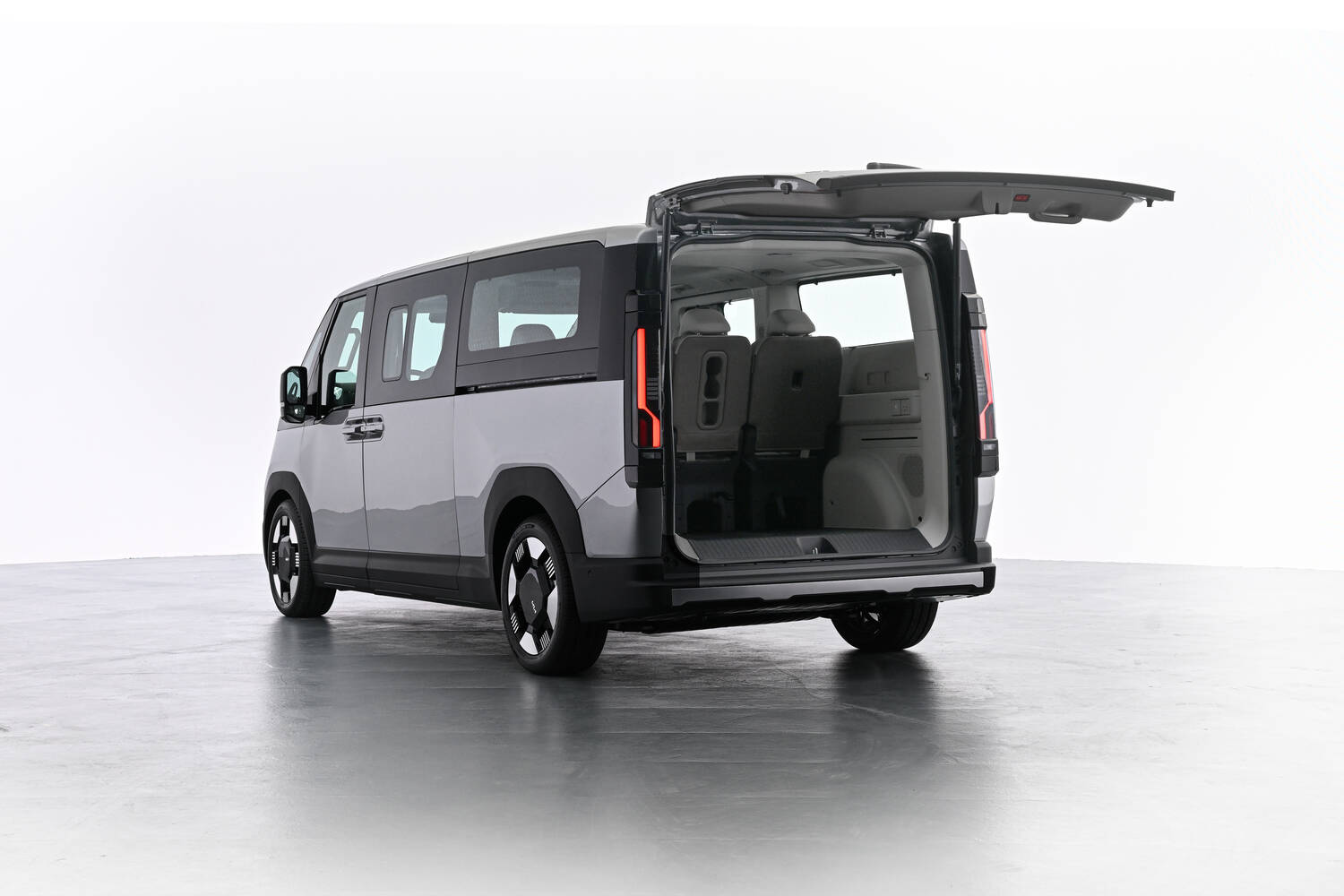
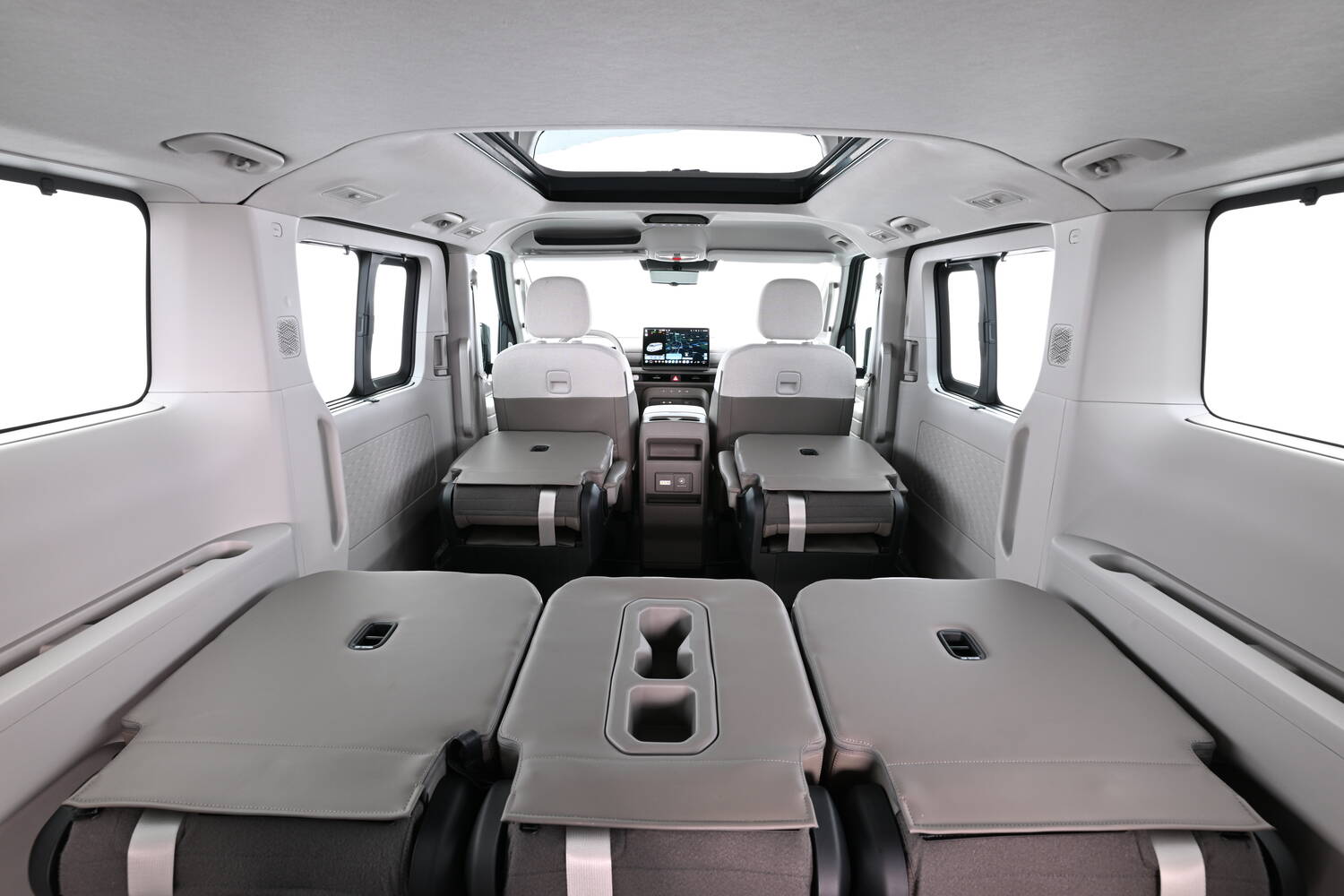
A seven-seat model gets what Kia calls Long-Rail Easy Remove Seats, allowing the position and layout of the seats to be altered or individual seats to be removed when more luggage space is required.
There will also be a nine-seat configuration, available with or without a fourth seating row depending on requirements and market.
Rear climate control is included in the Passenger model specification outlined by Kia, while other mentioned equipment includes 100-watt USB-C charging ports and power-operated sliding doors.
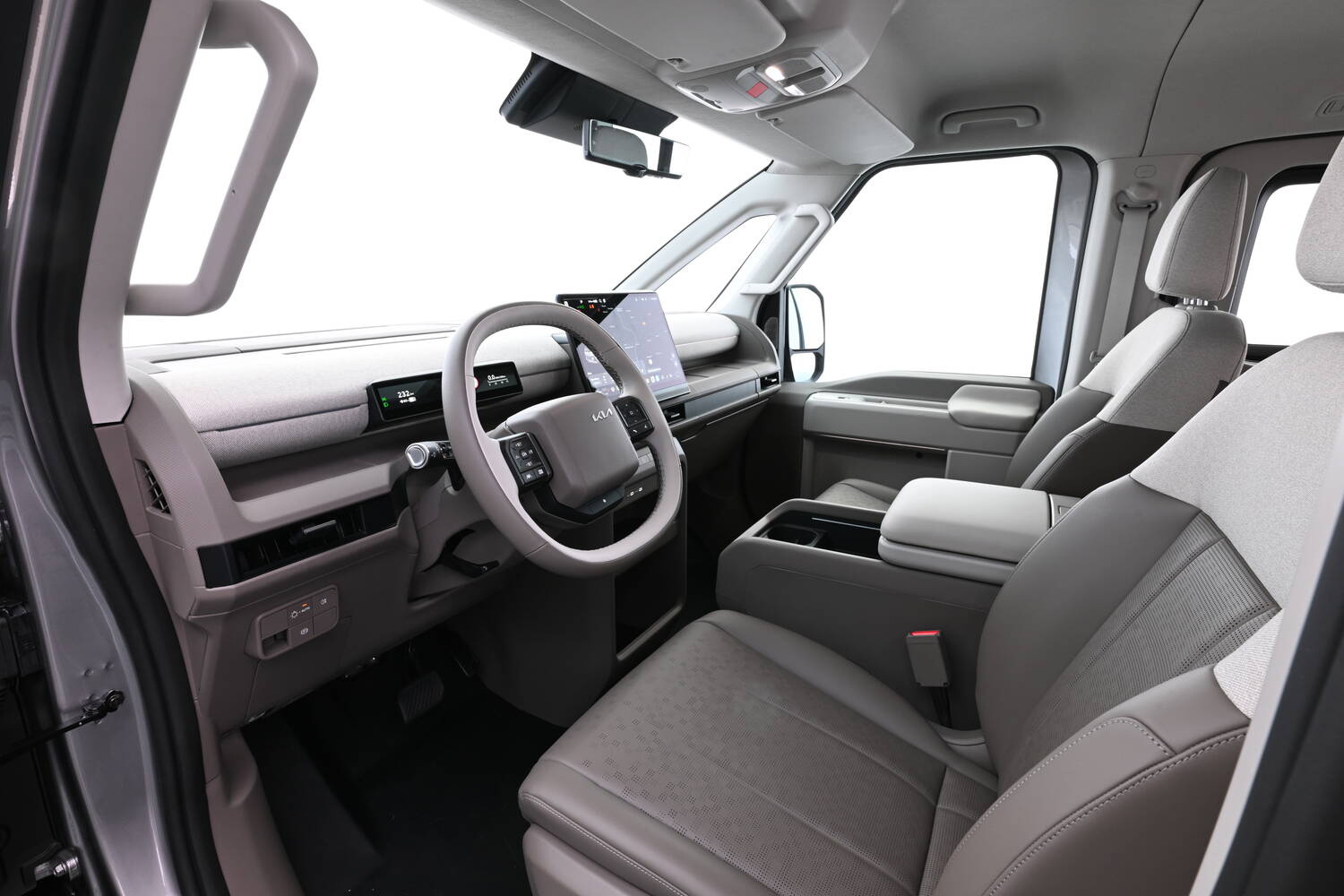
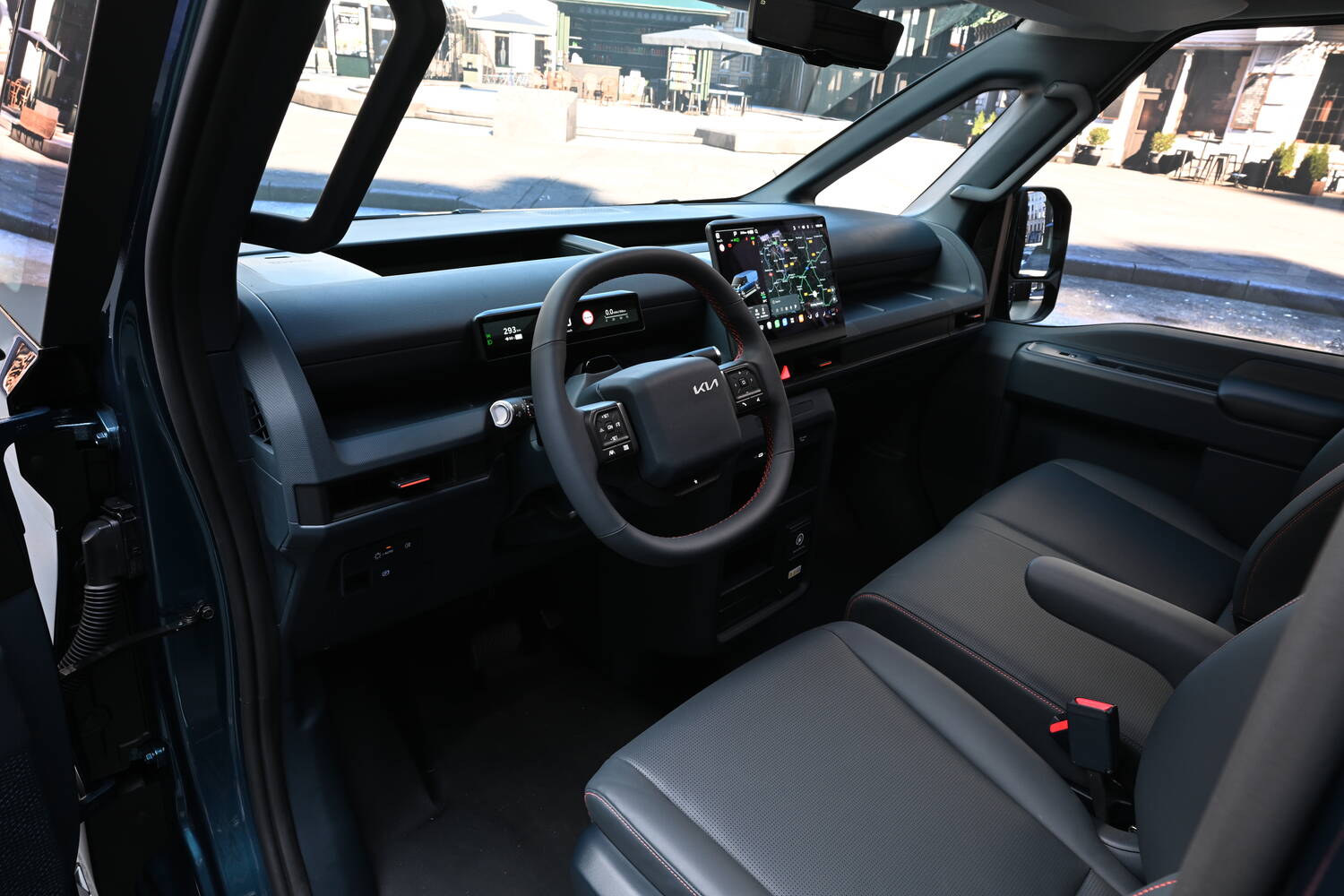
Technology inside the PV7 includes Kia's Pleos Connect infotainment system, which is based on Android Automotive OS. It offers connected navigation, configurable screen layouts, over-the-air software updates and an app marketplace designed to accommodate both Kia and third-party applications.
There's also Gleo AI, a voice assistant intended to allow more natural spoken control of functions including navigation, messaging and vehicle settings.
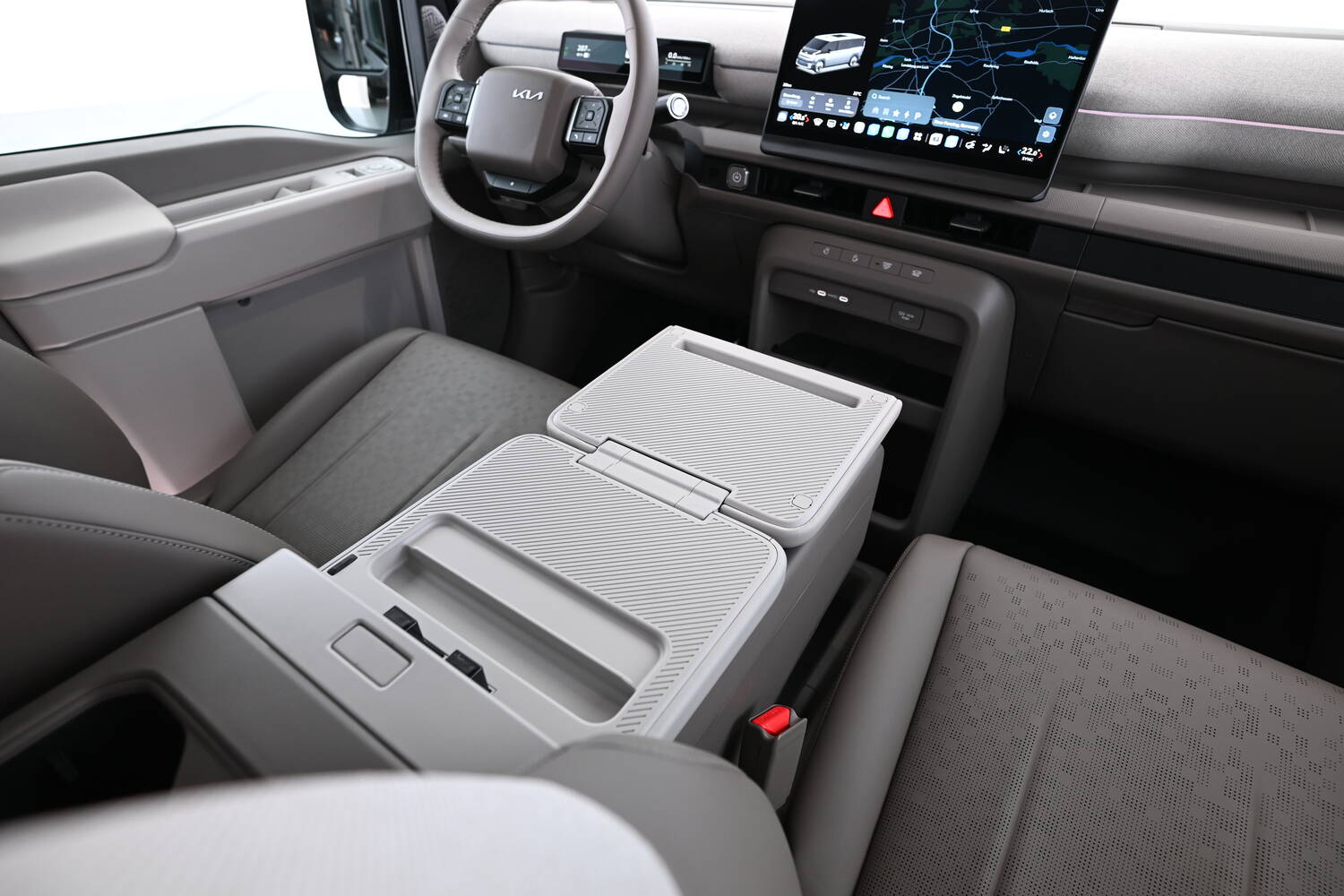
The dashboard uses 12.9-inch and 14.6-inch displays, although Kia has retained physical switches for commonly used functions rather than moving everything onto the touchscreen.
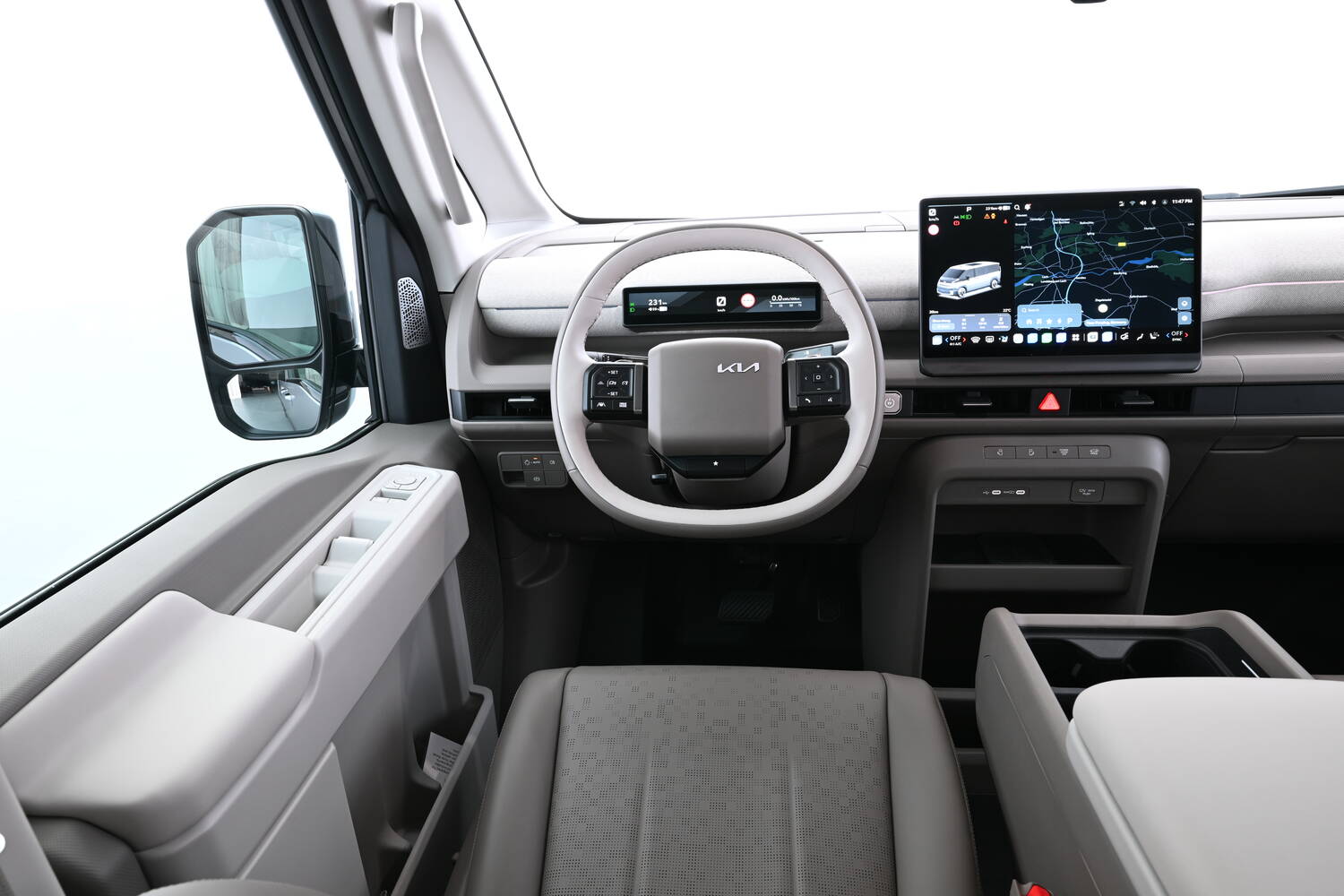
The Passenger model also gets a different cabin treatment from the PV7 Cargo. Kia describes it as having a more lounge-like approach, with two-tone finishes, enclosed storage, optional ambient lighting and a centre console that can double as a table when the vehicle is stationary.
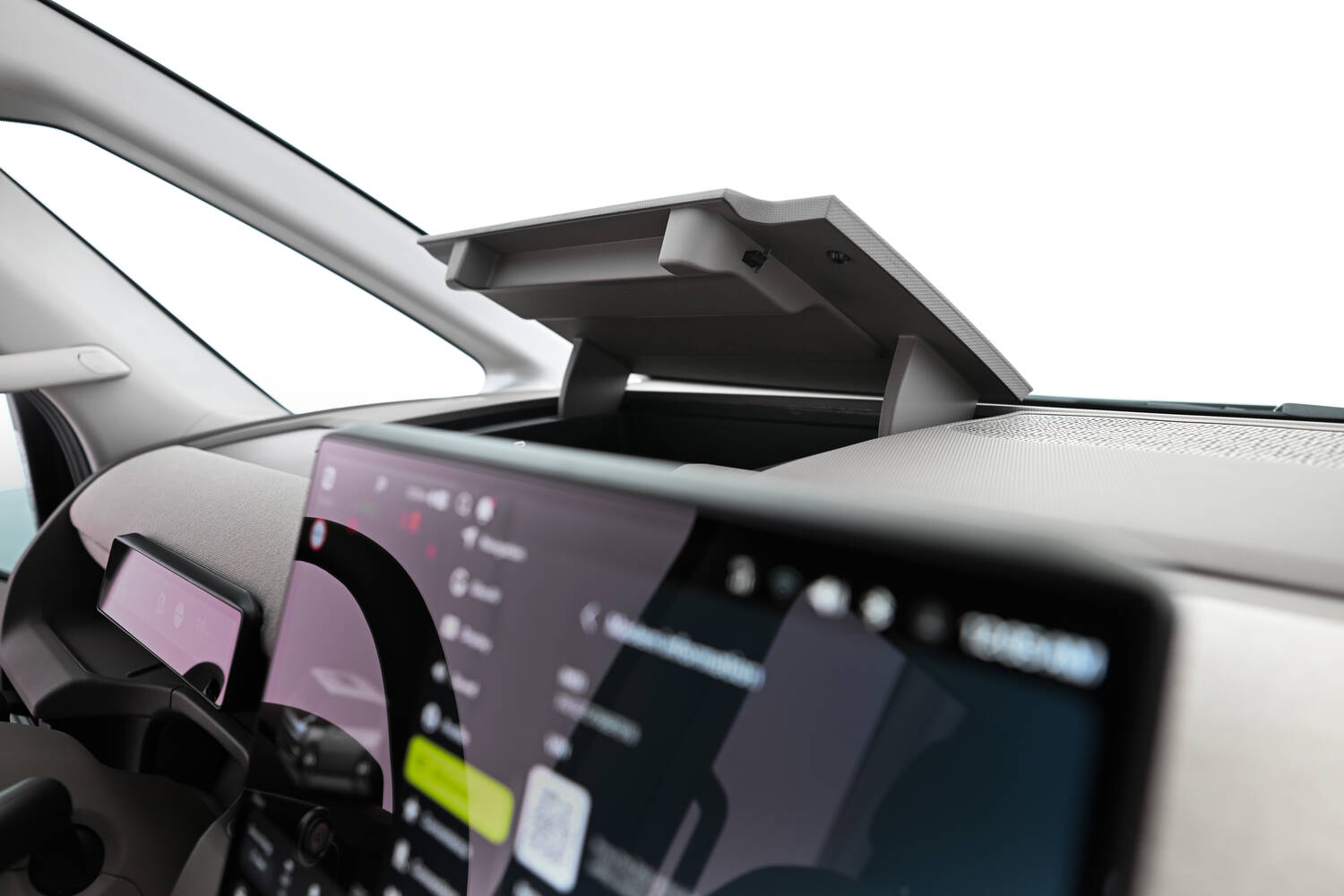
Moving the front passenger airbag to the roof has freed up additional dashboard storage, while there is another storage compartment above the driver's head.
The seats themselves have been newly developed for the PV7, and Kia says particular attention has been paid to making entry and exit easier. An A-pillar grab handle, optimised seat position and carefully designed step are all intended to help occupants getting in and out.
That is particularly relevant given the PV7's potential use as a shuttle vehicle, where a driver or passengers could be entering and leaving the cabin repeatedly throughout the day.
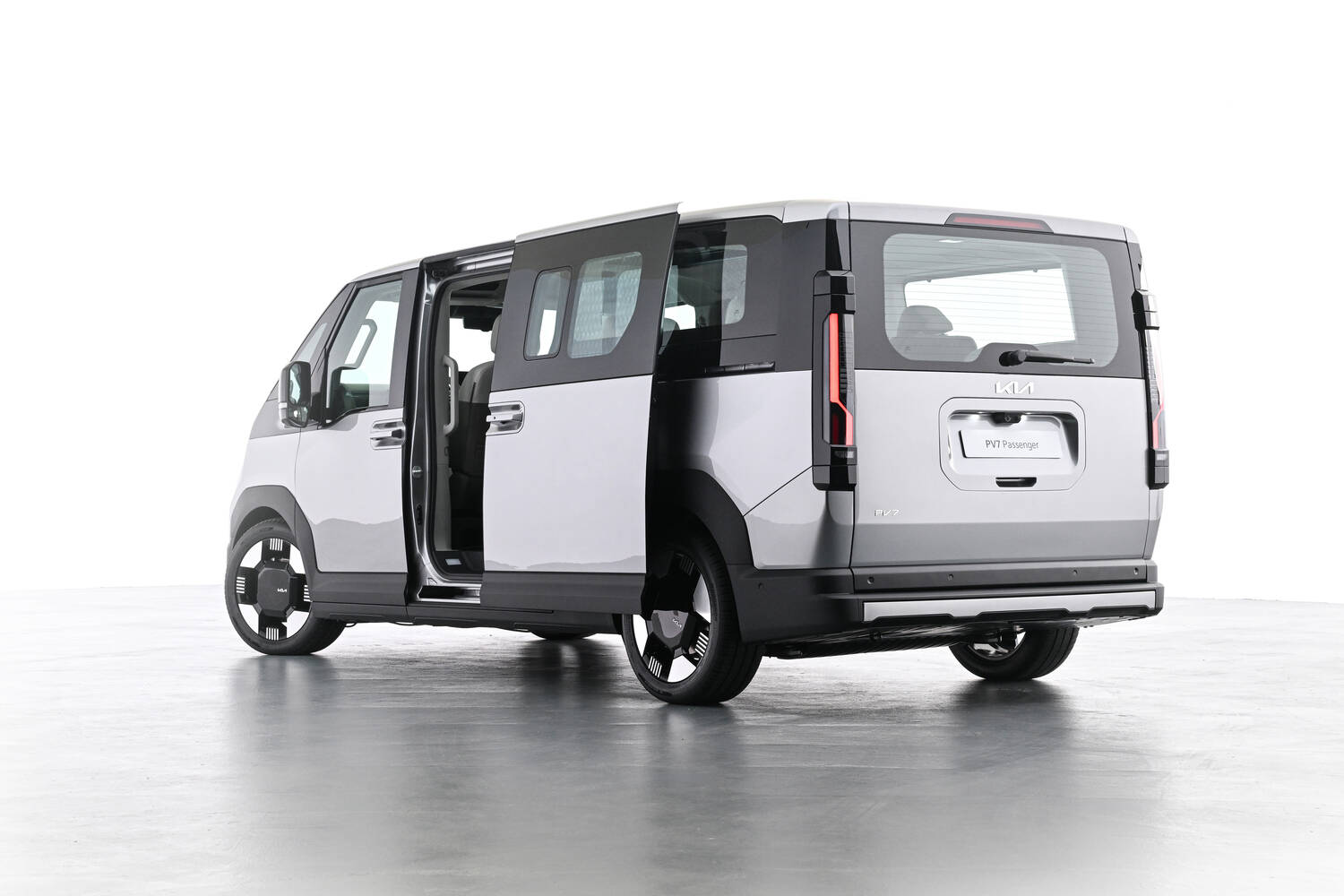
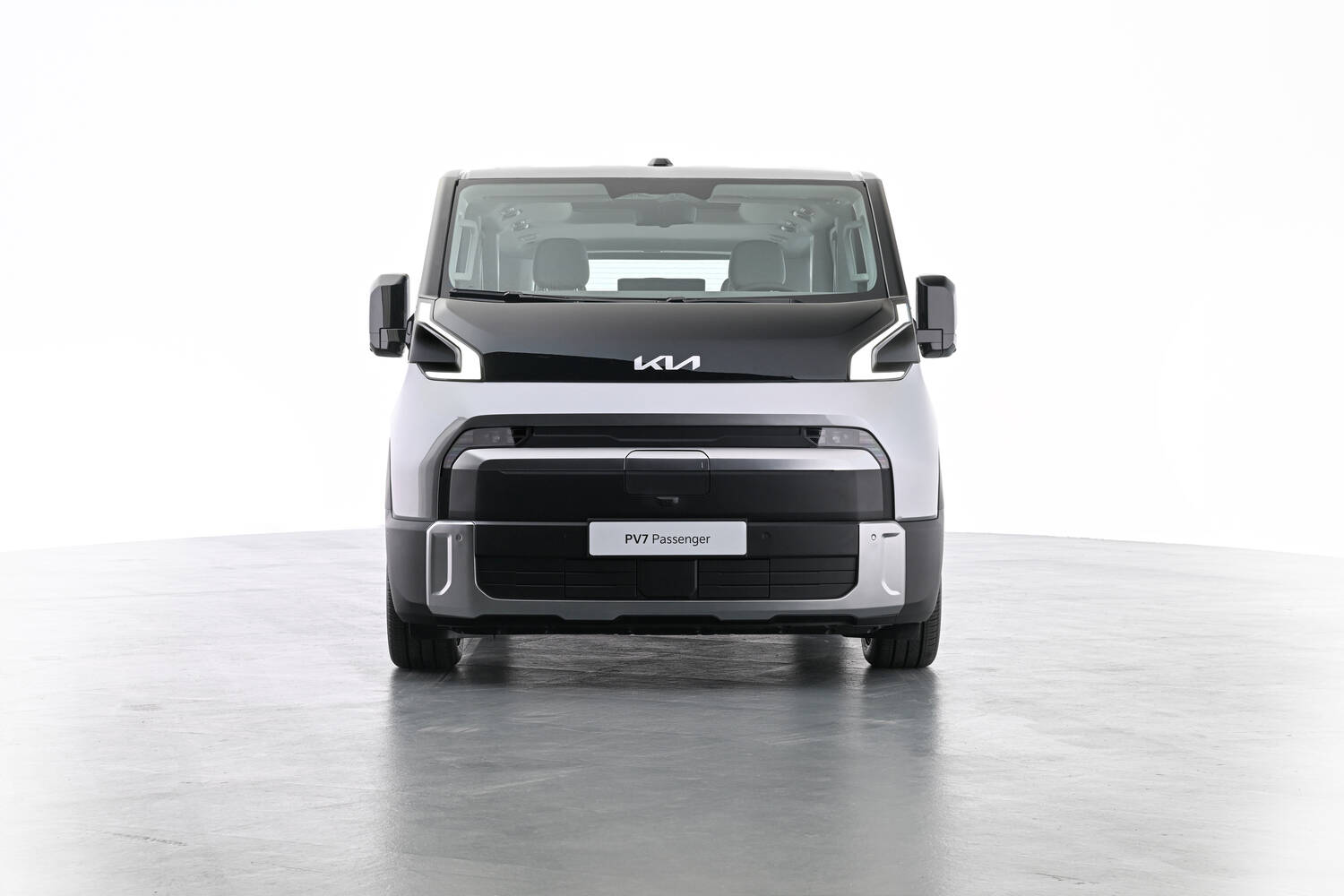
Passenger versions are also visually distinguished from the commercial models. There’s much more glass, obviously, while there’s also black trim around the wheelarches and rear pillars, the latter creating what Kia calls a floating-roof effect. A relatively low front window line is designed to improve visibility from the cabin.
Safety technology will include seven airbags and a wide range of driver assistance systems. Depending on specification and market, these can include forward collision avoidance, lane-keeping assistance, navigation-based adaptive cruise control, Highway Driving Assist 2.0, surround-view cameras and remote parking assistance.
Any other electric Kia commercials on the way?
The PV7 Passenger is only one part of what will eventually become a very large model family. Kia says it intends to produce 23 PV7 variants following the initial launch.
Passenger models will include Compact and Long versions, while the PV7 Cargo will be available in Compact, Long and High Roof forms. There will also be a chassis cab for specialist bodies and numerous factory-supported conversions.
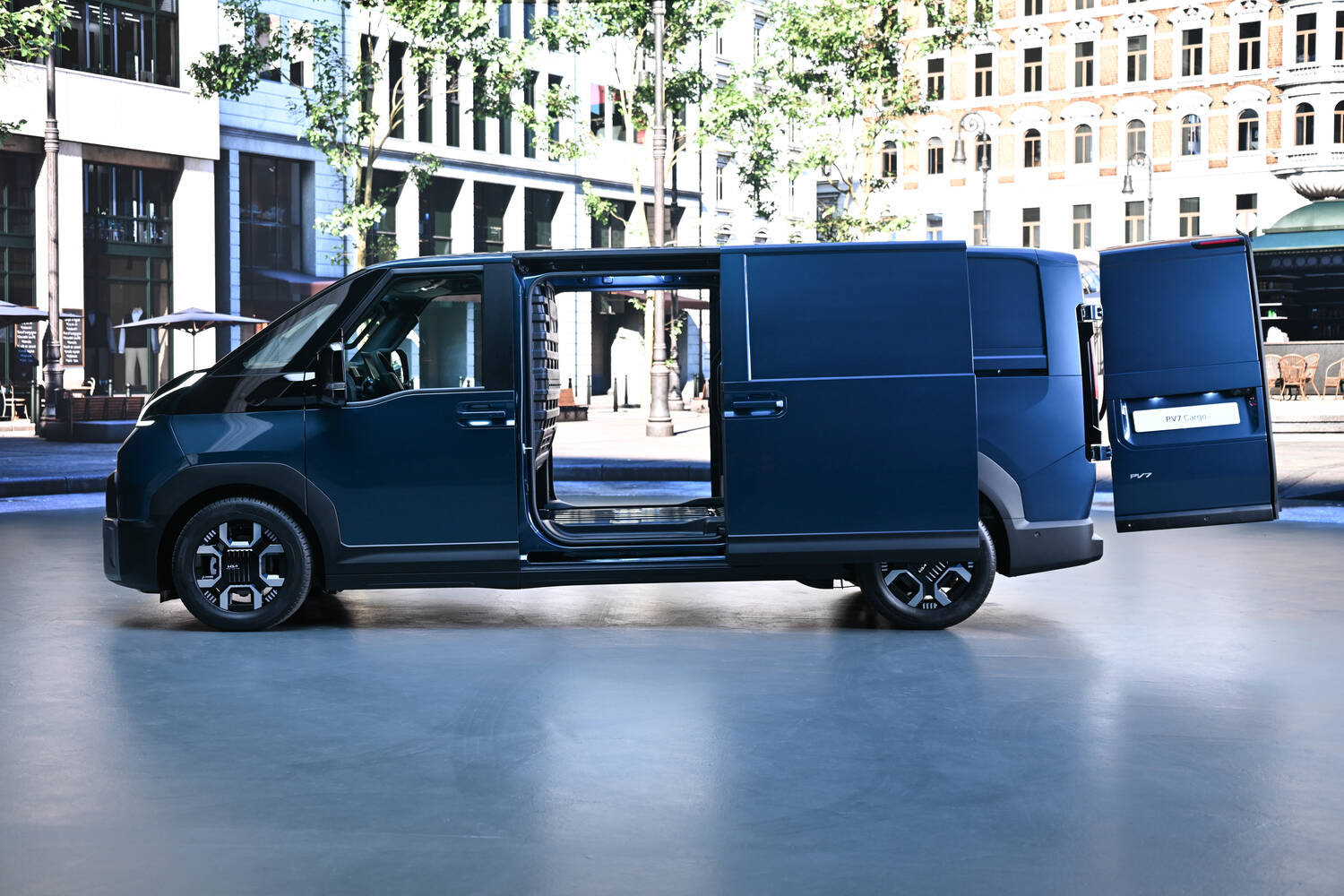
The commercial models have some impressive numbers of their own. The PV7 Cargo Long offers up to 6.1 cubic metres of load volume, rising to 8.0 cubic metres in the High Roof version, while payload capacities of up to 1,200kg have been announced depending on the model.
Kia has already confirmed that an even larger model called the PV9 is due to join the range in 2029.
It has not confirmed what forms the PV9 will take, however, including whether it will be offered as a Passenger model in the same manner as the PV5 and PV7.
Read more about the Kia PV7 Cargo van on CompleteVan.ie.
If there is anything about this story we have not covered, you can avail of our expert advice service via the Ask Us Anything page.