
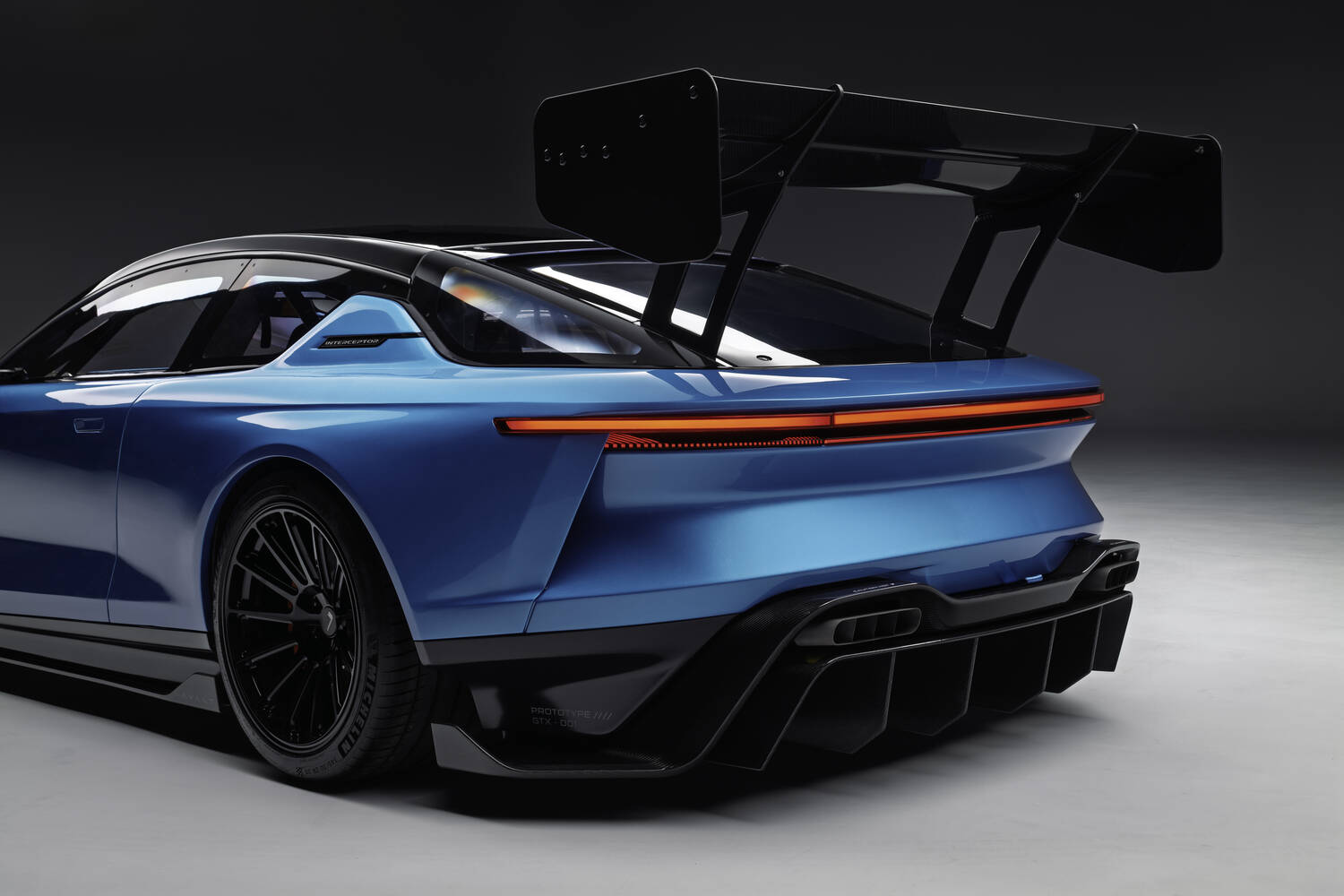
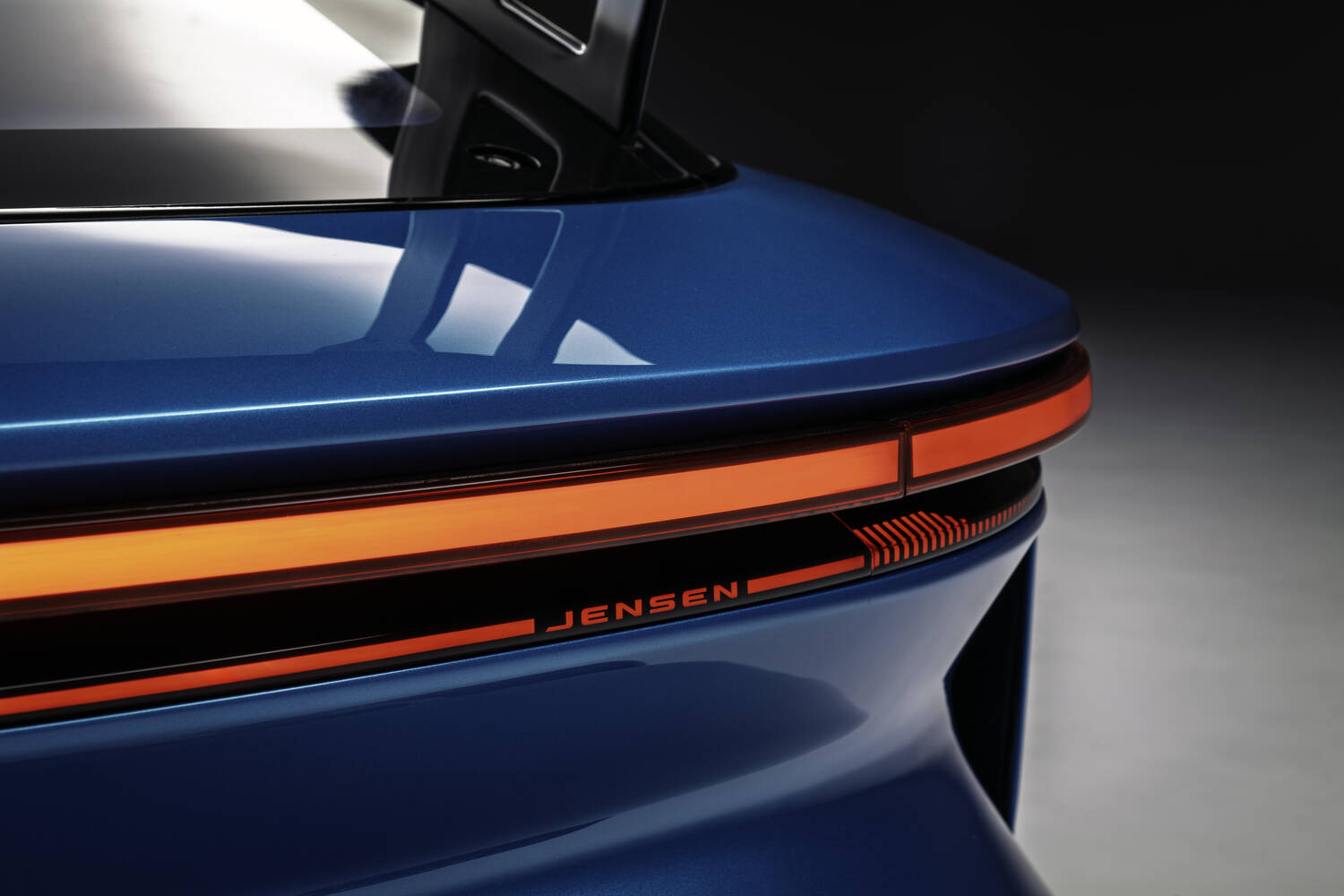
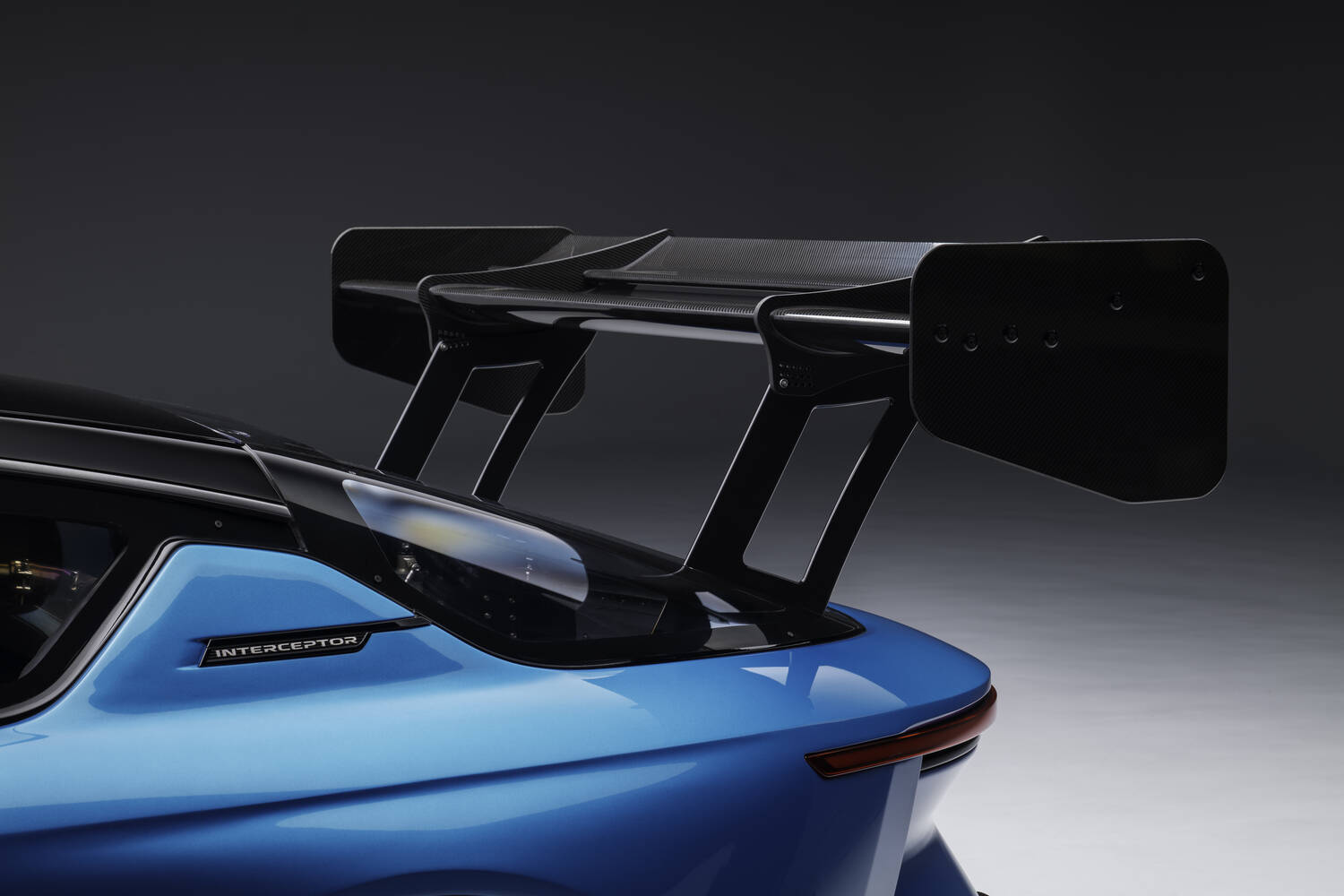
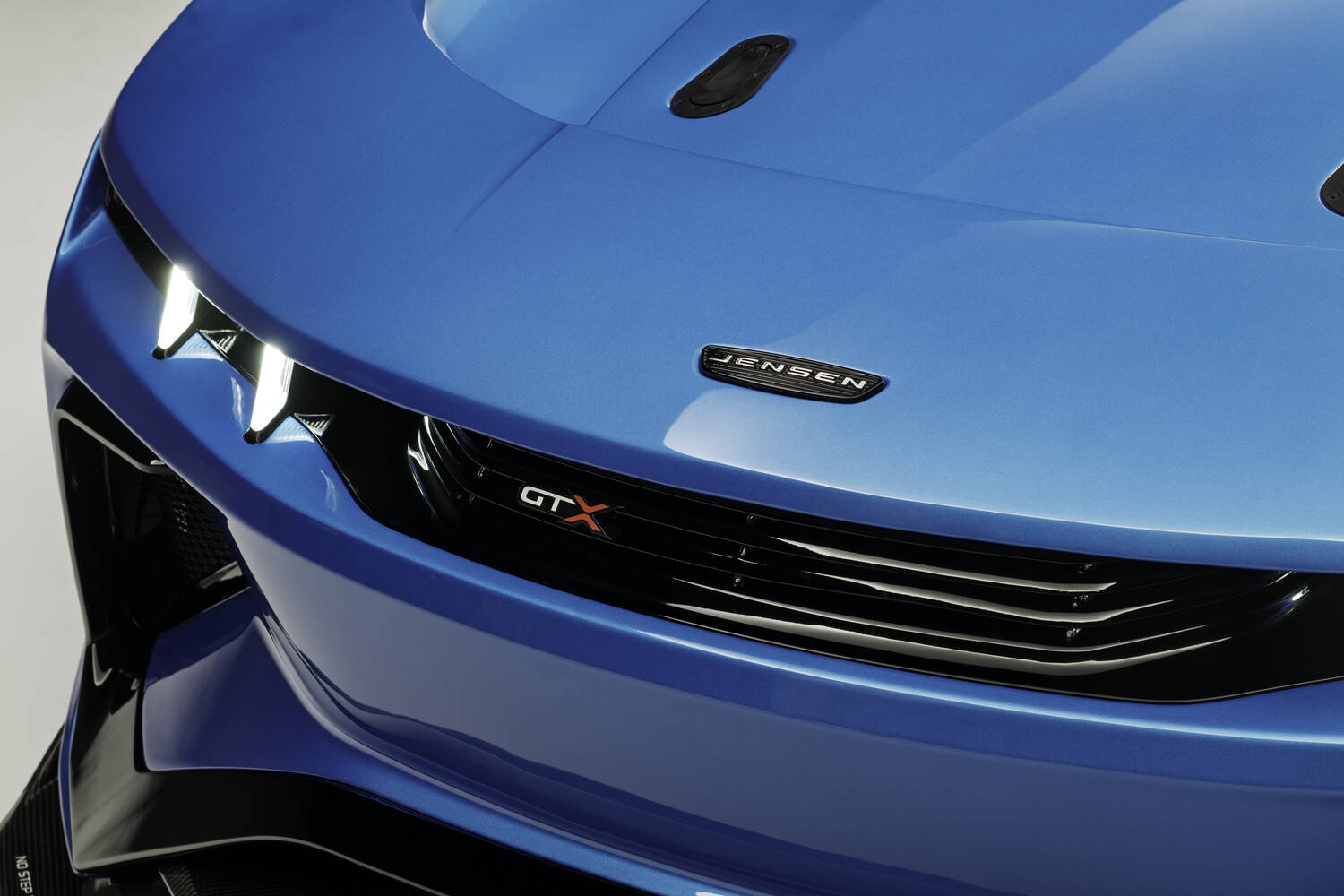
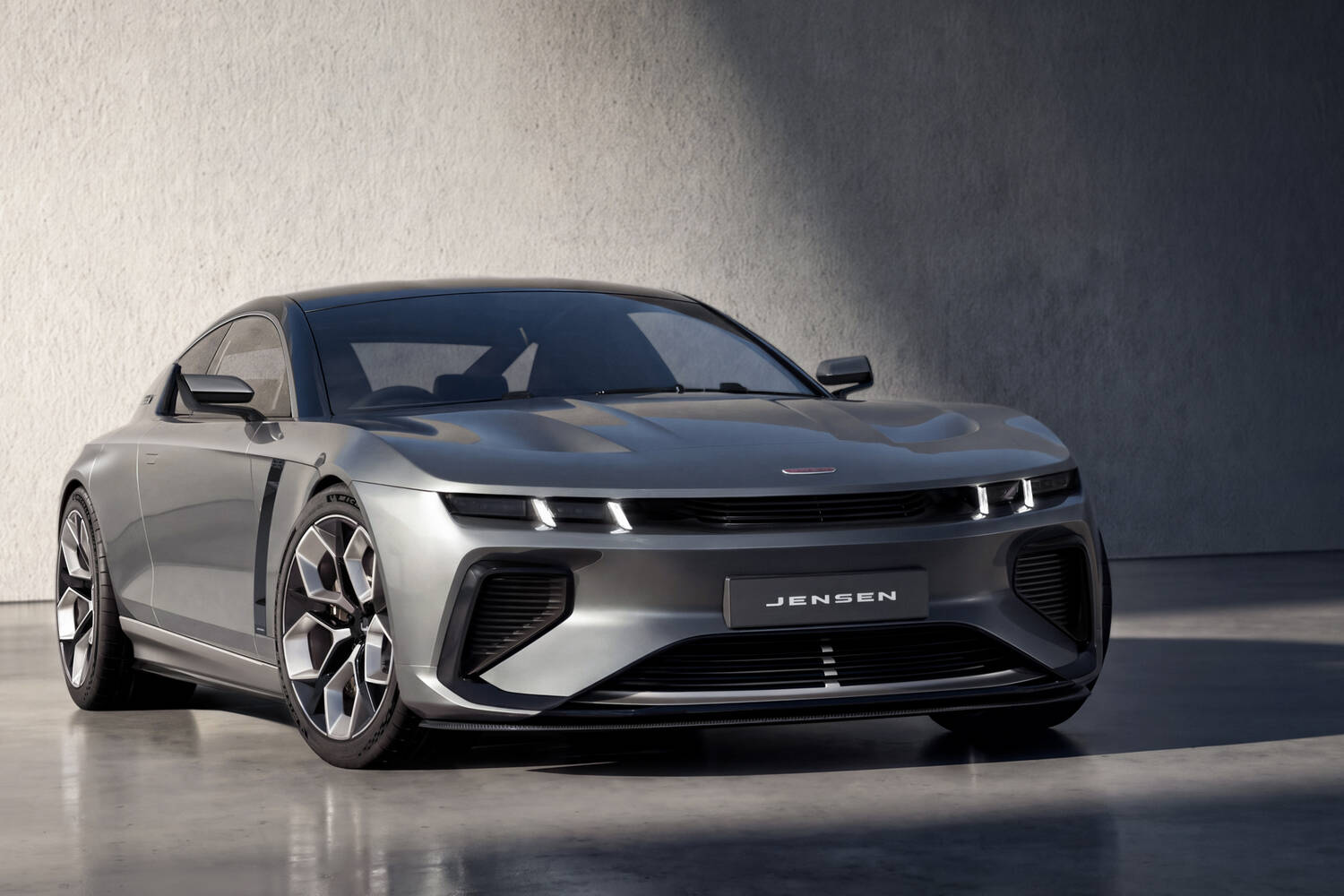
That’s pretty handsome…
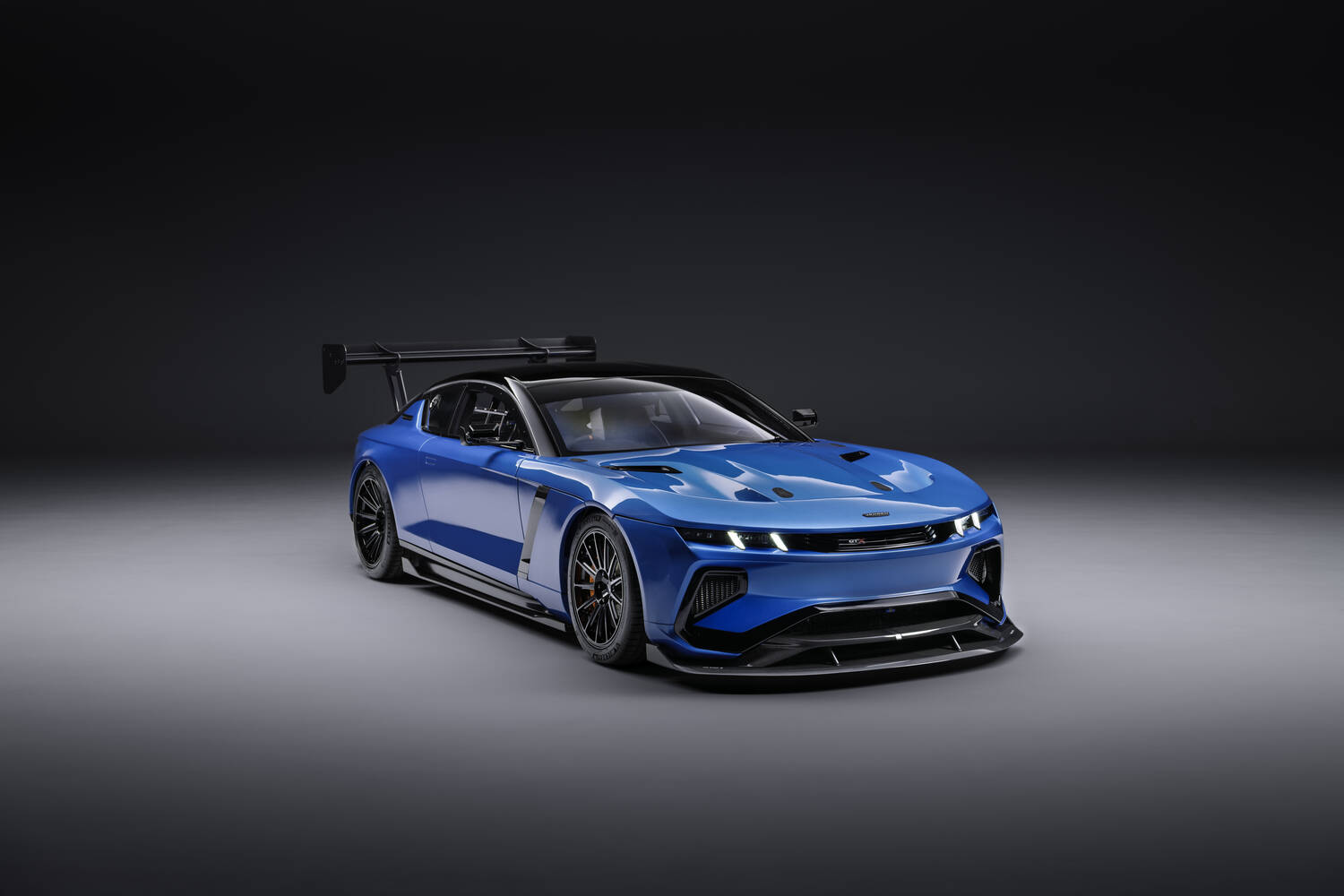
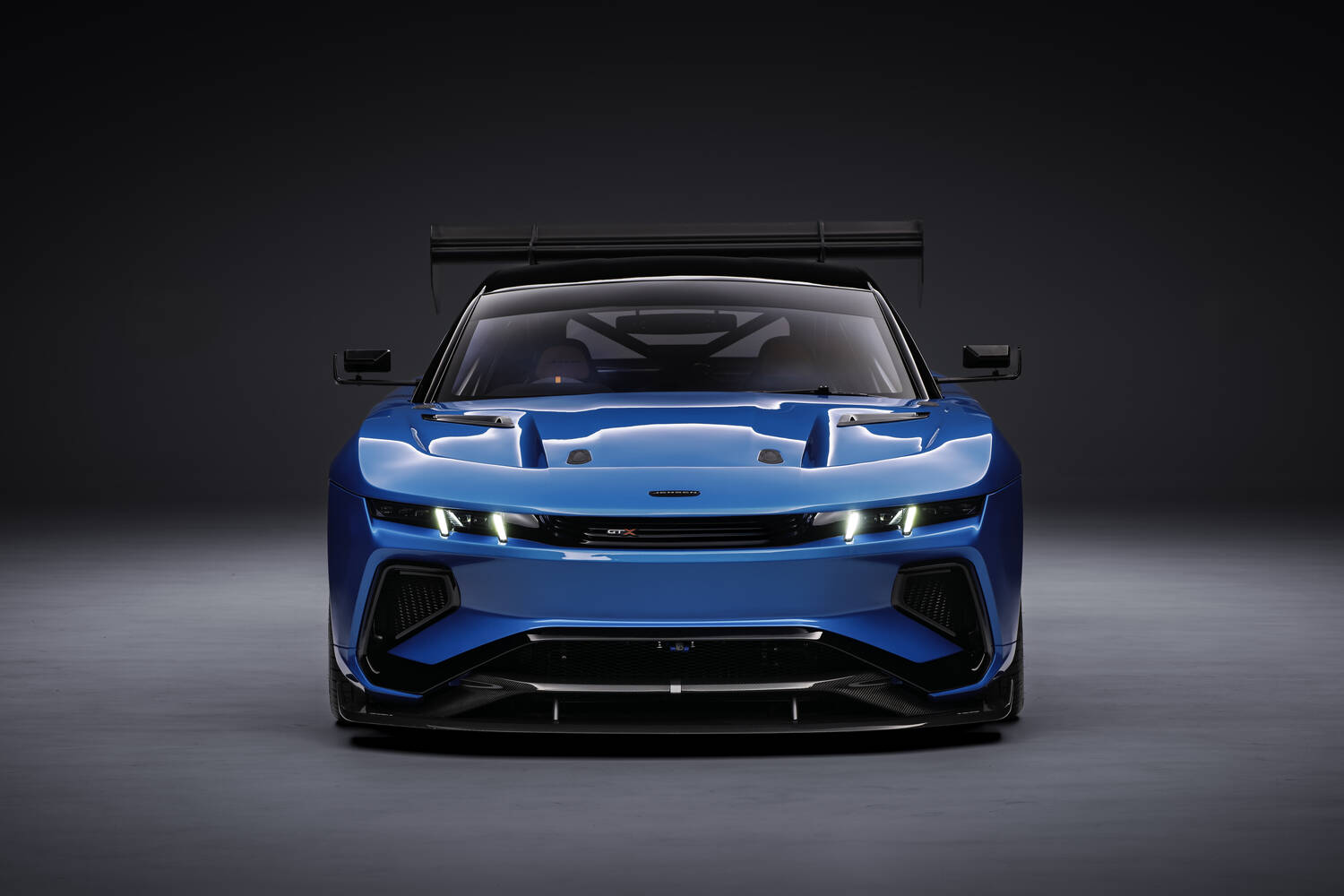
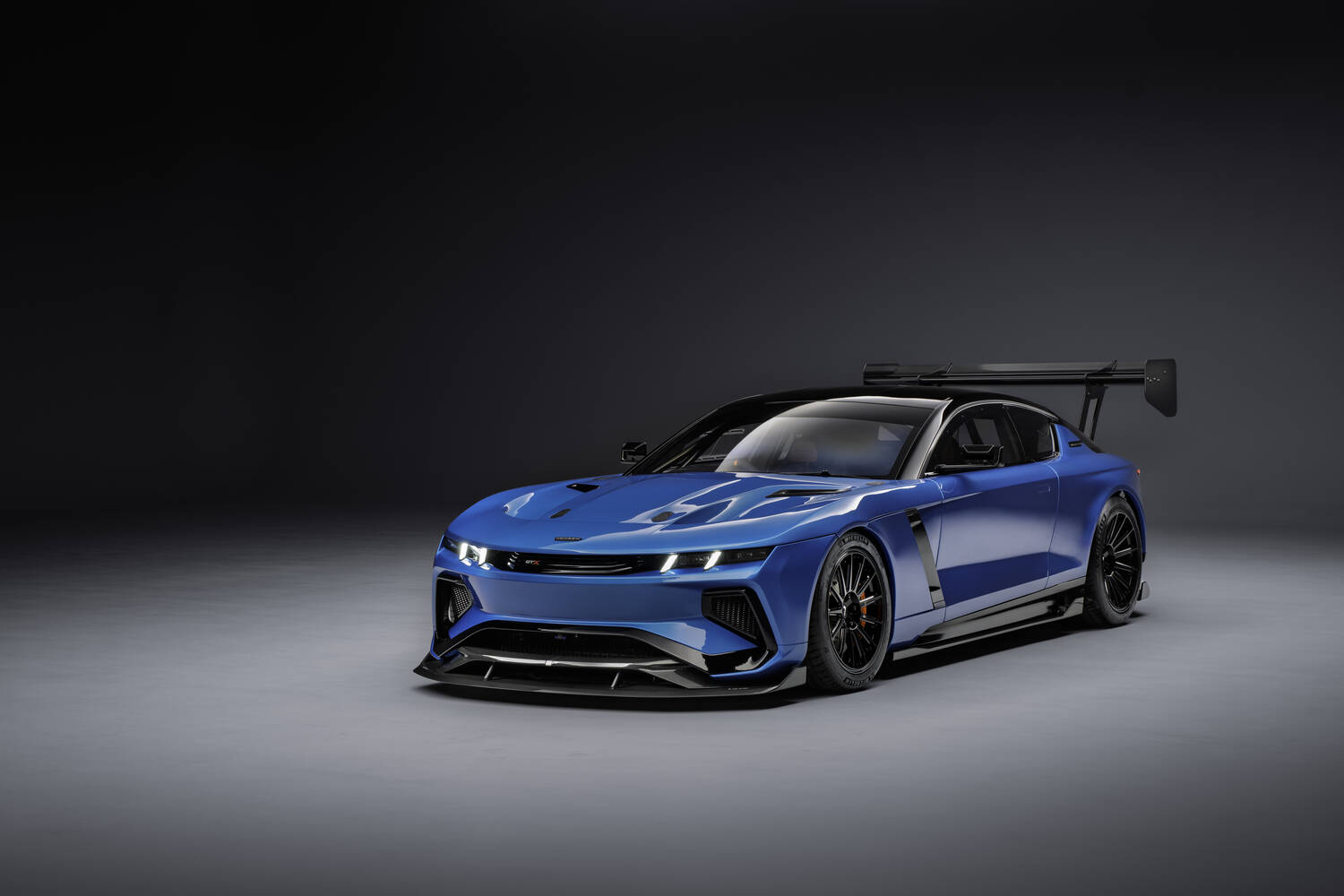
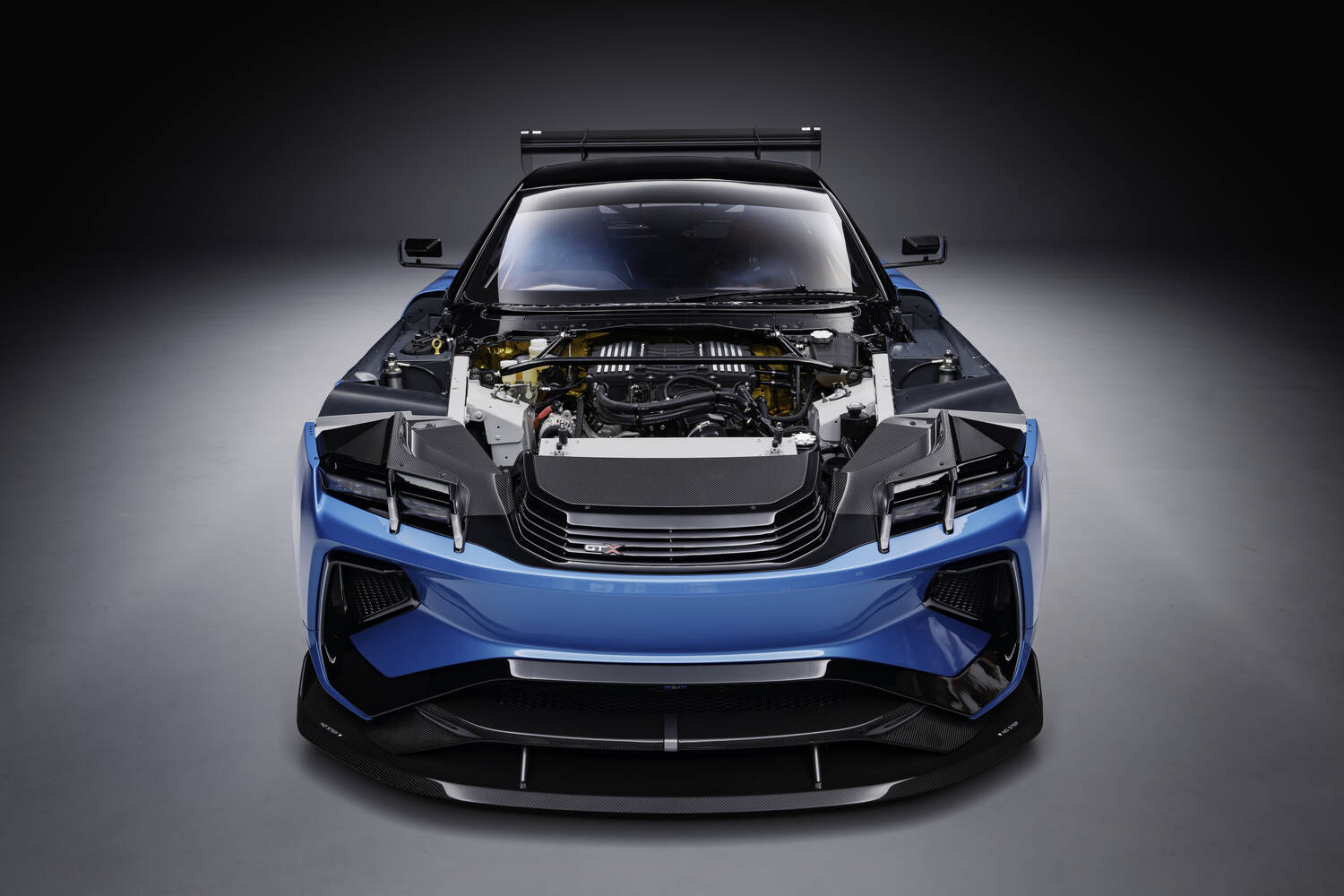
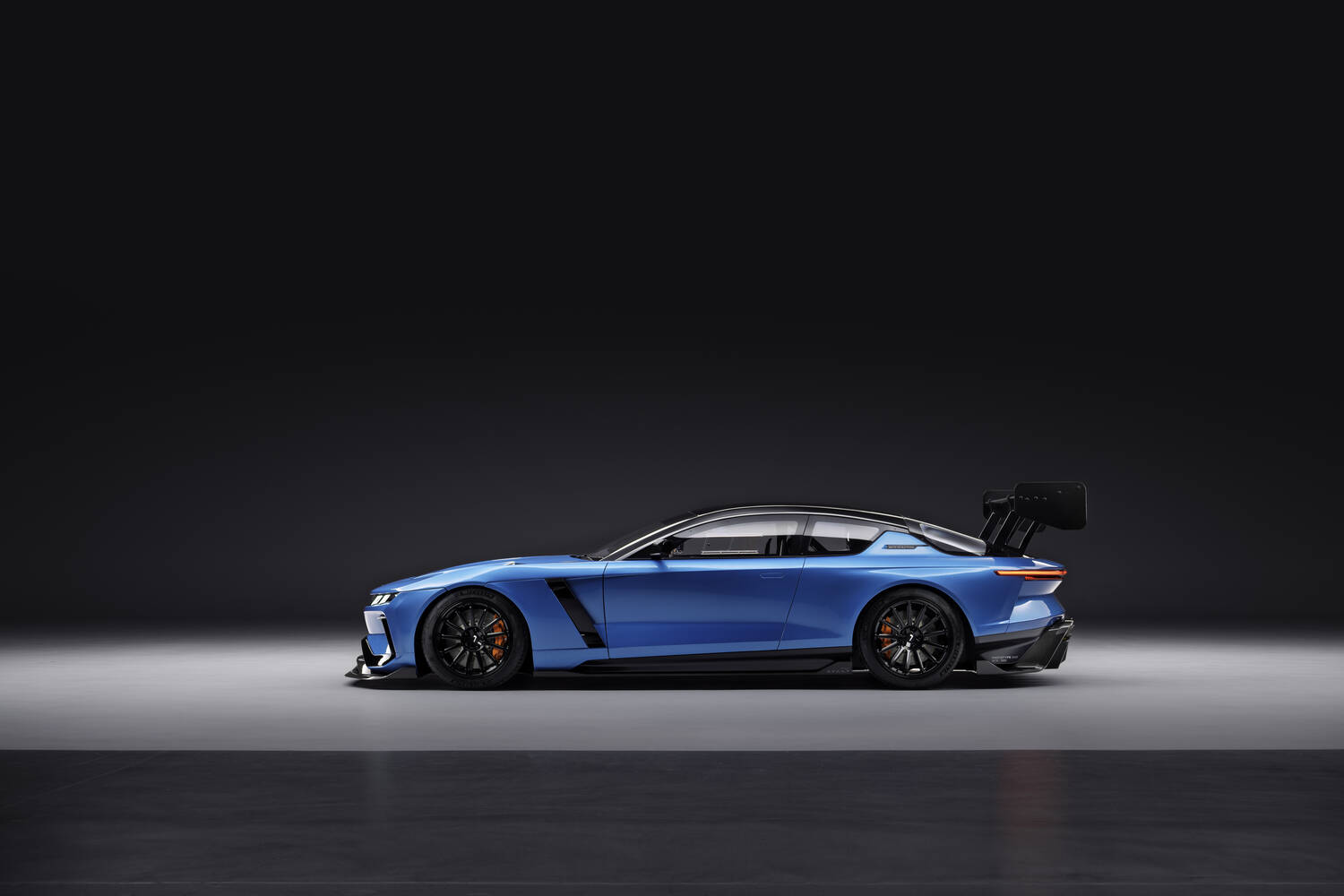
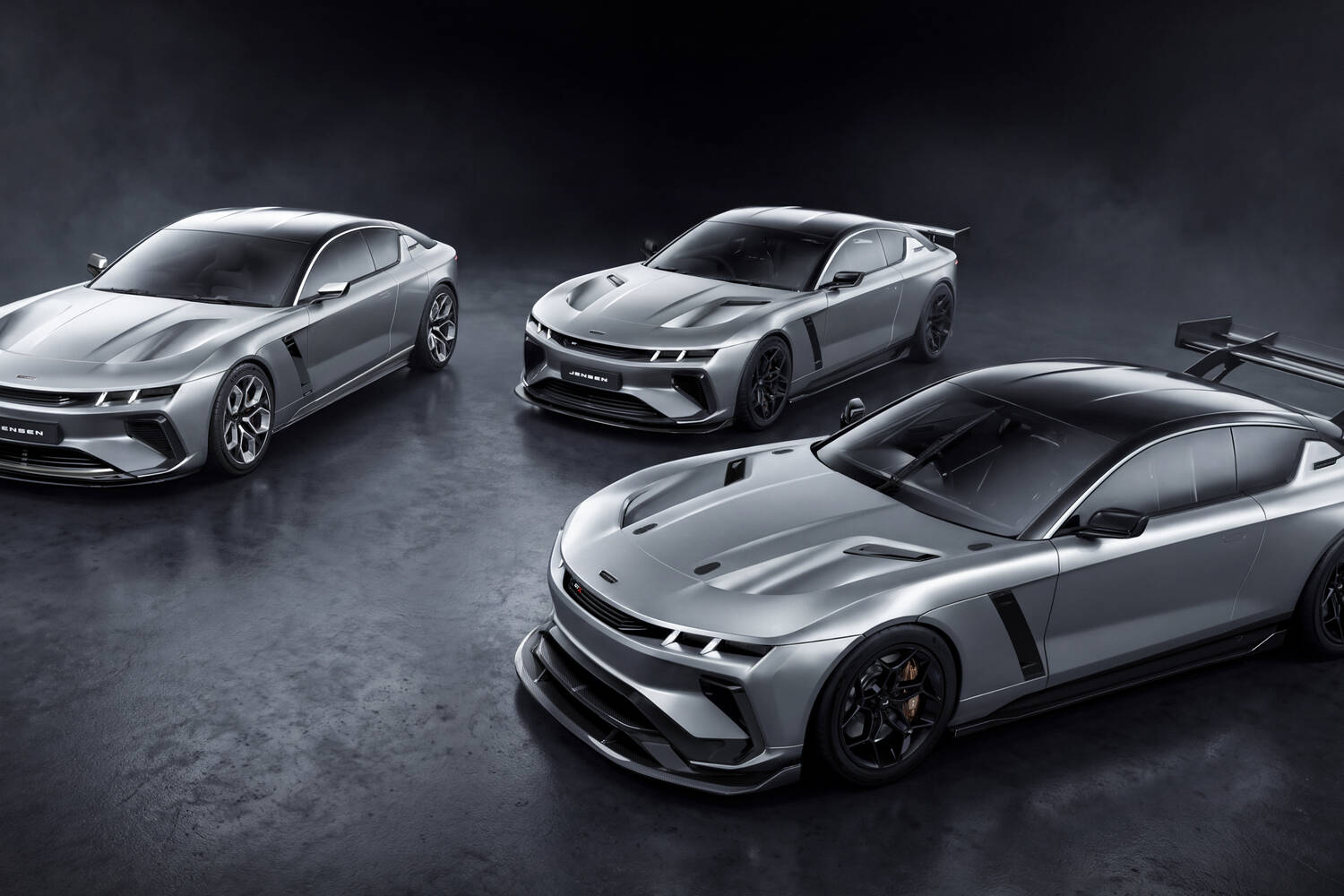
It certainly is. Strip away the massive rear wing and the race car body kit from this GTX model, and you’ve basically got the road-legal Interceptor GTR and the somewhat less wild Interceptor GT.
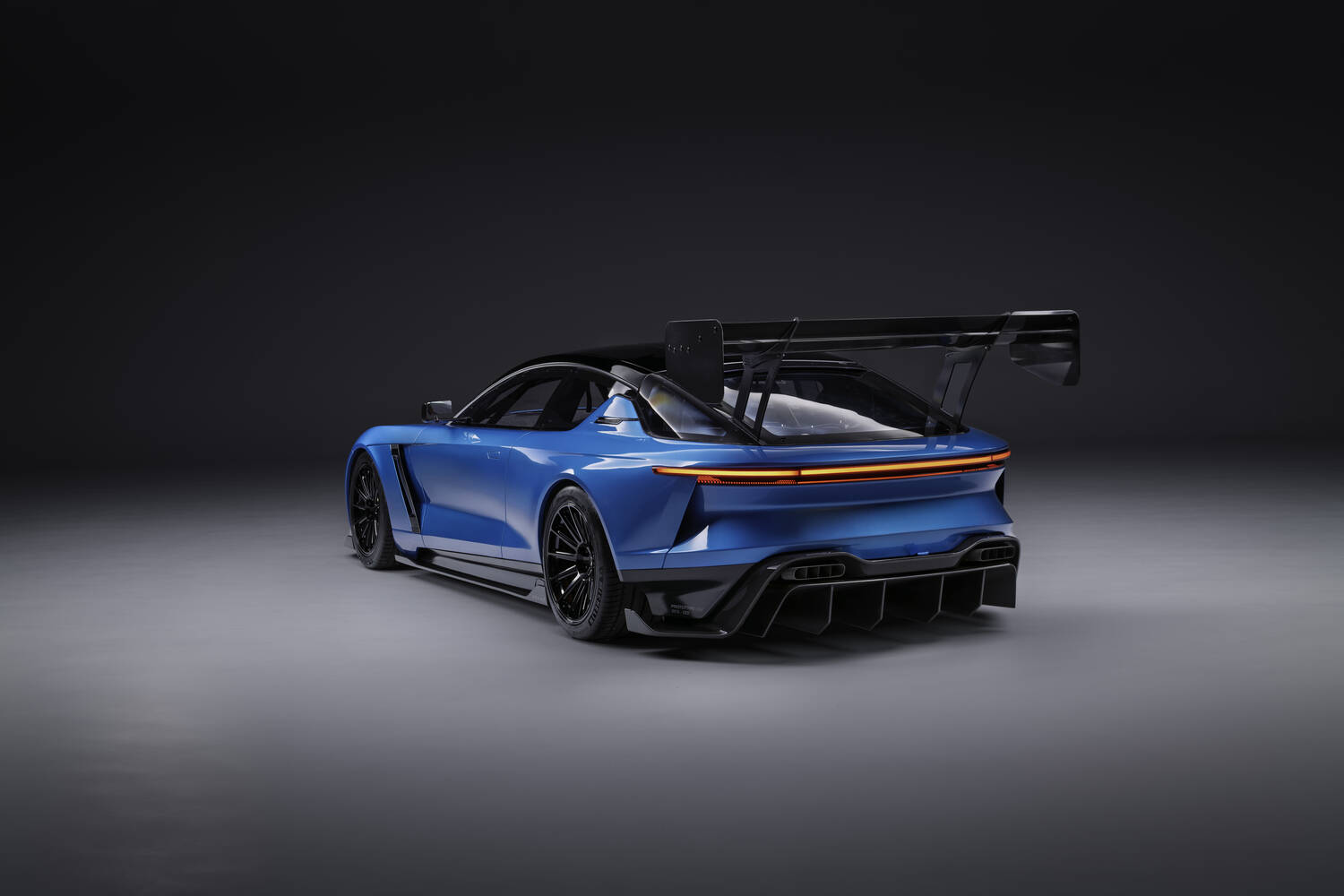
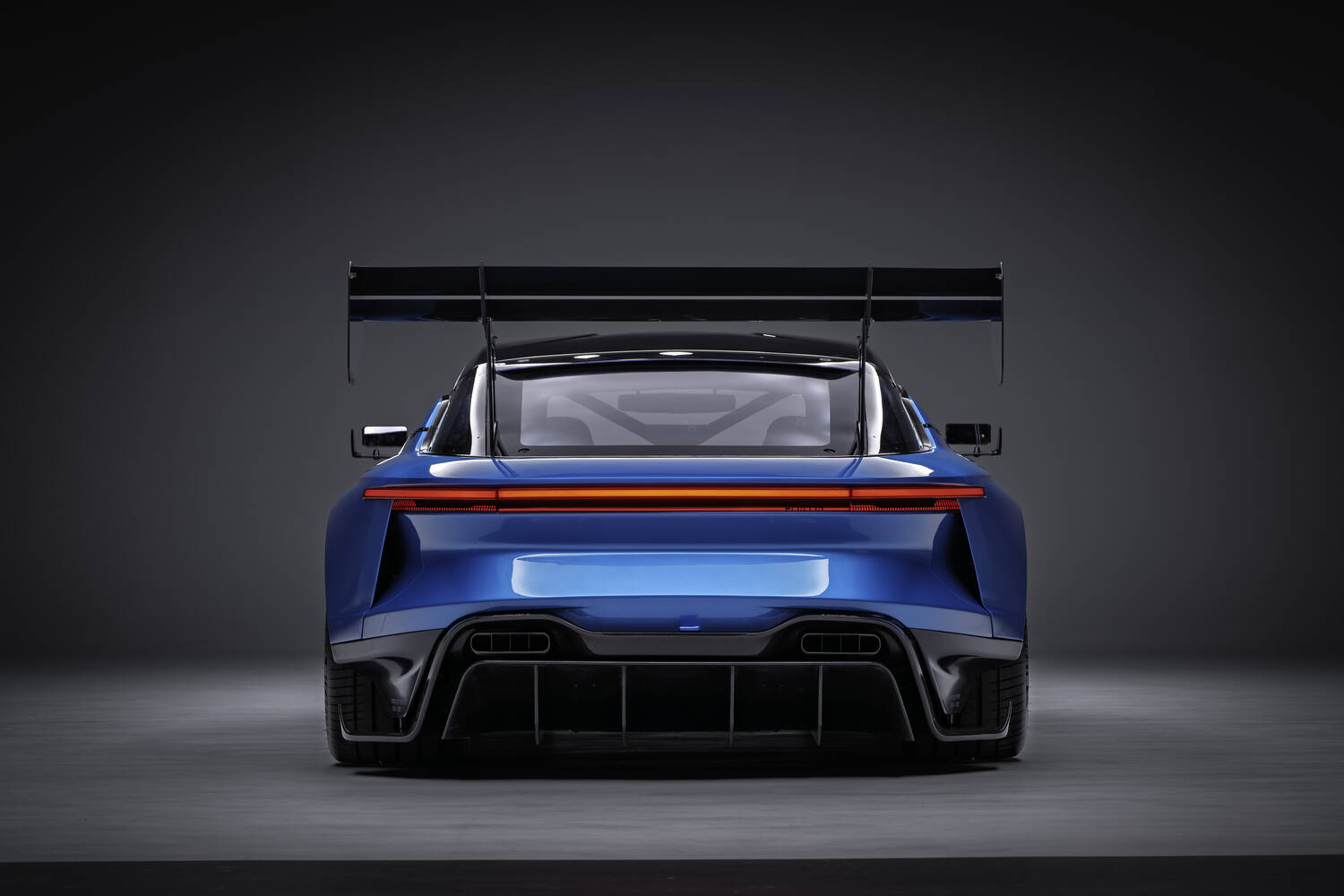
It’s a very modern shape, with faint hints of the recent Chevrolet Camaro at the front, and down the back an obvious tribute to the original Vignale-designed Interceptor’s goldfish bowl window and distinctive rear pillar.
Is this a restomod?
Nope, that’s not the route this iteration of Jensen is taking. This Interceptor is all-new, according to Jensen International Managing Director, David Duerden: “We were determined to create something entirely new that carries the spirit of the Jensen Interceptor forward in a modern, authentic manner and, perhaps in the case of our first car, the track-focused GTX, in a way people would not expect. Obviously, the 1966 Jensen Interceptor is a significant inspiration for us. And not just visually, but in terms of what that car represents. From the outset, though, our intention was never to build a continuation car or revisit something that already existed.”
So is this an all-new company as well?
Not quite. You see, out of the ashes of the original Jensen company — which made cars in the north-west of England for 70-odd years — the Jensen International company was founded, and that for 20 years has been restoring and updating classic Interceptors, including — yes — creating a restomod version, the Interceptor R.
This new Jensen initiative is being led by Duerden, Client Relations Manager Durran Heslop and the wider Jensen International team, led by Technical Director Jack Glennon, all of whom have lots of Jensen-based experience, and some of the investment is coming from businessman Jeff Qvale, whose name you might recognise.
His dad was Kjell Qvale, who for years was heavily involved with the likes of De Tomaso and the original Jensen company. “For me, this project is very personal because Jensen was such a significant part of my father’s life and our family history. I spent a great deal of time at the factory during the 1970s, working across different departments and seeing first-hand what it took to build and develop these cars. Those experiences stayed with me,” said Jeff Qvale.
“What excites me about the Interceptor GTX is that it isn’t trying to recreate the past or compete with the most extreme modern hypercars. The car follows the traditional Jensen philosophy of a powerful, hand-built British GT with real character, but reinterpreted using modern engineering and technology to write a new chapter.”
Tell us more about the Interceptor
The Interceptor gets a classic ‘coachbuilt’ aluminium body — hand-made by Coventry Metalcraft — and it’s very rear-biased in its design, with a long bonnet.
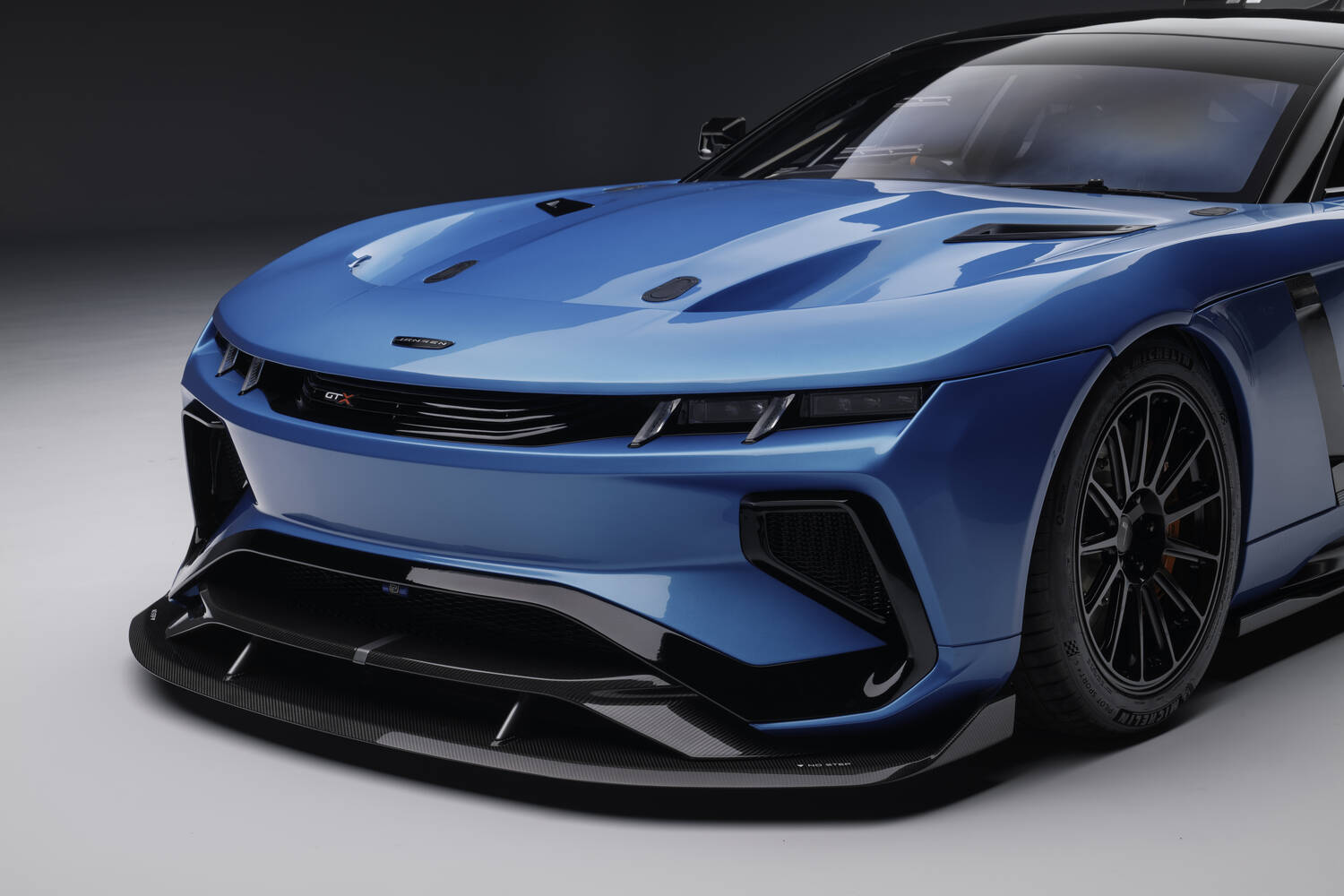
There’s tradition in how the Interceptor’s body is made, but modernity in how it’s designed. The car has been through a fully digital design process, to ensure tight engineering tolerances.
The body is so stiff, in fact, that the GTX version gets a proper carbon-fibre aero kit, developing up to 350kg of rear downforce from that towering race-ready wing.
The chassis is all-aluminium, just like the body, but Jensen hasn’t confirmed yet if it’s using a bought-in chassis or designing its own.
What about the engine?
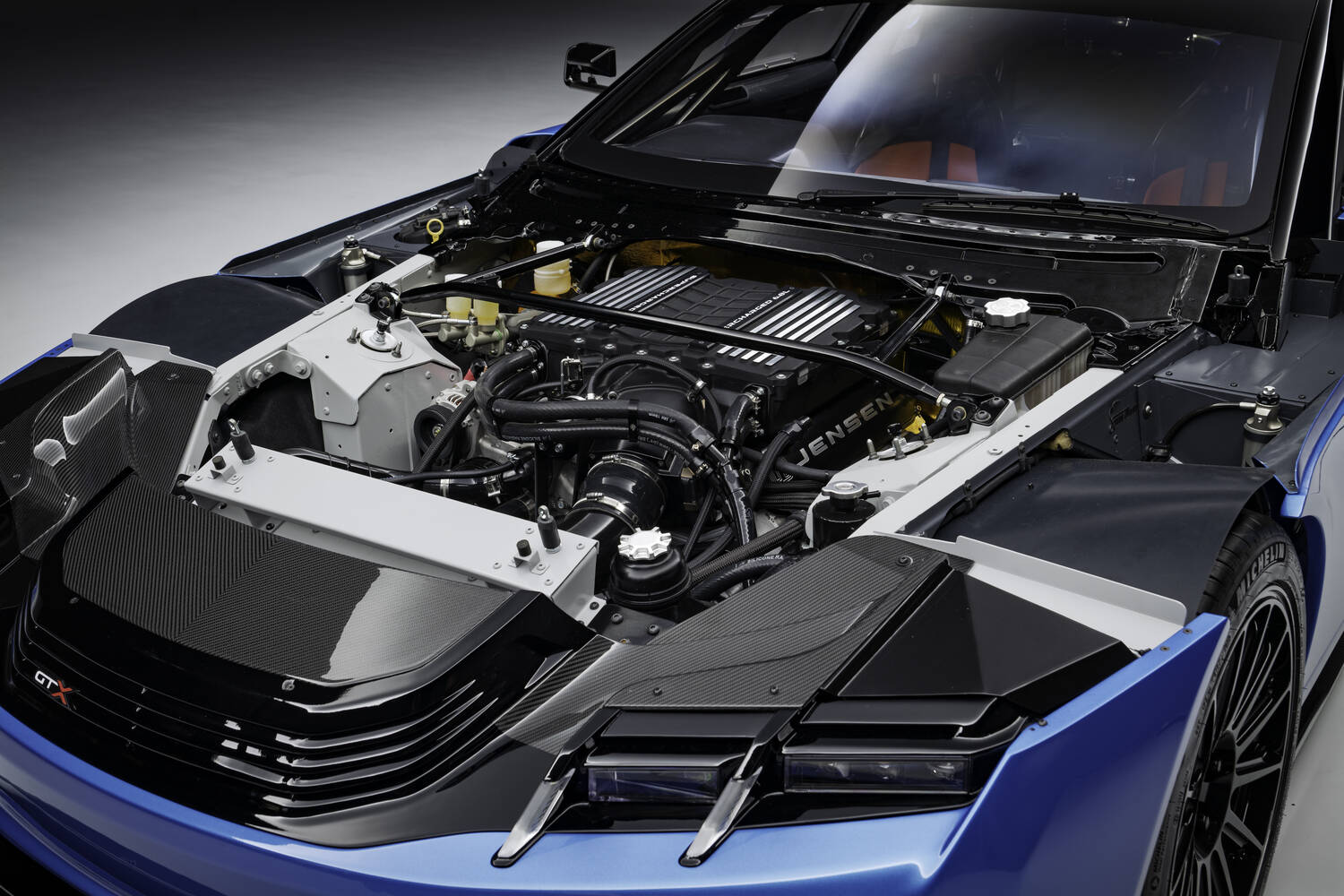
That’s a General Motors V8 — something of a break with tradition, as the original Interceptor was Chrysler-powered. However, it’s not all GM. The basic engine design and layout come from GM, but Jensen says that fewer than 20 per cent of GM components are used; the rest comprises a fully forged rotating assembly and high-grade motorsport components, all custom-built for the Interceptor.
Developed by Late Model Engines (LME), based in Houston, Texas, the Interceptor GTX’s 6.8-litre V8 uses a massive Roots-type supercharger to develop as much as 1,200hp, depending on the setup, but Jensen has settled on 960hp for the GTX for the moment, revving the engine to 7,000rpm.
“From the outset, exceptional performance and a genuinely involving driving experience were always hugely important to the Interceptor programme, particularly in this first track-focused GTX form,” said Duerden.
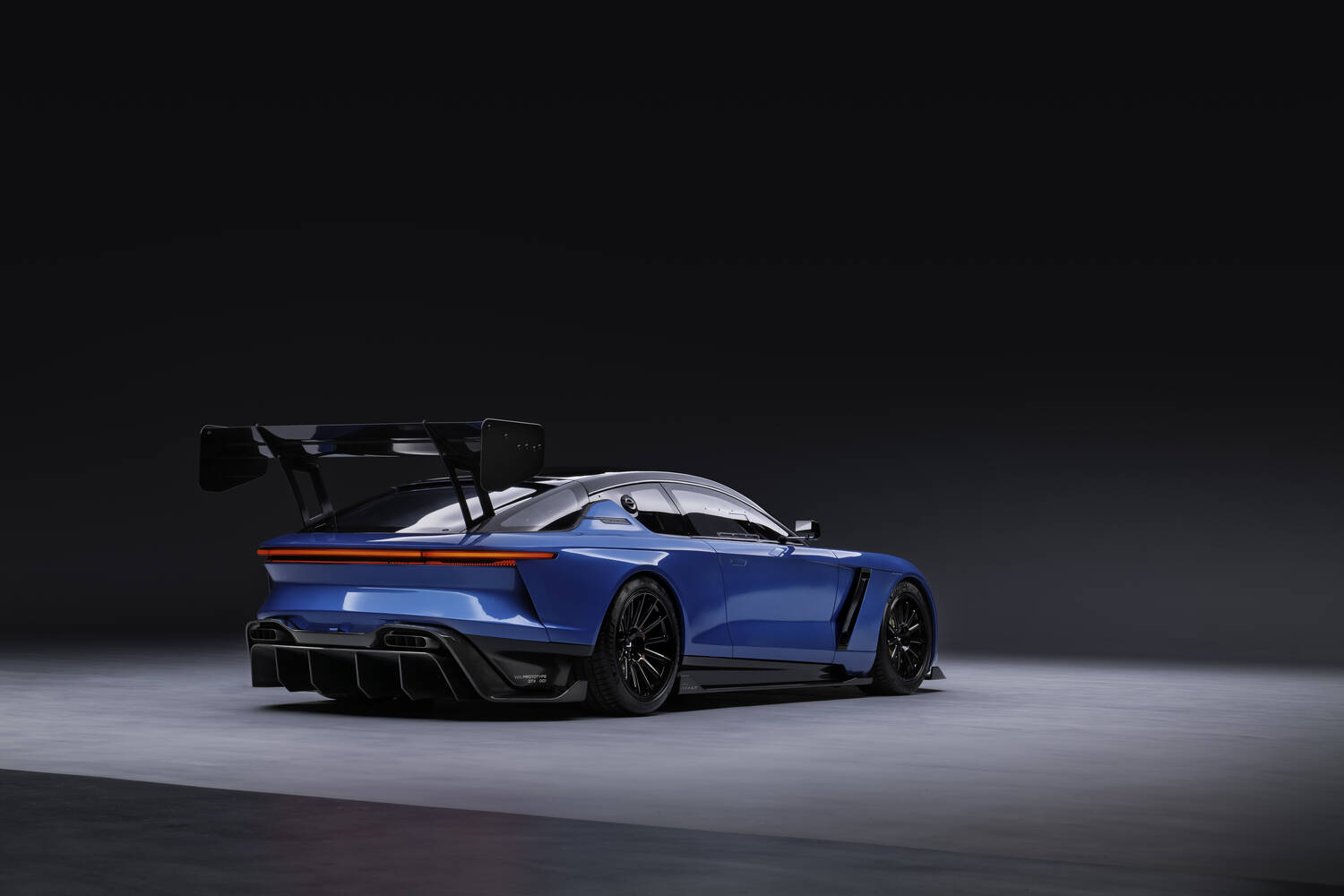
“But durability, drivability and reliability mattered just as much. We wanted to create a car that feels mechanical, responsive and properly analogue, but also something capable of absorbing sustained hard use without compromise. That’s why we chose to work with Late Model Engines and why we’ve used only the very best proven motorsport-grade engineering solutions throughout the project. The GTX is an extreme car in terms of performance, but it also needed to feel robustly engineered, usable and dependable.”
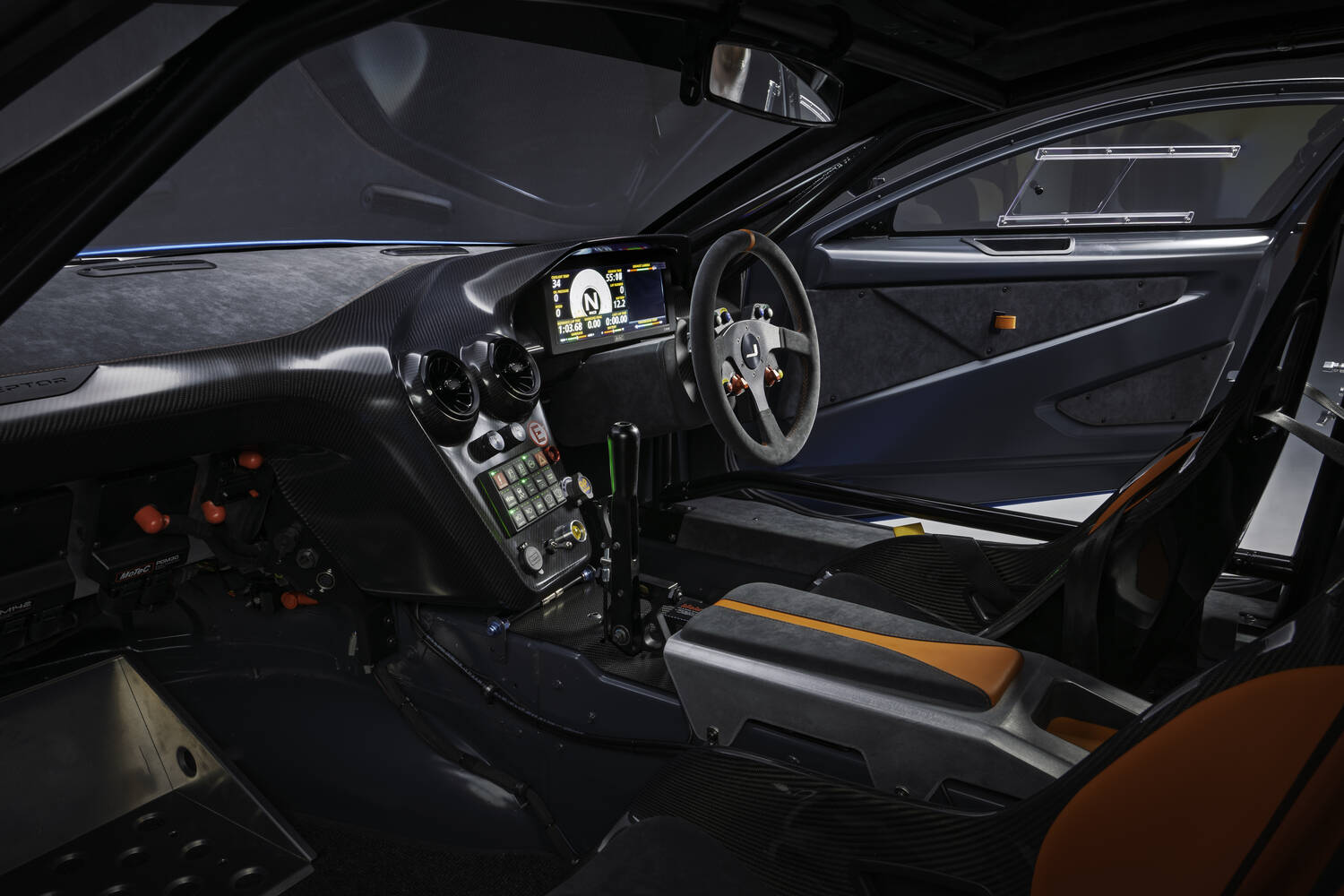
Power goes to the Interceptor’s rear wheels via a six-speed sequential racing transmission with a Wavetrac differential in the back. We assume that the road-going versions of the Interceptor will be less extreme in their specification.
What else do we know?
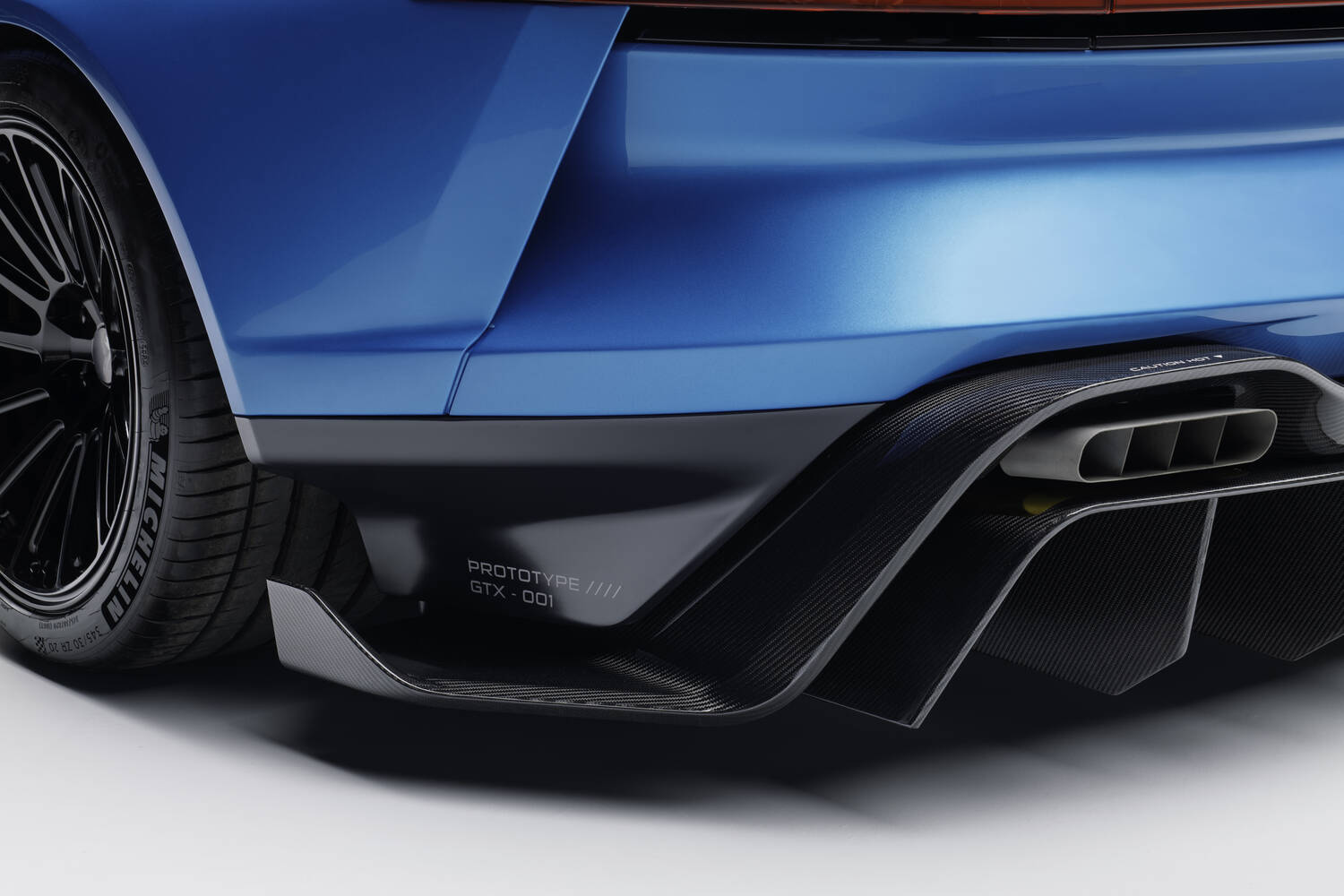
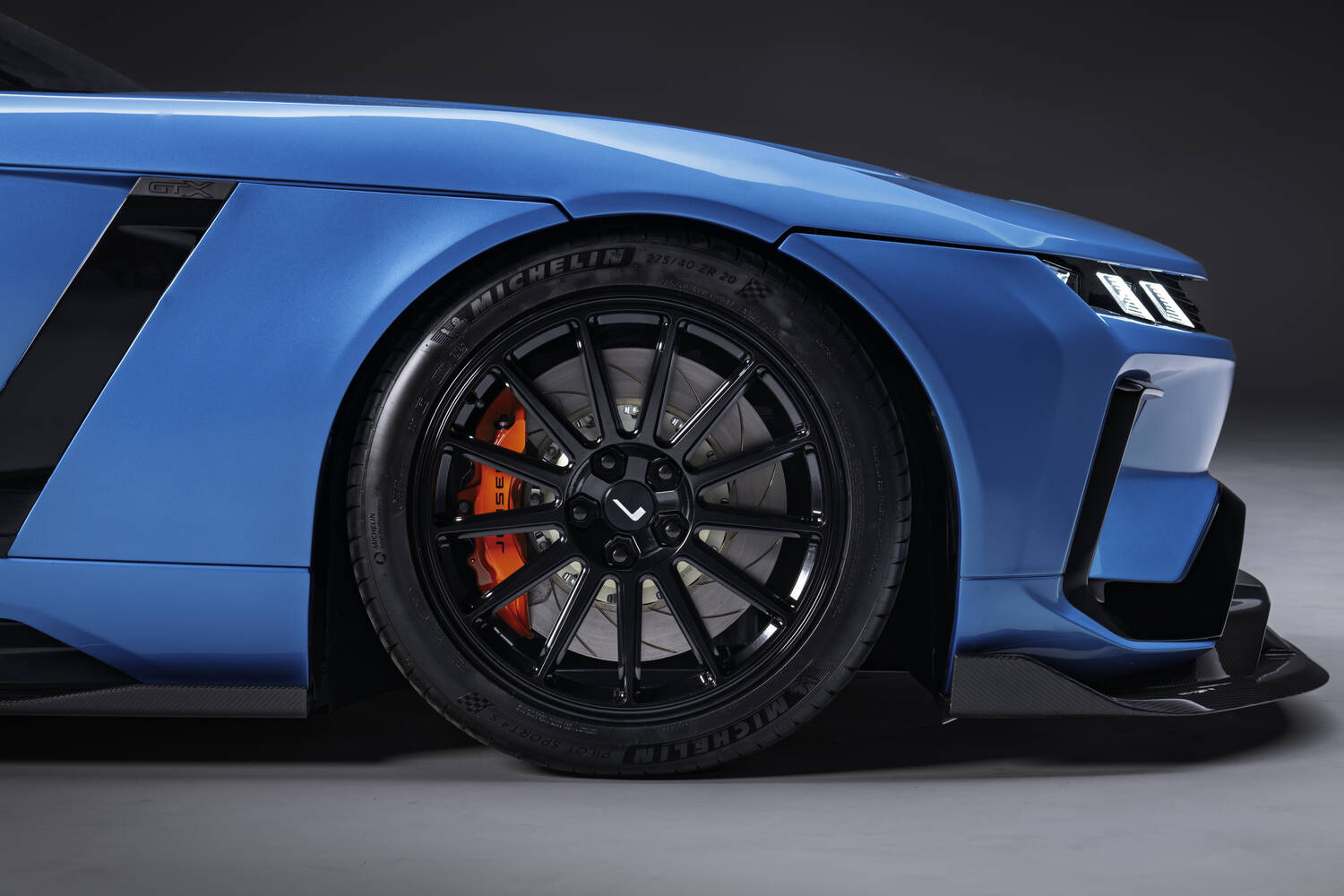
The Interceptor gets mega brakes to rein in all that power, with a full AP Racing brake setup, developed for the car by the specialists at BG Developments.
The system incorporates floating steel discs, competition-derived pad compounds, a fully configurable motorsport anti-lock-braking calibration and cockpit-adjustable brake balance for optimum adjustability, feel and response.
Steel brake discs were selected over carbon-ceramic alternatives to prioritise consistency, usability and repeatable performance under varied track conditions.
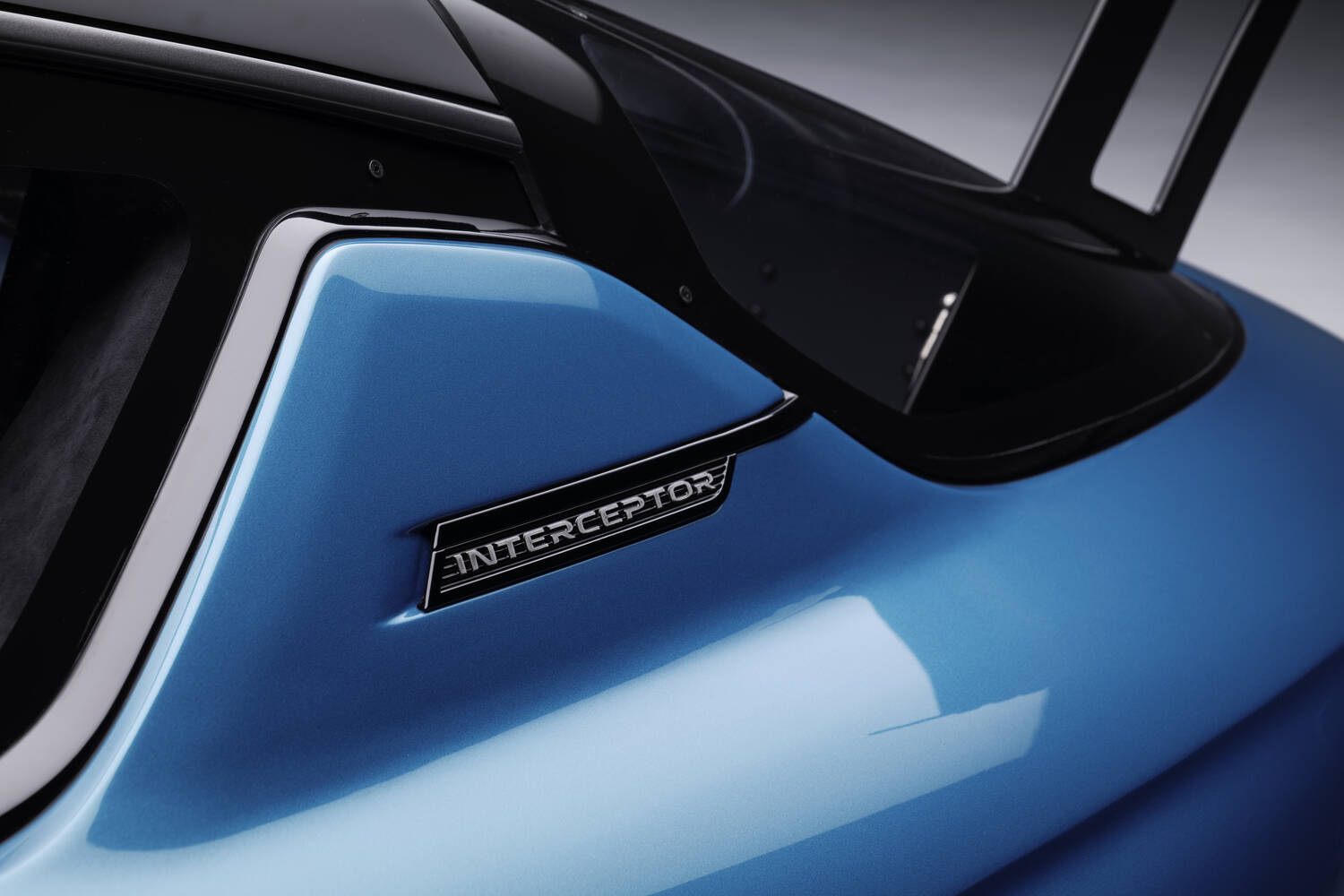
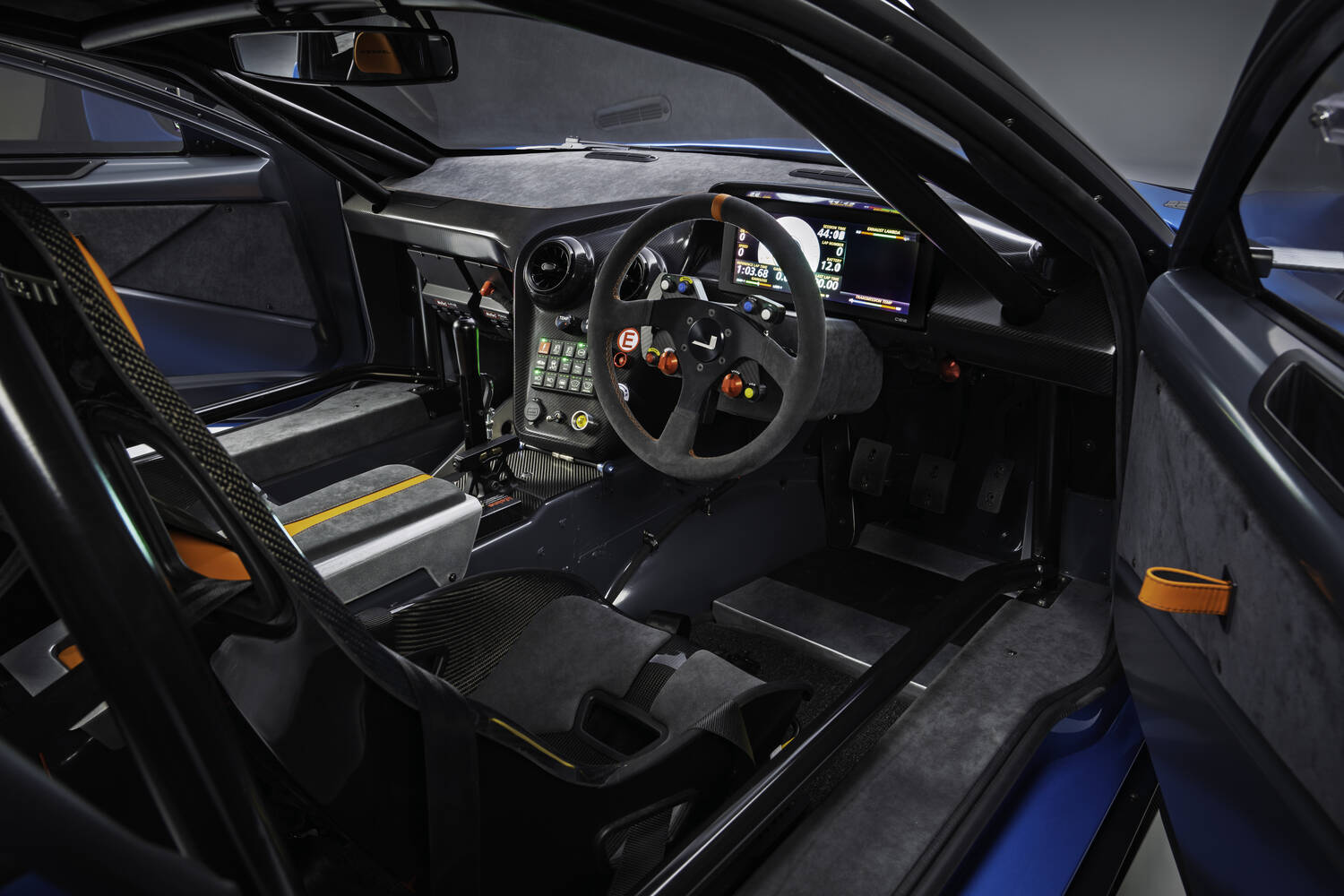
“The driver still needs to drive the car properly,” said Duerden. “The electronic systems are there to support the experience, not dilute it. Apart from the adjustable traction control, launch control and motorsport ABS systems, we’ve deliberately avoided unnecessary electronic intervention. We wanted the GTX to feel mechanical, connected and genuinely analogue in the way it delivers its performance.”
What about the chassis?
The all-aluminium, extruded and bonded chassis gets aluminium double wishbones front and rear, paired with custom-built Nitron three-way adjustable dampers — manually adjustable, so you’ll have to get the spanners out, at least in the GTX version. There’s hydraulic power steering, for better feedback, and 20-inch alloys with Michelin Pilot Sport tyres.
What happens next?
Well, now that the world has seen the new Interceptor, the orders should come flooding in, right? Hopefully so — certainly, this is one of the best-looking new cars we’ve seen for a while, and there’s no doubting the draw of the Interceptor badge.
Assuming those orders do come in, this track-only GTX model will lead, in due course, to Interceptor GTR and GT models, for road use.
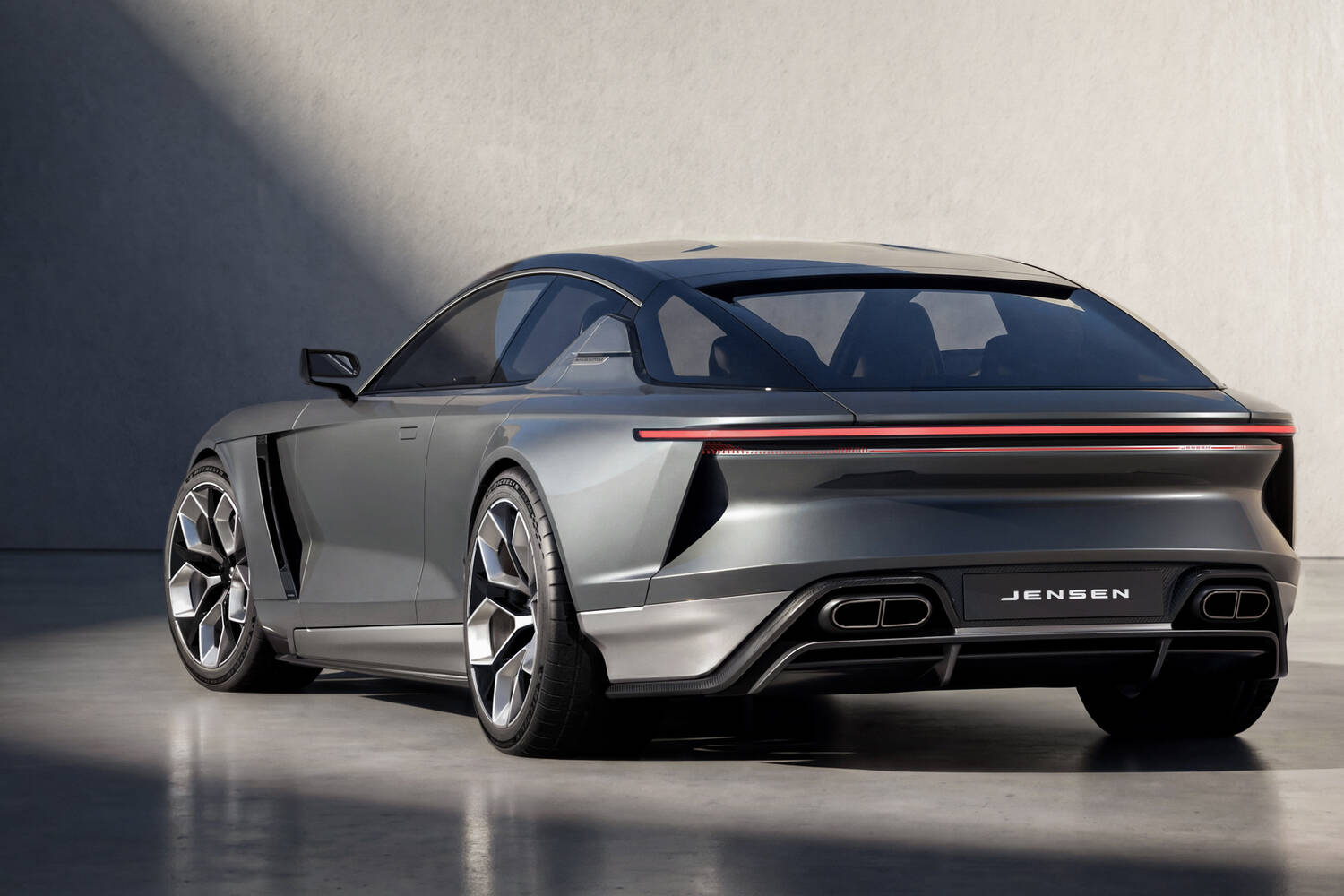
“The Interceptor GTX is the first physical expression of our vision for the future of Jensen. It combines everything we believe a modern Jensen should be – individual, engaging, beautifully engineered and rewarding to drive. While this is only the first step, the GTX gives a clear indication of where we are heading and marks the beginning of an exciting new era for the marque, laying the foundations for future road-going ultra-high-performance GTR and luxury GT models,” said Duerden.
If there is anything about this story we have not covered, you can avail of our expert advice service via the Ask Us Anything page.