
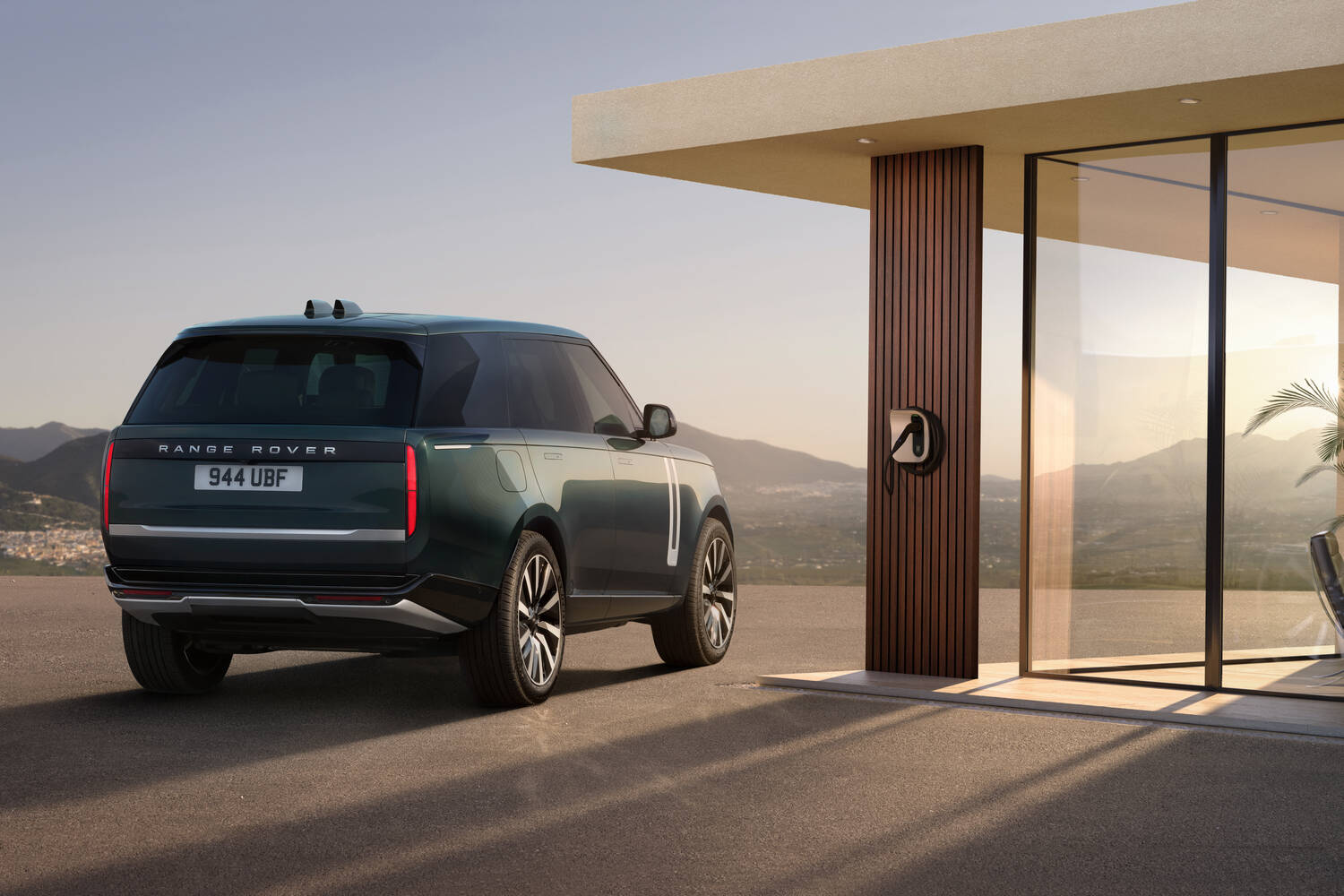
How much is the new Range Rover Electric?
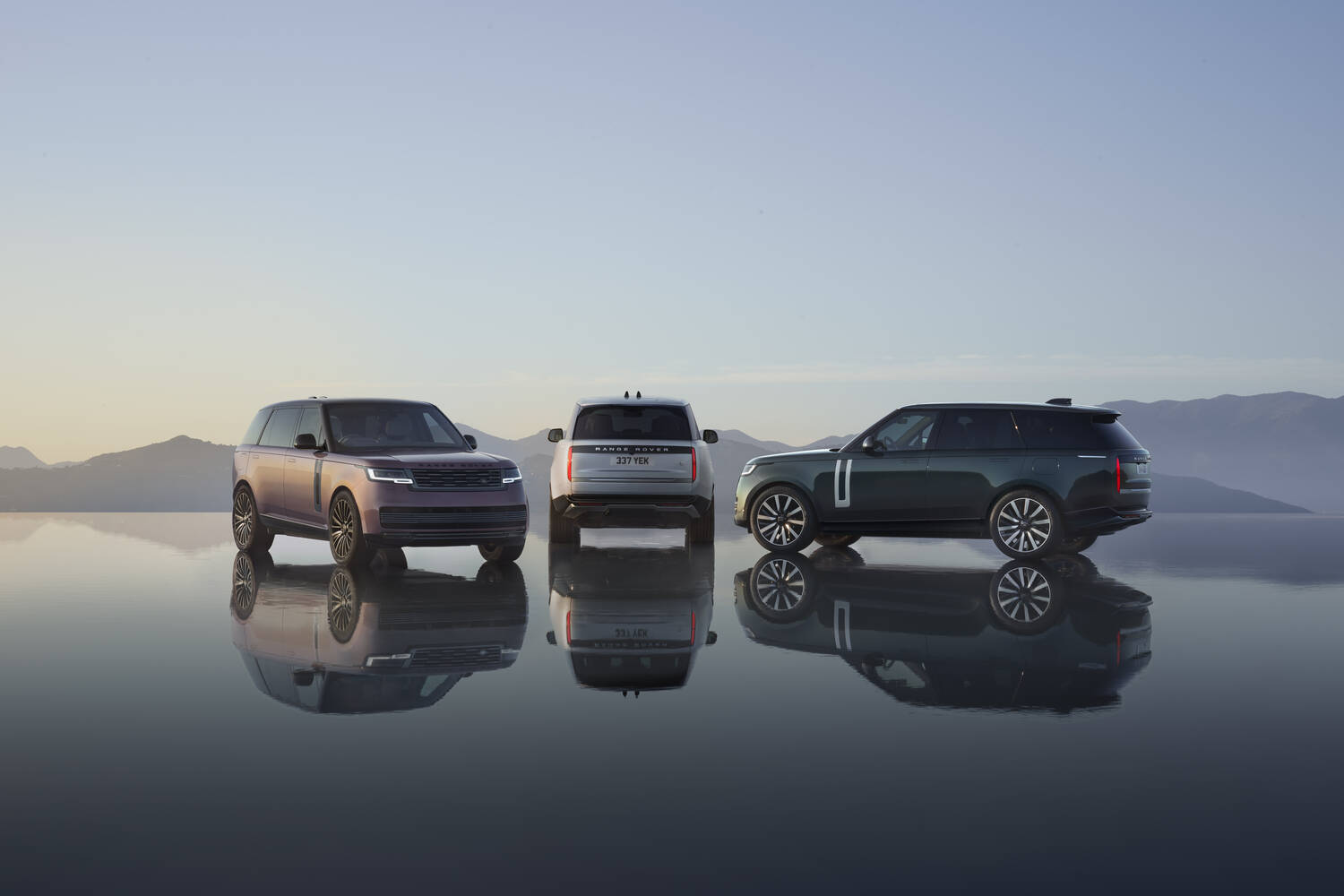
Retail pricing starts at €160,620, rising to an astounding €325,360 at the top of the lineup. The Range Rover Electric will be offered with a choice of two different powertrains, in standard- or long-wheelbase and up to seven disparate specifications.
The entry-level 450hp option is for the standard wheelbase only, available in SE, HSE and Autobiography trim levels.
Upgrading to the 550hp powertrain adds First Edition, SV, SV Ultra and SV Ultra Black to the menu, along with a choice of wheelbases - though the longer model can only be had in one of the SV finishes.
How much range has the Range Rover Electric?
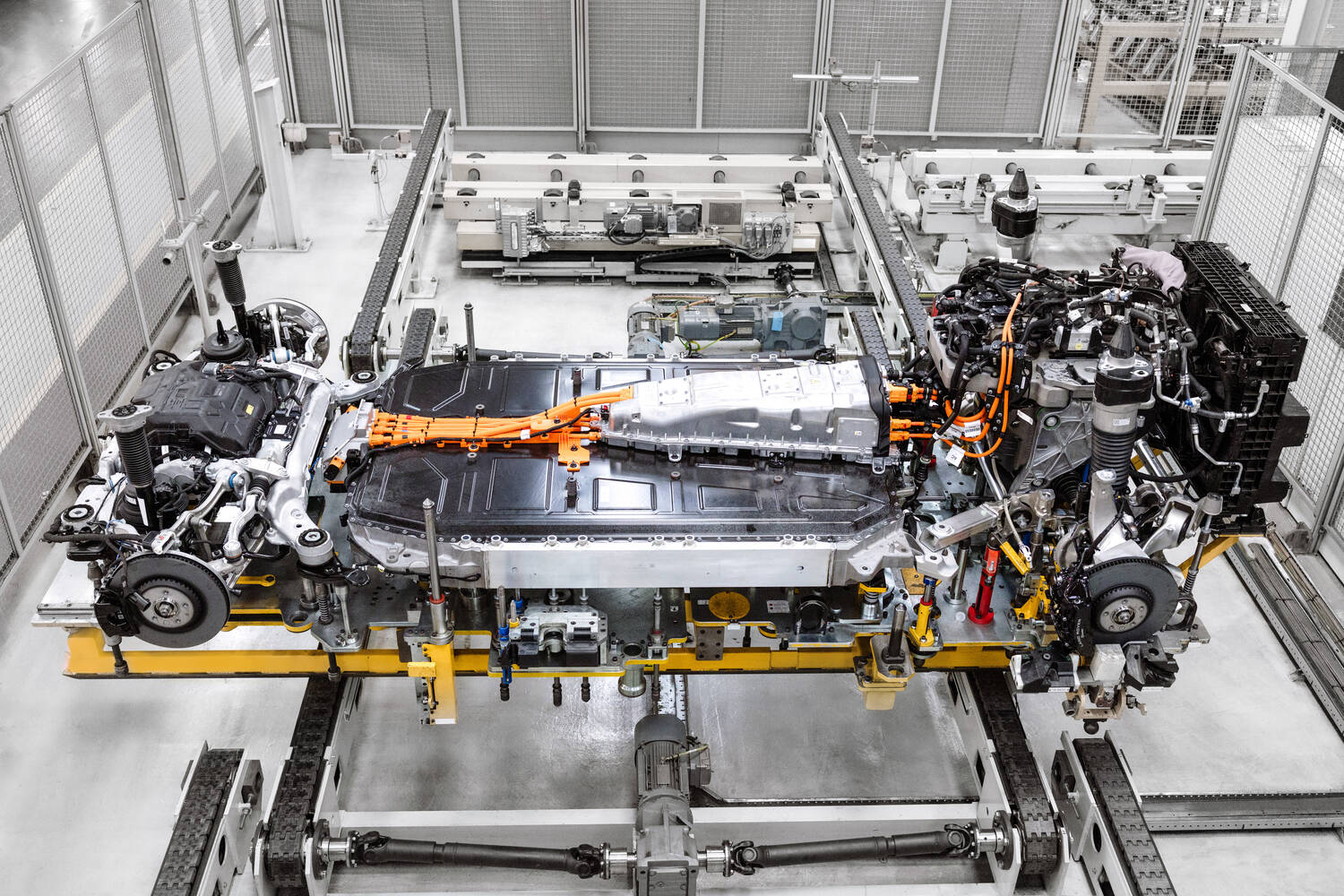
Regardless of power output, the electric Range Rover features a lithium-ion battery pack of NMC (Nickel Manganese Cobalt) chemistry and 118.5kWh usable energy capacity.
In its most efficient guise, the Range Rover Electric can cover 600 kilometres to a charge under WLTP conditions, though interestingly, Range Rover quotes its own real-world range figure of 535km.
Can the Range Rover Electric charge up quickly?
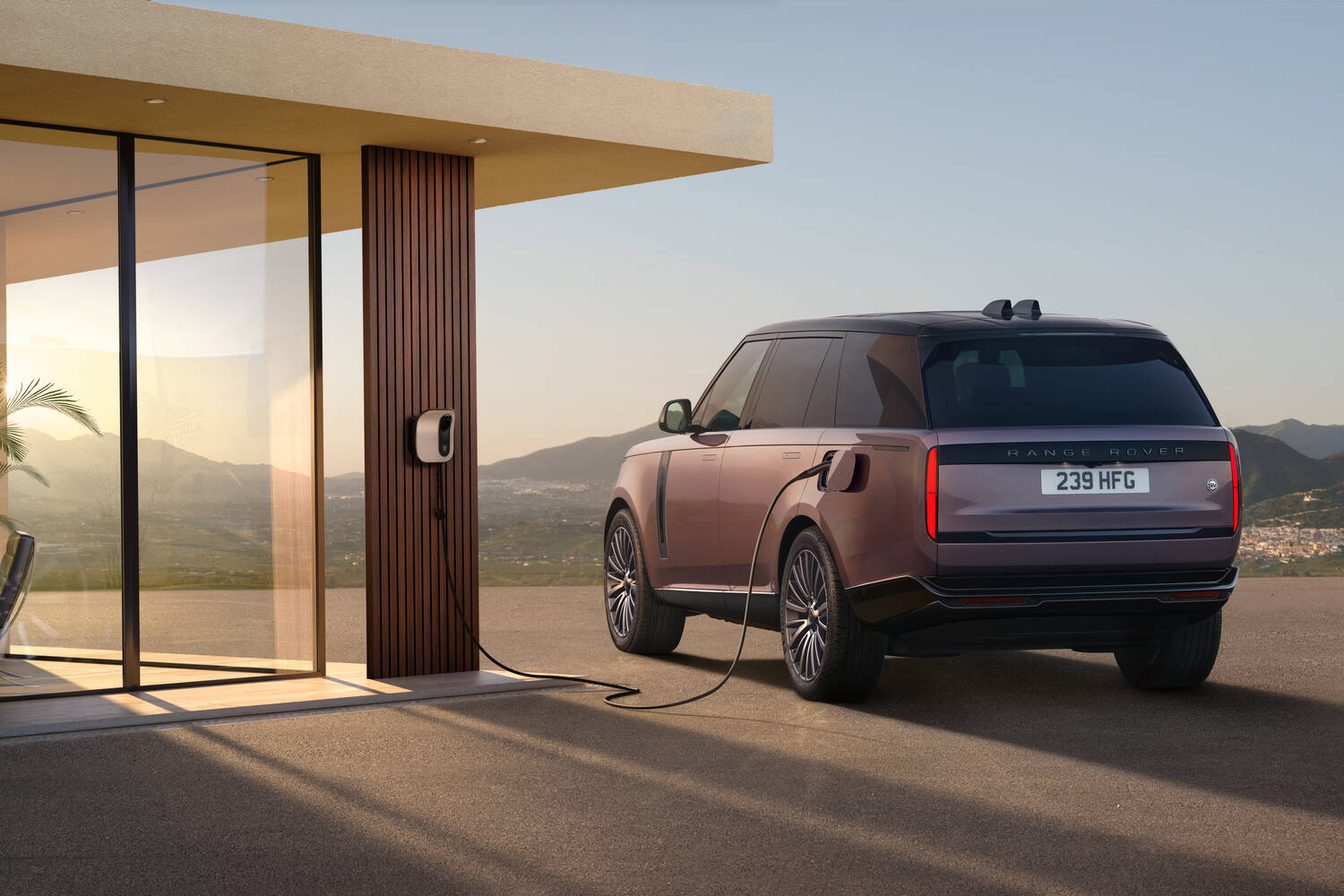
That big battery is a ‘double-stacked’ item, and it can accommodate split charging, which, along with the 800-volt architecture, means it charges up quickly, at up to 350kW on suitably powerful DC outlets, or 22kW on three-phase AC chargers.
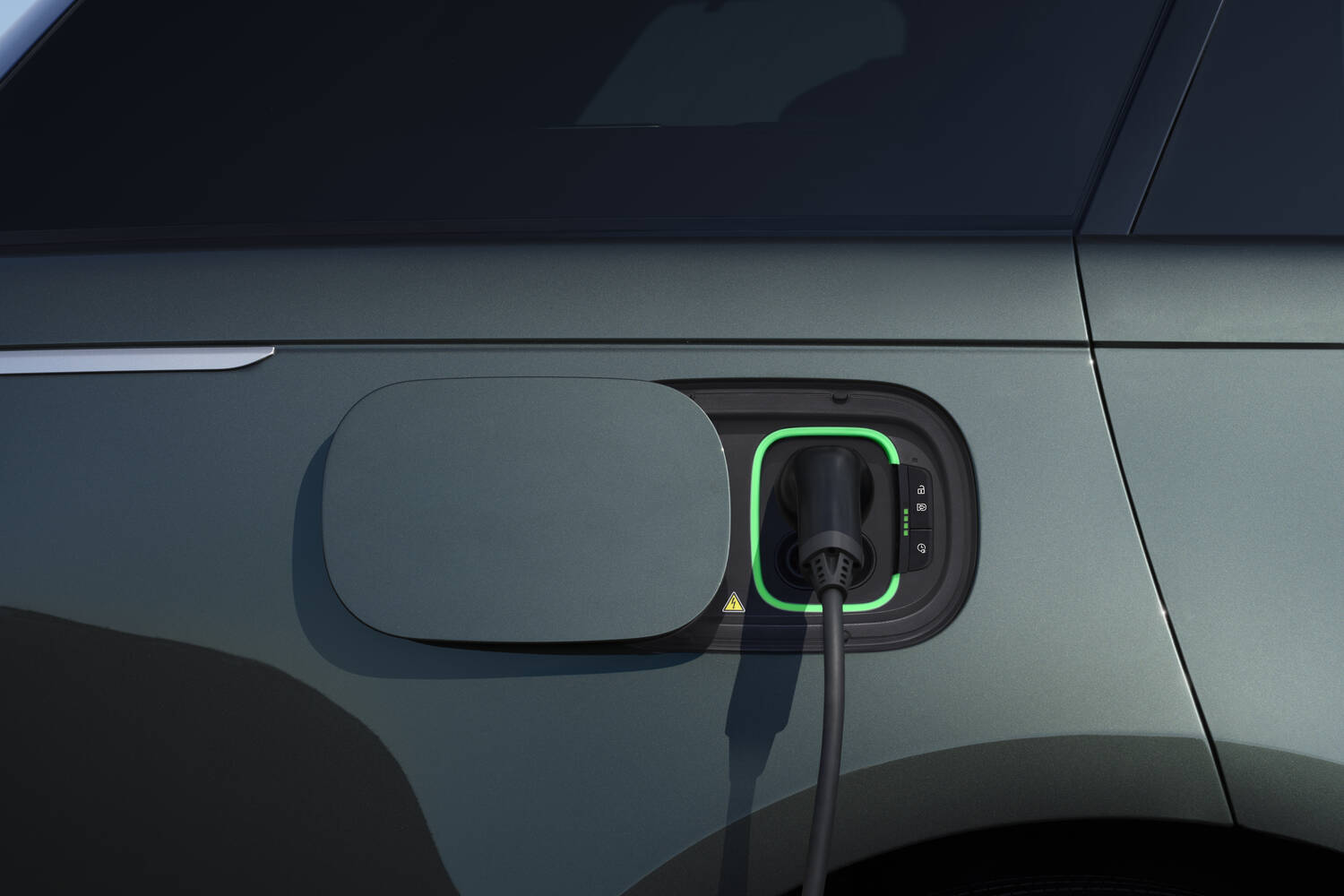
Range Rover quotes a 10-80-per-cent top-up time of 22 minutes at its fastest, or 220km added for every 10 minutes plugged in.
Aiding the Range Rover’s charging speeds and overall efficiency is the company’s new ‘ThermAssist’ heat-management system, accounting for at least one of the 300 or so patents filed during the development of the Range Rover Electric.
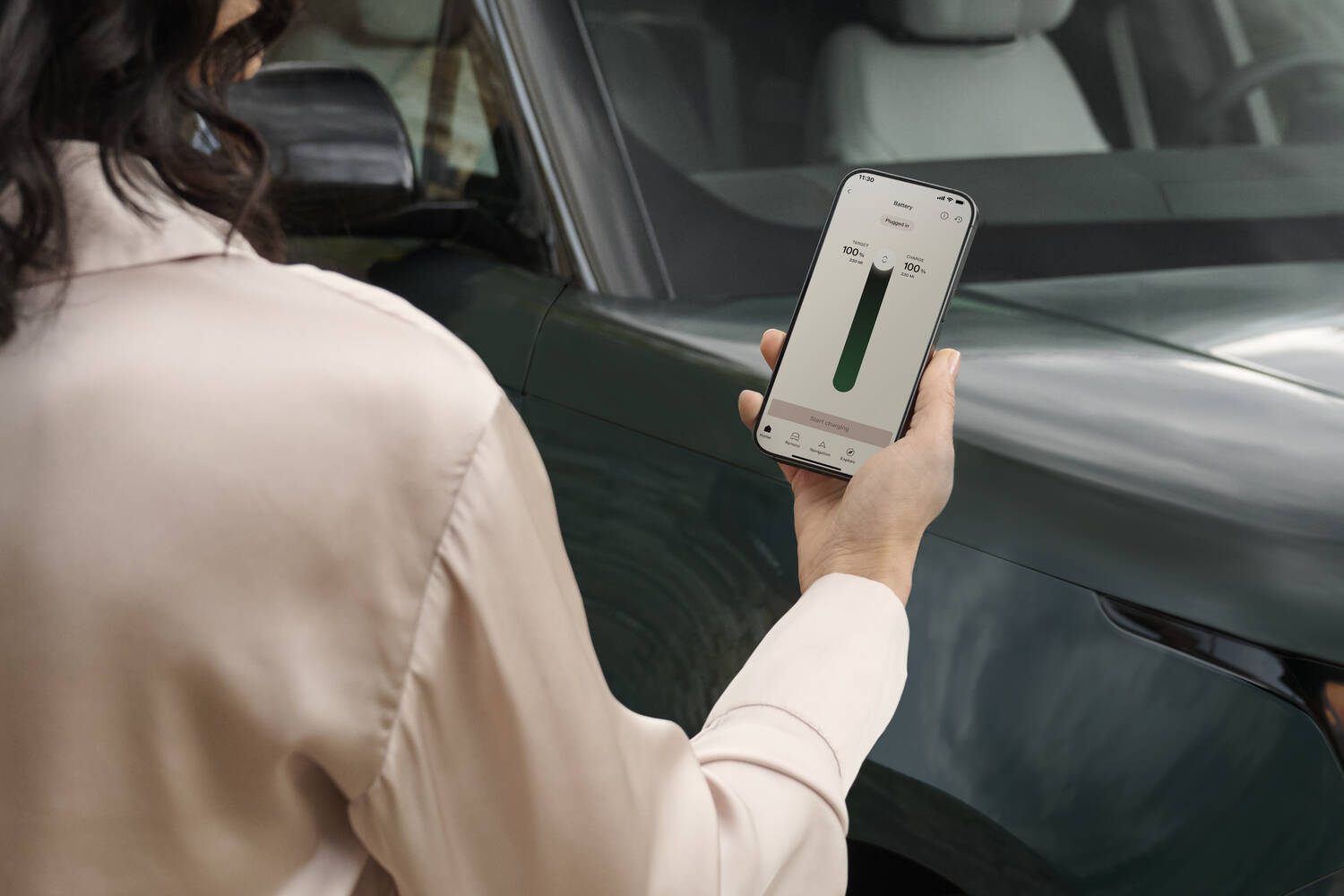
Can the electric Range Rover still go off-road?
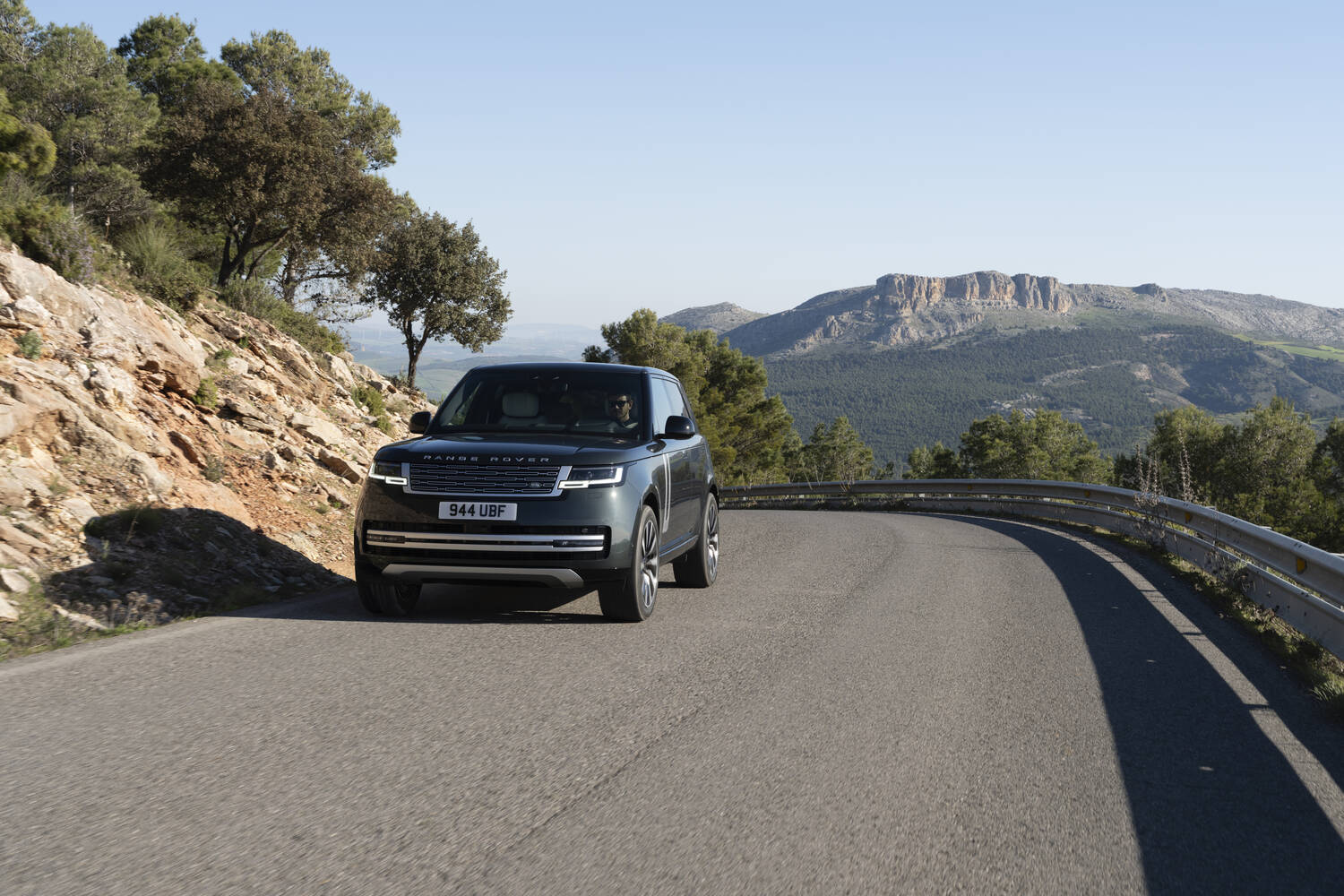
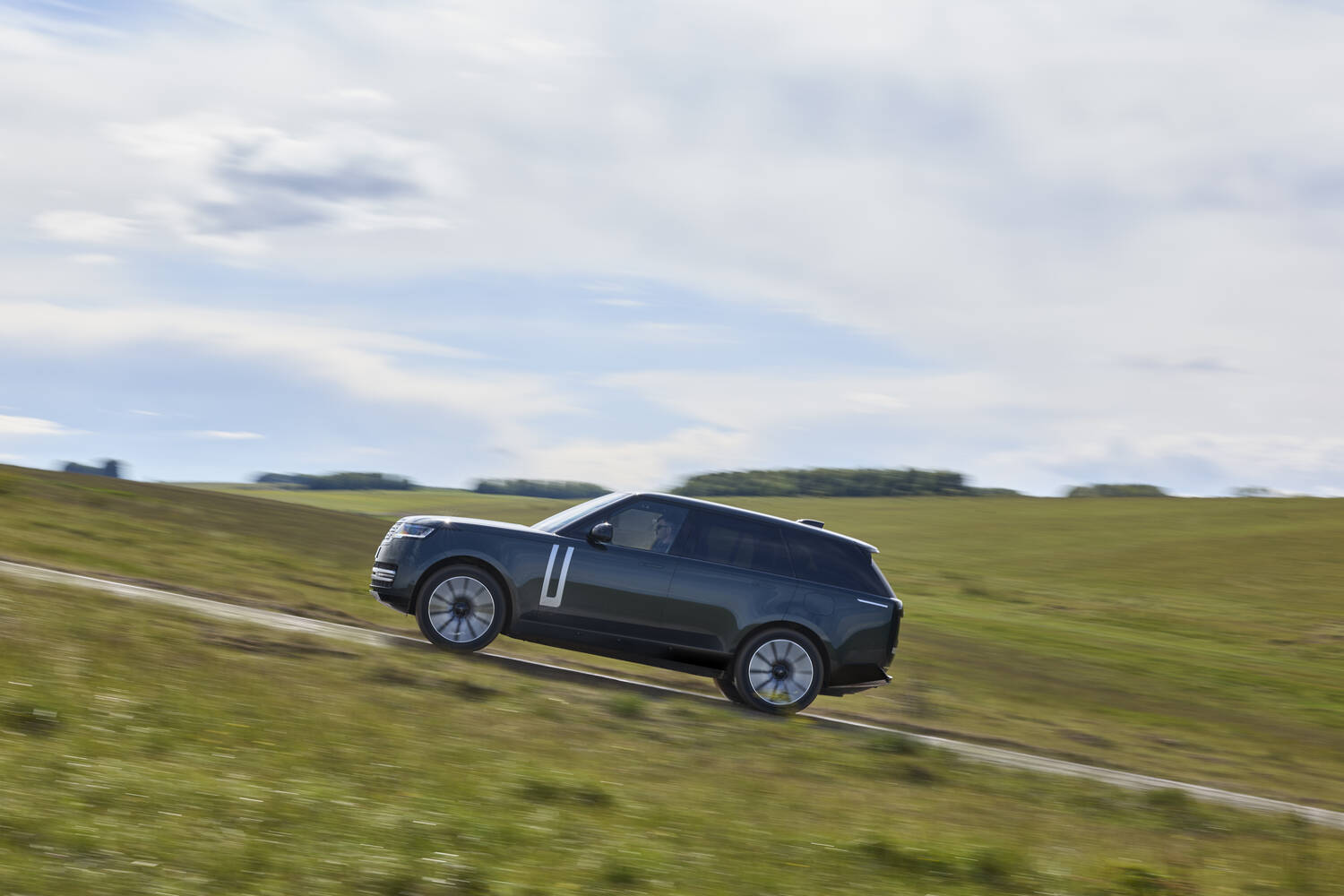
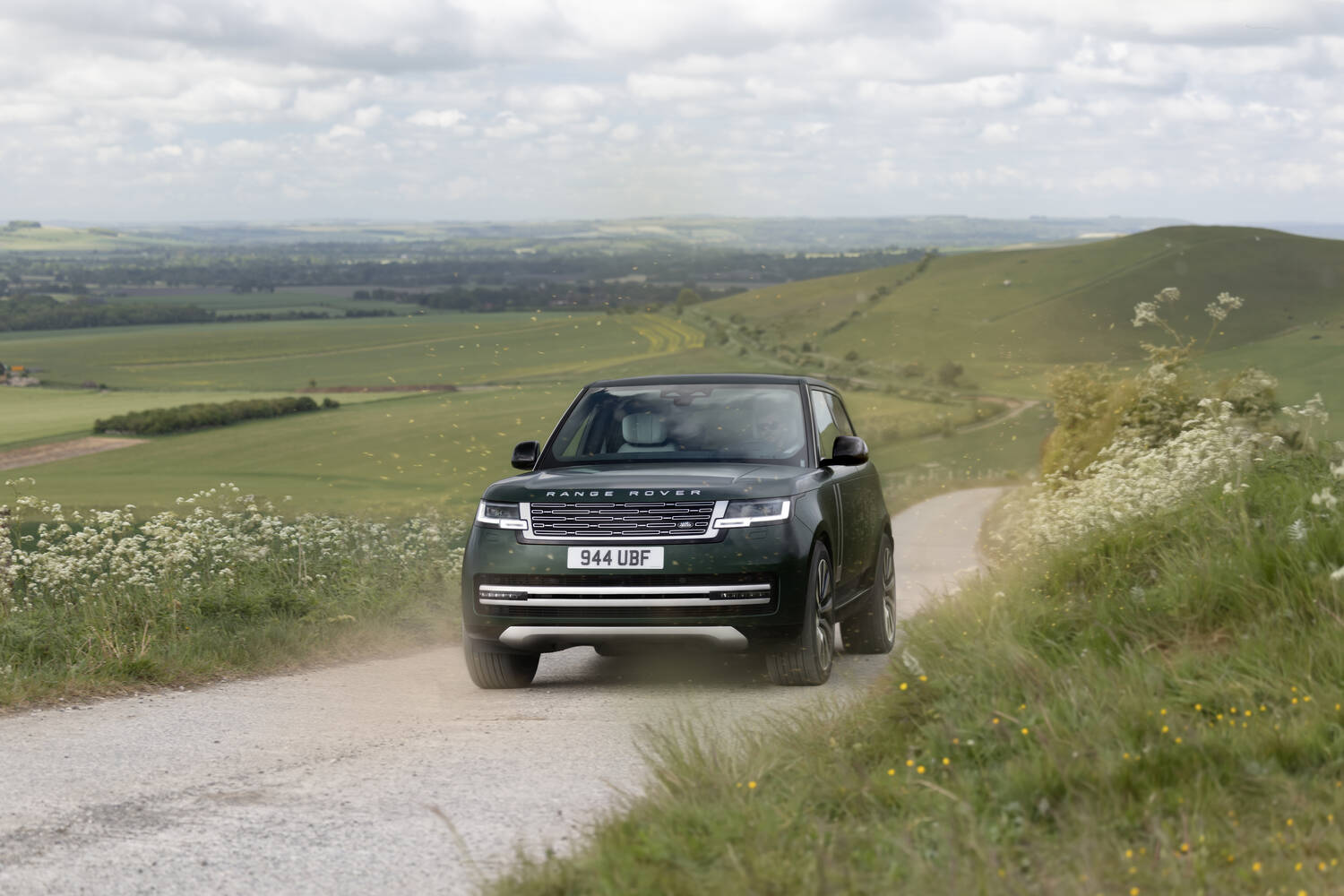
Apparently so. The company is adamant that the new EV is a Range Rover first and electric vehicle second, so it was designed from the outset to be as capable as any other model in the lineup.
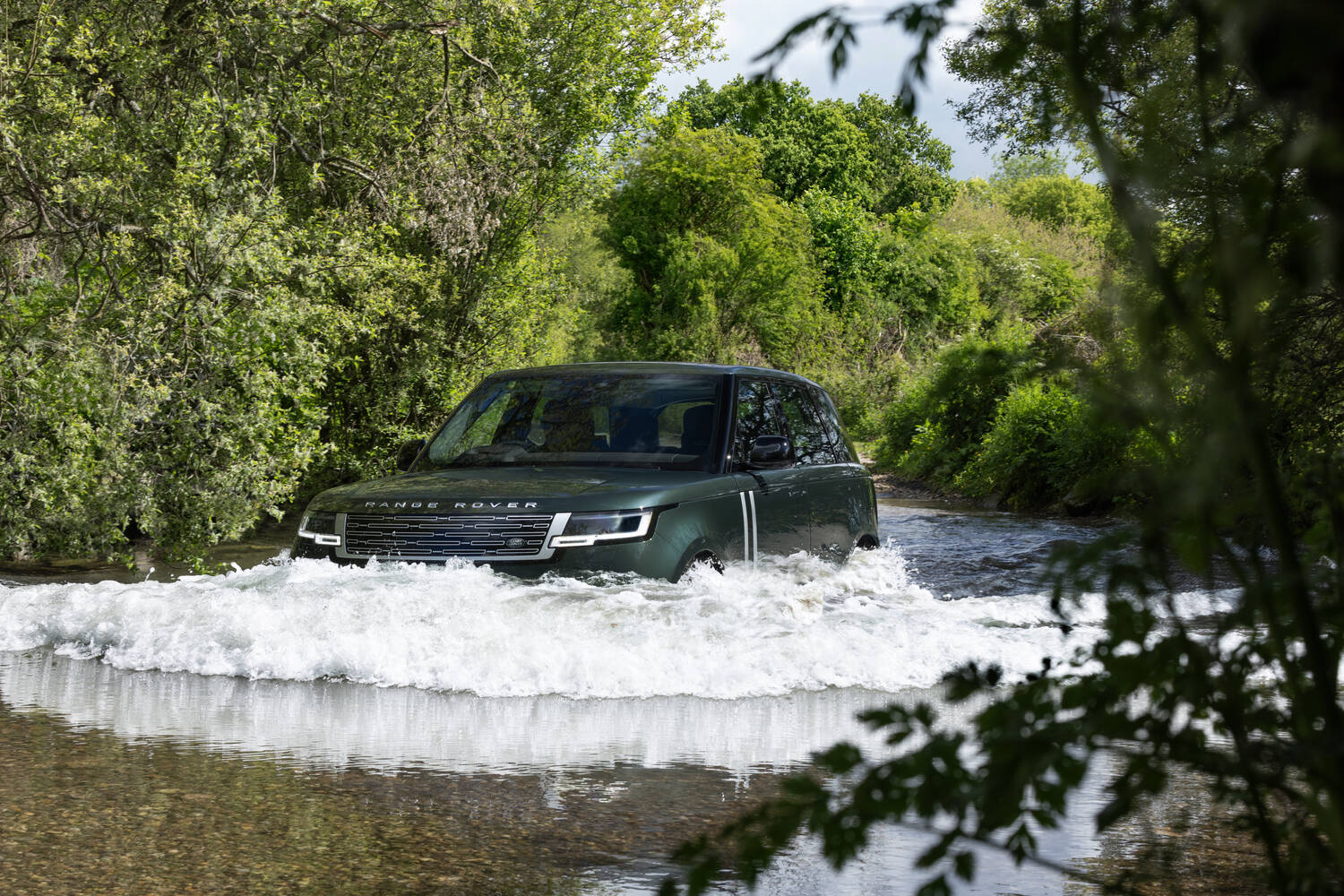
Hence it can wade through water as deep as 900mm and it has air suspension to allow for variable ride height. Range Rover points out that the two electric motors - one on each axle for four-wheel drive - allow for much faster response to traction management needs than an internal-combustion engine.
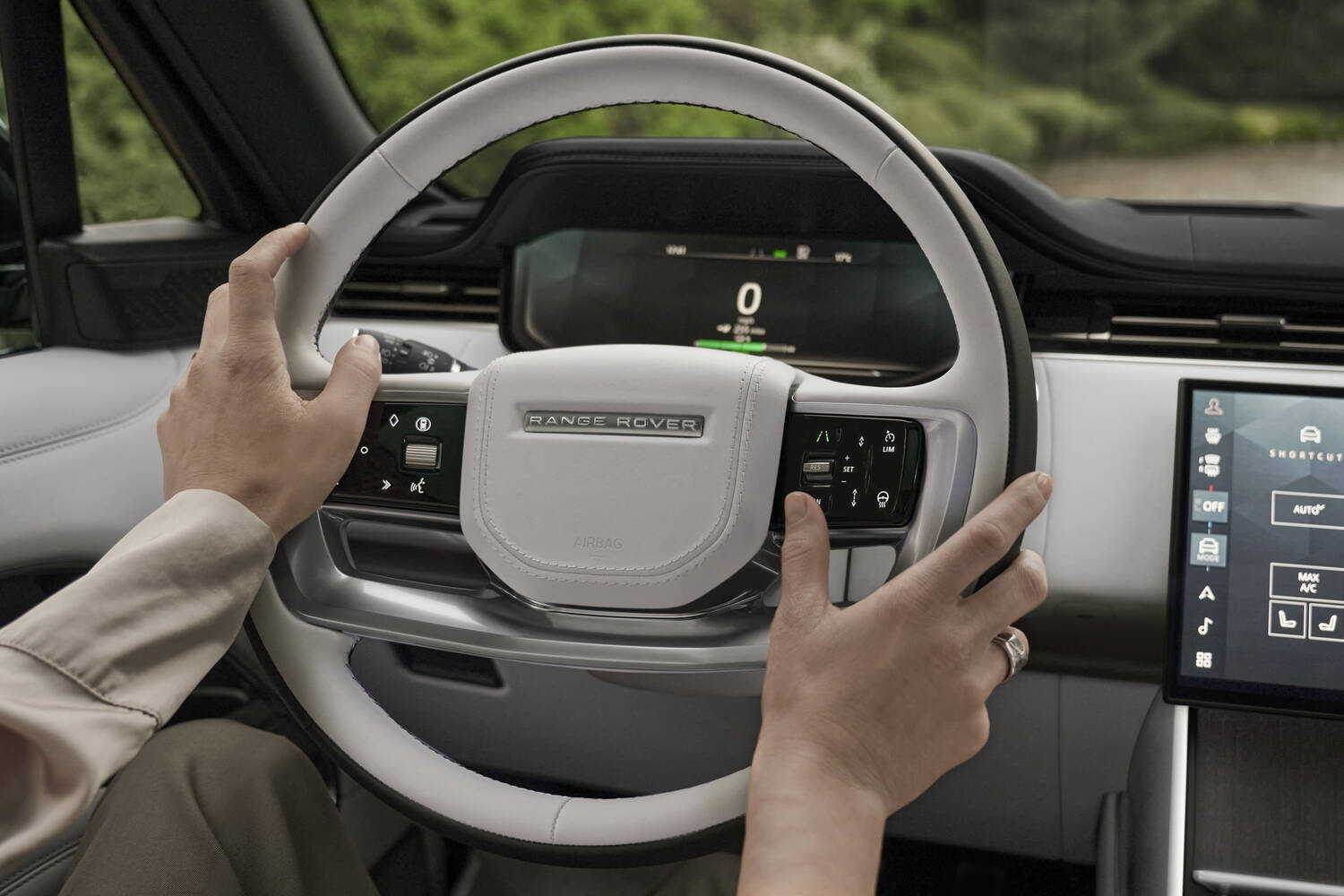
Additionally, the Range Rover Electric has a one-pedal driving mode designed specifically for steep hills on a slippery surface.
Is the Range Rover Electric fast?
Like most Range Rovers, the EV is quicker than is needed in such a large vehicle, making for relaxed progress and effortless performance whenever it’s required.
In terms of numbers, the 450hp model also gets up to 677Nm of torque, propelling the 2,810kg Range Rover to 100km/h from rest in 5.6 seconds.
The 550hp version has more torque - at 850Nm - resulting in a rapid 4.5-second time for the same benchmark sprint. That’s fast by any measure.
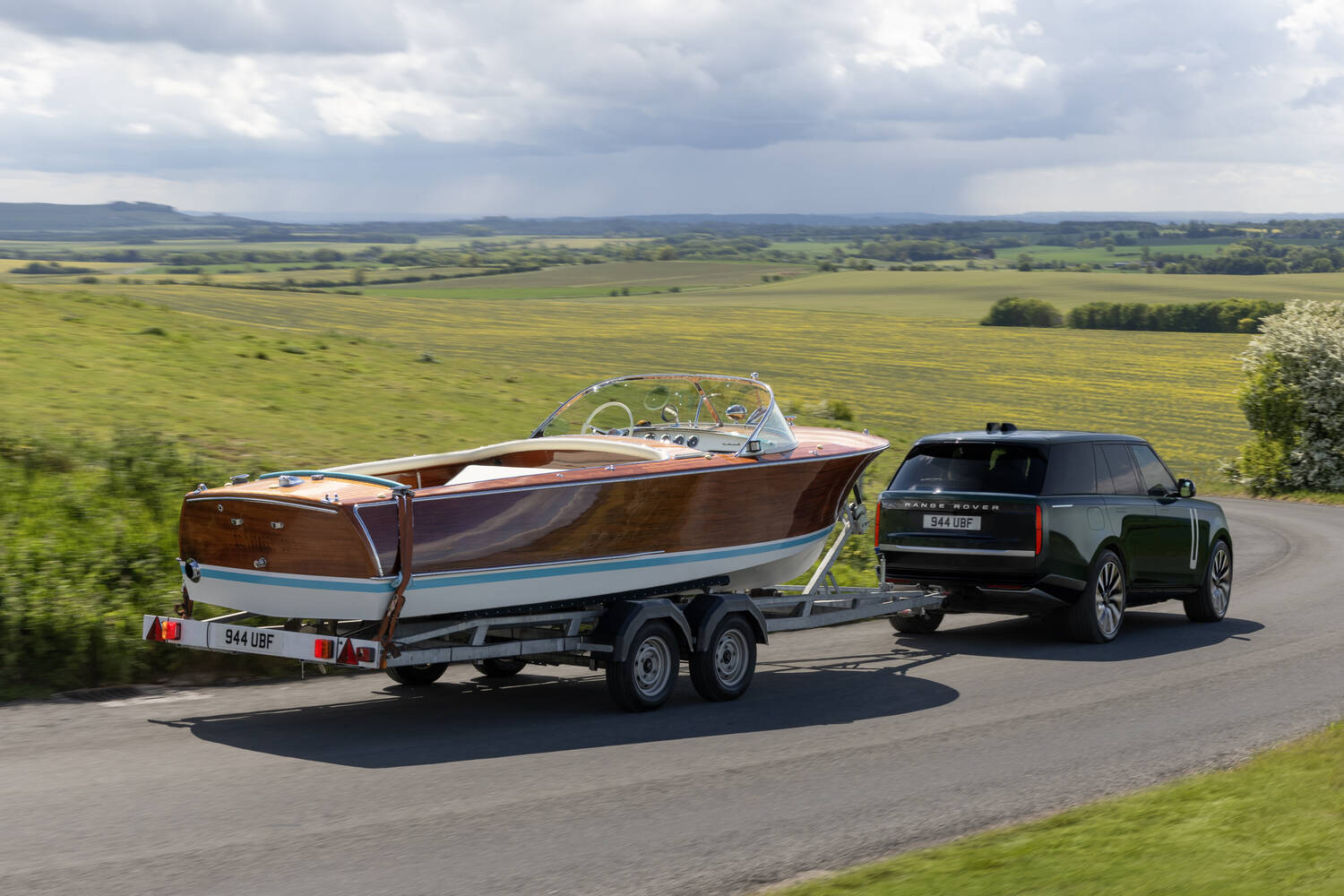
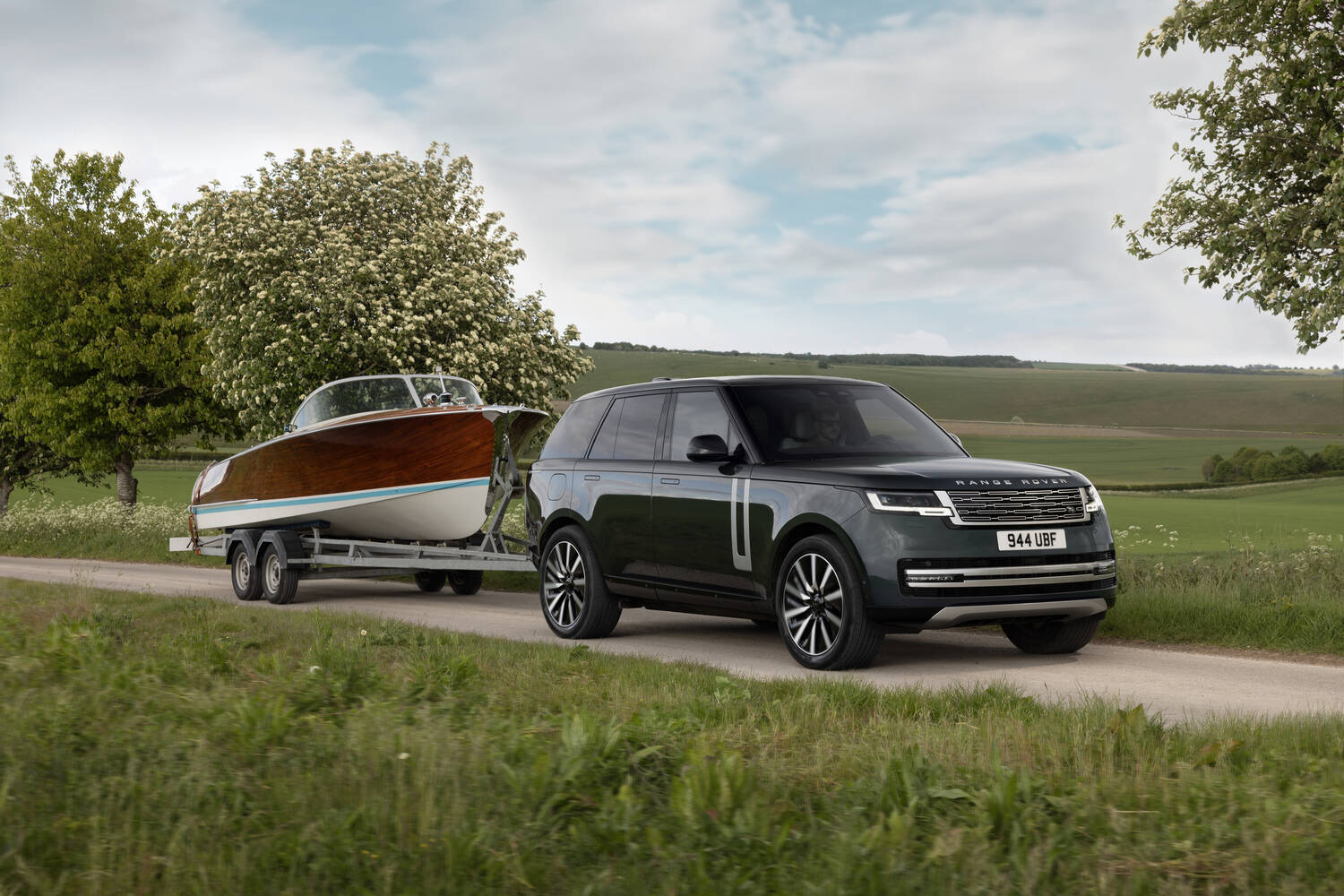
Perhaps more importantly, the Range Rover Electric is still a powerful tow vehicle, able to manage up to 2,500kg of a braked load.
Does the Range Rover Electric look any different?
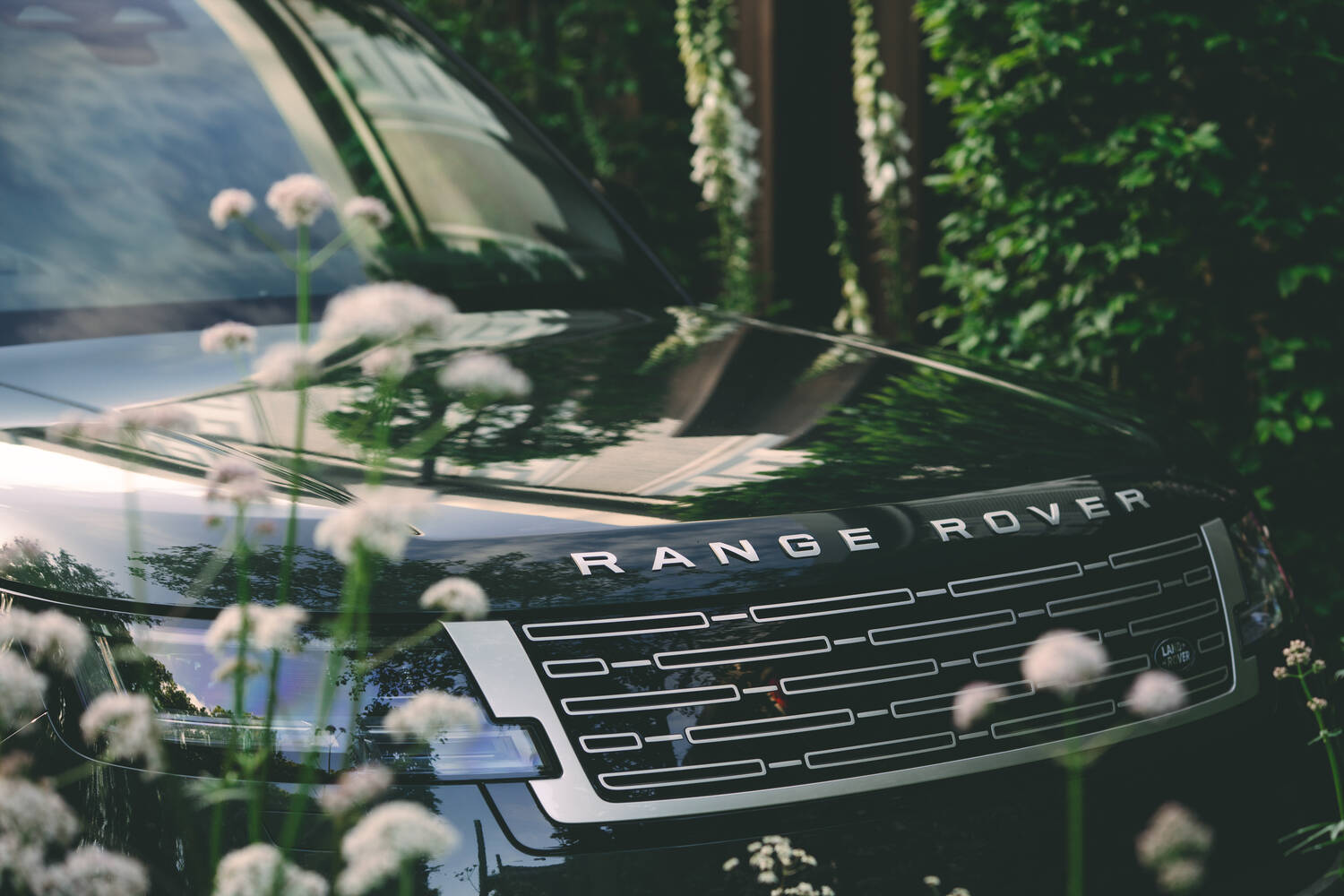
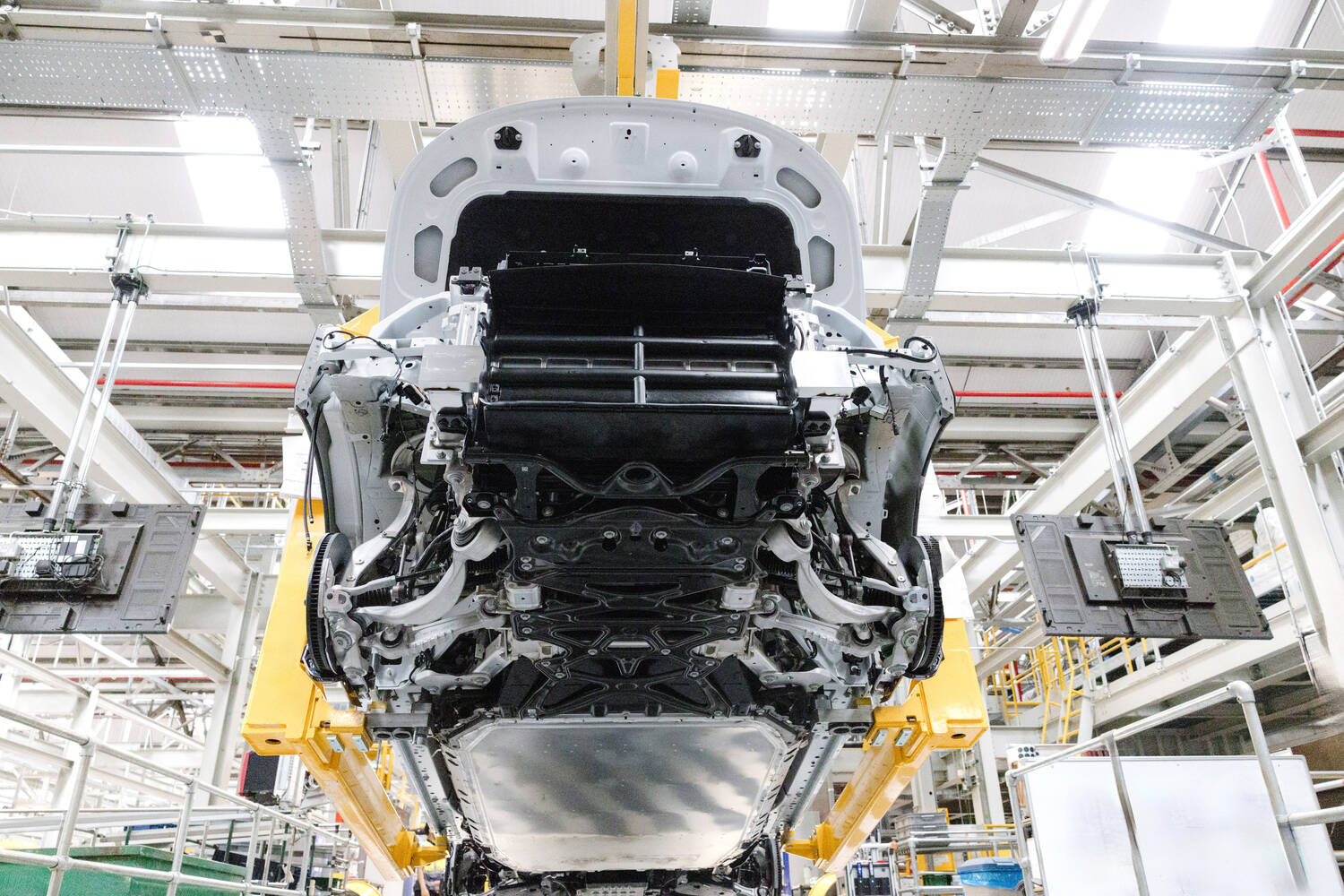
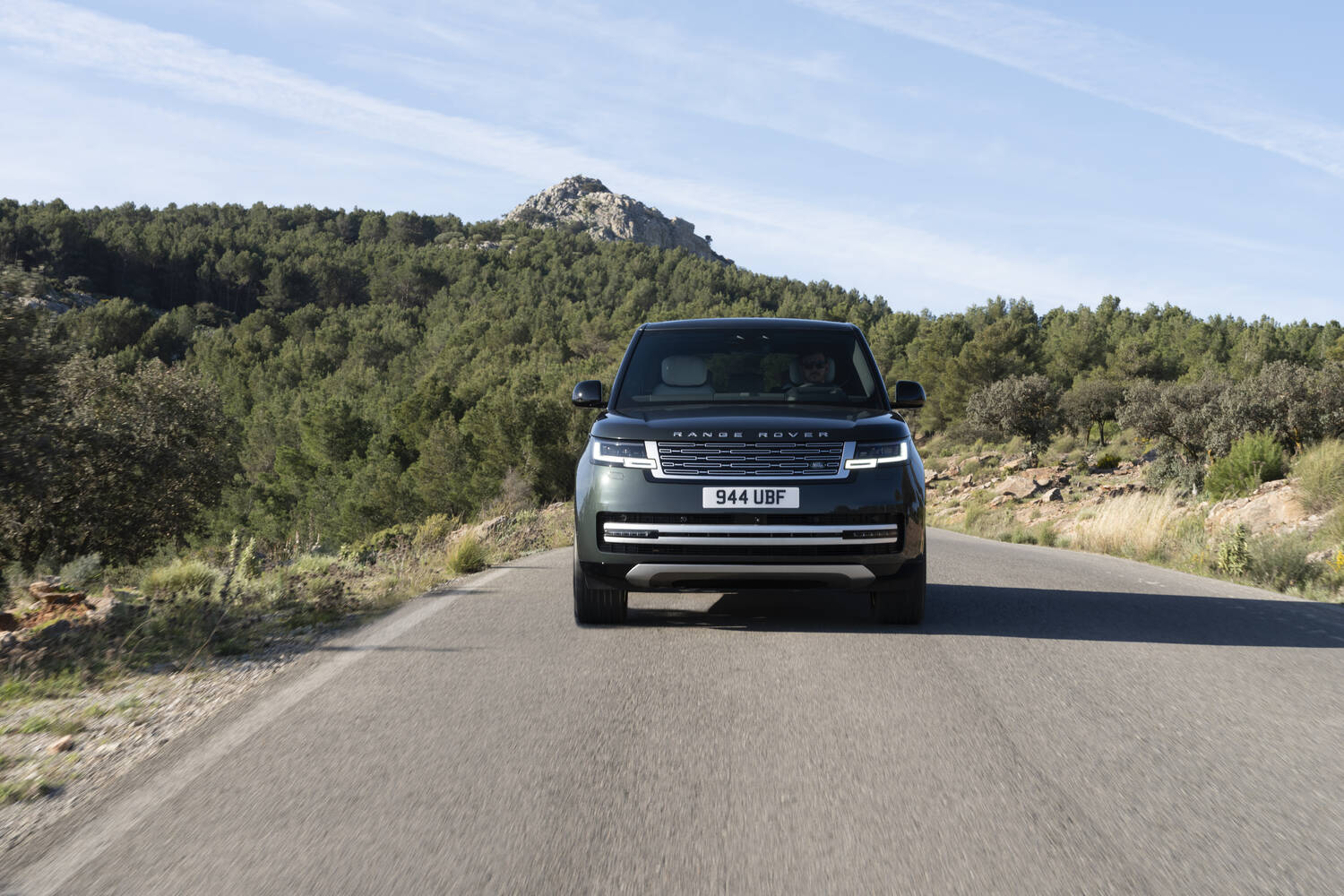
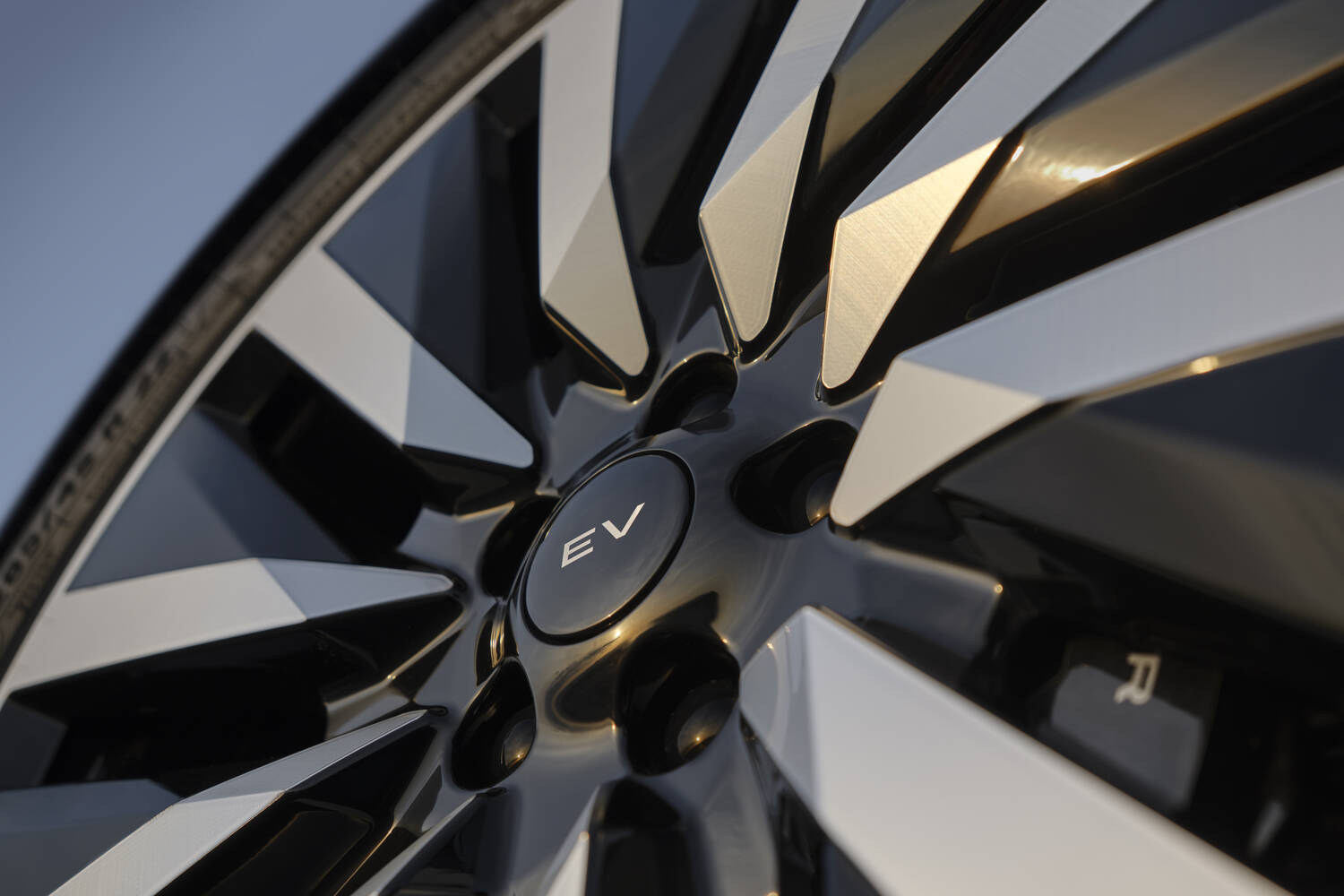
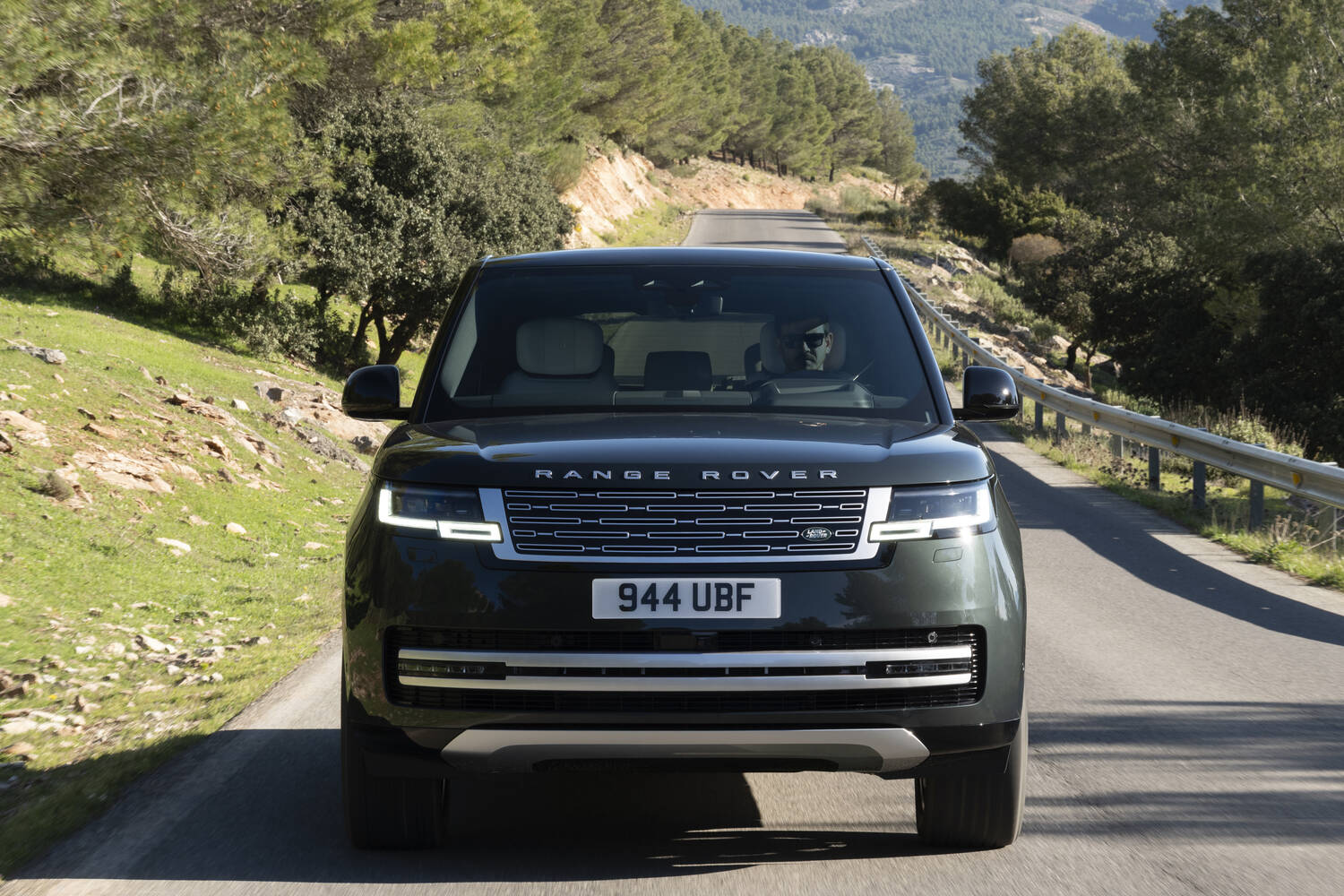
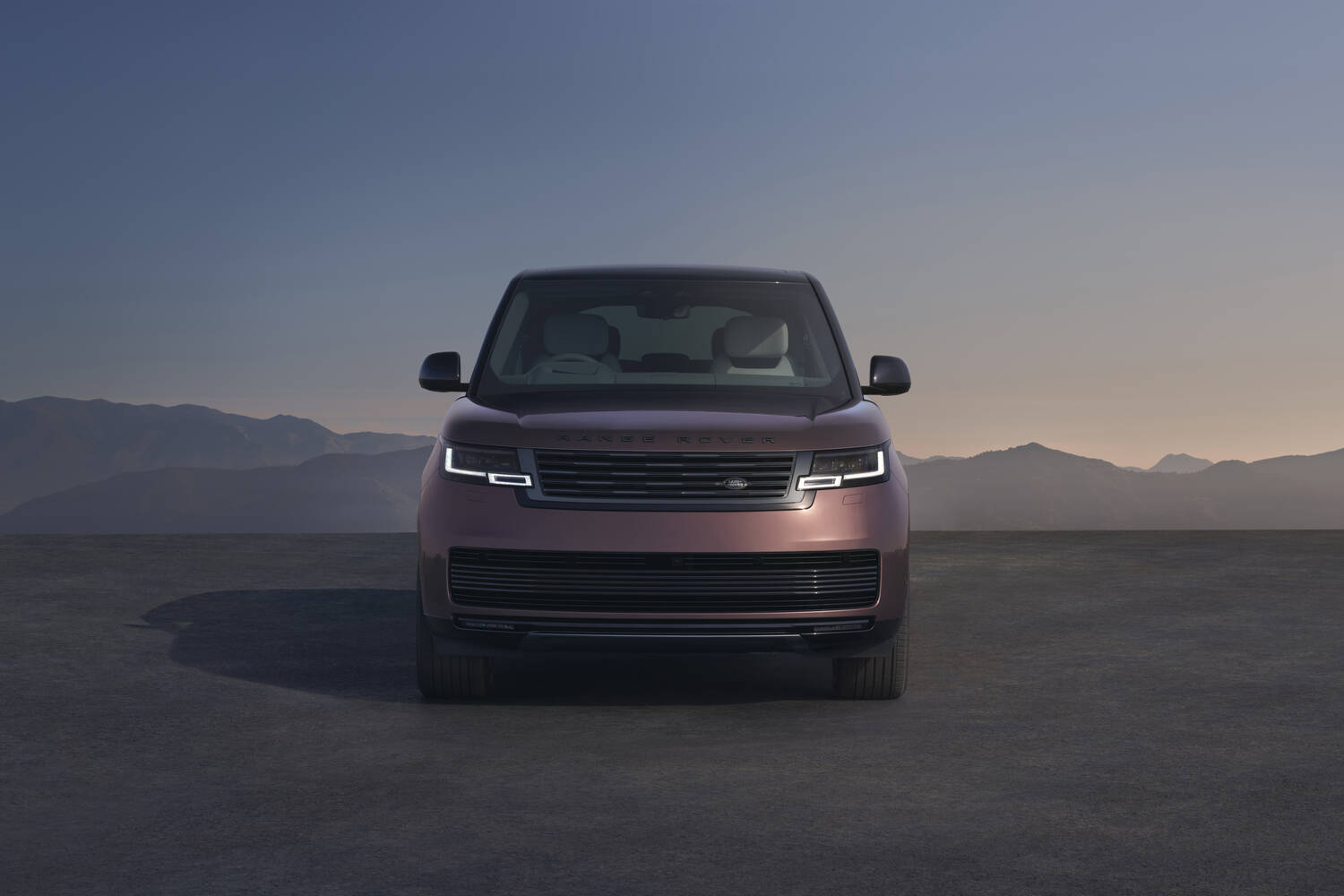
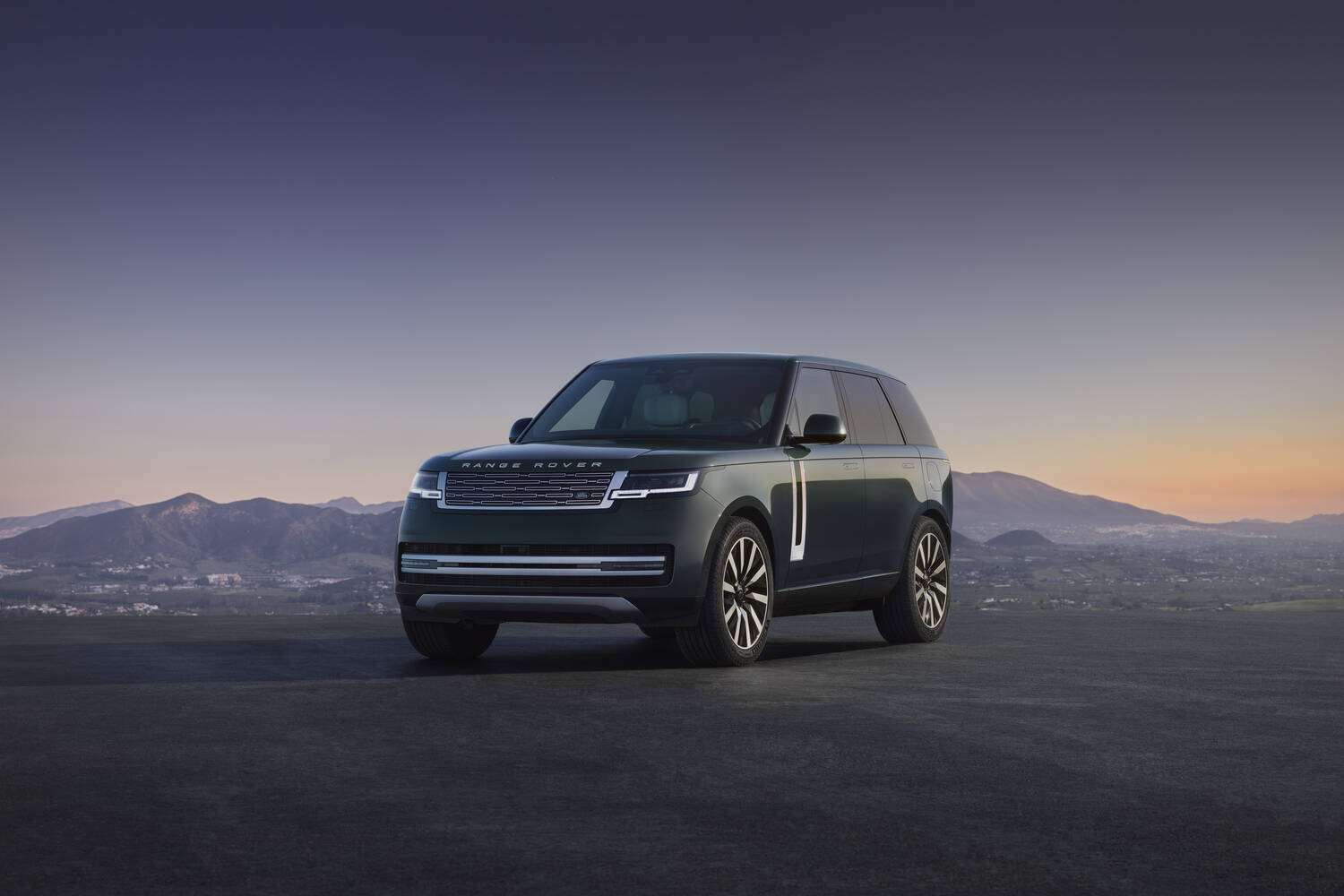
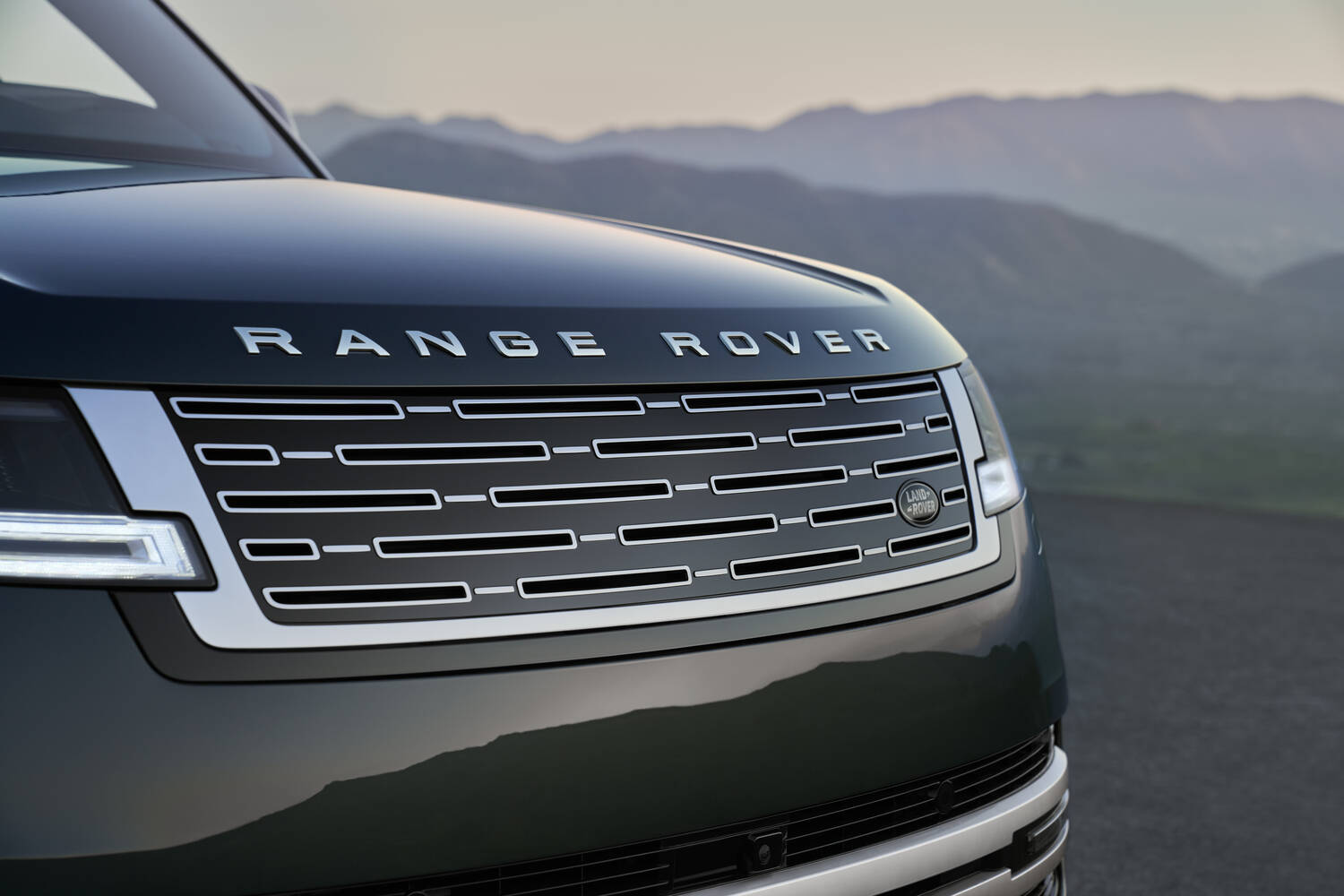
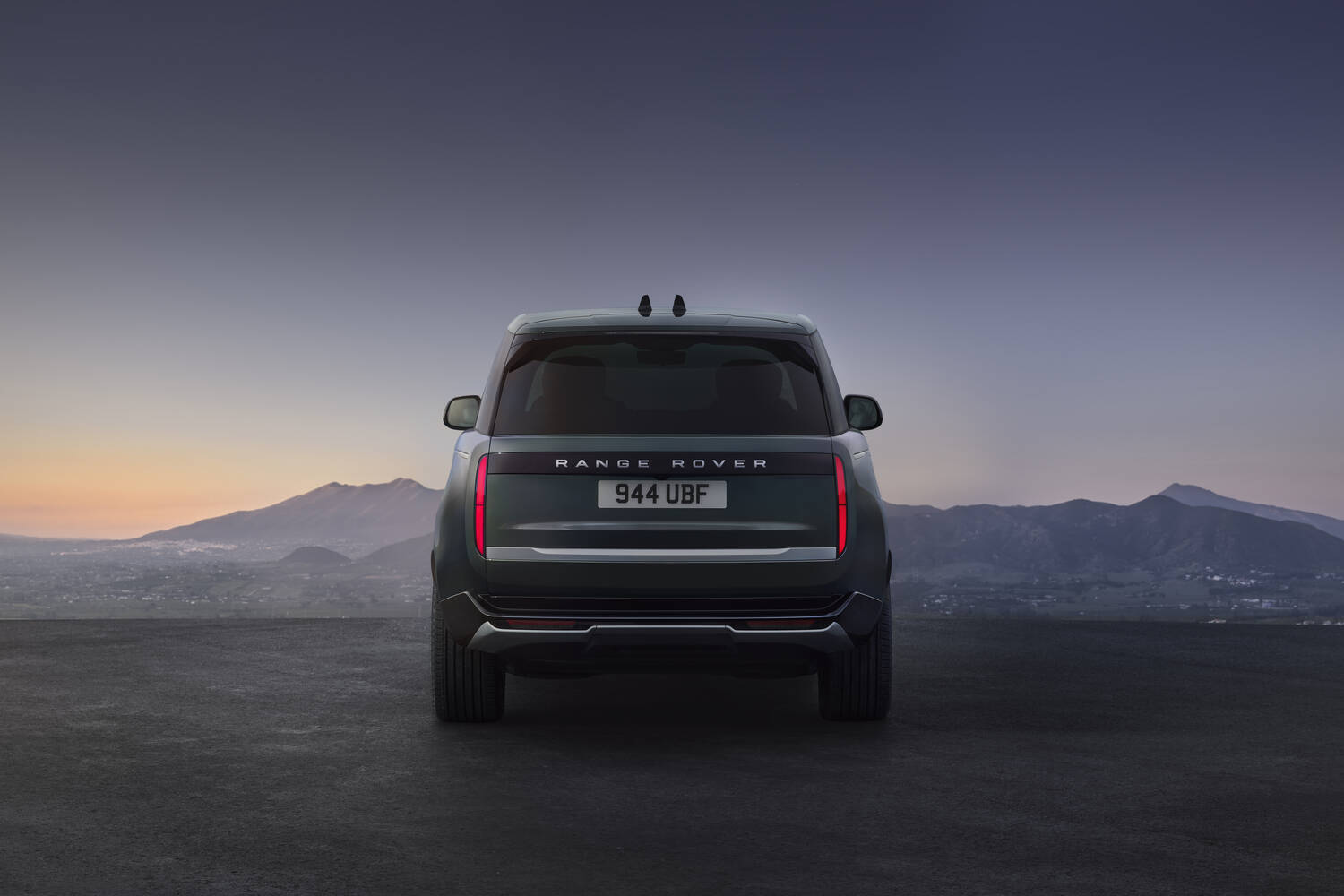
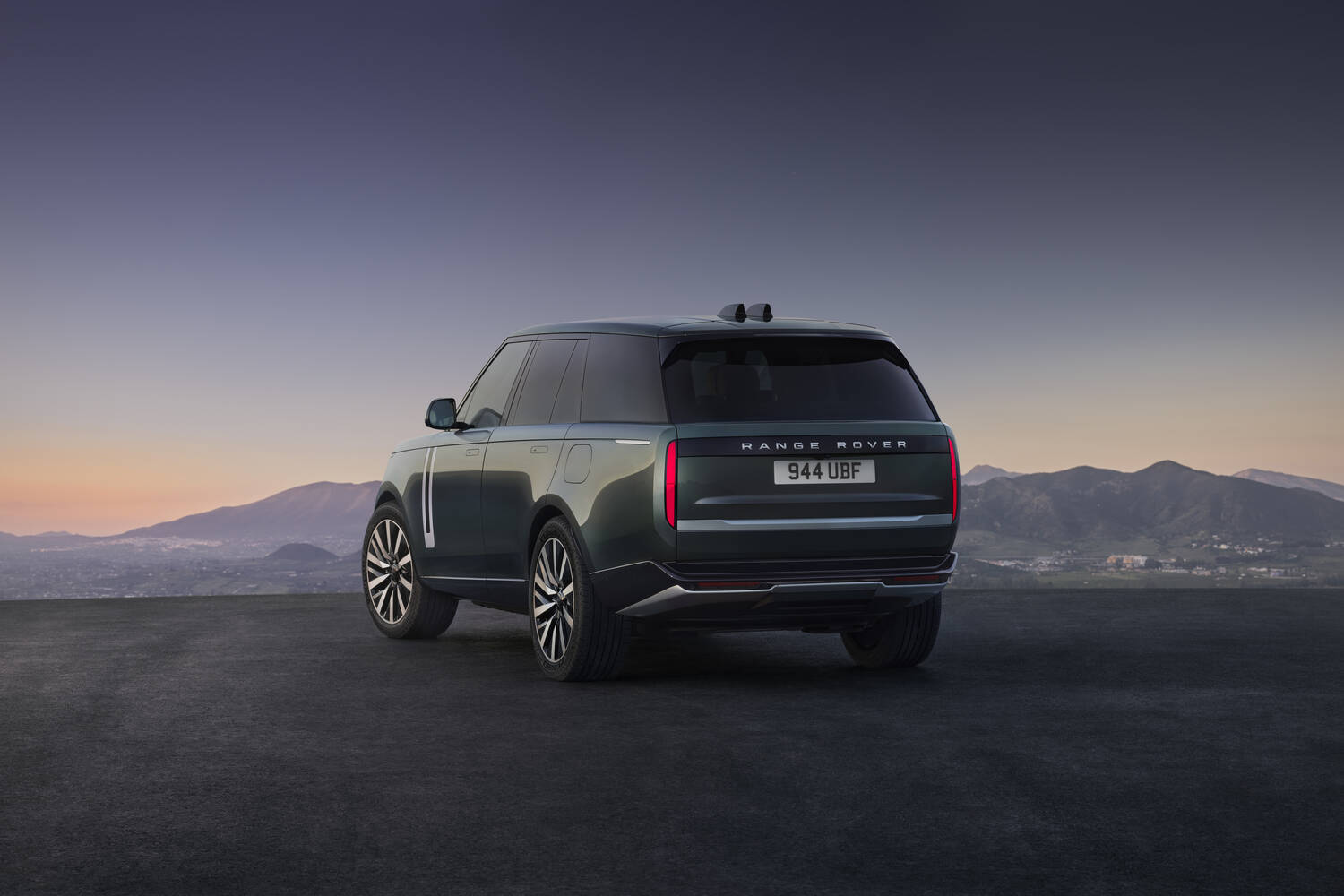
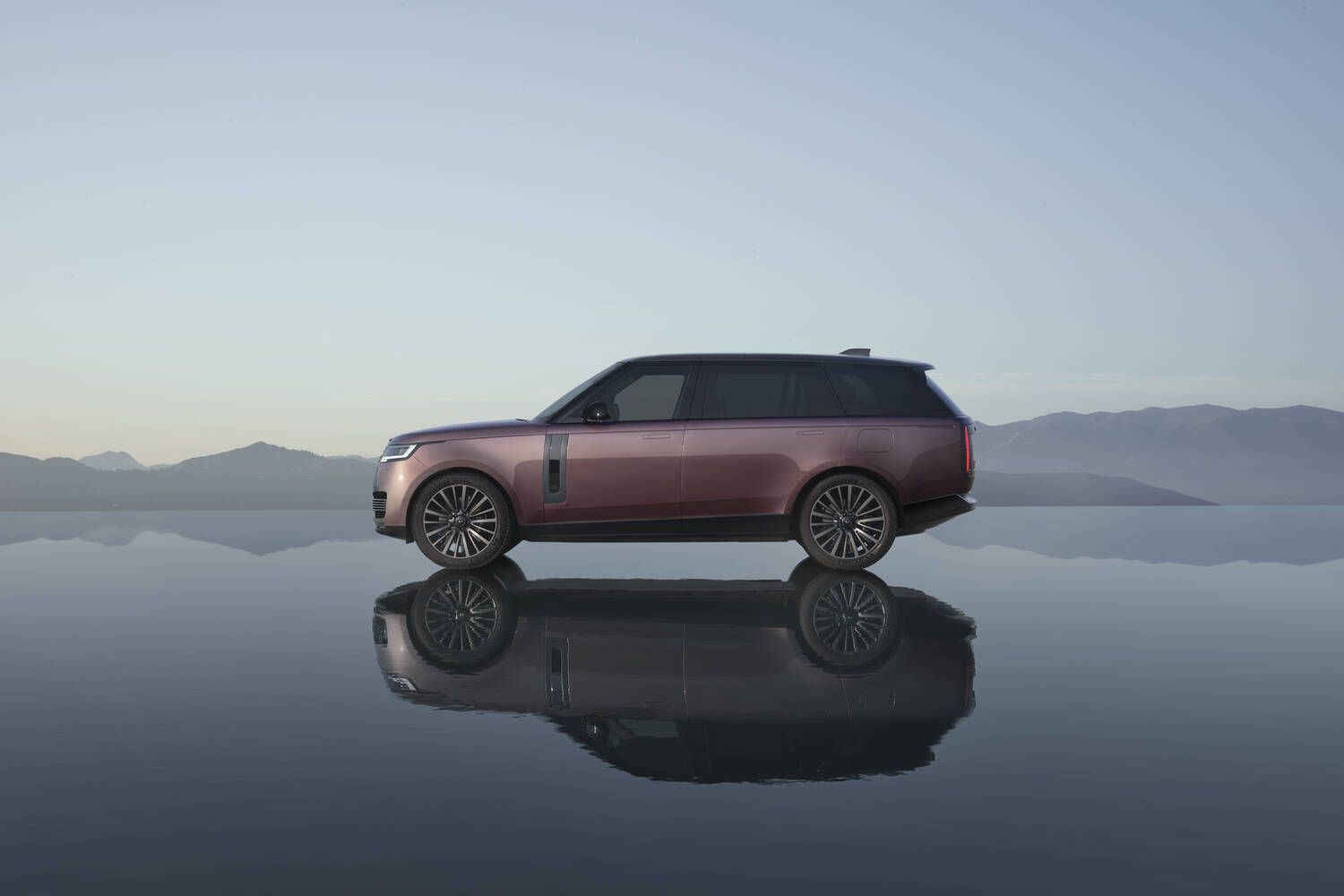
You’ll be hard-pressed to notice it, but most versions of the EV come with a smoother panel in place of the traditional radiator grille and new wheels. Look underneath and obviously there’ll be no exhaust system, but there is a smoother underbody in a bid to reduce drag at higher speeds.
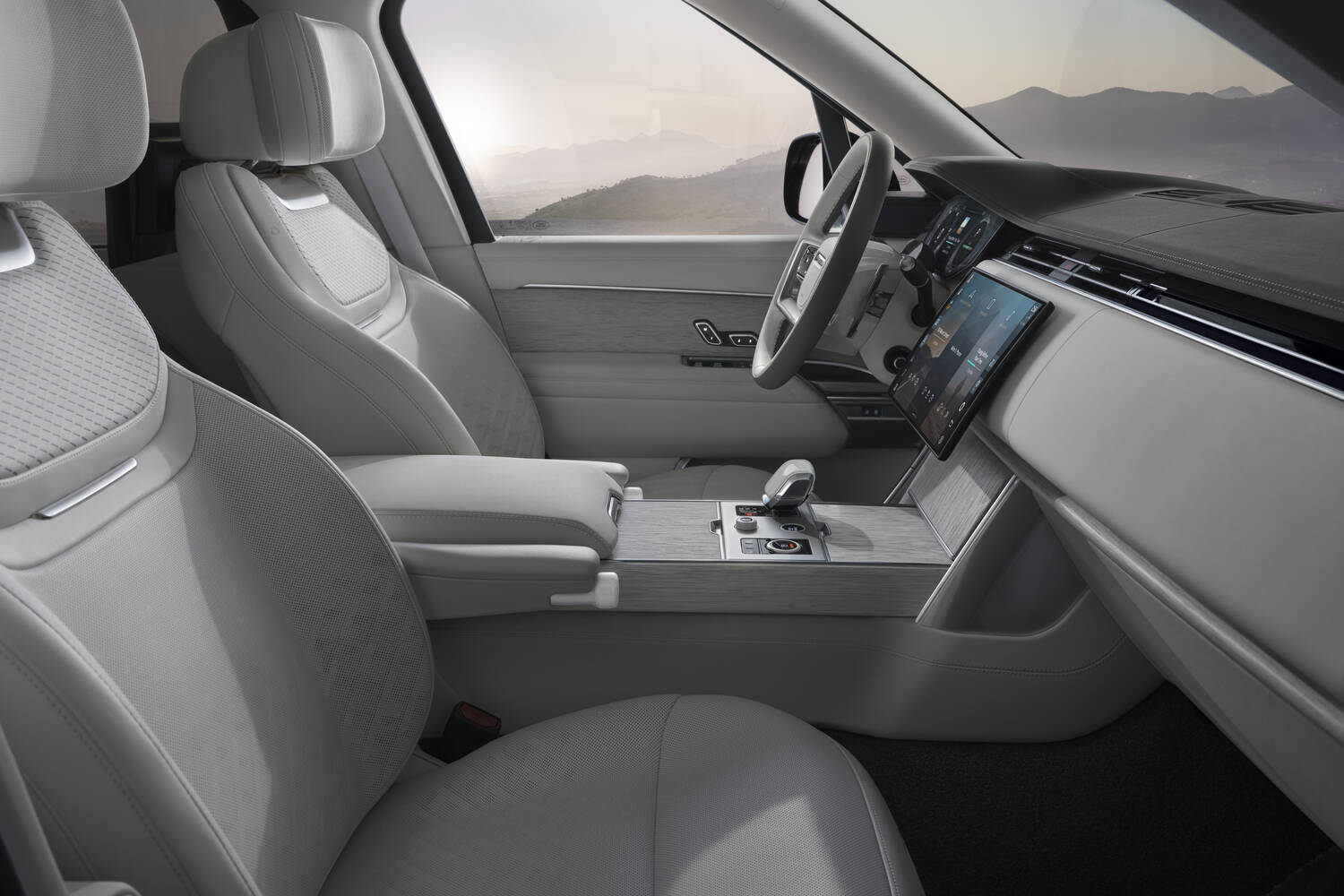
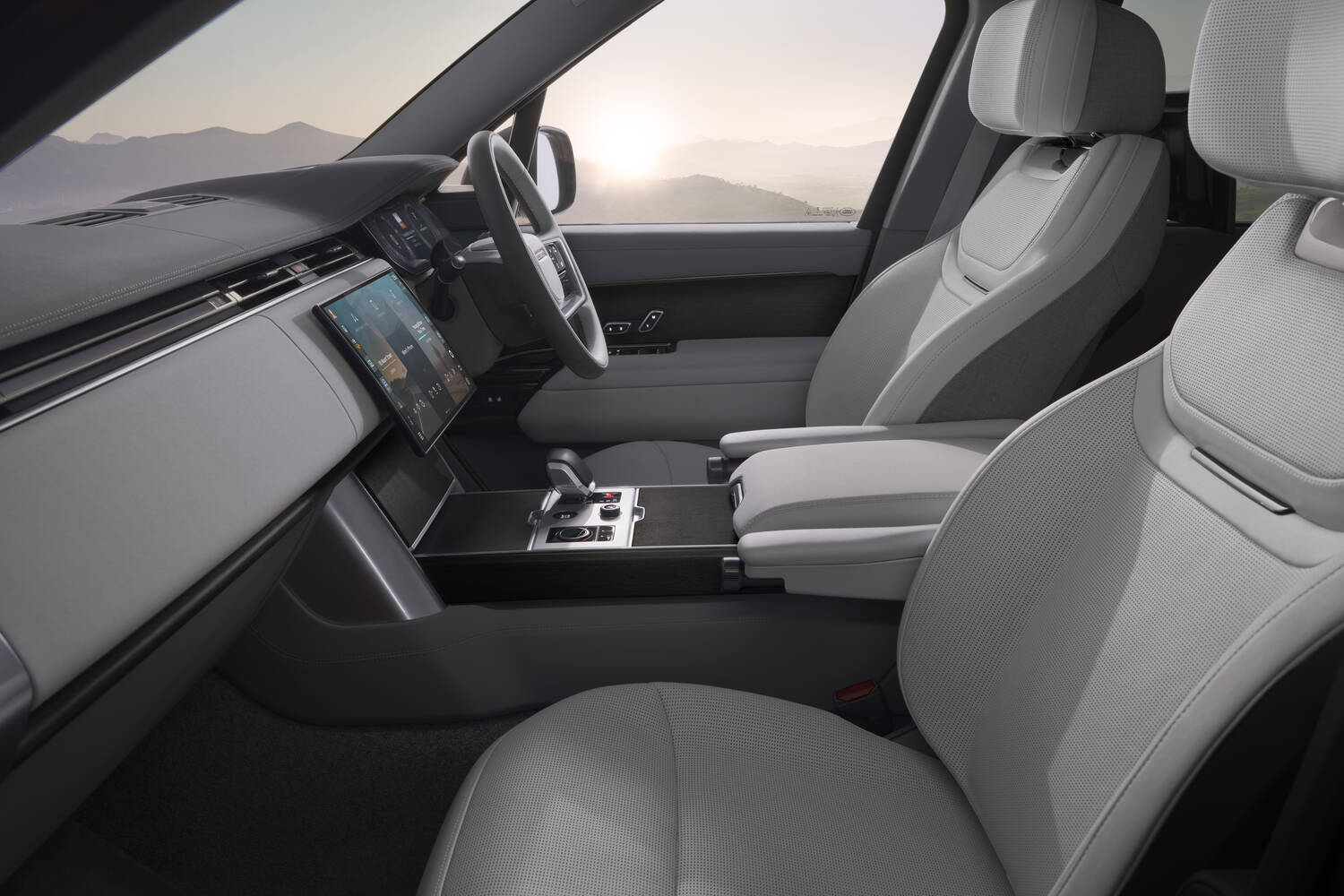
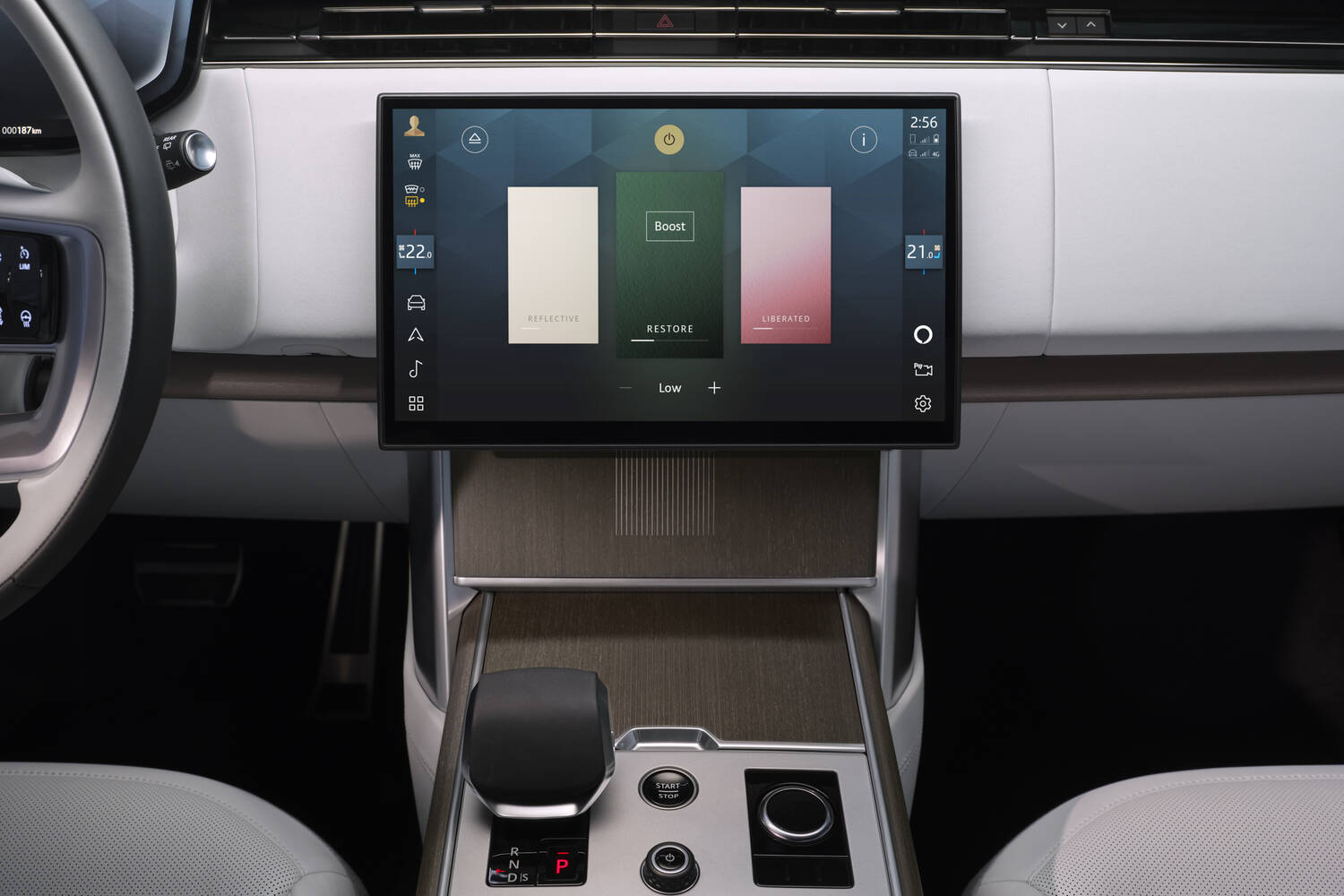
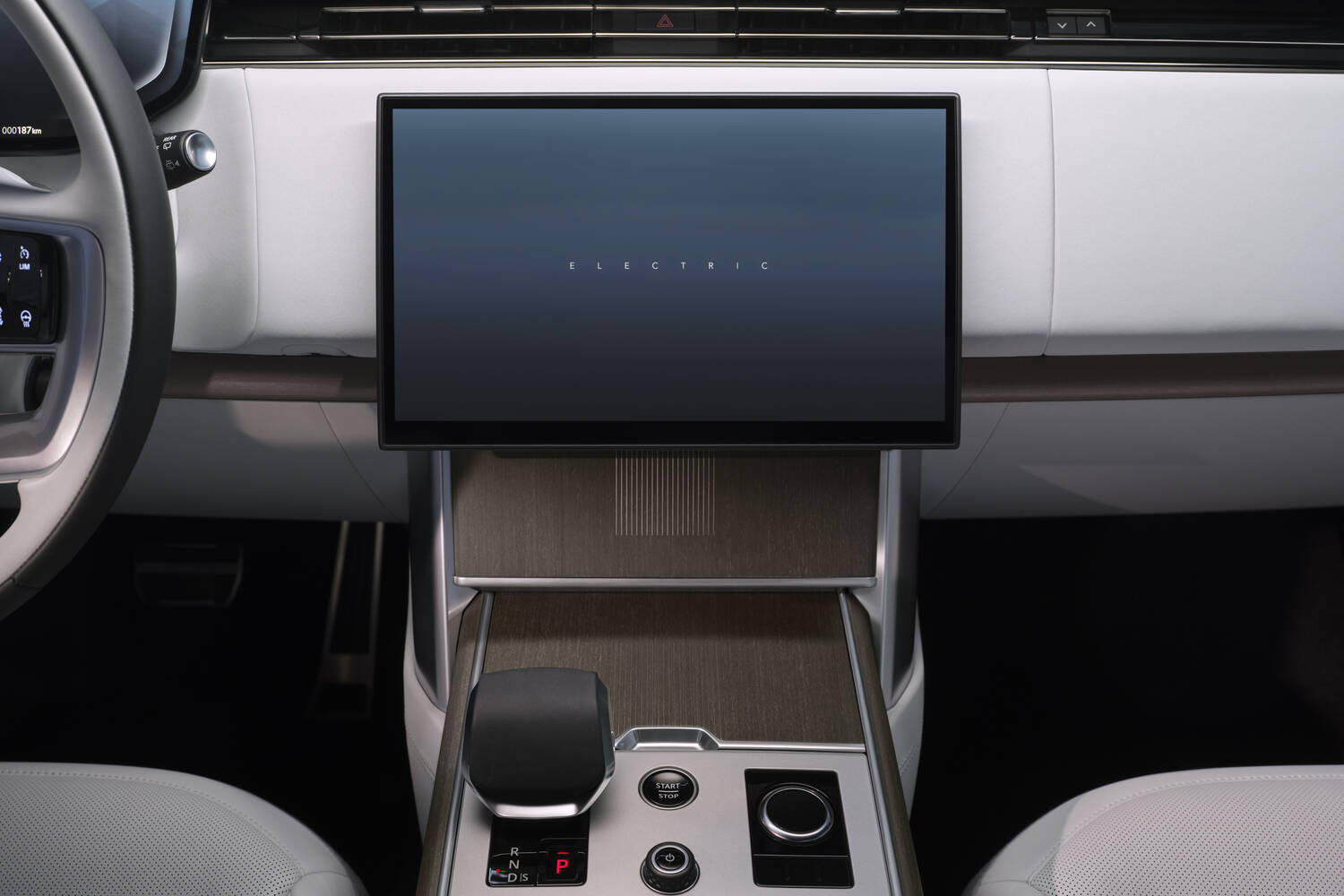
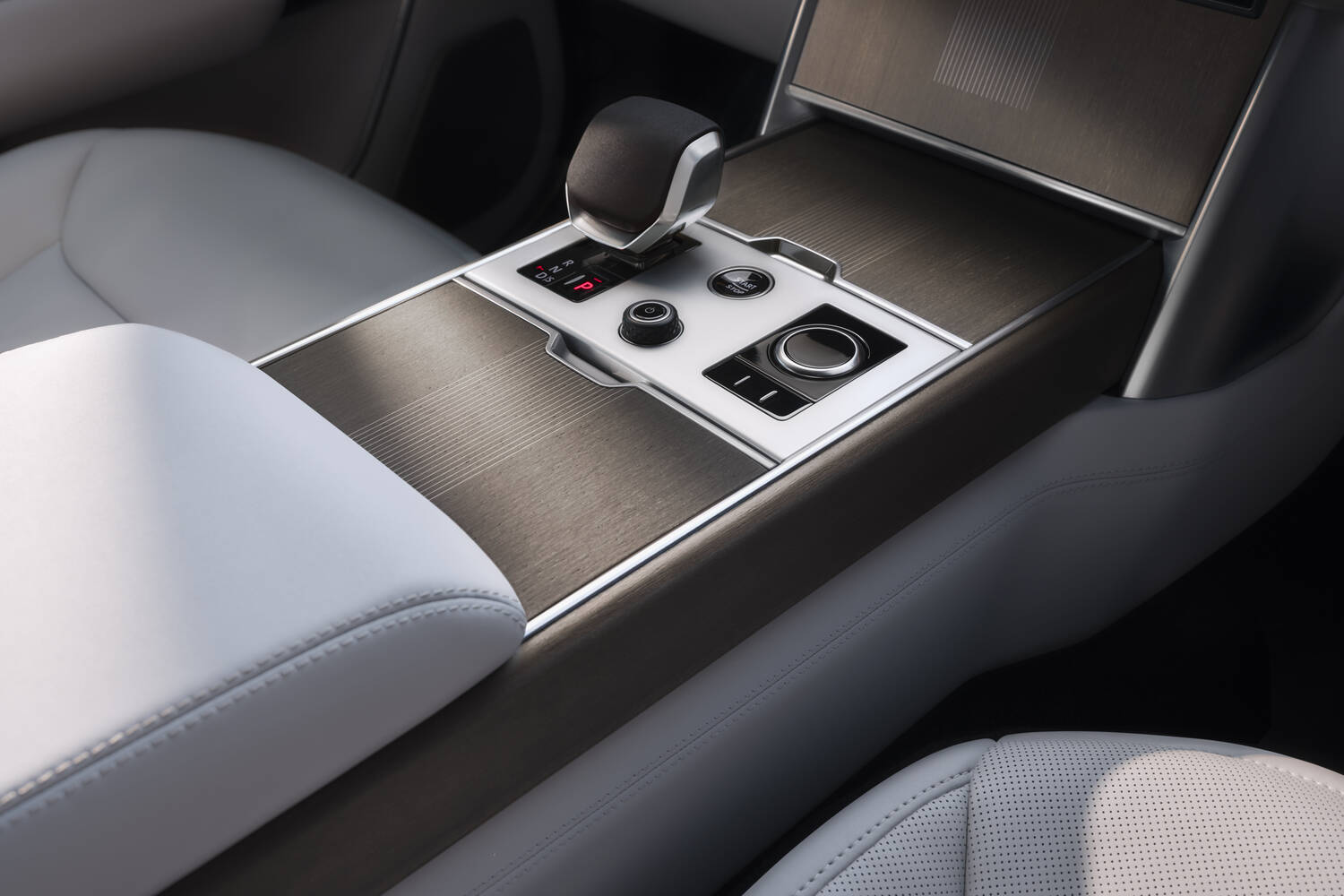
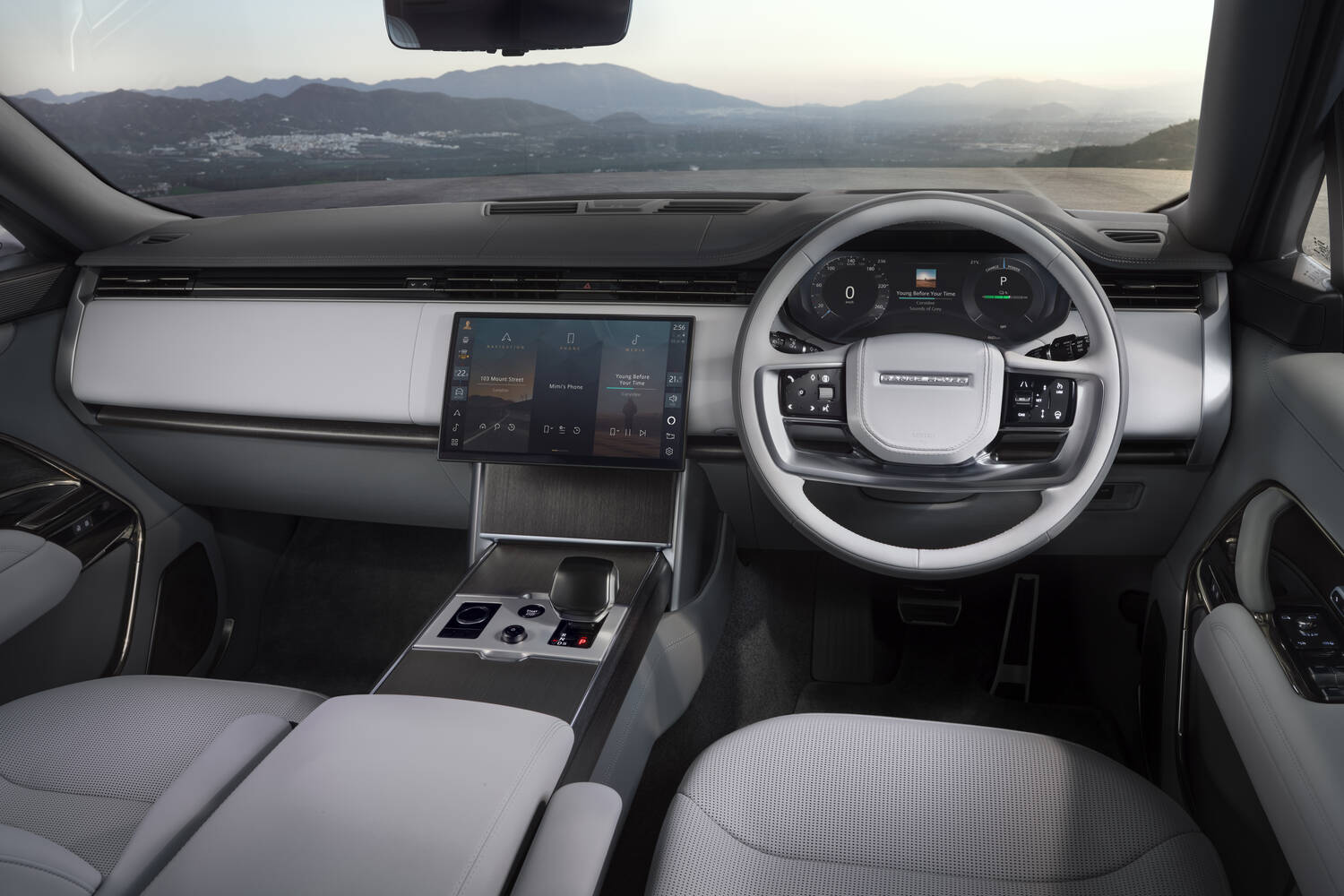
Buyers opting for the Launch Edition can choose from Belgravia Green, Santorini Black or Varesine Blue paint, along with Light Cloud Ultrafabrics PU and Kvadrat interior finishes, though otherwise the cabin of the Range Rover Electric is as in all other versions - save for some of the on-screen menus and readouts.
The Range Rover Electric is available to order now and will soon be joined by an all-electric Range Rover Sport.
If there is anything about this story we have not covered, you can avail of our expert advice service via the Ask Us Anything page.