
What does that mean?
It means, basically, that it's an SF90 Stradale with a new body. That means it uses the same plug-in hybrid powertrain, with a V8 petrol engine and three electric motors for a total power output of 1,000hp - although, going by Ferrari's published figures, this CZ26 should have a little more power, around 16hp worth, thanks to some small tweaks to the 4.0-litre V8 turbo engine (that's still slightly less than the Testarossa, mind). As before, the PHEV system lets you drive up to 25km on electric power alone, which is handy if you come across a low-emission zone or two.
What about the styling of the Ferrari CZ26?
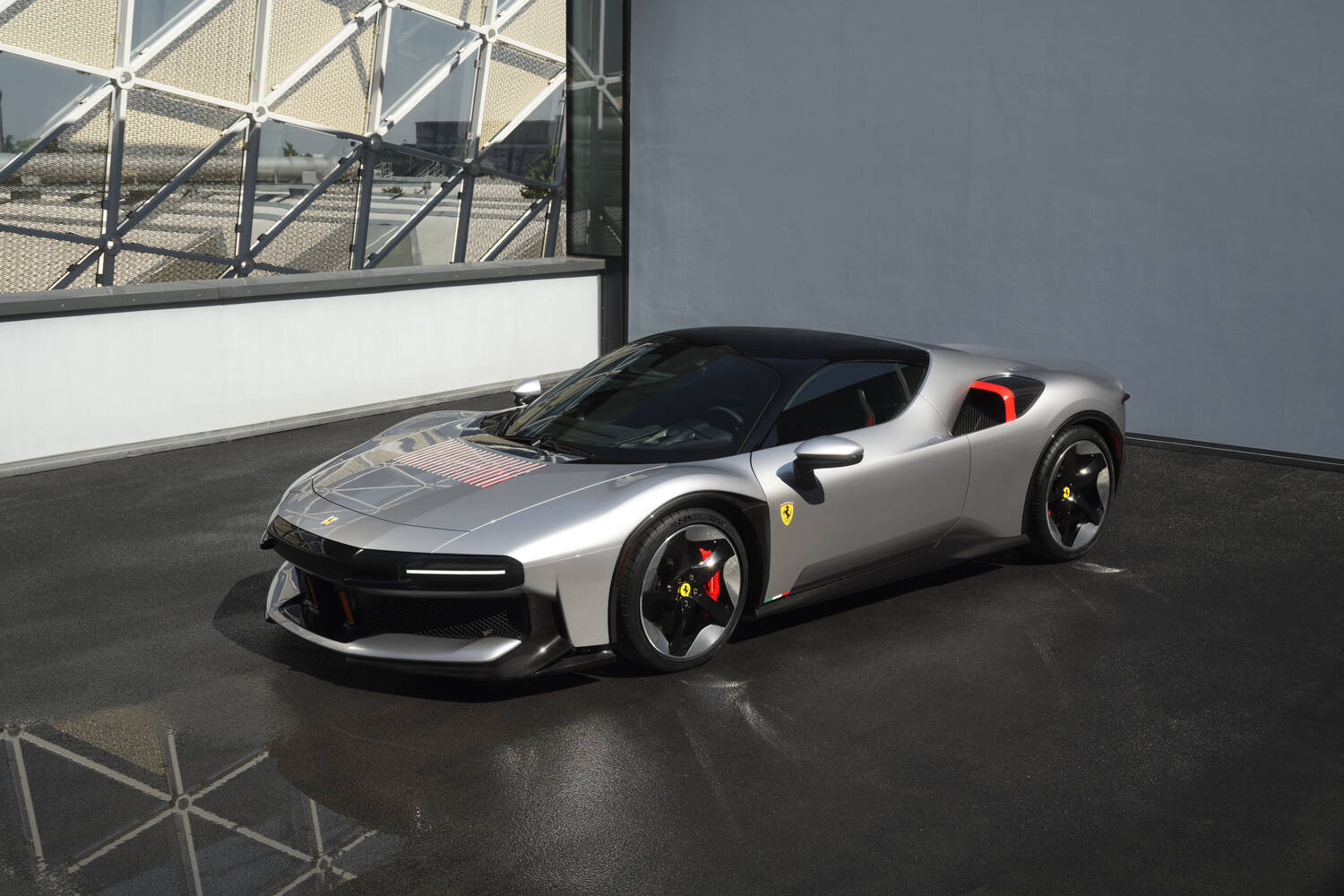
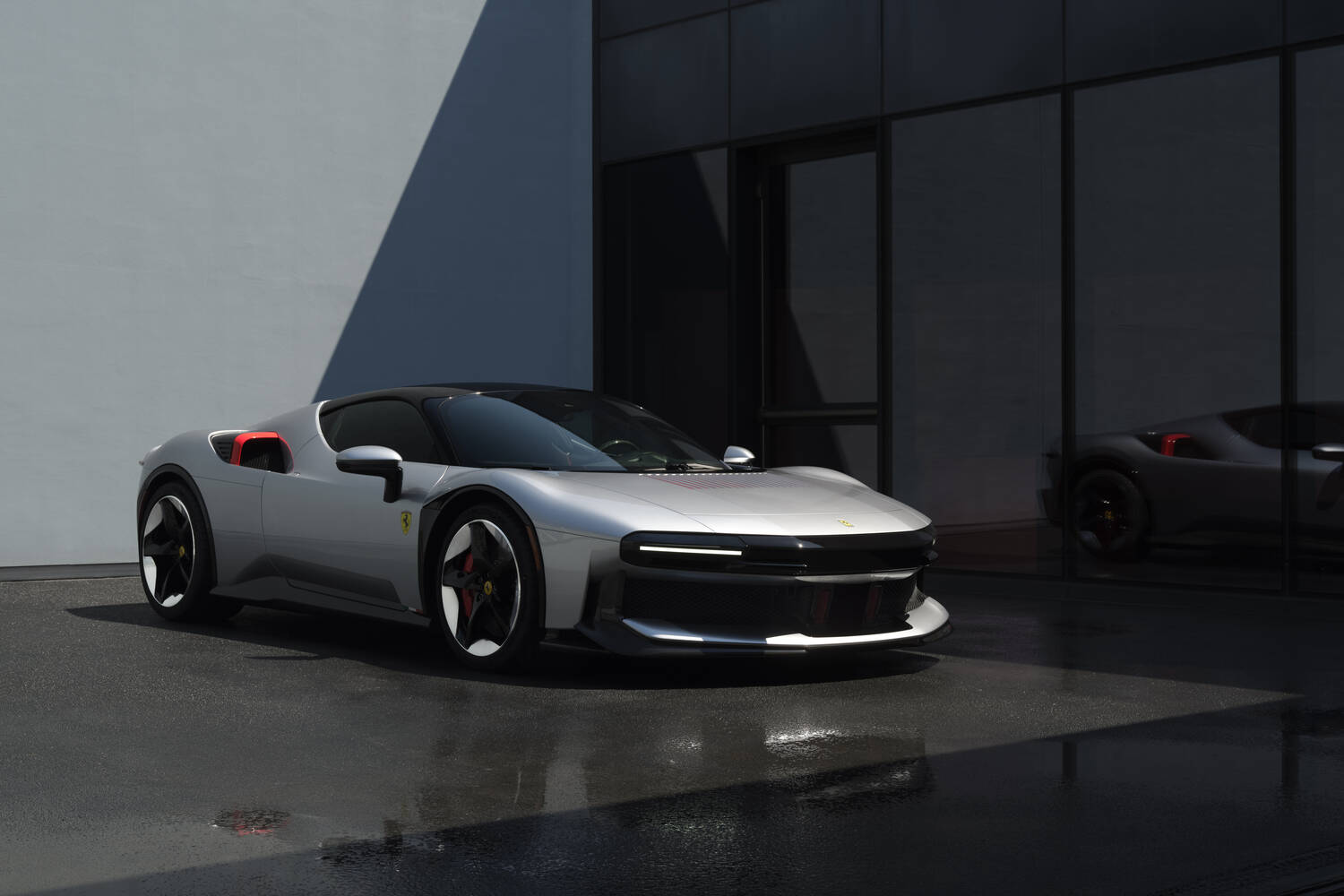
Ferrari says that the idea behind the project was: "To create a car with an immediately recognisable character, capable of embodying strength, precision and formal purity through a rigorous design with a strong sense of identity.” To do that, the SF90 has been entirely re-clothed, something that - effectively - Ferrari has already done with the production 849 Testarossa. So, why spend what must be a considerable amount of money to create a one-off version? Why not just buy a Testarossa? Let's see what's different…
Tell us more…
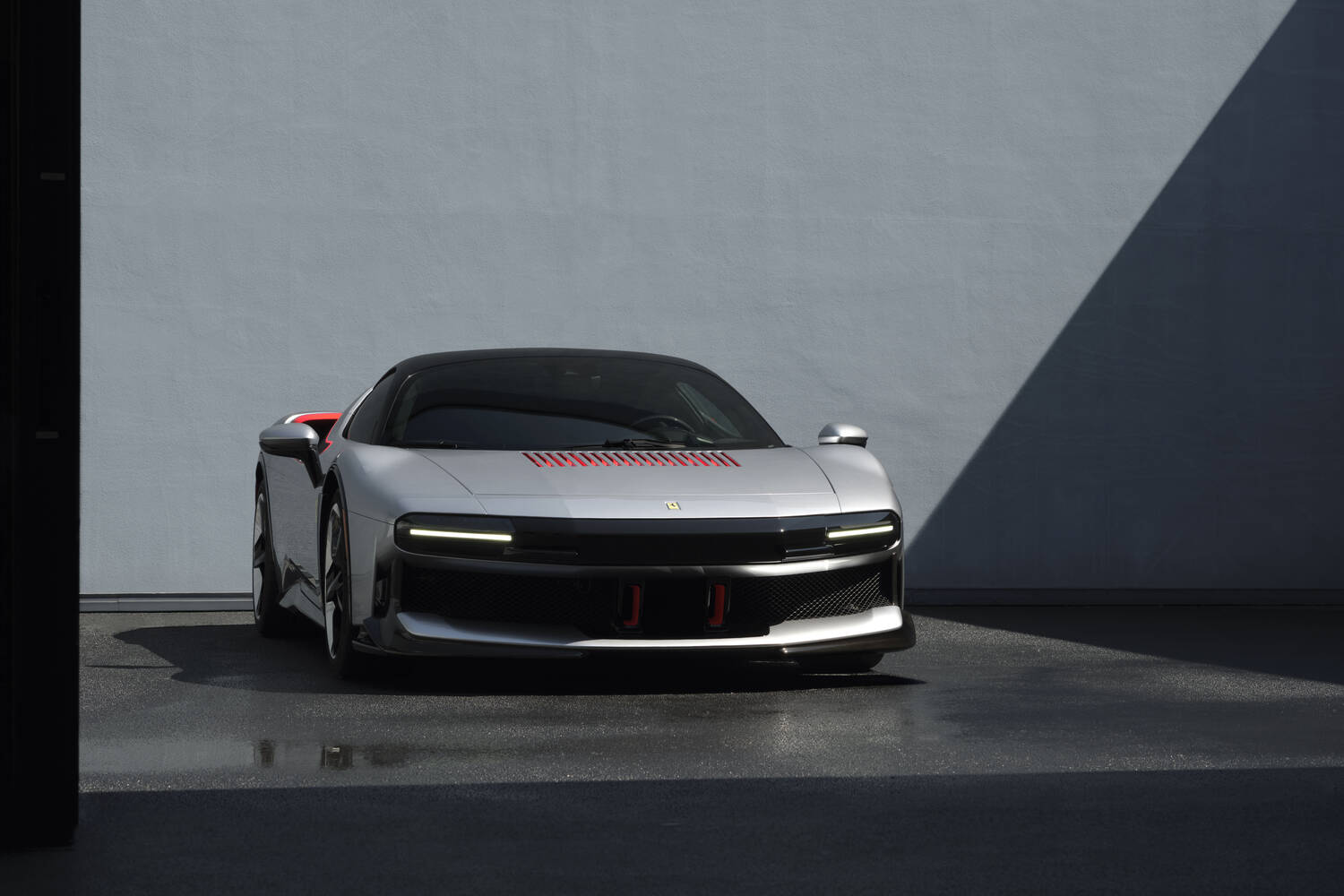
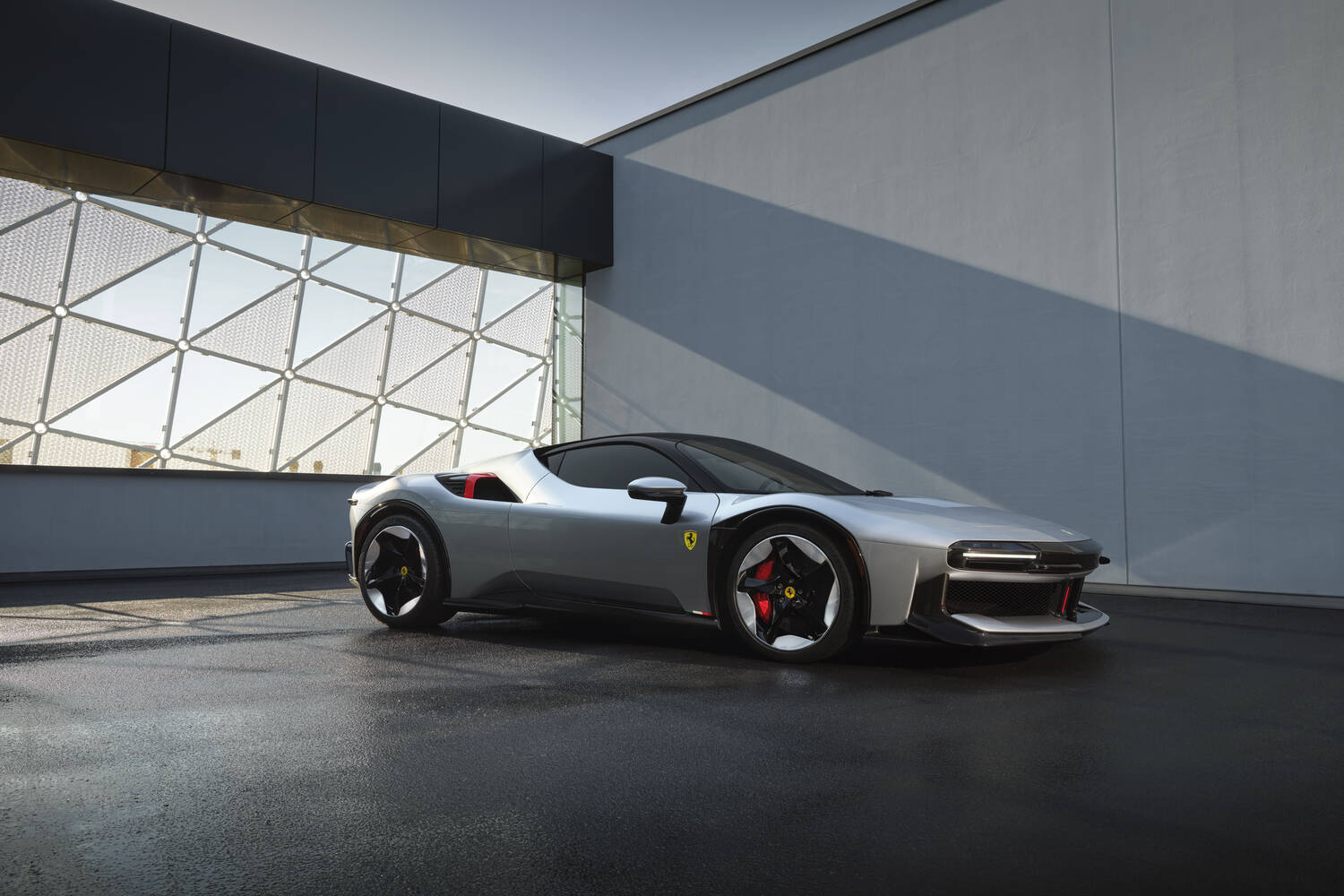
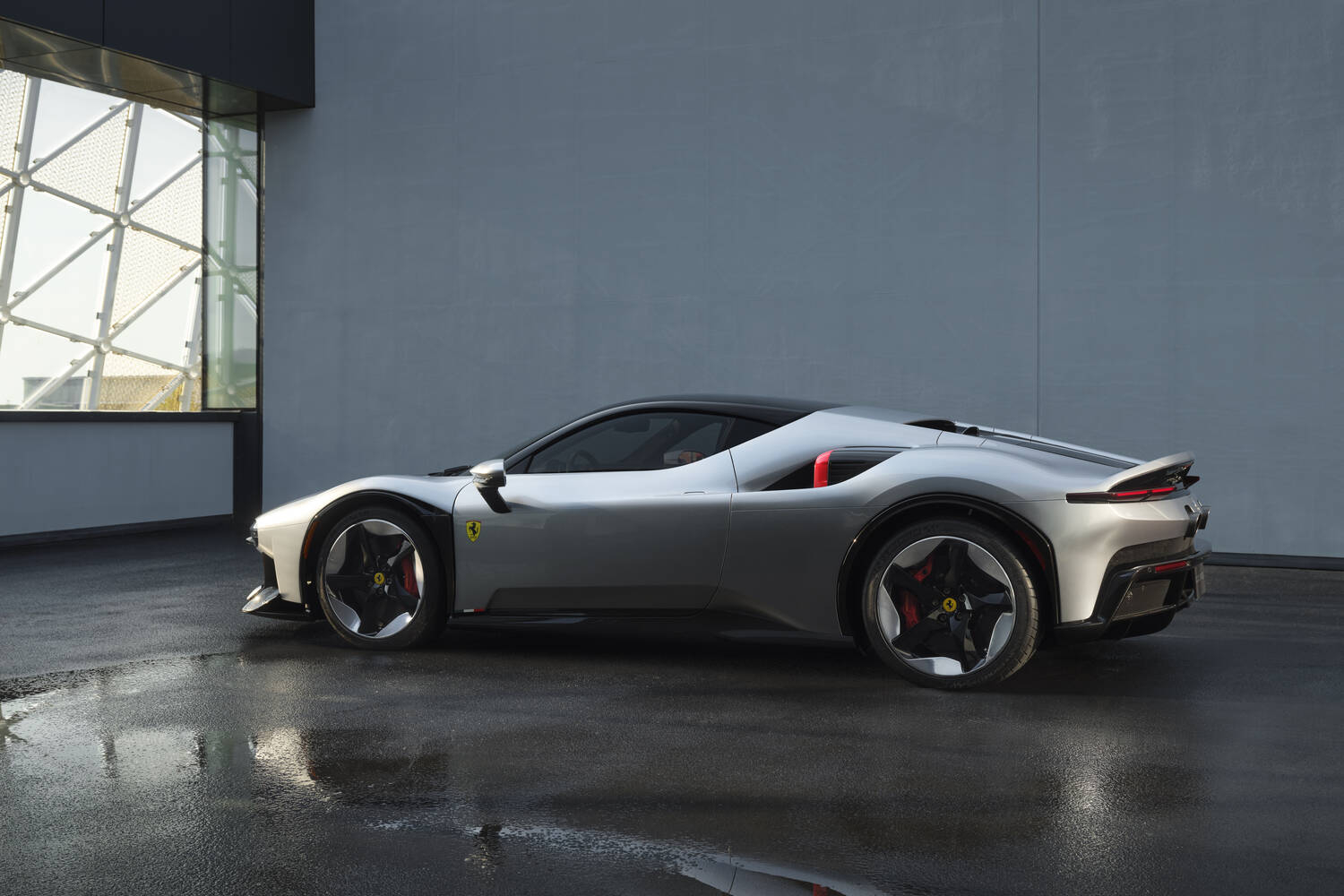
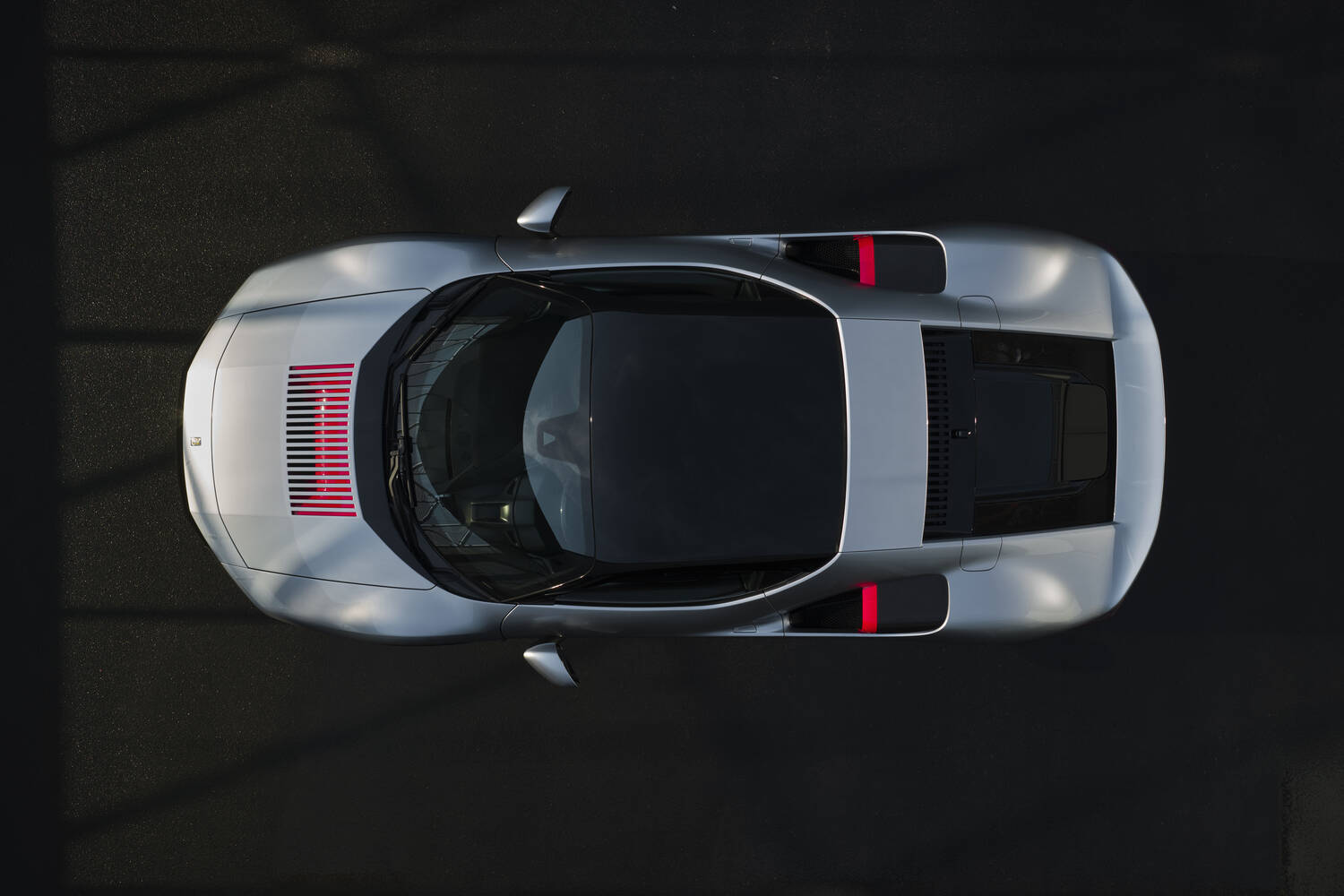
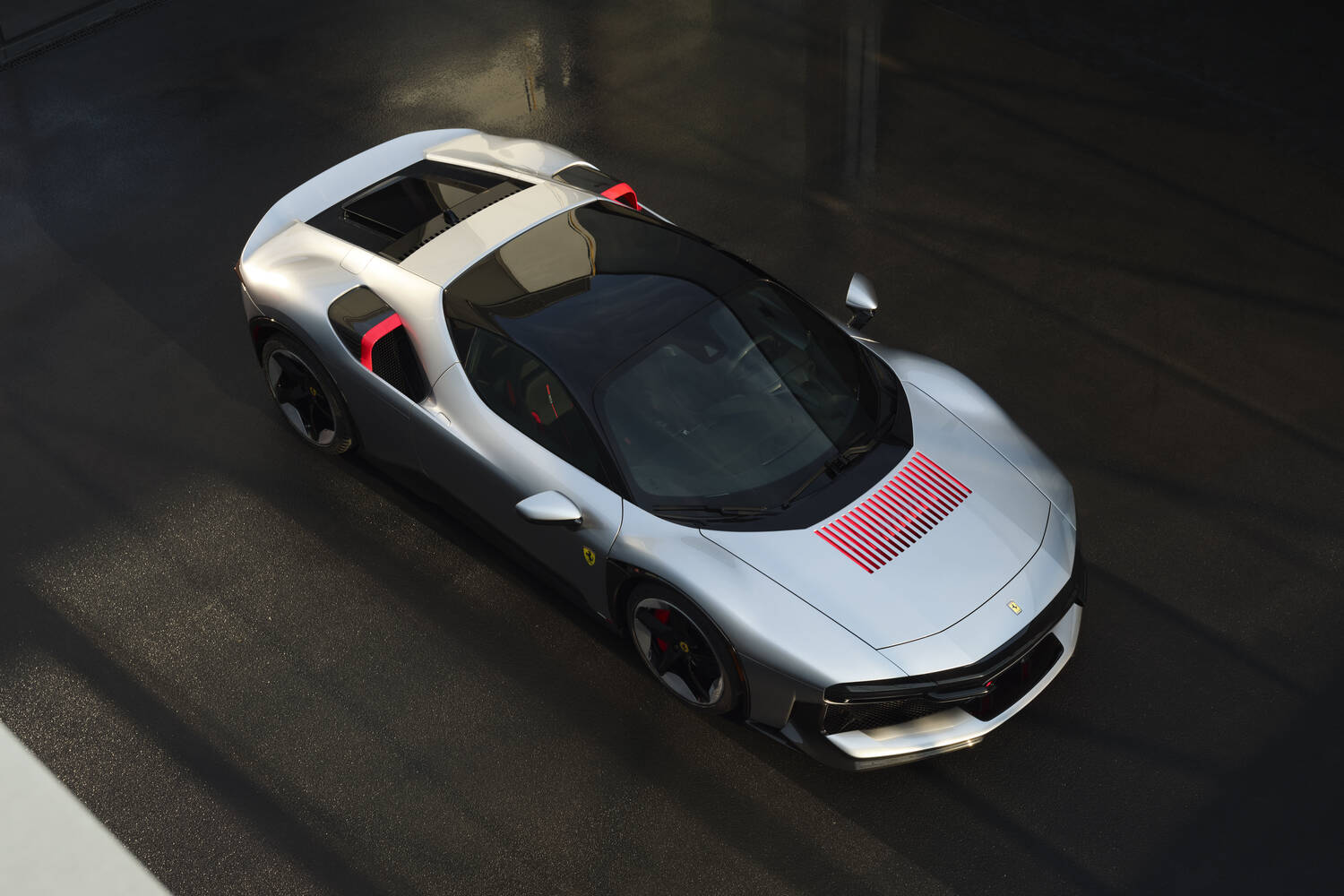
The silhouette of the Ferrari CZ26 is definitely closely related to that of the 849 Testarossa, but the detailing is different, especially around the nose. Whereas the Testarossa has a ‘shovel' nose with an almost flat glass panel through which the headlights peep, the CZ26 is much more shark-nosed, with ultra-slim LED lights at the furthest points of the bodywork. True, the ‘two-wing' effect of the Testarossa is still there at the front, but it's less pronounced, and the shaping of the bodywork seems more subtle.
What's the other end like?
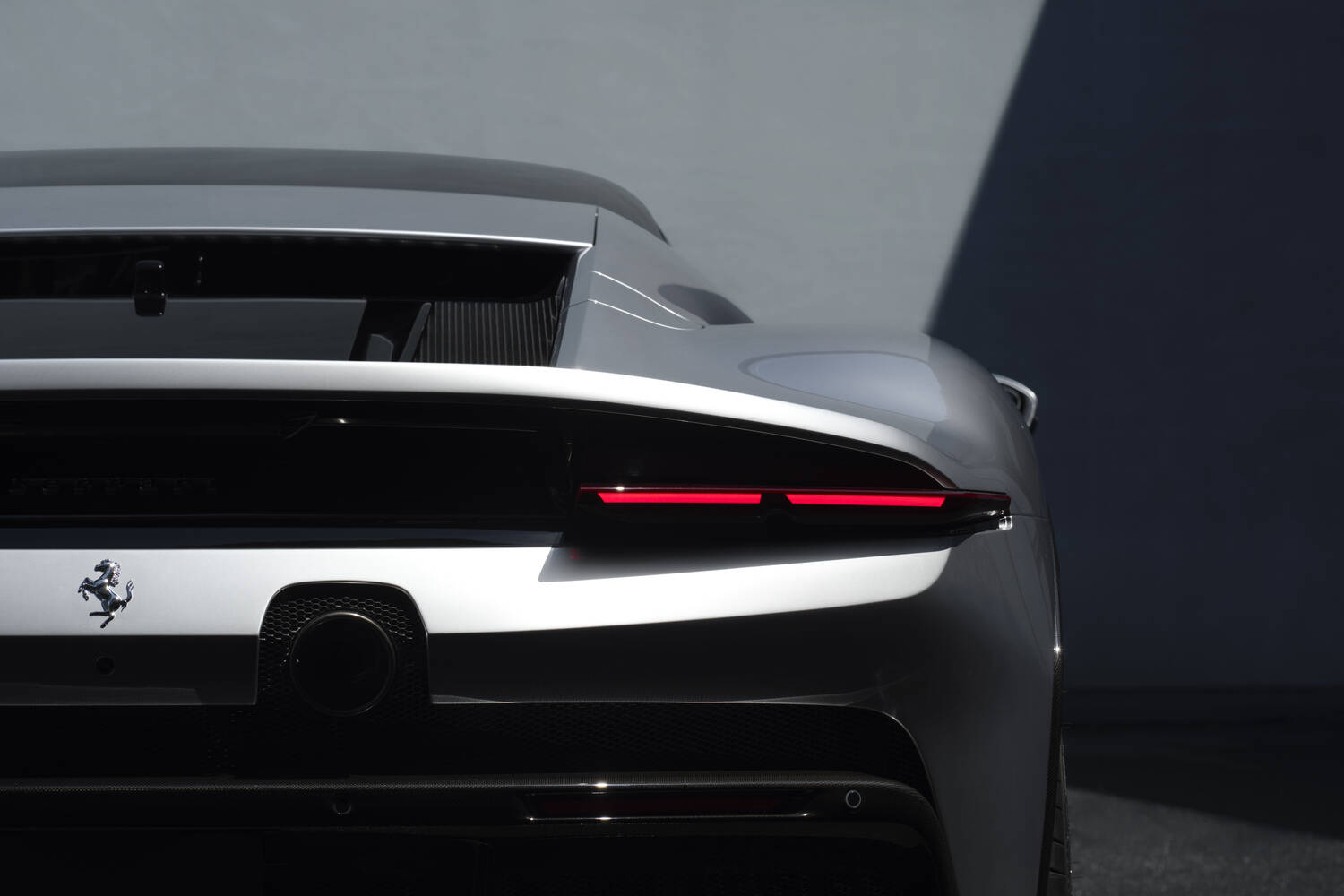
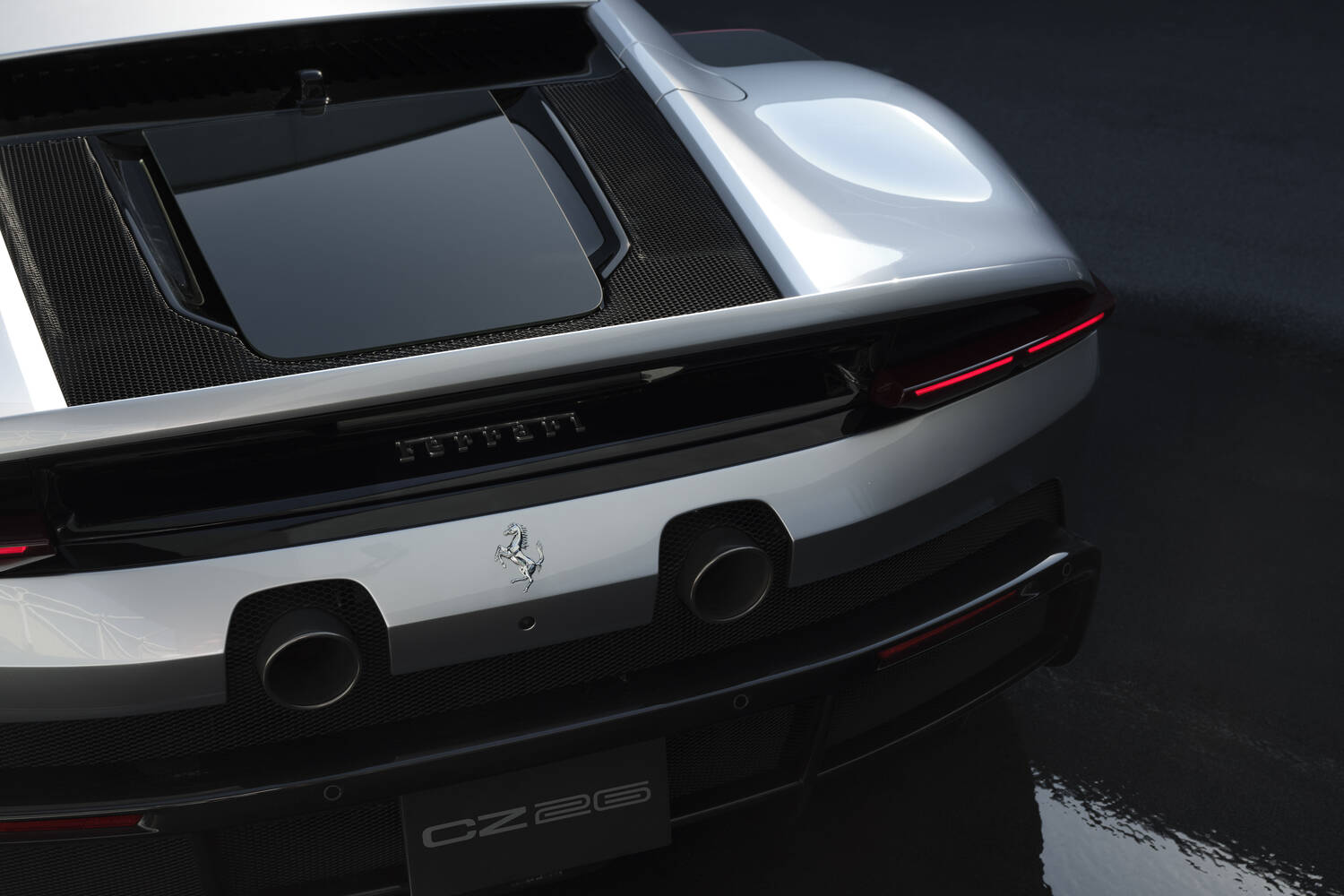
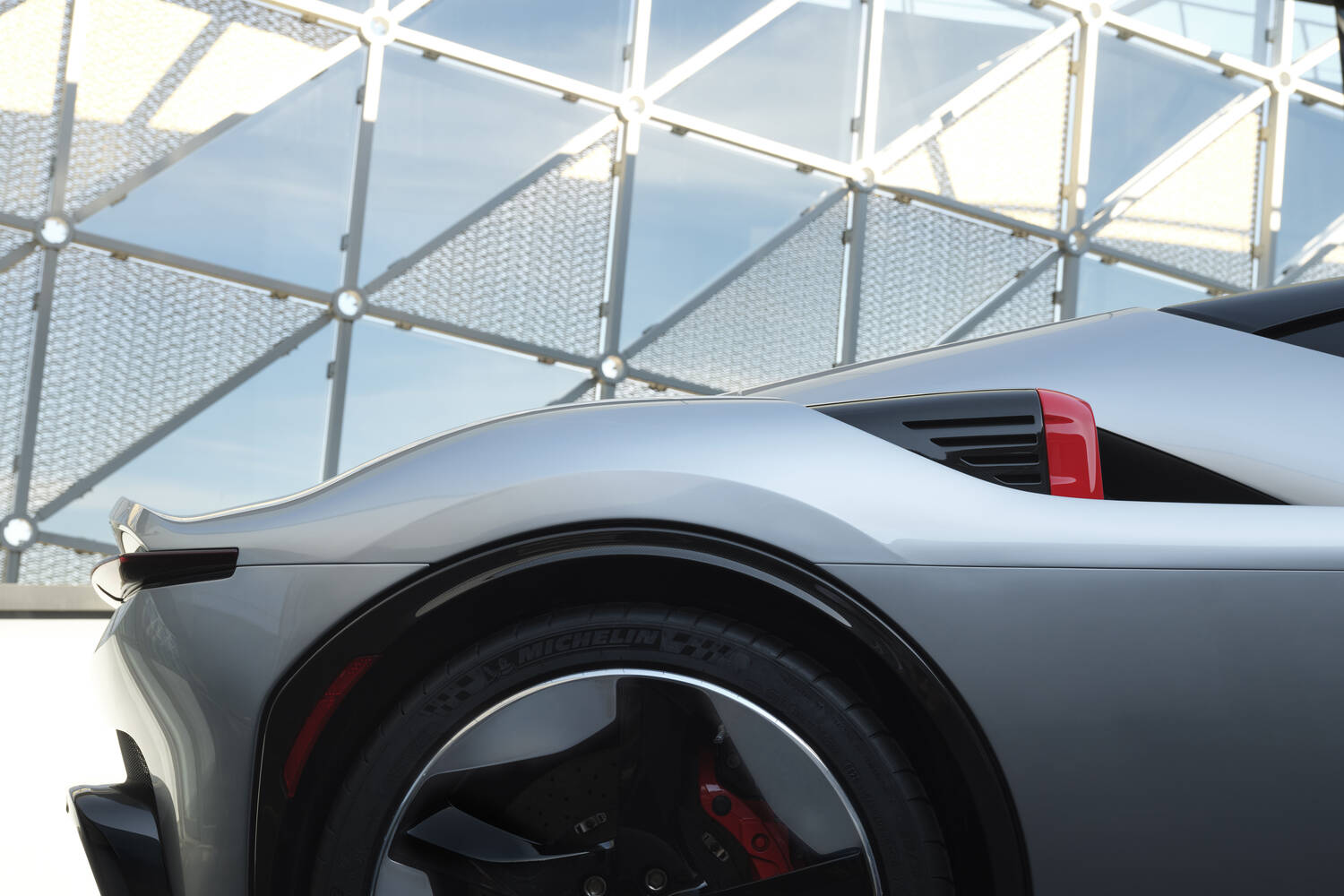
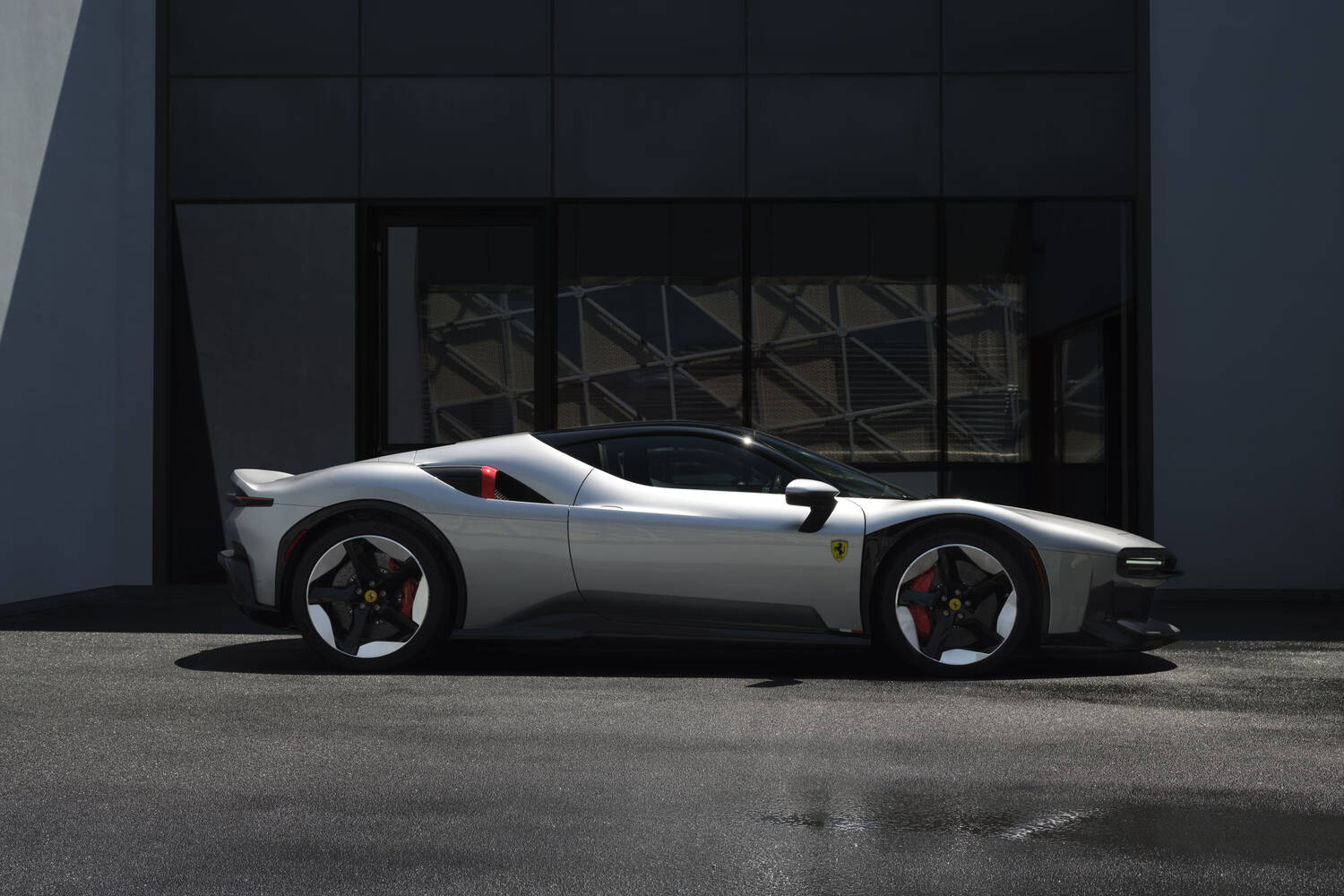
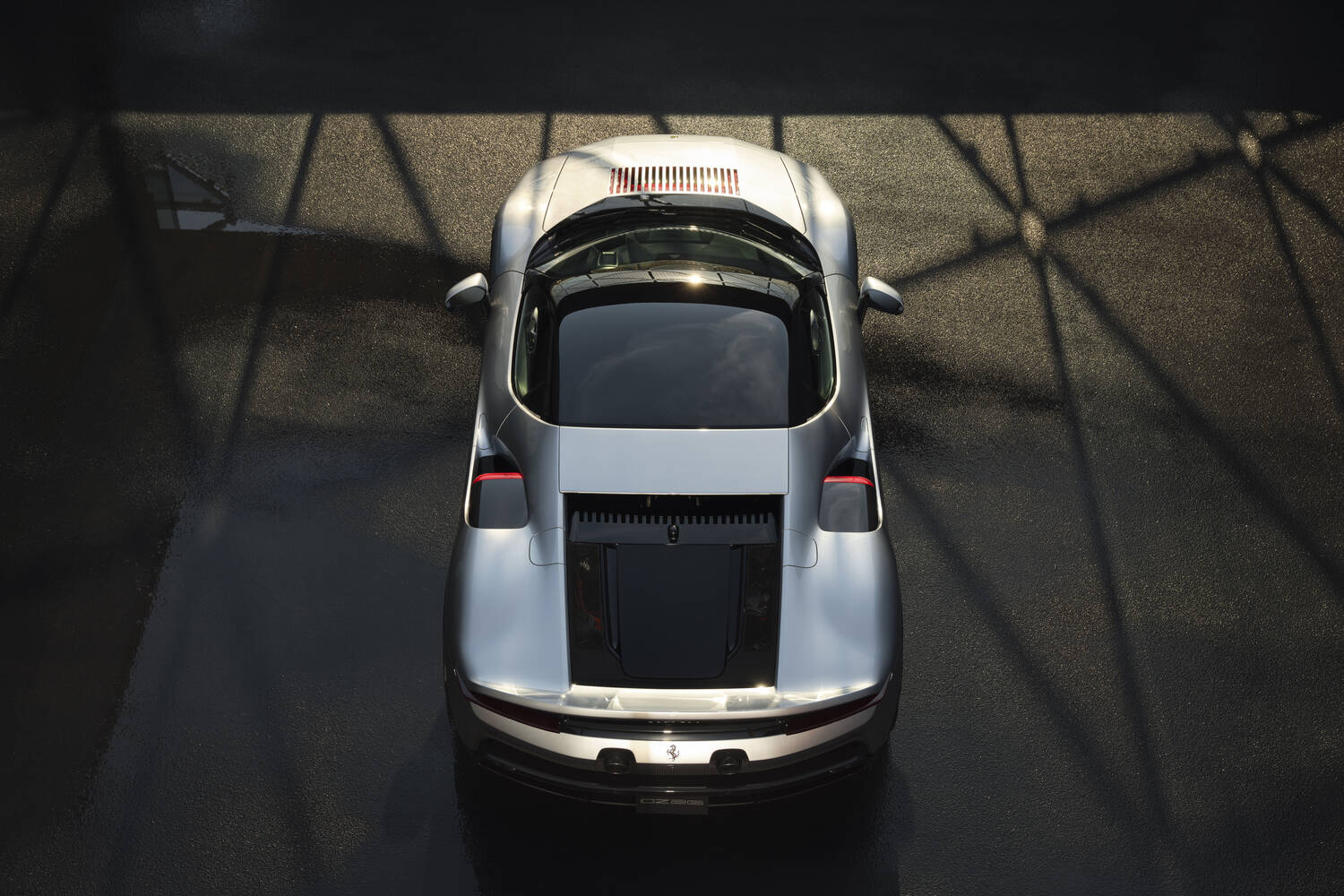
Again, at the rear, there are clear links to the Testarossa, but it's different enough - one might even say better - that the CZ26 stands out. Instead of the Testarossa's individual ‘flick' rear wings, which sit out at the edges of the rear bodywork, the CZ26 gets a subtler full-width rear spoiler, under which sits another set of slim LED lights, which Ferrari calls ‘cantilevered taillights'. The neatly symmetrical high-exit titanium exhausts are also a nice touch, and the rear bodywork is fuller and more rounded than that of the Testarossa.
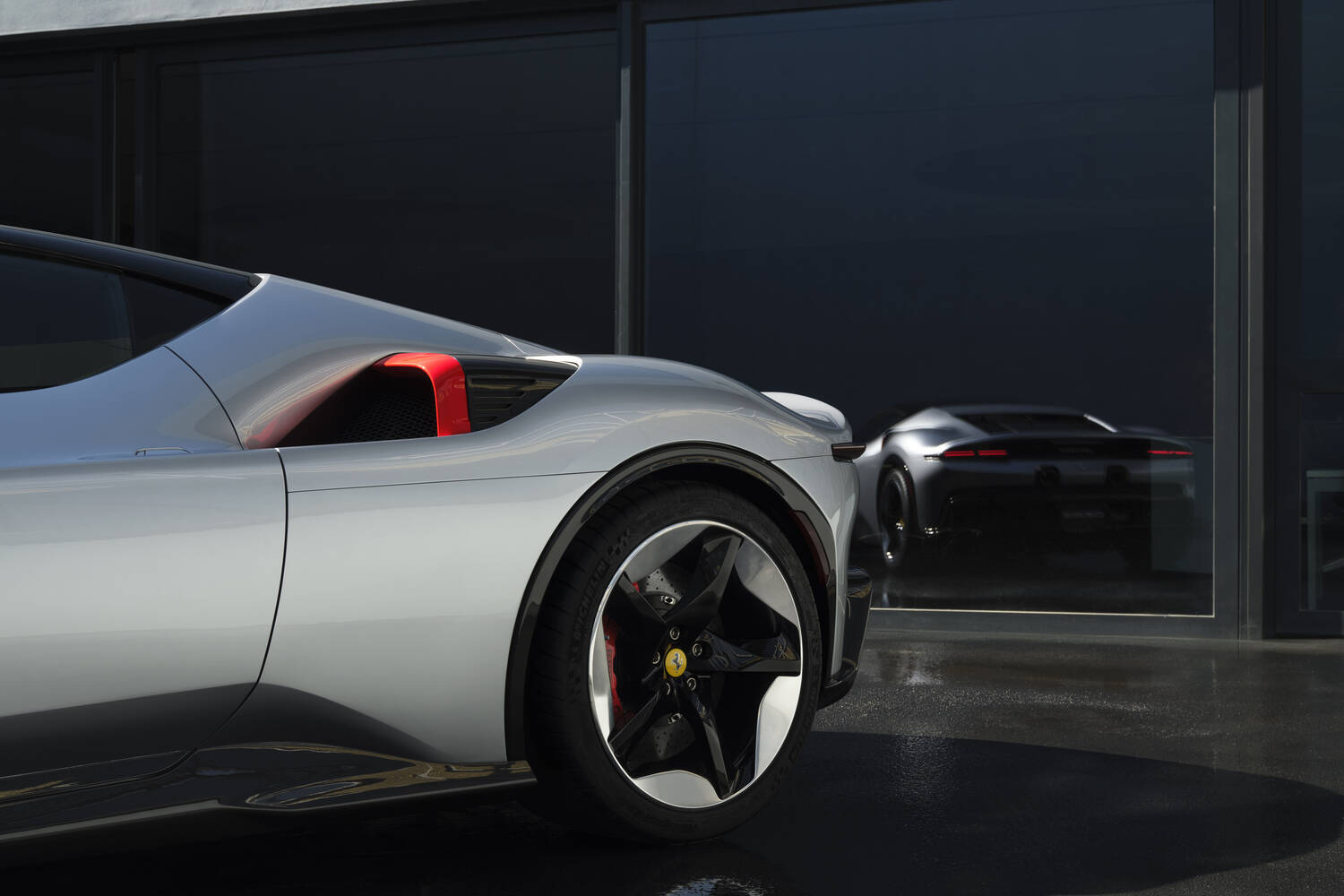
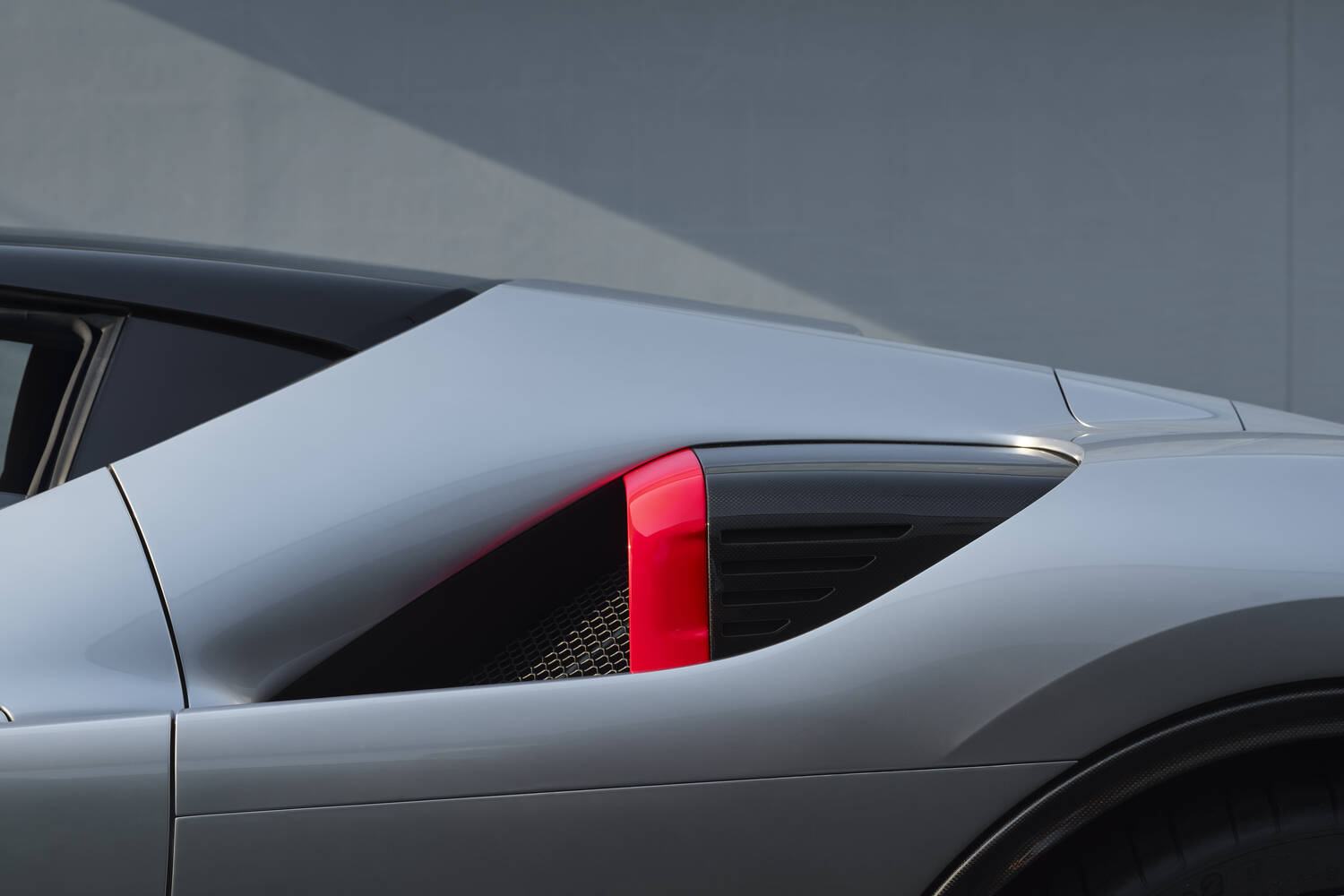
Down the sides, the rear portion of the bodywork is cleaner and finished in one piece, leaving the shoulder-mounted air intakes to sit high up, more separated from the body. The paint, incidentally, is a shade called Argento Veloce, which is said to have a ‘liquid-like' effect.
Ferrari says that all of this: "Draws on some of the most significant examples of Italian industrial design from the 1970s, reinterpreting their principles through a contemporary perspective.”
And the interior?
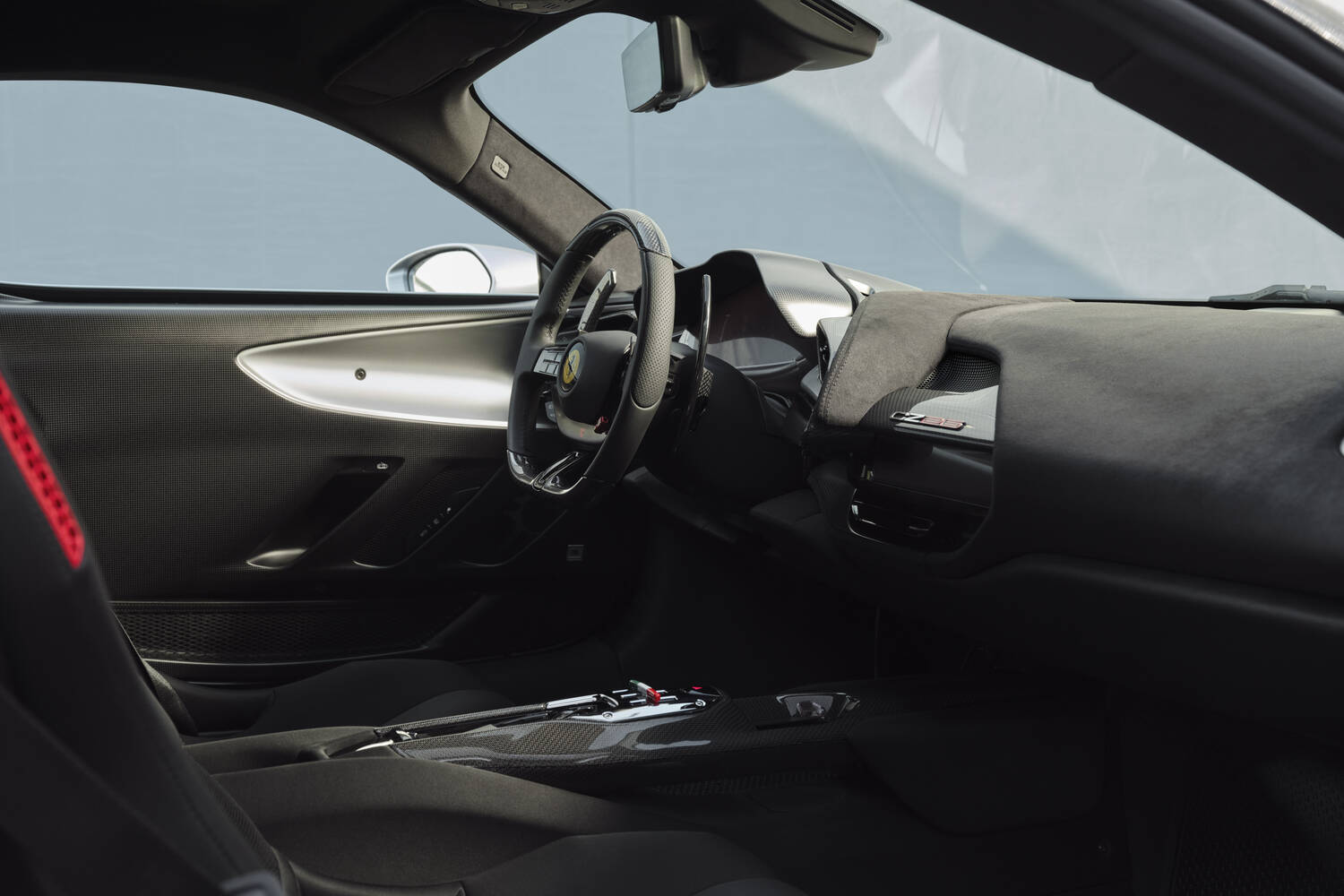
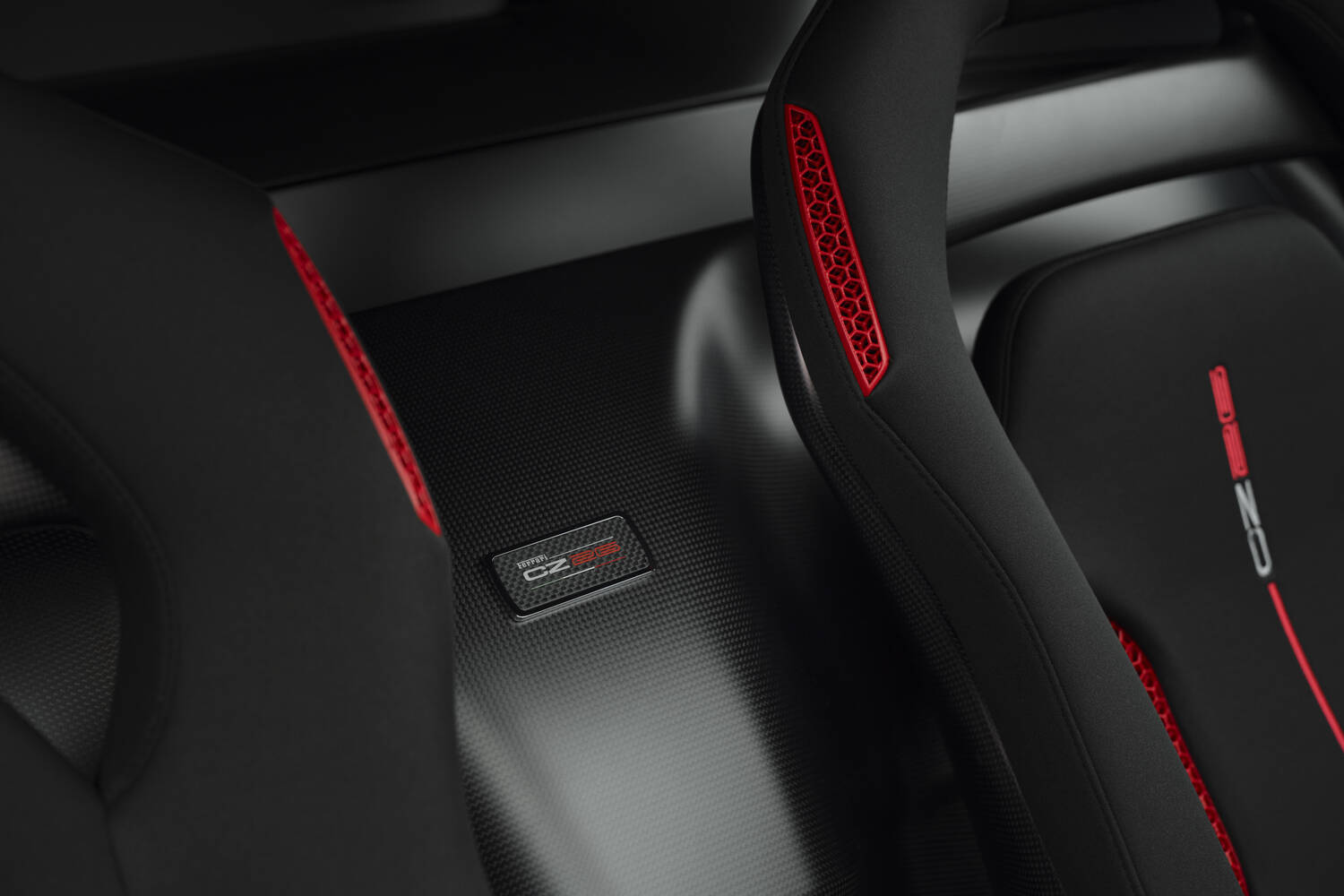
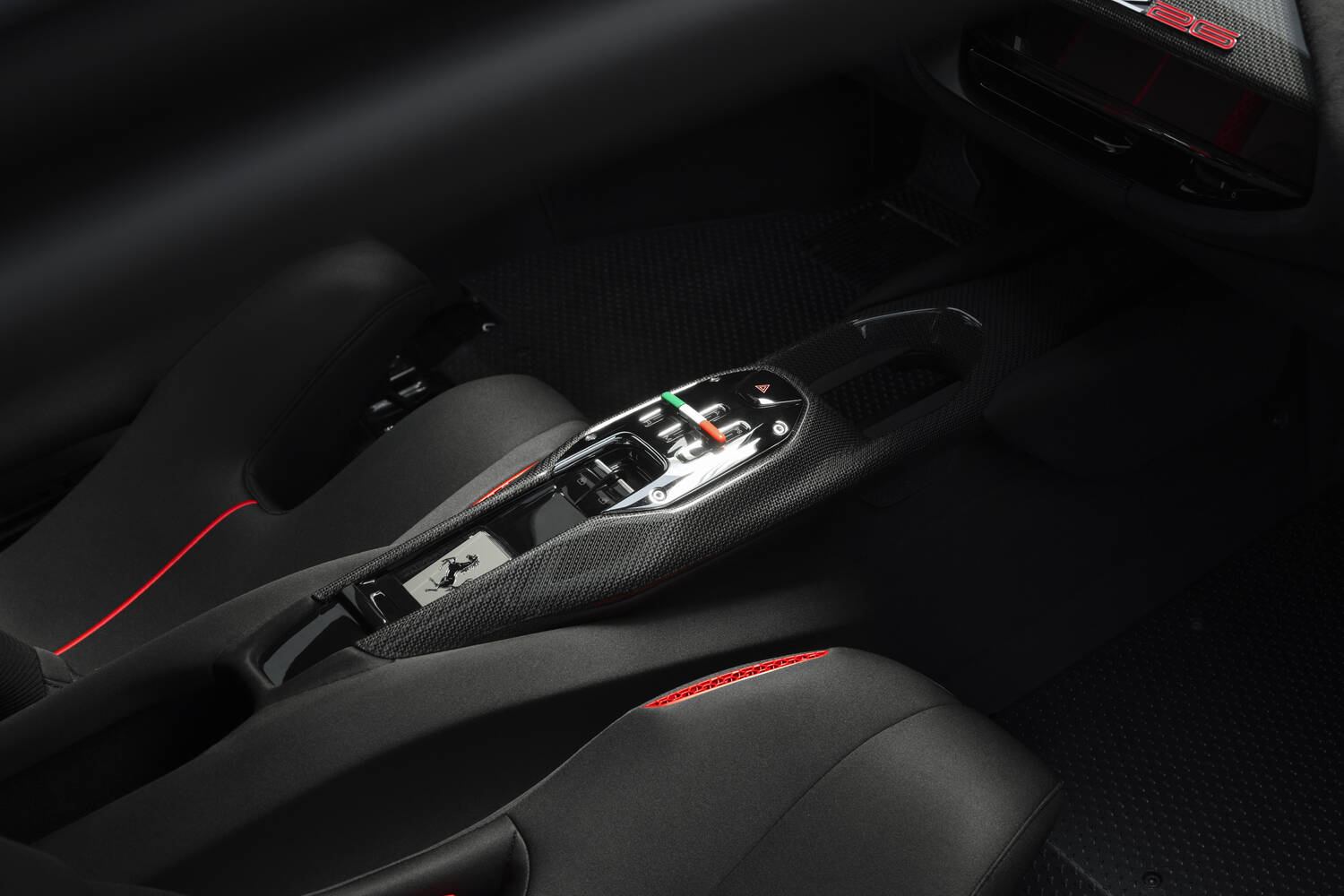
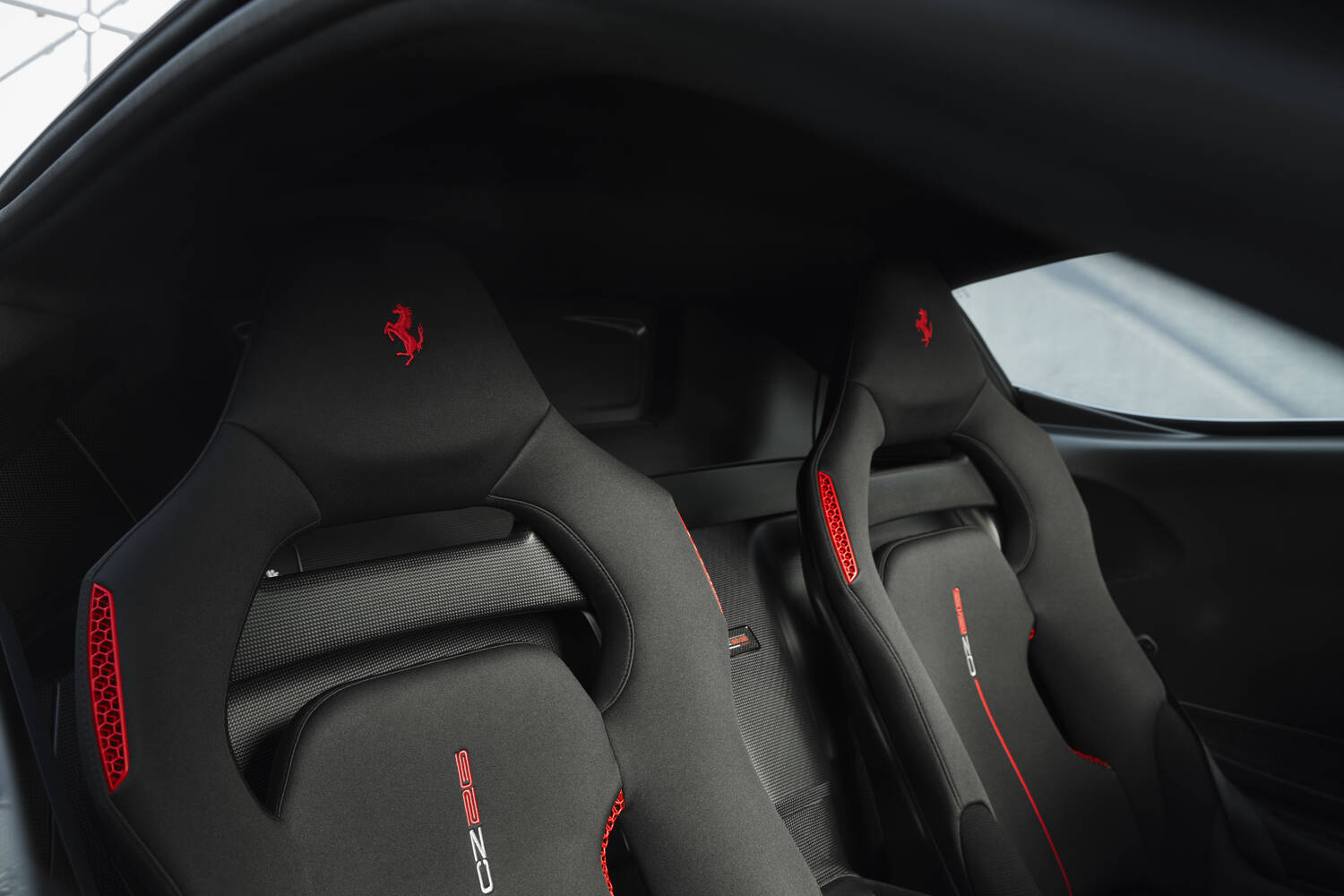
It's quite plain, actually. Plain black, with some small silver and red highlights. Ferrari claims that the "Use of black trim on the roof and pillars, creating the effect of a cockpit set within the bodywork”, but it is definitely different to that of the Testarossa, with - like the exterior - softer lines (especially thanks to the liberal use of Alcantara suede), and the big wing-like central pillar of the Testarossa's dashboard has been excised. A nice touch is that the little three-part gear selectors for the eight-speed dual-clutch gearbox are painted in the colours of the Italian flag.
The seats are upholstered in a ‘technical fabric' that's 3D-knitted and has been developed especially for the CZ26, so you can expect to see that rolled out to other future Ferraris. All of the interior trim is made up of satin-finished carbon-fibre.
Any technical changes?
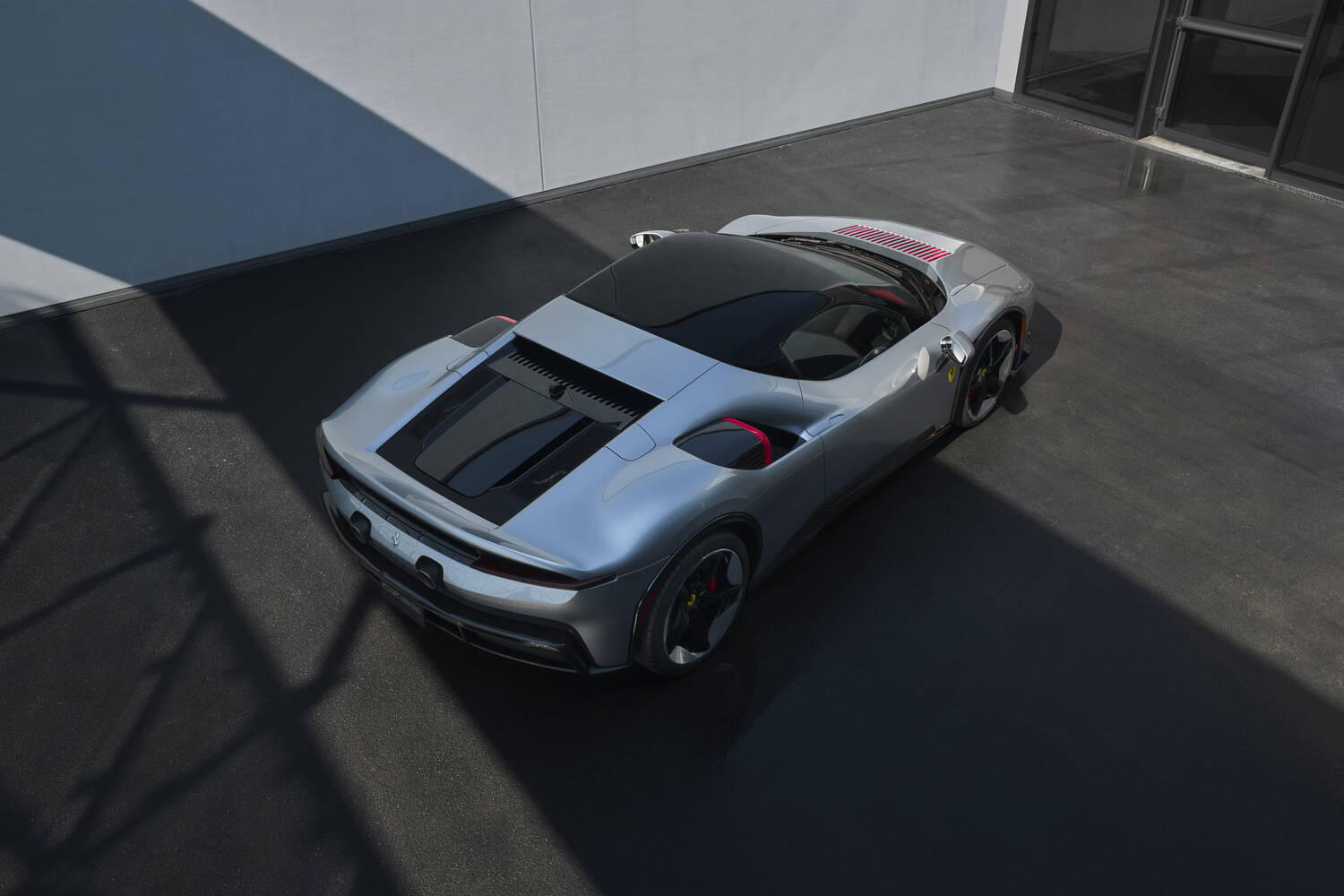
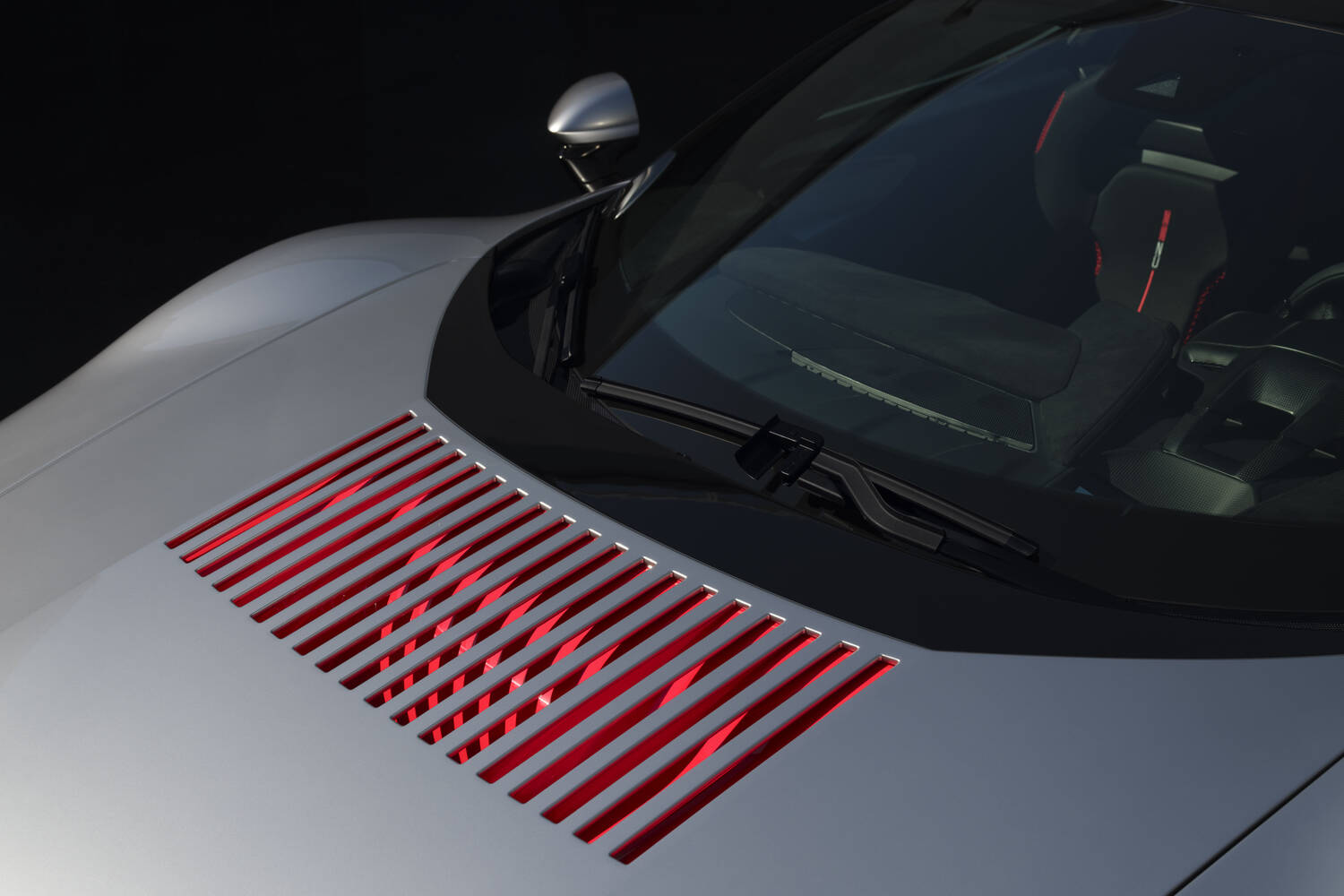
Some, actually. At the front of the CZ26, the radiator has been moved, and the cooling system re-oriented, compared to the SF90, so that extra bypass ducts can be installed, which help with front-axle downforce. The underbody aerodynamics have also been tweaked, and the outer sections of the front bumper create a new air curtain effect to control airflow off the front wheels. As well as that new full-width rear wing, Ferrari has also given the CZ26 a unique rear diffuser and redesigned the engine cover for better cooling.
What's the CompleteCar take on this?
One-off Ferraris are, ironically, not uncommon, but while this CZ26 isn't as dramatic as some of its other creations, it is rather pleasingly subtle and desirable, especially in that Argento Veloce silver. Whoever is the American client who ordered the car, they clearly have good taste.
If there is anything about this story we have not covered, you can avail of our expert advice service via the Ask Us Anything page.