

Has the new A2 gone all-aluminium again?
Alas no. In fact, the new A2 is based on the same MEB electric car platform as the Volkswagen ID.3 Neo and the Cupra Born. However, there are more than a few tweaks and tricks that Audi has applied to this new A2 in search of ever-greater efficiency.
What are those tweaks and tricks?
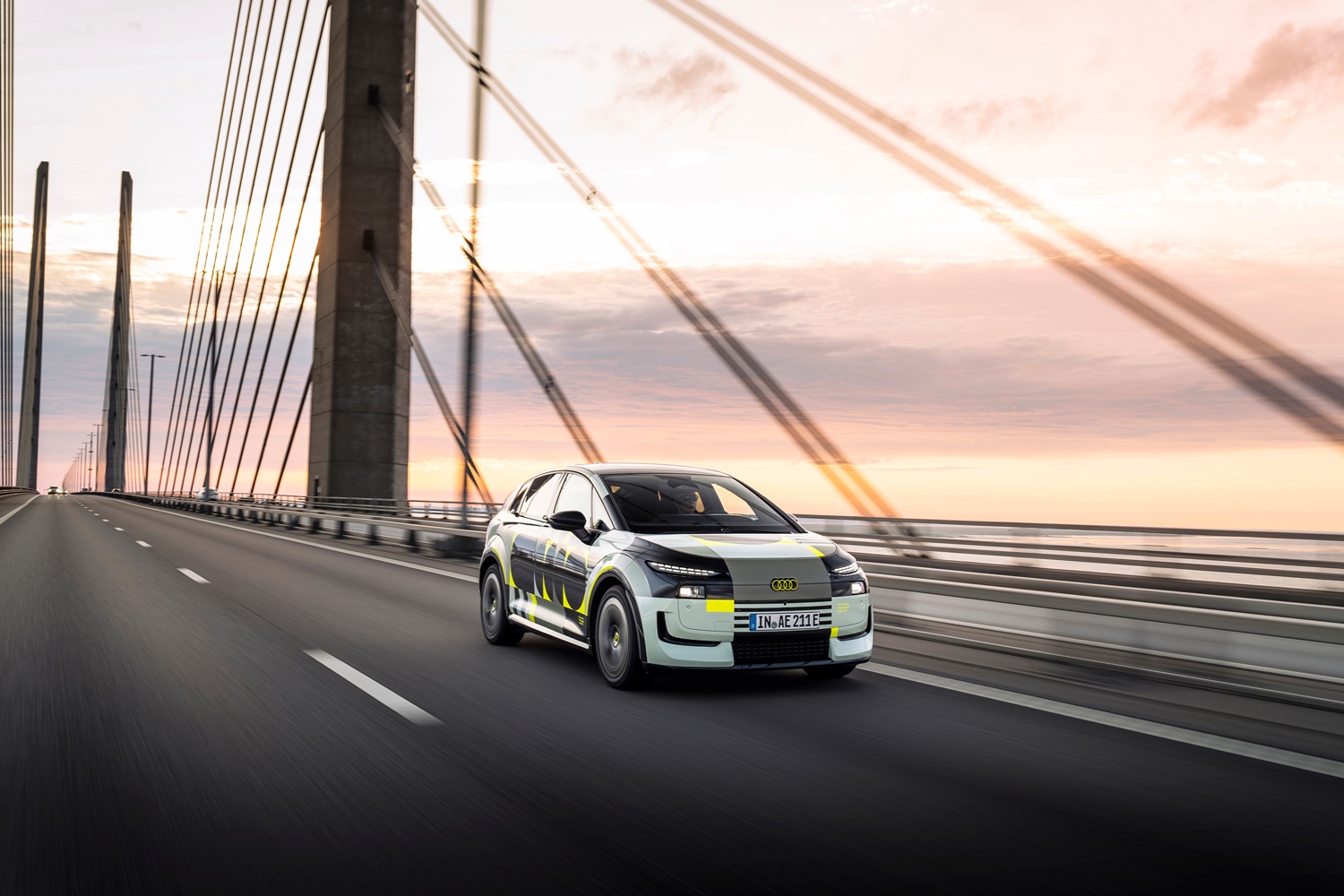
The first is the use of a new lithium-iron-phosphate battery (LFP), which is also used by the updated VW and Cupra models, and which Audi quotes as having a 61kWh capacity, which means a 58kWh useable capacity. The battery uses a cell-to-pack design, which makes for a more compact structure, and which allows for effectively more battery in a smaller package.
The LFP battery of the A2 has been designed to maintain its voltage output even as the state of charge drops, maintaining performance over the life of the battery, which Audi also says is more robust and long-lived than more energy-dense nickel-manganese-cobalt (NMC) designs, and which is also happy to be charged up to 100 per cent every time without significantly degrading the battery's health. There's also a clever cooling system which is meant to improve the charging efficiency, and there's vehicle-to-load charging too, so that you can use the A2 as a mobile power bank (although that's initially only available in Germany, Austria, and Switzerland).
What kind of range are we talking about?
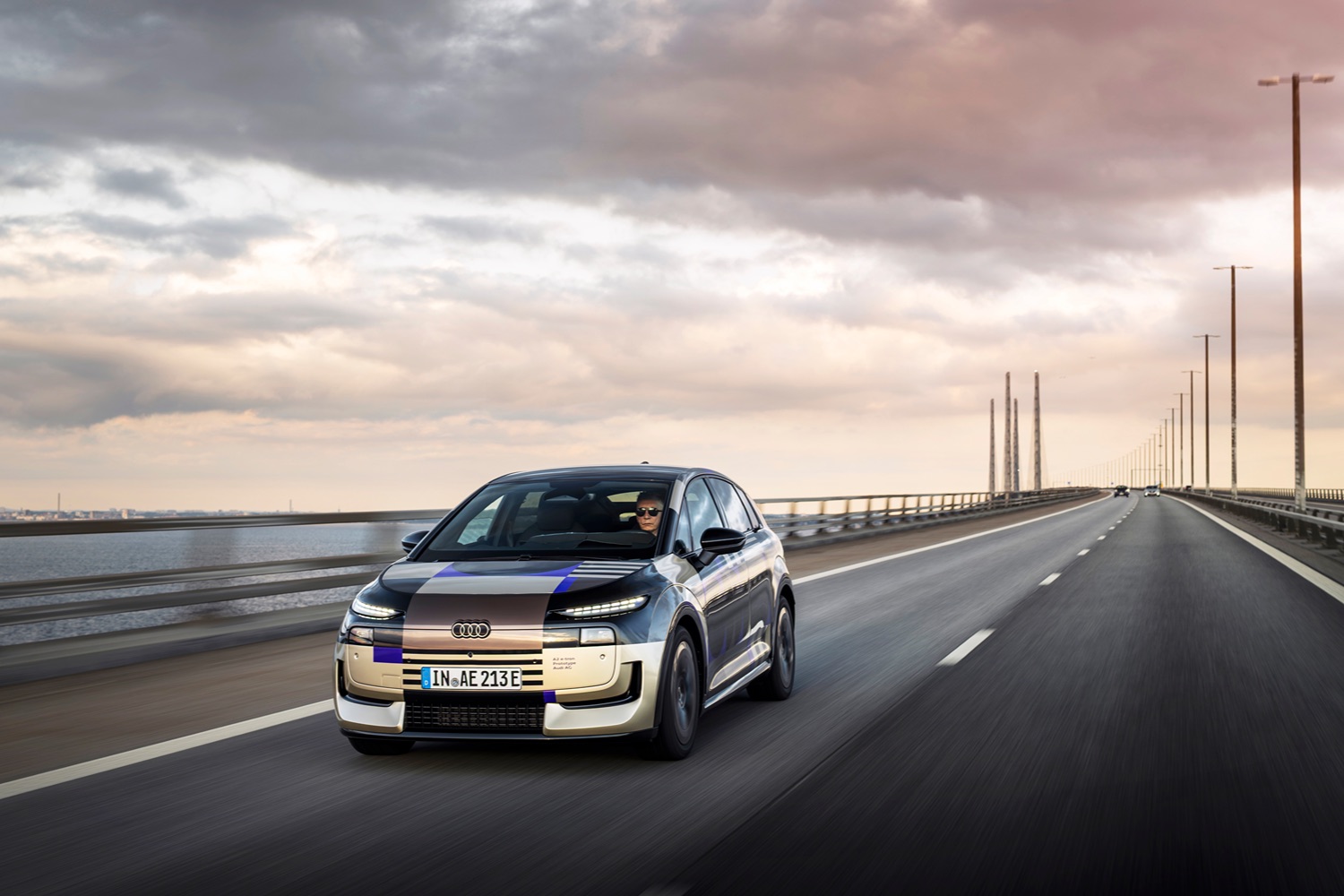
That's still TBC, but the expectation is that the A2 will go significantly further on a charge than the equivalent ID.3 Neo. The 58kWh ID.3 manages a claimed 491km on this battery, but the A2 is likely to push past the 500km barrier, certainly on the basis of Audi's claimed 12.8kWh/100km figure, which is almost 2.0kWh/100km better off than the VW.
What other tricks is Audi using?
There's a new rear-mounted electric motor for the A2, the APP350 in VW Group parts speak, which uses new silicon carbide semiconductors which reduce ‘switching losses' (energy lost to heat within an electric motor as it switches on and off), and with thinner lamination on the electric motor itself, which again boosts efficiency. There's also a lower-viscosity oil for the reduction gear transmission, which helps to reduce overall energy consumption.
Anything else?
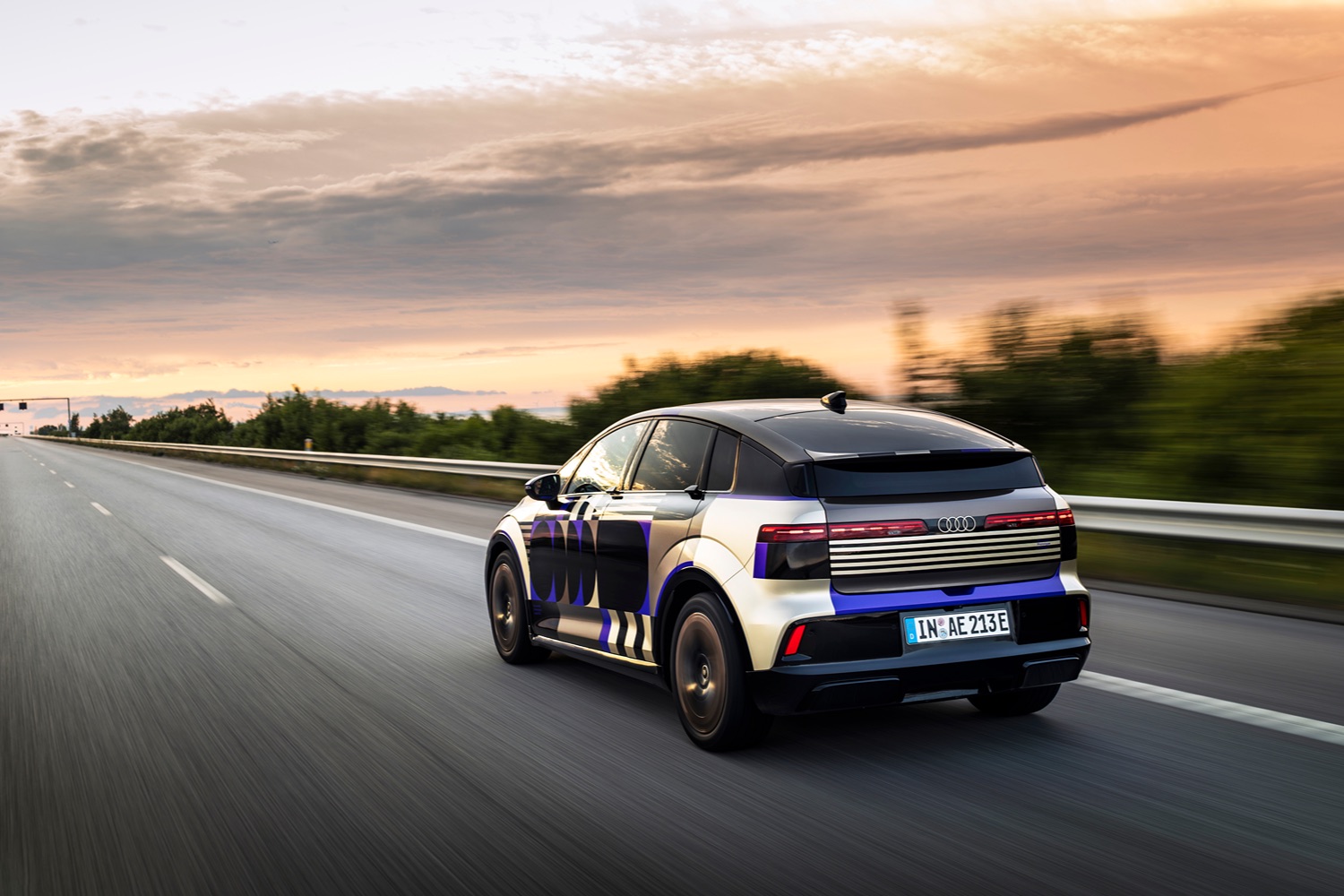
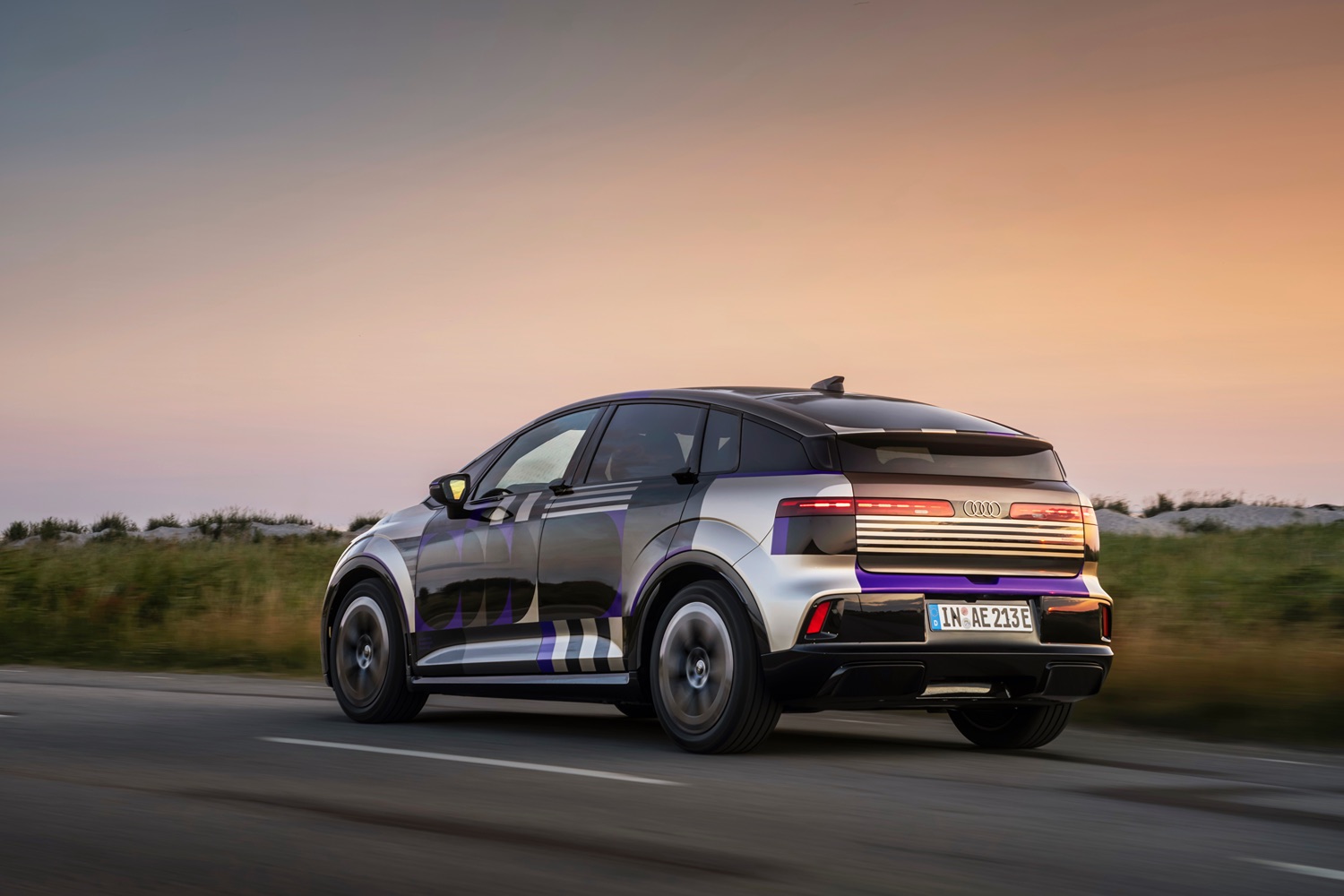
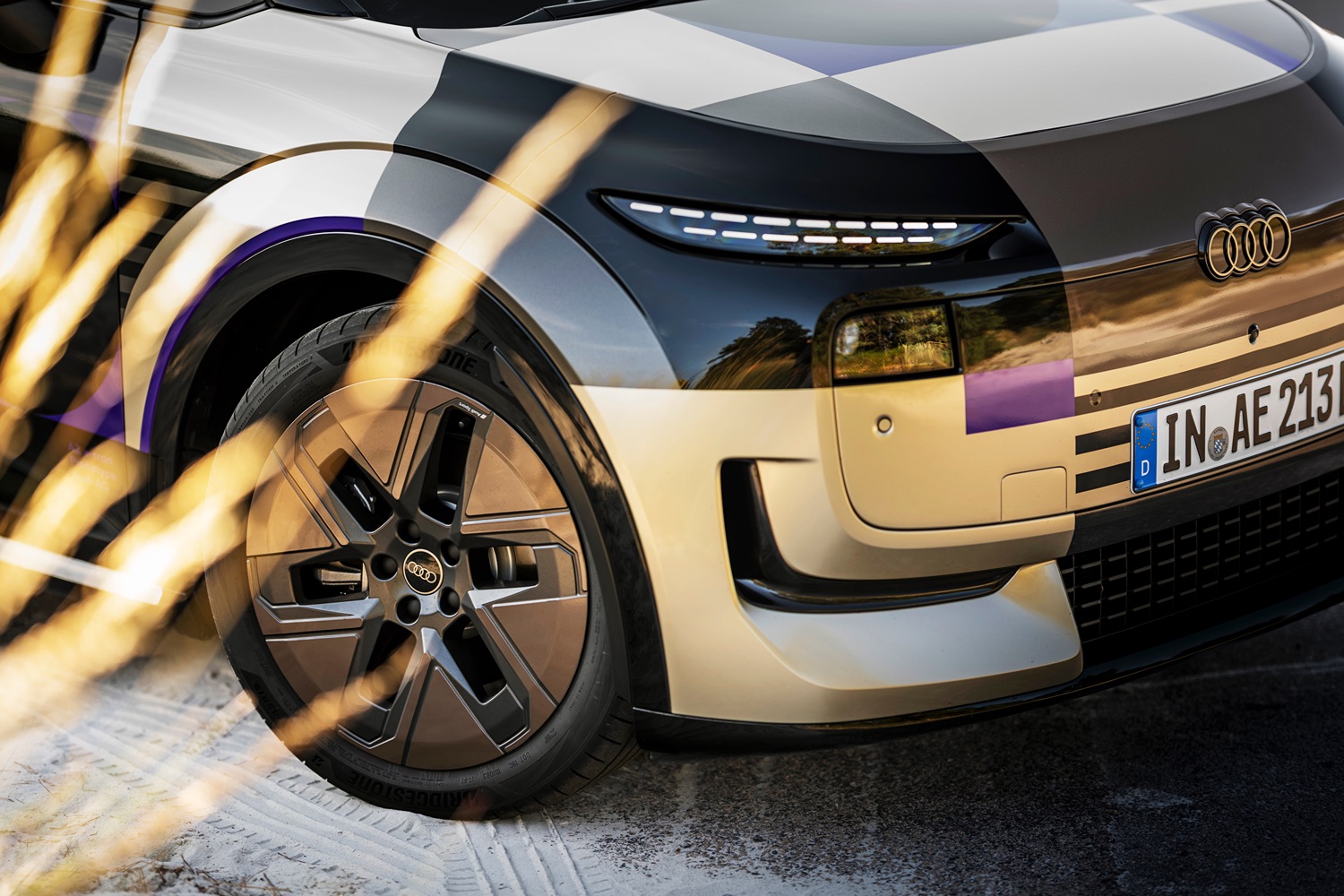
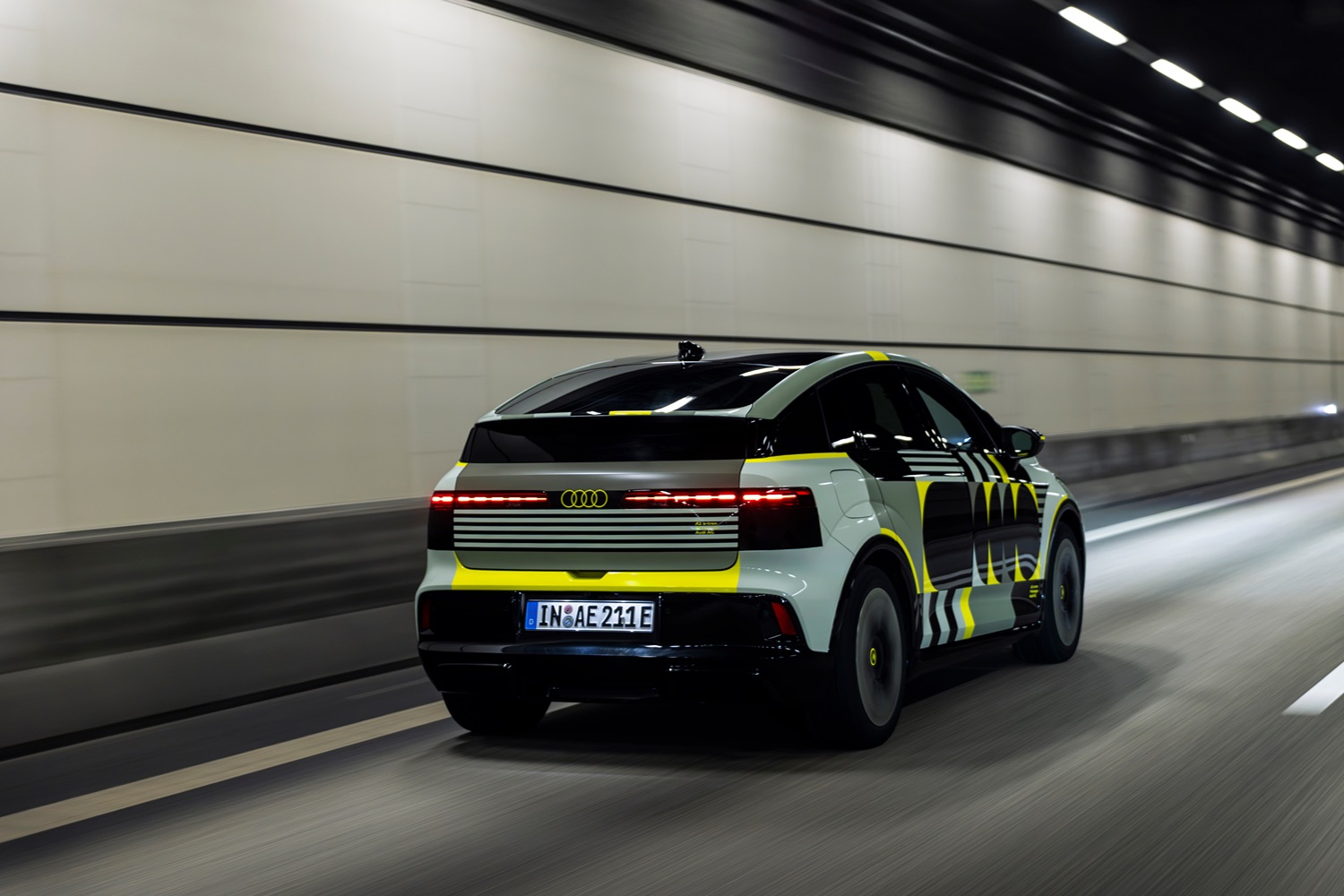
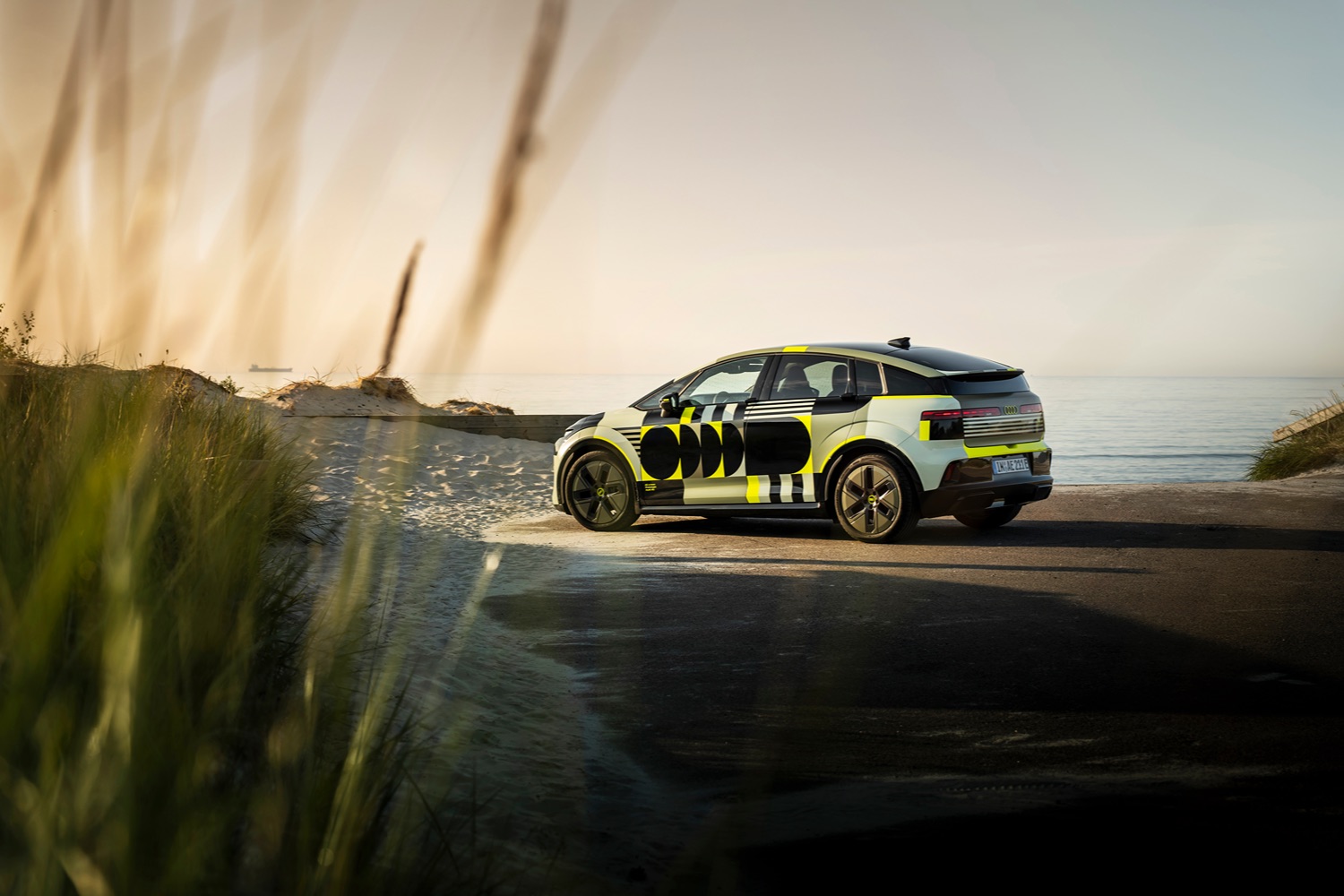
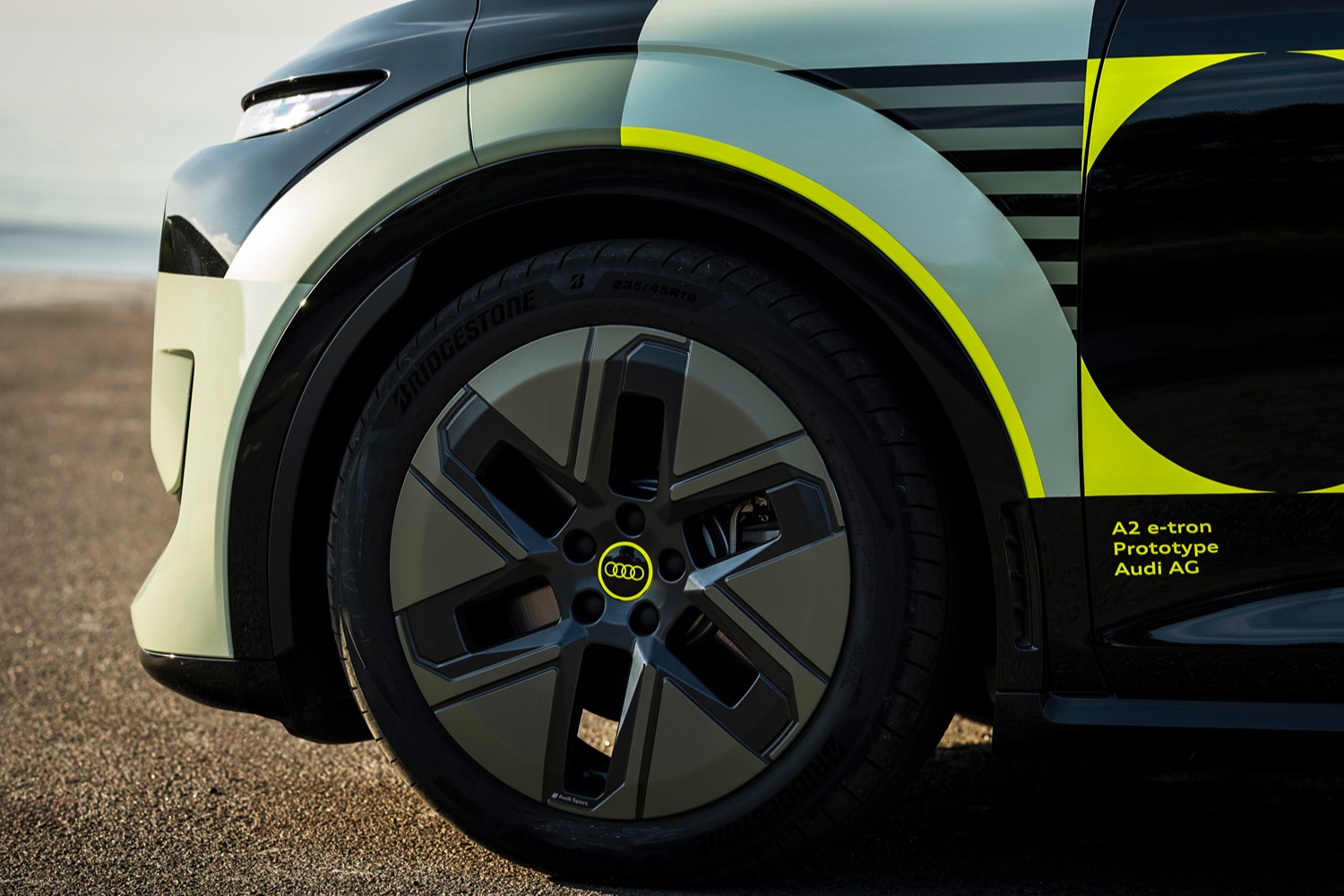
Yes - aero. The original A2 was something of a diminutive aerodynamic king, and Audi has tried to create this new A2 in something of the same image. While the two cars aren't visually identical, you can see a certain kinship between original and new A2 around the rear roof section. Audi says that it has trimmed the A2's coefficient of drag to 0.24Cd, which is an impressive figure for a tall-roofed hatchback design such as this. At the front, there are neat air curtains - channels that redirect airflow to suppress turbulence - as well as gap reducers and gap breathers, which calm the air around the wheel arches.
The air intakes that help to cool the battery pack get shutters which close at low speed, or when the cooling system doesn't need them to be opened, and Audi reckons that the A2's various aero tweaks help to save as much as 0.9 kWh/100 km compared to an identical car without those aero devices.
Some of these additions, though, will be part of a specific ‘Efficiency Package' which may not be available on all A2 models. We'll have to see when the full lineup is revealed.
When can I buy a new Audi A2?
Not long now. We'll see the full production version in a few weeks, and then the A2 will roll out across Europe in the autumn, most likely making it, effectively, a 2027 model for Ireland.
If there is anything about this story we have not covered, you can avail of our expert advice service via the Ask Us Anything page.