

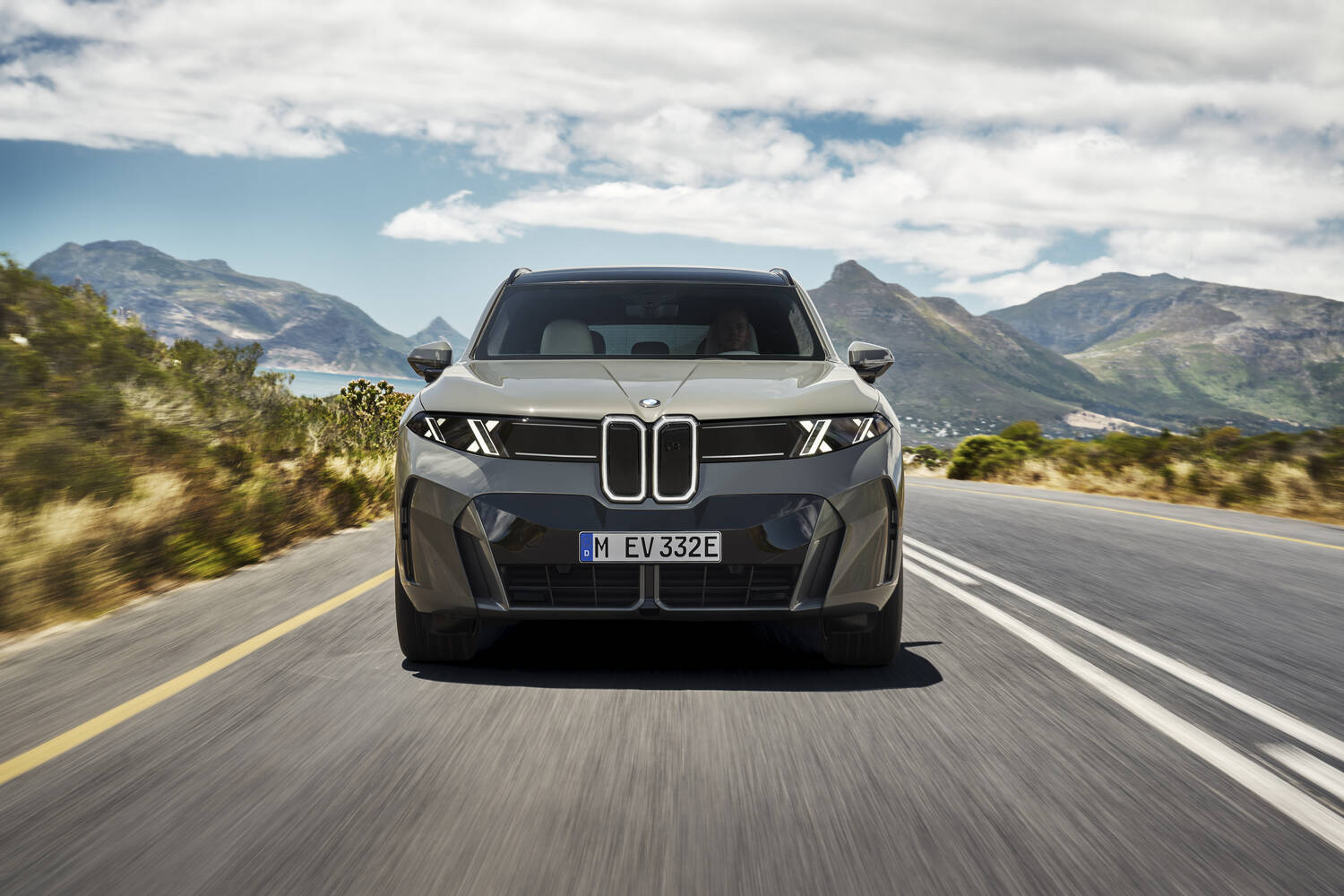
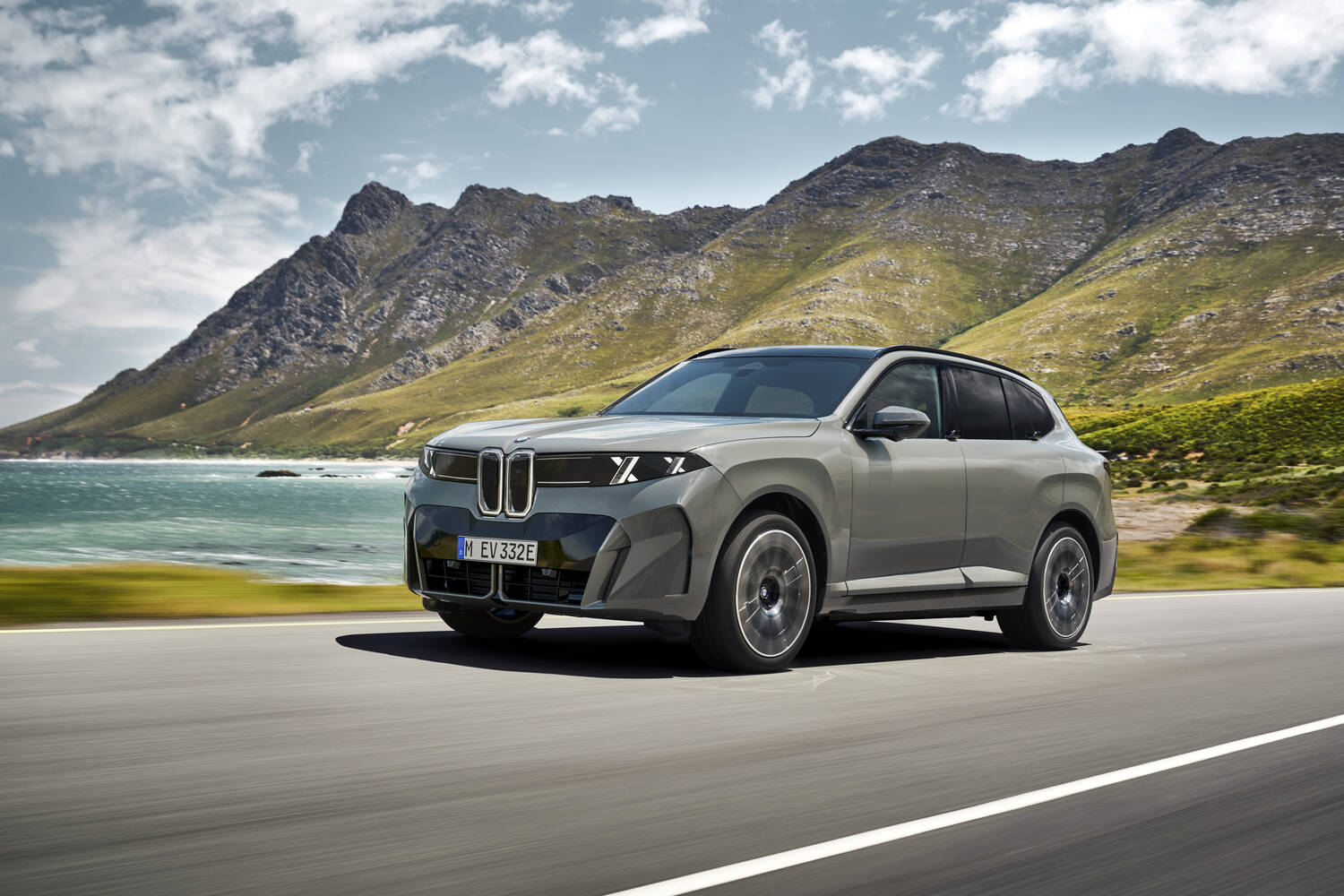
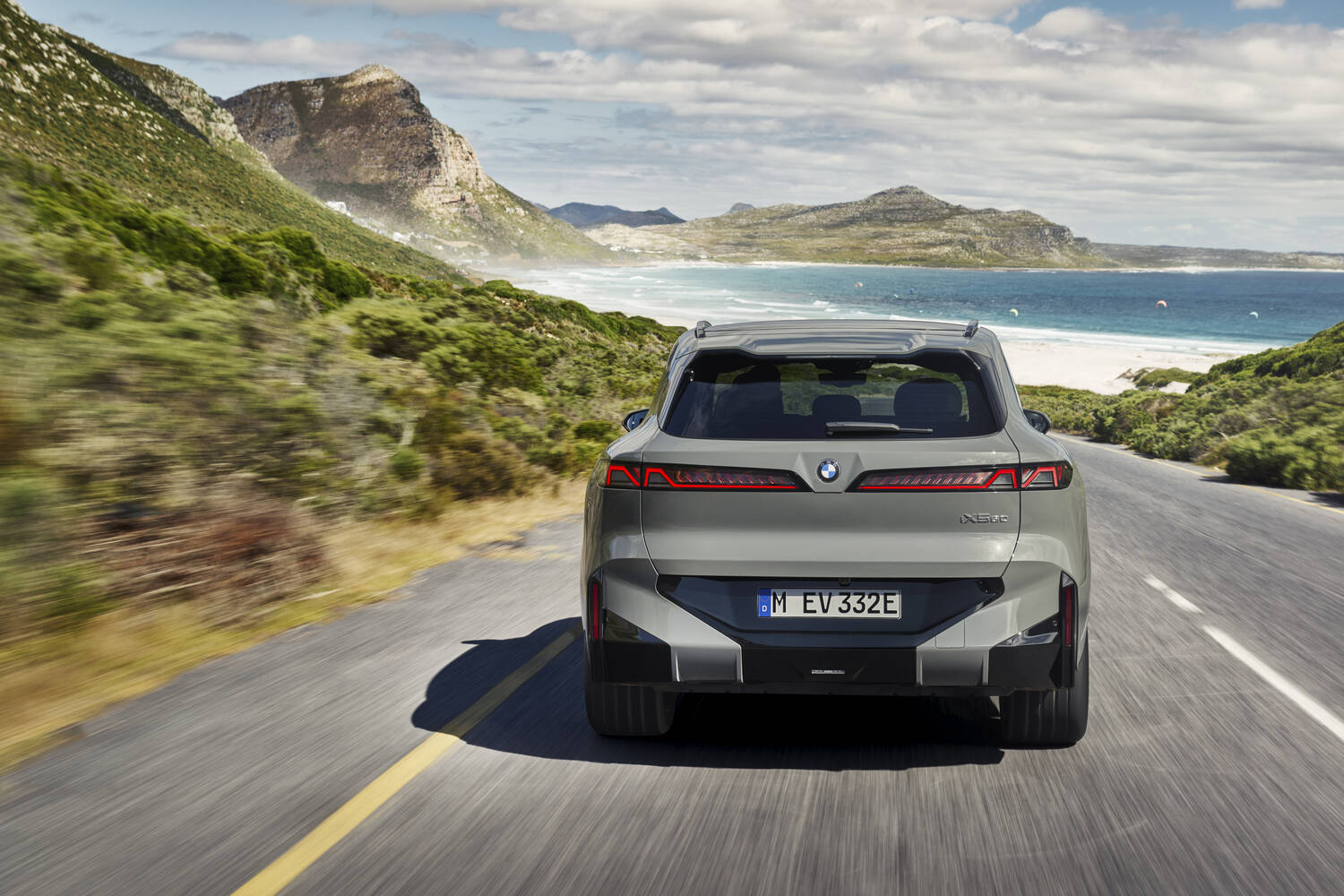
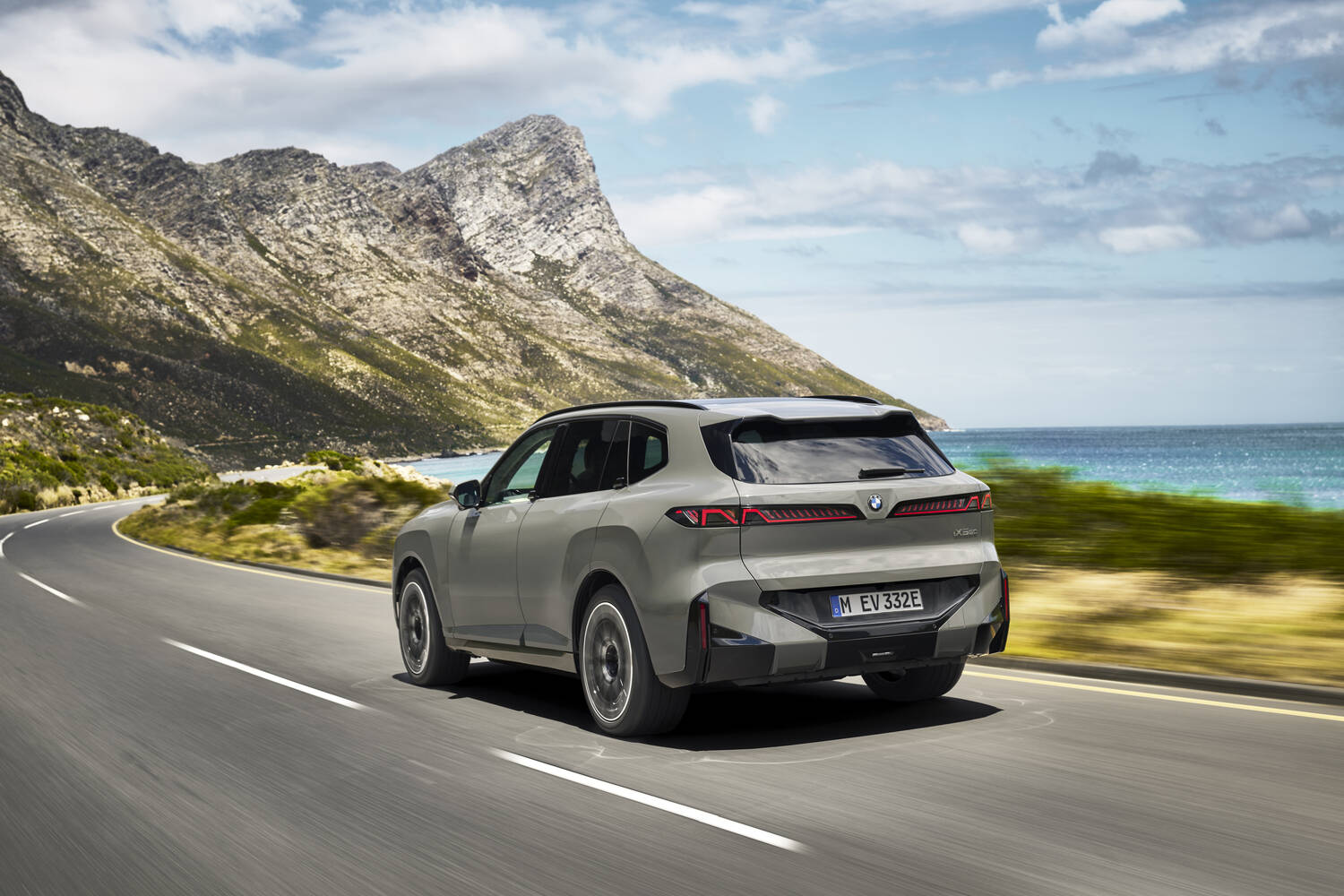
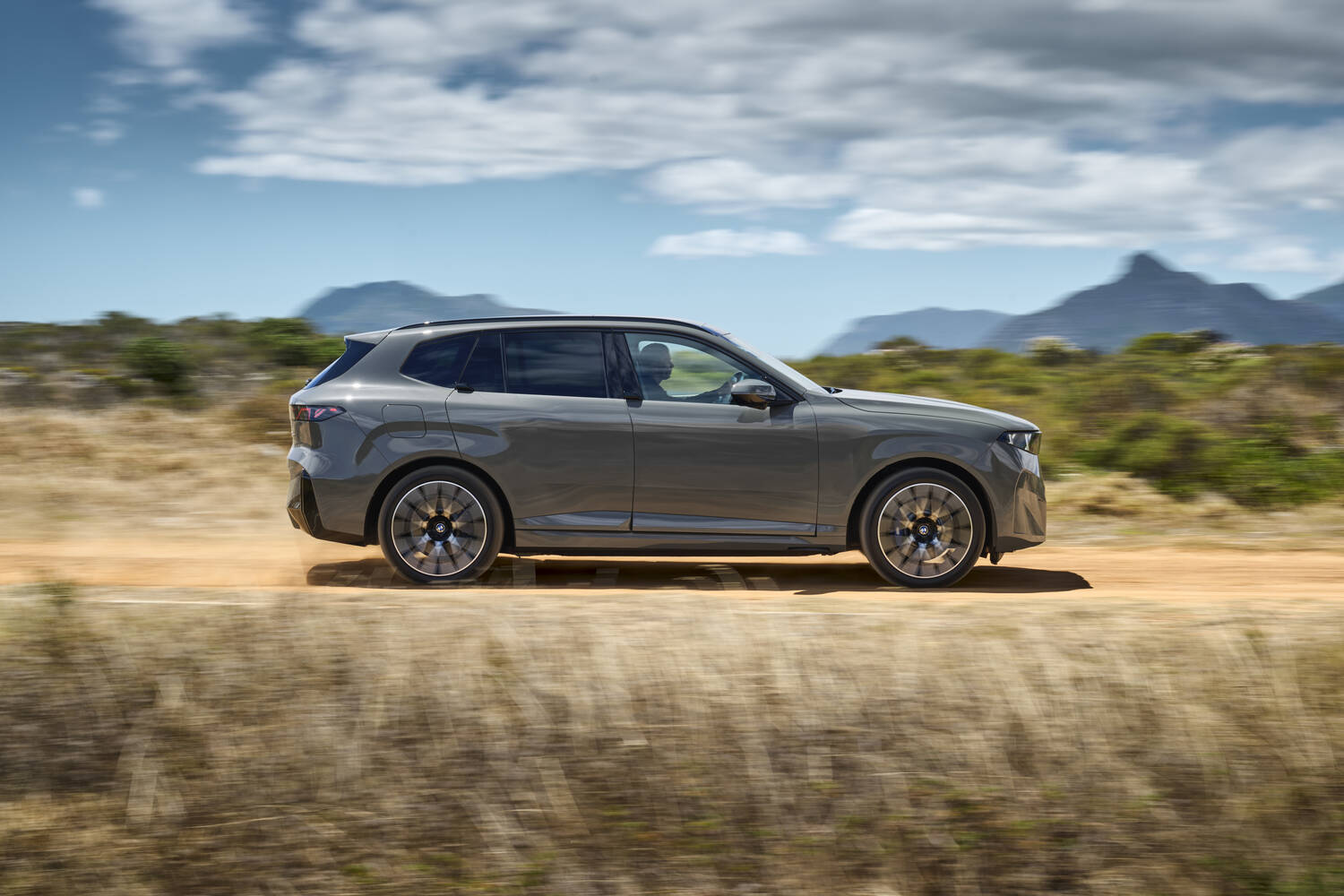
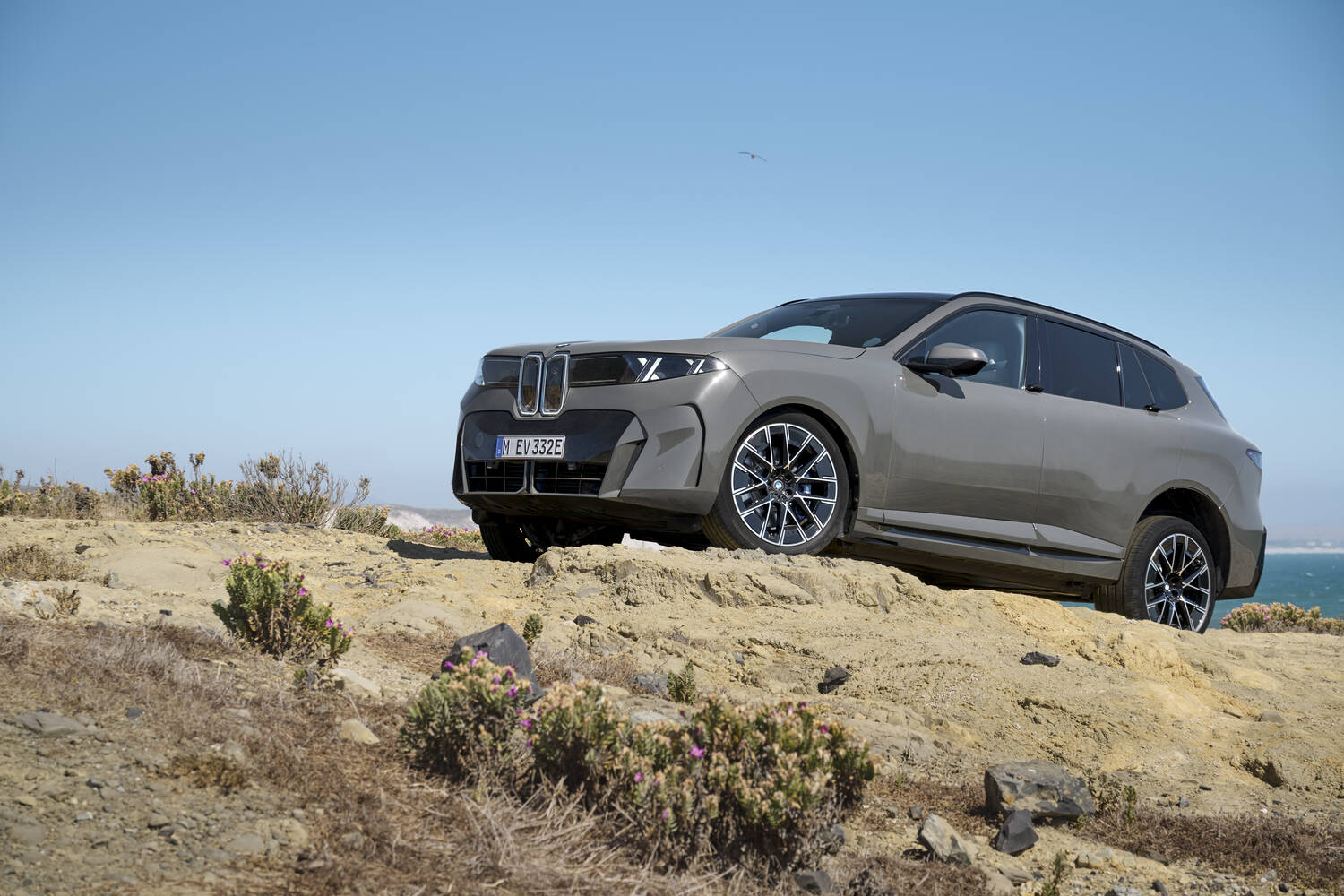
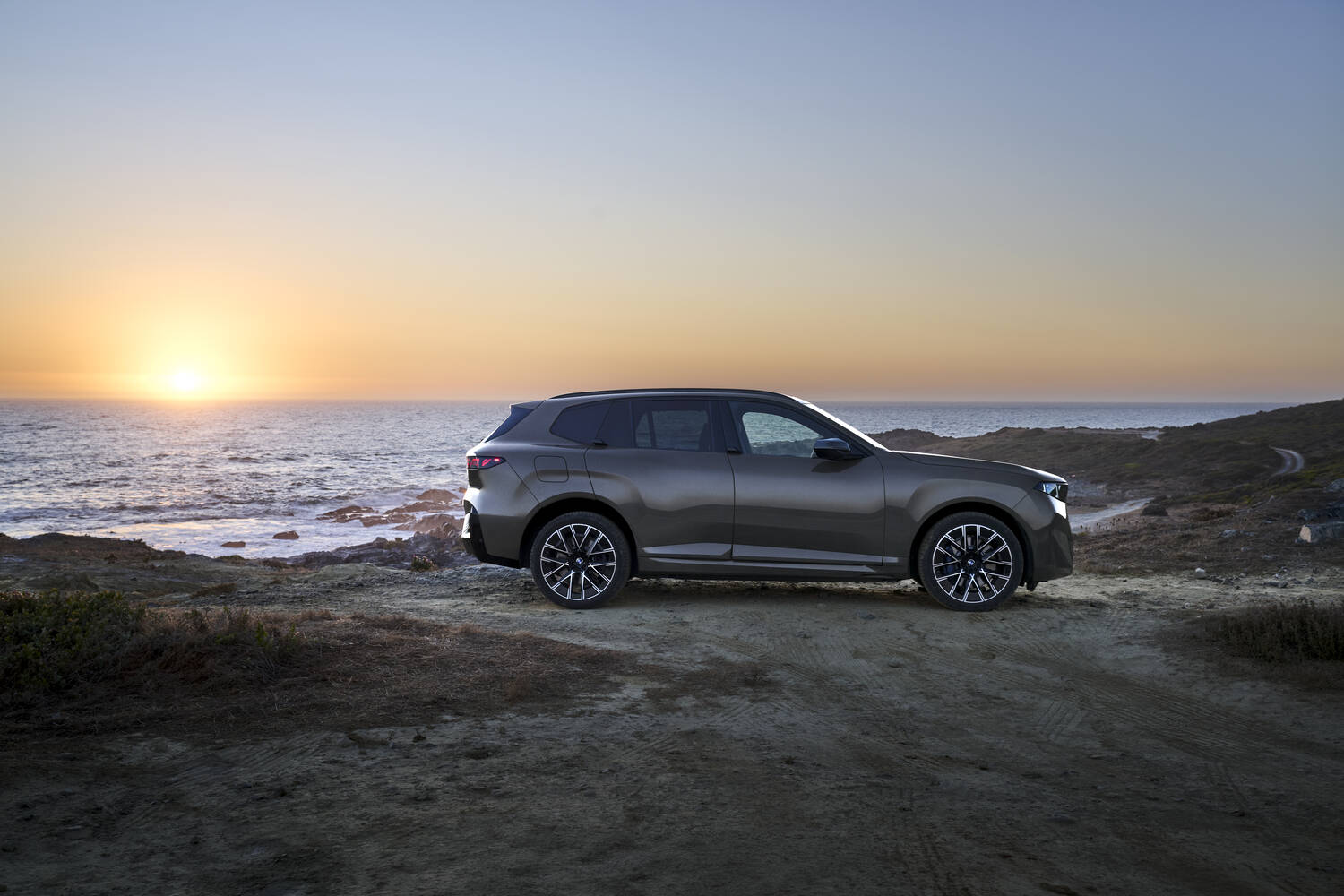
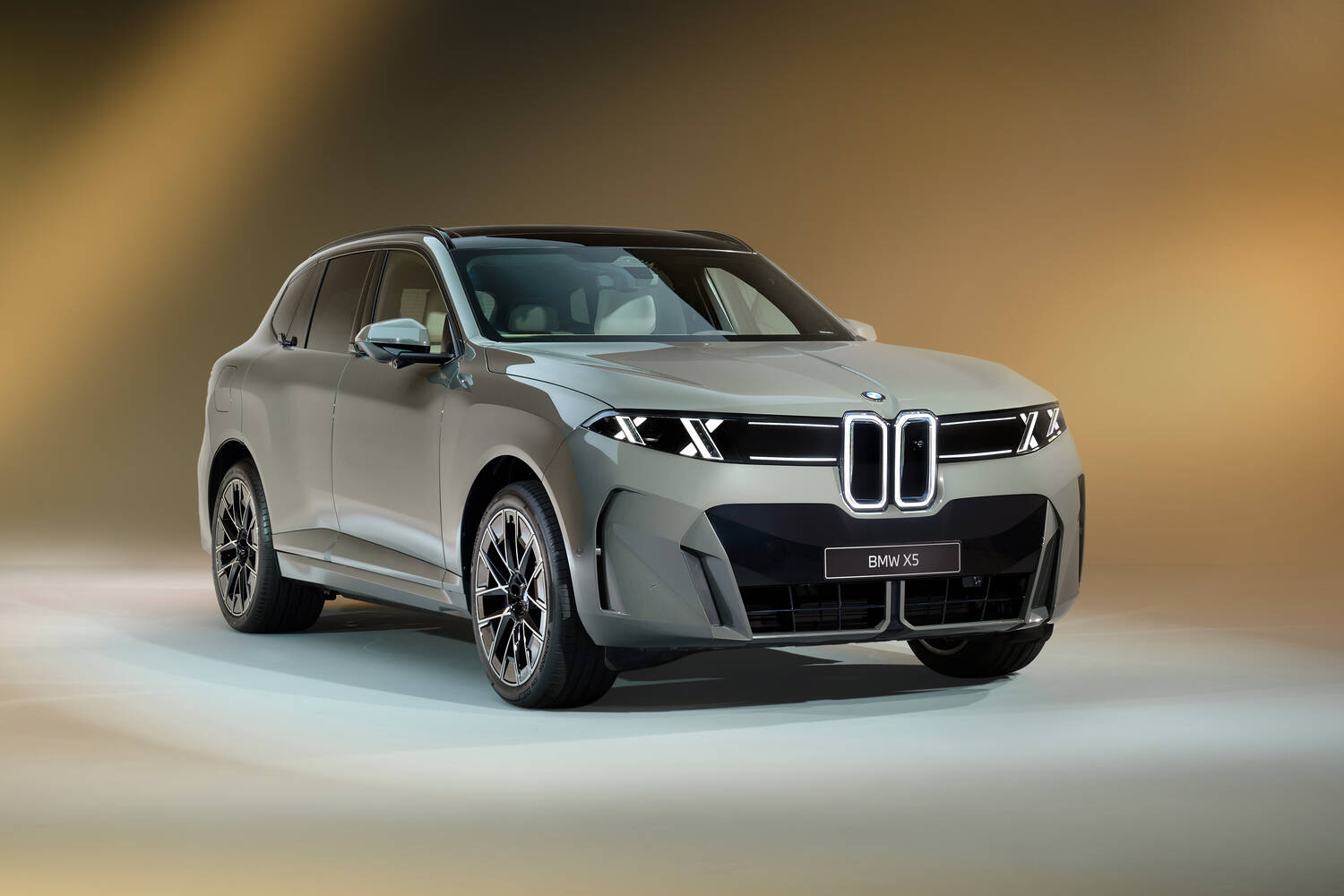
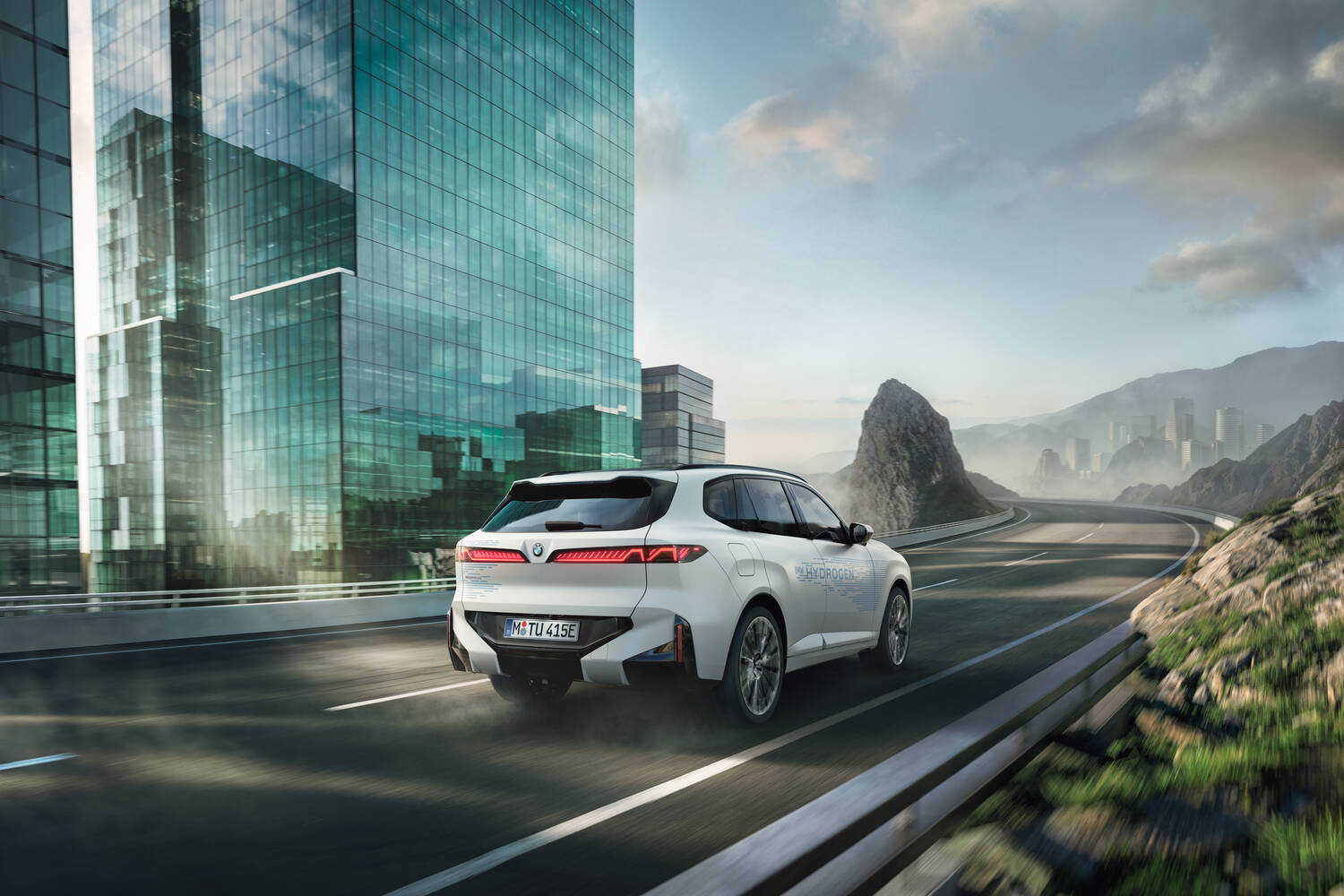
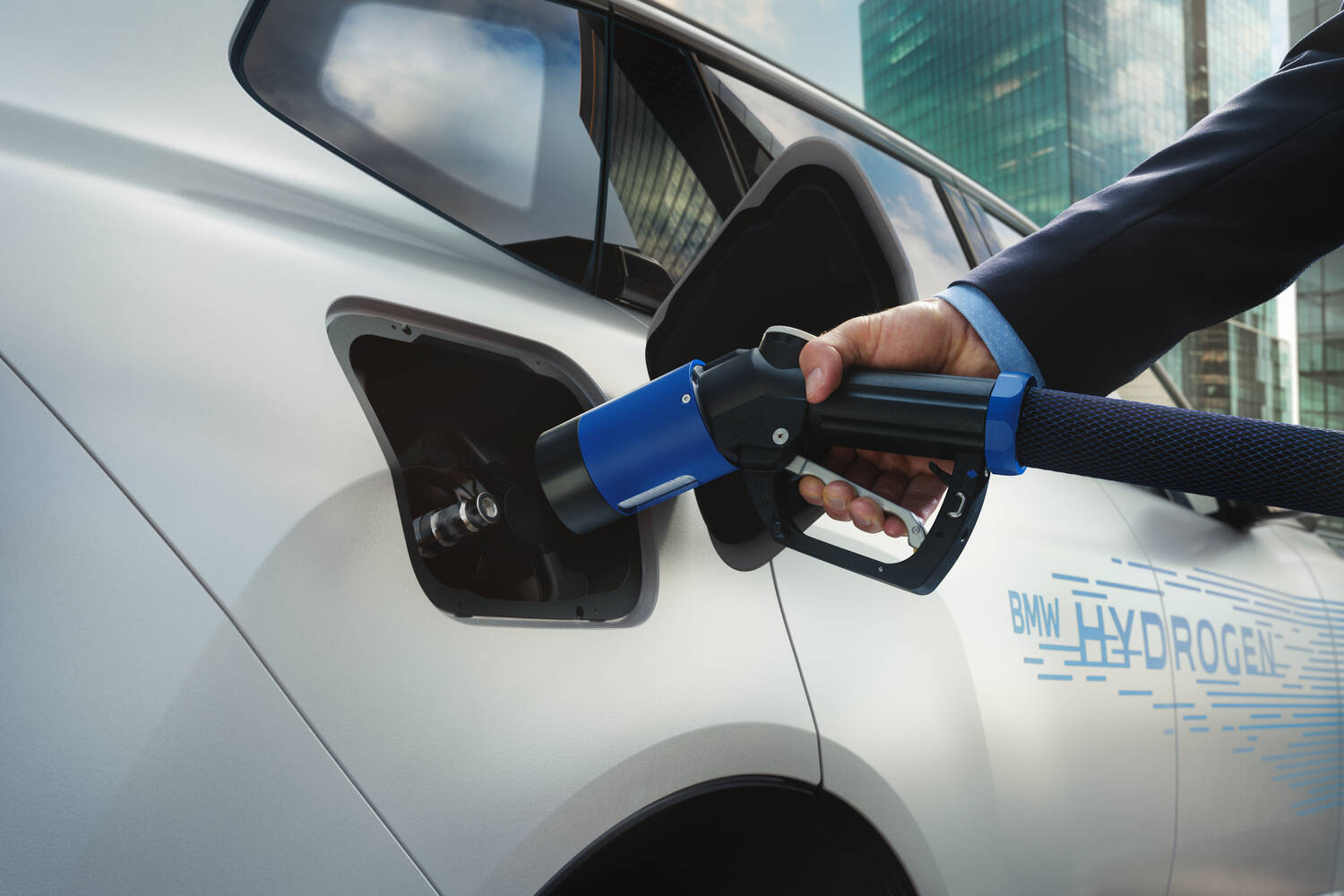
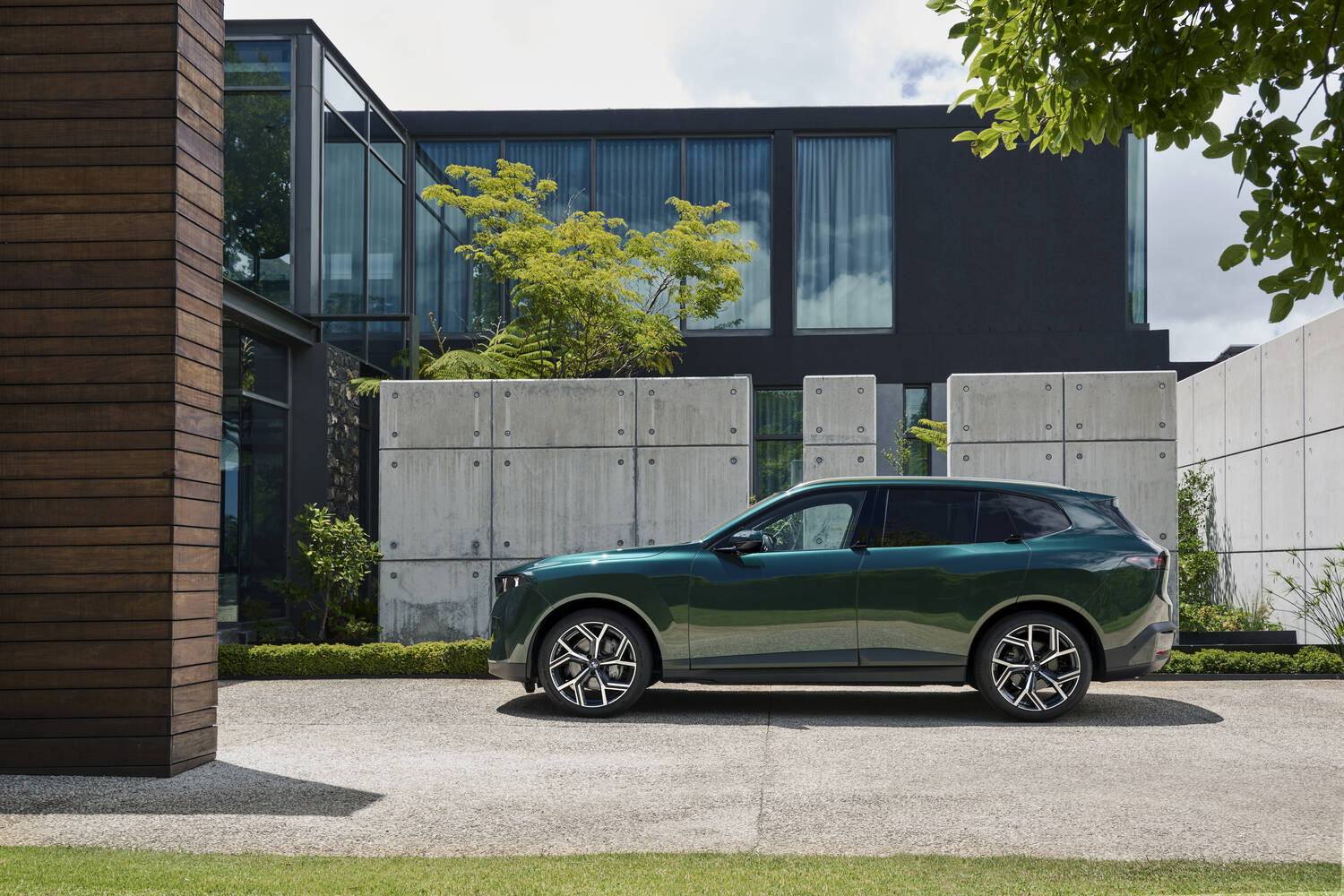
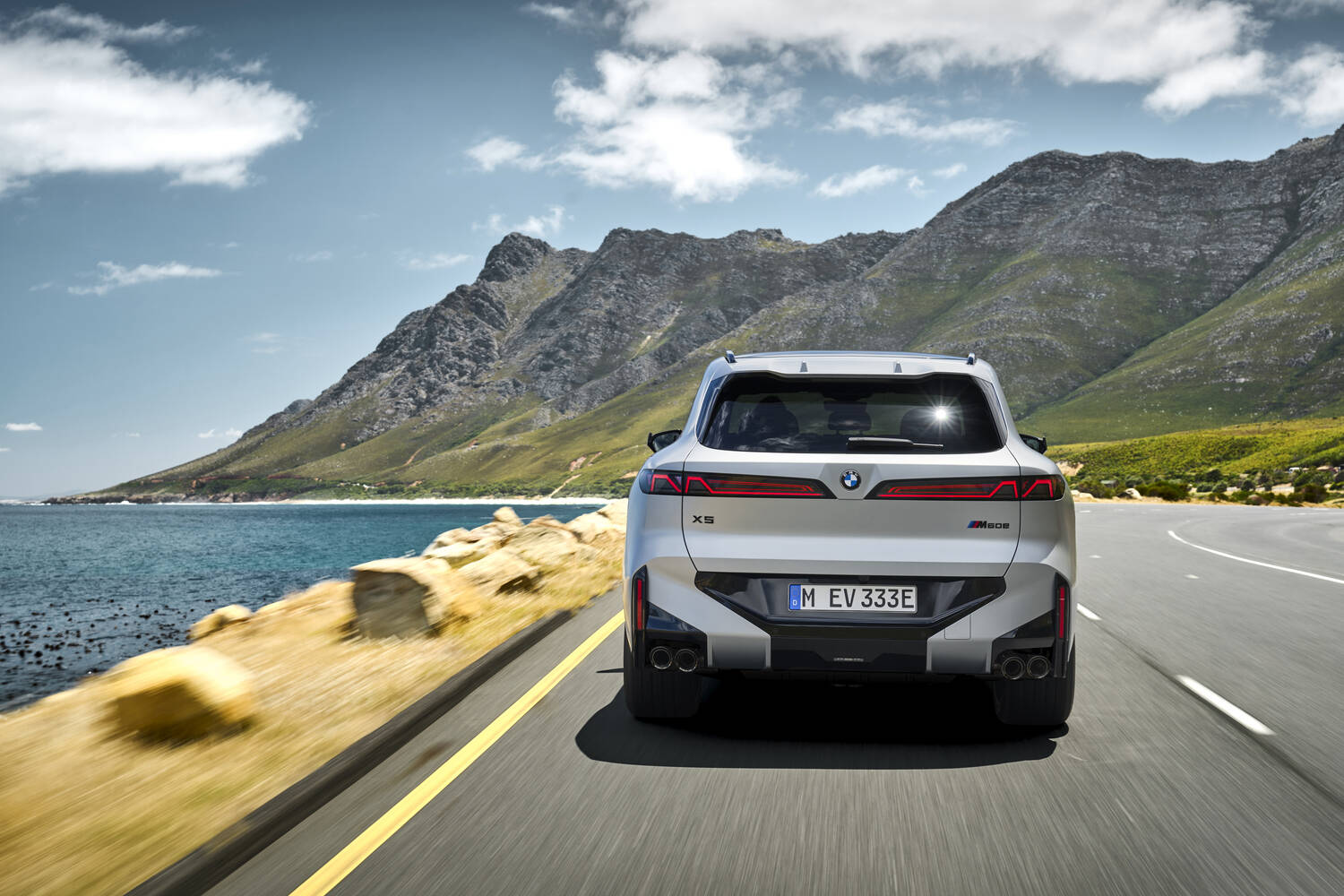
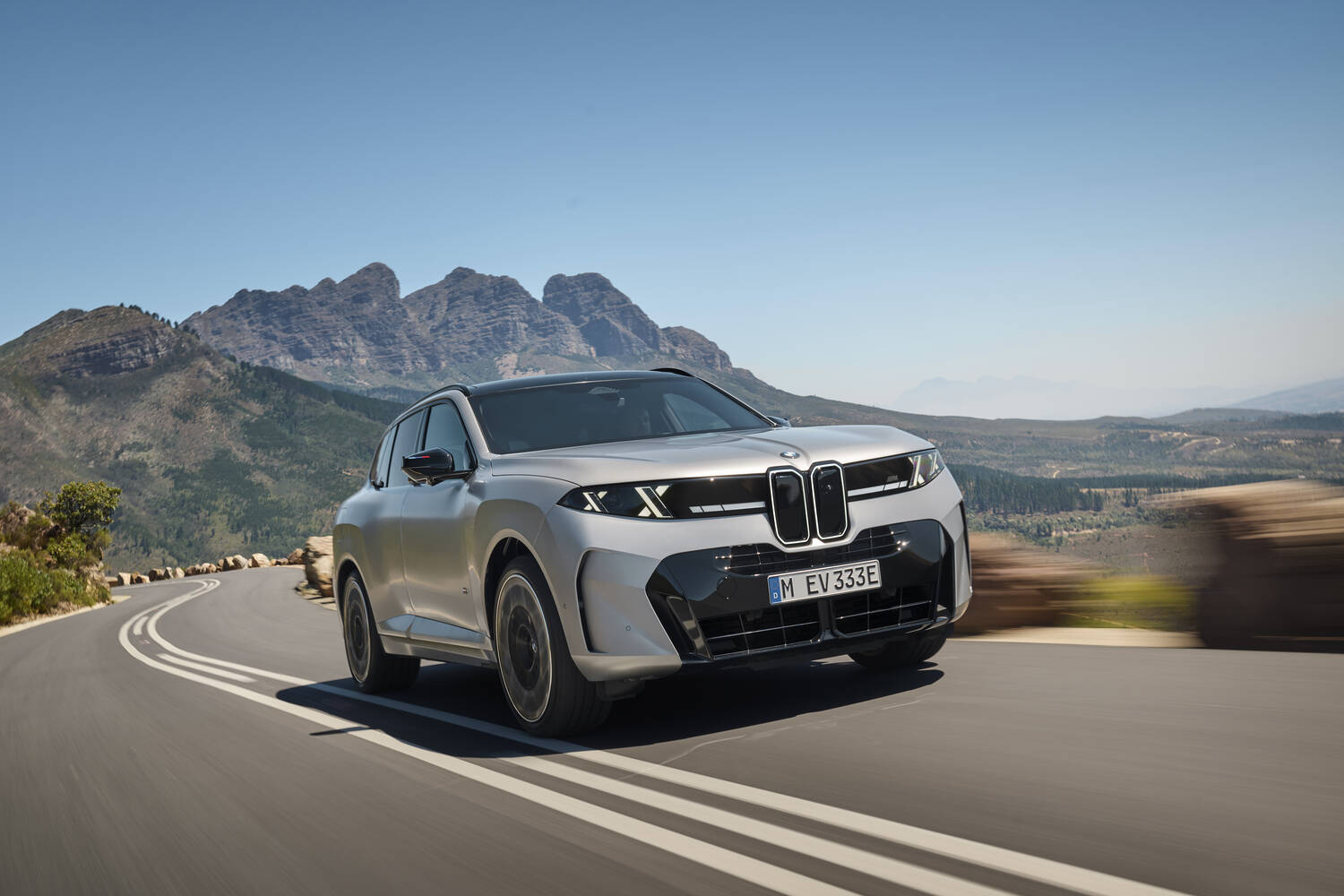
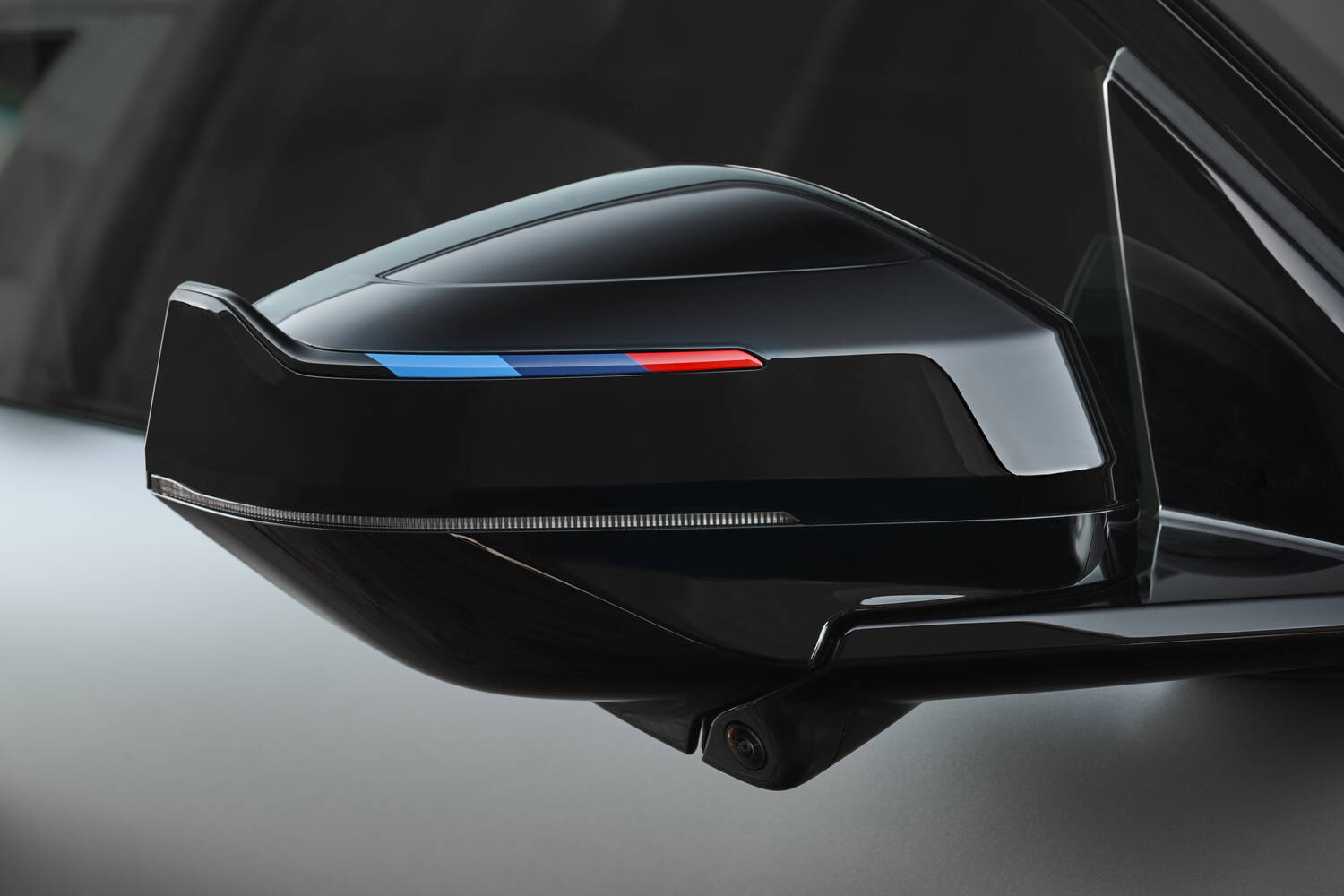
Called the BMW iX5, it will sit alongside petrol, diesel and plug-in-hybrid versions of the X5, while BMW has confirmed that a hydrogen fuel-cell version will follow at a later stage (that, and some of the others, will not be available in the Irish market).
Production of the combustion-engined versions is due to begin at BMW's Spartanburg factory in the USA in August this year, followed by the electric and plug-in-hybrid models in early 2027.
Tell us more about the electric BMW iX5
The BMW iX5 is the first fully electric version of the X5, and it is arguably the most significant model in the range from a technology point of view.
It uses BMW's sixth-generation 'eDrive' technology, with an electric motor on each axle for all-wheel drive. The only version described thus far is the iX5 60 xDrive, which has up to 578hp, with 805Nm of torque, while the official WLTP range between charges is quoted at 645-845km, depending on specification.
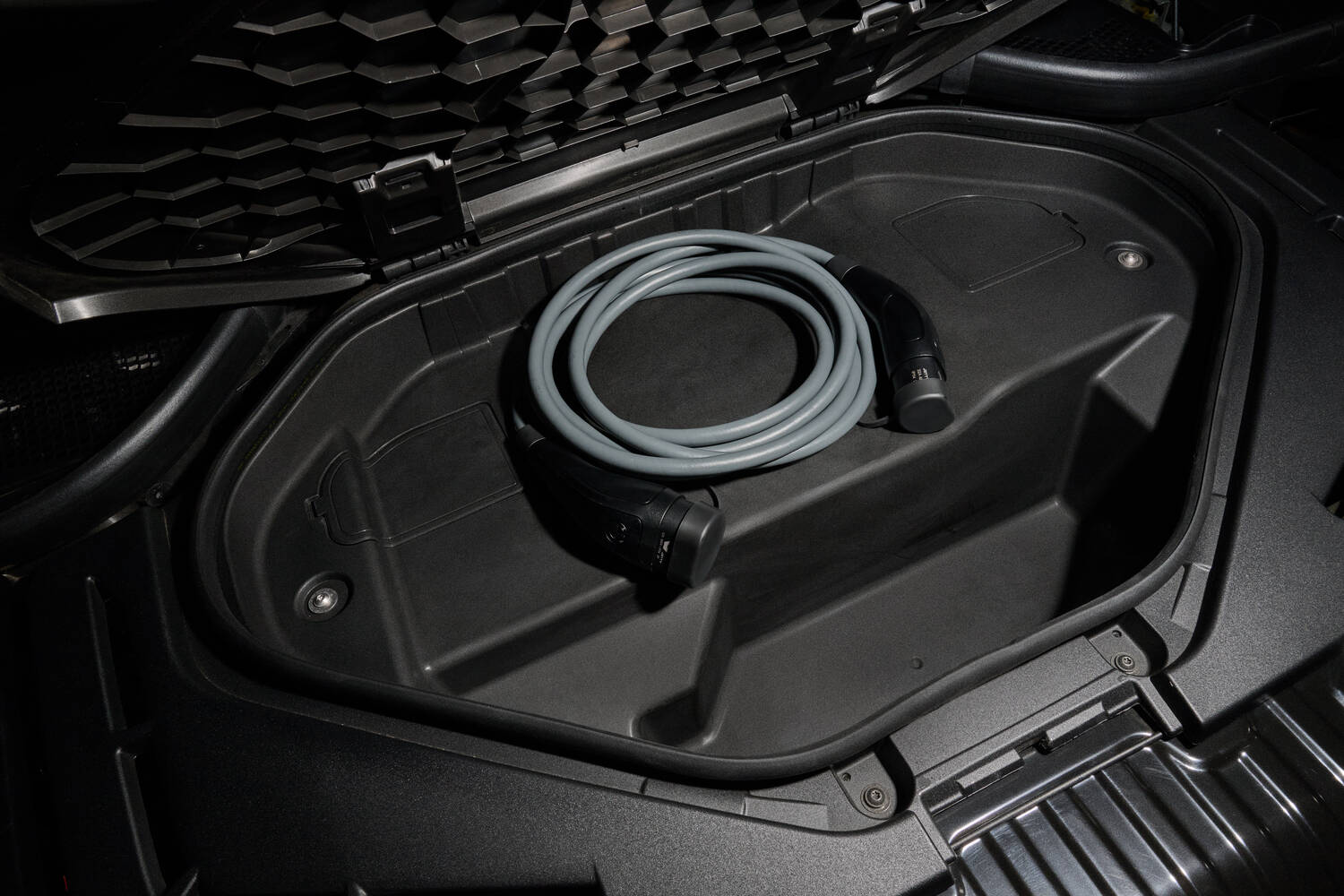
The battery has net energy content of 141kWh and the iX5 uses an 800-volt electrical architecture. That allows for up to 460kW charging on suitably powerful DC outlets, with a theoretical 10-80 per cent DC charging time of 23 minutes. Or 350km of extra range after 10 minutes of charging to look at it a different way. Up to 22kW will be possible on certain three-phase AC chargers.
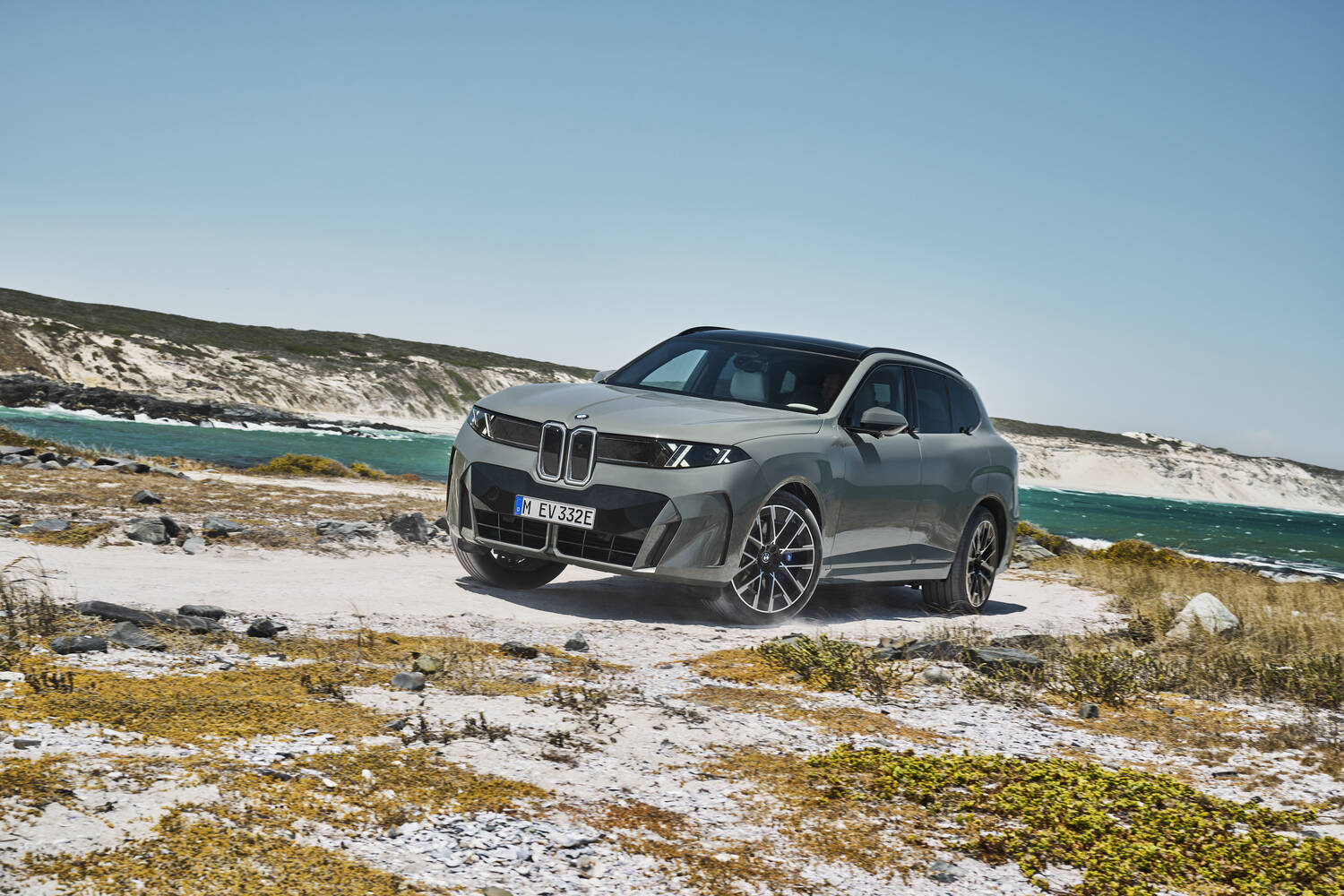
Performance is strong, too. The iX5 60 xDrive accelerates from 0-100km/h in 4.6 seconds, despite it being a very heavy car, with BMW quoting a kerb weight of 2,825kg.
What if I don't want to go for an EV?
BMW is taking a broad approach with this X5. Aside from the all-electric iX5, the launch line-up includes the petrol-fuelled X5 40 xDrive, X5 40d xDrive diesel and a pair of plug-in hybrids, the X5 50e xDrive and X5 M60e xDrive. We'd be surprised if the petrol and models make it to Ireland, however.
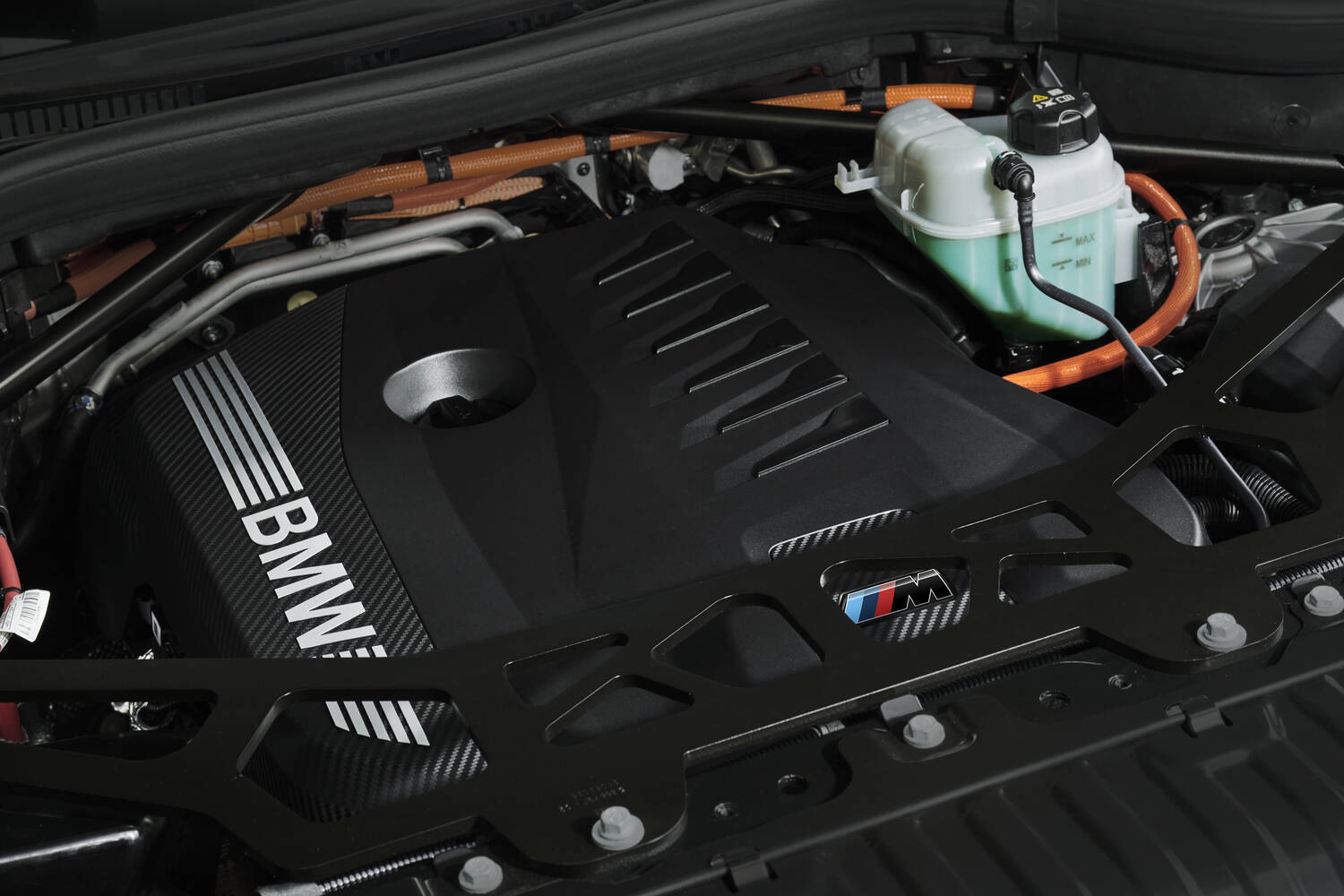
For reference, the X5 40 xDrive uses a 3.0-litre six-cylinder in-line petrol engine with 48-volt mild-hybrid technology. It produces up to 400hp and 580Nm and accelerates the SUV from 0-100km/h in 5.3 seconds.
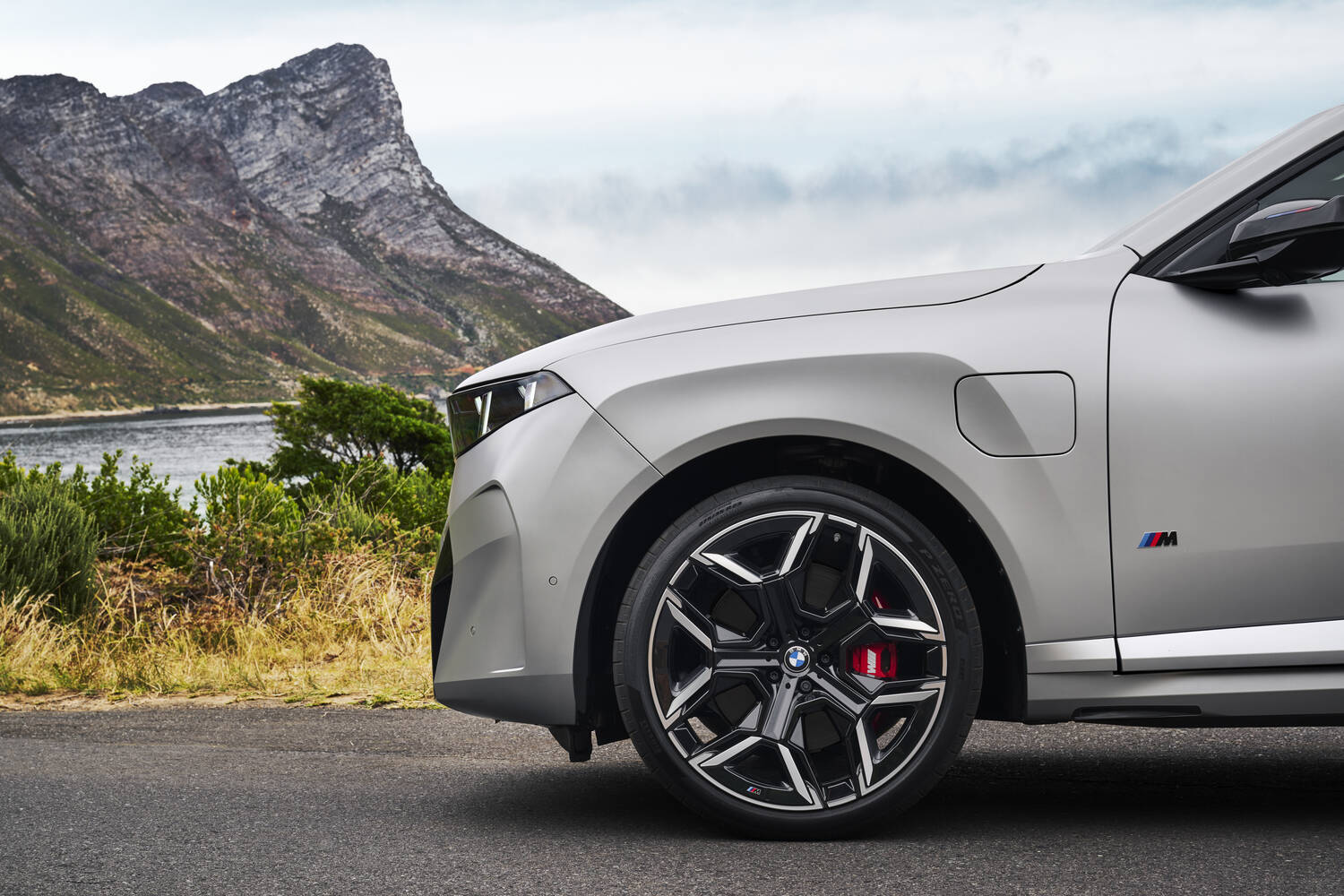
The X5 40d xDrive is the diesel option, also using a six-cylinder in-line engine and 48-volt mild-hybrid system. BMW quotes 313hp, 670Nm and 0-100km/h in 6.1 seconds.
Despite the introduction of the electric model, the plug-in-hybrid X5s are likely to remain relevant to Irish buyers. The X5 50e xDrive combines a six-cylinder petrol engine with an electric motor for 489hp and 700Nm.
Its official electric range is 86-102km, with 11kW three-phase AC charging and a 0-100km/h time of 5.0 seconds.
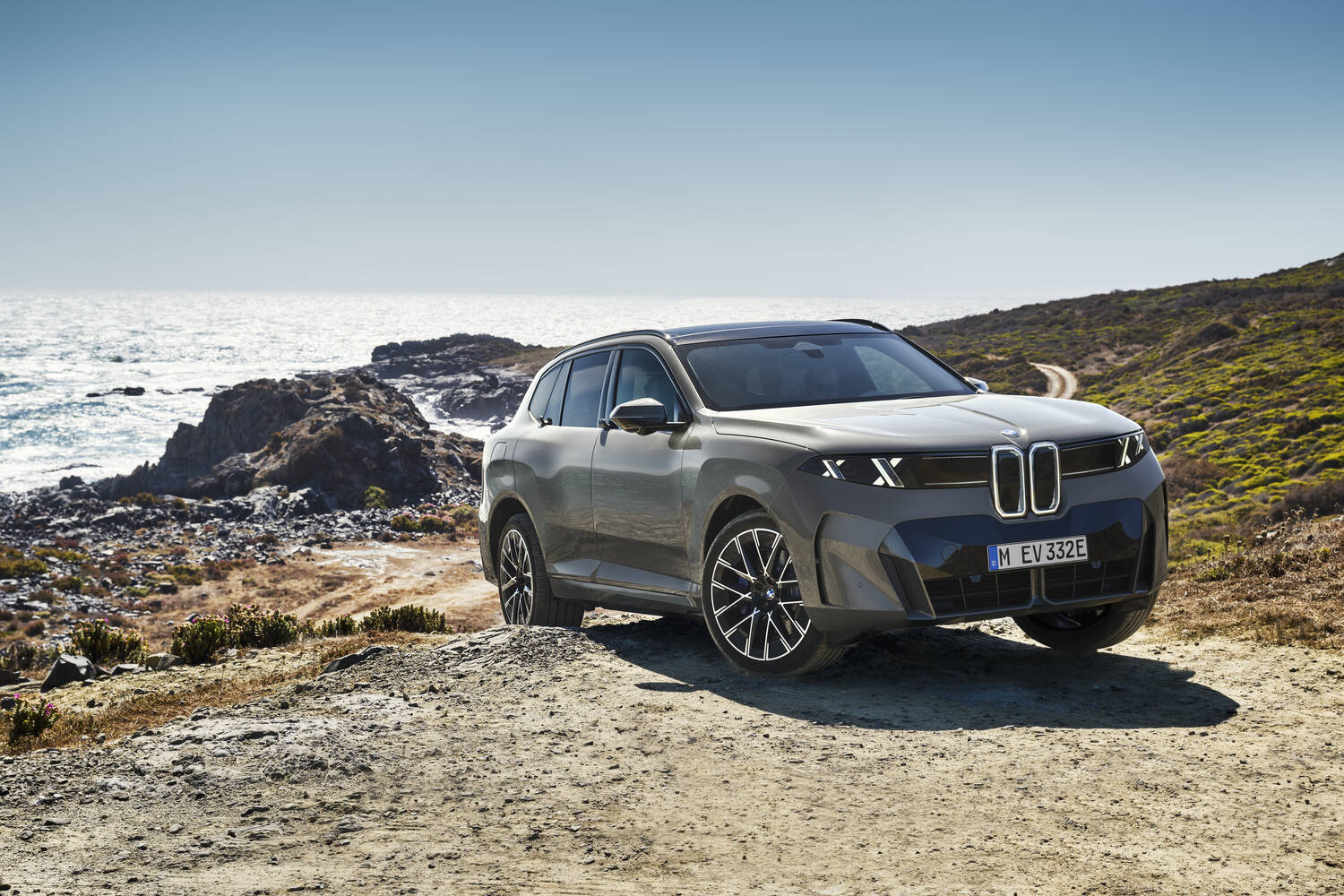
Above that sits the X5 M60e xDrive, a so-called M Performance car, putting out 612hp and 800Nm. It has an official electric range of 81-98km and accelerates from 0-100km/h in 4.5 seconds.
Do they all get the X-shaped lights?
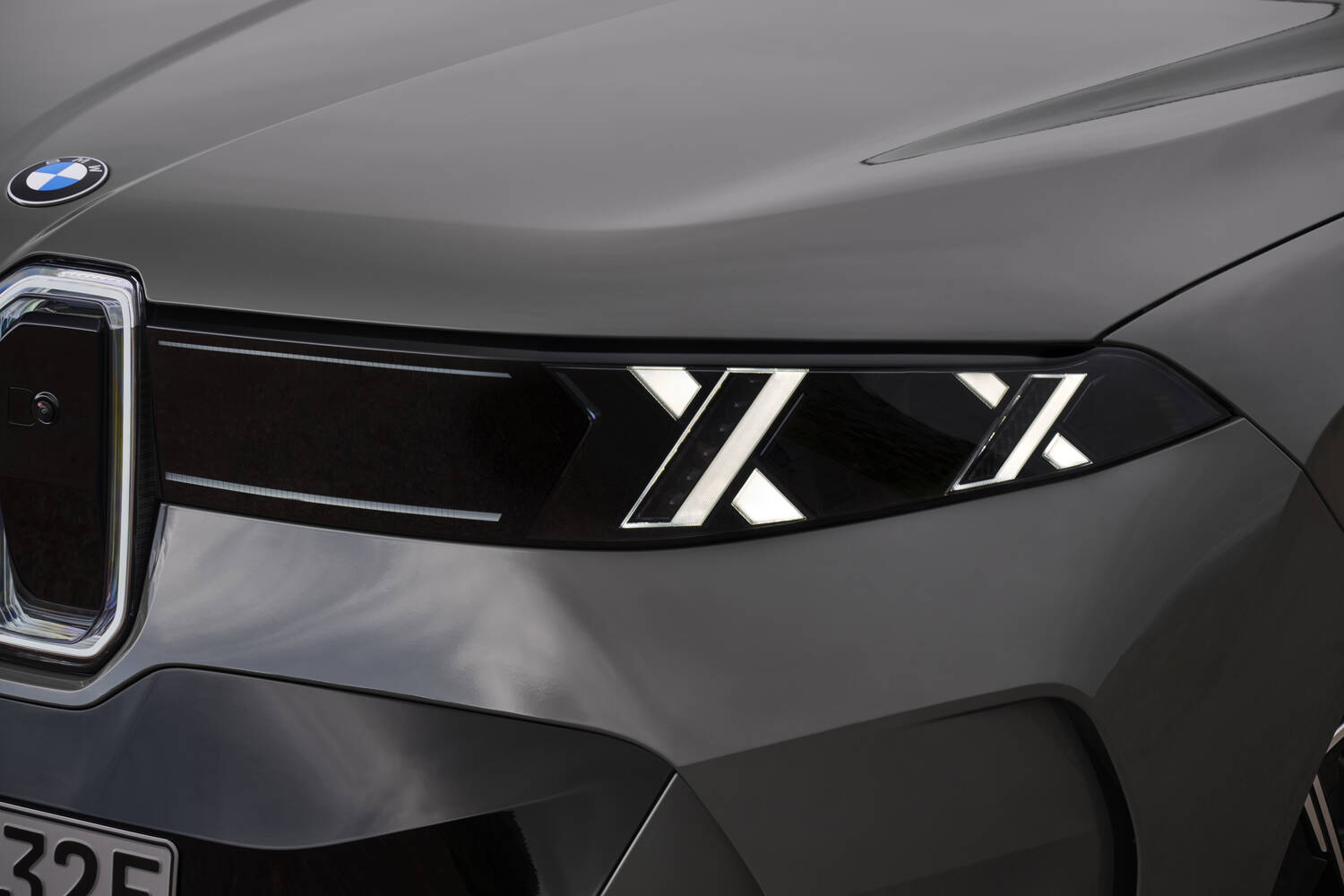
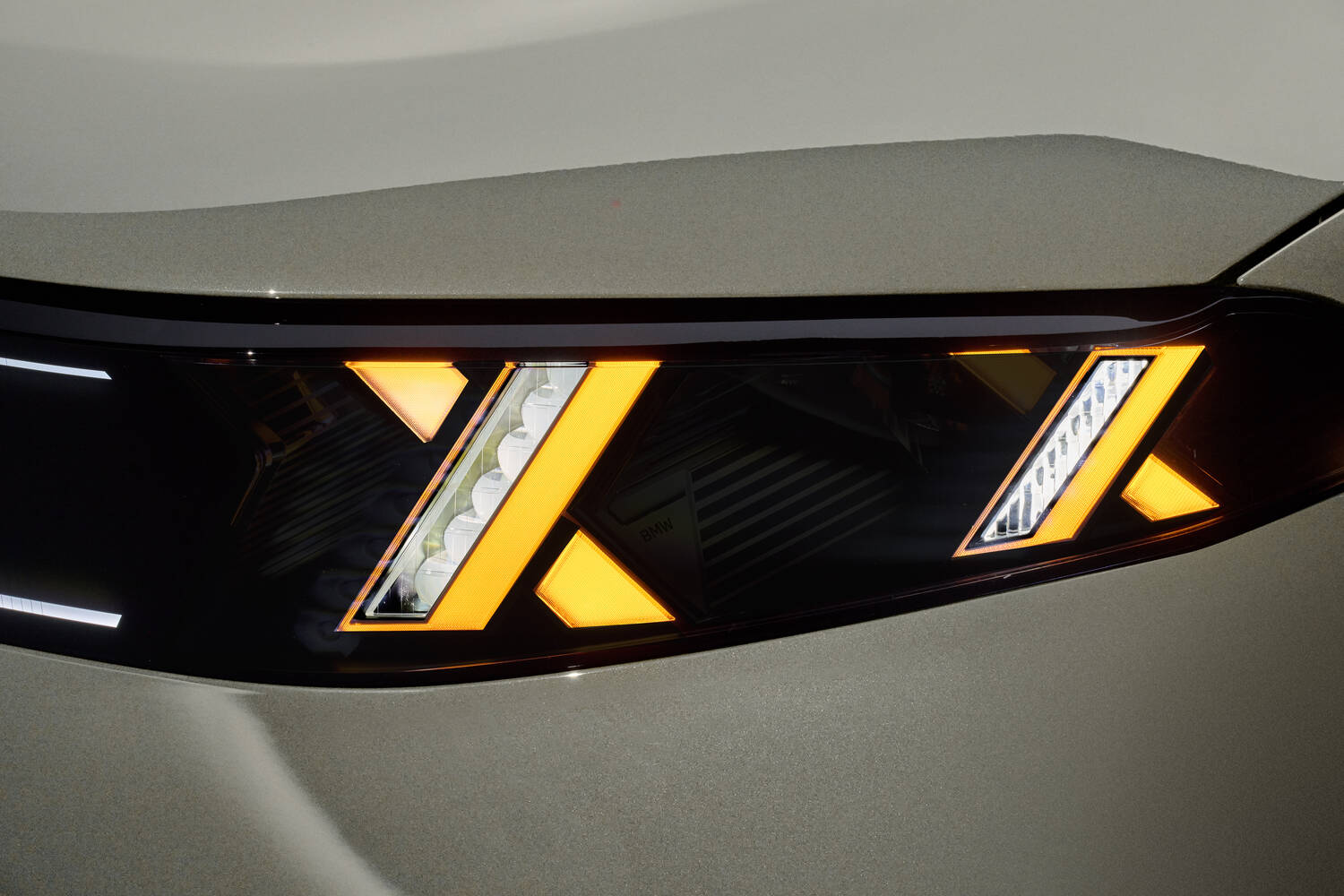
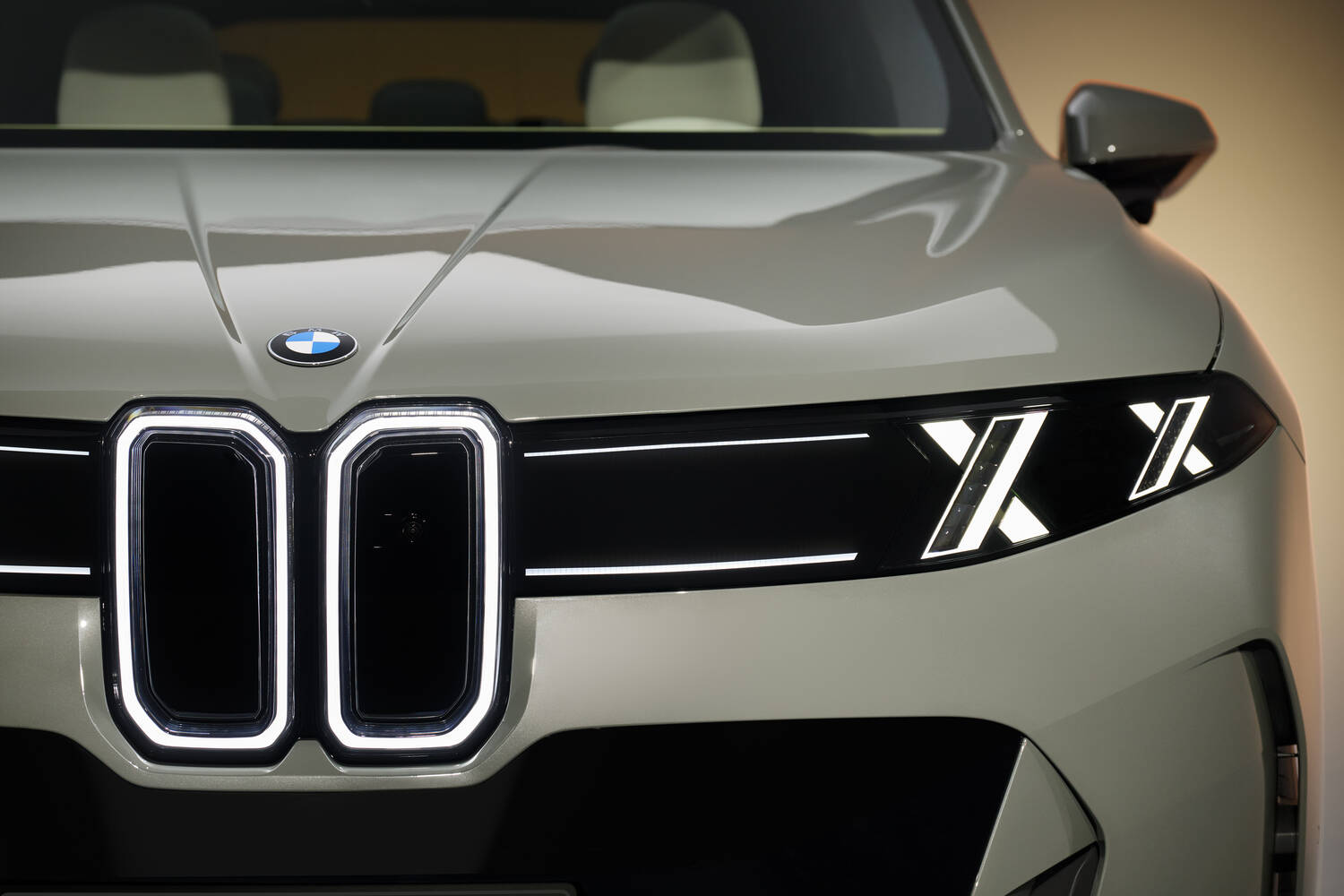
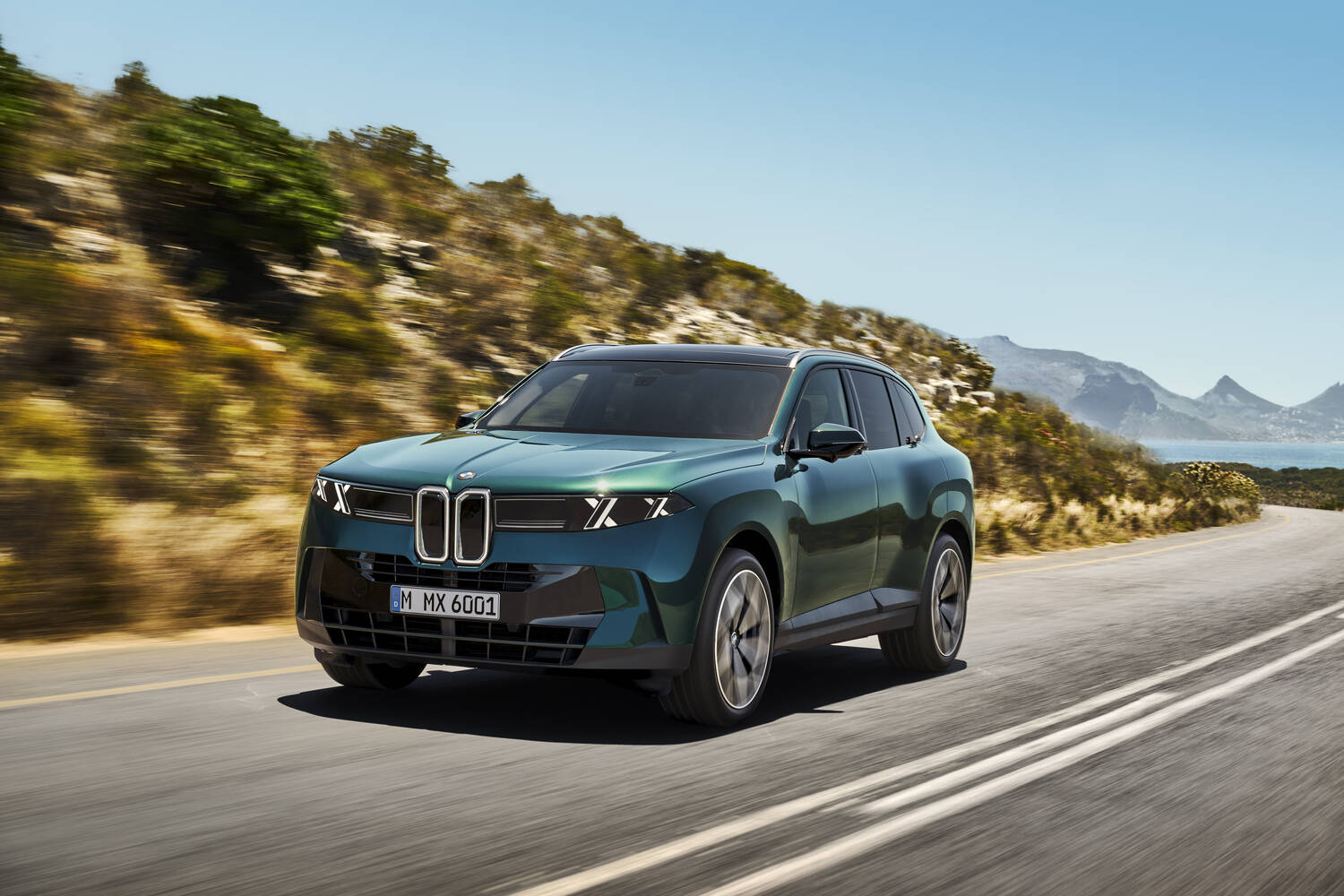
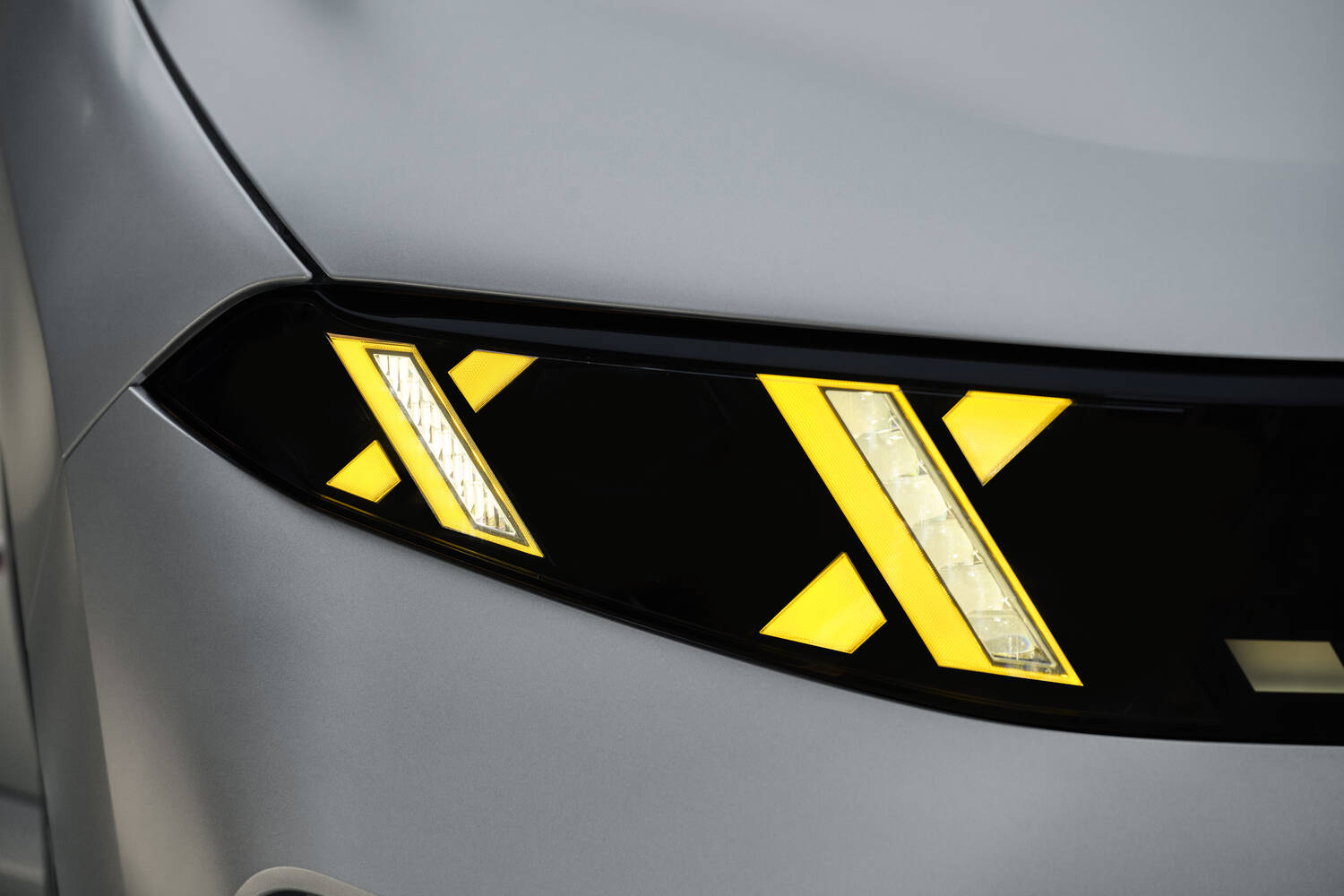
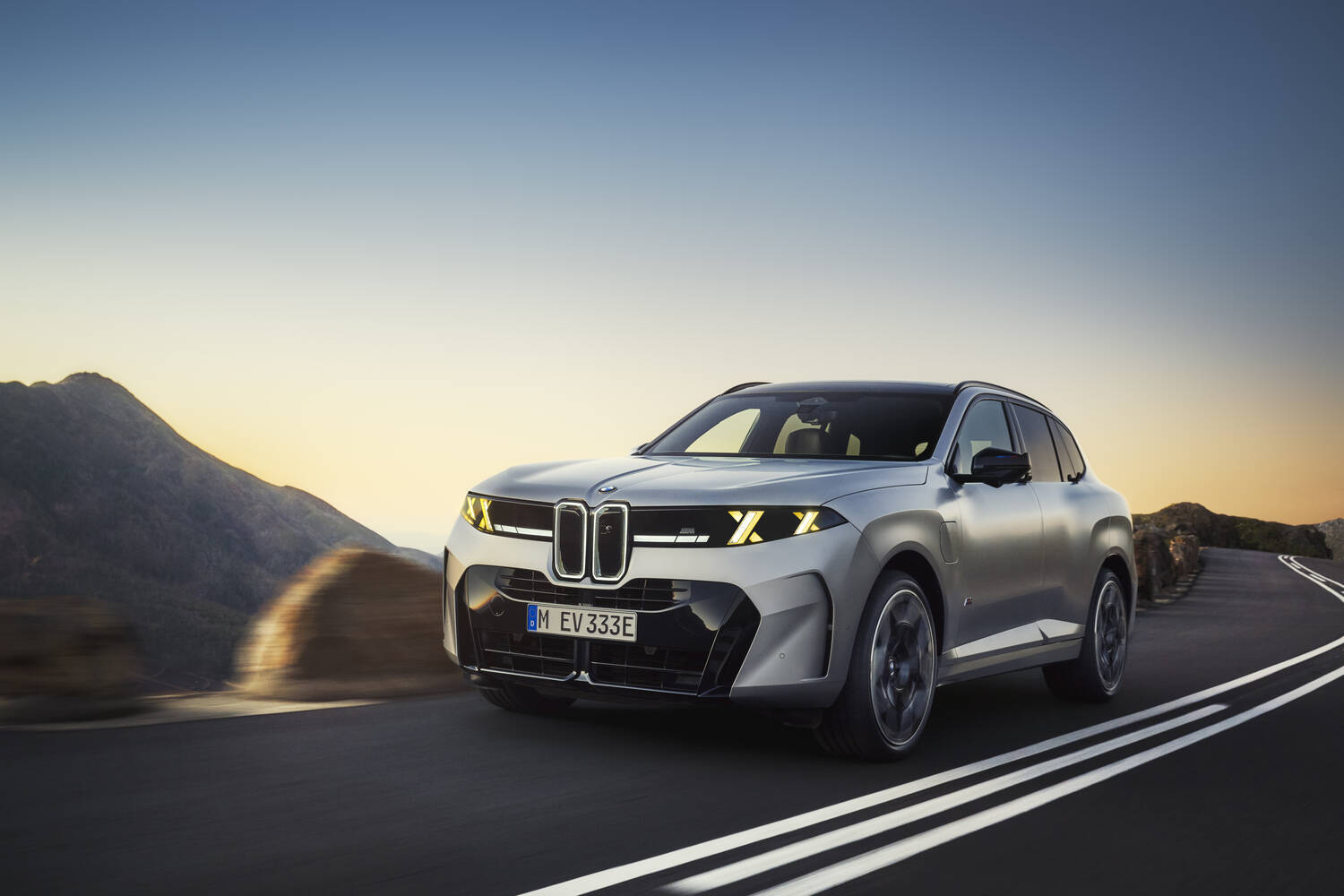
They are the most obvious talking point on the design front, along with the vertically aligned BMW kidney grille we've already seen on the iX3.
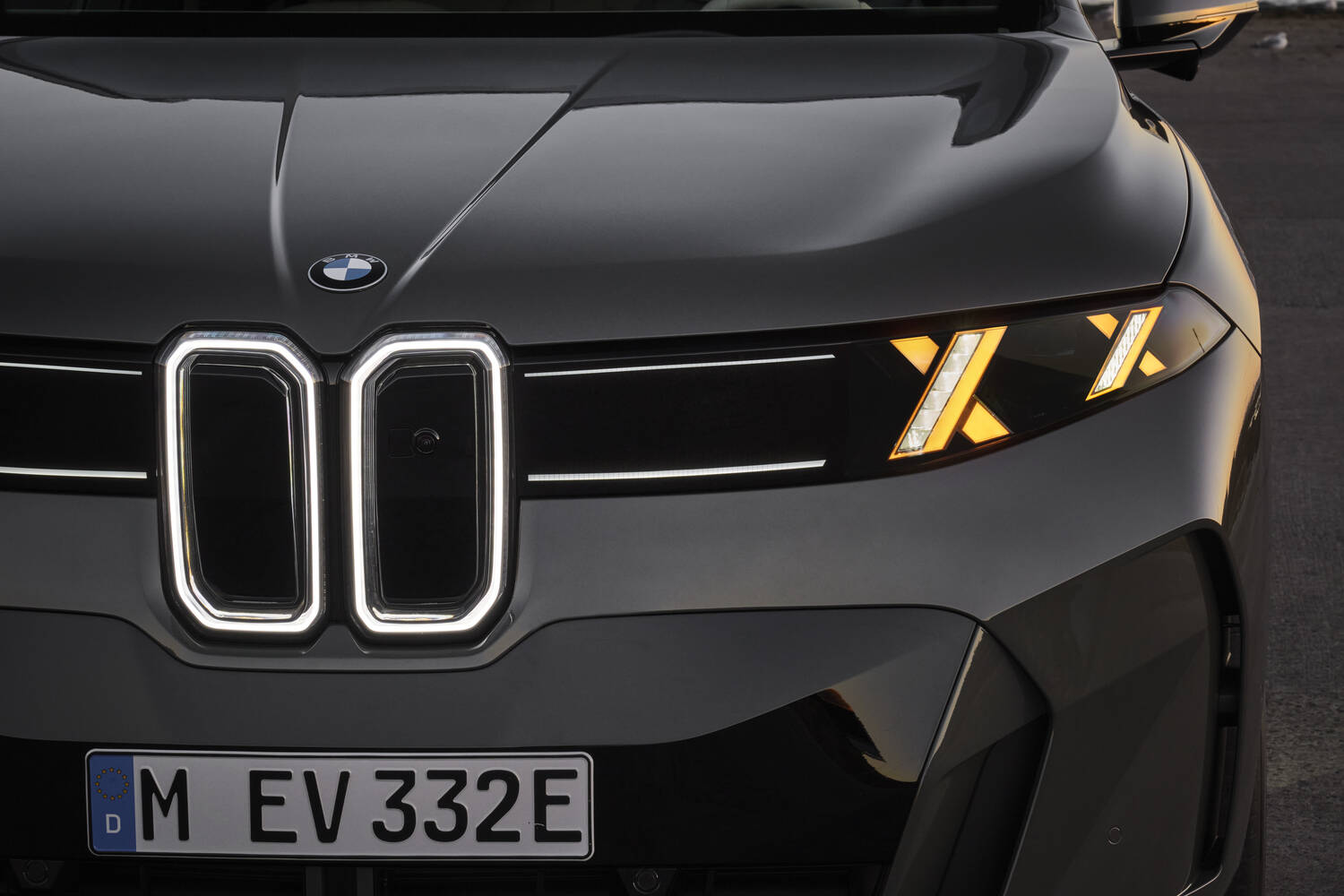
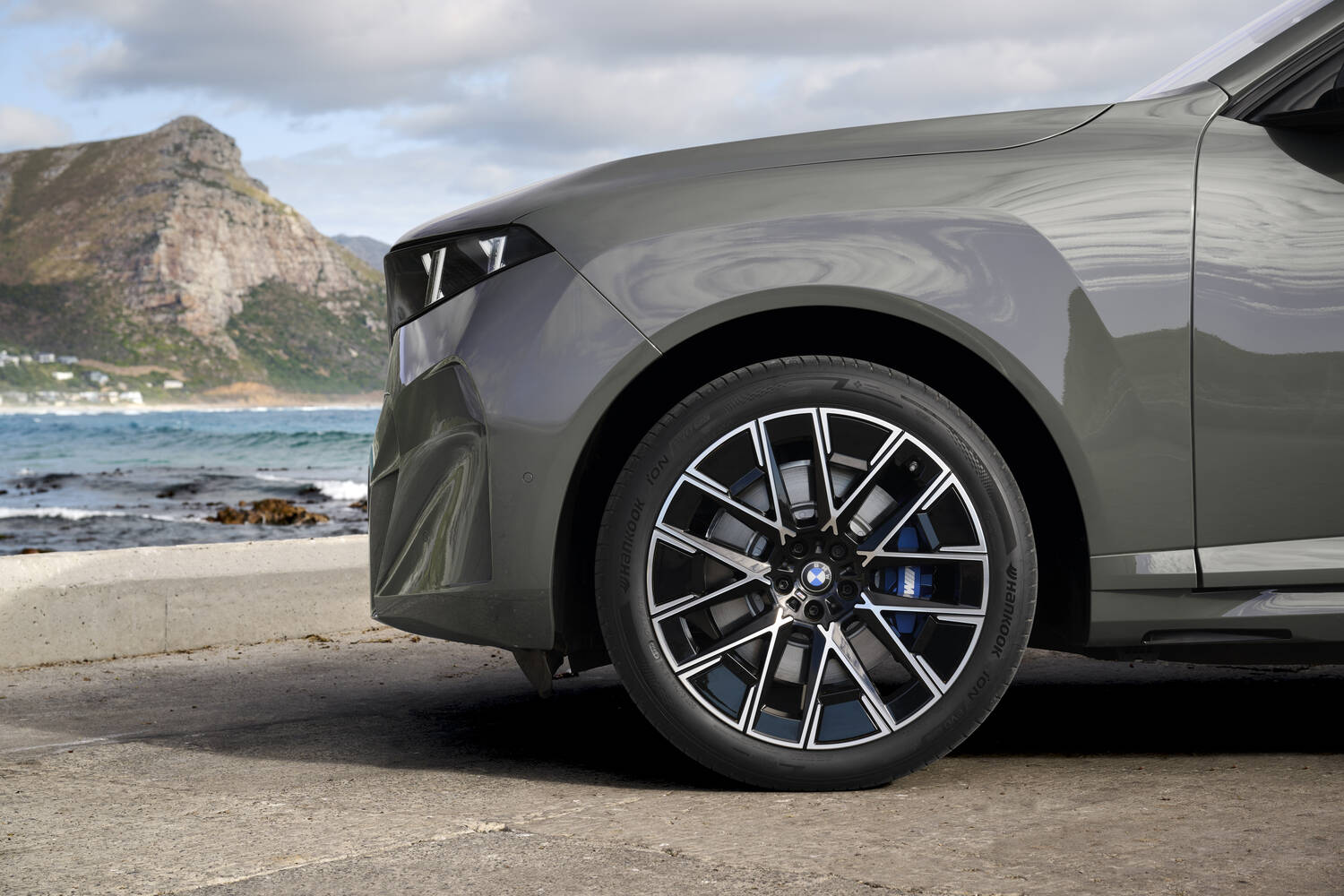
The distinctive double-X light units encompass the low-beam headlights, daytime running lights, side lights and indicators in a single visual element. Don't worry if you're not a fan of the X, as you can switch it to a diagonal design instead.
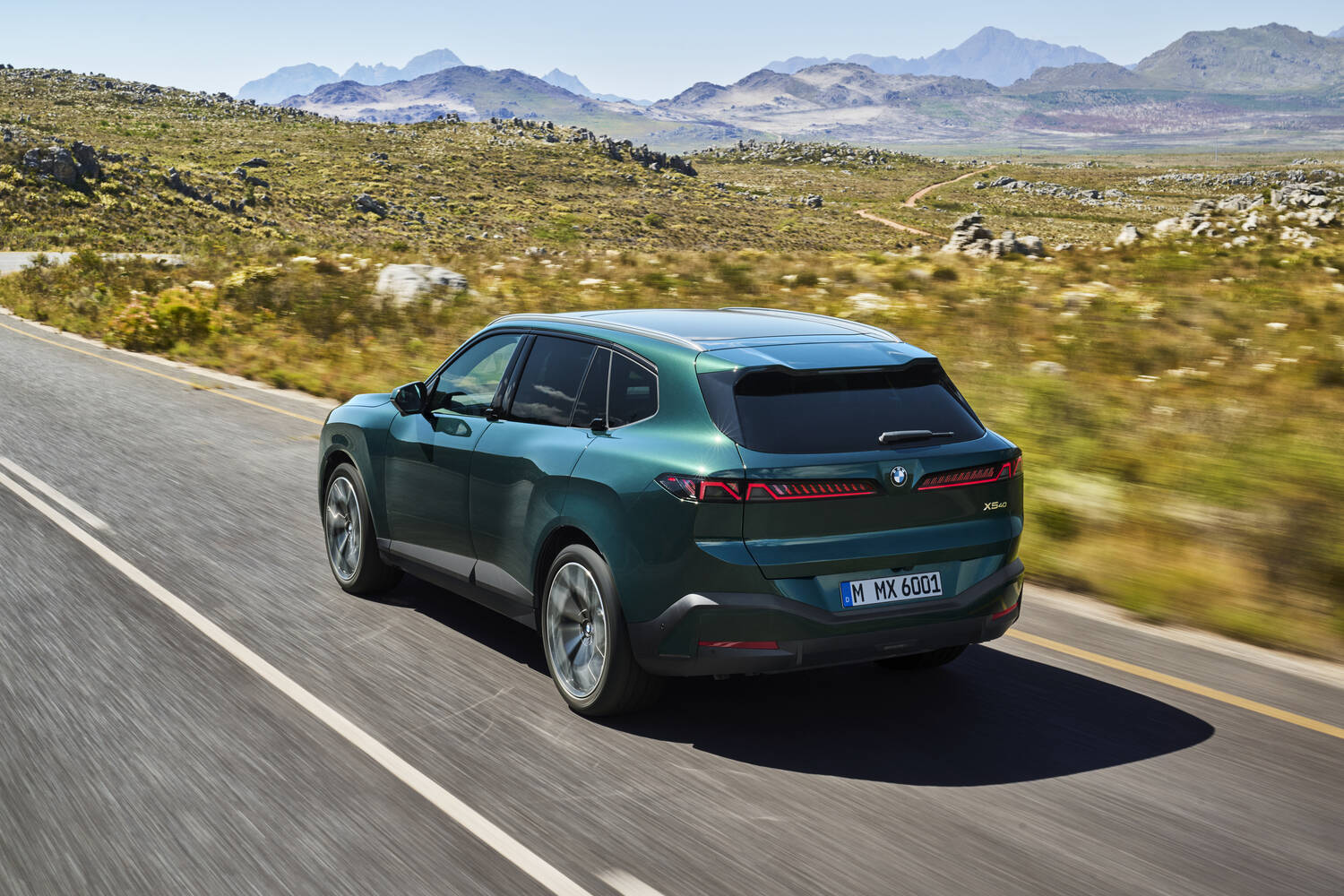
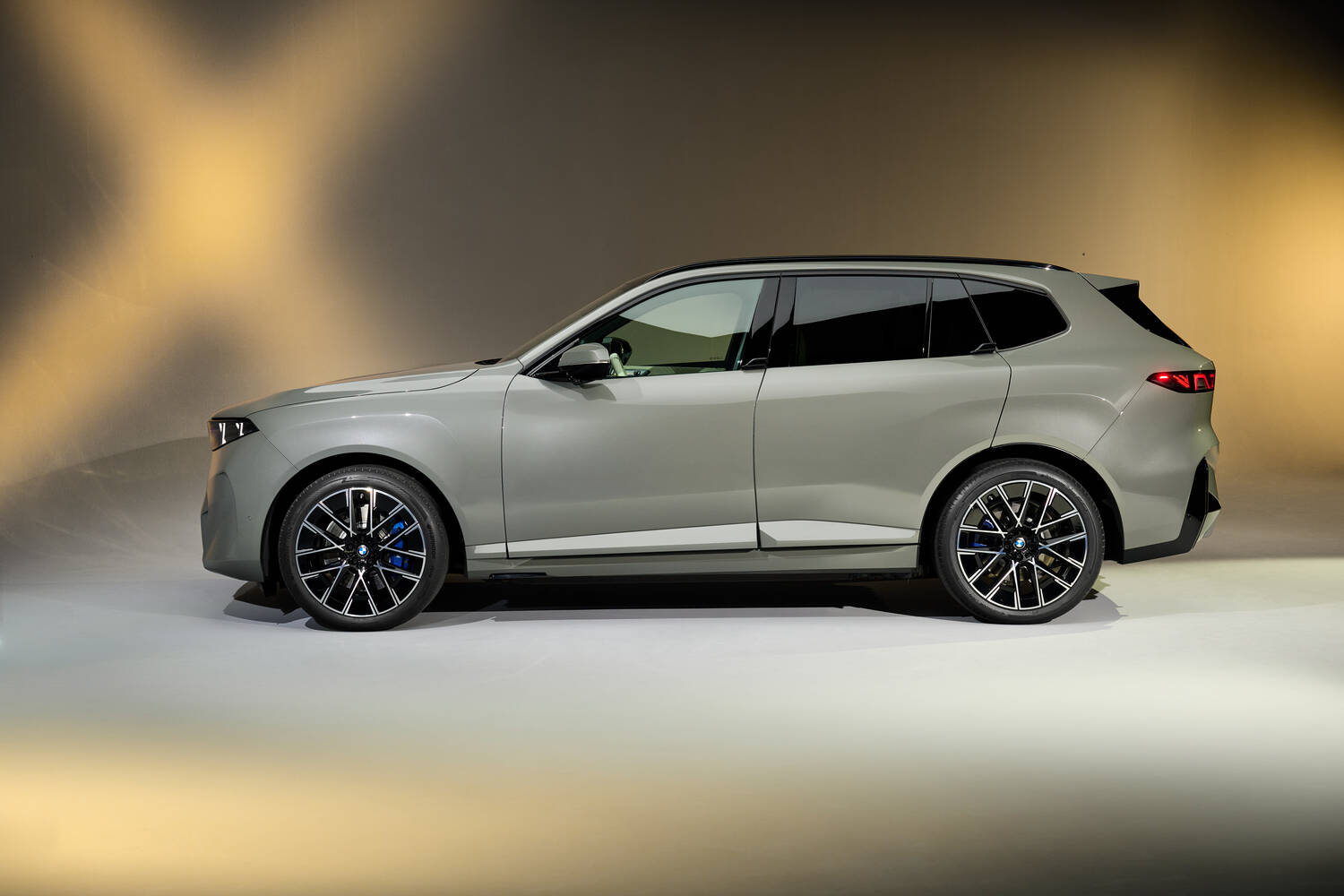
The overall proportions remain recognisably X5: upright, broad and substantial. BMW describes the exterior as more monolithic, and that is a fair way of putting it, with less adornment and a more vertical front than before. It's in keeping with the design of the iX3, on a grander scale.
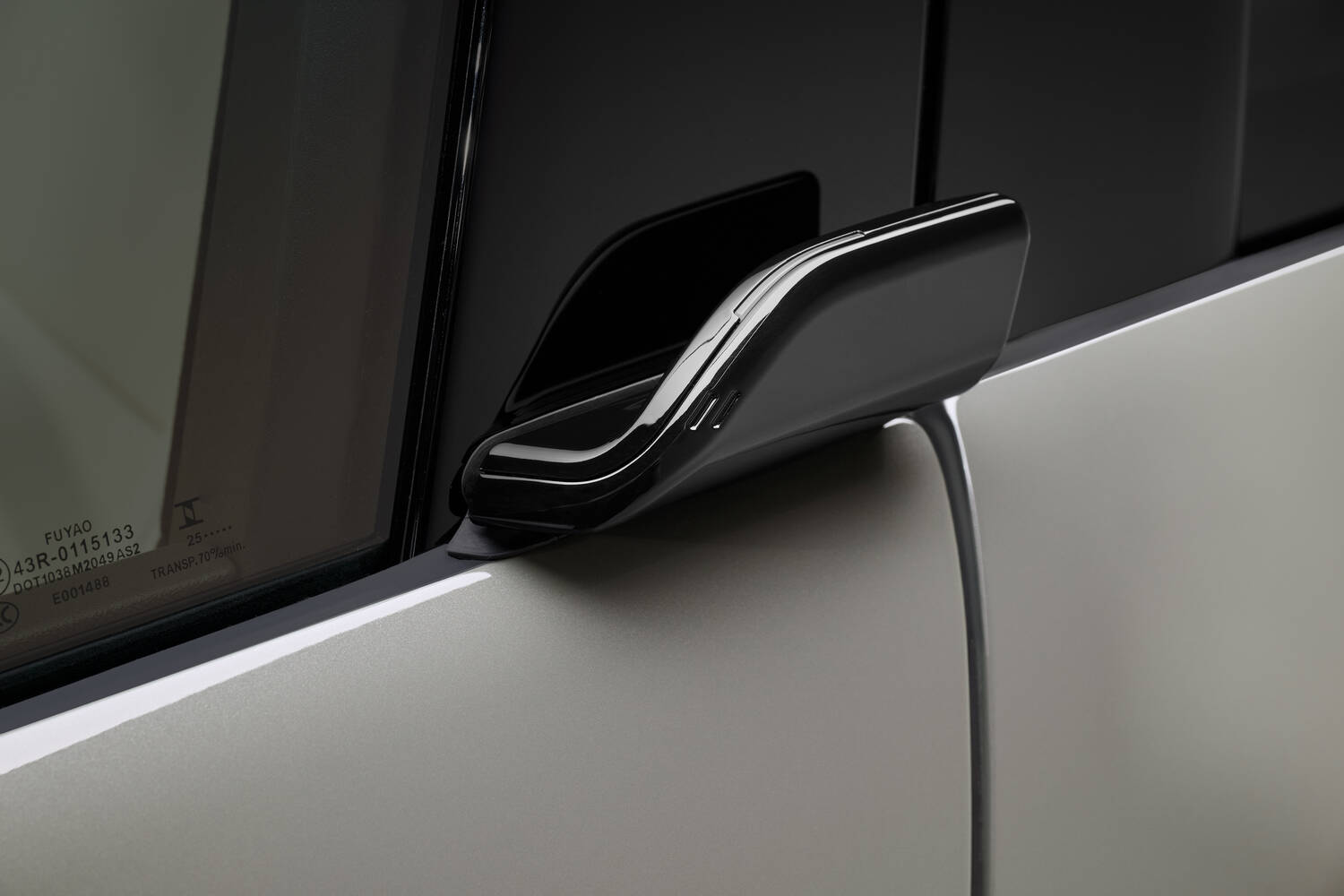
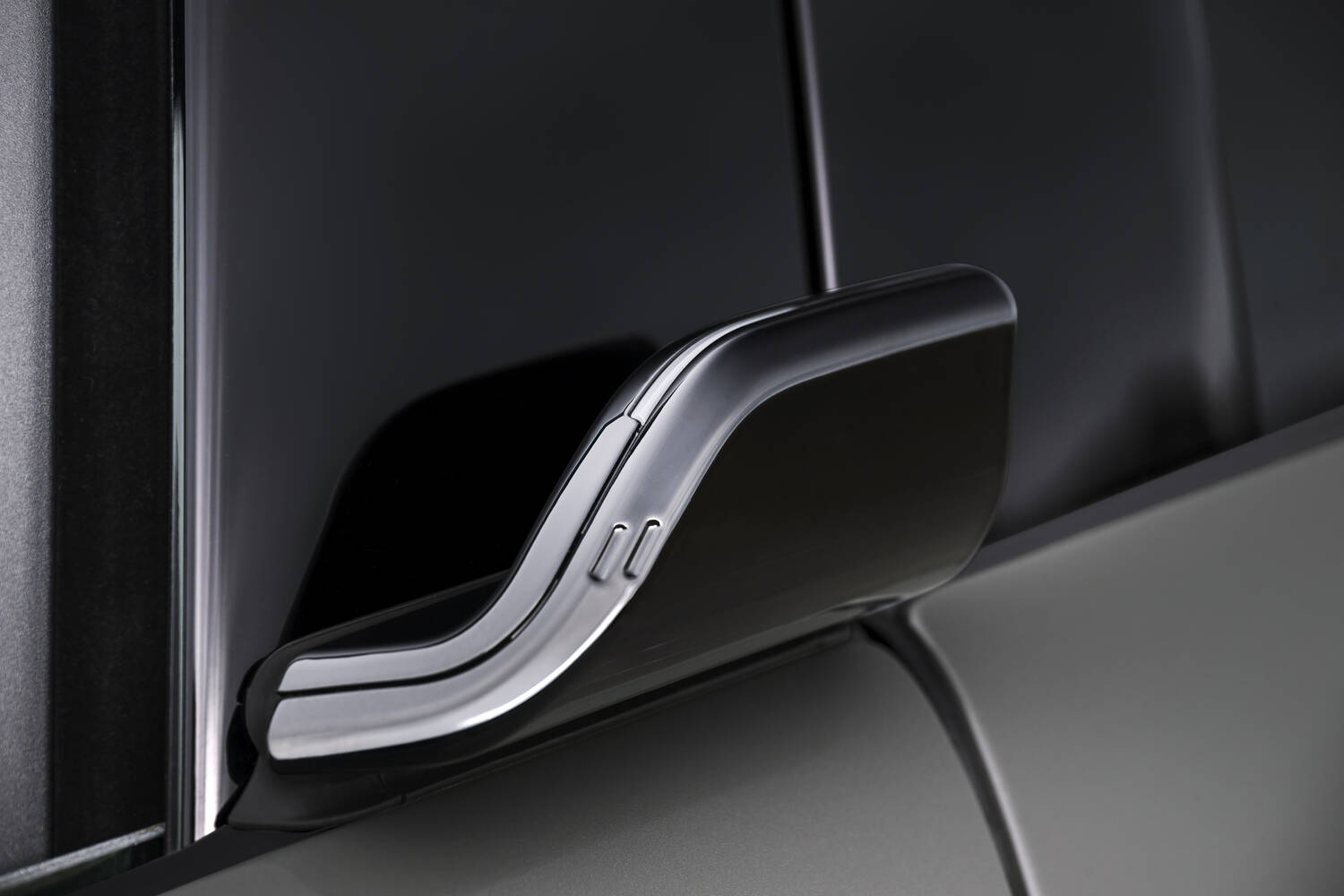
Different, however, are the X5's door handles, which take the form of aerodynamic 'Winglets' at the same level as the side glass.
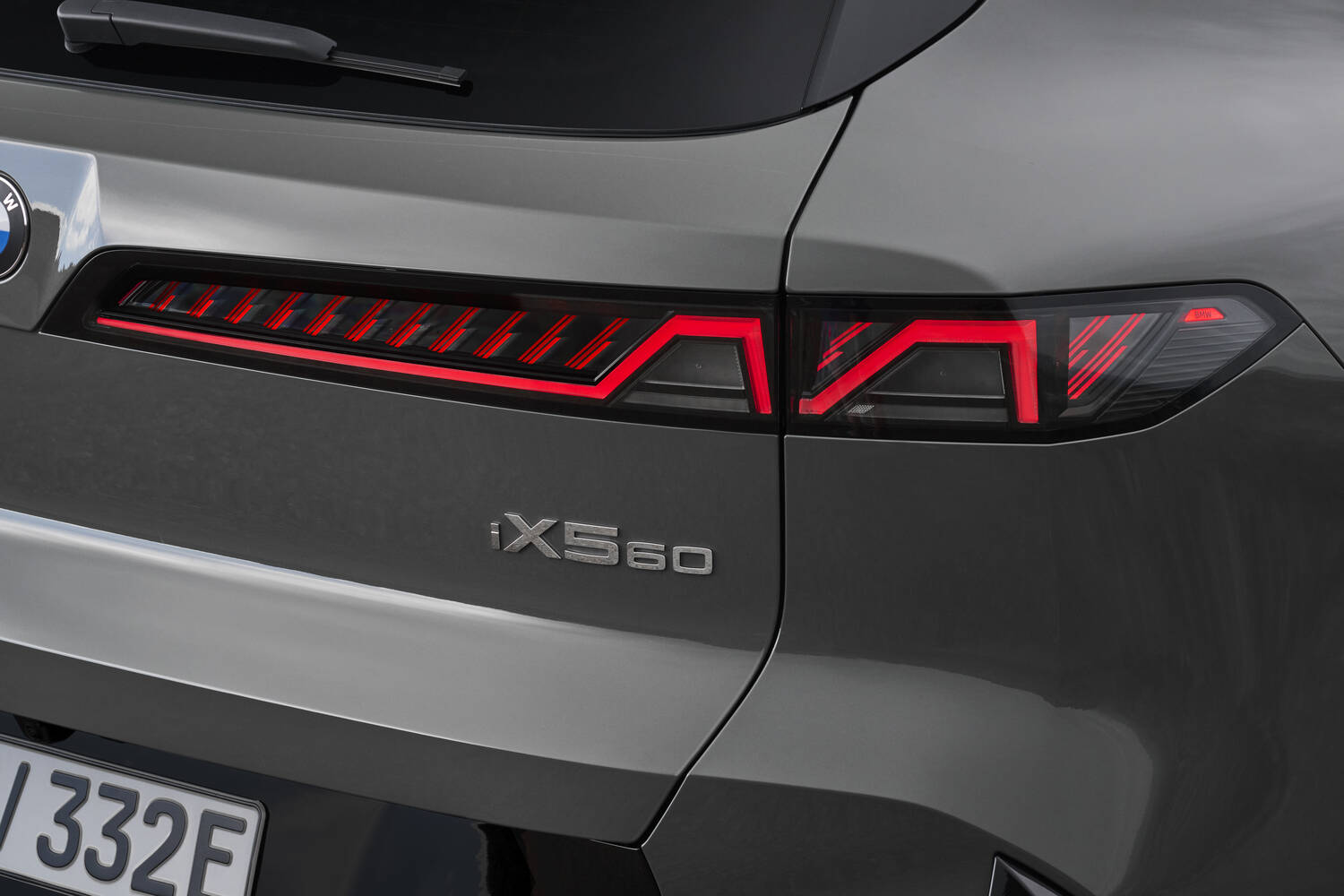
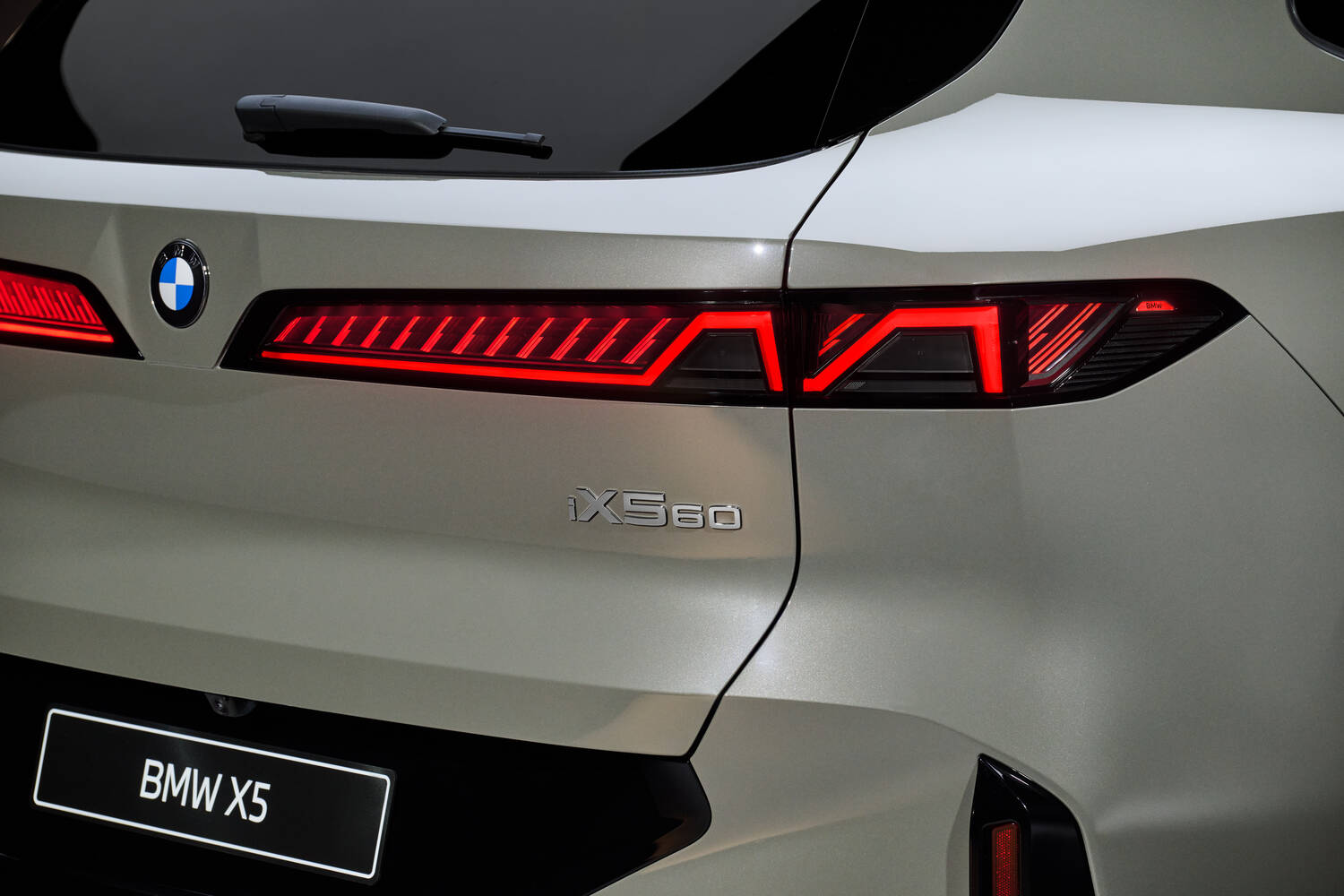
At the rear, the X5 uses slim LED lights stretching across much of the tailgate to emphasise the car's width. They're similar to what's on the iX3, but somehow more expressive.
M Sport and M Sport Pro will be the trim levels, while the X5 M60e xDrive gets its own visual treatment, including M Yellow Lights and four exhaust outlets.
Is the BMW X5 still properly roomy inside?
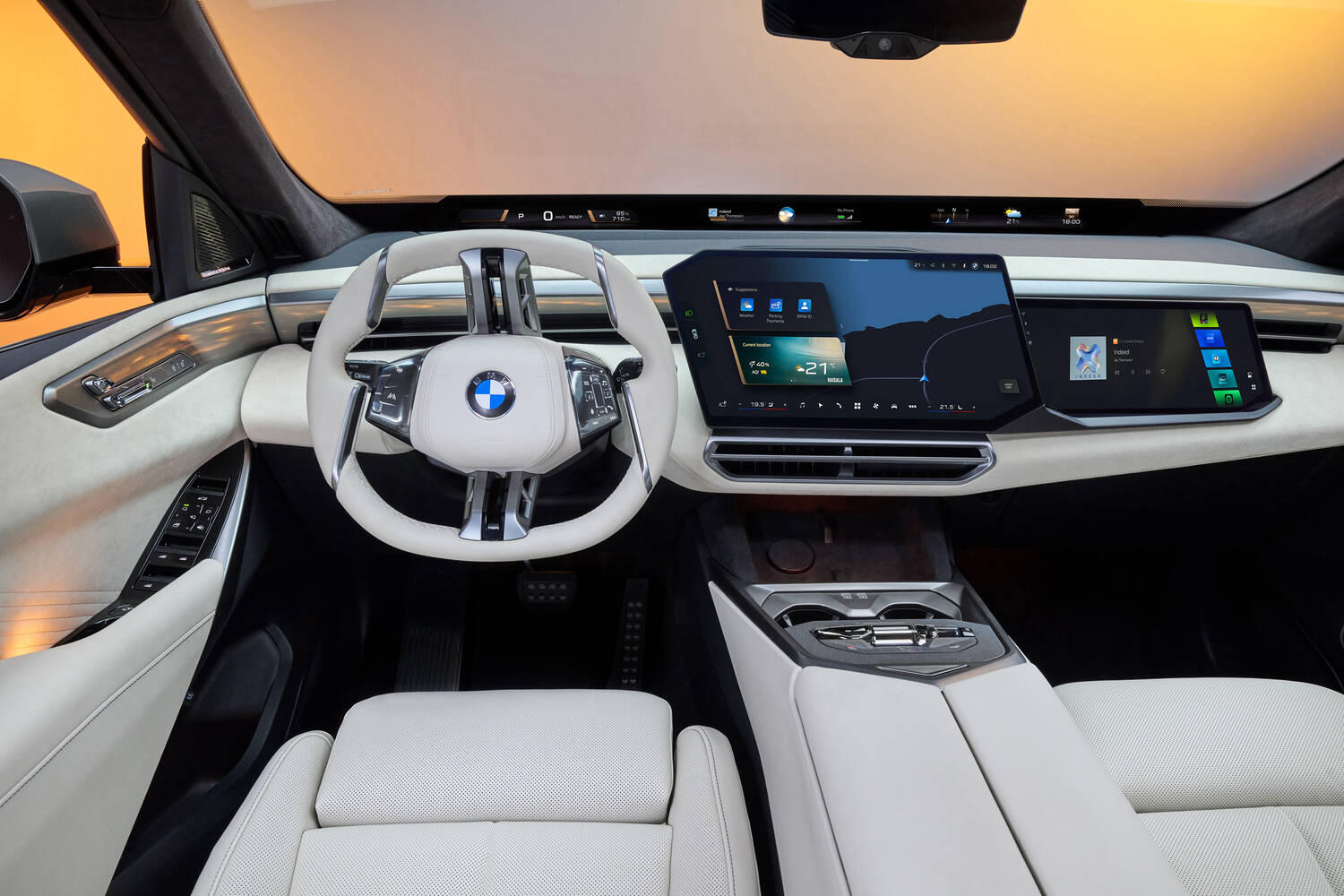
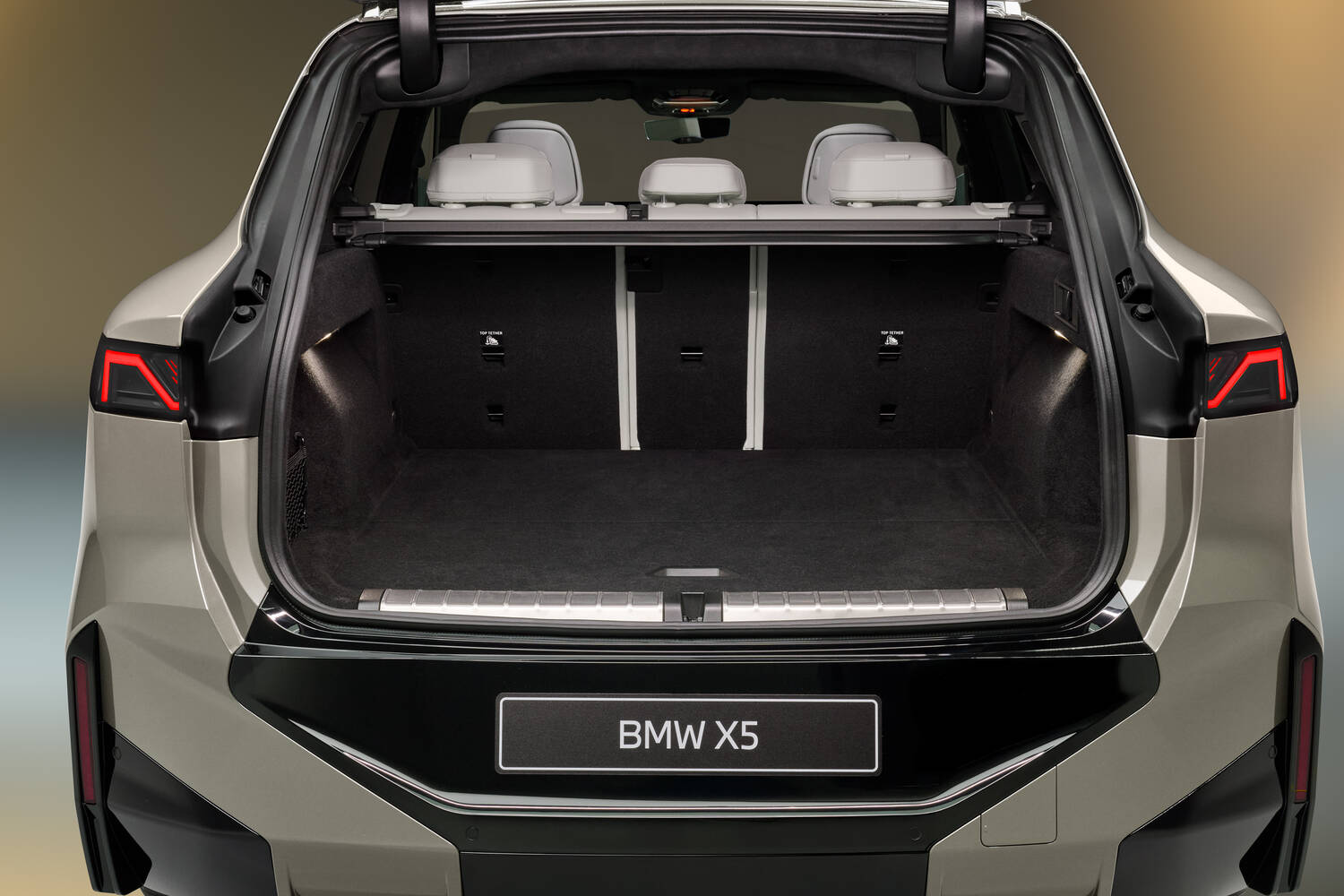
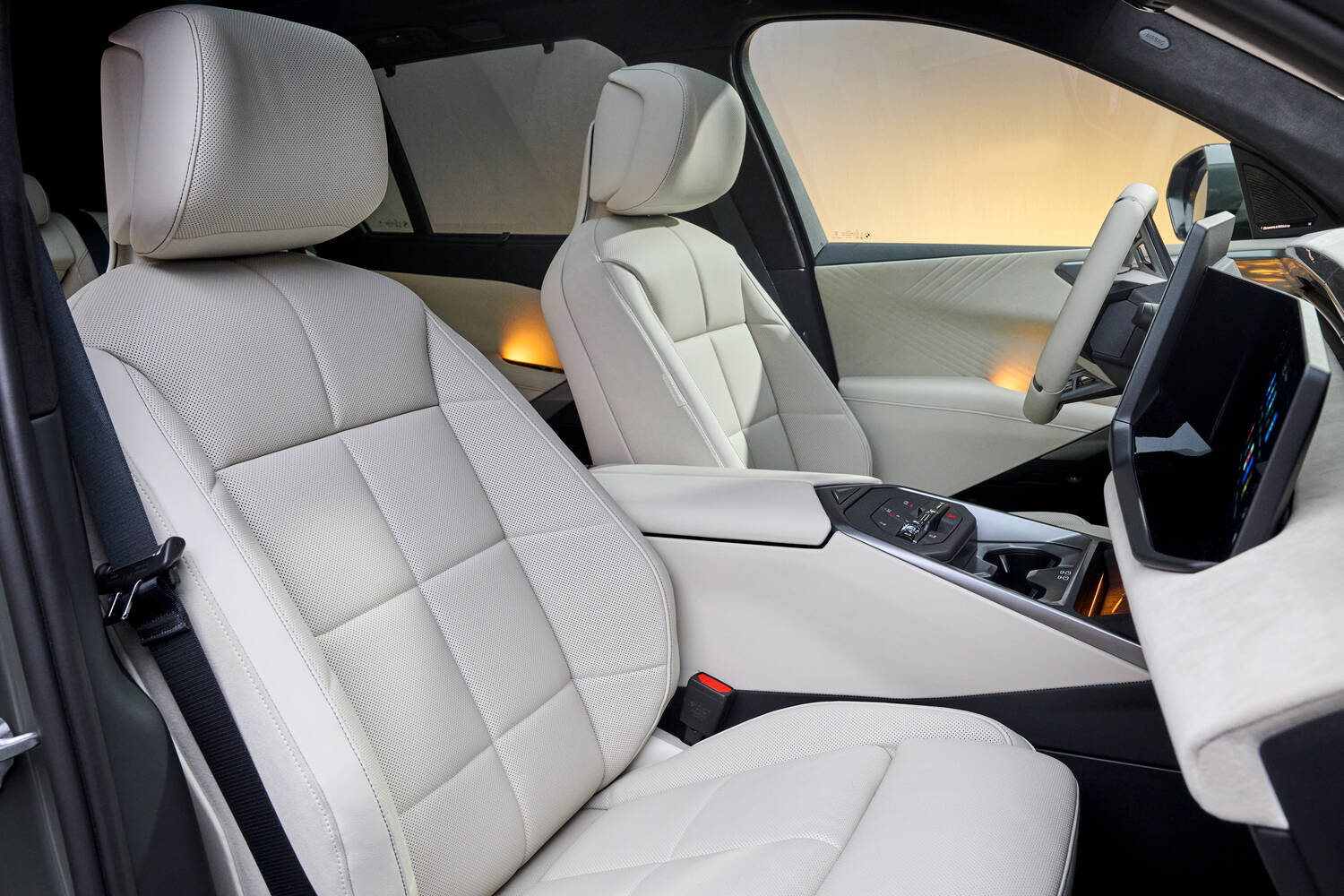
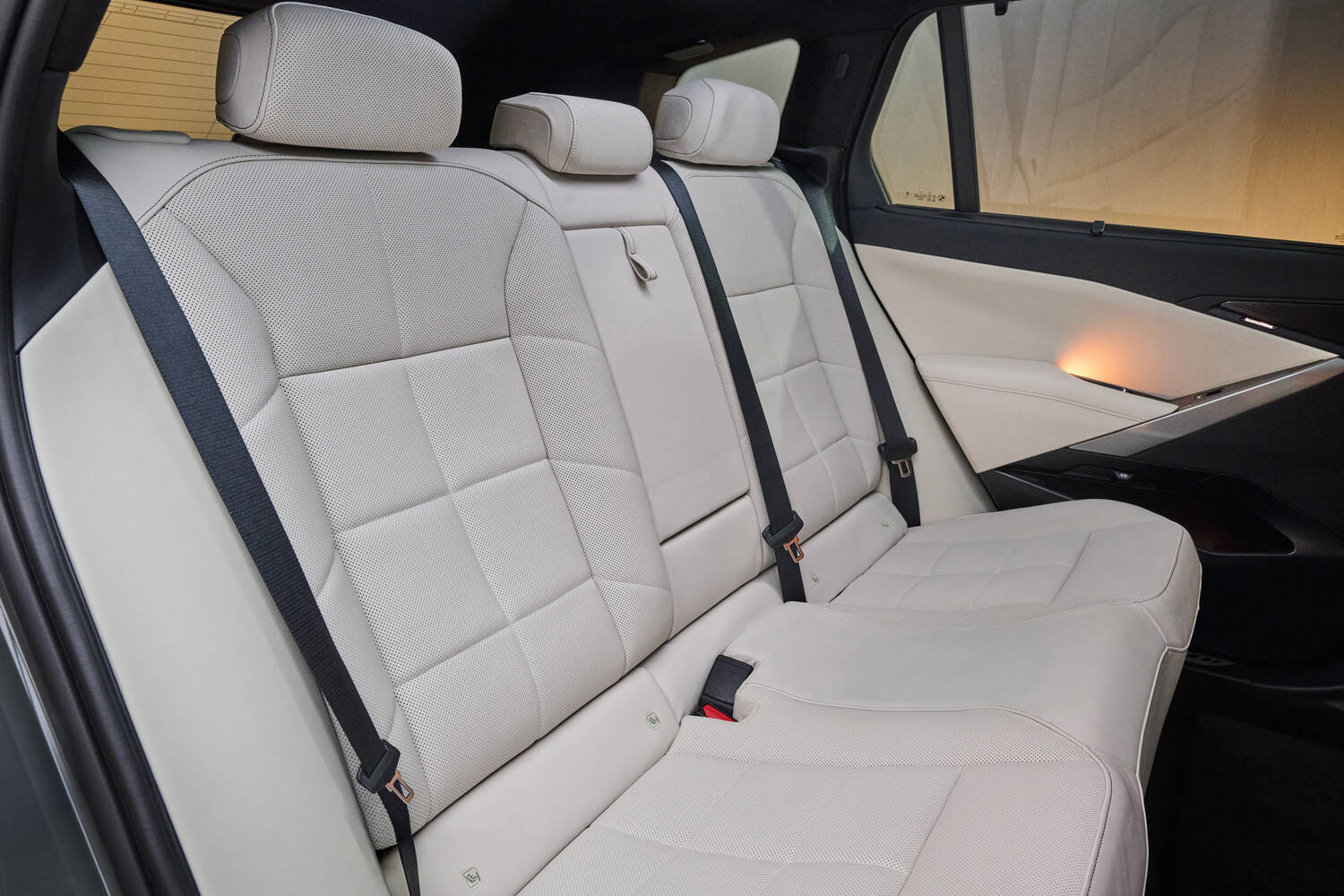
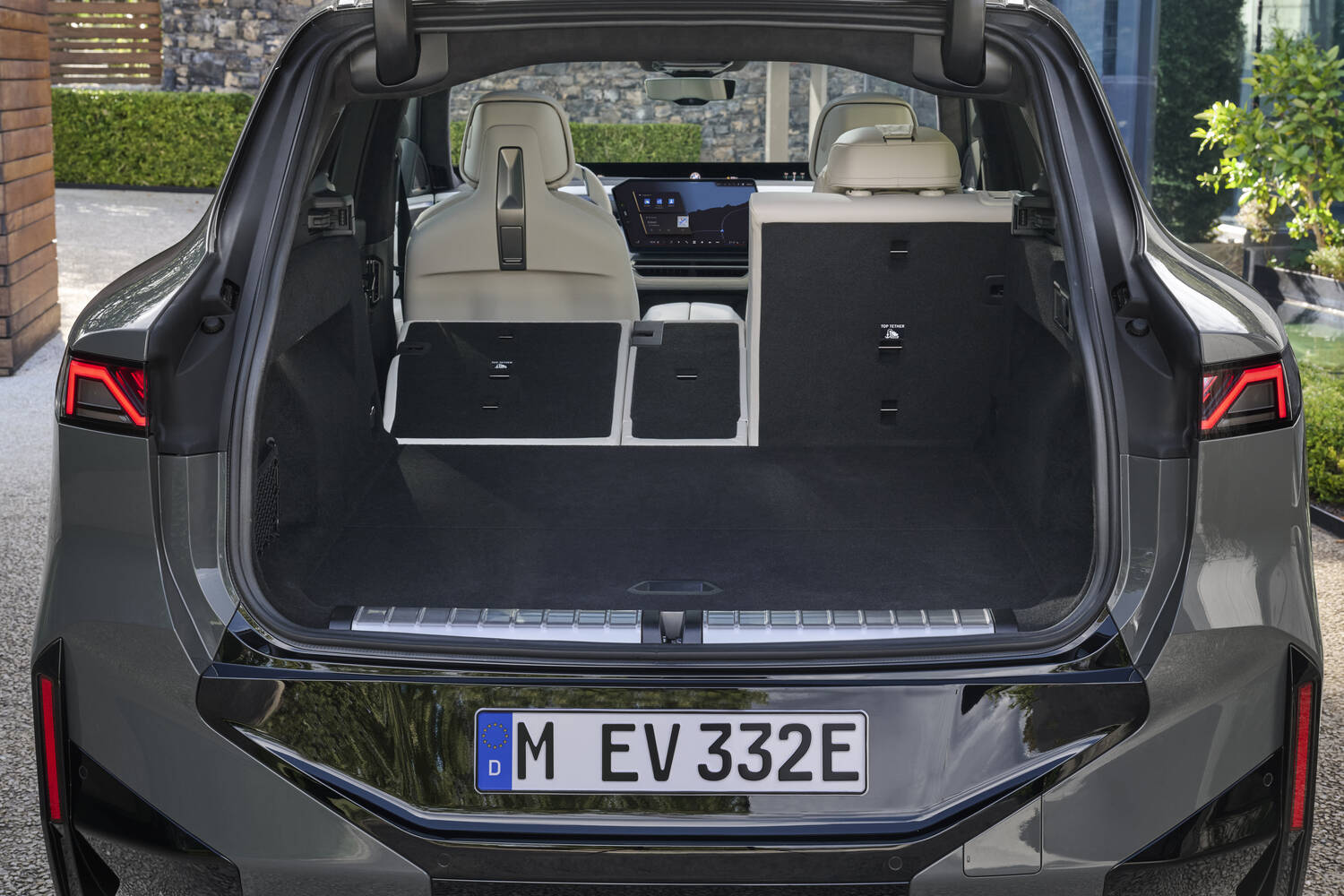
To date, there's no mention of the seven-seat layout of old, so we're assuming the BMW X5 will be a five-seater only, with buckets of space in the cabin and the boot.
Saying that, the boot capacity varies by model. So, while the iX5, along with the petrol- and diesel-powered versions, accommodates up to 655 litres with all seats in use, the plug-in hybrids' boots are smaller, at 525 litres.
New to the BMW X5 are automatic doors, which electrically open at the smallest touch of those Winglets mentioned above. Or, using Digital Key Plus, the owner can set the car up so their door opens automatically as they approach.
Among other methods, the doors close when the driver puts their foot on the brake pedal. This system will likely be optional, though Soft Close doors is included across the range.
Also standard is the panoramic glass roof with an opening section and '2.5-zone' climate control. The BMW iX5 has a heat pump.
What about all the screens?
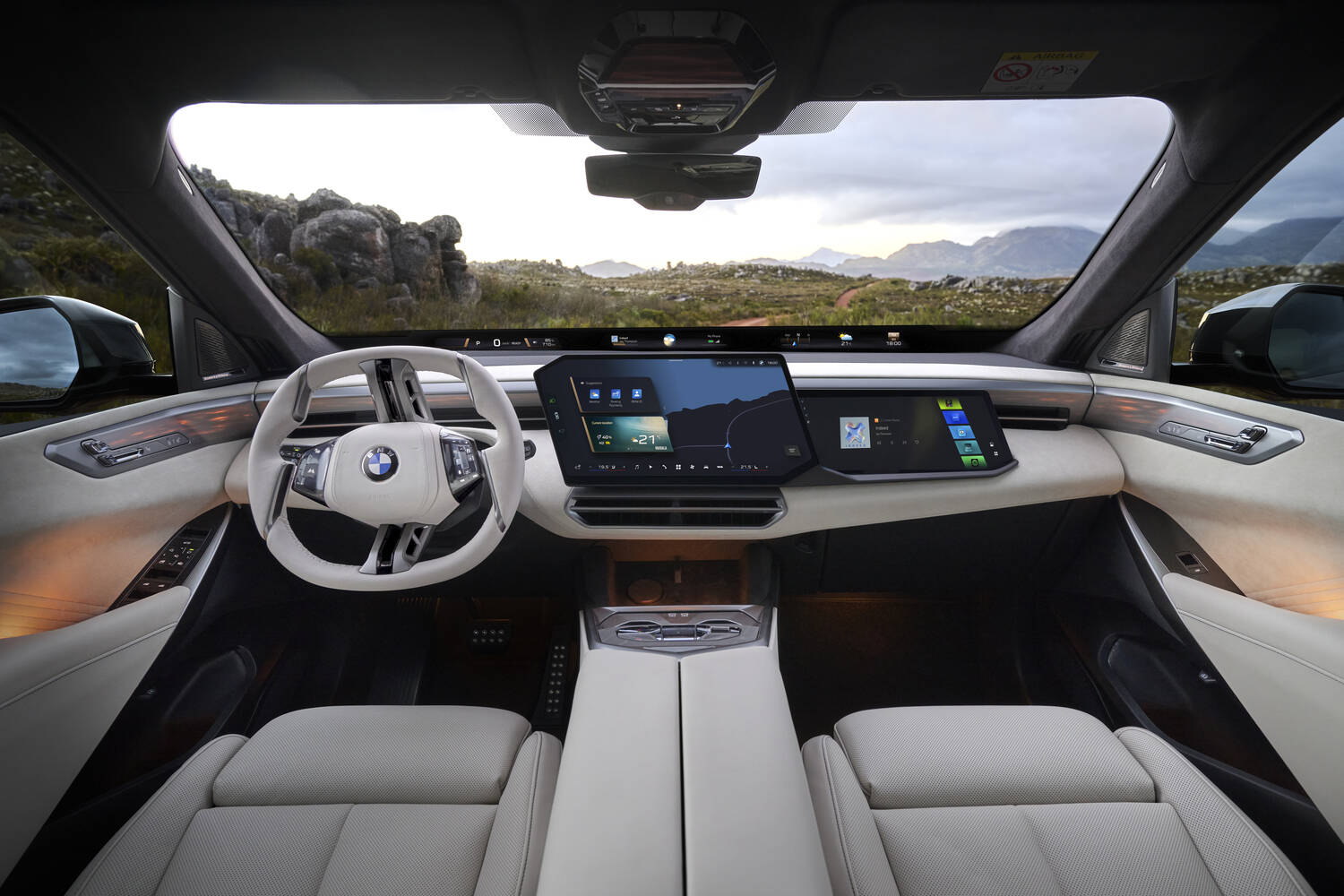
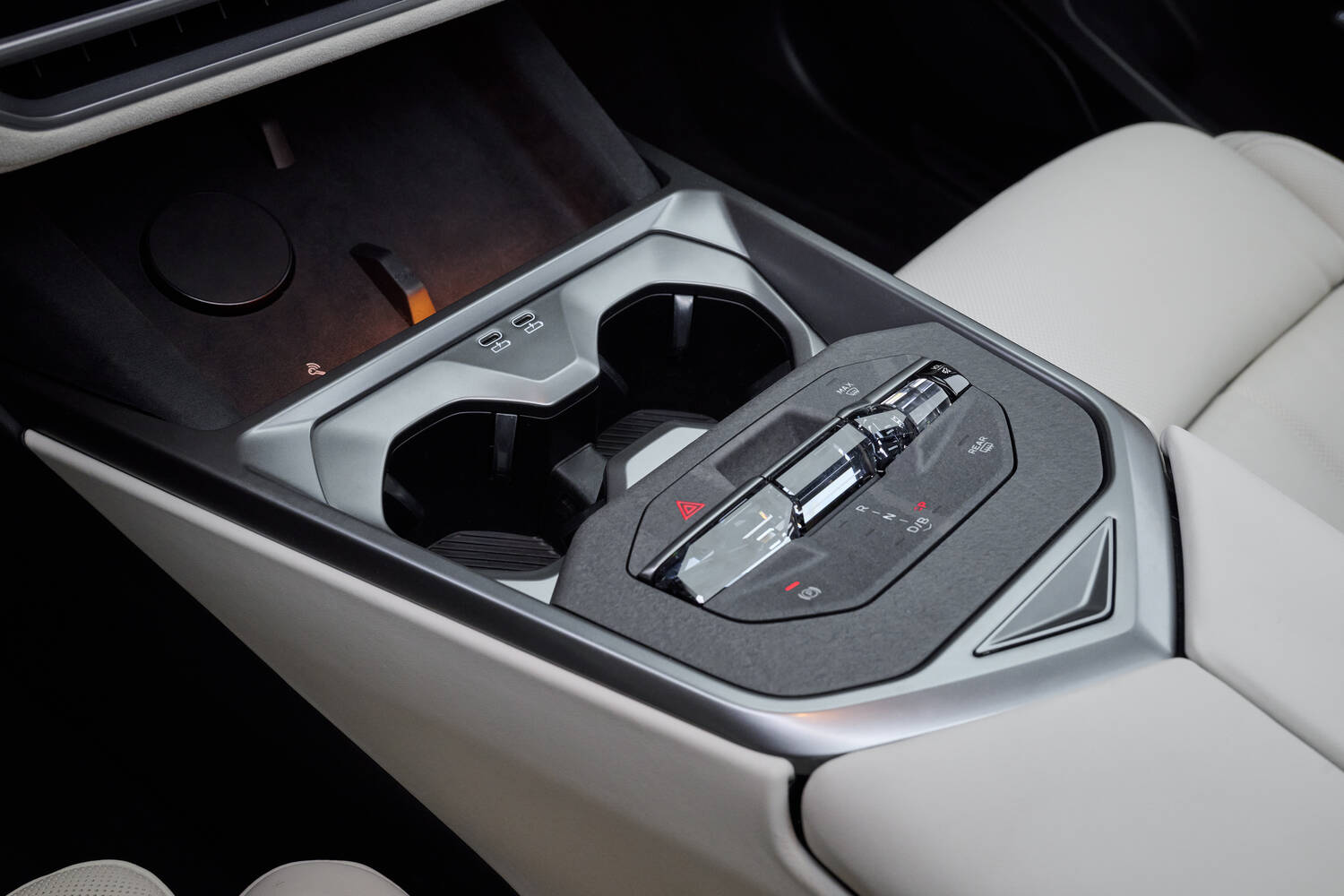
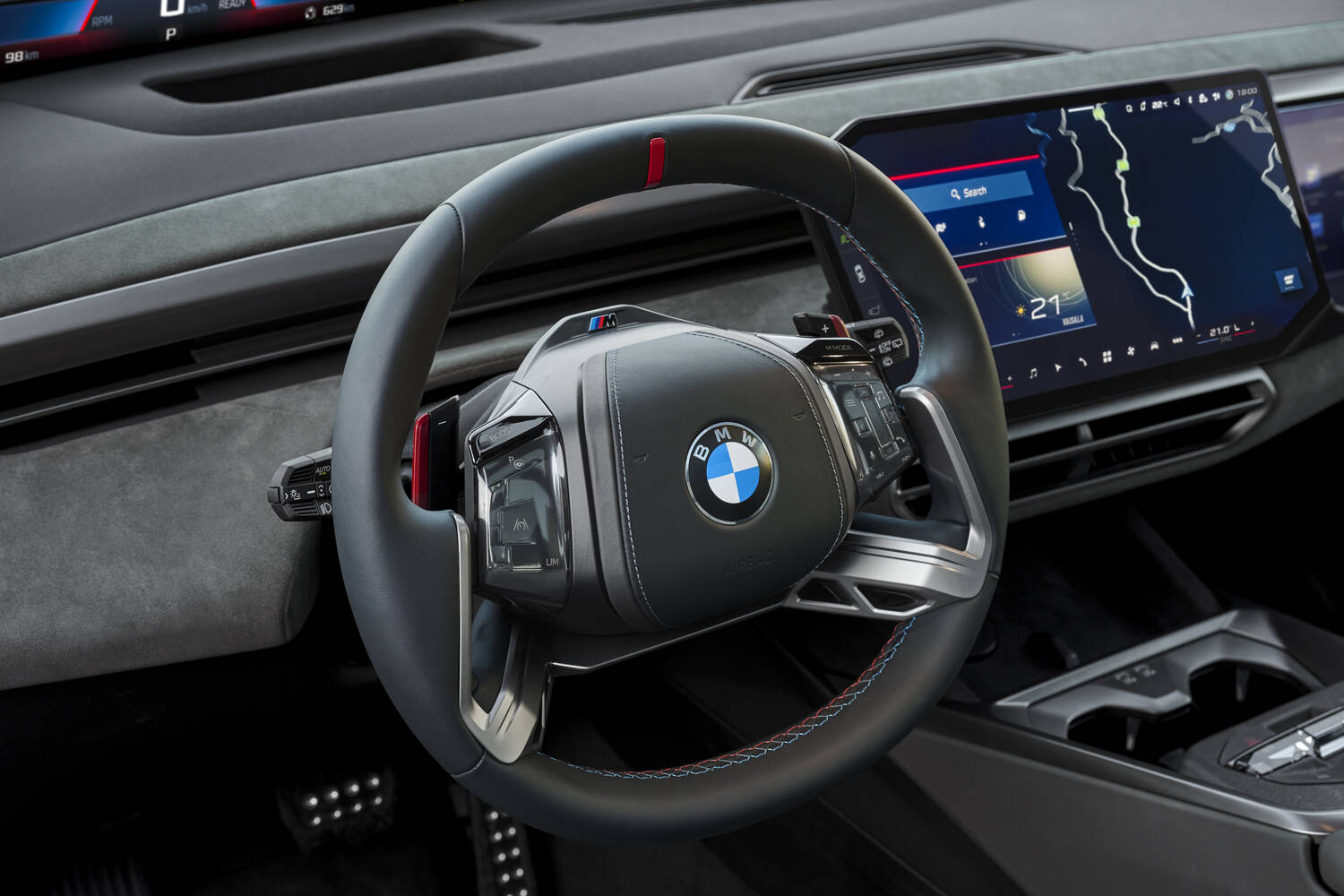
The core system is BMW Panoramic iDrive, running BMW Operating System X with the BMW Intelligent Personal Assistant using extended AI technology.
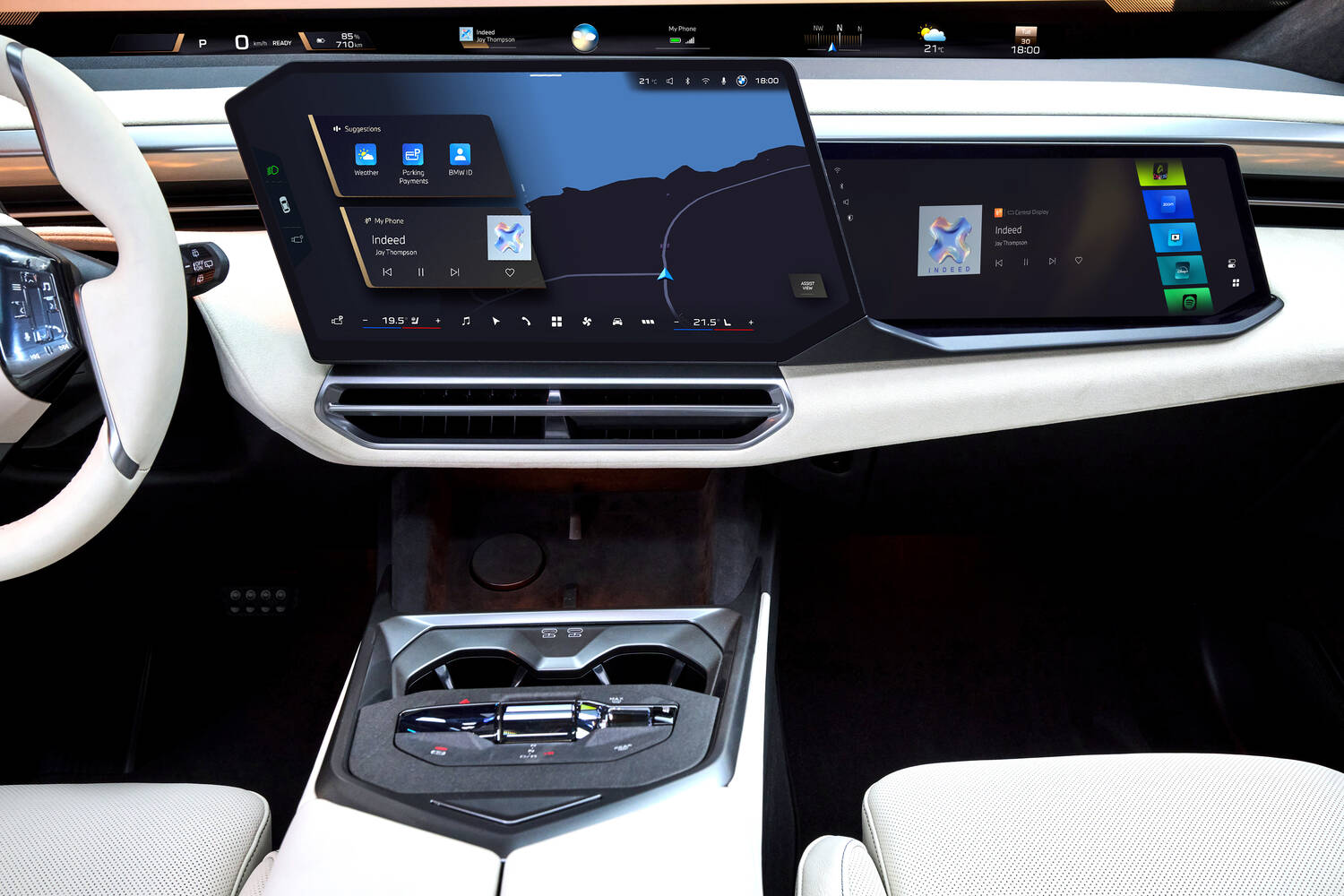
As we've seen in the BMW iX3 and forthcoming i3, the set-up includes Panoramic Vision (a strip running across the full base of the windscreen), along with a 3D head-up display, a 17.9-inch touchscreen and an optional passenger-side touchscreen.
The X5 will also be offered with BMW Symbiotic Drive, which is designed to provide assistance matched to the driver's behaviour. The optional Parking Assistant Professional system can include remote-control functions via the My BMW app.
When does the new BMW X5 arrive in Ireland?
BMW has not supplied Irish prices as yet so any figure at this stage would be guesswork, though it's safe to say that the iX5 will be more expensive than the iX3, currently priced from €66,985, and that the plug-in-hybrid models won't be more affordable than the current car, which starts at about €103,000.
We'd assume the first examples will arrive in Ireland before the "272” plate in July 2027.
Video player loading.
Video unavailable. Watch on YouTube
If there is anything about this story we have not covered, you can avail of our expert advice service via the Ask Us Anything page.