

However, gathering personal data is not Renault's plan here. Quite the opposite.
So… what is the plan?
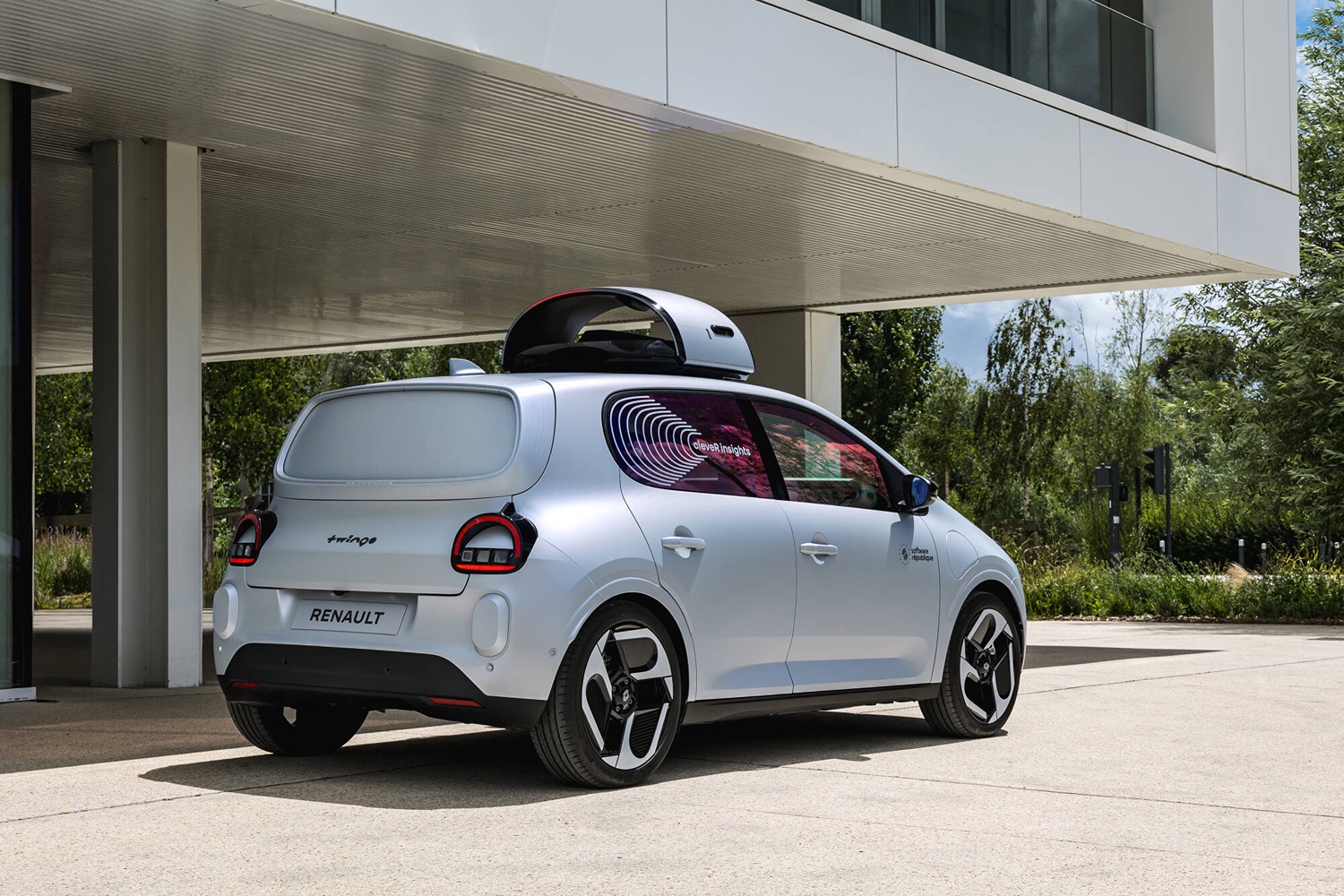
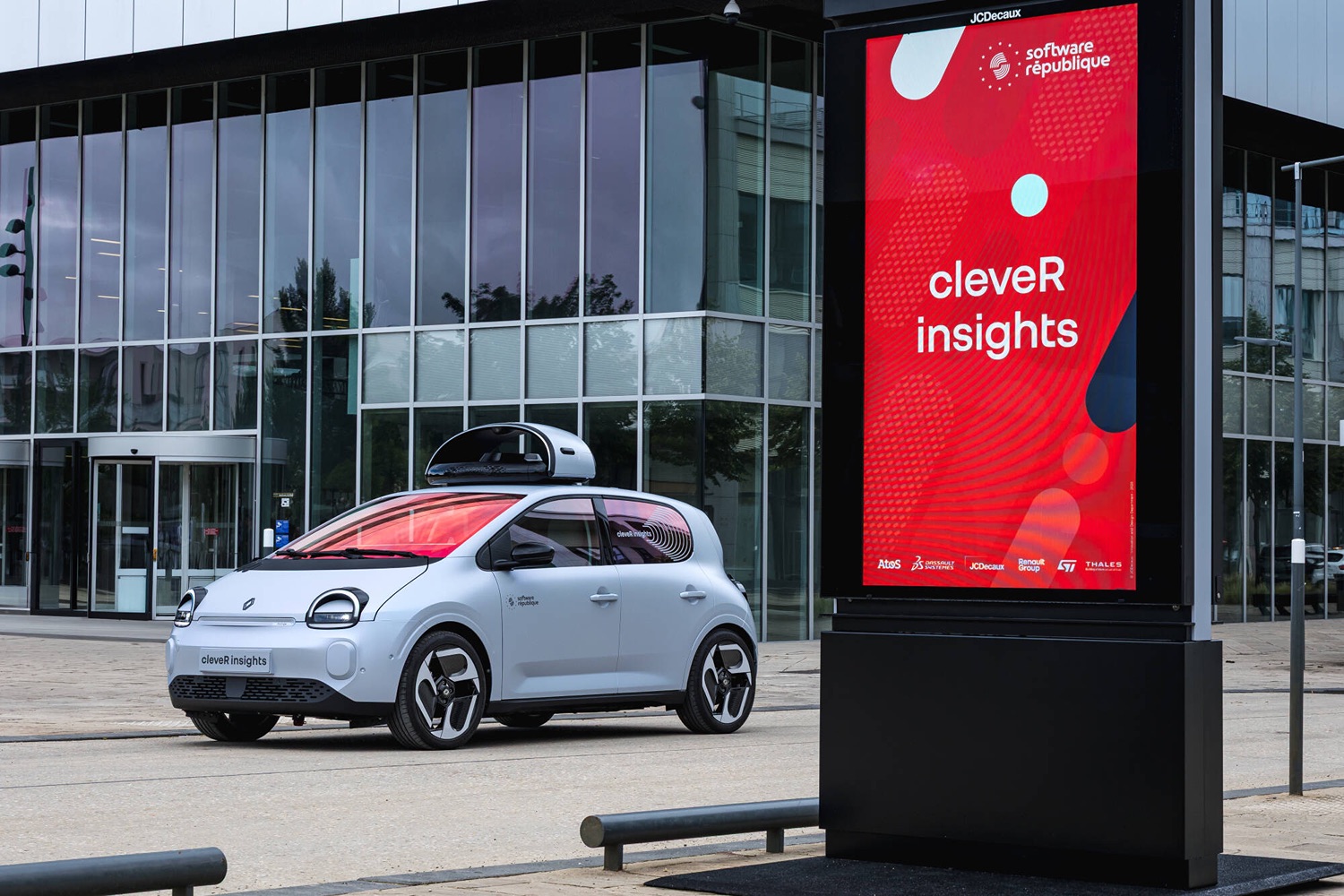
Renault has worked with Software République to develop what it calls the cleveR Insights (sic erat transcriptum…) programme, which aims to turn a car - in this case a new electric Twingo - into a mobile data hub.
What kind of data is being gathered?
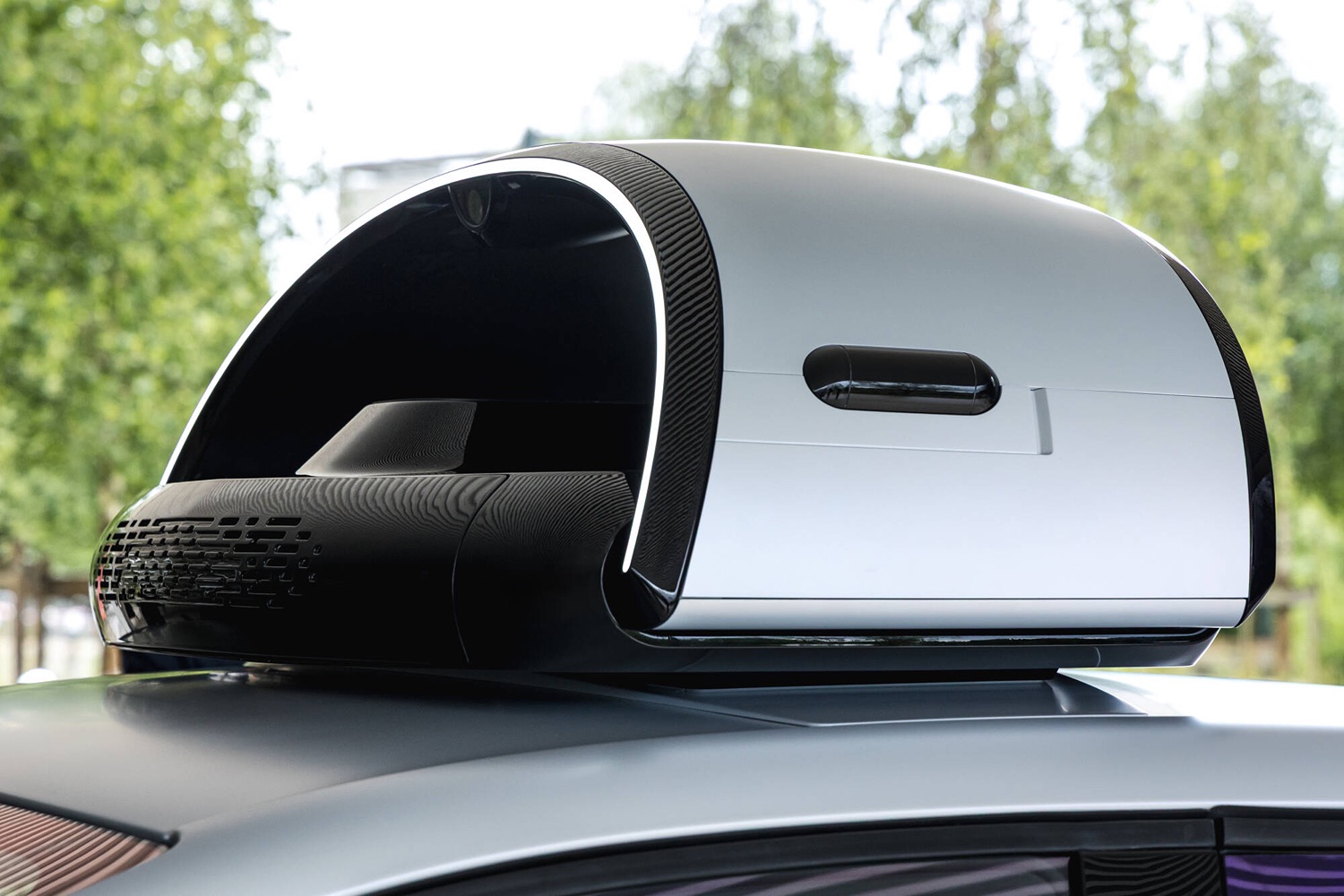
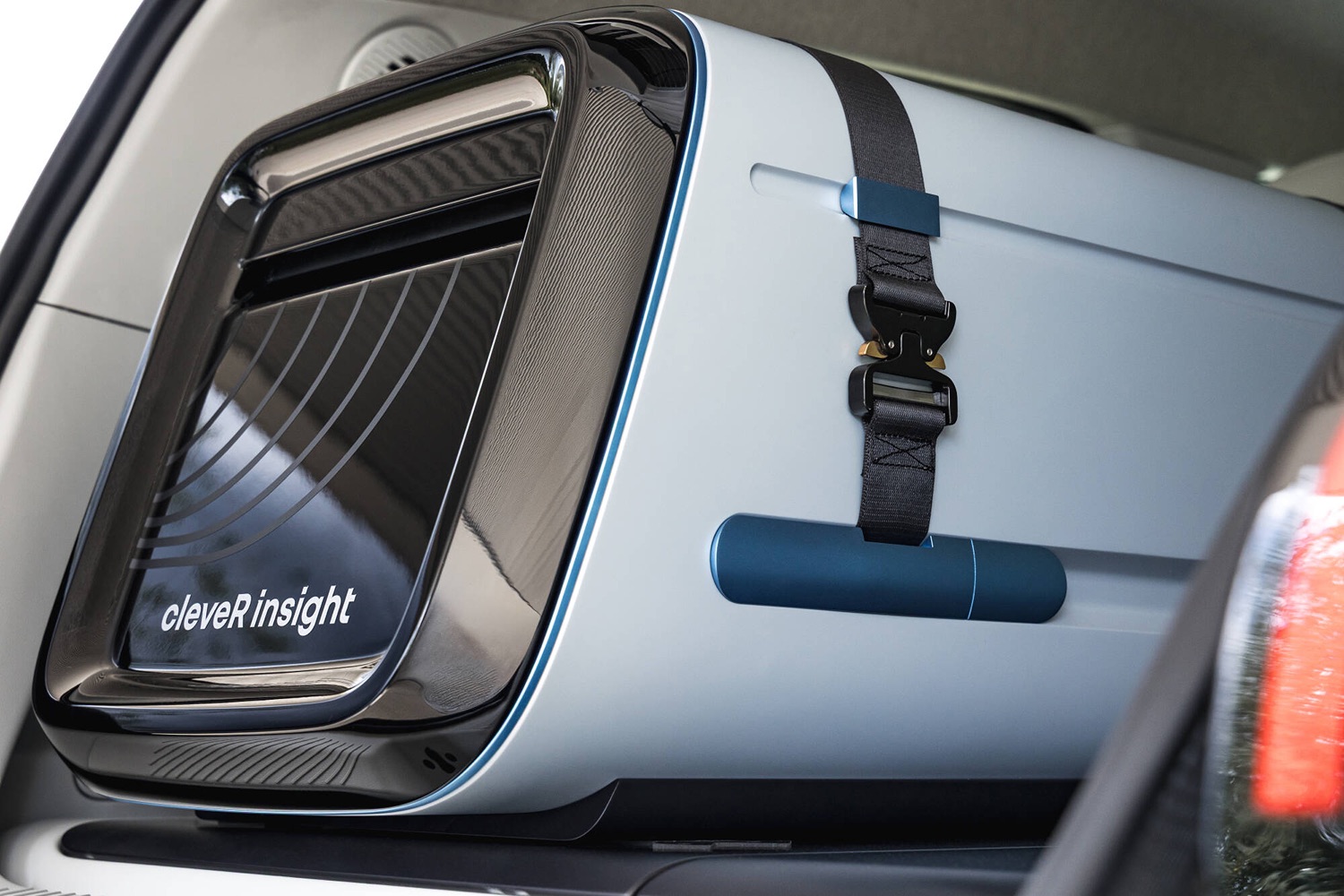
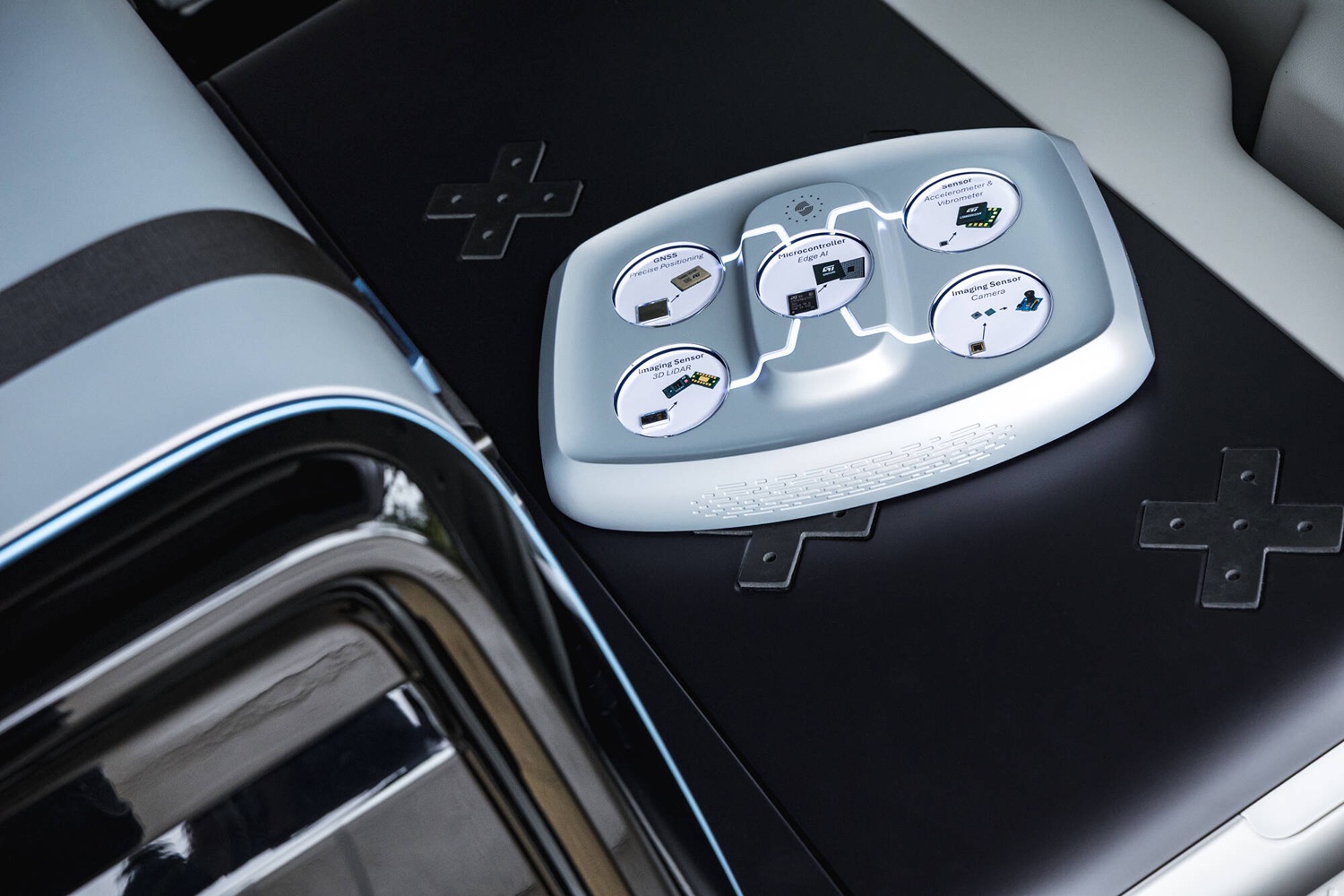
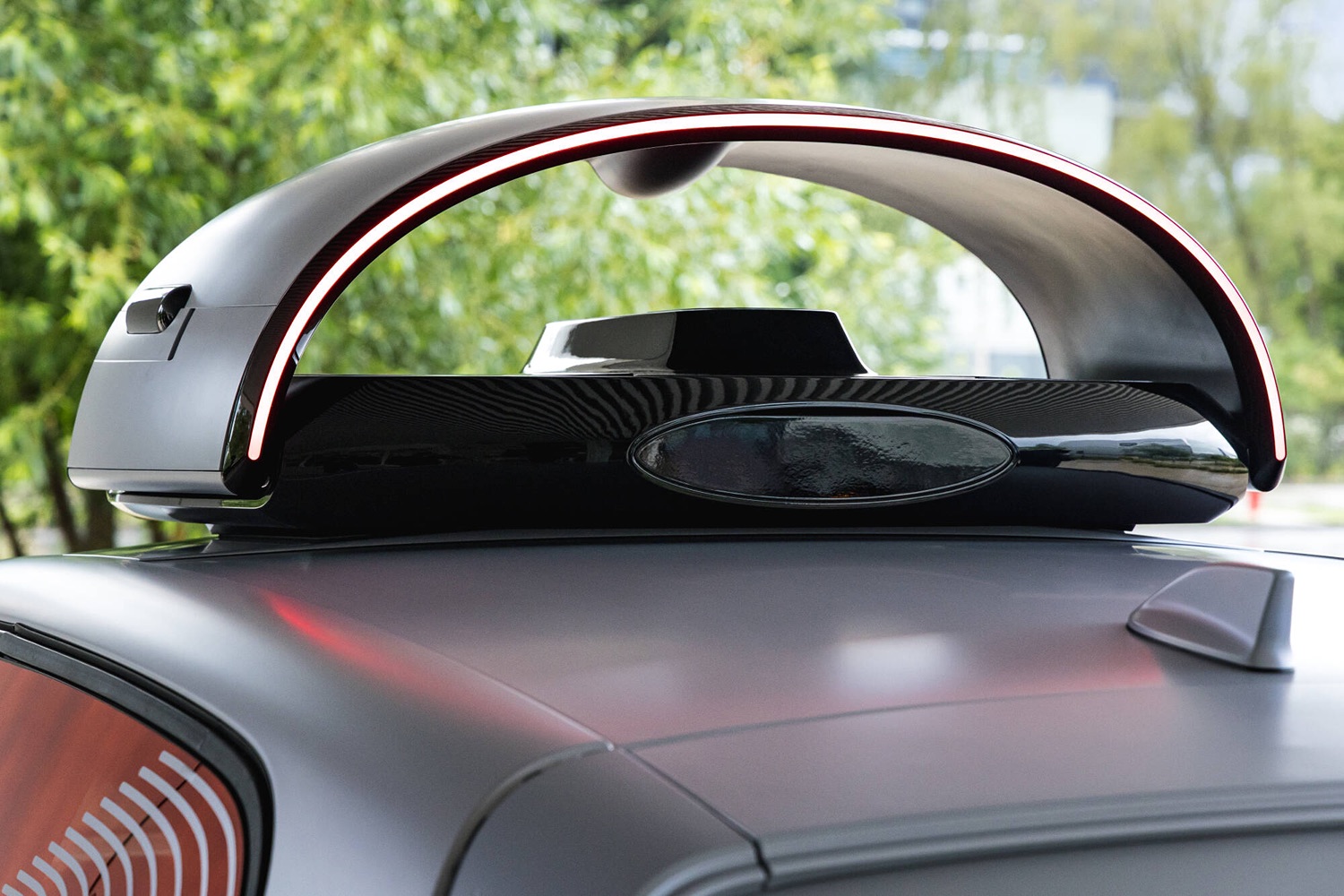
Not the usual stuff. Look at the roof of this special Twingo - that sweeping arch houses a set of specialised cameras, and multiple sensors (for pollution, noise, drought, damage, etc.). The idea is that the Twingo is no longer merely a car, but a mobile sensor platform, one that's looking for rather more than just whether there's a snarl of traffic. The idea is that the gathered data can be shared at the local level, allowing cities, towns, and even villages to access real-time information on local air quality, precise weather forecasts, and more.
Is this a pie-in-the-sky concept?
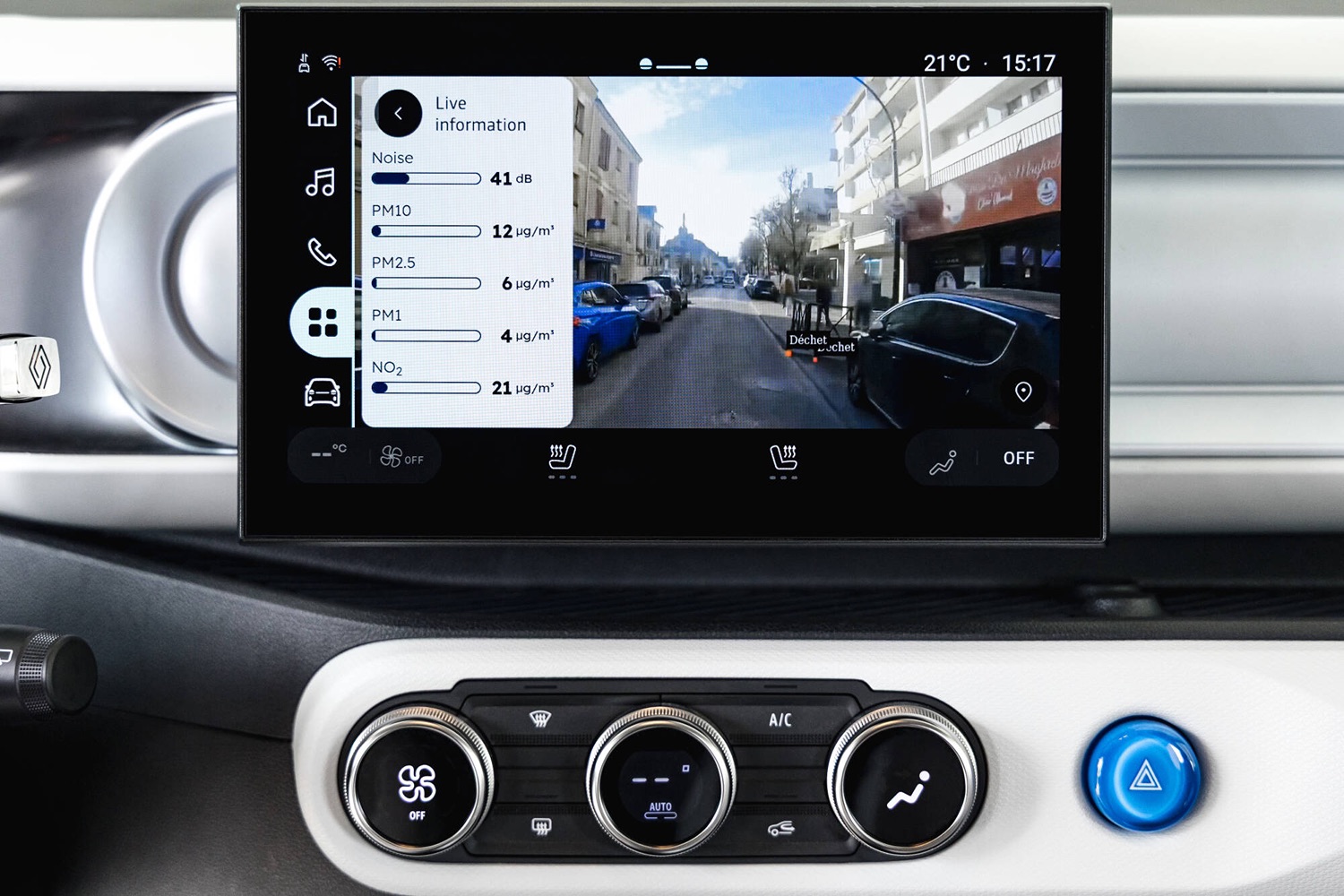
No, Renault's pretty serious about it, saying that because it's all based: "on a homologated production vehicle, this is the basis for rapid, practical implementation covering different cases of use through deployment in the field and without any major adaptations. It also enables large-scale reproducibility and easy integration into existing fleets.”
Why use a Twingo?
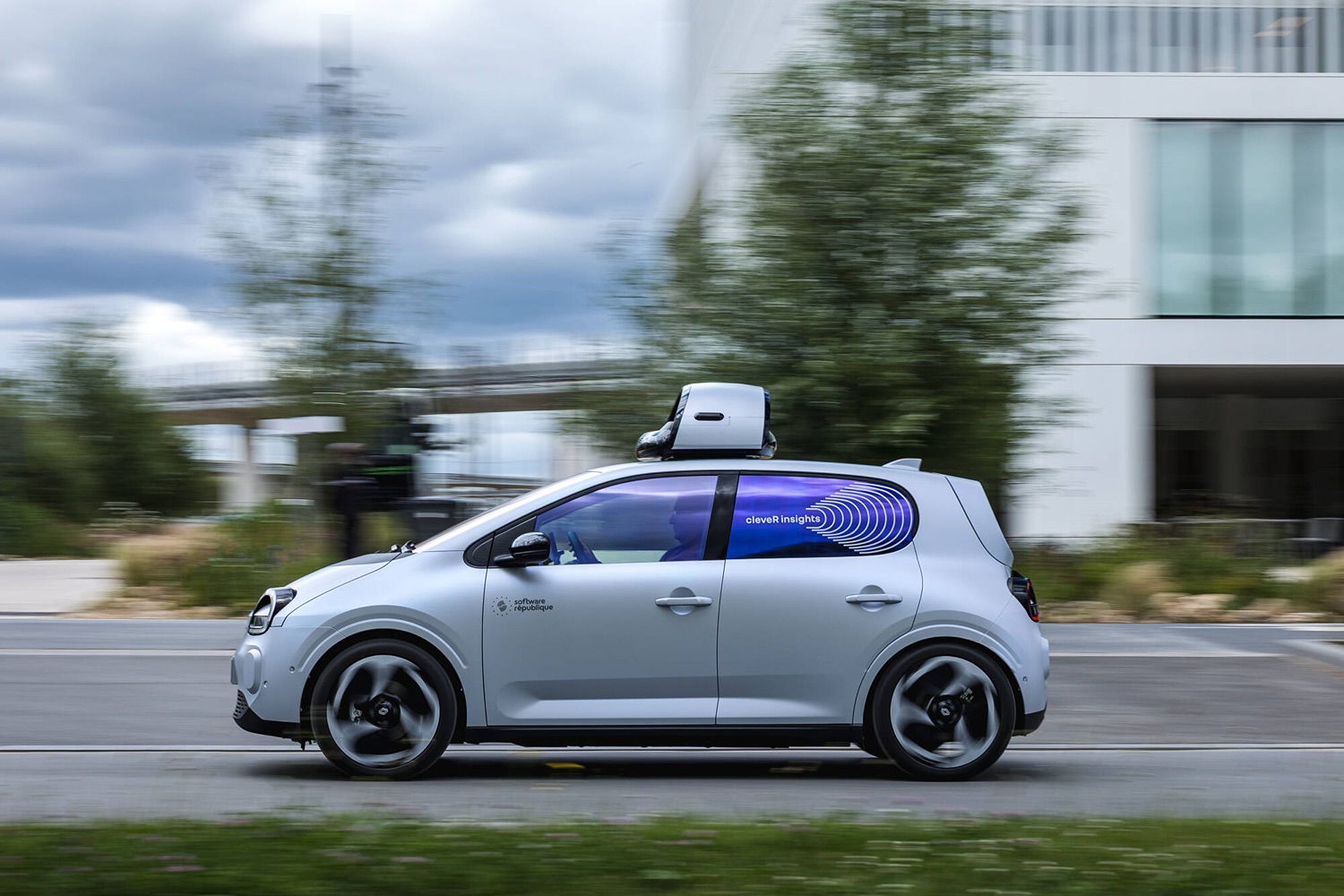
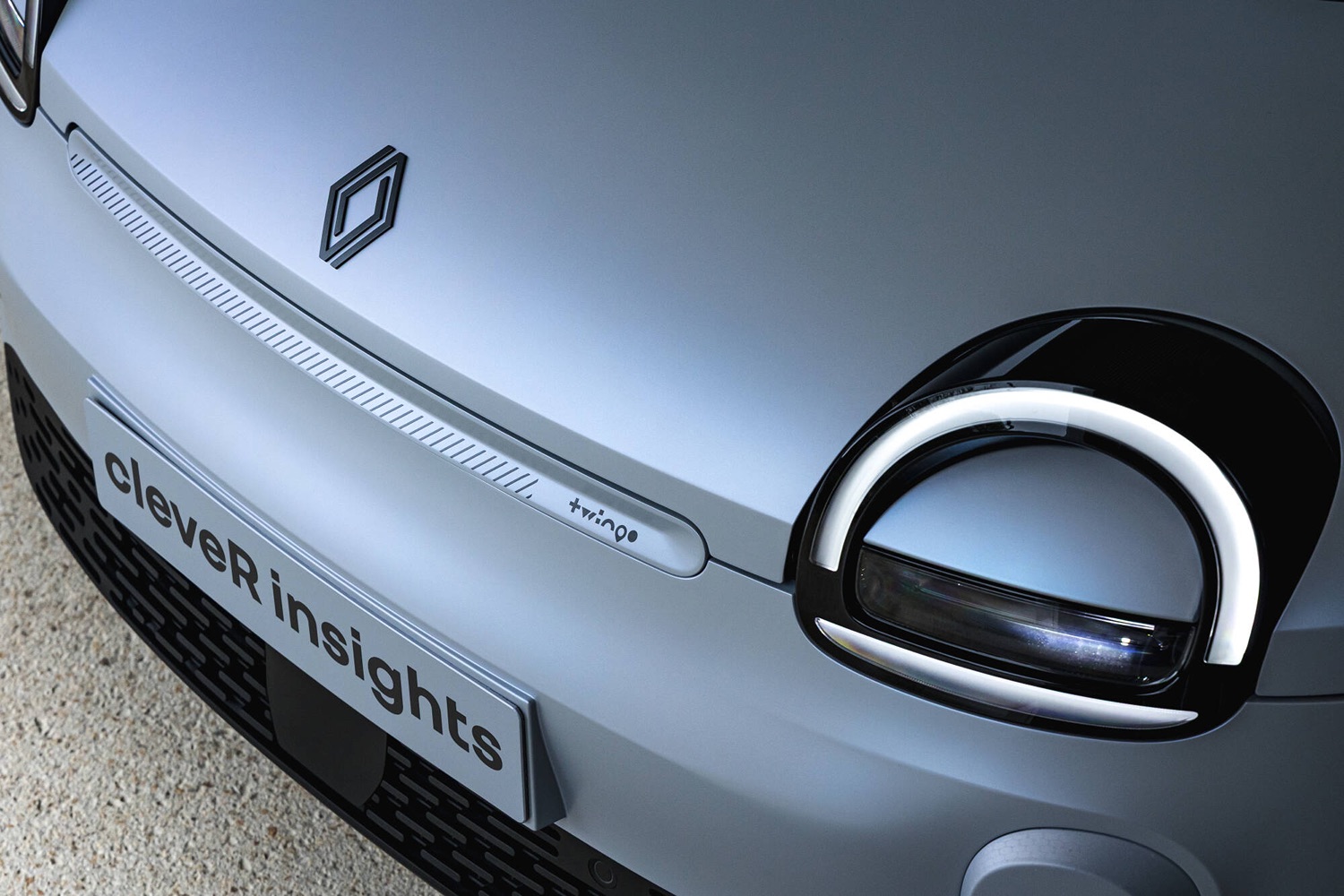
The Twingo was chosen because it's small, light, and manoeuvrable, and it runs on zero local emissions. Renault didn't just leave the Twingo in standard production spec either - it developed a special, so far one-off, colour for the cleveR Insights Twingo, called 'white silver' - a frosted white with a hint of grey and a satin finish. Apparently, there's a mix of warm copper tones and cool, pearlescent blue in the paint. That mix of colours is meant to mimic the way orange city streetlights blend into a late-evening sky. Expect to see it offered on production Twingos in due course.
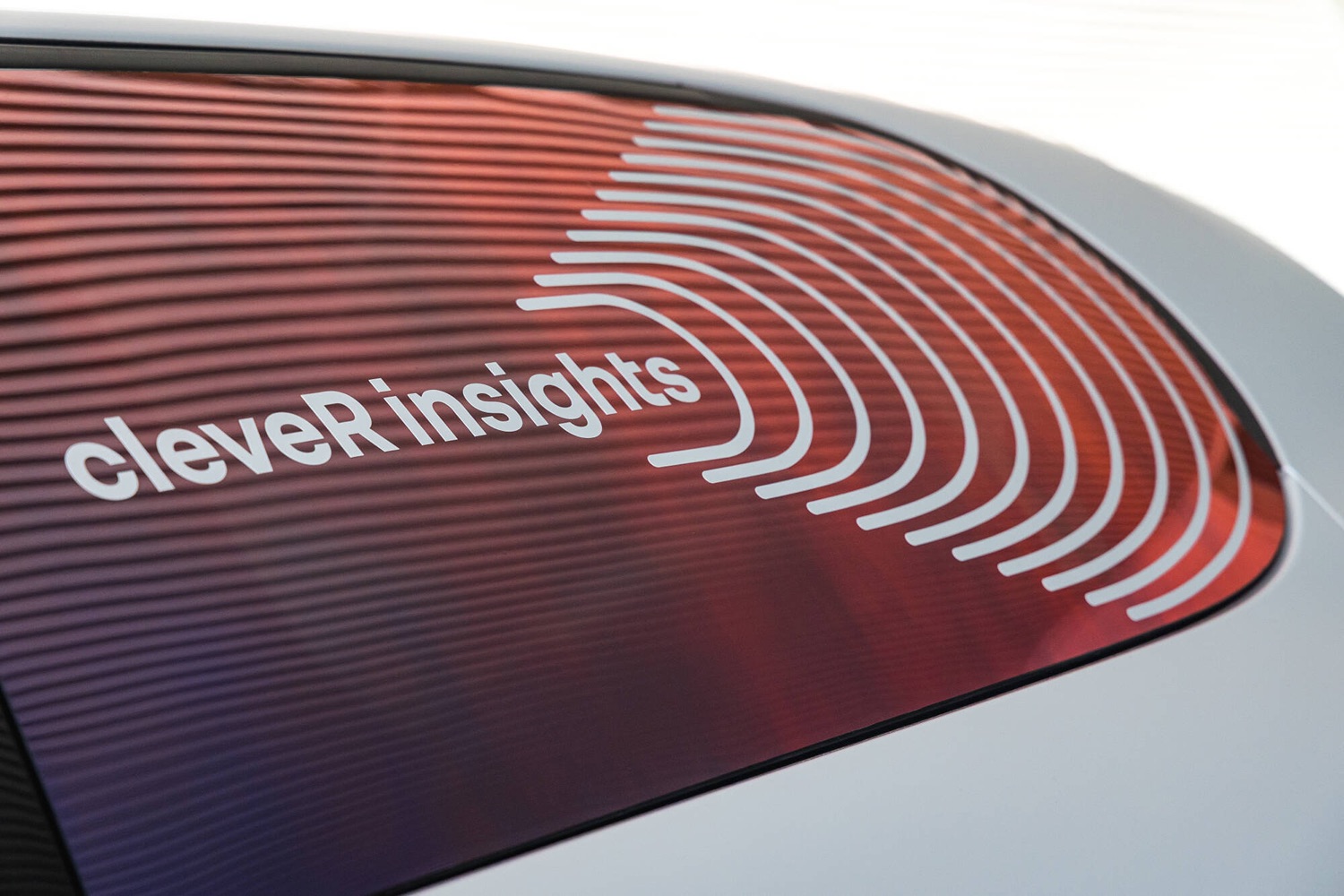
The graphic in the rear side glass, an illustration of a radio wave, is also: "symbolising the flow of data between the city and the vehicle.”
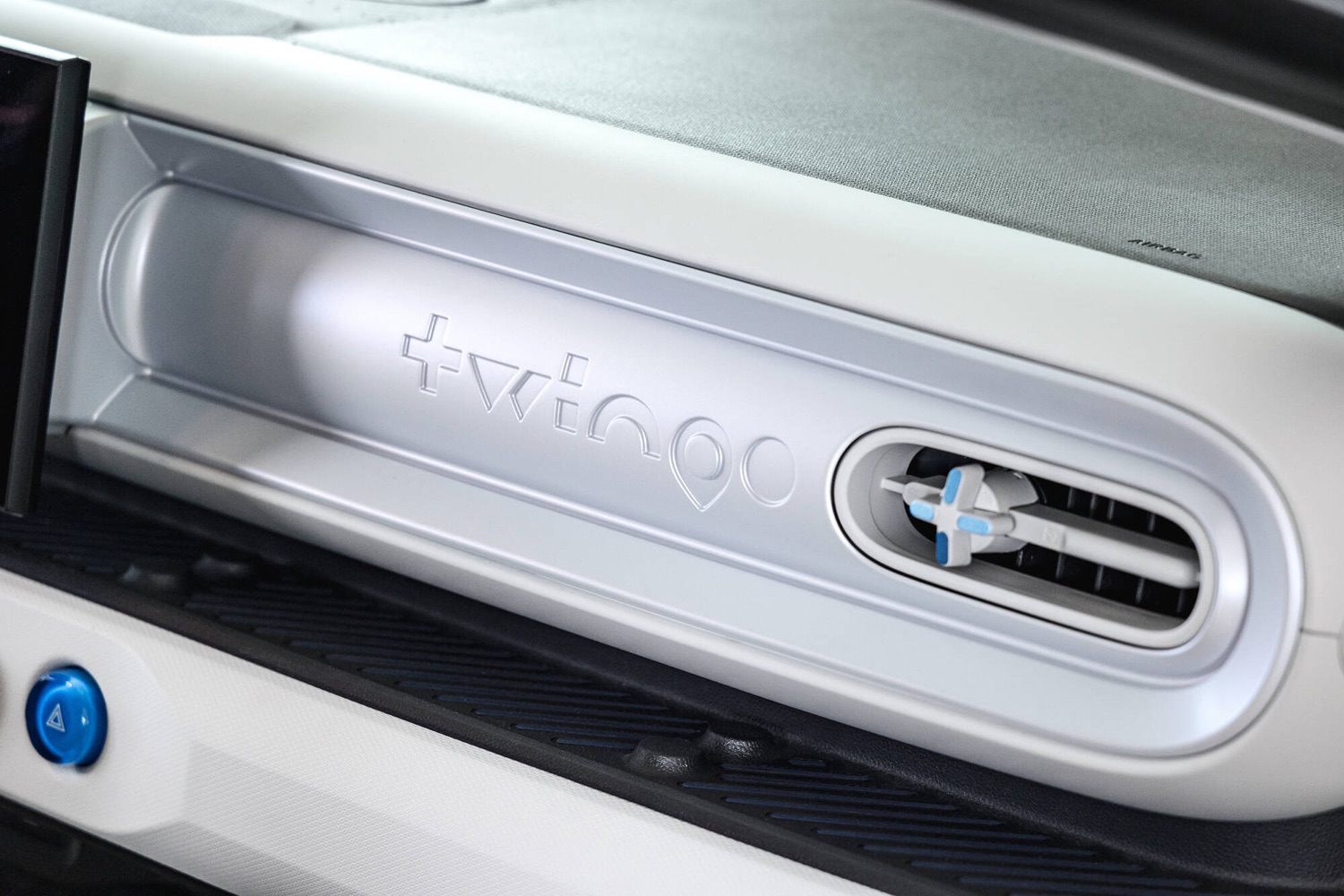
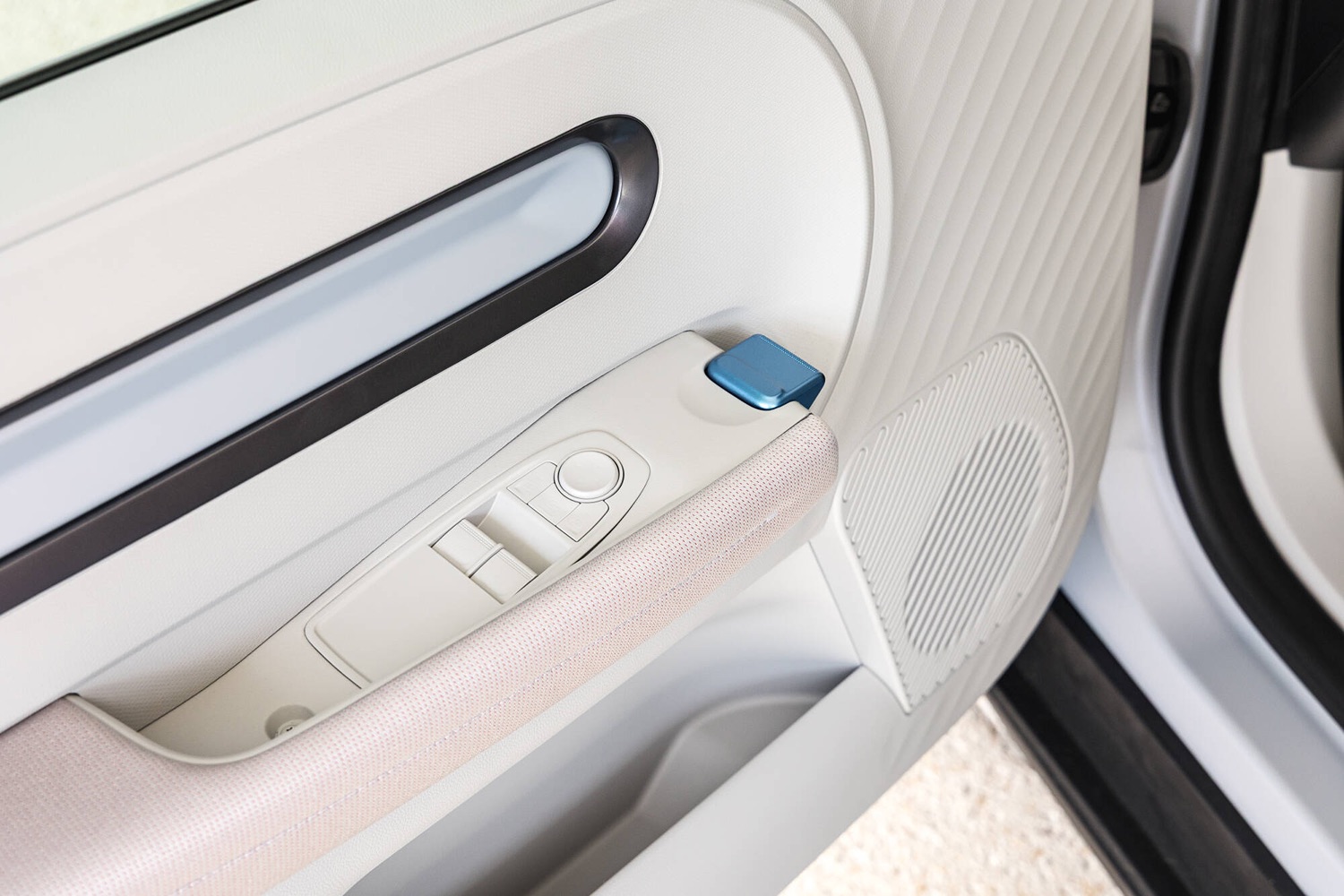
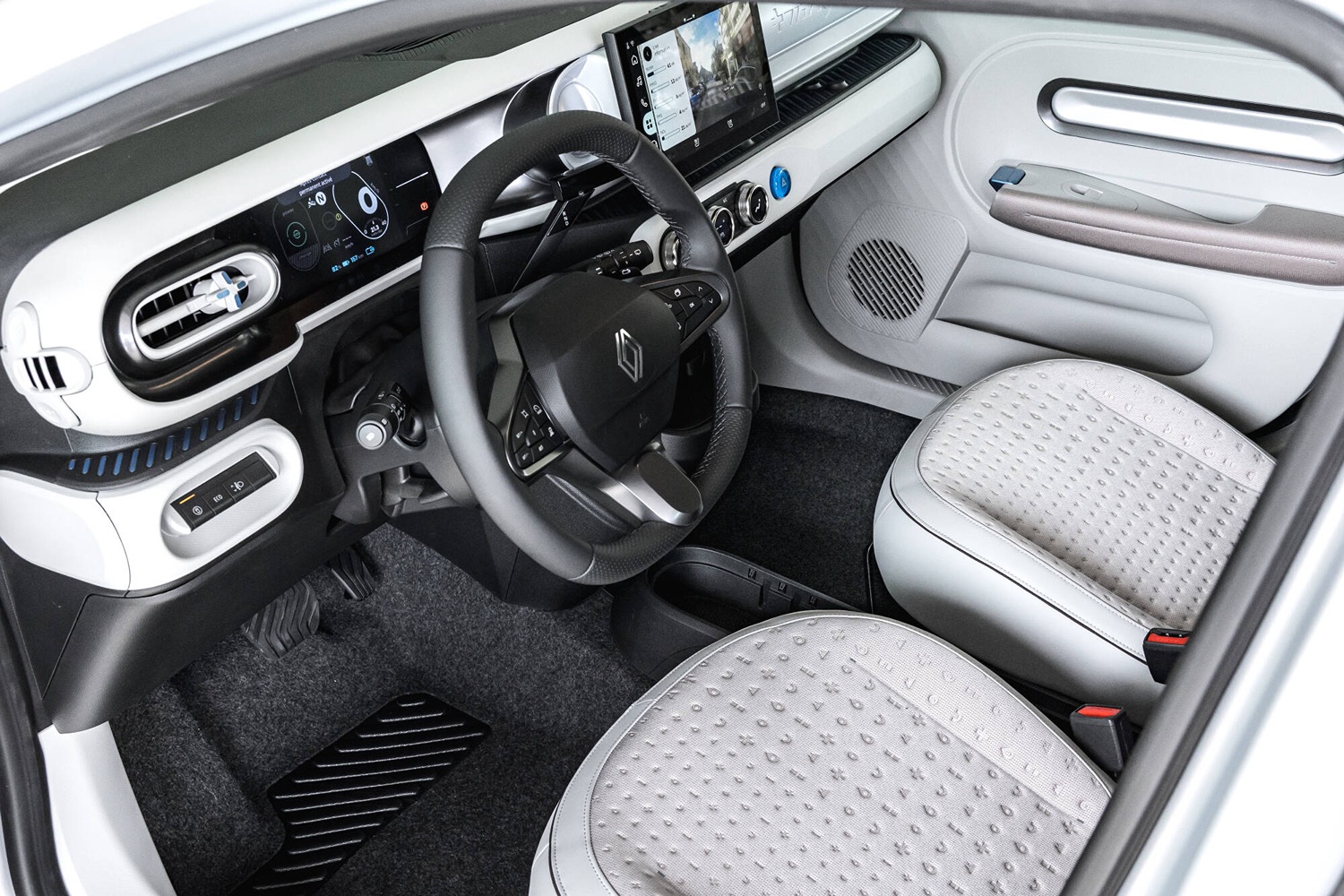
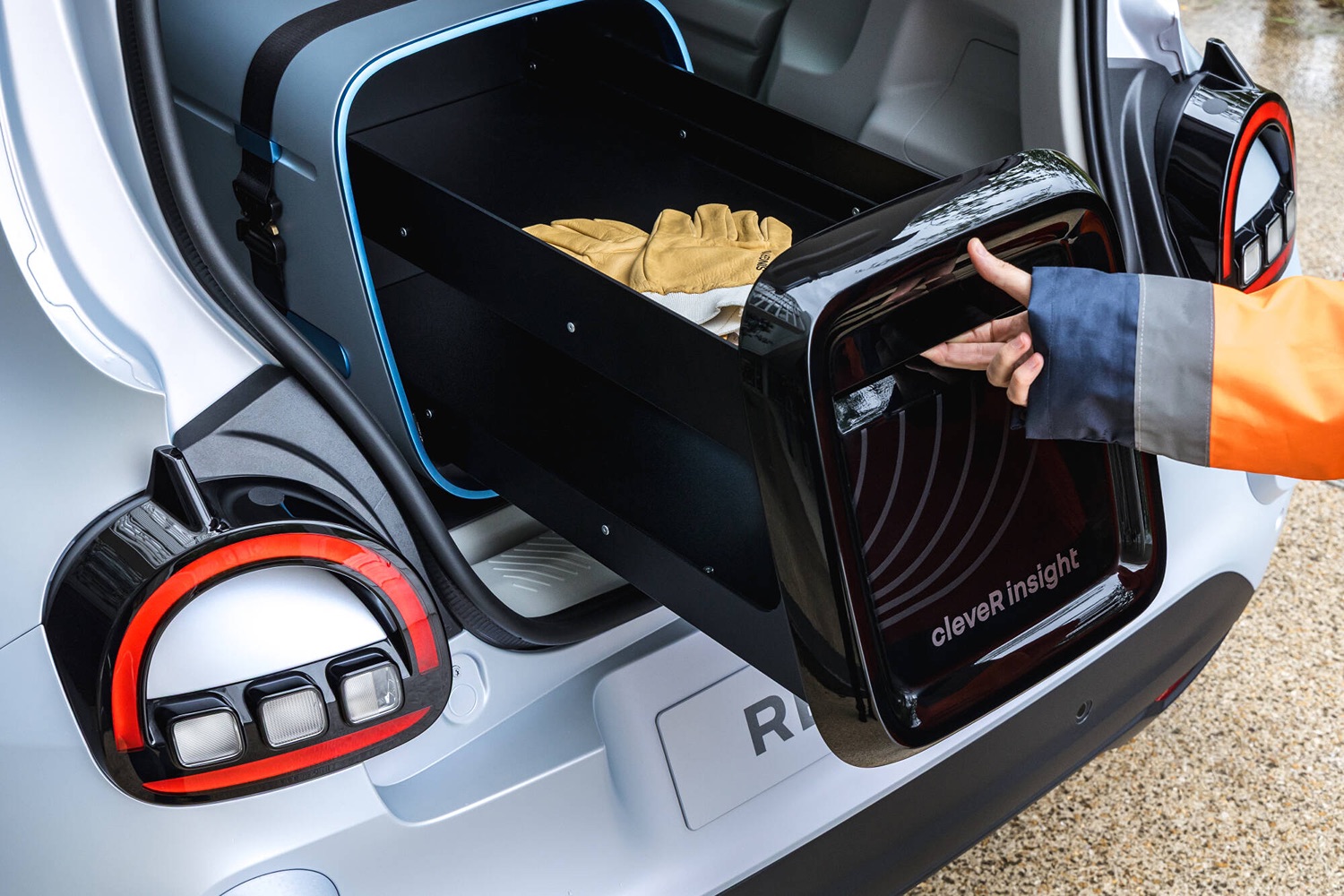
The interior is more or less standard but features a modified rear cabin with a dedicated load space for specific sensor or recording equipment.
If there is anything about this story we have not covered, you can avail of our expert advice service via the Ask Us Anything page.