

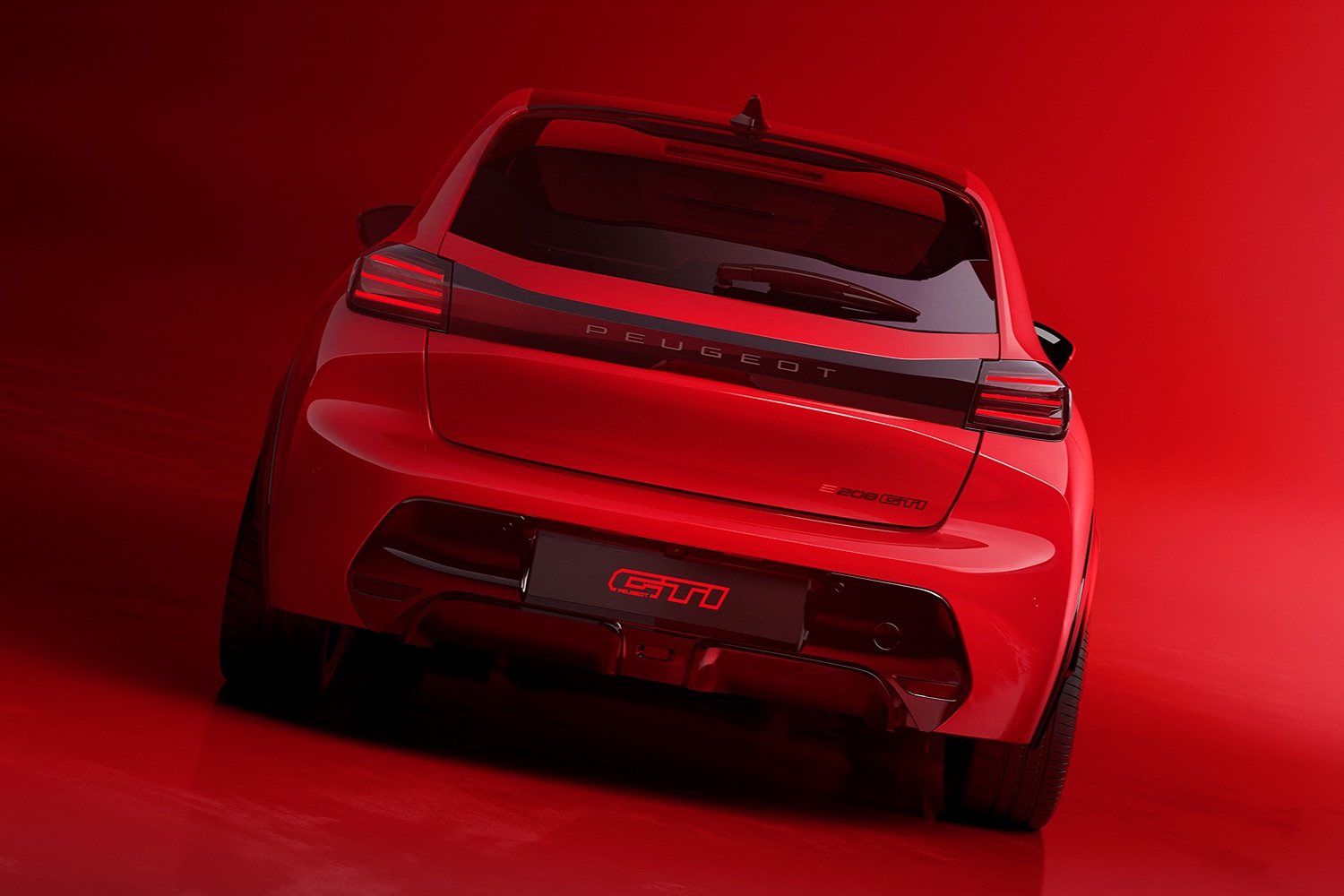
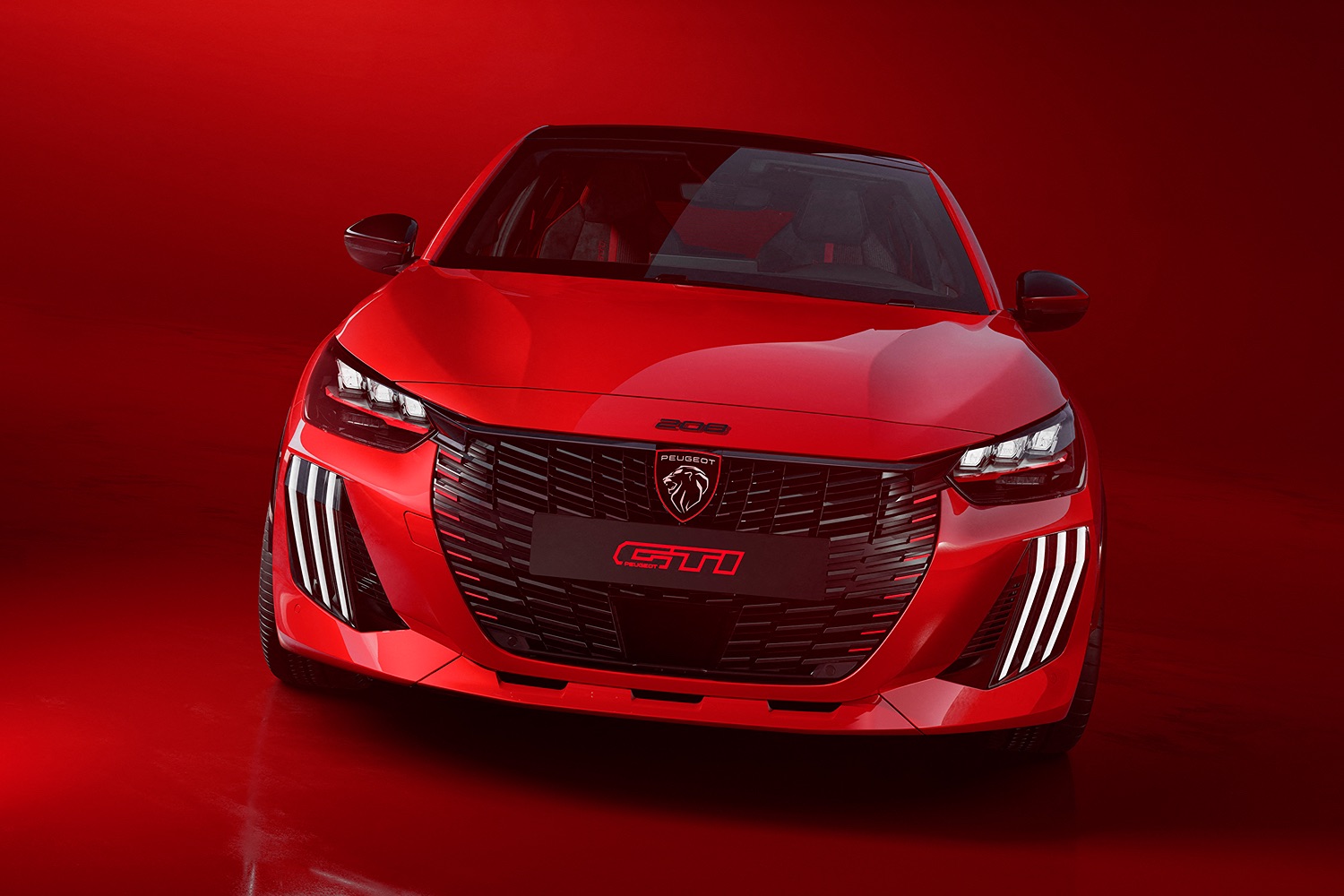
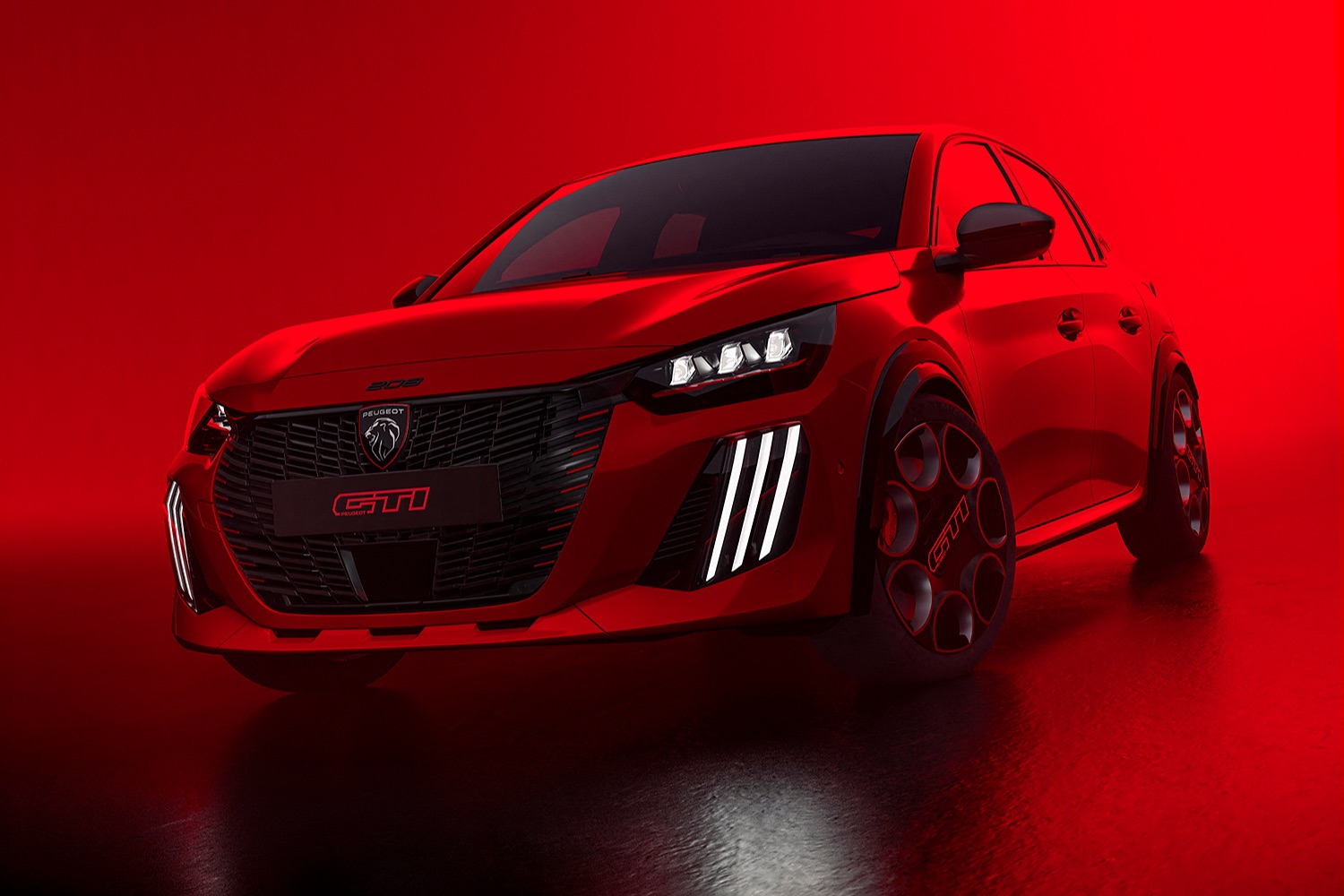
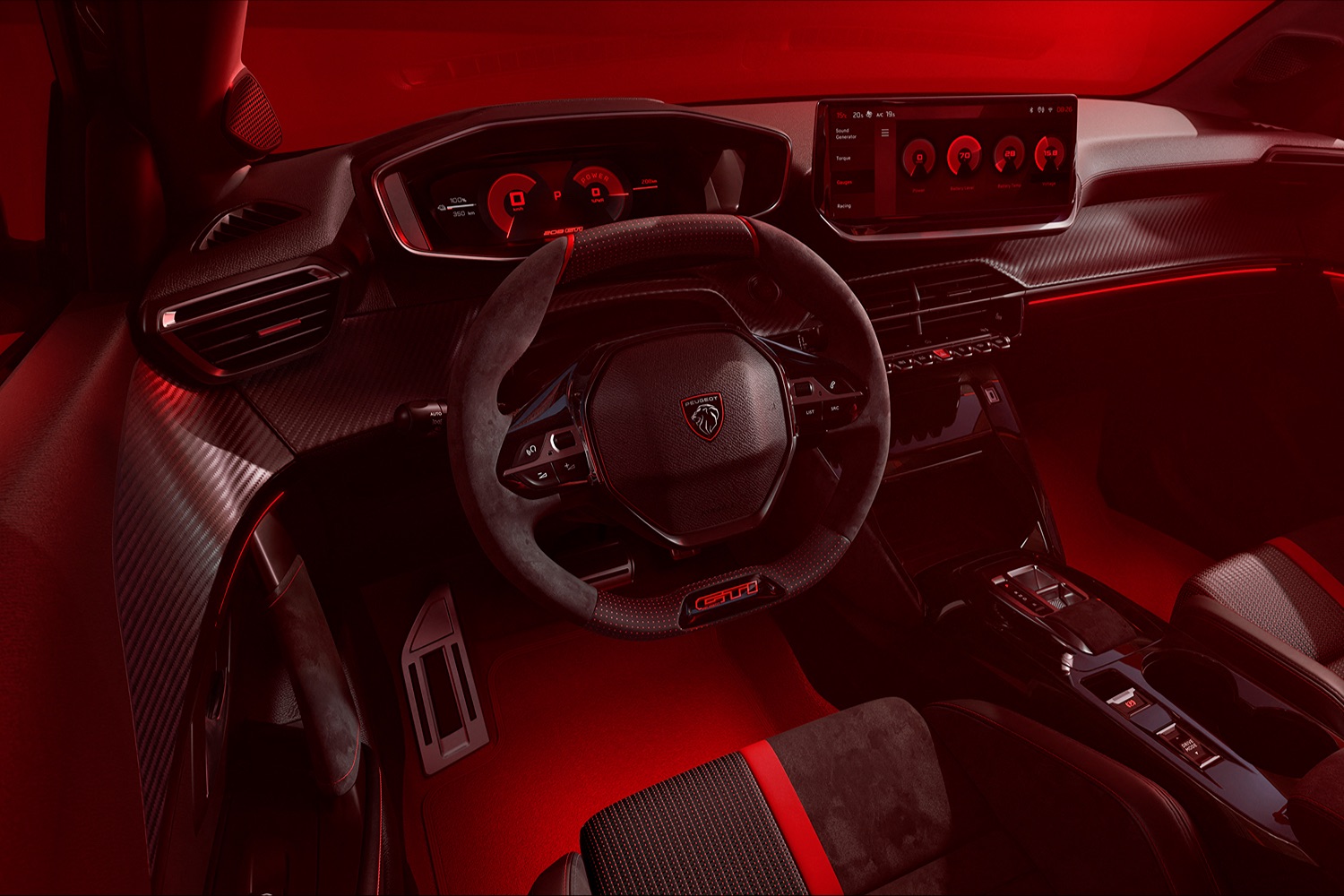
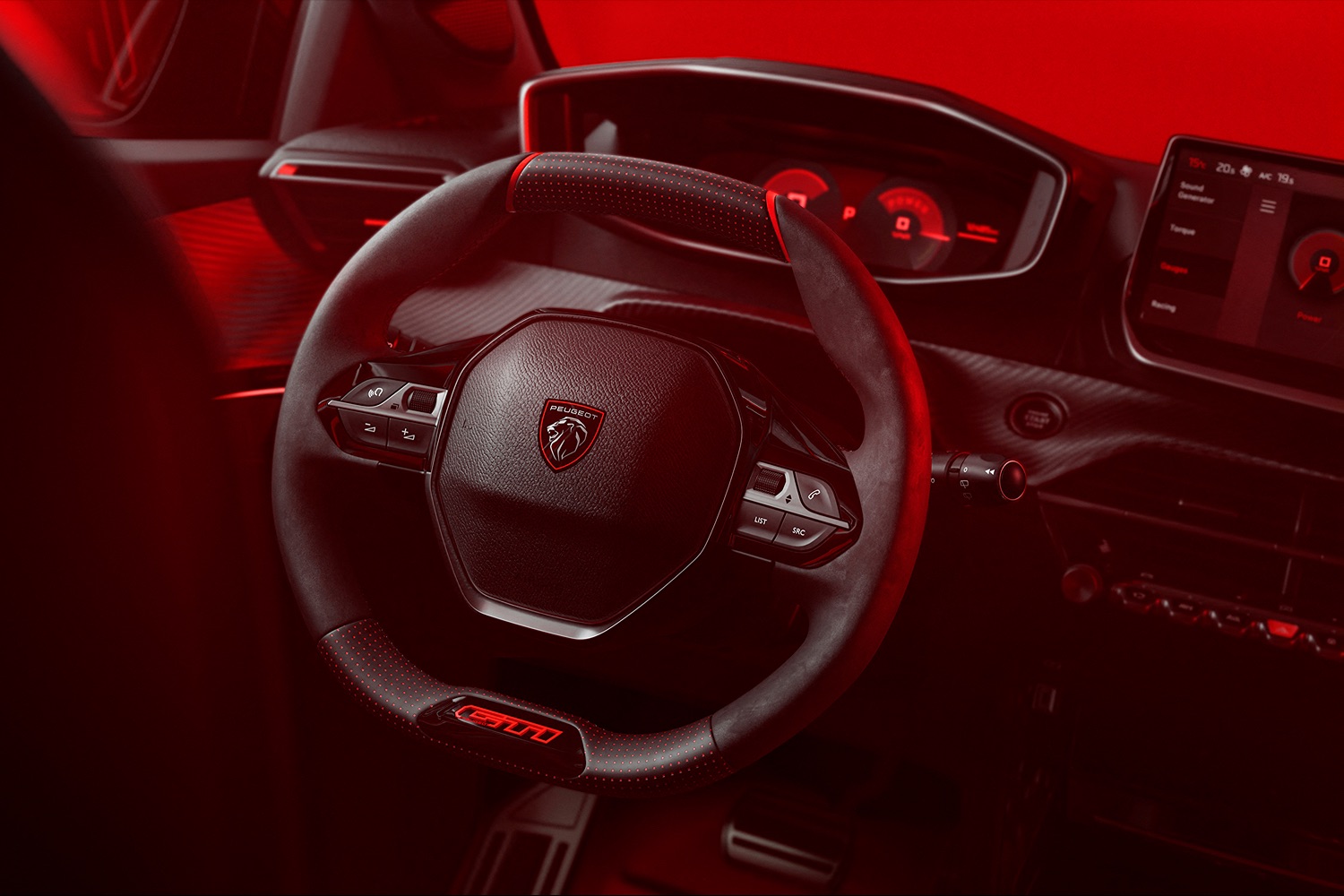
What motorsport efforts?
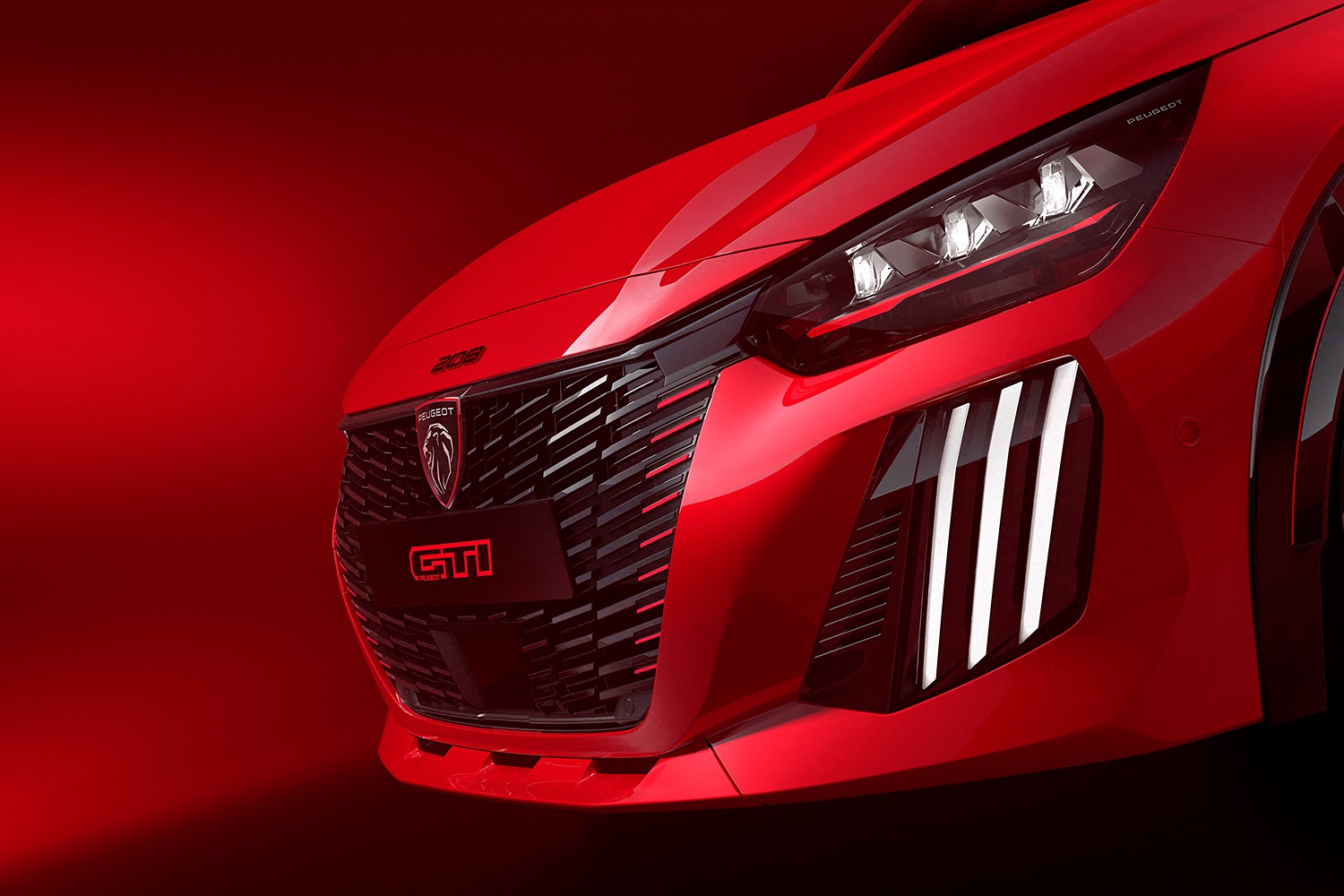
Well, Peugeot has been campaigning the mighty 9X8 sports car in the World Endurance Championship and at the 24 Hours of Le Mans (which is coming up in a couple of weeks…) for the past three years. The 9X8 has had its work cut out for itself competing with the might of Ferrari, Toyota, and Porsche, but it's a quick car, recently taking a dominant pole position at the 6 hours of Spa.
More importantly, while the 9X8 does use a V6 petrol engine, it's also a hybrid and the electric half of the powertrain is critical for maintaining the car's performance over 24 hours. It's this expertise that Peugeot says is helping the E-208 GTi become a better car.
How, exactly?
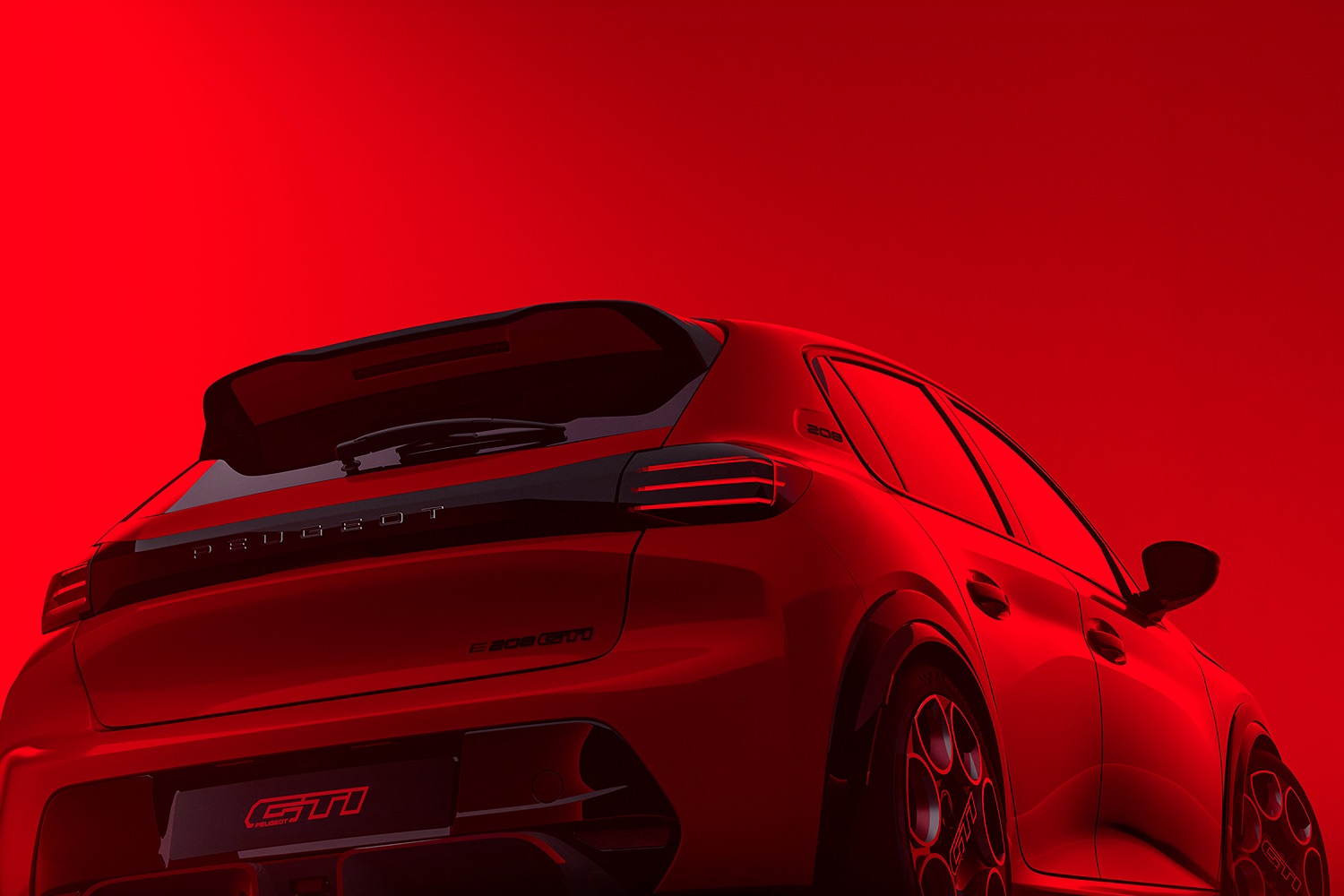
Let's turn the floor over to Christophe Auriault, the E-208 GTi project head. He said: "Motorsport plays an important part in the development of every Peugeot road car, and none more so than the new E-208 GTi. Driving this car is a completely new experience and delivers a different view of what a GTi with Battery Electric Vehicle engineering represents compared to a GTi with an internal combustion engine.
"It is important to find a way to offer something that is different to the combustion engine experience, and the new BEV power unit lets us play with the car.”
How much power will the E-208 GTi have?
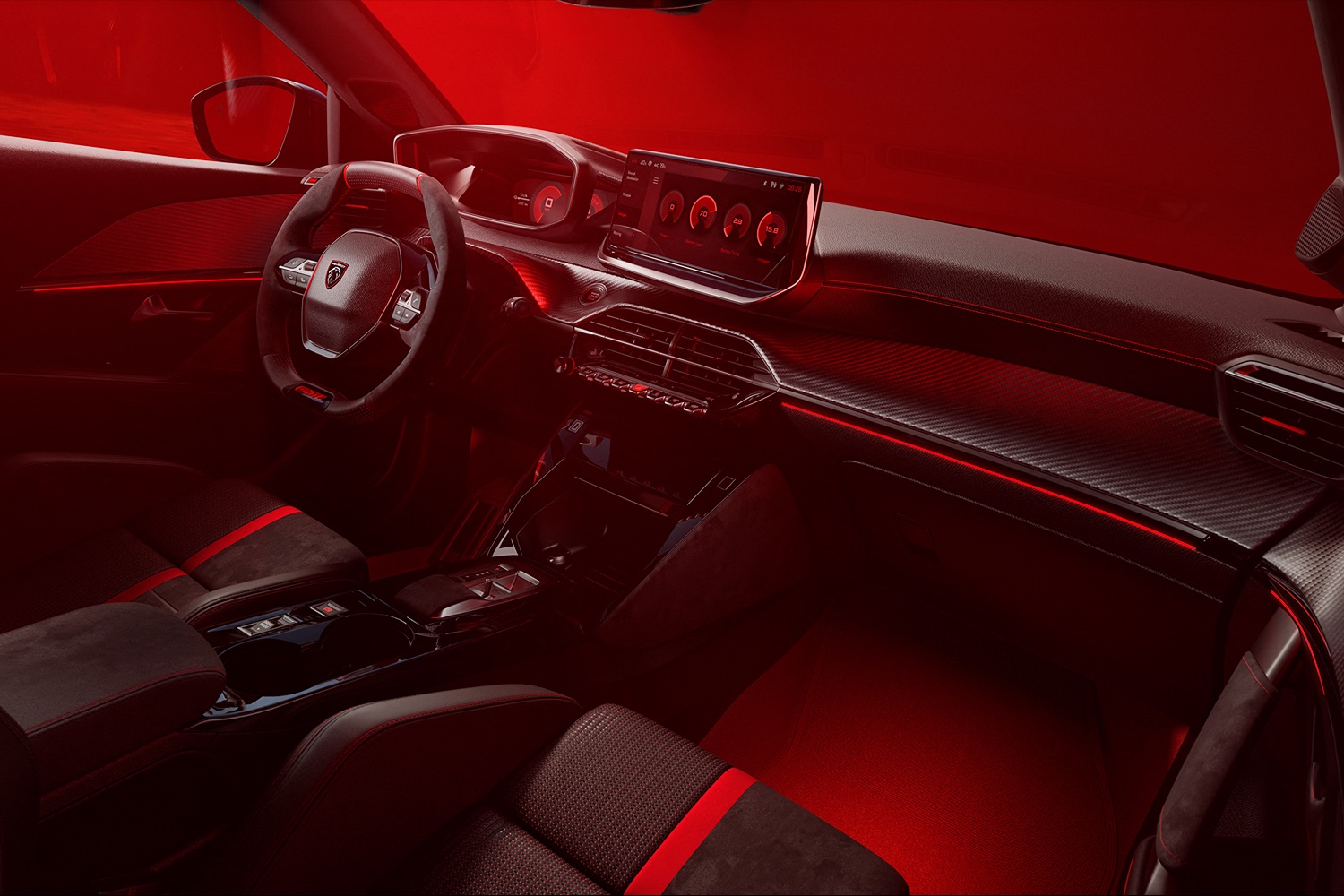
It'll have 280hp and 345Nm of torque from an electric motor driving the front wheels, all fed by a 54kWh battery pack. That's 175hp per tonne, and managing how that performance is delivered, and how the battery can keep pumping out the power that the motor needs, has been a critical factor, and it's in this sphere that the racing experience pays most dividends.
"Working very closely with our colleagues from the World Endurance Championship programme for E-208 GTi's battery cooling system has been key. Many competitors produce very powerful cars, but can only use that power for a few seconds before the battery overheats. We have a specific development for the battery cooling system to avoid power deteriorating” said Auriault
Interestingly, the E-208's electric motor isn't bought in from a supplier, but is instead Peugeot's own design, and is actually made in a factory in Trémery, in eastern France, which was previously an engine factory, and which is now making e-motors as part of a joint venture between Peugeot and electric motor specialist Nidec Leroy-Somer.
Hang on, power is nothing without control, right?
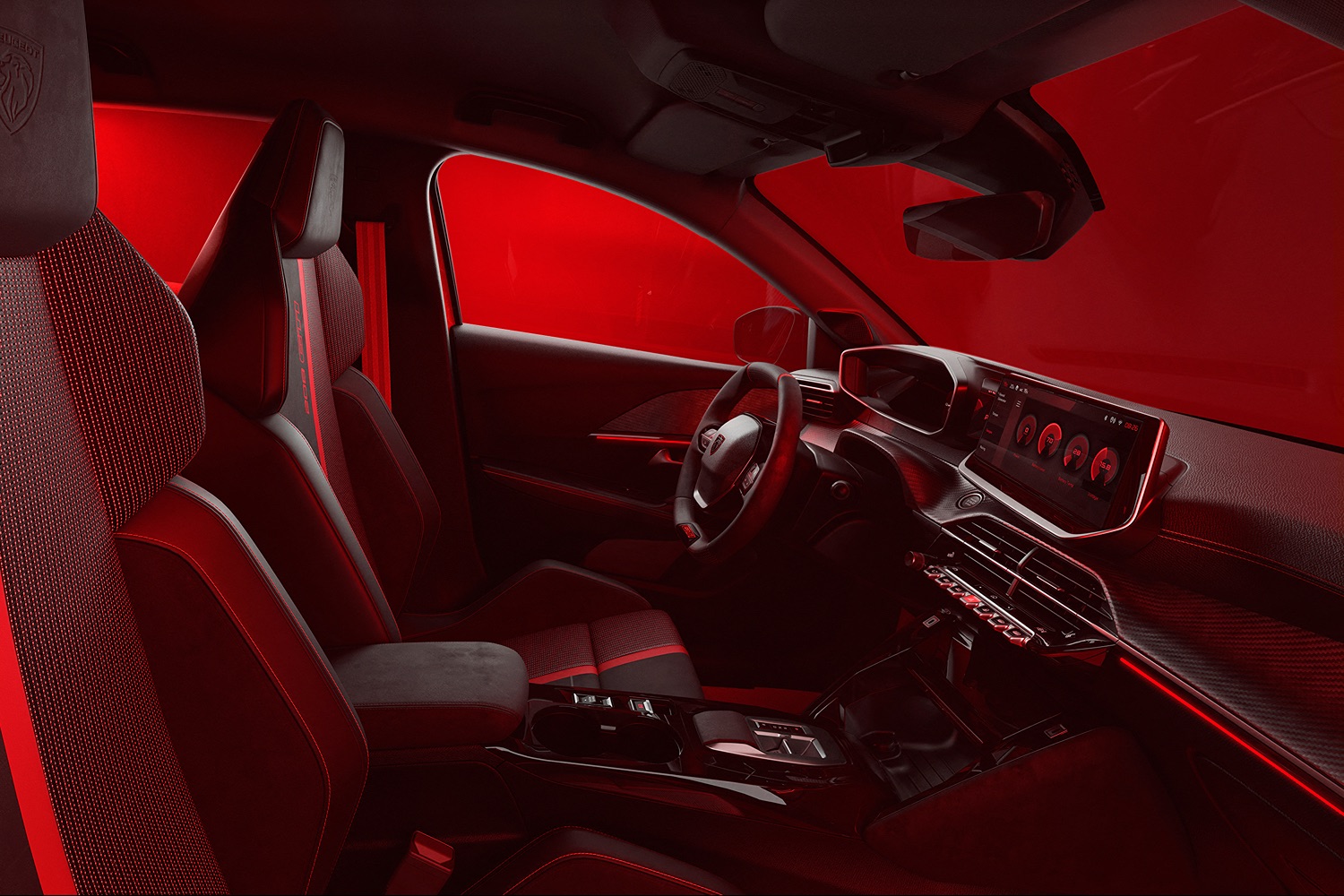
Right, and to that end, both the Peugeot design team at Vélizy, near Paris, and the guys from Peugeot Sport have been working together to make sure that the E-208 handles with proper GTi verve.
So, the suspension and steering have been totally changed compared to the standard E-208, including a ride height which has been reduced by 30mm and a track width which has been widened by 56mm at the front and 27mm at the rear. The springs, shock absorbers with hydraulic stops and Michelin Pilot Sport Cup 2 tyres are all tuned for sharper response and greater precision.
That's not all. Ariault adds: "We changed the balance of the anti-roll bar stiffness between the front and rear. On the standard car, we are at around 30 per cent to 70 per cent front to rear split. On this car, it's a 50-50 distribution, and that changes the feel of the car completely.”
The E-208 GTi also gets a proper mechanical limited-slip differential, not an electronic one, which will help the front wheels sniff out more grip and traction when cornering.
Auriault said, "Mechanical is better than electronic in this case. When you push it hard, it's not dangerous, and it gives you a feeling that's different to other cars.”
What about stopping?
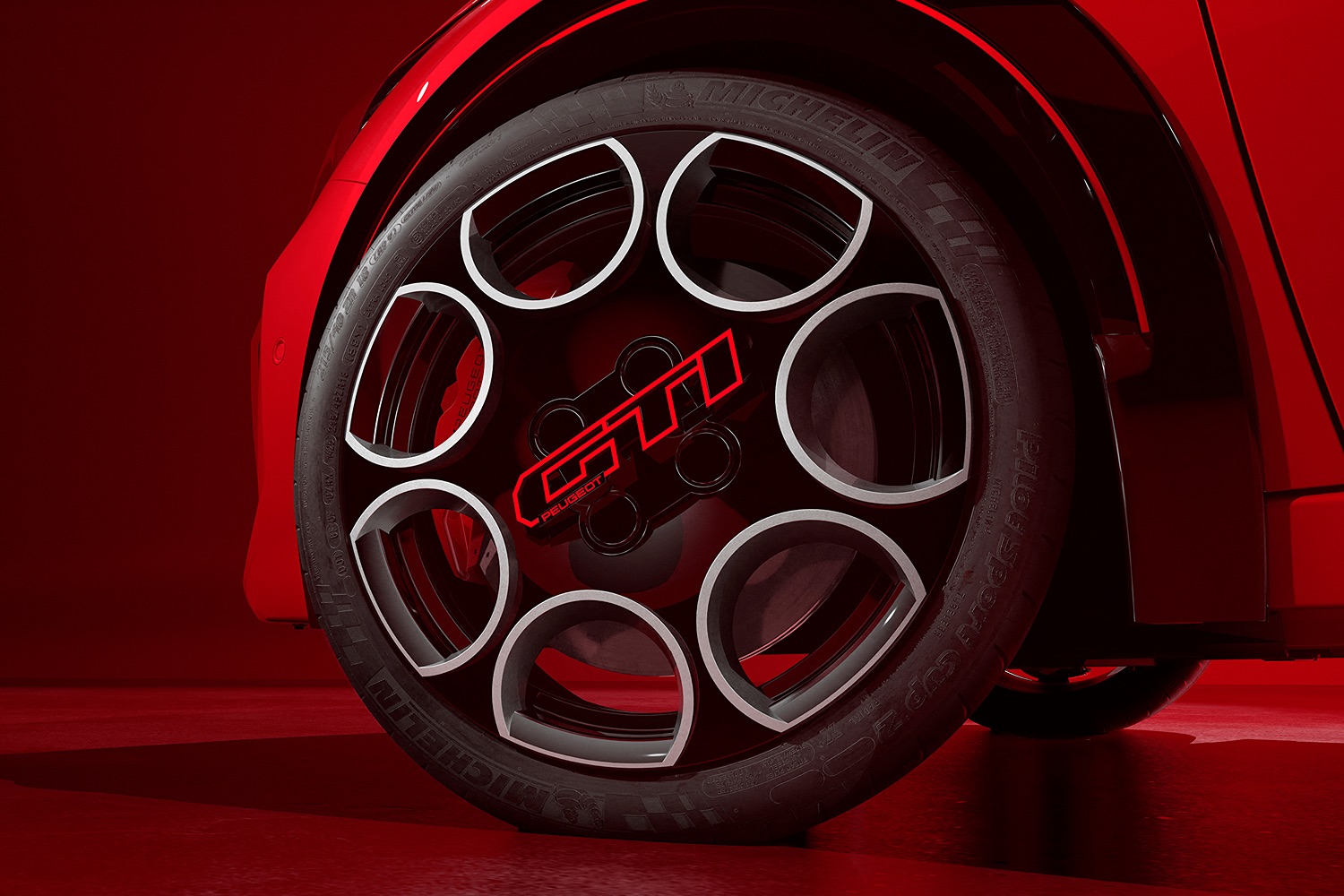
Yup, that's covered too. The E-208 GTi, as well as the regenerative braking you get with an EV, comes with 355mm front discs with fixed four-piston calipers developed for optimal cooling. "You can't drive a car like a racing driver if you don't have a good feeling from the brakes. And to have a good braking feel, you need to have only one kind of braking system. So we only have hydraulic braking in Sport mode. It's the reason there are bigger discs and calipers at the front and standard size on the rear because we need to stop the car only with the discs, not with the regeneration system. It's a deliberate choice,” said Auriault.
There's also a specific Sport setting for the E-208 GTi's stability control, which allows for a higher threshold for electronic intervention, and Auriault said that development work is ongoing as he and his team continue refining steering calibration and power delivery to "achieve the precise dynamic balance expected from a GTi ahead of the model's launch.”
How much range will the E-208 GTi have?
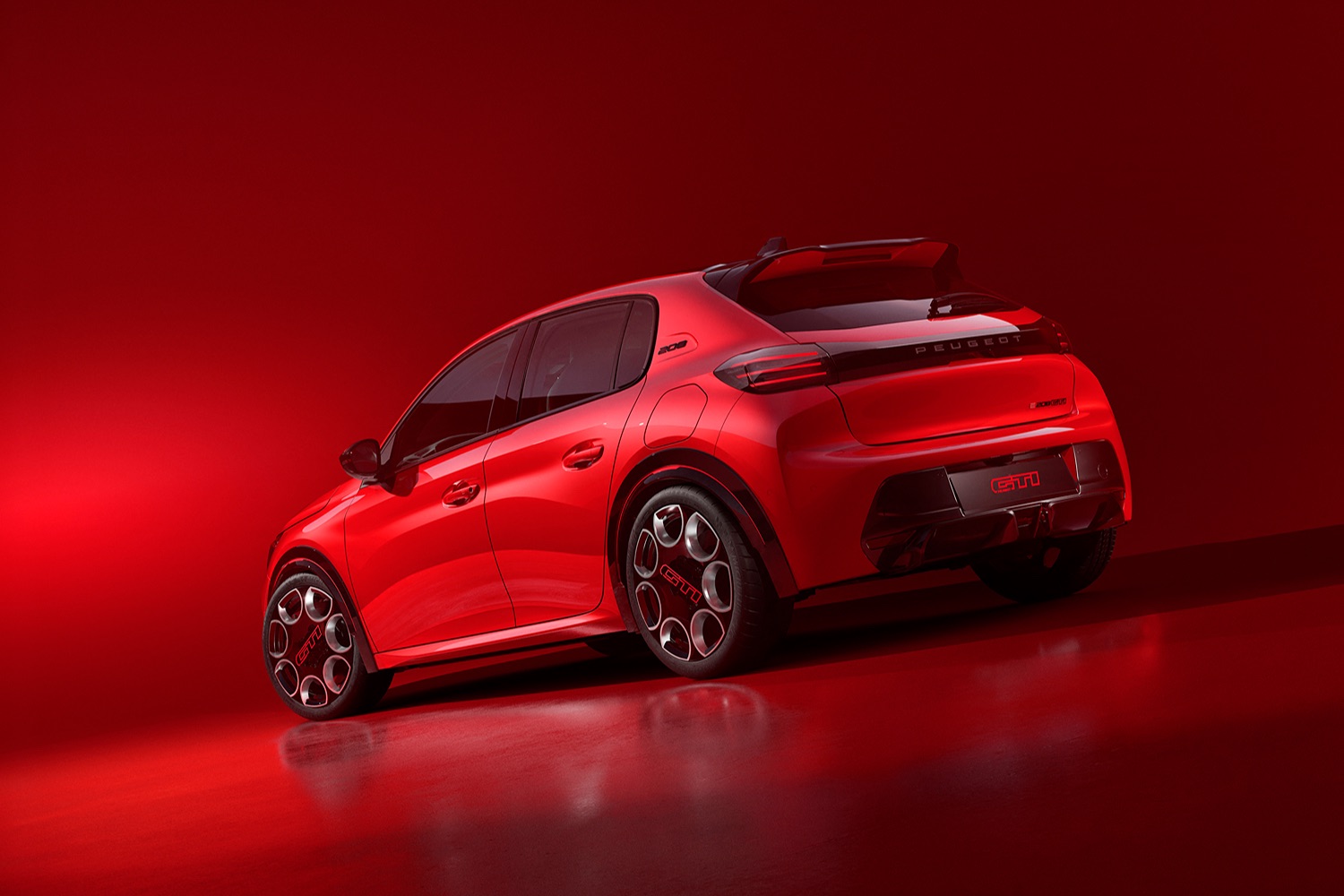
Officially, the range figure stands at more than 300km, with a 20-80 per cent top-up doable in 30 minutes on a 100kW DC fast charger.
If there is anything about this story we have not covered, you can avail of our expert advice service via the Ask Us Anything page.