

Can driving fun actually be measured?
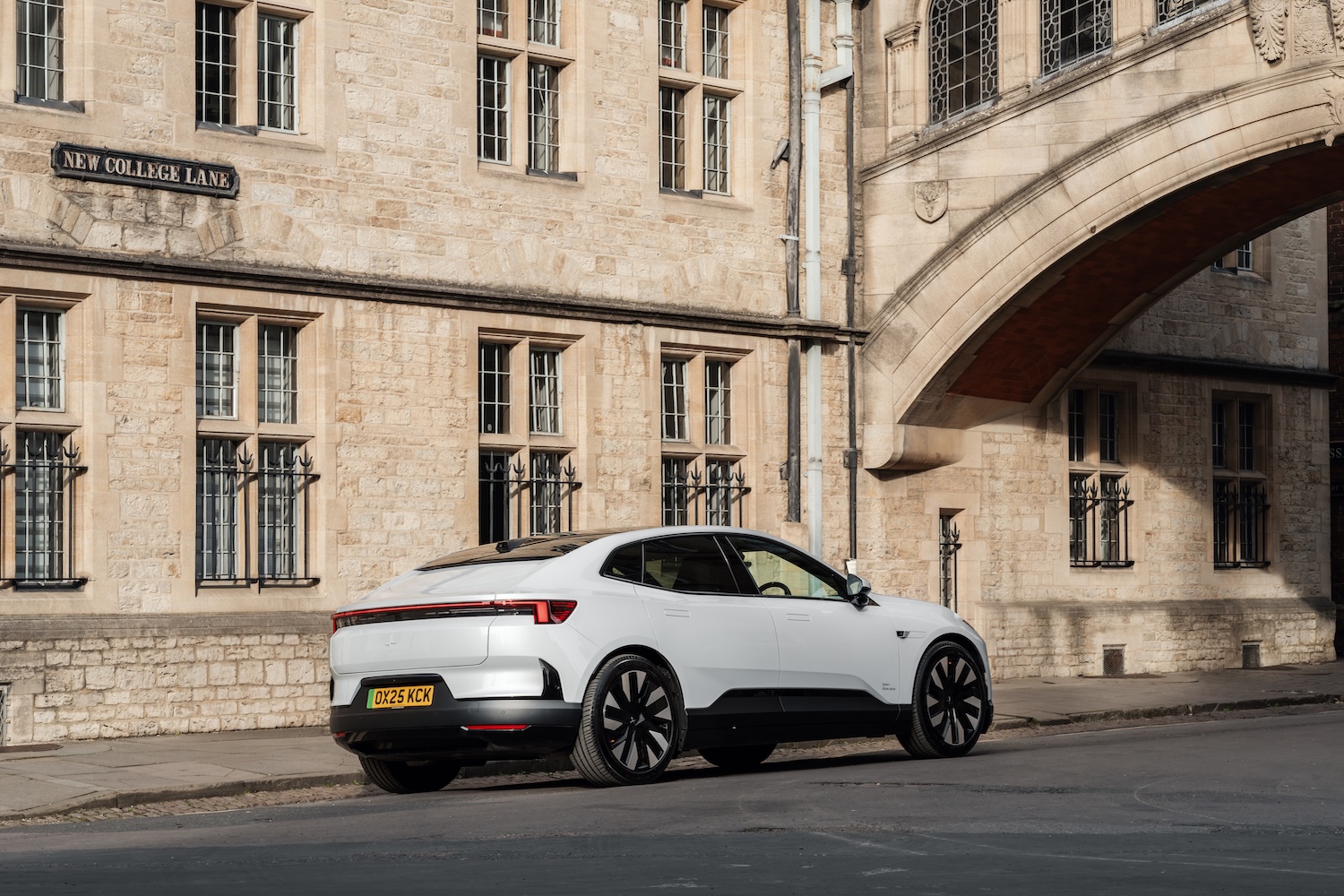
Well, that's quite the question, isn't it? And it's the question that Polestar - the Swedish-based electric and high-performance brand, spun off from Volvo - is trying to answer with the help of the SDG Impact laboratory in Oxford University.
How is this all going to work?
Basically, Polestar and SDG are going to try to read drivers' minds. Or, at least, they're going to try and measure what's happening in the brain and the body - measuring where and how the brain and the nervous system are interacting - when drivers say that they're having fun.
The study will examine physiological, cognitive, and behavioural responses while participants drive a high-performance Polestar. By analysing brain activity alongside biometric and behavioural data, the research aims to determine whether the sensations associated with driving excitement can be observed, analysed, and quantified.
"This project demonstrates how academic research can create real-world impact beyond the university,” said Prof Alexander Betts, Pro-Vice Chancellor and Co-Founder of the Oxford University SDG Impact Lab. "Working with Polestar allows us to translate scientific insight into knowledge that can help shape future innovation.”
Is it significant that Polestar is working on this project?
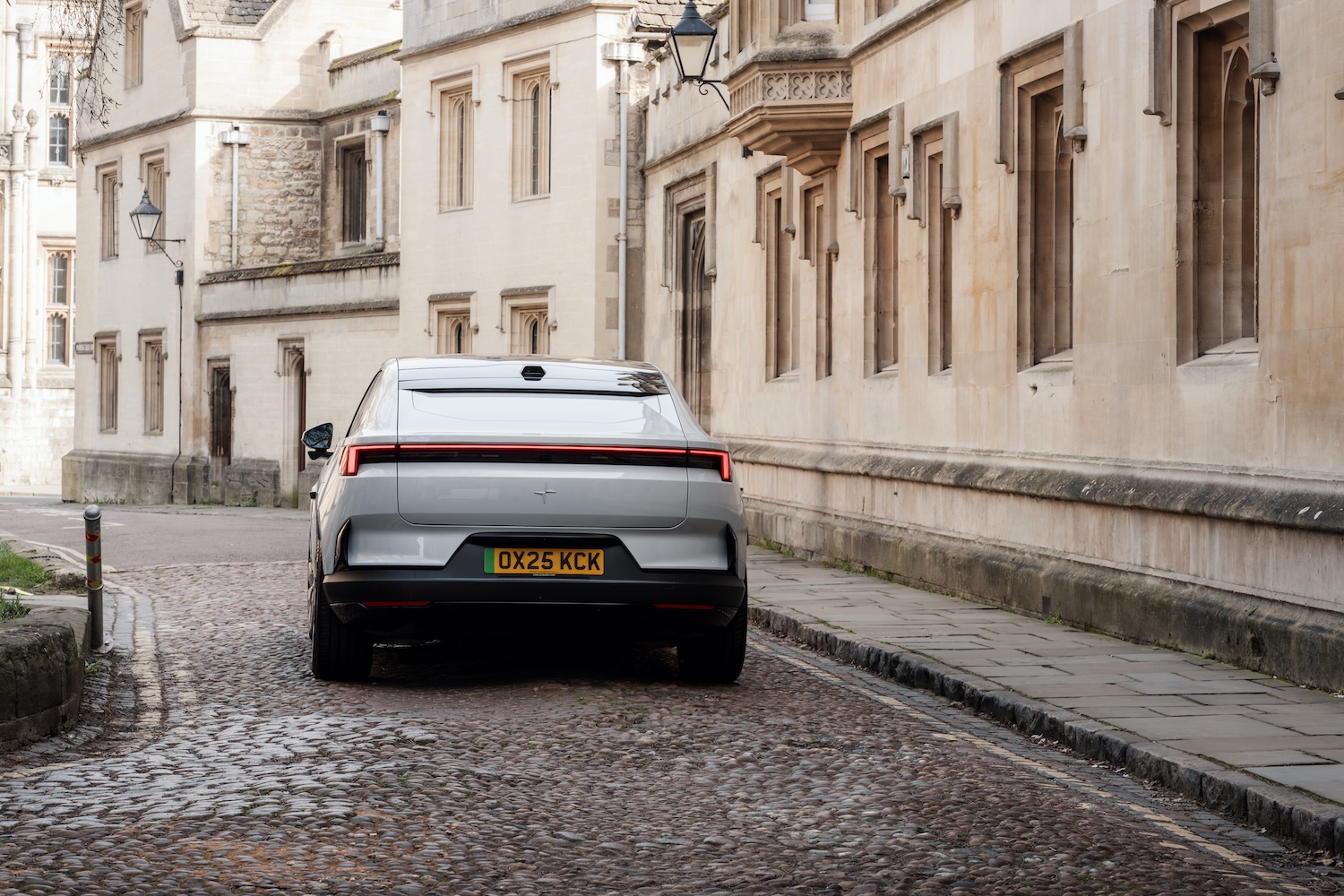
Very significant. You see, there's a long-held assumption that driving fun must include the interaction with, and the sounds of, a combustion engine. Polestar - an all-electric brand, of course - will be attempting to use the Oxford research to prove otherwise. As the official statement puts it: "The study also aims to identify ways to shape the global narrative around consumer behaviour and the perception of EV performance to support the green transition. The research is a demonstration of the strong commitment of both parties towards sustainability and positive change.”
Christian Samson, Head of Product Attributes at Polestar, said: "At Polestar we've proven to be a guiding star in design and sustainability, now it's time to lead with performance, by challenging conventions around straight-line acceleration being the default measure of driving excitement. The scientific approach of this research promises real-world benefits for our customers, as the data can be used by our engineering team as an added layer for fine tuning our cars' vehicle dynamics and performance attributes.”
Are Polestar's cars going to be put in the laboratory?
No - the other way around. Polestar and SDG Lab will take some Polestar 5s (the company's latest, low-slung, 900hp electric sports saloon) to the Gotland Ring test track in Sweden in June. There, drivers will be asked to assess how much fun they're having while readings are being taken and analysed. The plan is to release the official findings of the study in the autumn.
If there is anything about this story we have not covered, you can avail of our expert advice service via the Ask Us Anything page.