

Hang on, I'm having a 1990s flashback…
Yes, it's all baggy shirts, brick-like mobile phones, and the first season of Friends. Which is another way of saying that Nissan is reviving the Terrano name, last used on one of the earliest entrants in the then-nascent European SUV scene. The original Terrano was actually a co-production with Ford, which built its Maverick SUV in the same factory.
What's the new Terrano like?
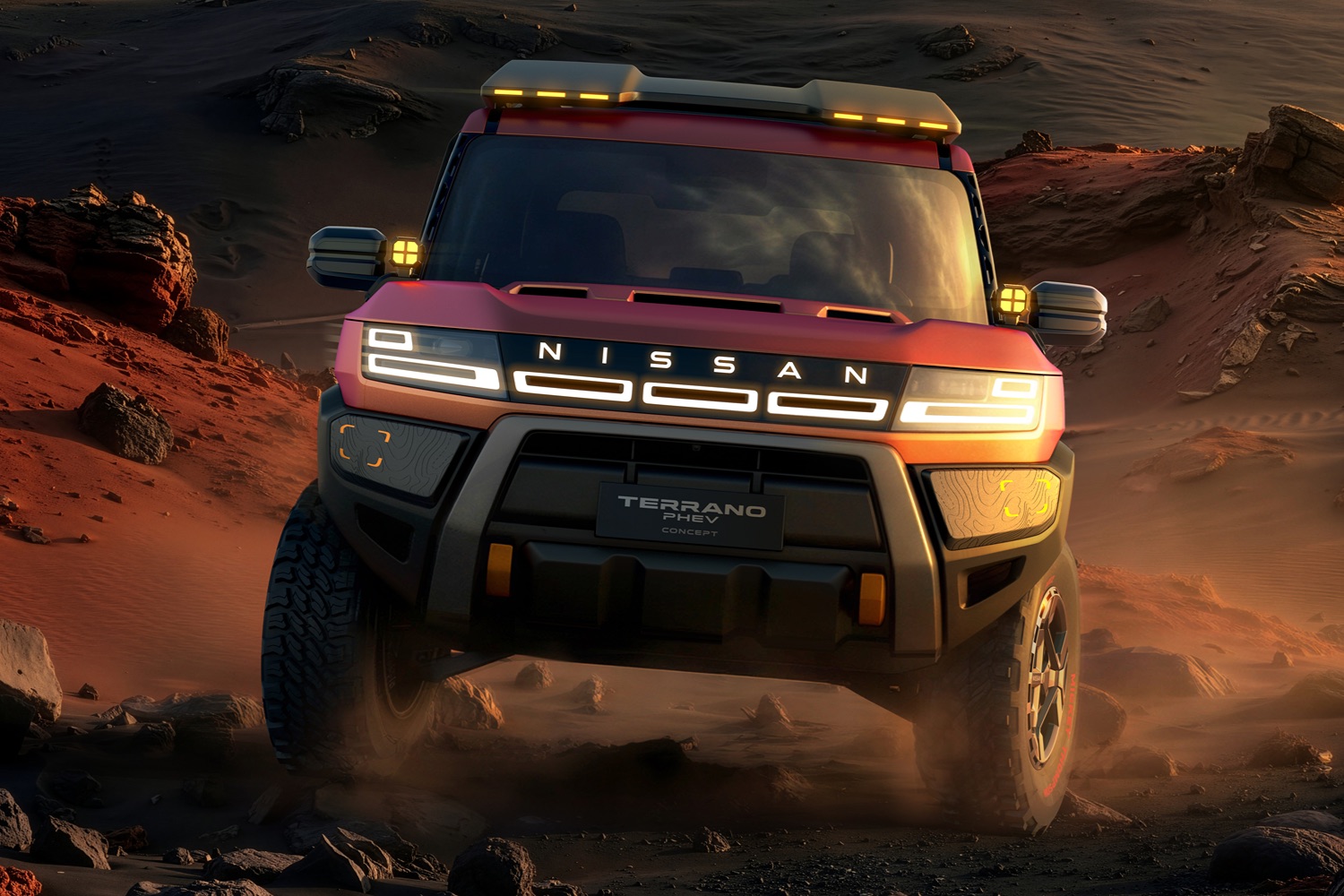
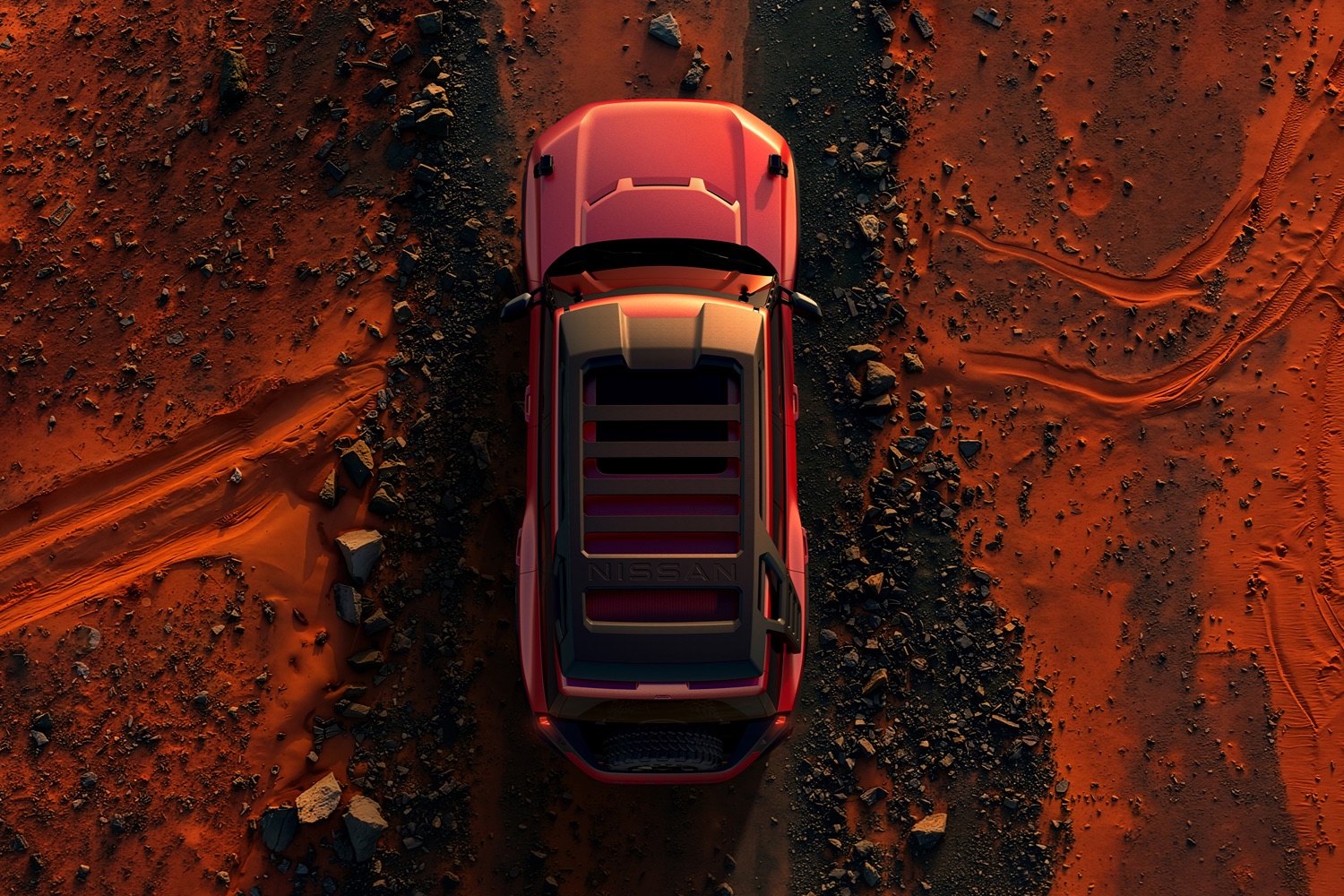
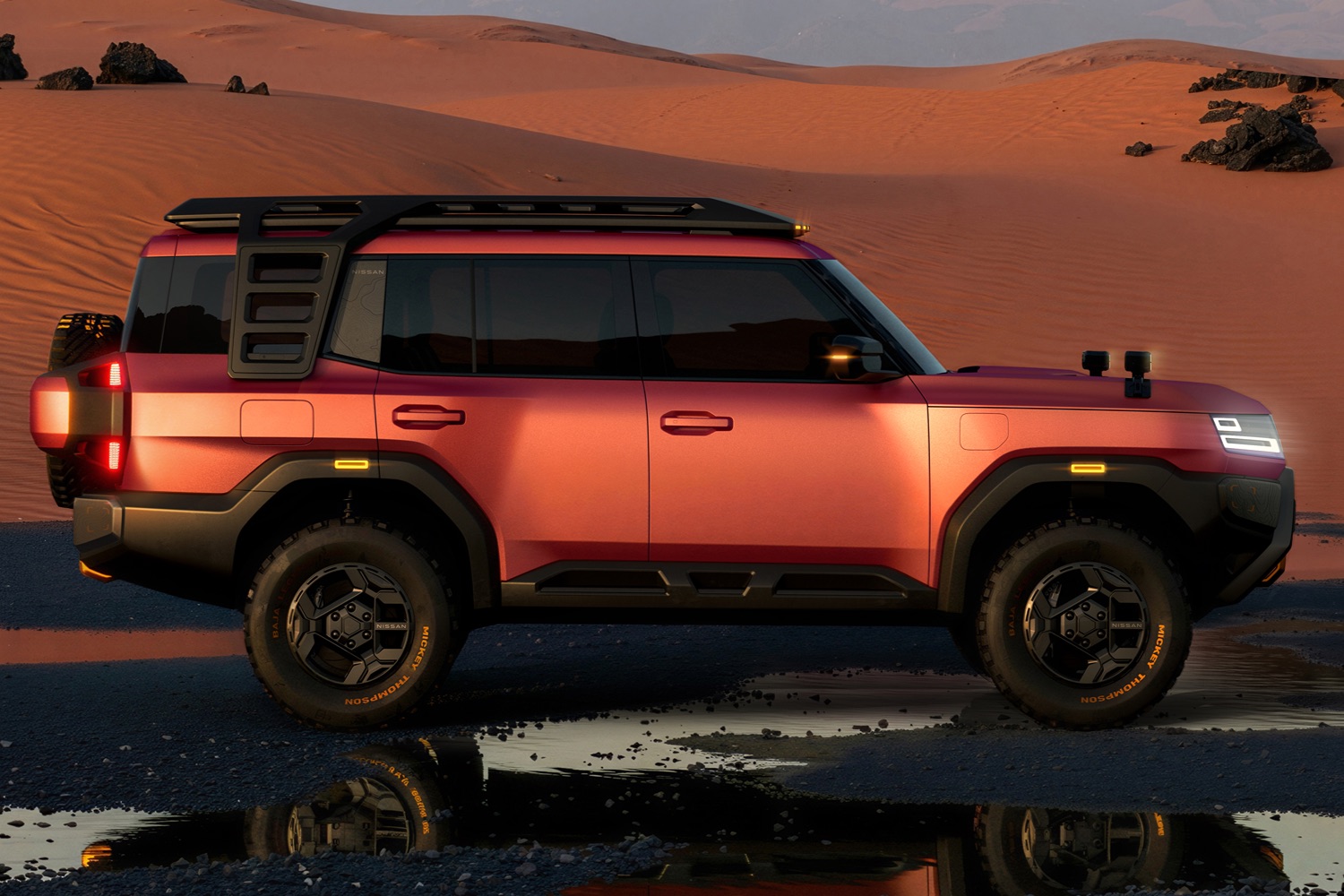
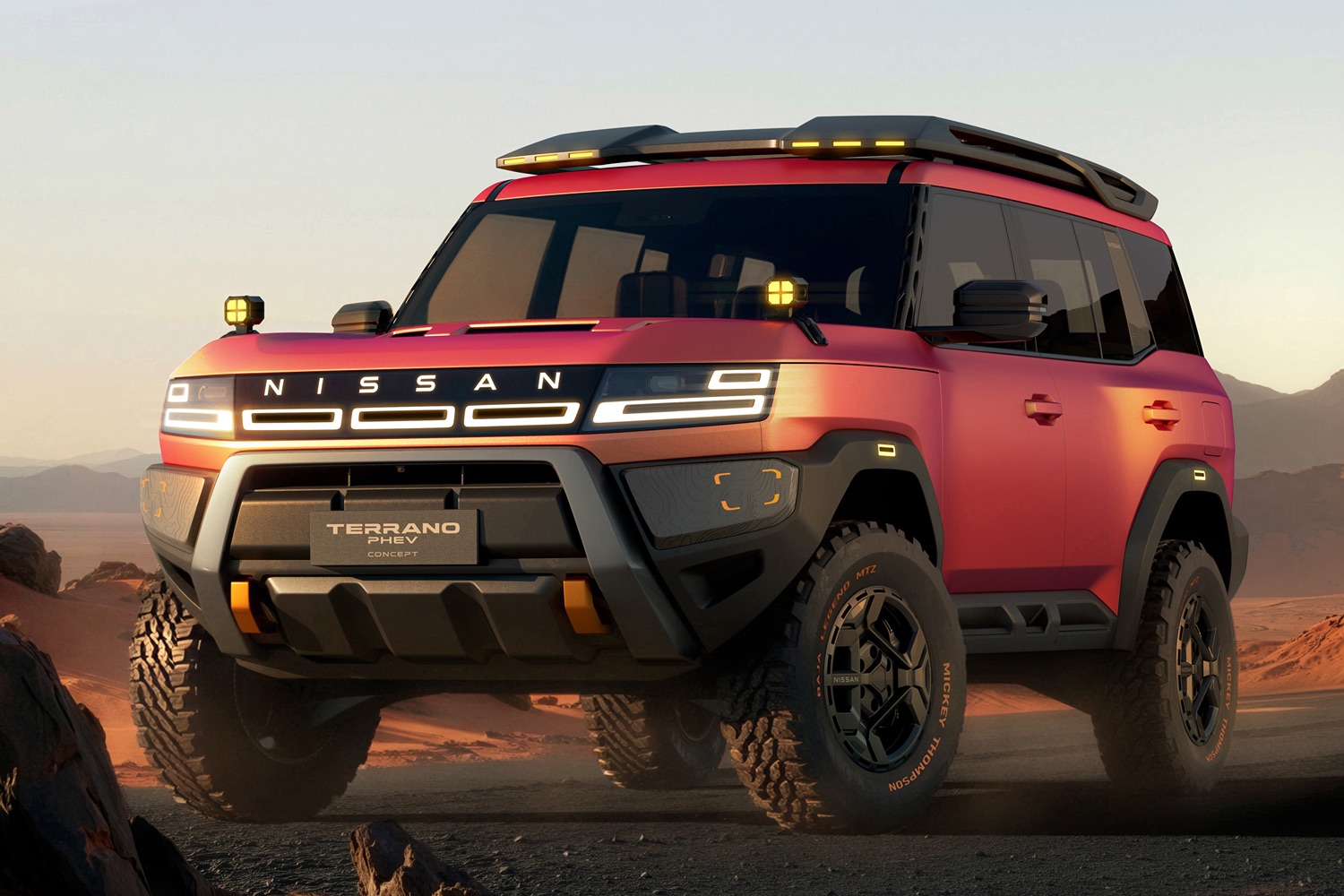
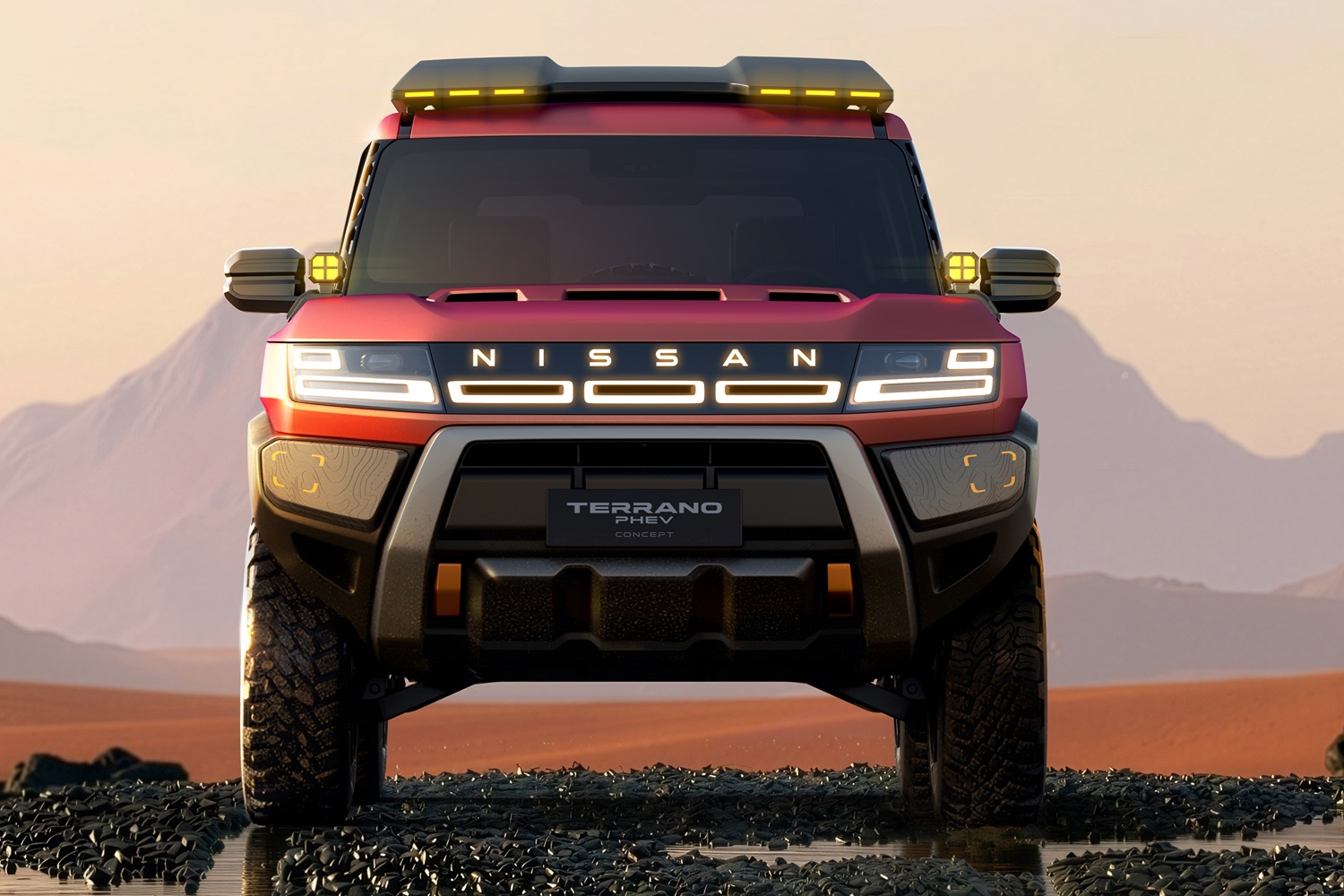
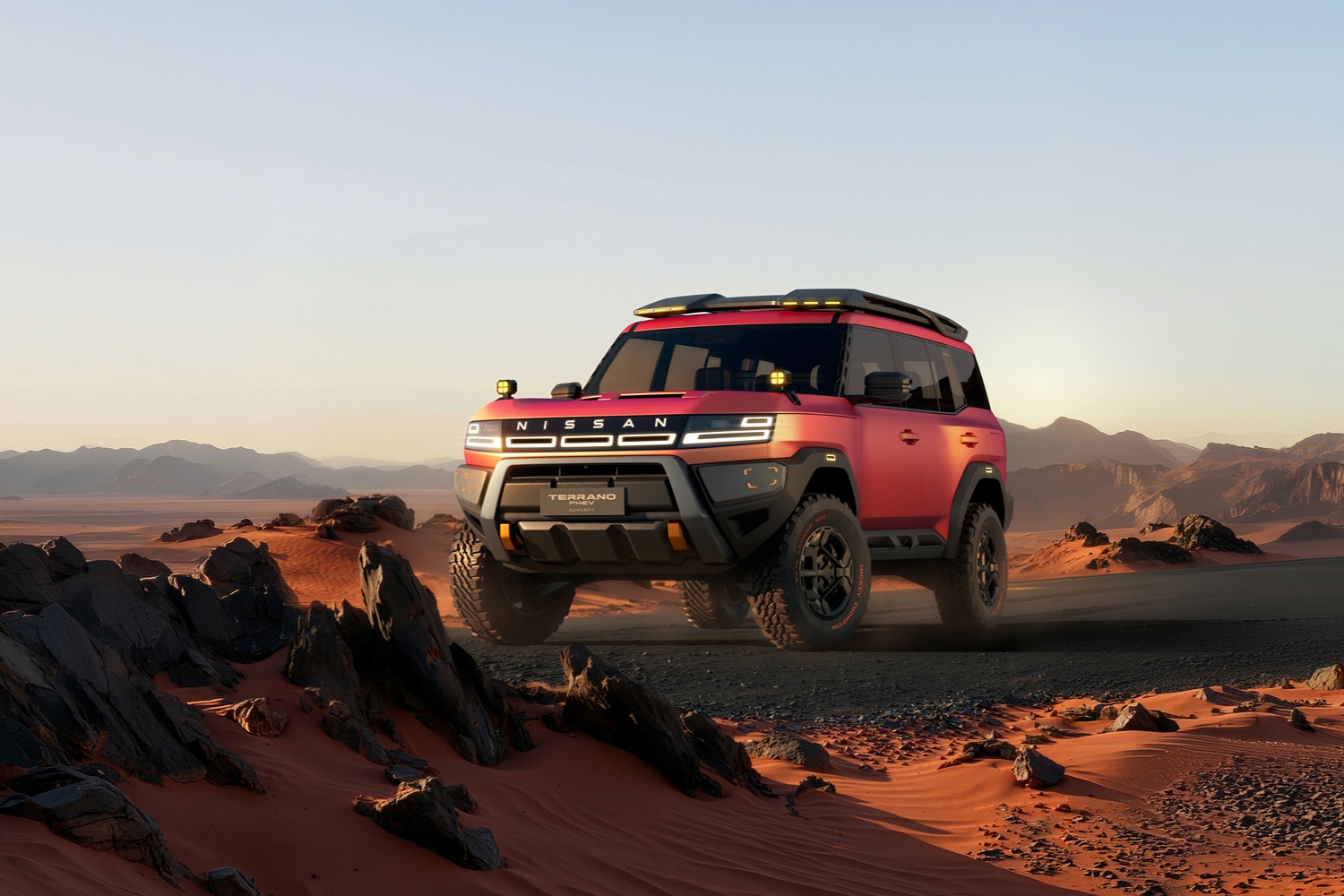
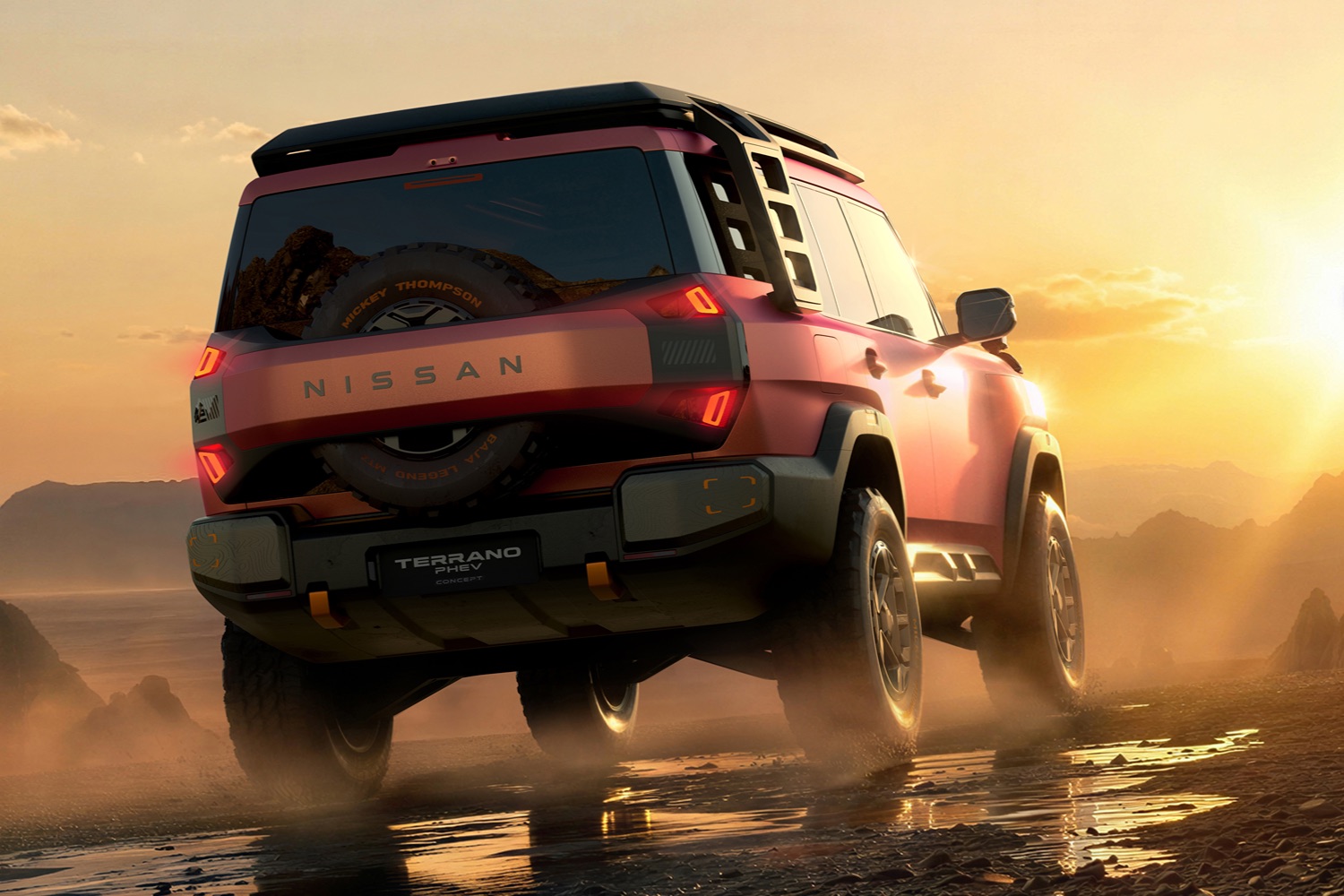
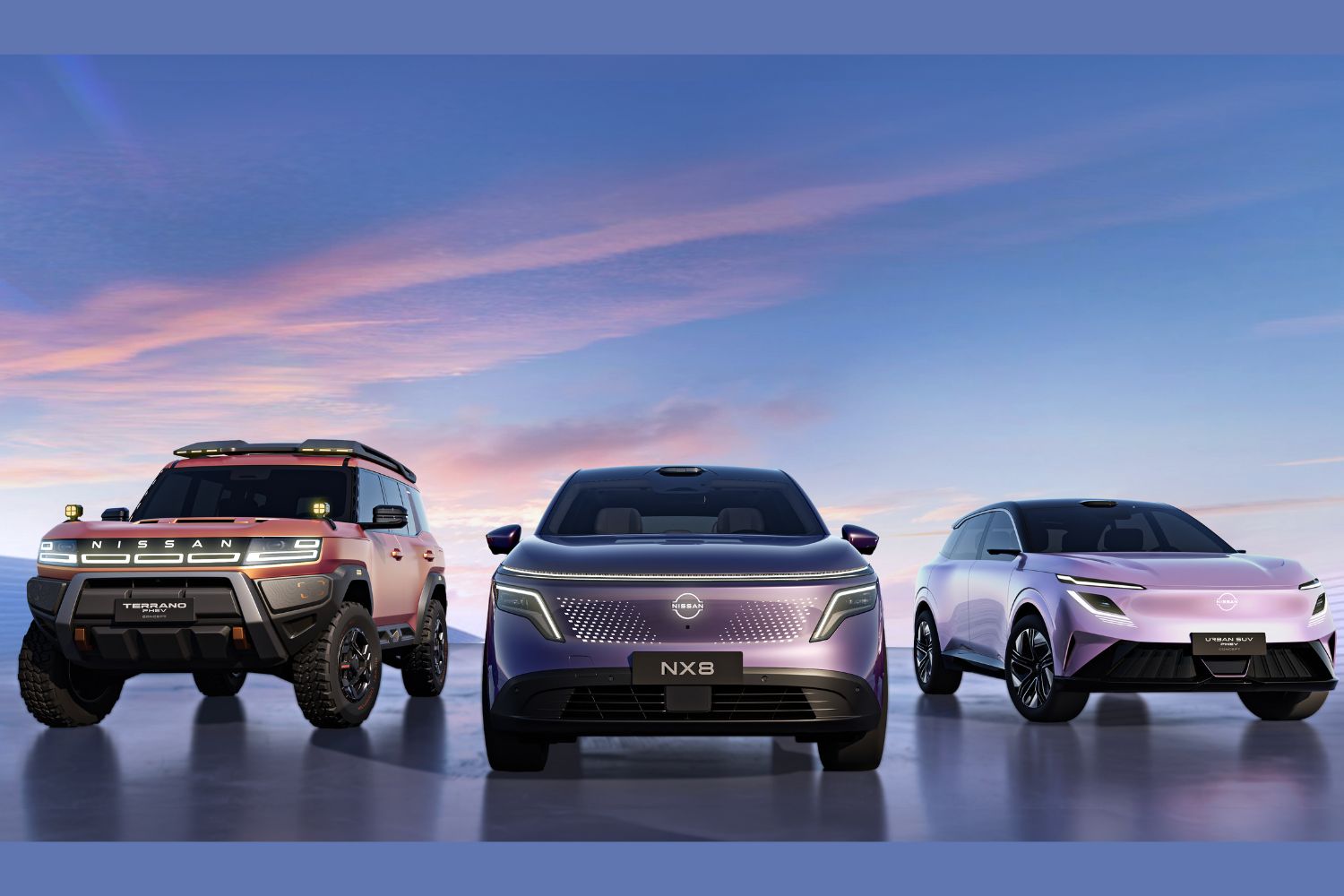
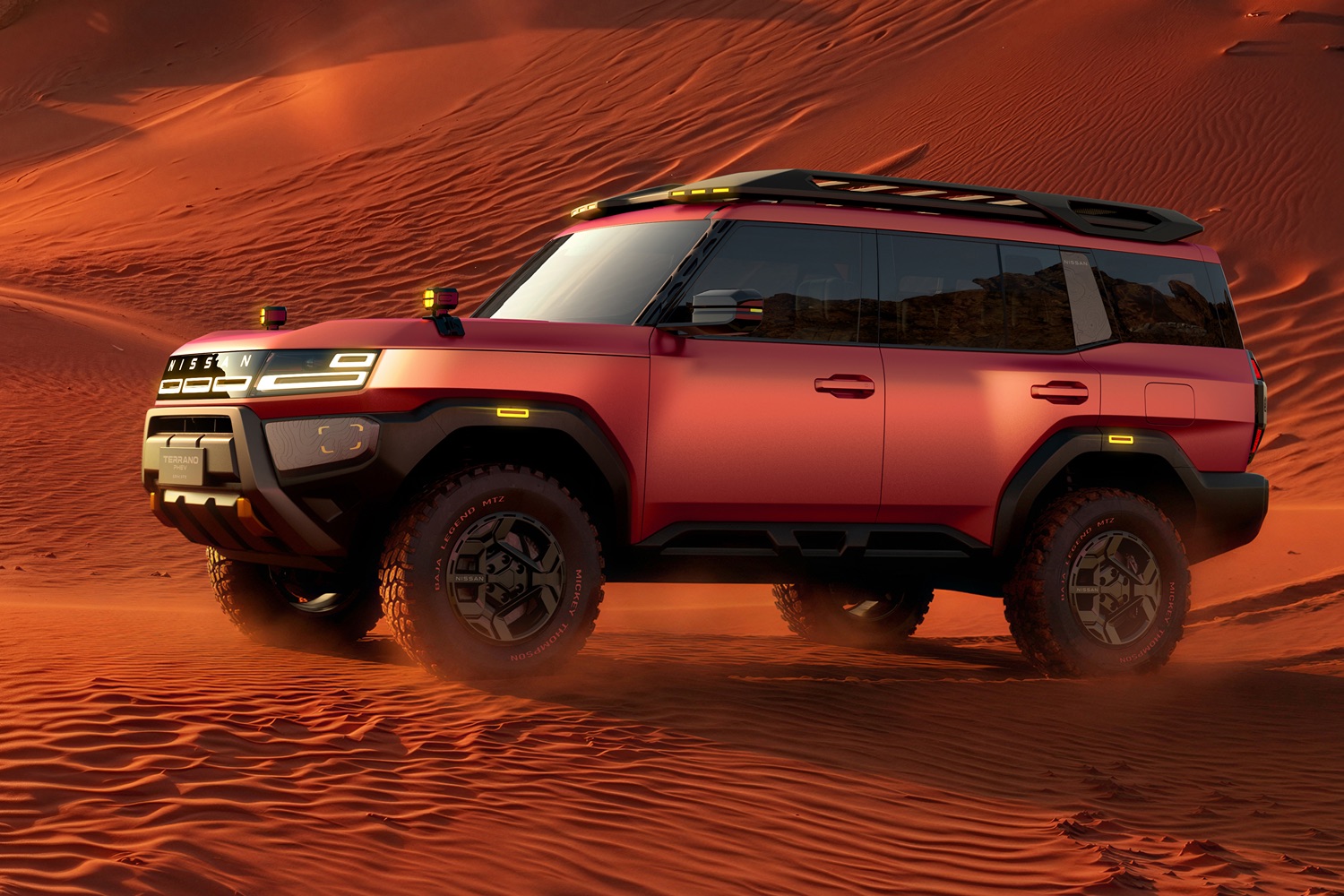
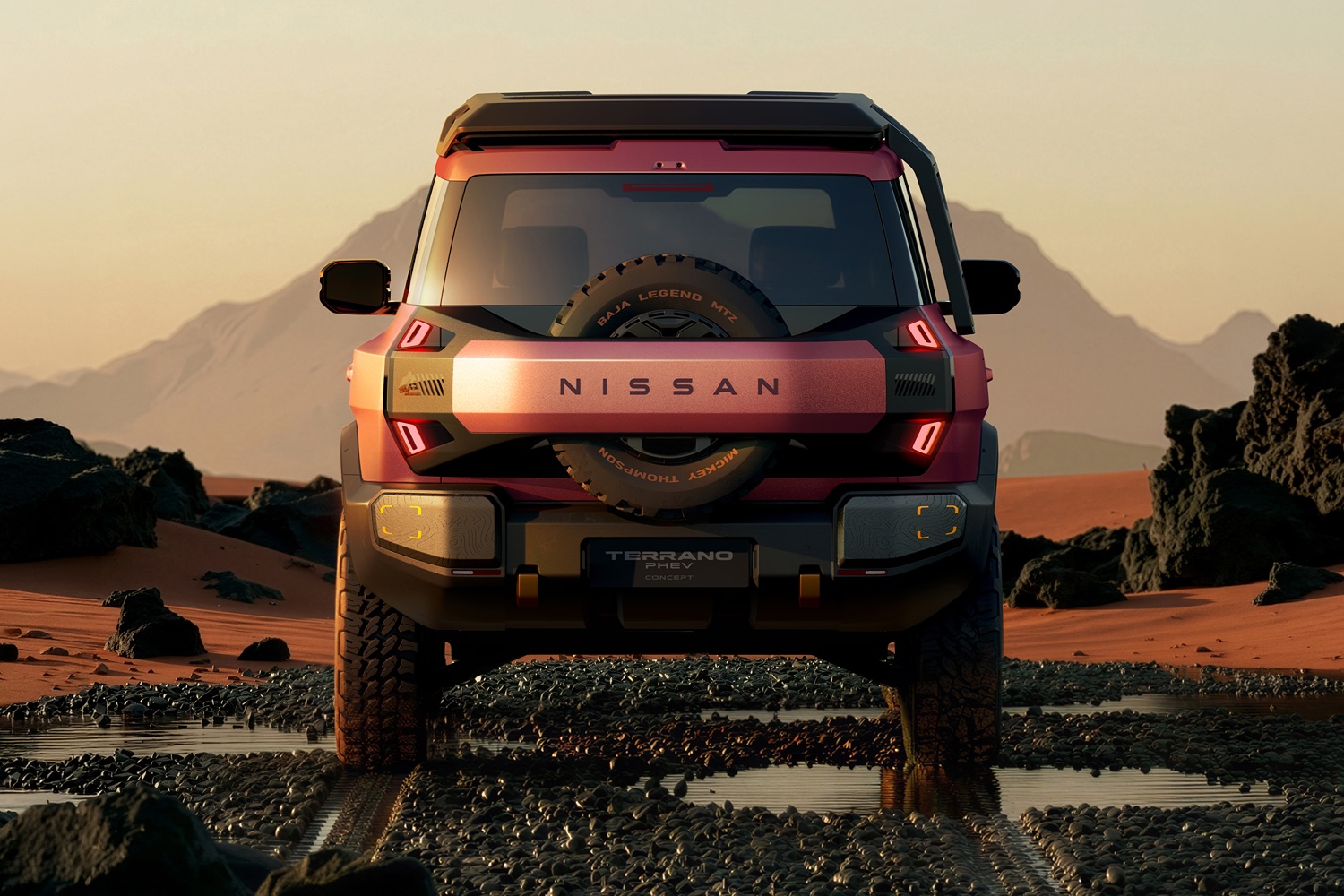
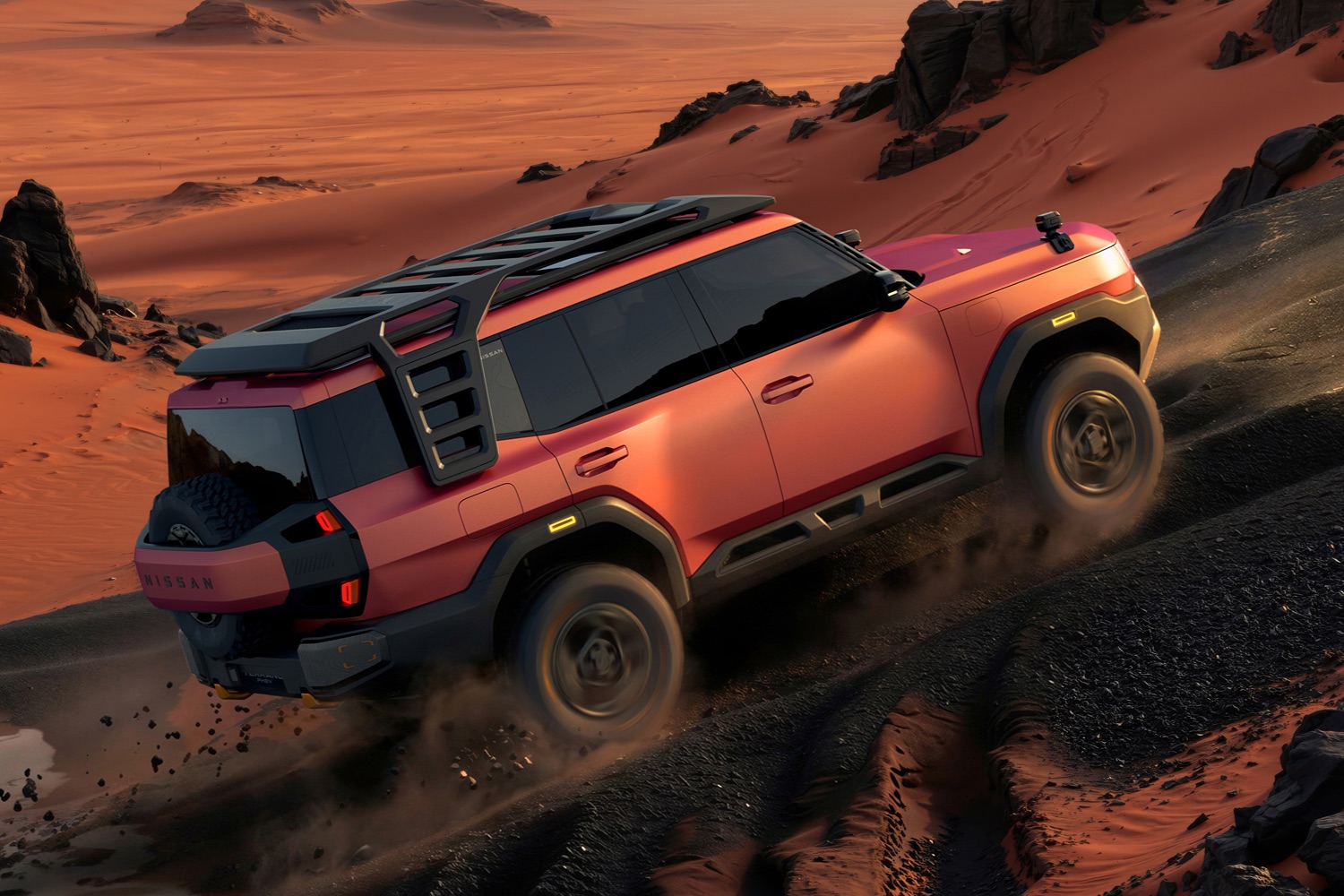
The new Terrano is a rugged, squared-off SUV with a distinctive clamshell bonnet and a line of rectangular LED lights running across the grille. It looks like a far more serious off-roader than the original Terrano, although there is a noticeable kick-up in the rear window line that seems to be an homage to the 1990s version.
While Nissan isn't giving us many technical details, it currently seems likely that this Terrano will be a comfy-on-frame 4x4, rather than a car-based SUV, and it will get a plug-in hybrid powertrain.
Will it come to Europe?
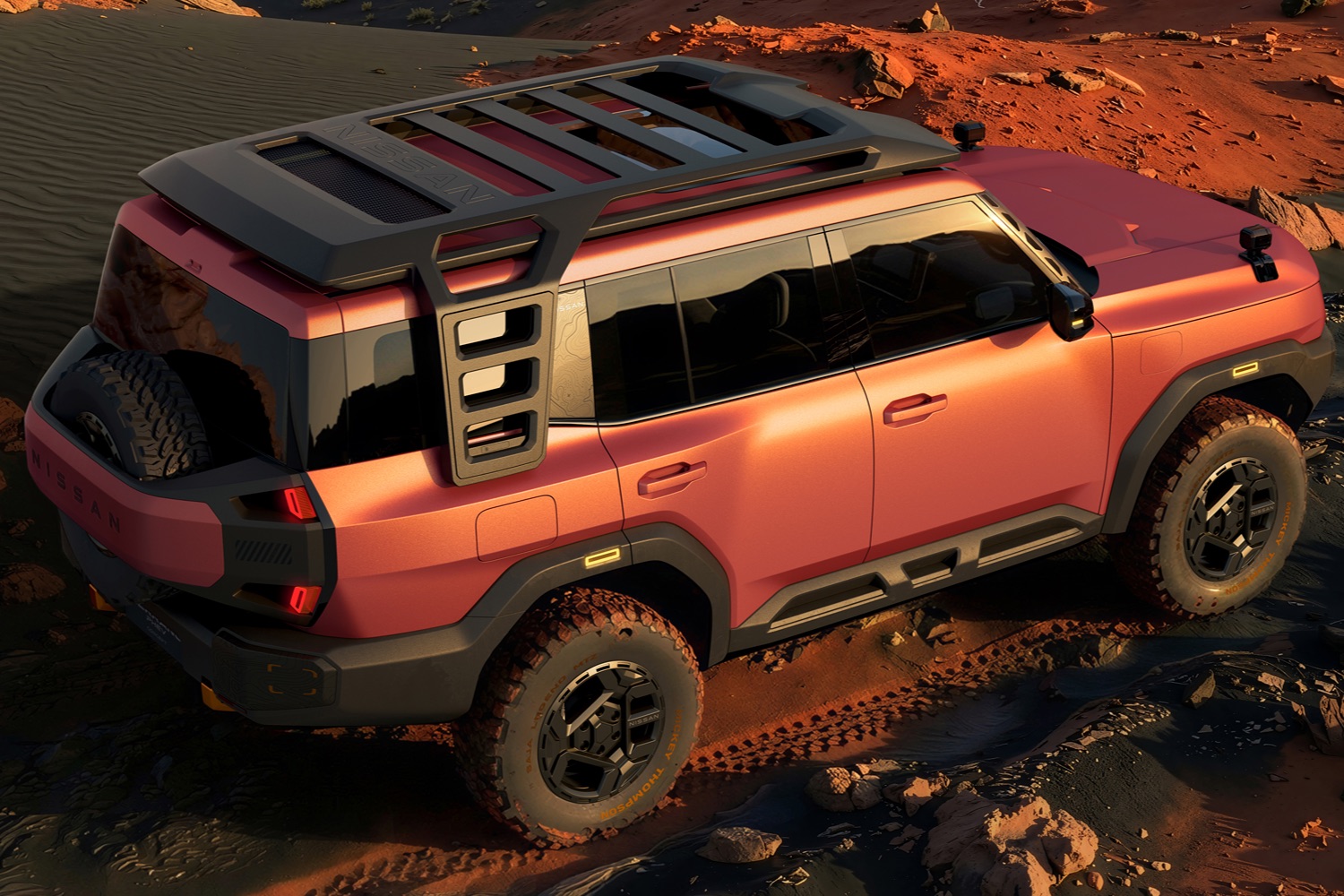
That's currently unclear, but it's also unlikely - the Terrano is more likely aimed at China, with the possibility of US sales too, but in Europe, Nissan probably isn't going to sell anything bigger than the existing X-Trail.
What else is Nissan showing in Beijing?
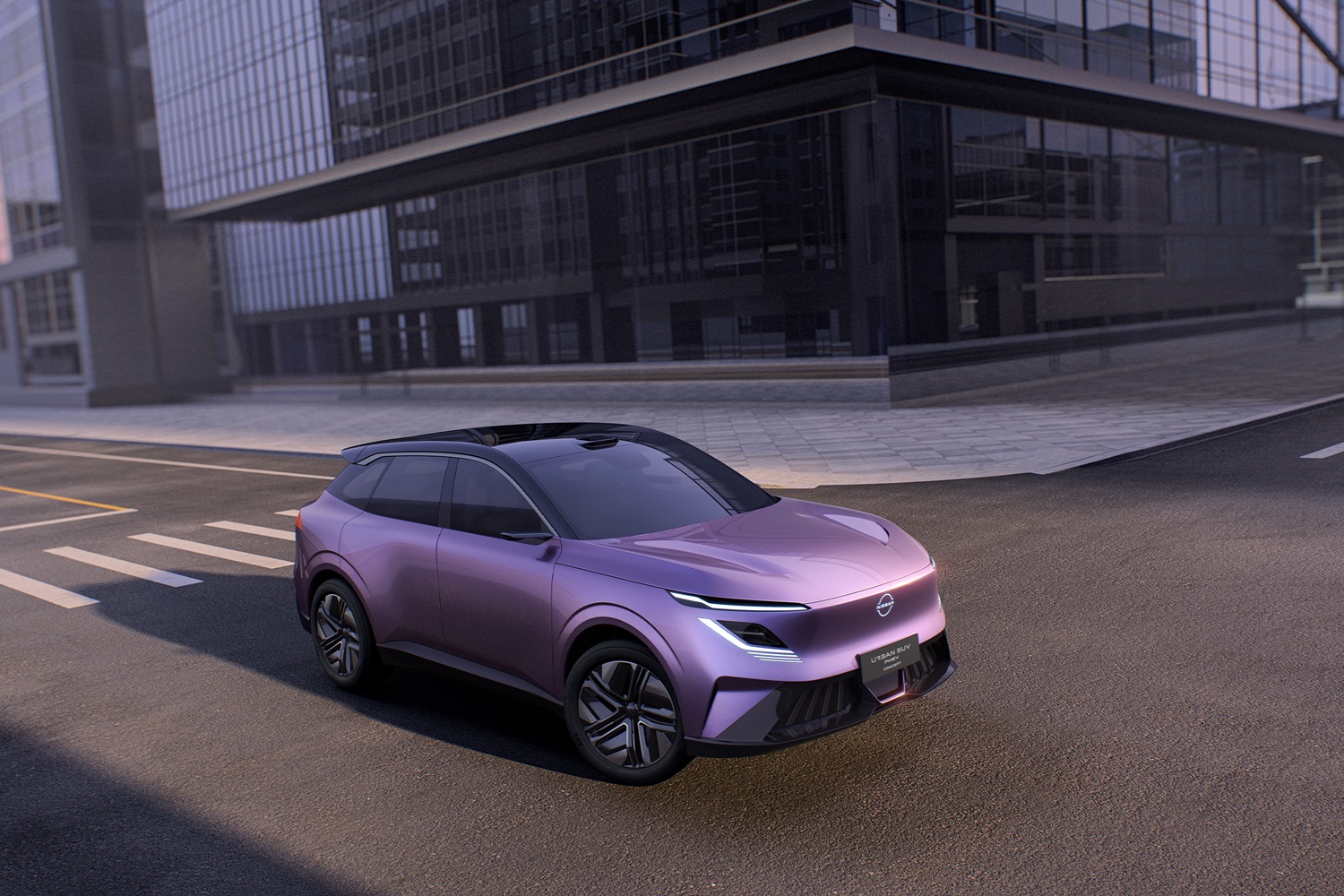
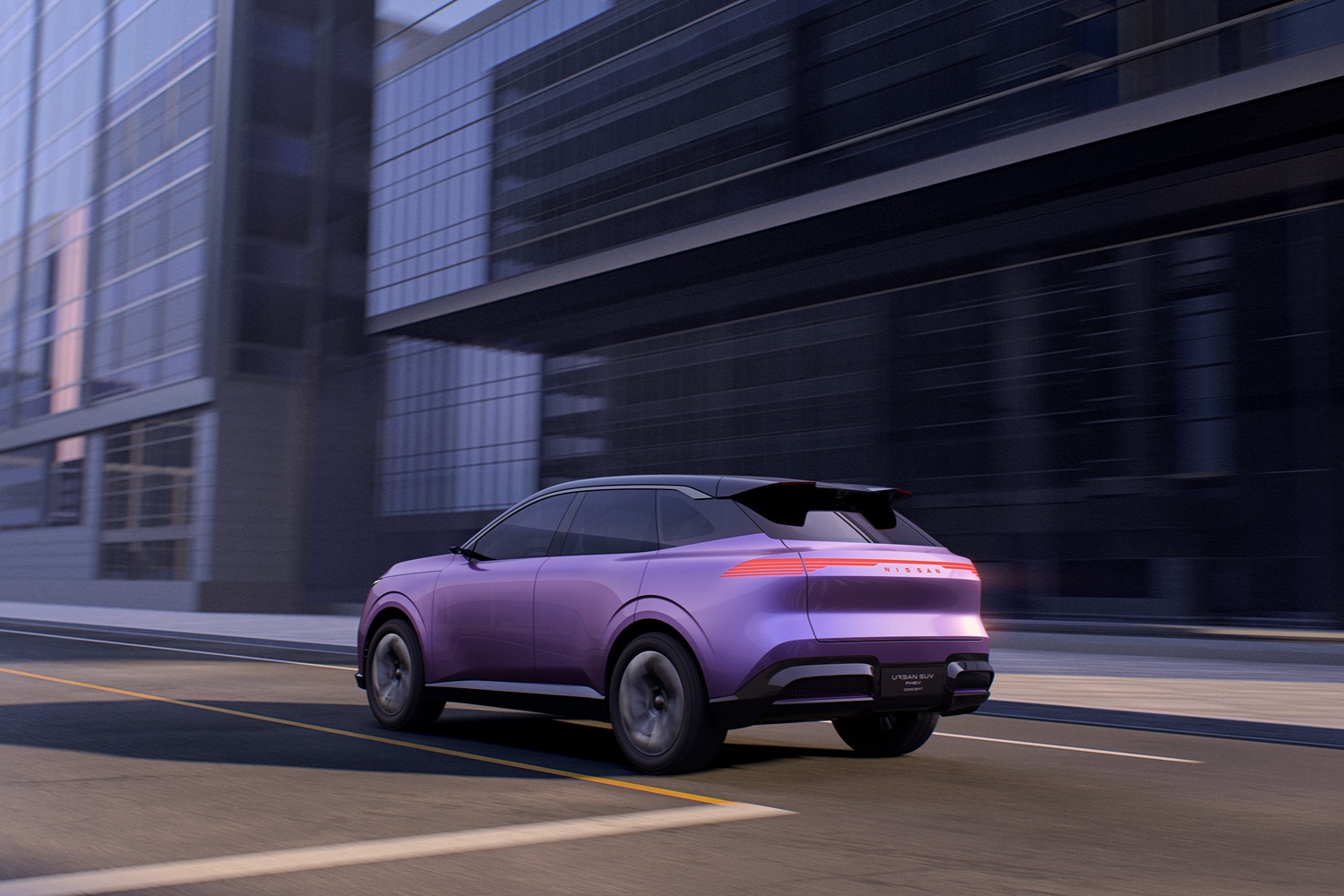
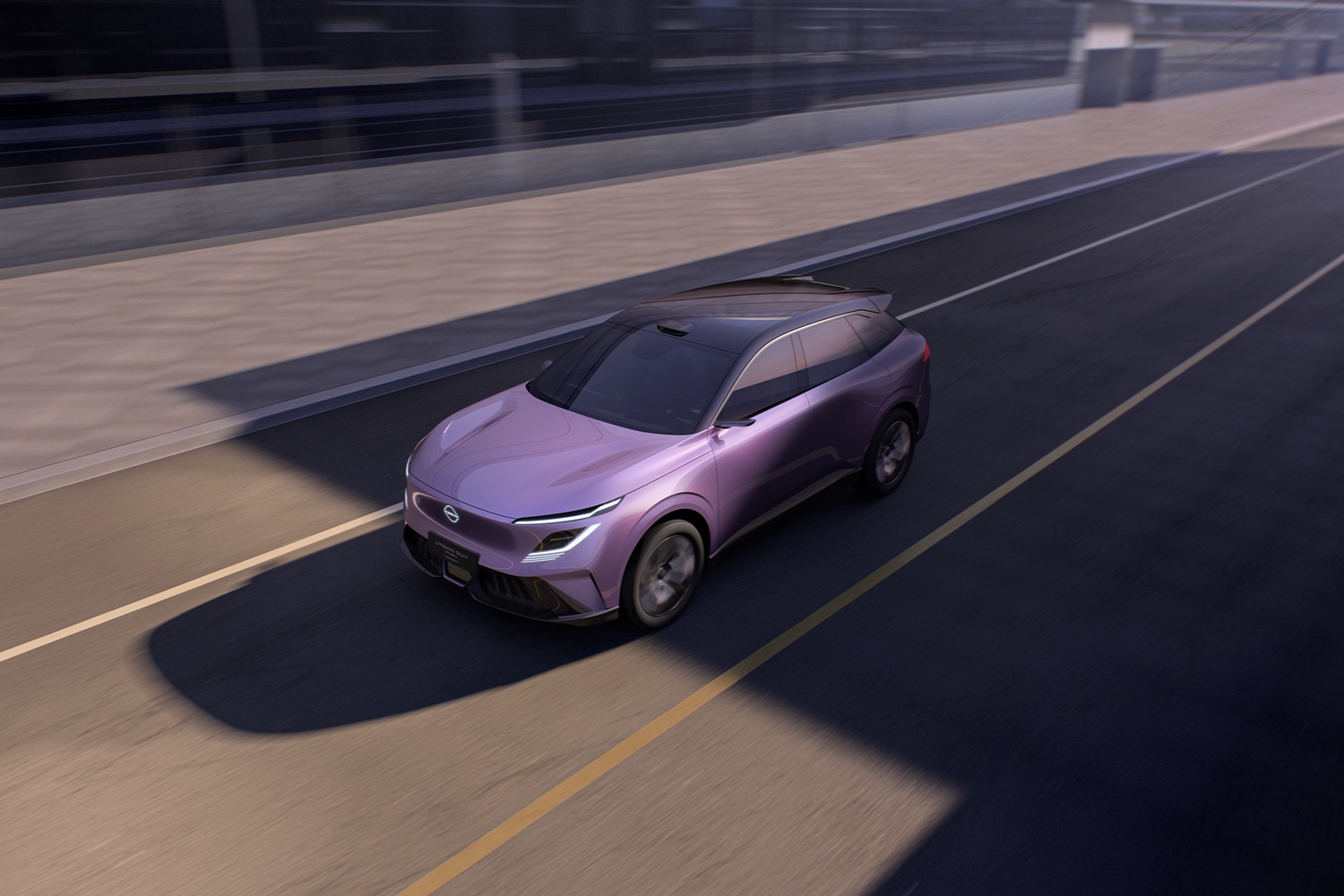
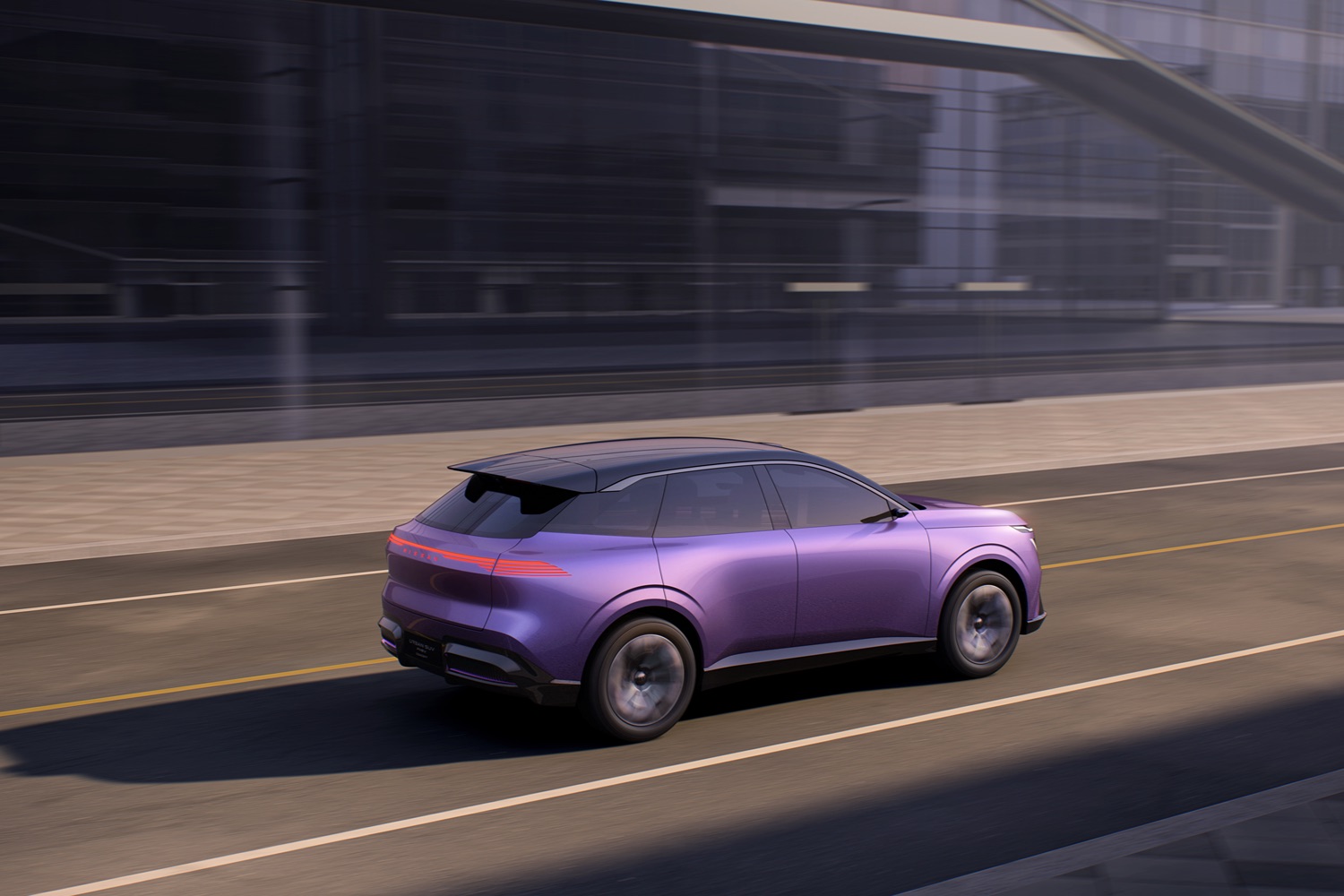
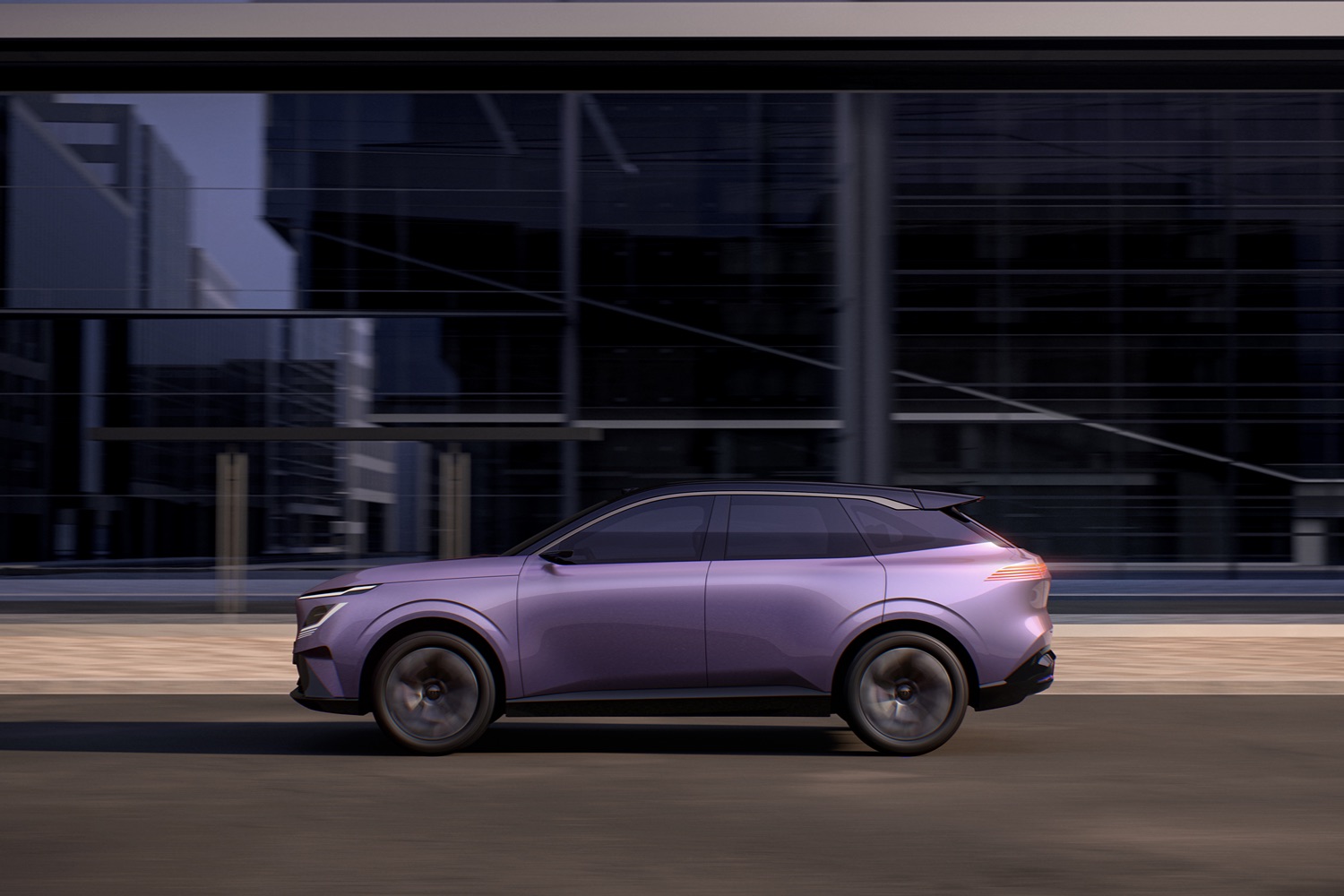
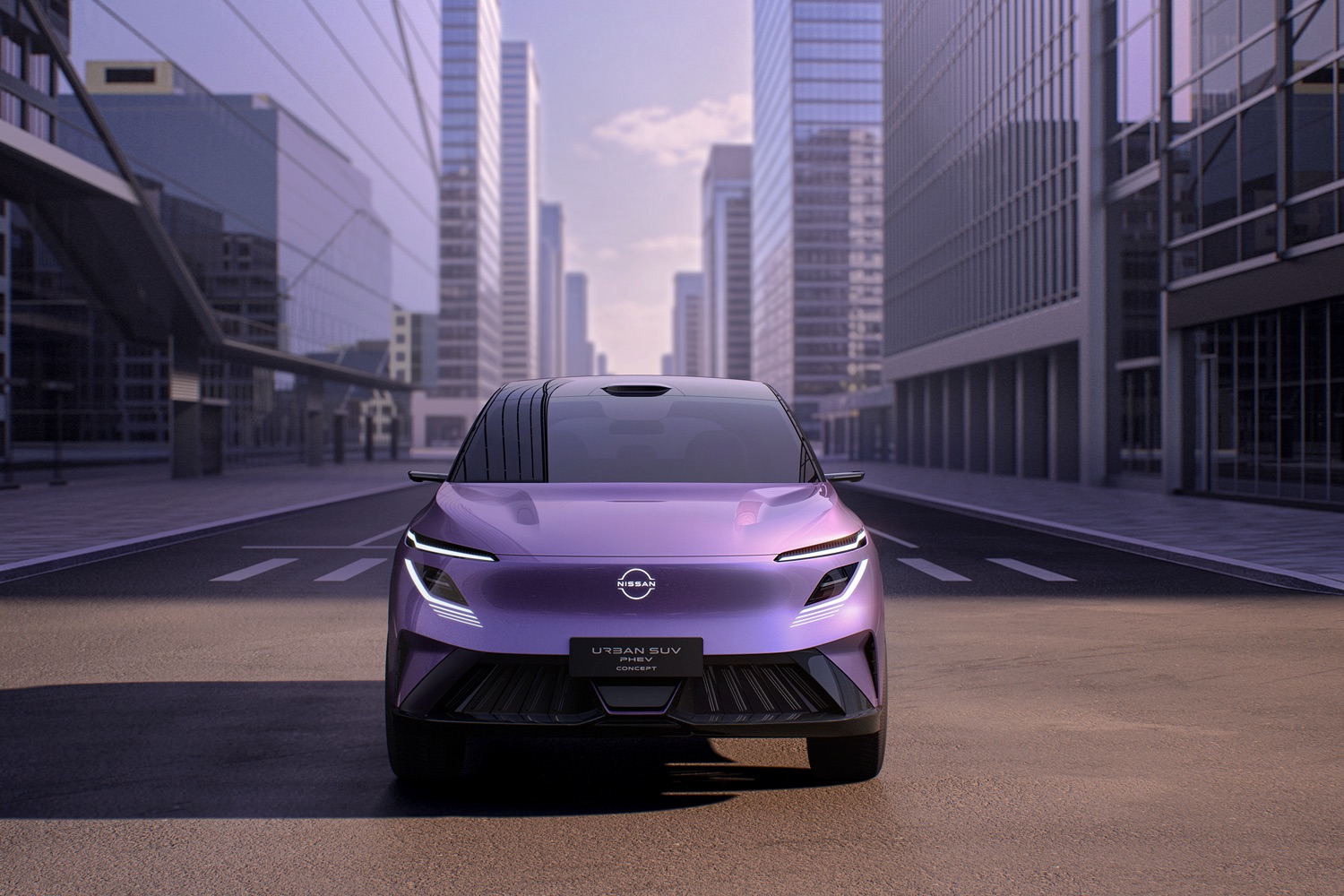
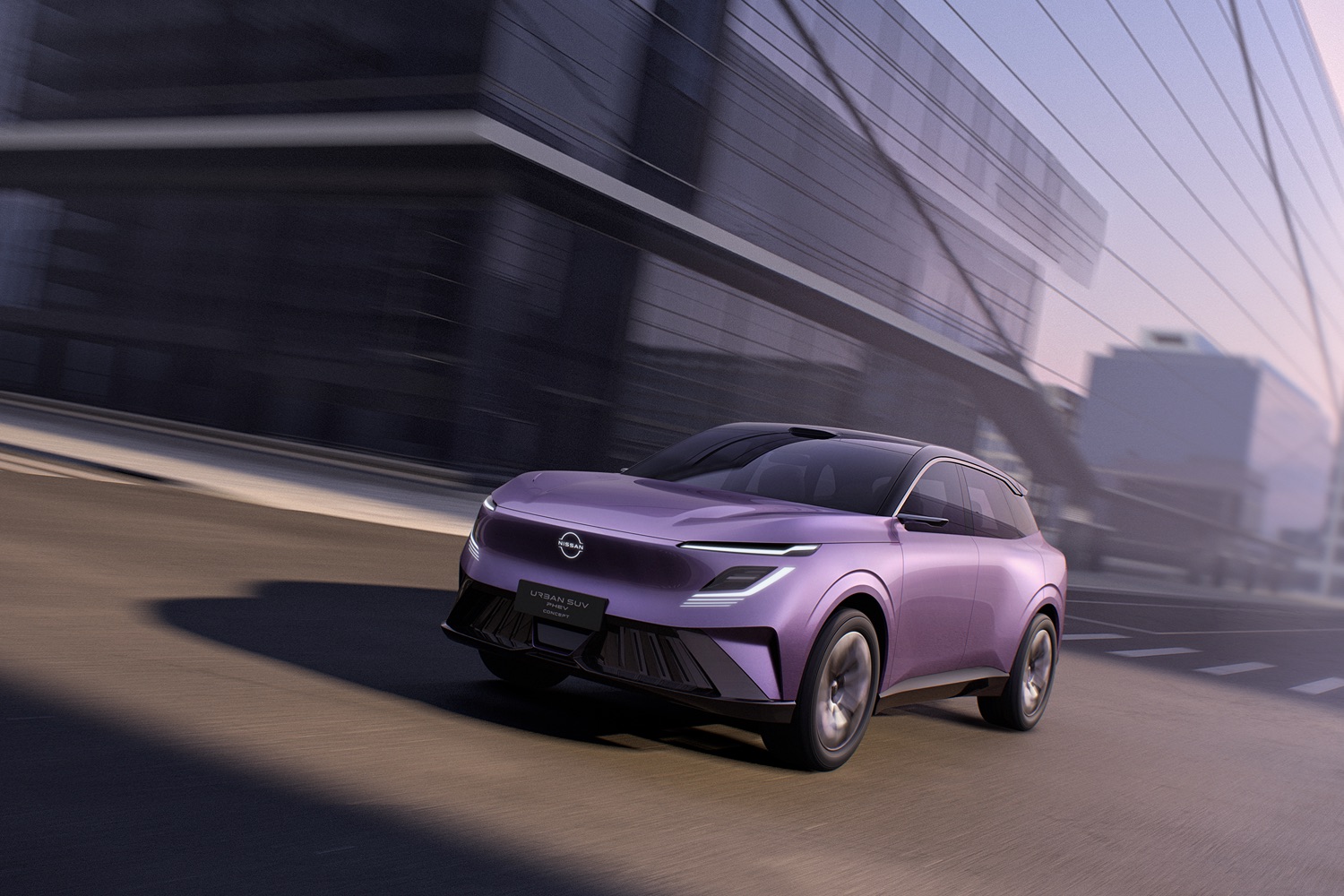
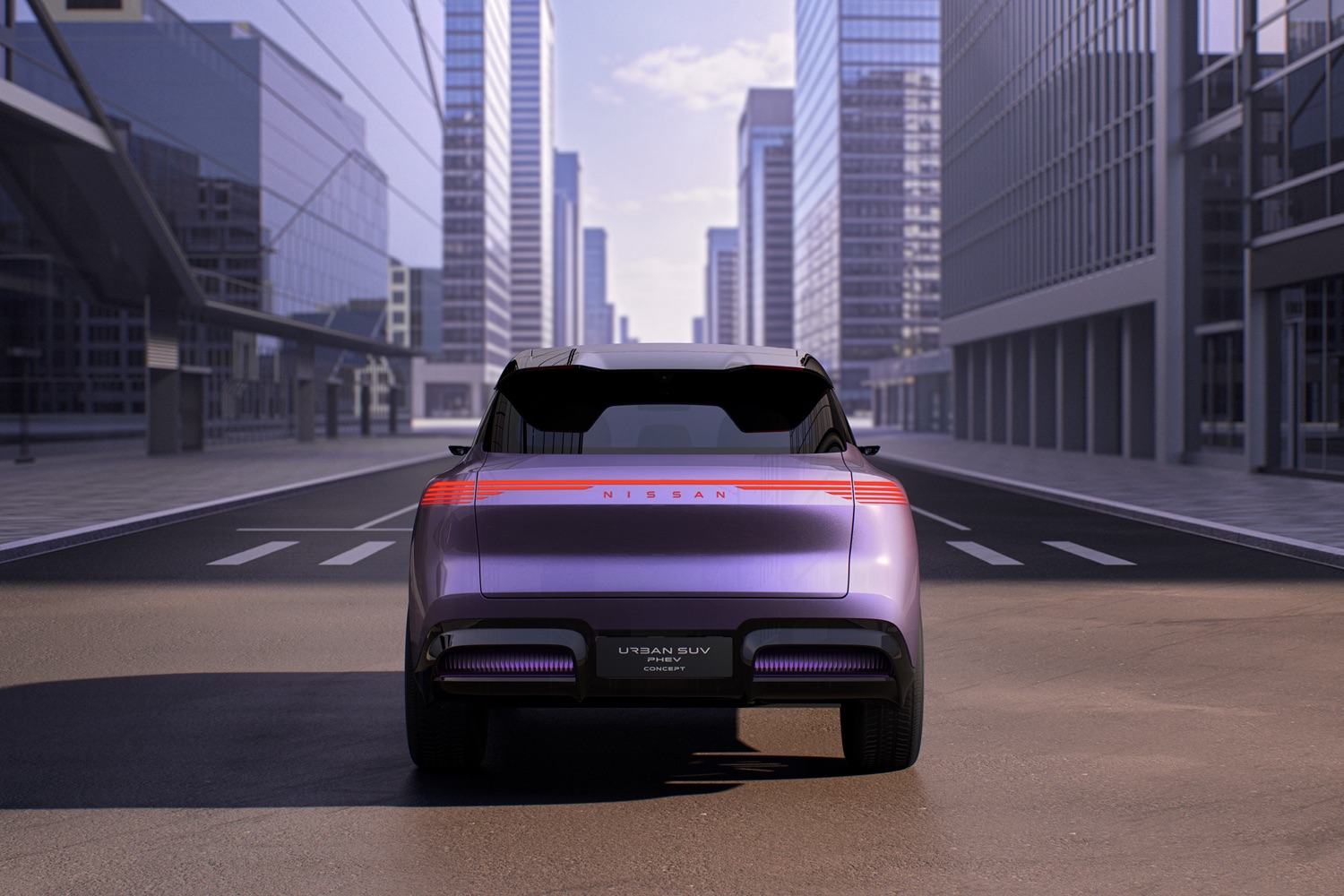
There's also the new Urban SUV concept, which draws on Nissan's Chinese market experience with the existing NX8 model. Again, there's not much detail from Nissan on this one, only that it's also a plug-in hybrid and is aimed at younger Chinese customers. Don't expect this one to come to Europe either.
Anything else we should know?
Only that Nissan, as with so many other car makers, sees China as a hugely important market right now, hence its presence in strength at the Beijing show. Speaking at the show, Ivan Espinosa, Nissan's president and CEO, said: "Under our vision, China is not only a highly competitive domestic market but also a source of innovation, enabling us to create new value and experiences for customers in China and in the global markets. Advanced technology must serve a clear purpose and be experienced directly by customers through mobility that is safer, more intuitive, and more accessible. China is central to bringing this belief to life.”
If there is anything about this story we have not covered, you can avail of our expert advice service via the Ask Us Anything page.