

What's Green NCAP?
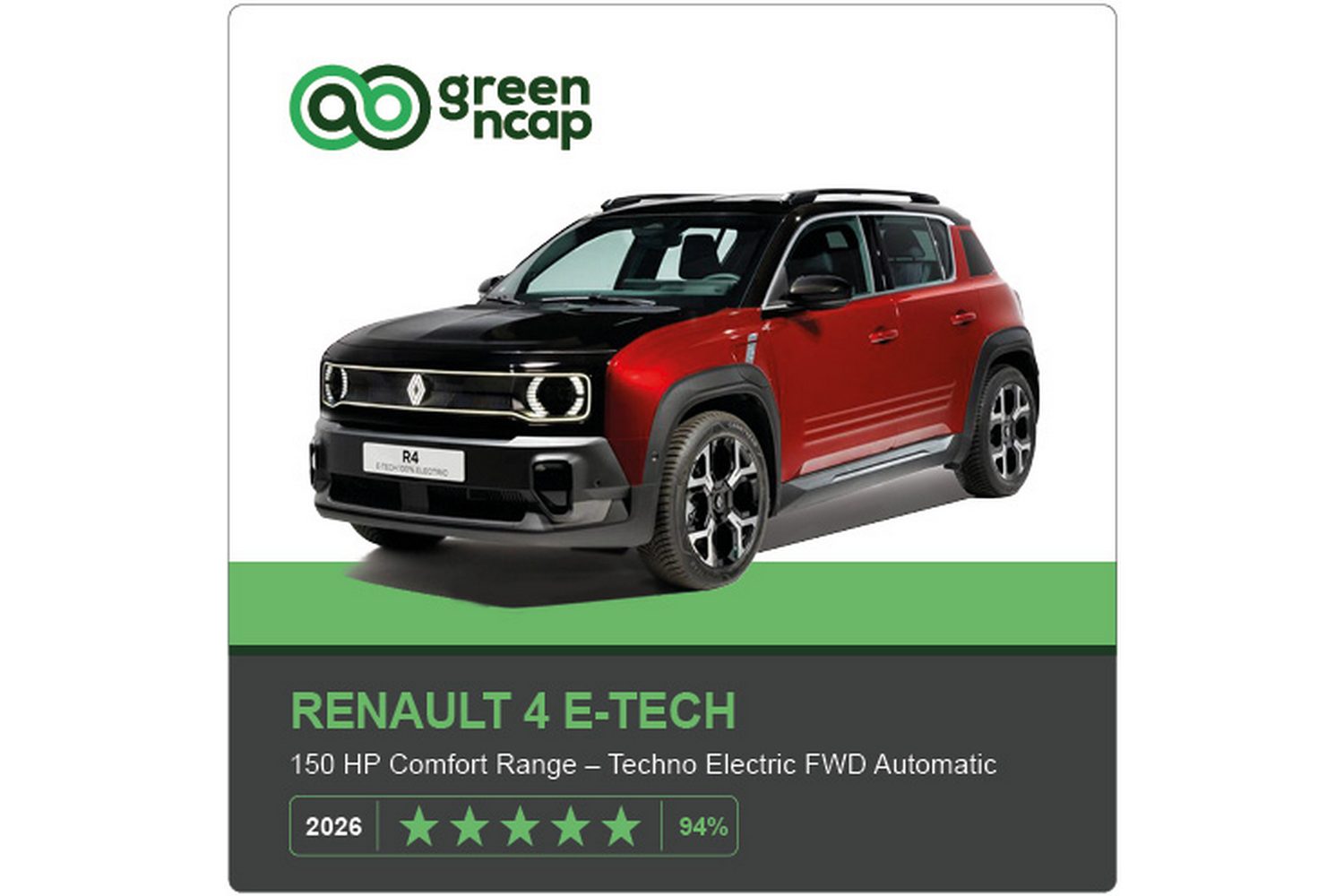
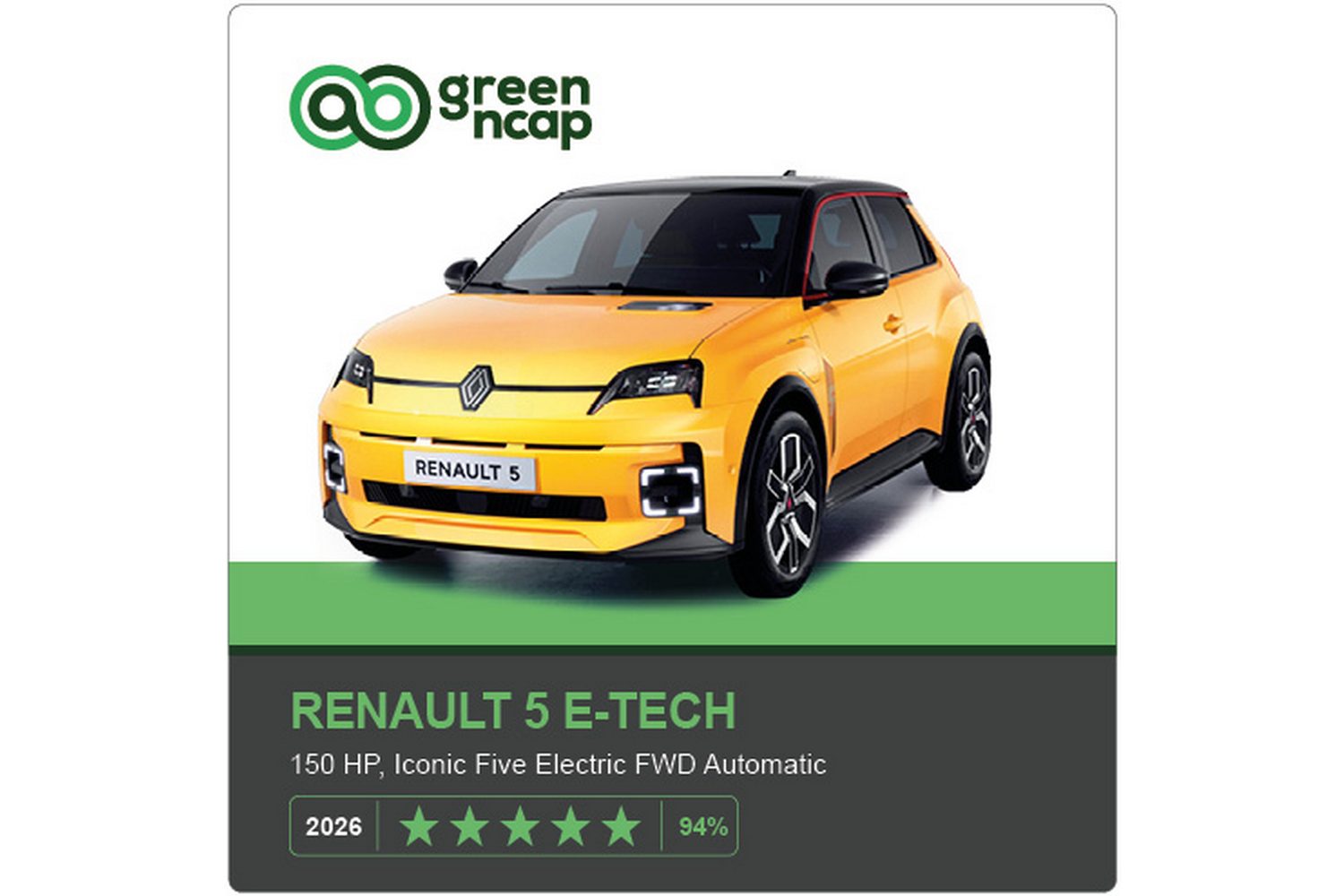
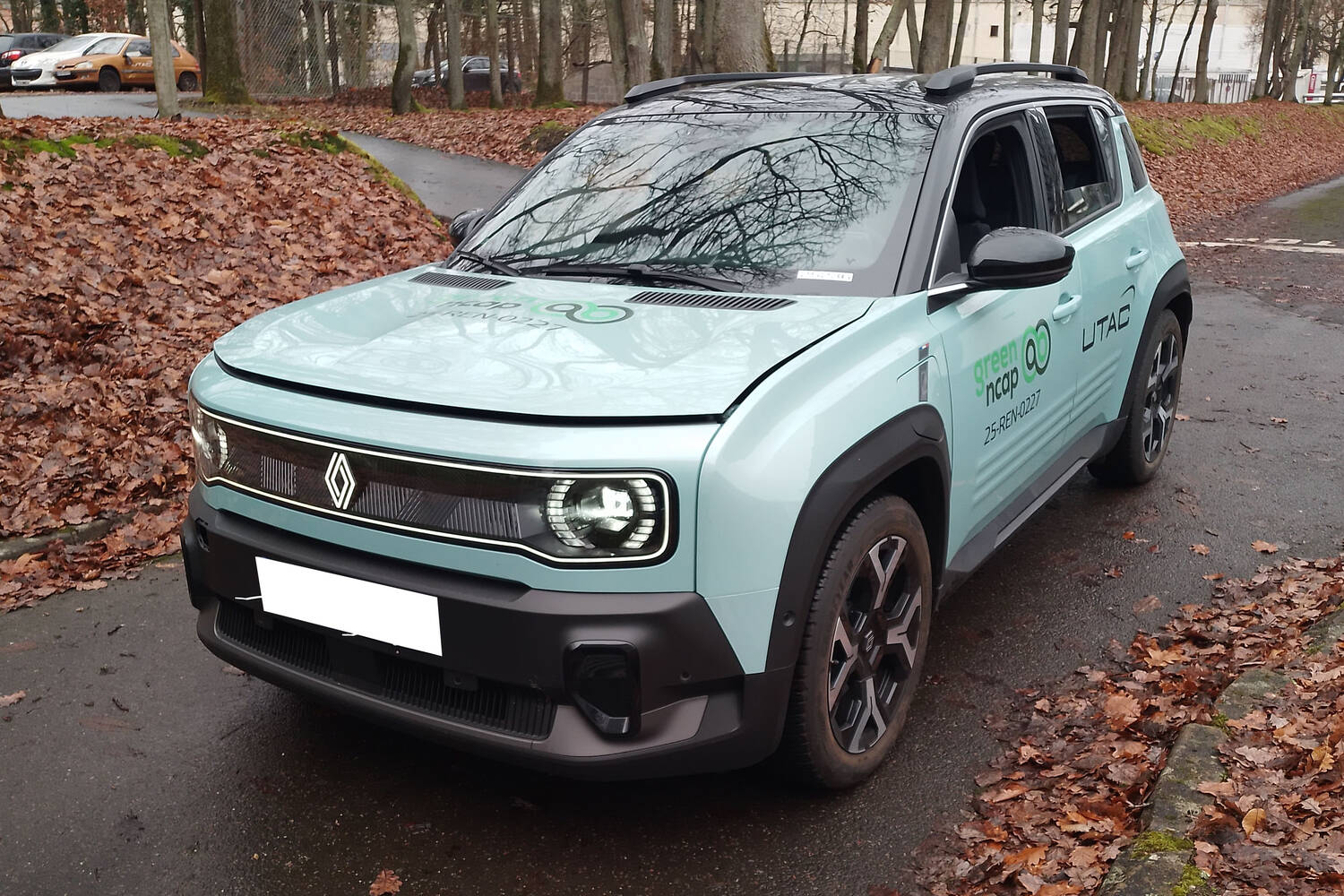
While Euro NCAP independently assesses a new car's safety credentials, Green NCAP does - as it says on the tin, so to speak - the same for a car's environmental impact. When it comes to the Renault 5 and 4 E-Tech models, Renault has been praised by Green NCAP for "a low environmental impact alongside impressive results in Driving Experience assessments.”
How did the R4 and R5 do so well?
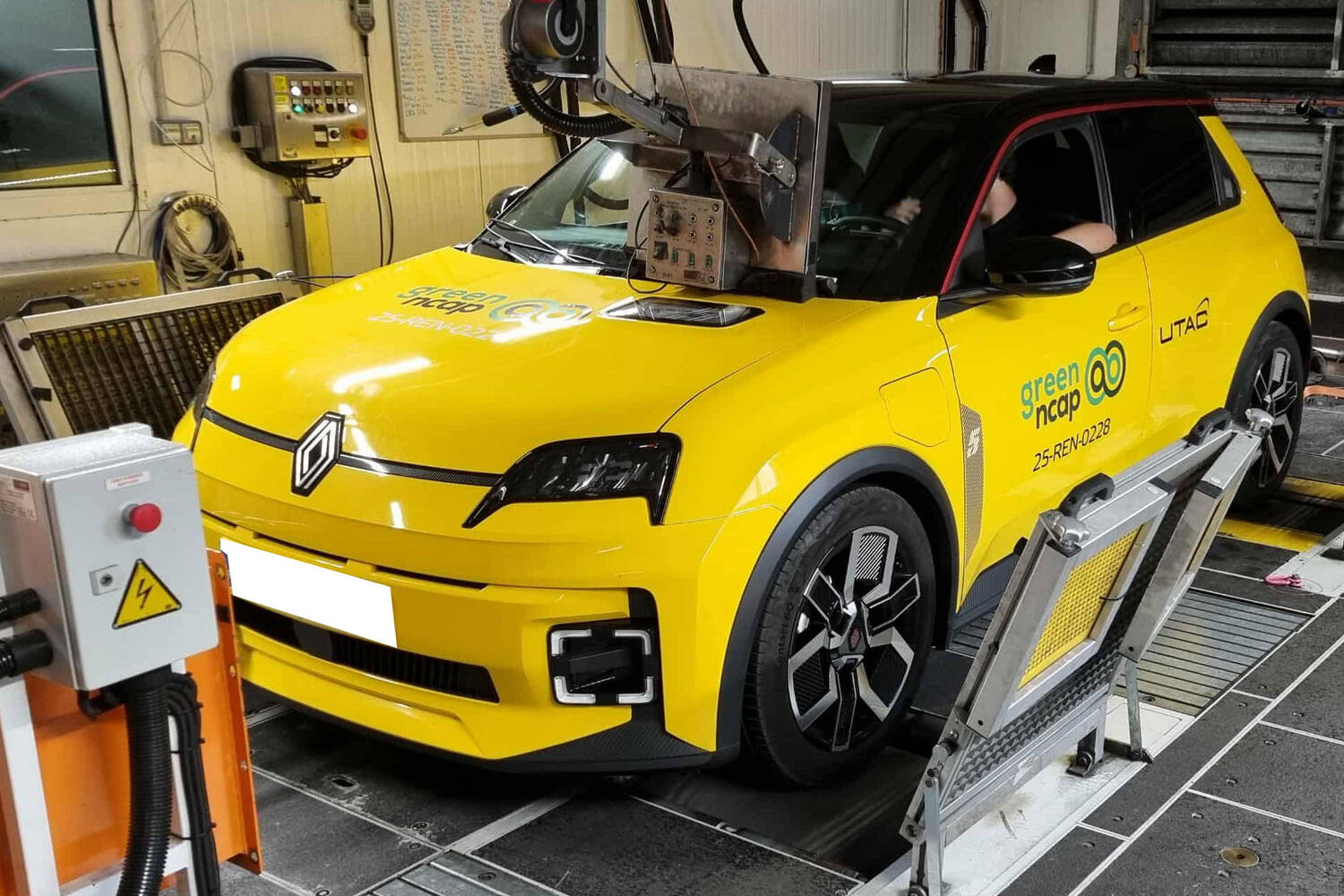
Green NCAP was full of praise for both models, pointing out that the Renault 5 achieved a high 9.1 score out of 10 in the Clean Air Index and 9.3 out of 10 for Energy Efficiency, while the Renault 4 reached a 9.4/10 in the Clean Air Index, due to properties that lead to less tyre abrasion.
That backs up something Renault's engineers told us - that the taller, heavier 4 achieves similar efficiency figures to the smaller, lighter 5 largely because it uses more eco-friendly tyres.
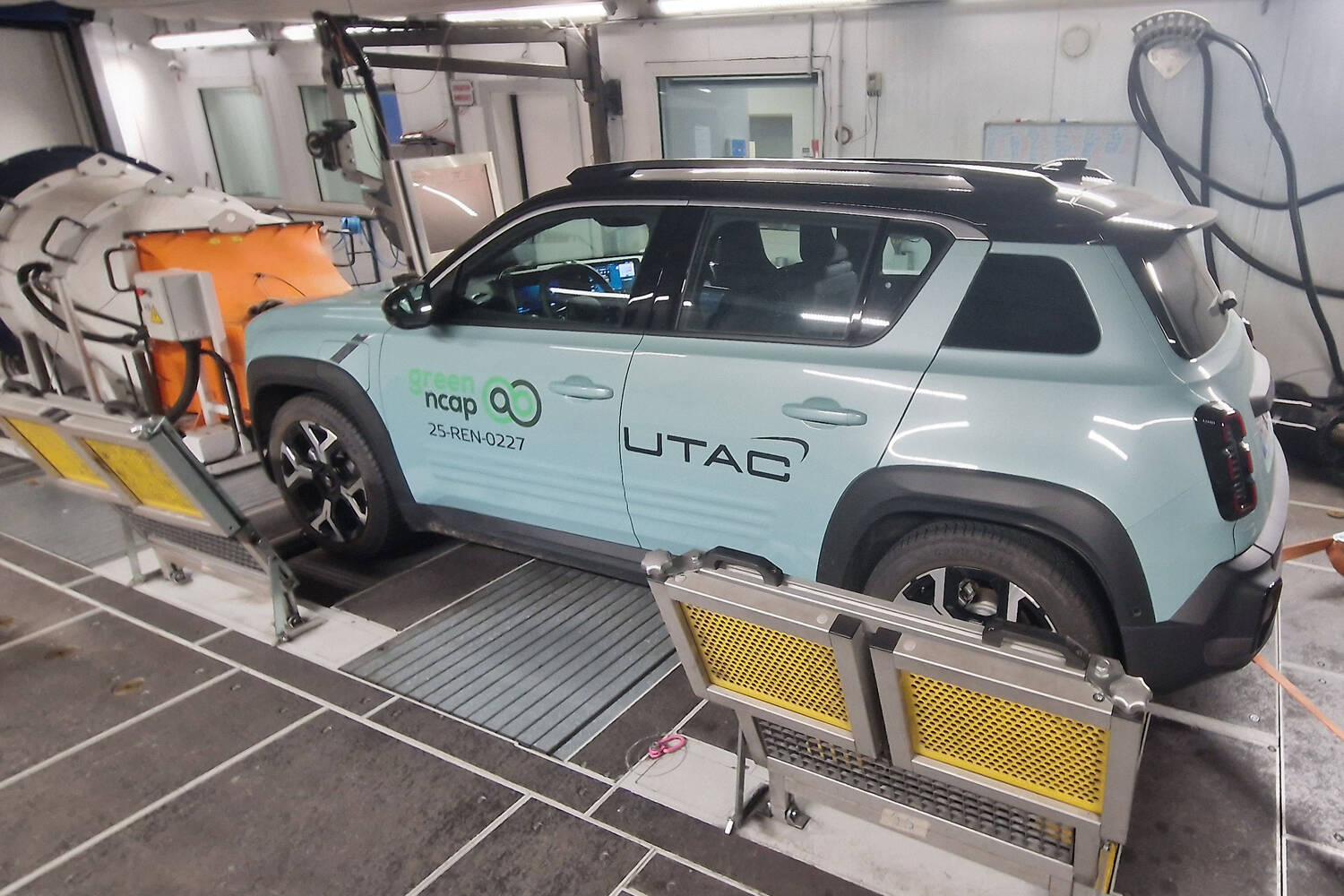
Green NCAP pointed out that an even more impressive aspect is the cars' performance in the Greenhouse Gas assessment, where they achieved the maximum score available. "Compared with many other vehicles, both Renaults demonstrate a significantly lower impact on the climate when analysed across production and battery manufacturing, lifetime energy use and end-of-life recycling,” said Green NCAP.
Both cars were also praised for offering bidirectional charging capabilities, meaning they can be used to power external devices, home appliances or feed energy back to the grid (where that's possible). And when it comes to analysing their real-world behaviour, Green NCAP said that: "the Renault 4 and Renault 5 perform well in charging, cabin heating and actual energy consumption.”
What if electric power doesn't suit me?
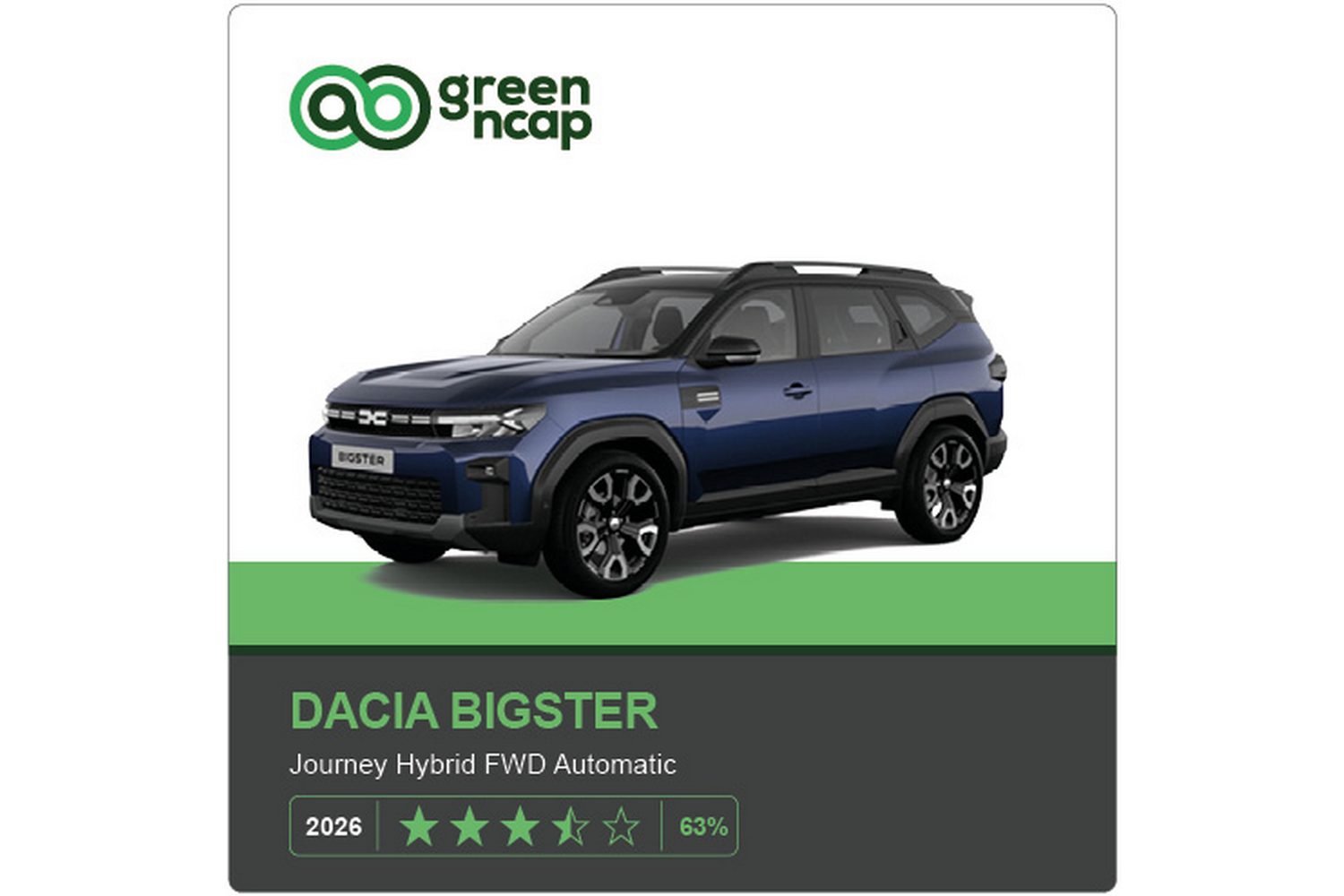
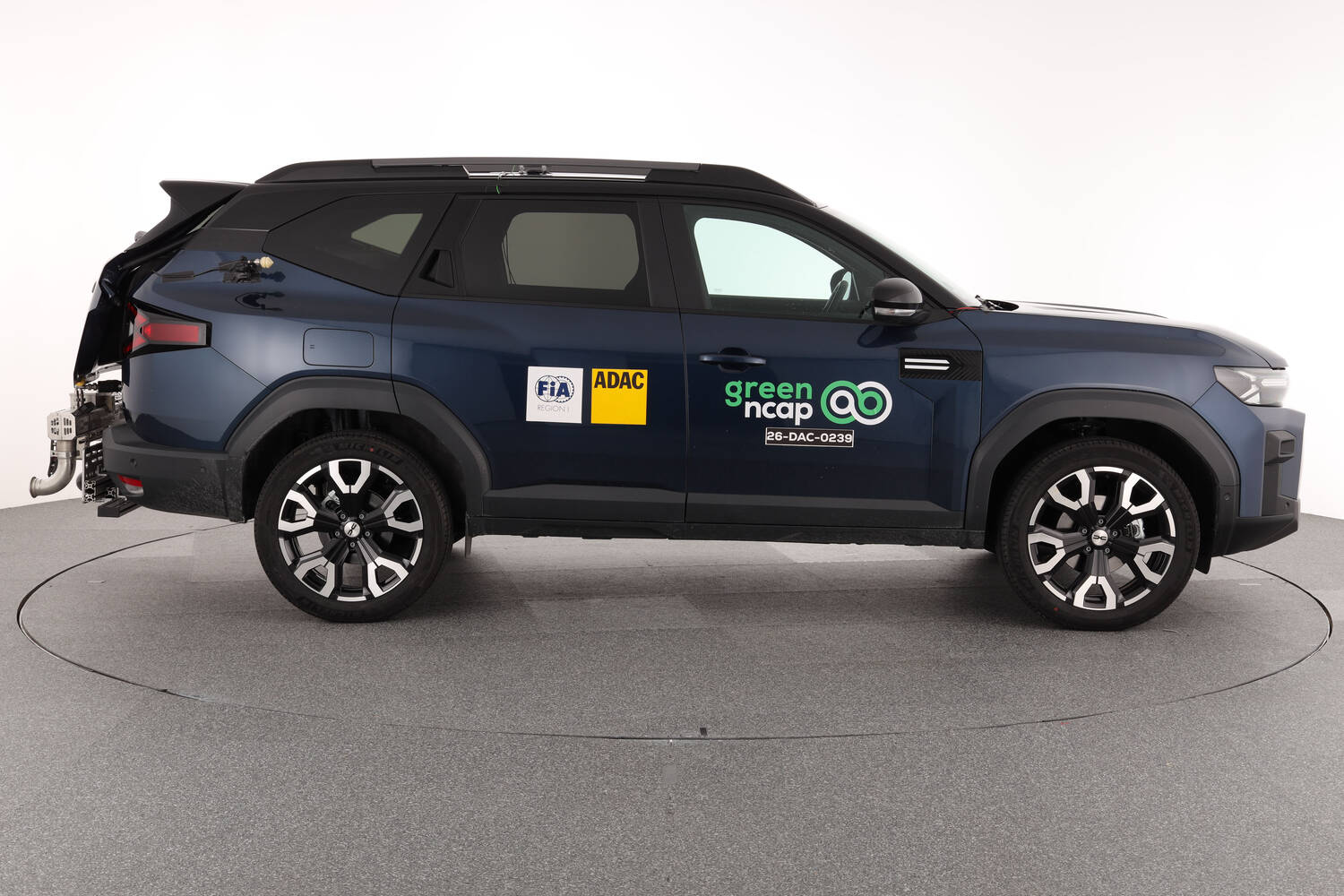
Green NCAP also had quite a bit of praise for another recent arrival from the Renault Group - the Dacia Bigster Hybrid. Not only is the part-electric Bigster a frugal car in its own right (we averaged an impressive 5.3 litres per 100km over a week's driving in one), but it's also so efficient that overall Green NCAP says it's a better buy than some all-electric models.
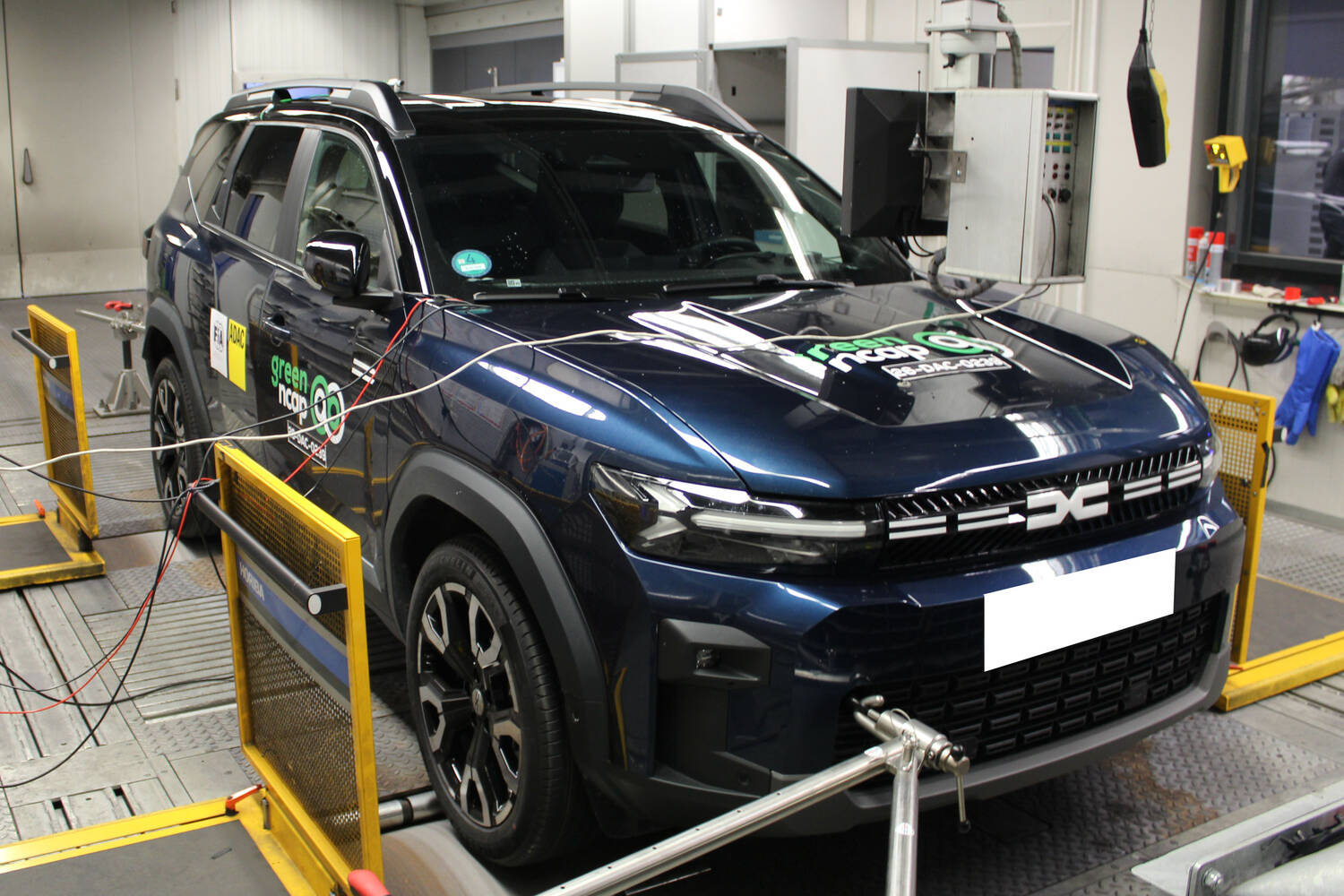
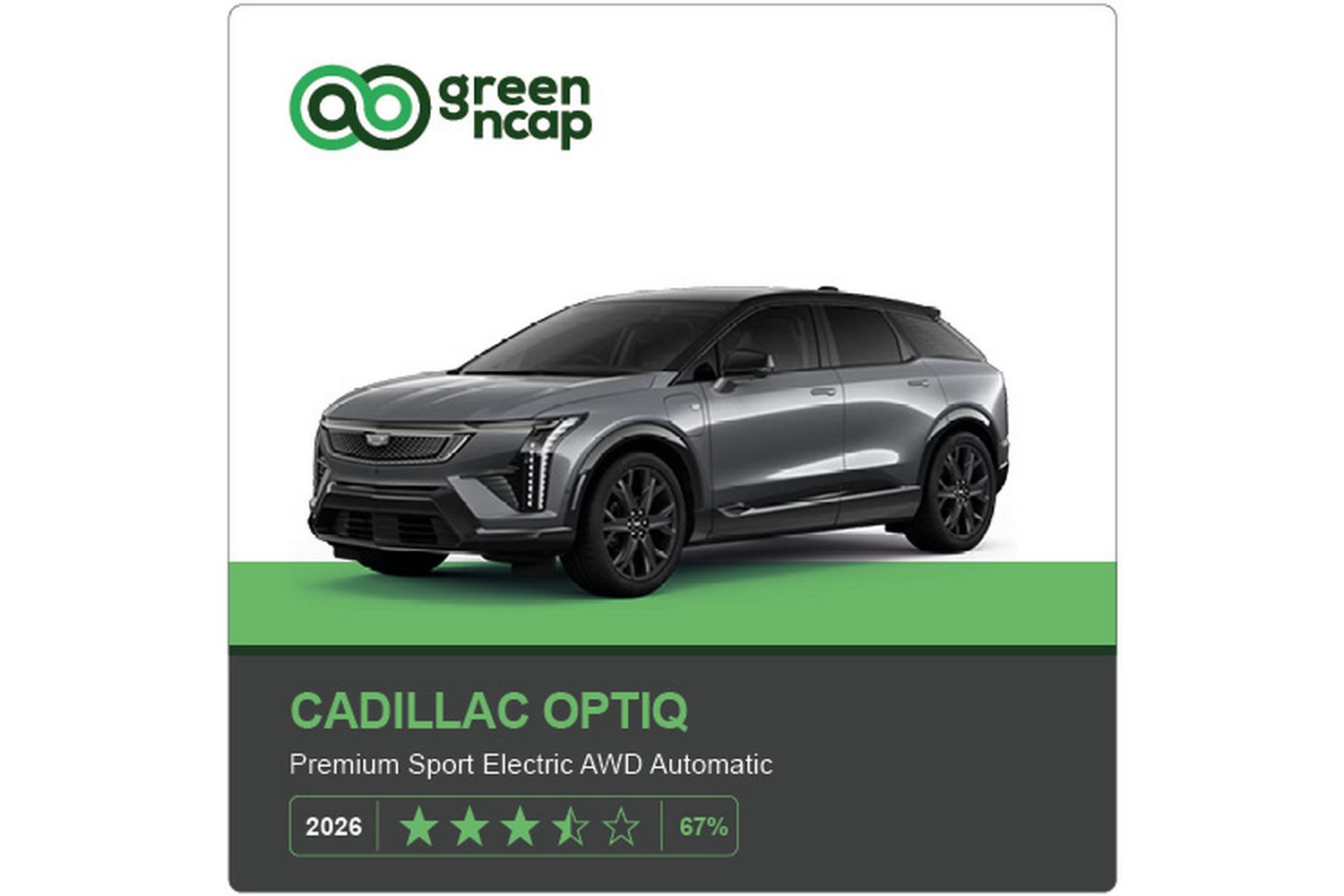
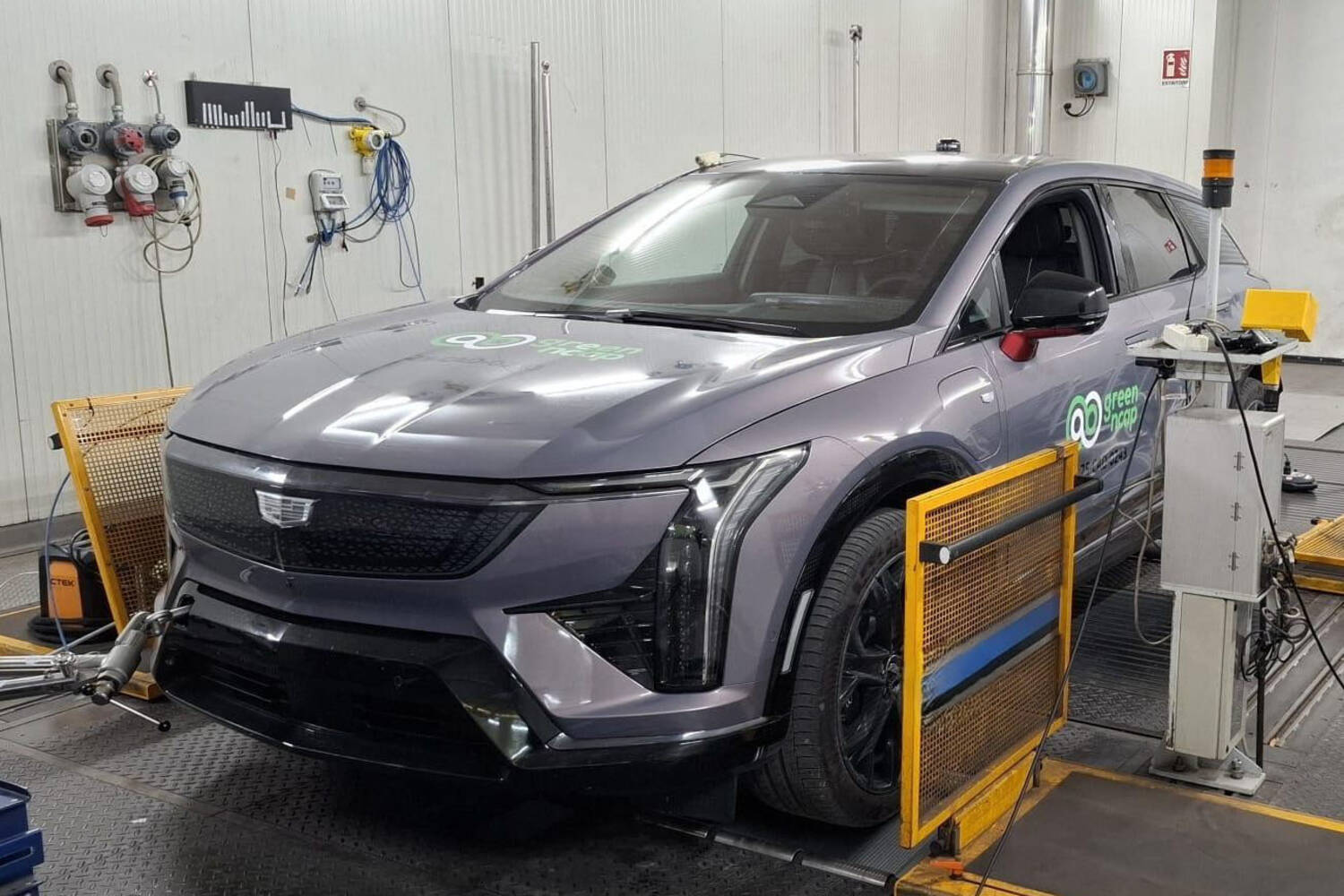
According to Green NCAP: "A compelling result emerged when comparing the Cadillac Optiq and Dacia Bigster test results. Both are large SUVs offering seating for five and generous luggage space, features that make them well-suited to growing families. However, what was interesting for Green NCAP's experts was that the hybrid-petrol-powered Bigster and the pure-electric Optiq had almost the same environmental impact overall. For drivers who regularly undertake long journeys, a hybrid is attractive because it doesn't require potentially time-consuming recharging along the way. In the case of the Optiq, its significant 80kWh battery, large size and heavy mass of nearly 2.4 tonnes take a toll on efficiency, especially in cold winter conditions and on the highway, impacting its range. And when you do need to make a pitstop and fast-charge the battery, the Optiq's DC charging performance is noticeably slower than that of other electric SUVs of a similar size, meaning drivers could be waiting almost 40 minutes to charge from 10 to 80 per cent, even under ideal conditions.”
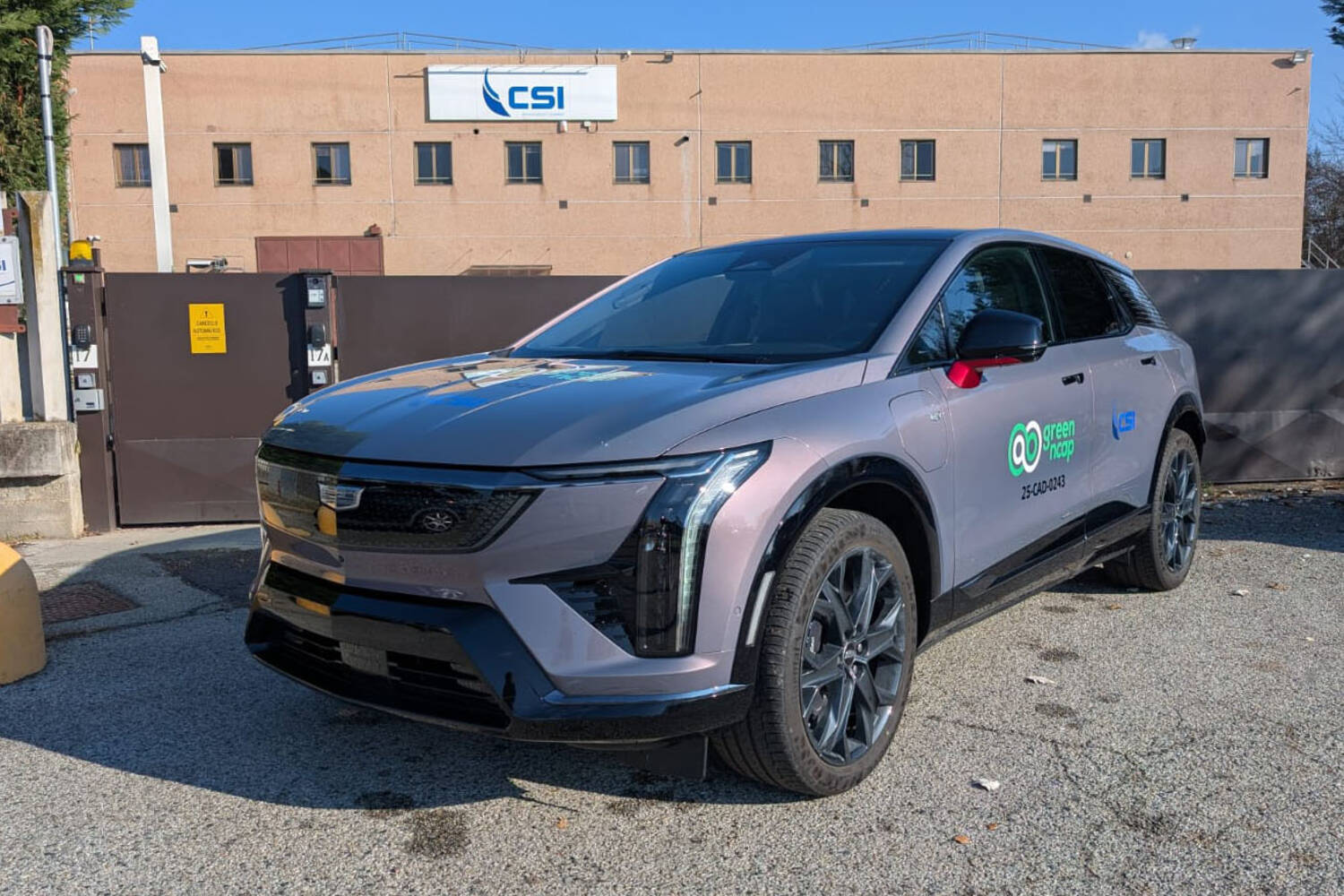
Overall, both cars scored the same 3.5-star rating from Green NCAP, with the Cadillac's total score of 67 per cent being slightly higher than the Bigster Hybrid's 63 per cent, but when you take price into account as well...
Any other interesting results?
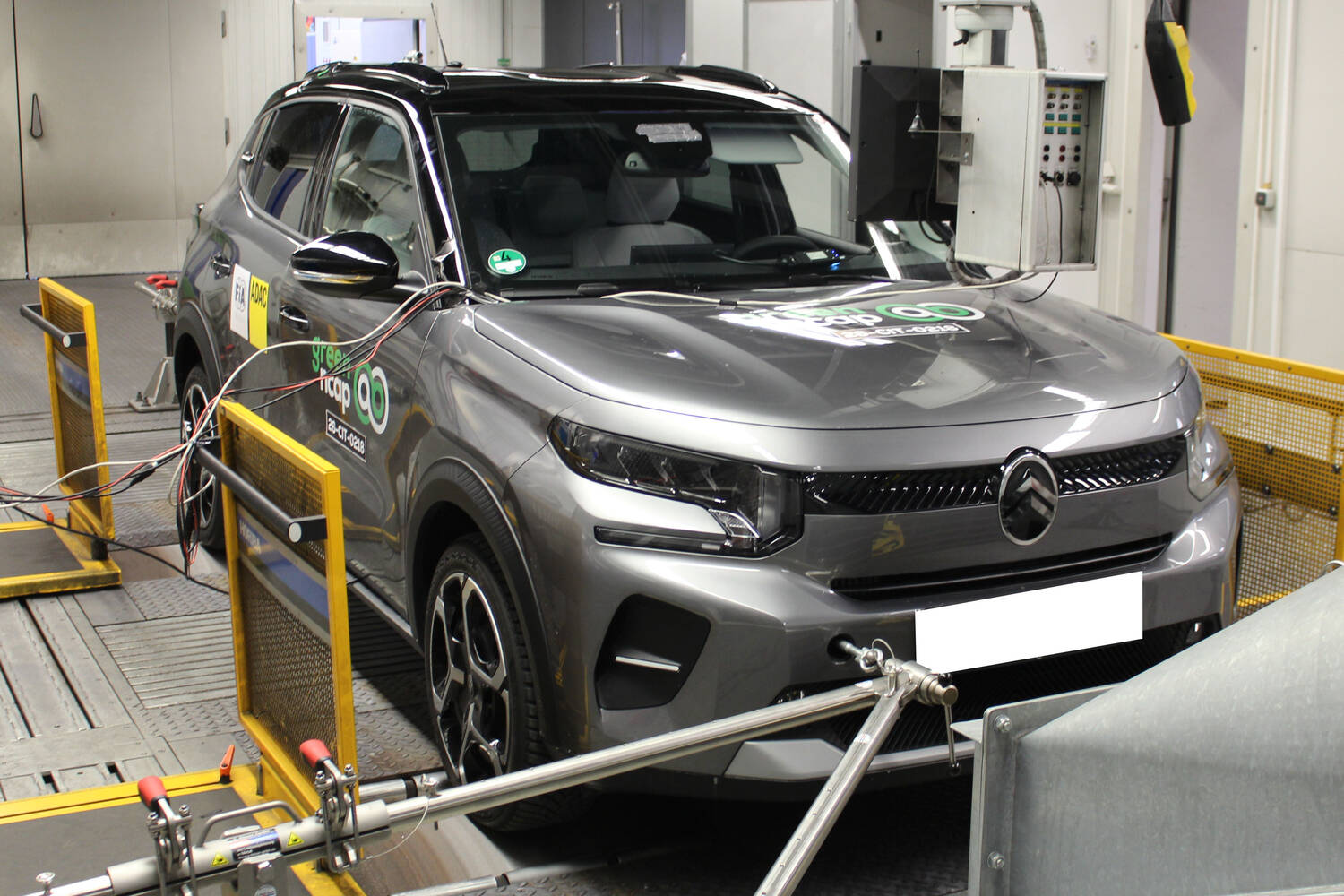
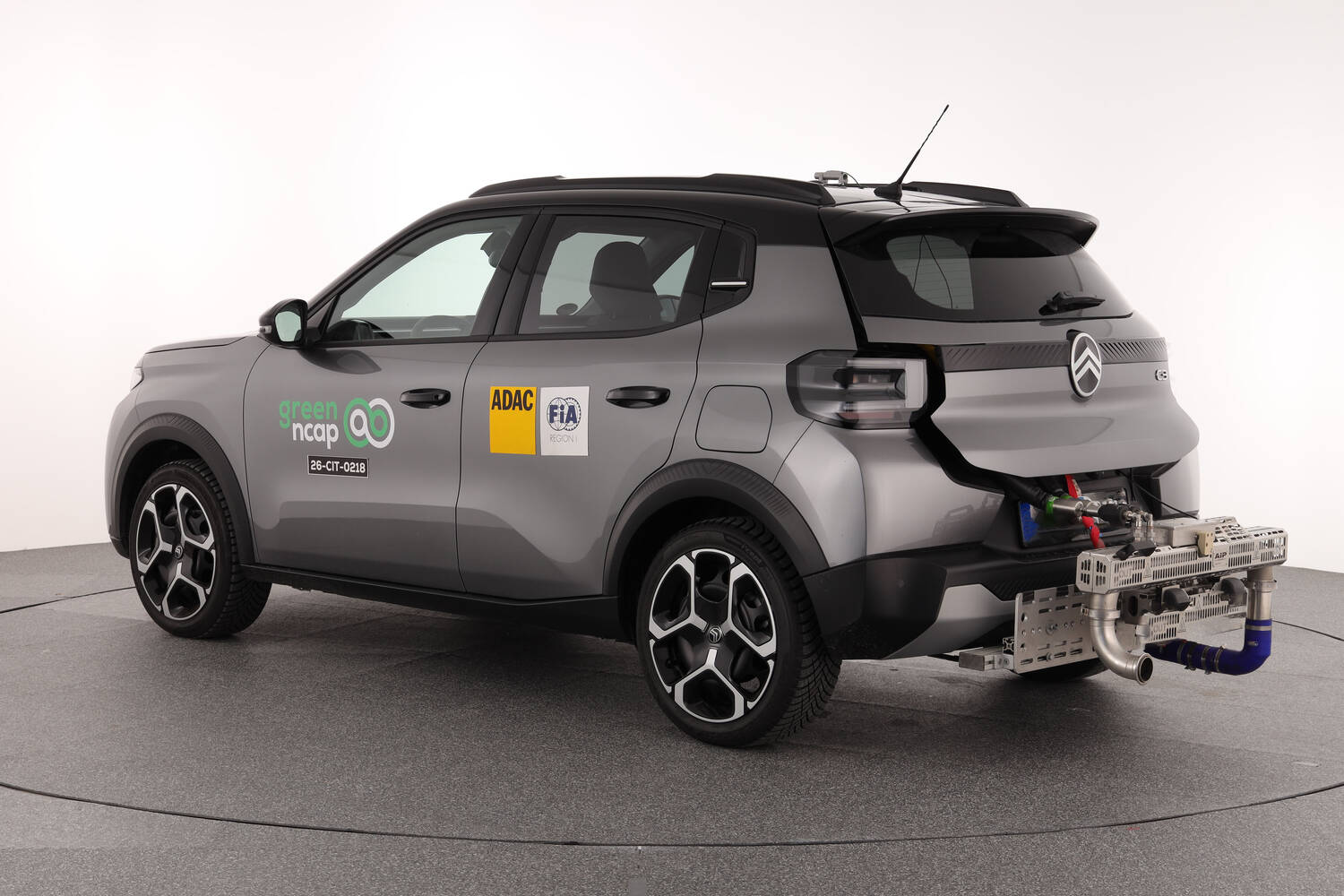
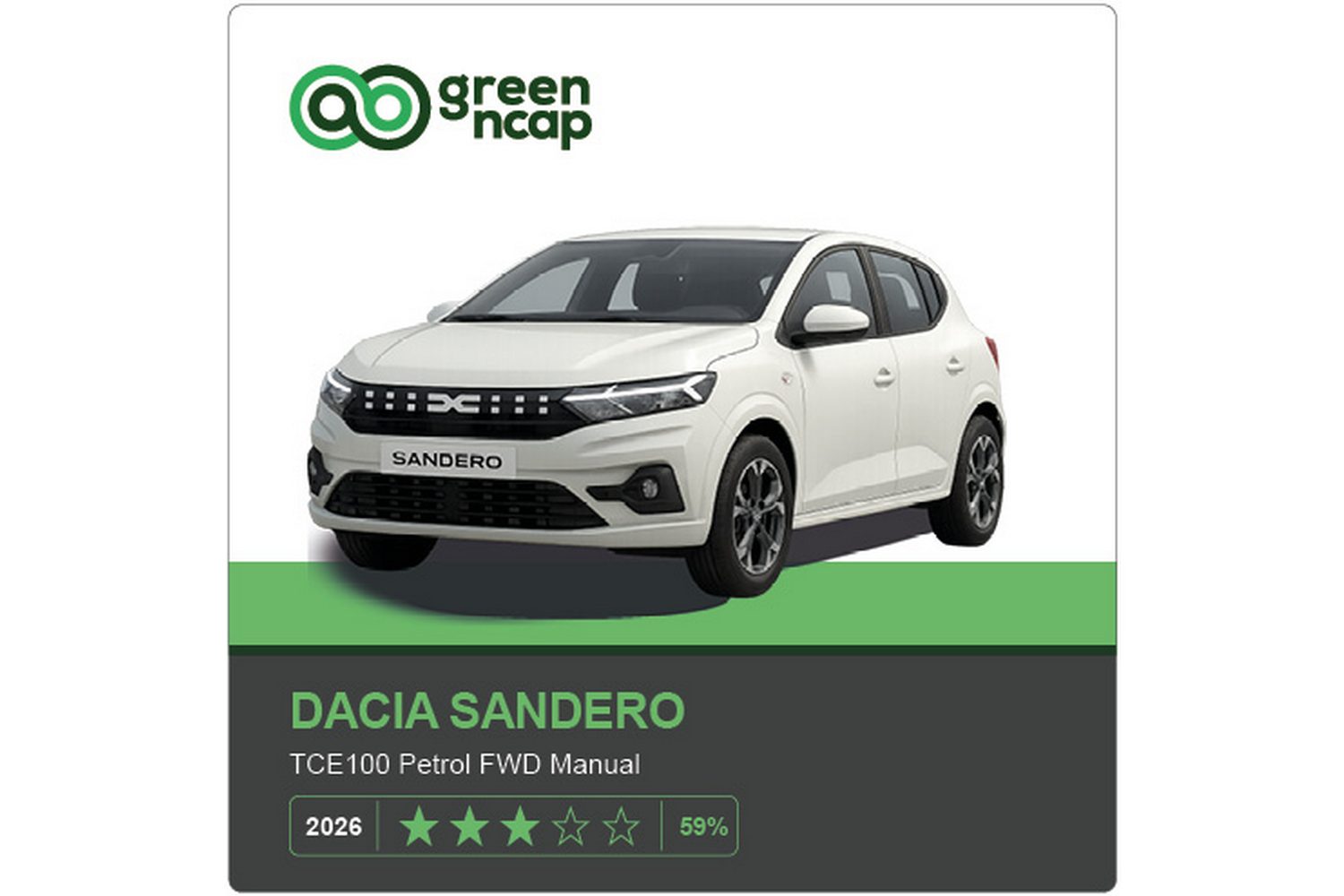
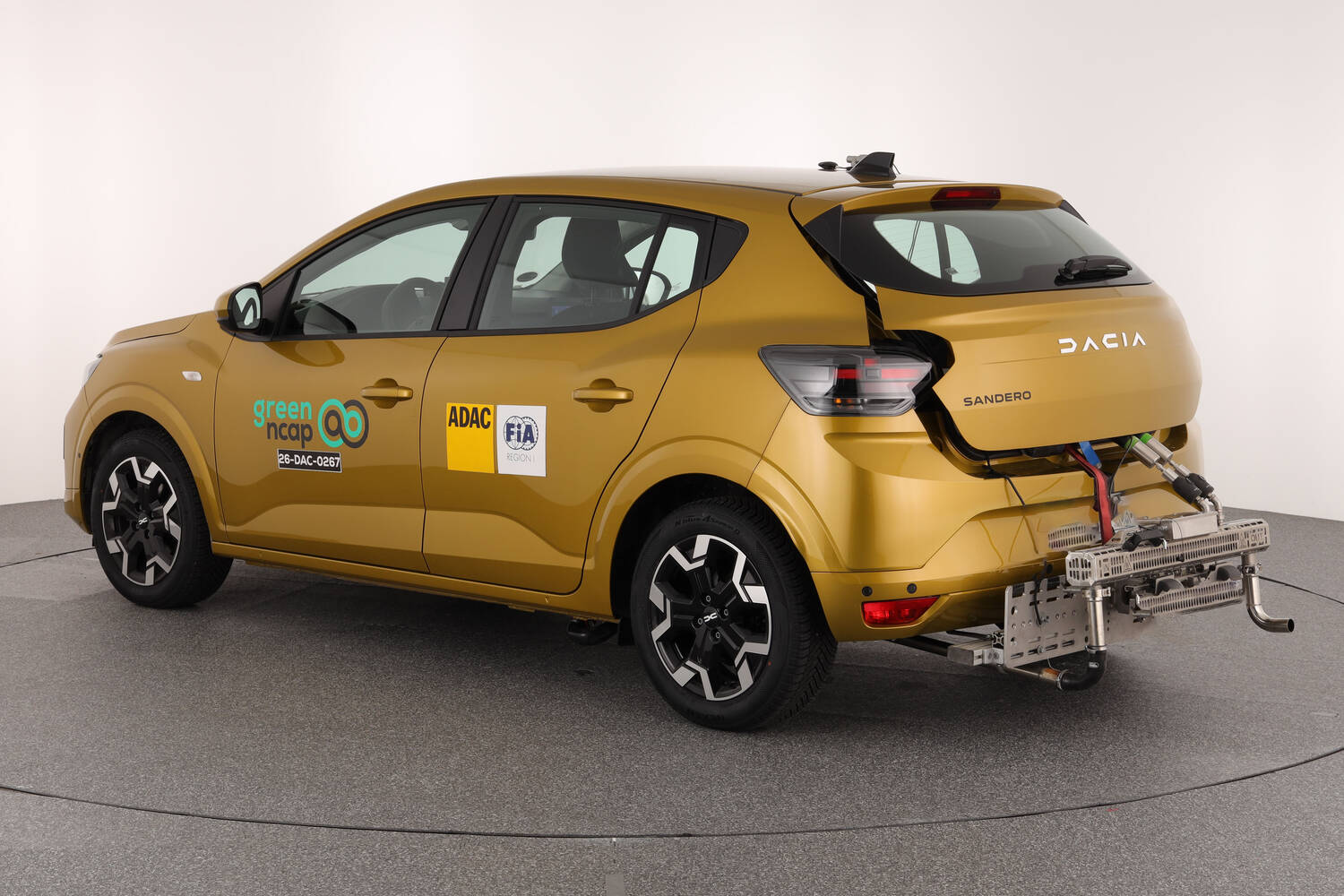
Yes, and this one actually puts a Dacia product into the 'must try harder' category. Green NCAP compared the new Citroen C3 Hybrid 110 and the petrol-fuelled Dacia Sandero 100 TCe and found that: "Reaching a high three-and-a-half star rating, with a score of 62 per cent, the hybrid C3 benefits from a low vehicle weight of just 1,273kg, which reduces the environmental impact of production and mitigates tyre abrasion. While its greenhouse gas result is moderate due to the use of a combustion engine, its efficiency in warm weather testing stands out, at 4.7 litres/100 km (60mpg). In contrast to these high performers, the Dacia Sandero highlights the risks of assuming a smaller car is inherently greener. At 59 per cent, despite being a light and affordable supermini, the Sandero was unable to surpass the three-star threshold. While its low mass helps reduce production energy, its unremarkable fuel consumption (5.7 litres/100km, 50mpg in warm weather driving) could make it more expensive to run, while weaker pollutant control during cold starts limits its sustainability score.”
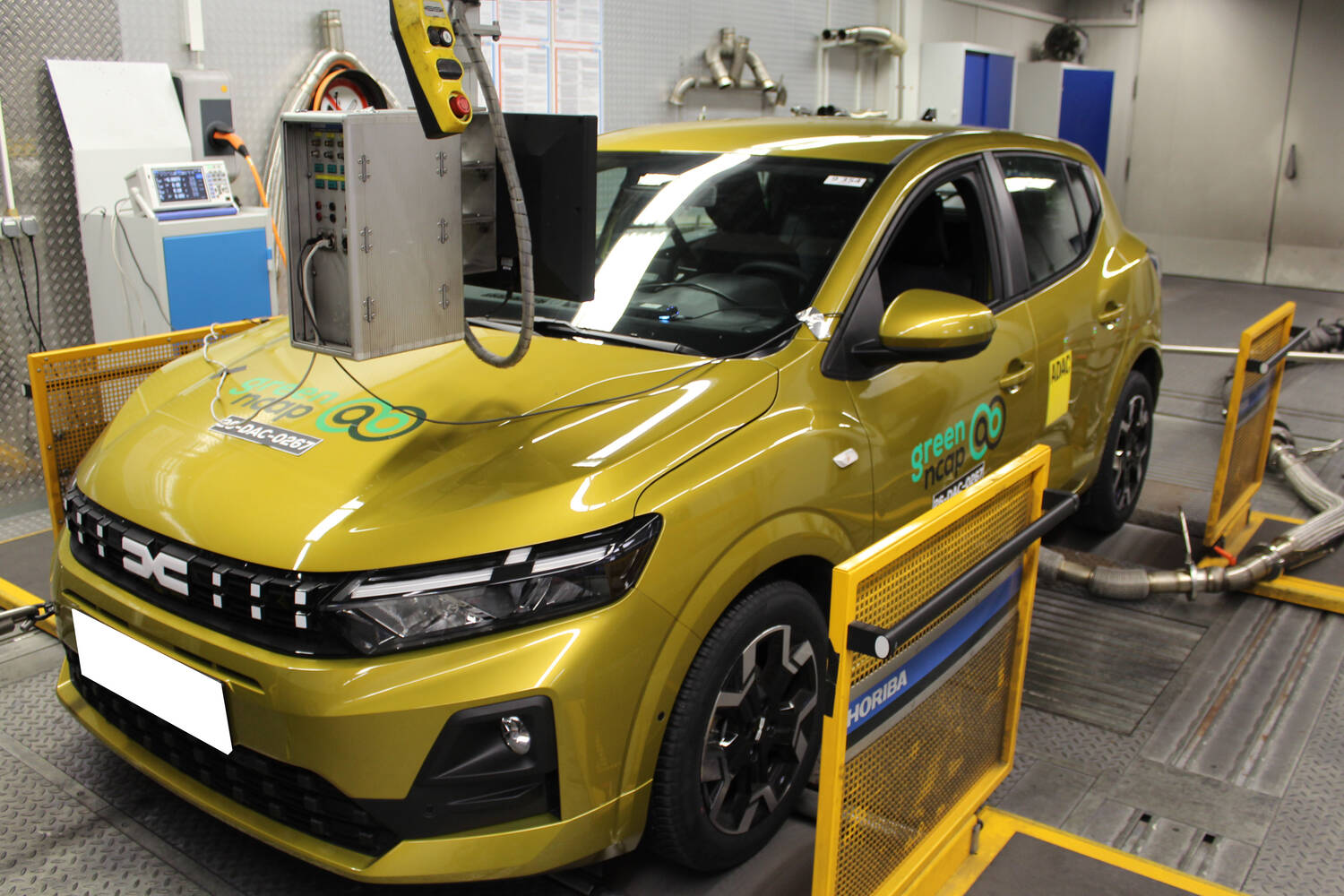
It's worth noting, though, that the Sandero gets its own new hybrid powertrain - the same impressive system used by the Bigster and Duster - later this year.
"Green NCAP offers drivers a trusted, independent view of a car's true environmental impact, highlighting real-world energy consumption and giving drivers useful insight, especially at a time when fuel prices are rising,” said Dr. Aleksandar Damyanov, technical manager of Green NCAP.
"Renault should be congratulated for making desirable electric cars that are practical, efficient and affordable. The new 4 and 5 E-Tech deliver good scores in Green NCAP's sustainability rating and an impressive driving experience - an interesting choice for consumers. And as more car makers and drivers pivot toward hybrid-powered cars, it has been interesting for Green NCAP to show how two similarly large SUVs - one hybrid, the other electric - can have broadly the same environmental impact, but with very different practical constraints on drivers who undertake long journeys or have different expectations about luxury.”
If there is anything about this story we have not covered, you can avail of our expert advice service via the Ask Us Anything page.