

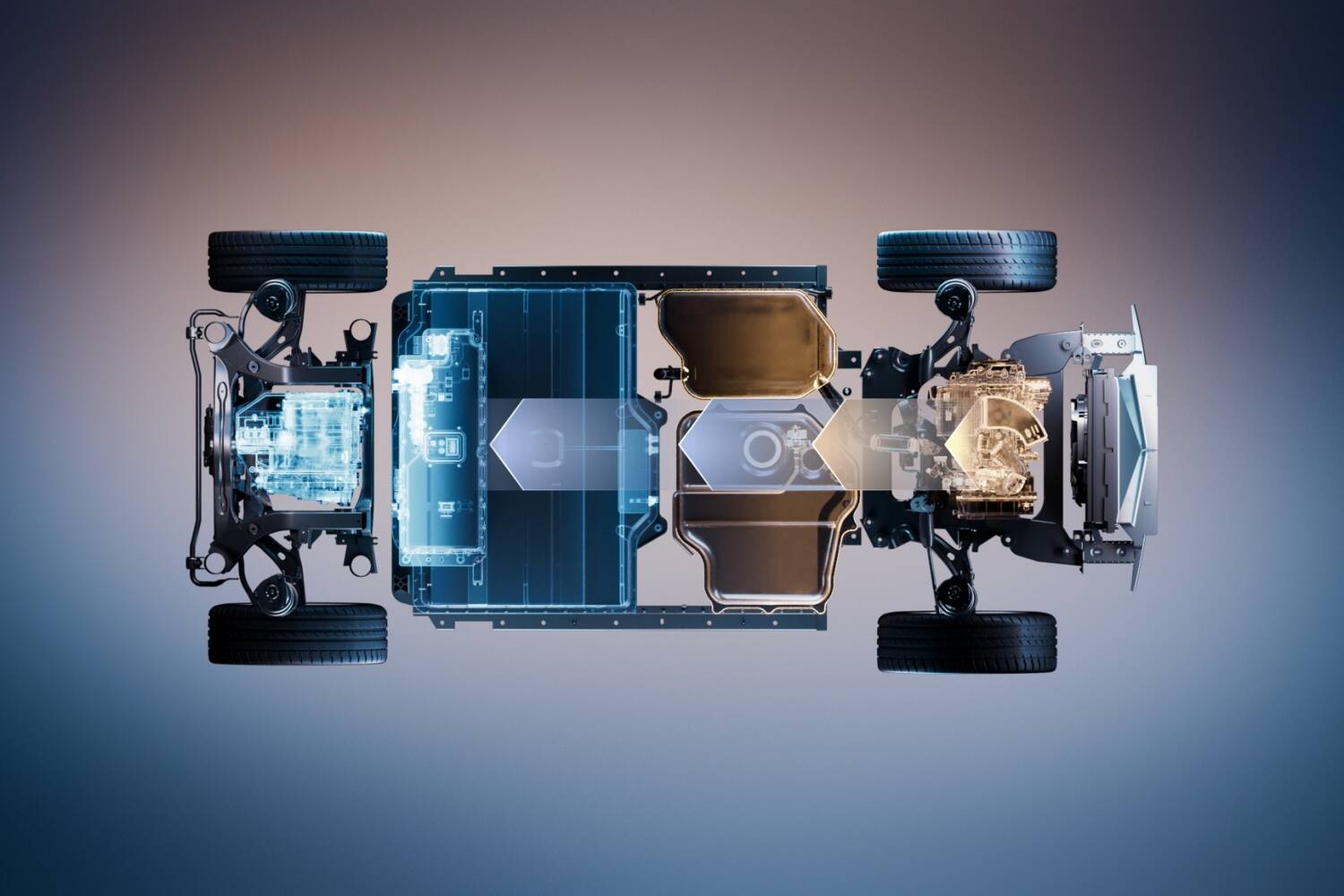
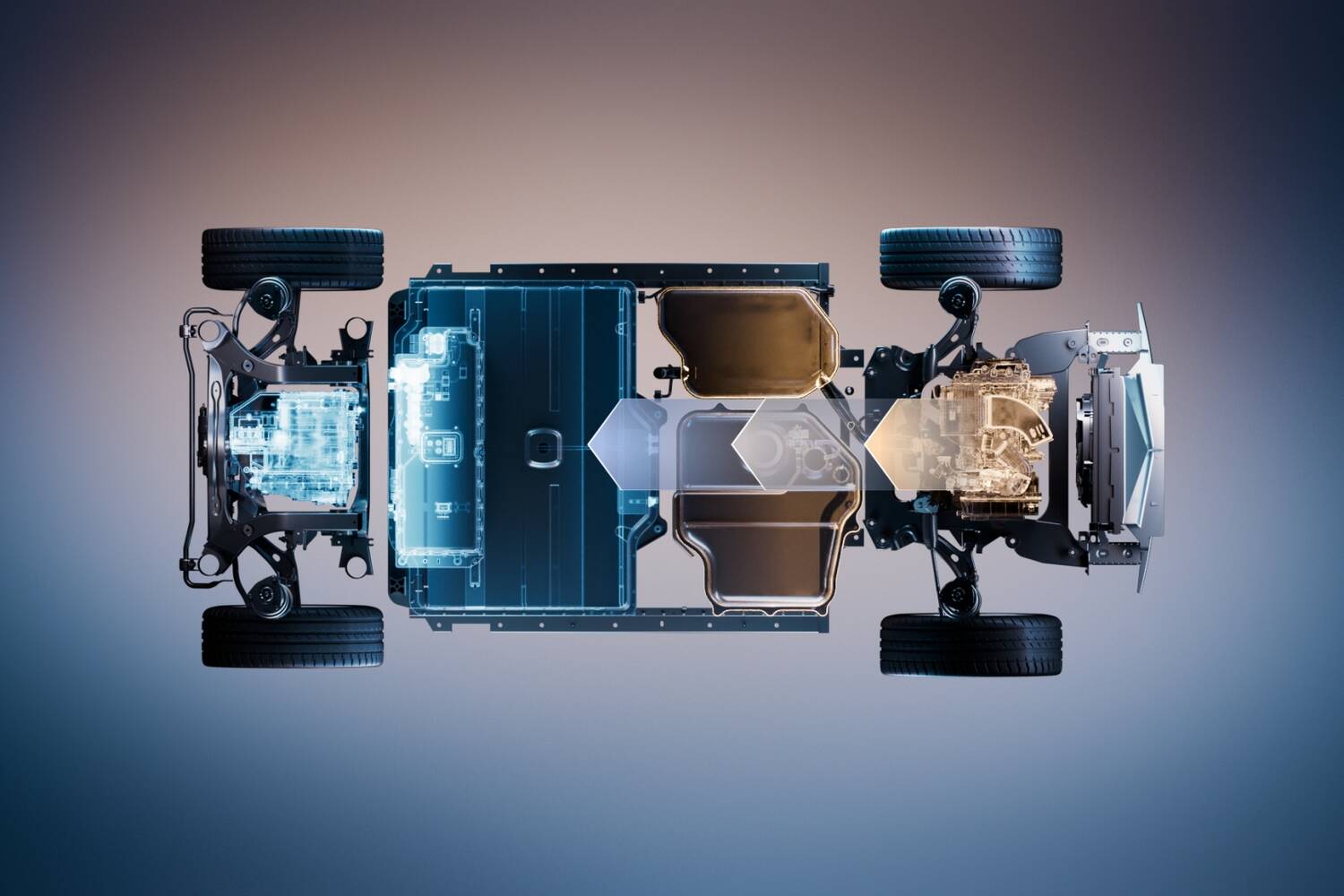
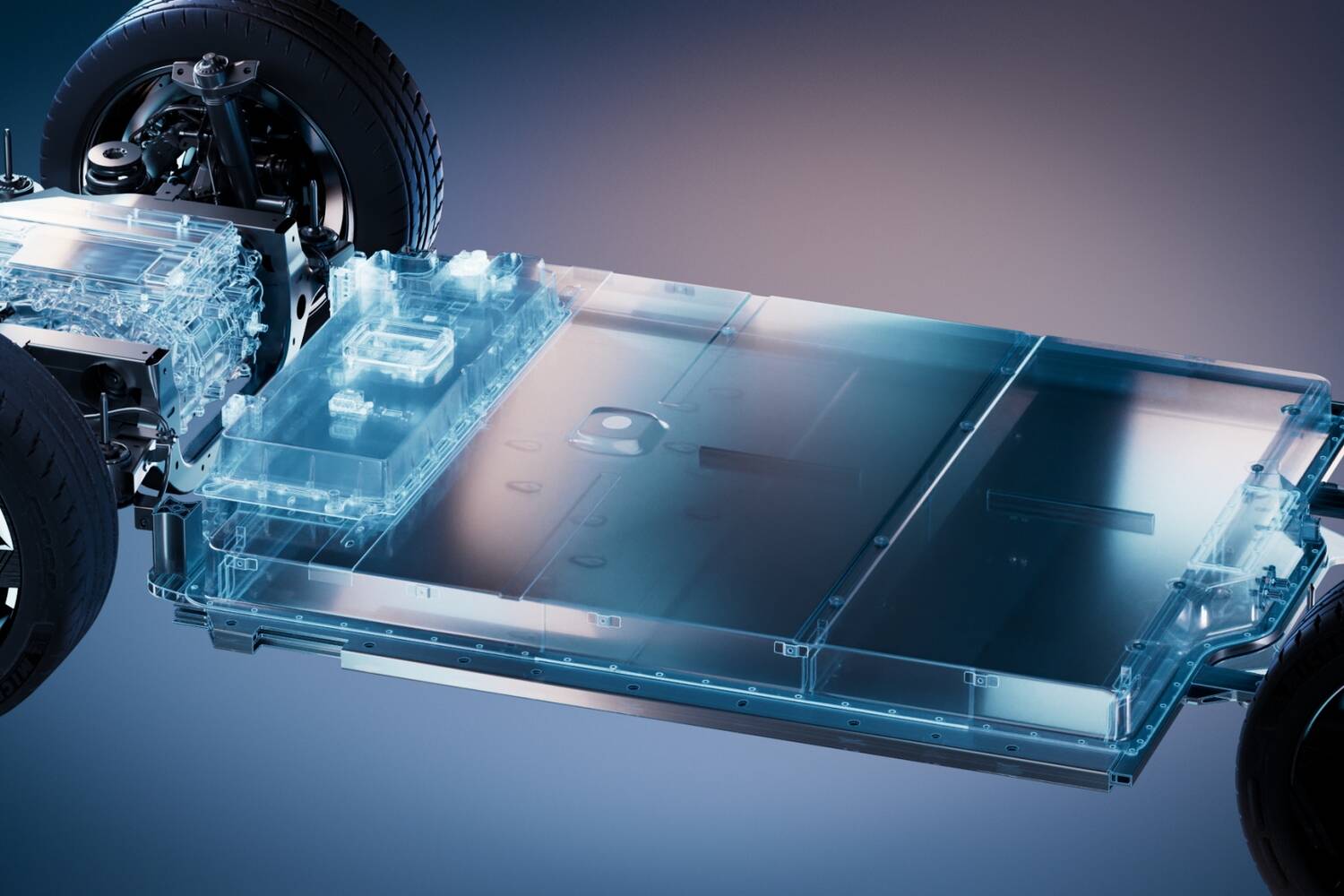
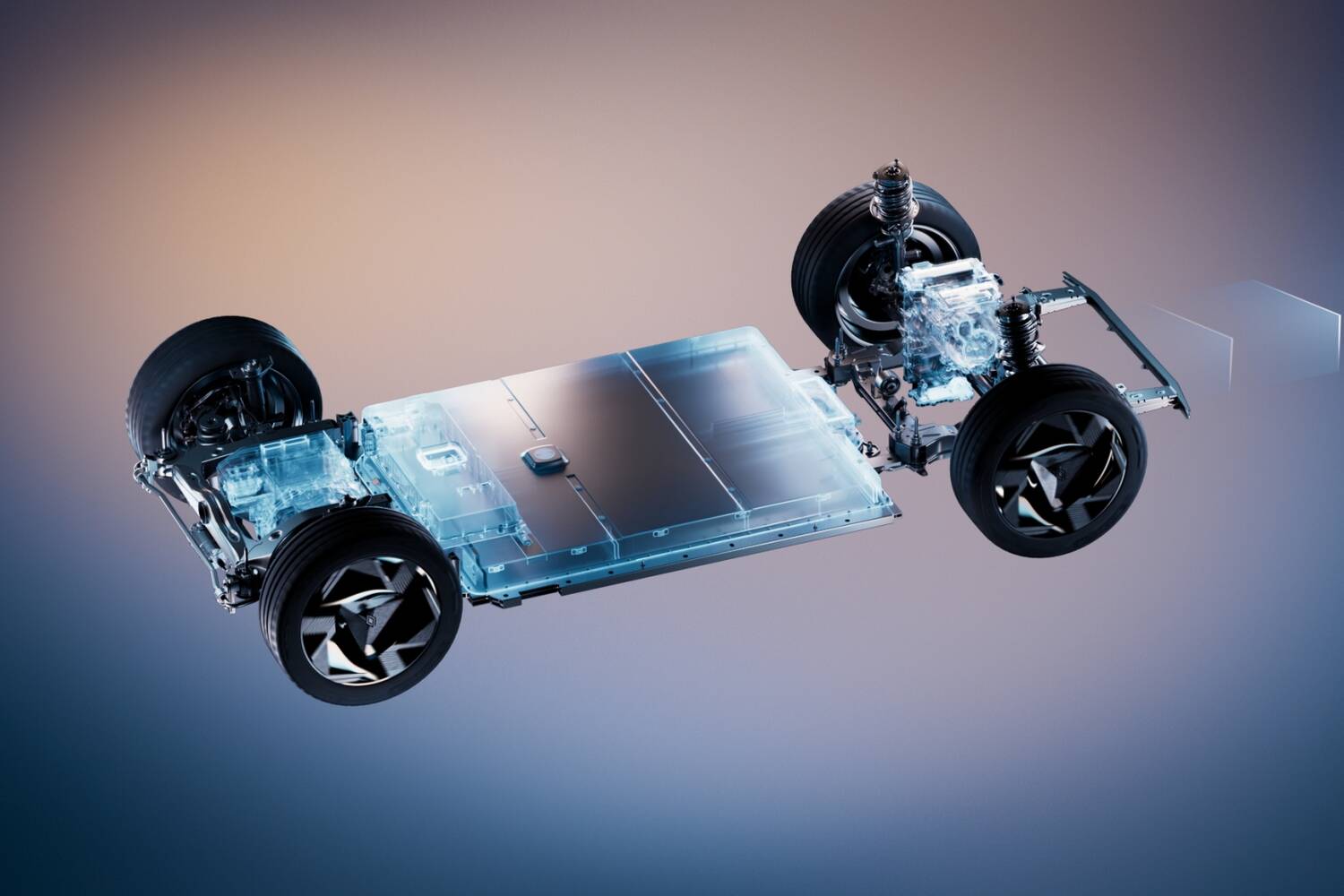
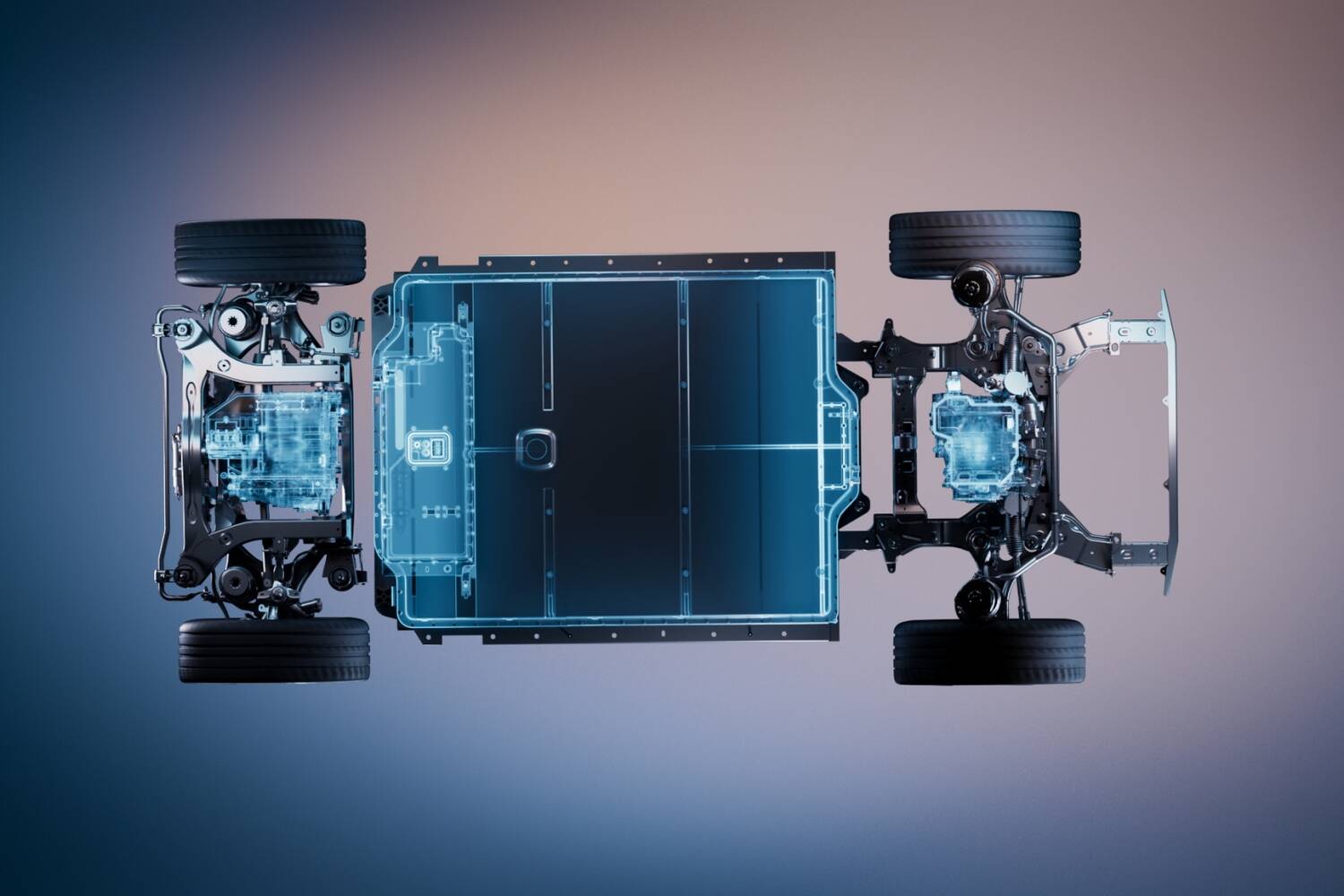
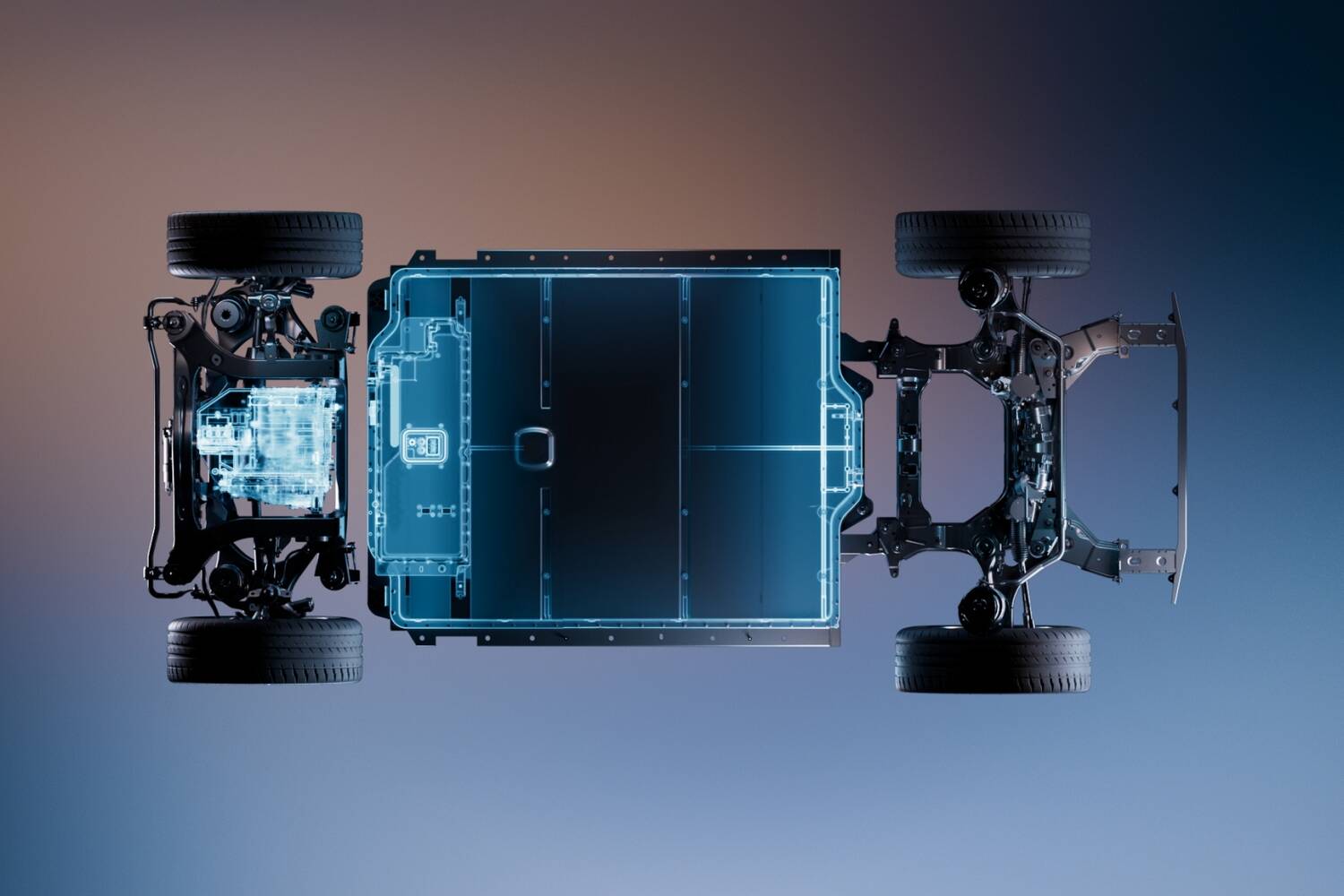
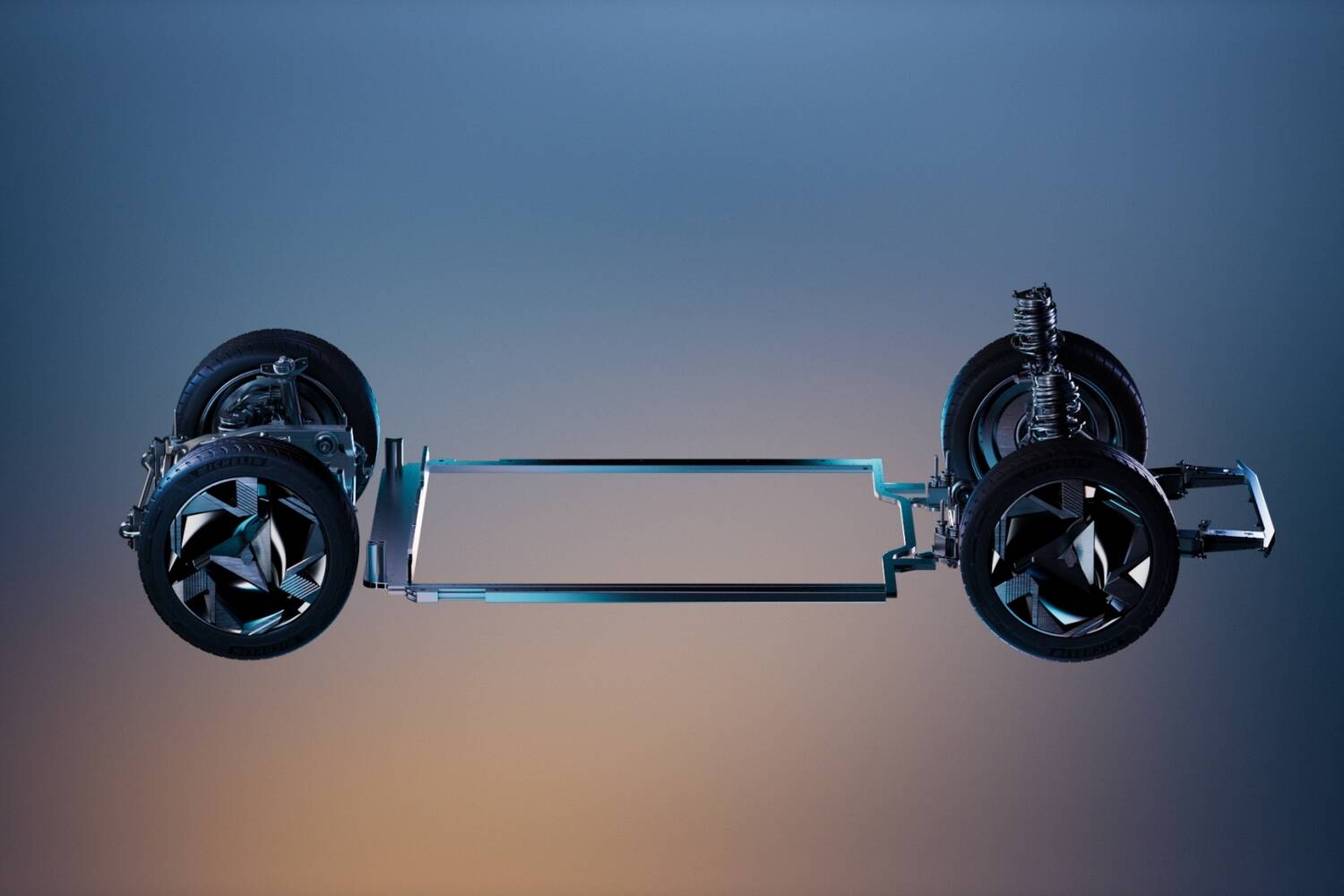
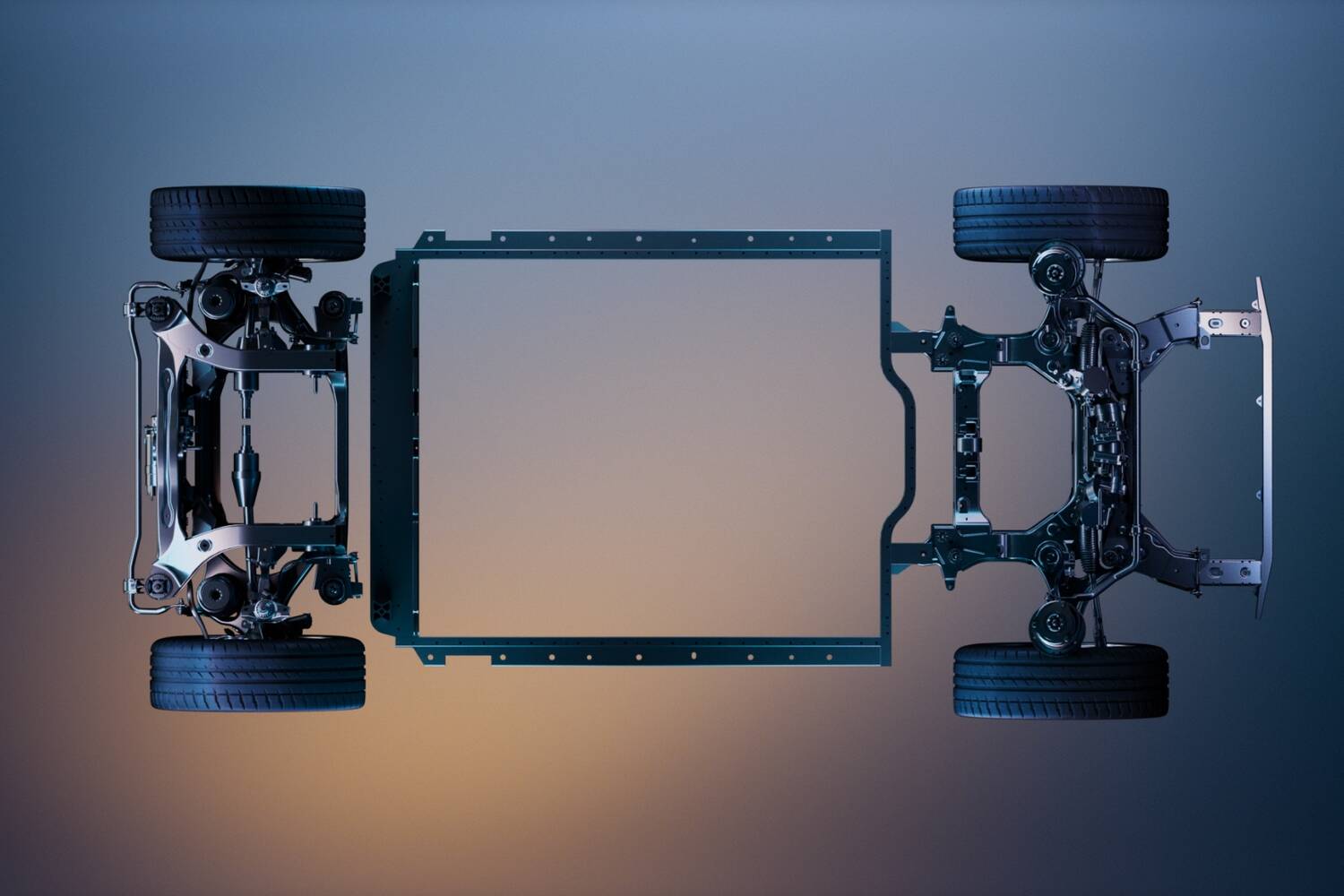
This will underpin the Group's next generation of EVs and 'range-extender' EVs, from Renault, Alpine and Dacia, along with Renault's commercial vehicles. Further updates on the Renault Group's plans for its battery chemistry and hybrid power were also given.
Tell us more about this new EV platform
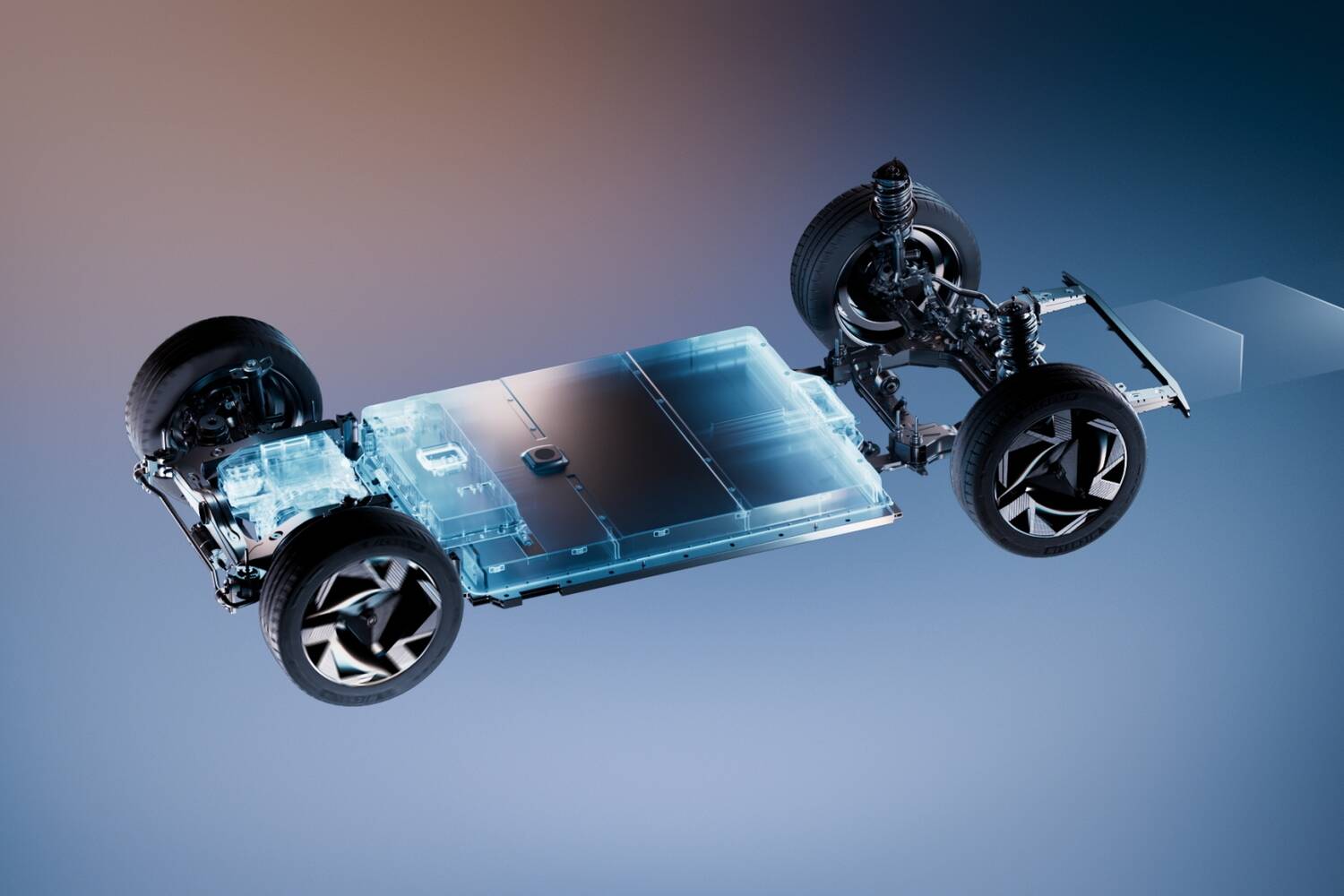
It's designed around Renault's aim to offer the best "range/cost” ratio to its buyers and so will be modular to allow for use in a wide range of size segments, all the way from superminis like the Renault Clio up to something even as large as the Renault Rafale. Indeed, the release mentioned it has the "versatility to accommodate all body styles: saloon, SUV and even MPV.”
The platform is claimed to be compatible with a wide range of different battery cells - including pouch, prismatic and blade cells - while requiring 20-per-cent fewer parts in its construction. It will also be available with four-wheel drive with the ability to tow up to two tonnes.
Quick charging is a key part of the new architecture as it's built on an 800-volt electrical system, supposedly delivering a 10-minute charge (that's most likely the 10-80-per-cent figure).
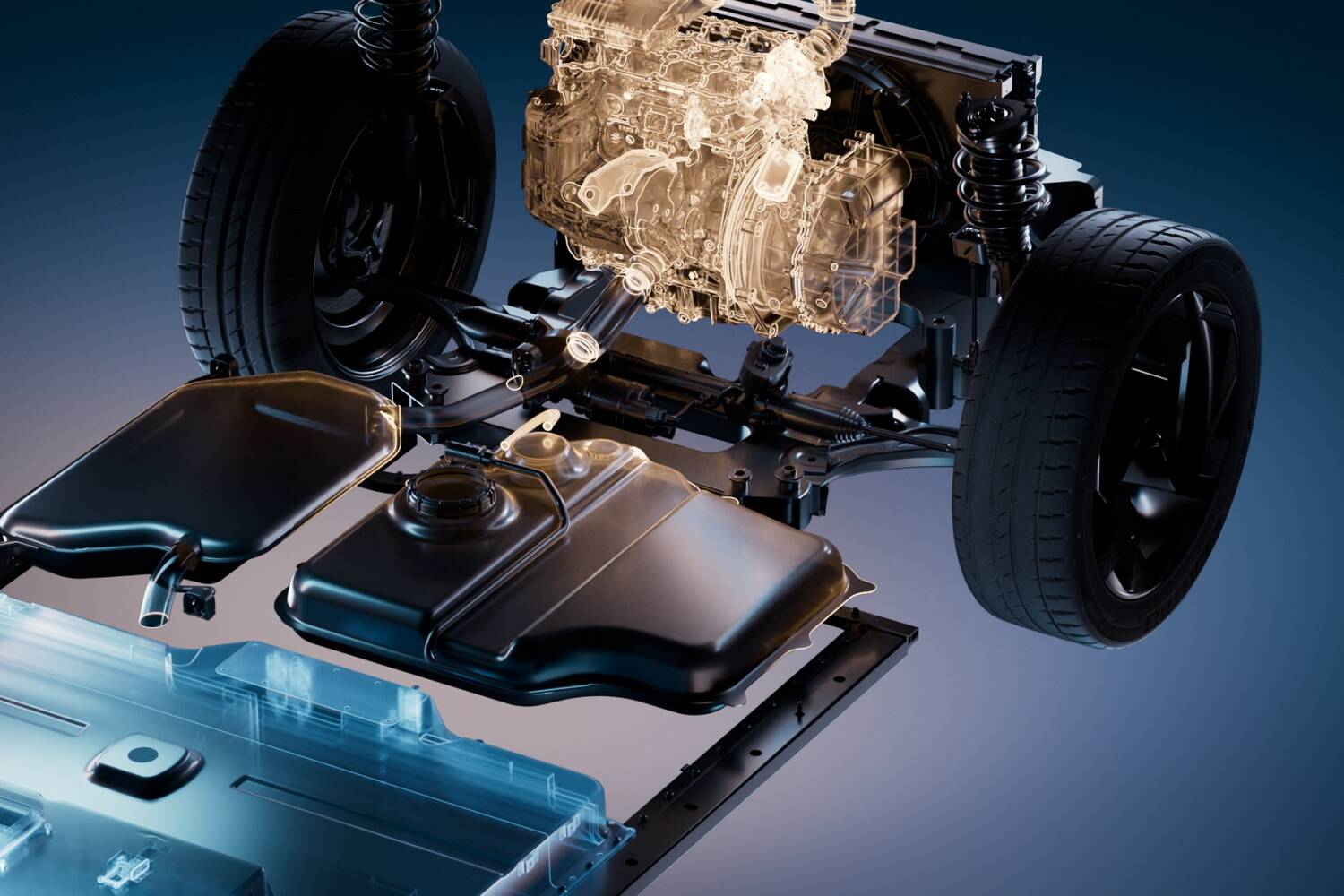
And it's not just for purely electric cars either, as it can accommodate an engine to operate as a range extender. In terms of numbers, Renault says that some of its new EVs should hit 750 kilometres on the WLTP cycle, while a range extender emitting under 25g/km of CO2 could go up to 1,400km on a full tank of fuel and a fully charged battery pack.
Aside from what propels the vehicle, it will utilise Software Defined Vehicle (SDV) architecture - with a view to evolving into an Artificial Intelligence Defined Vehicle system in time - and the car's operating system will be co-developed with Google based on Android. Renault reckons this platform will reduce costs by some 40 per cent.
And this will be affordable?
Some of it certainly will, though it should be of no surprise that all the bells and whistles will be kept for longer-range (i.e. more expensive) cars.
To that end, there will be two different battery chemistries used across the Renault Group. The top-end option is described as "high energy density”, so that's likely to be Nickel Manganese Cobalt (NMC), and this will adopt the 800-volt setup from 2028.
We expect Lithium Iron Phosphate (LFP) batteries to be what Renault calls the "affordable” chemistry, set for use with a 400-volt system in A- and B-segment cars with a fast-charging target time of 20 minutes.
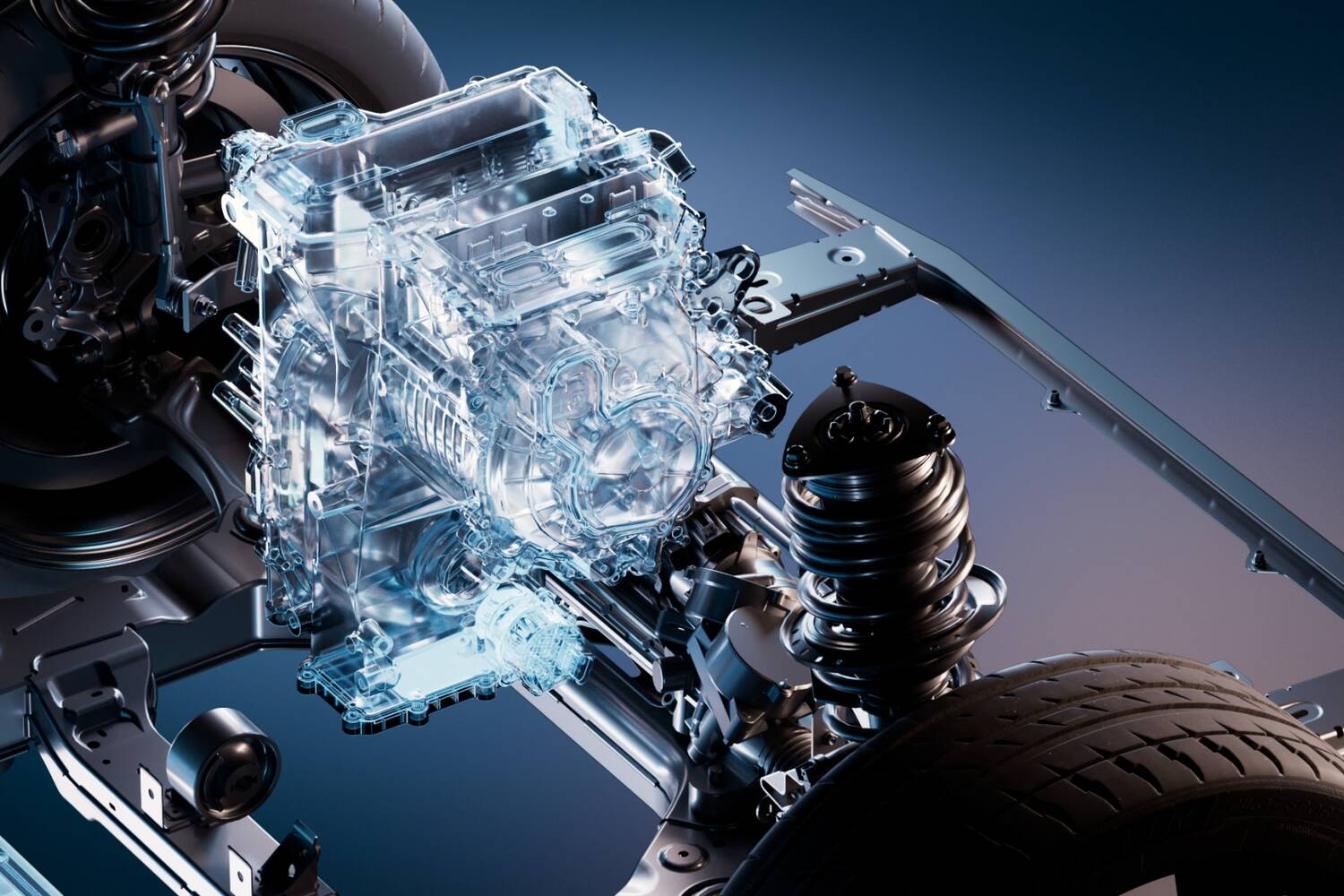
The electric motor powering the car is as important, and Renault Group has confirmed it's working on a new EESM ('Electrically Excited Synchronous Motor') with no rare earths in its construction.
Renault says it will produce up to 270hp, be suitable for front or rear axle use and cost 20 per cent less than its predecessor to make.
What if I'm not ready to go fully electric?
Renault isn't giving up on hybrid power. Indeed, it's planning to extend its reach beyond 2030, for Europe and other parts of the world. Little else is known about this side of the strategy as yet other than there are new under-150hp hybrid systems in development.
Which cars will benefit from this technology?
That level of detail has yet to be confirmed, though the new RGEV platform is specifically designed for C-segment cars, so expect future alternatives to the Renault Megane, Austral, Scenic and others to make use of it, along with the Renault Trafic van.
If there is anything about this story we have not covered, you can avail of our expert advice service via the Ask Us Anything page.