

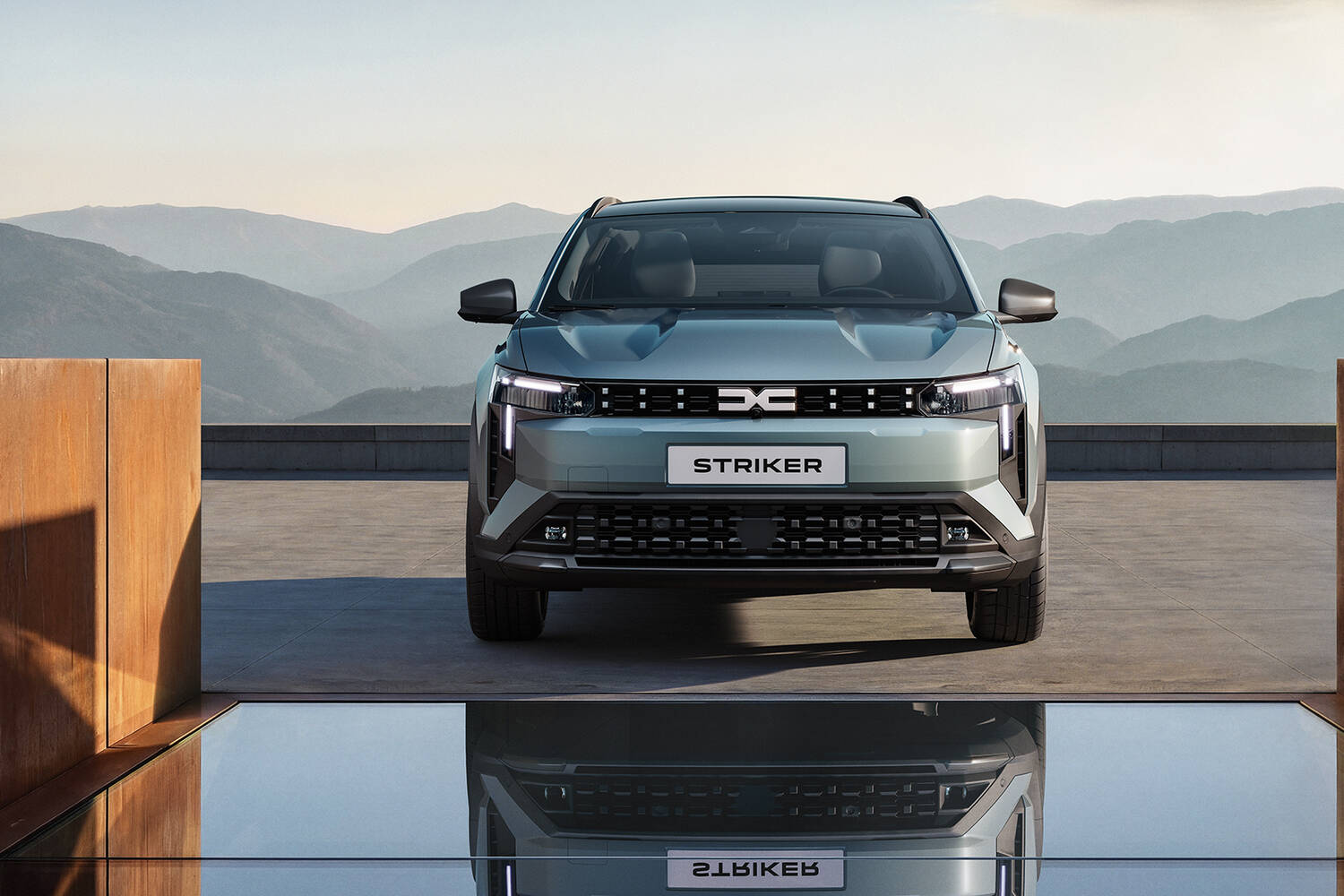
It certainly is striking, but what is a Dacia Striker?
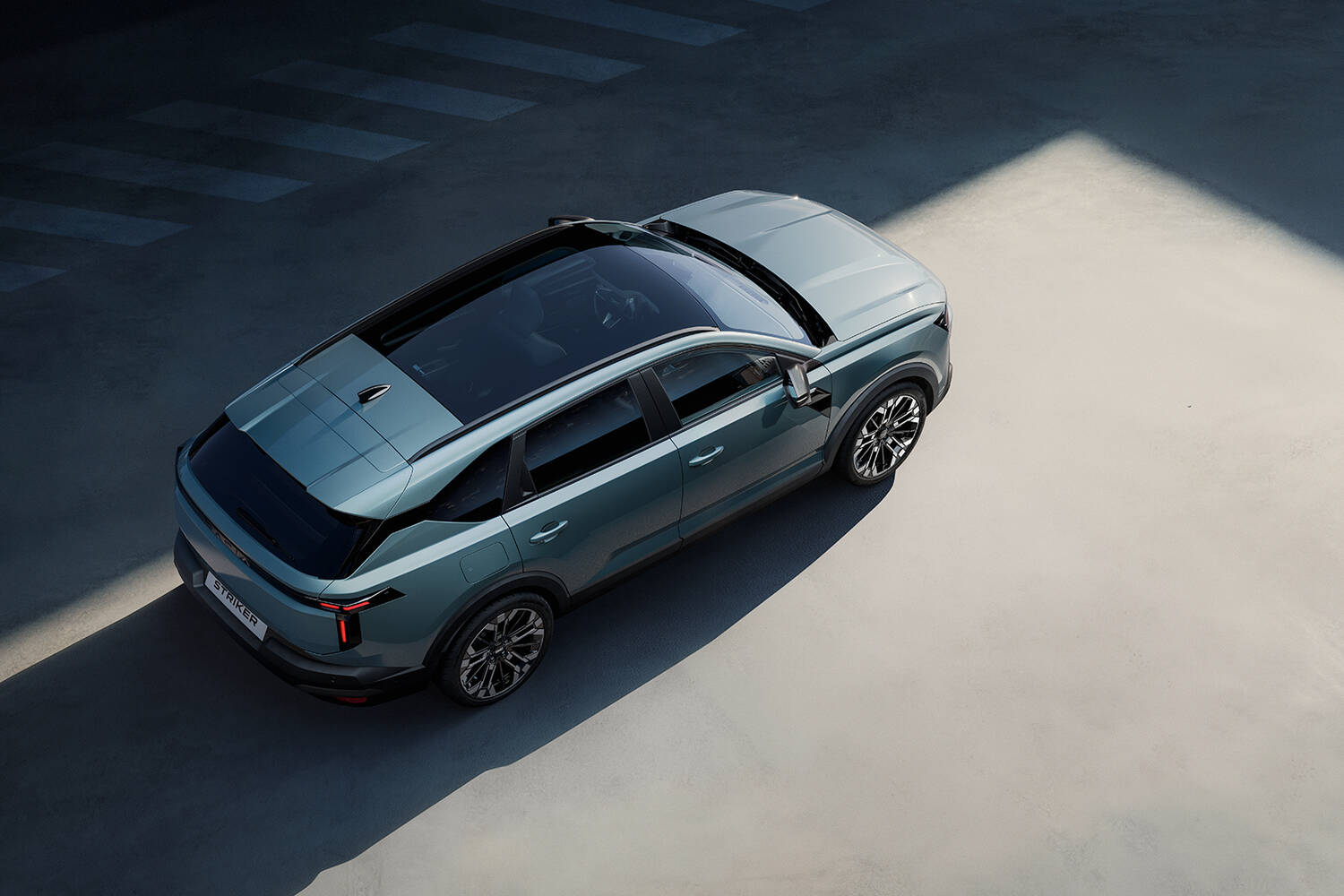
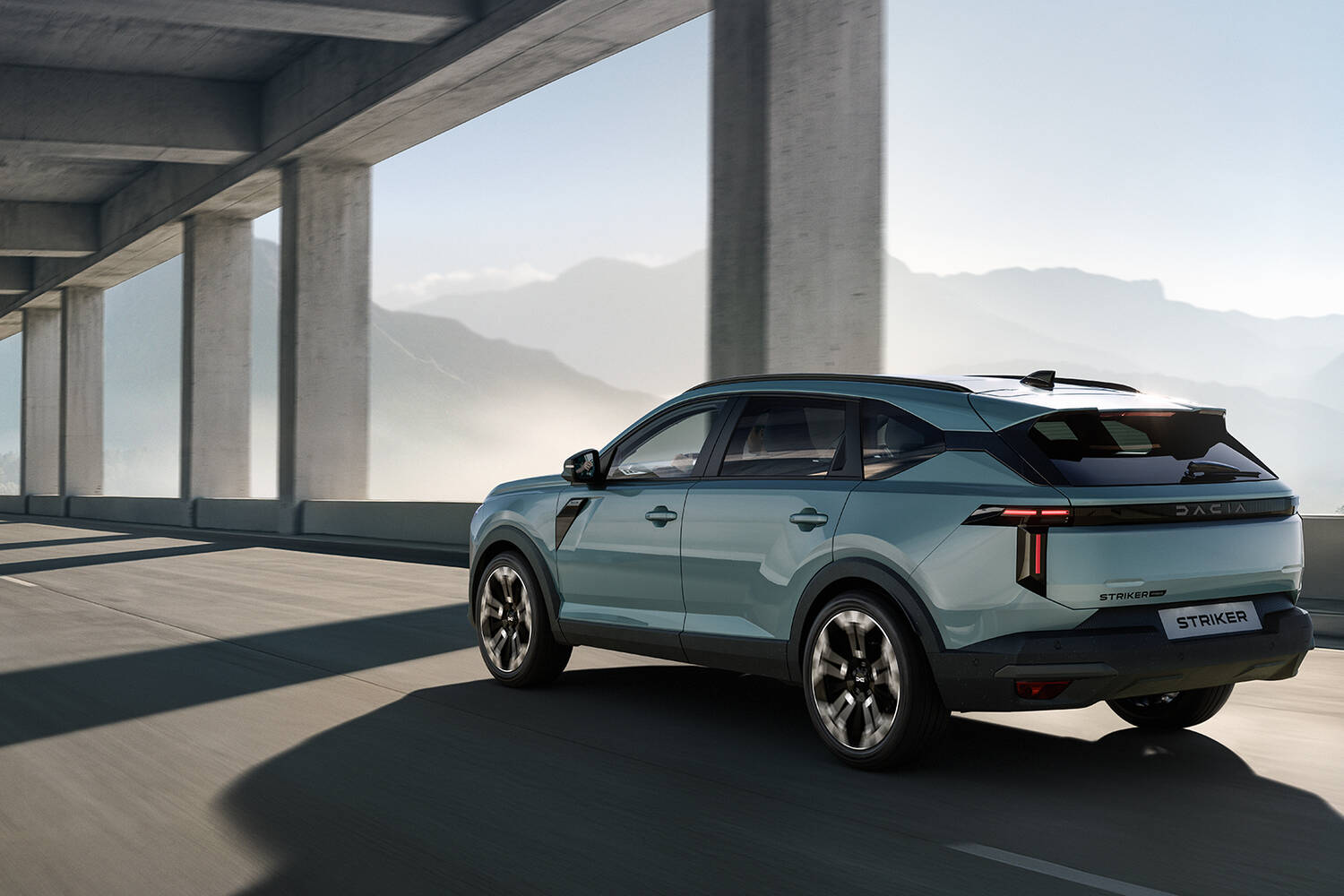
Full details have yet to be confirmed, but it would appear that the Striker is the sportier-looking alter ego to the existing Dacia Bigster: the Striker is described by Dacia as a "dynamic C-segment crossover”.
Bear in mind that, despite its generous proportions and low entry price, the Bigster is referred to as a C-segment model by its maker.
How big is the Dacia Striker?
Dacia hasn't announced all of the Striker's dimensions, but we do know it will be 4.62 metres long, which makes it a little longer than the Bigster, so it should still be spacious, if not quite as tall.
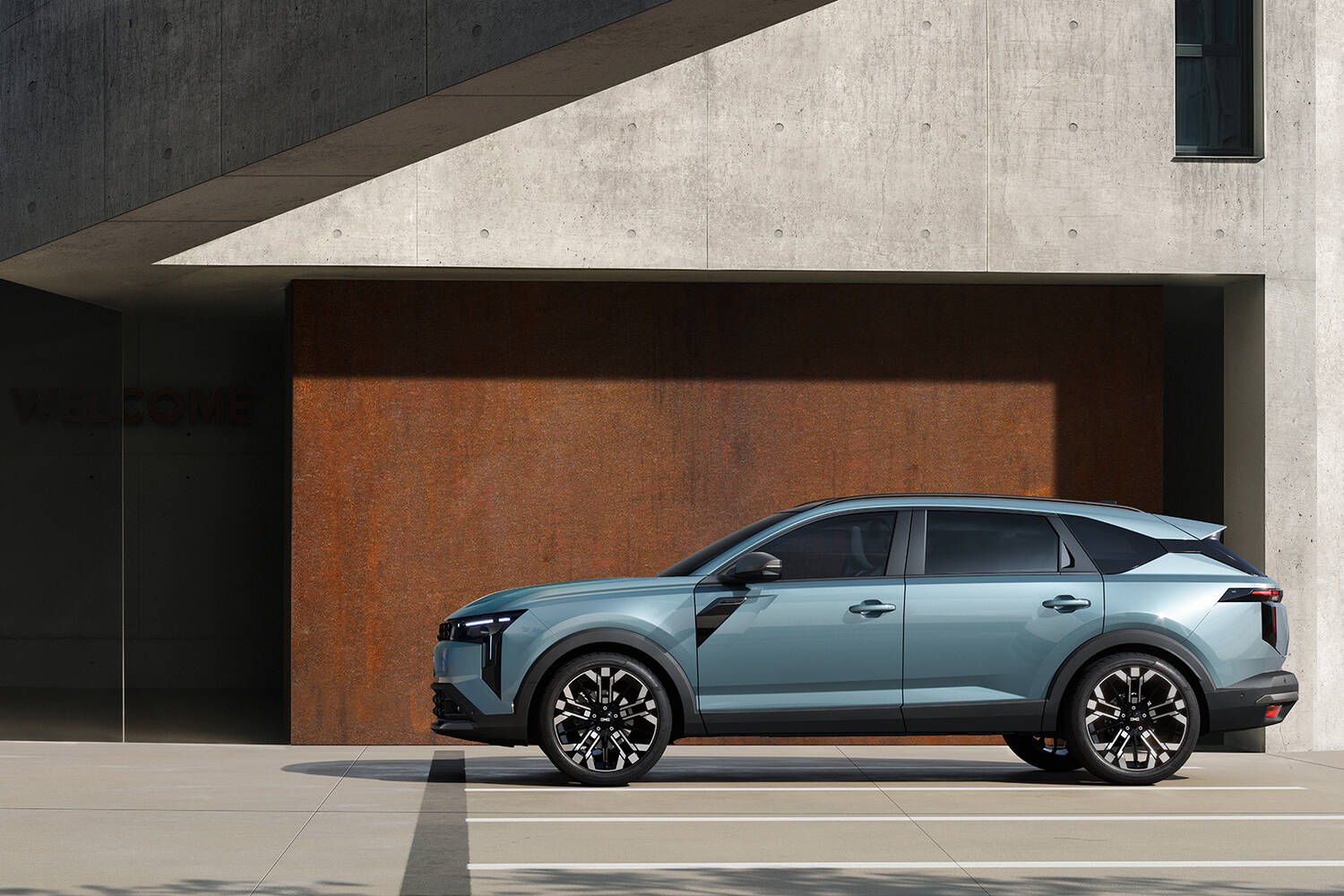
The Striker appears to retain decent ground clearance, too, which is why it's being called a crossover, as Dacia says in the release, the new car "combines the dynamism of a station wagon, the practicality of a spacious hatchback and the ground clearance of an SUV.”
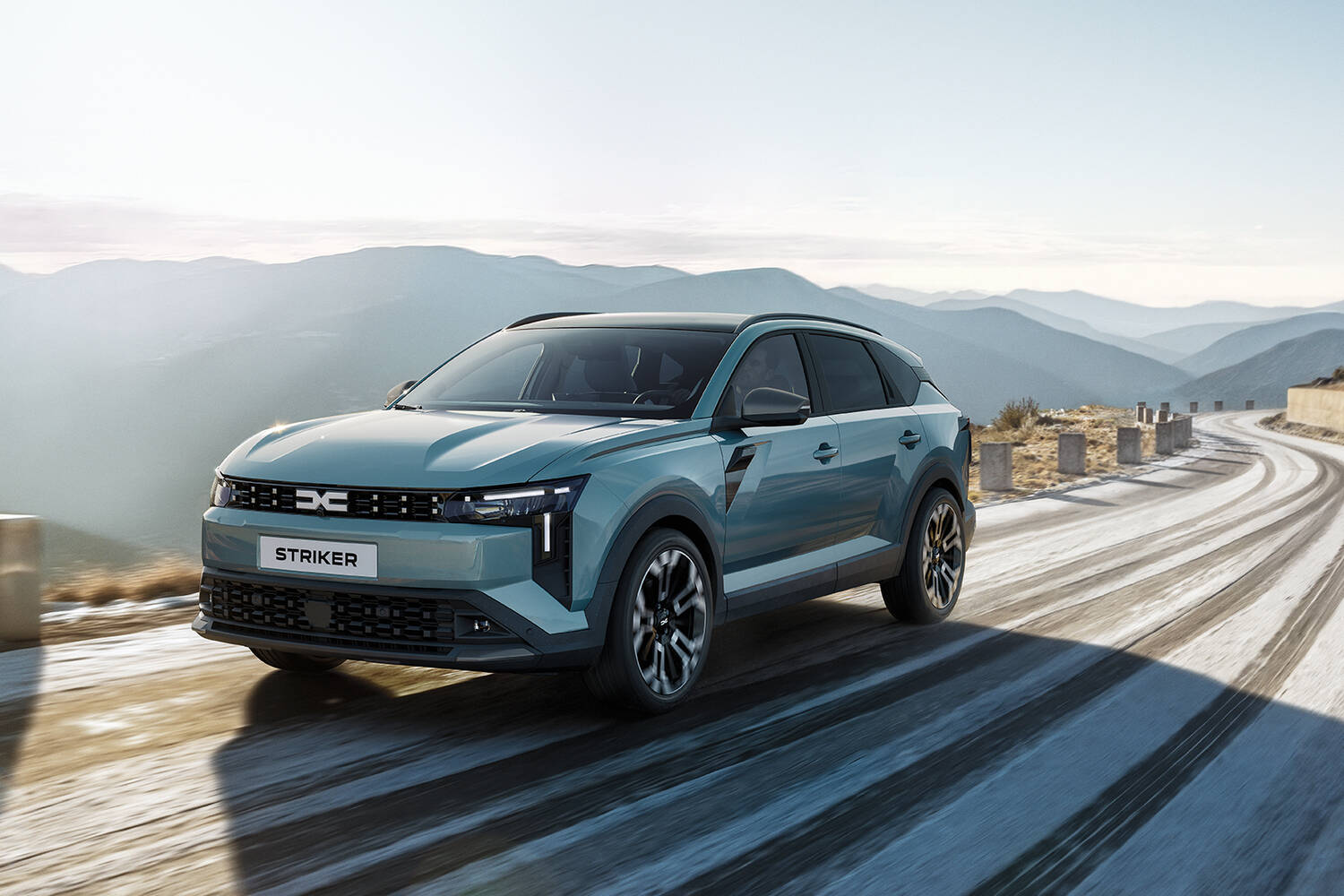
Although Dacia aligns the Striker with the Bigster in its range, and the latter clearly features established Dacia style cues, it's also an all-new design that's bolder and more daring than any other Dacia in production.
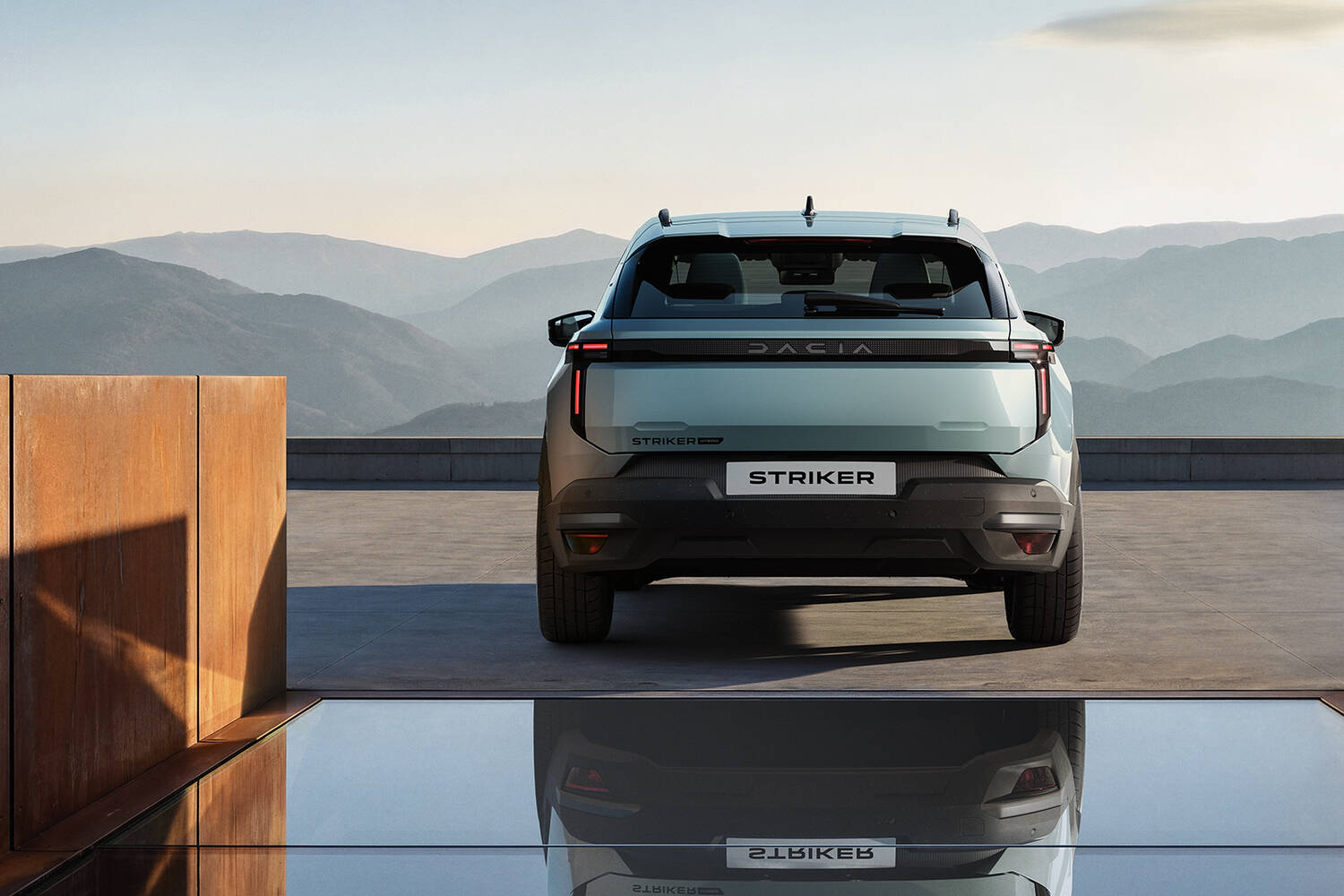
While the Striker's front end is unmistakably from Dacia, the lights are more intricate, and their shape is repeated at the back, joined by a dark full-width strip that gives the car a sophisticated appearance.
The side view also features a few stylish flourishes, such as the sculpting of the D-pillars and the finish of the front doors. It would appear that Dacia is hoping to tempt buyers in for more than just its value-for-money offering.
As it is, some 65 per cent of Dacia's buyers are "conquest” from other brands and yet, more than 70 per cent of Dacia owners stick with the company for their next car.
How much will the Dacia Striker be in Ireland?
We don't have the information as yet, but Dacia did mention a starting price in France that puts it in and around the same level as the Bigster. In Ireland, the SUV is priced from €29,990, for reference, so fingers crossed.
Dacia did mention that the Striker will be a "multi-energy” vehicle, with hybrid and hybrid-4x4 options in the lineup. It'll be offered with LPG capability in some markets, but probably not Ireland.
Oh, so the Dacia Striker is not electric?
No, though as part of today's announcement, it was revealed that Dacia has four new EVs in the pipeline for launch between now and 2030. The first is a new A-segment EV, sharing its underpinnings with the incoming Renault Twingo - and presumably set to replace the Dacia Spring.
Dacia is tight-lipped on what the others might be, though the language used to talk about the next generation of the Dacia Sandero suggests it might be one of them. Not that it - the best-selling vehicle sold to private customers in Europe since 2017 no less - will be going all-electric any time soon.
Interestingly, Dacia tells us that a quarter of its sales today are for "electrified” cars (meaning those with any form of hybridisation, not just fully electric), but it's aiming to increase the mix to two thirds with the launch of full hybrids and the new EVs mentioned above.
When do we learn more?
Dacia will fully unveil the Striker in June this year and we assume it will hit the Irish market in time for the "271” registration period in January 2027.
If there is anything about this story we have not covered, you can avail of our expert advice service via the Ask Us Anything page.