

How does that work?
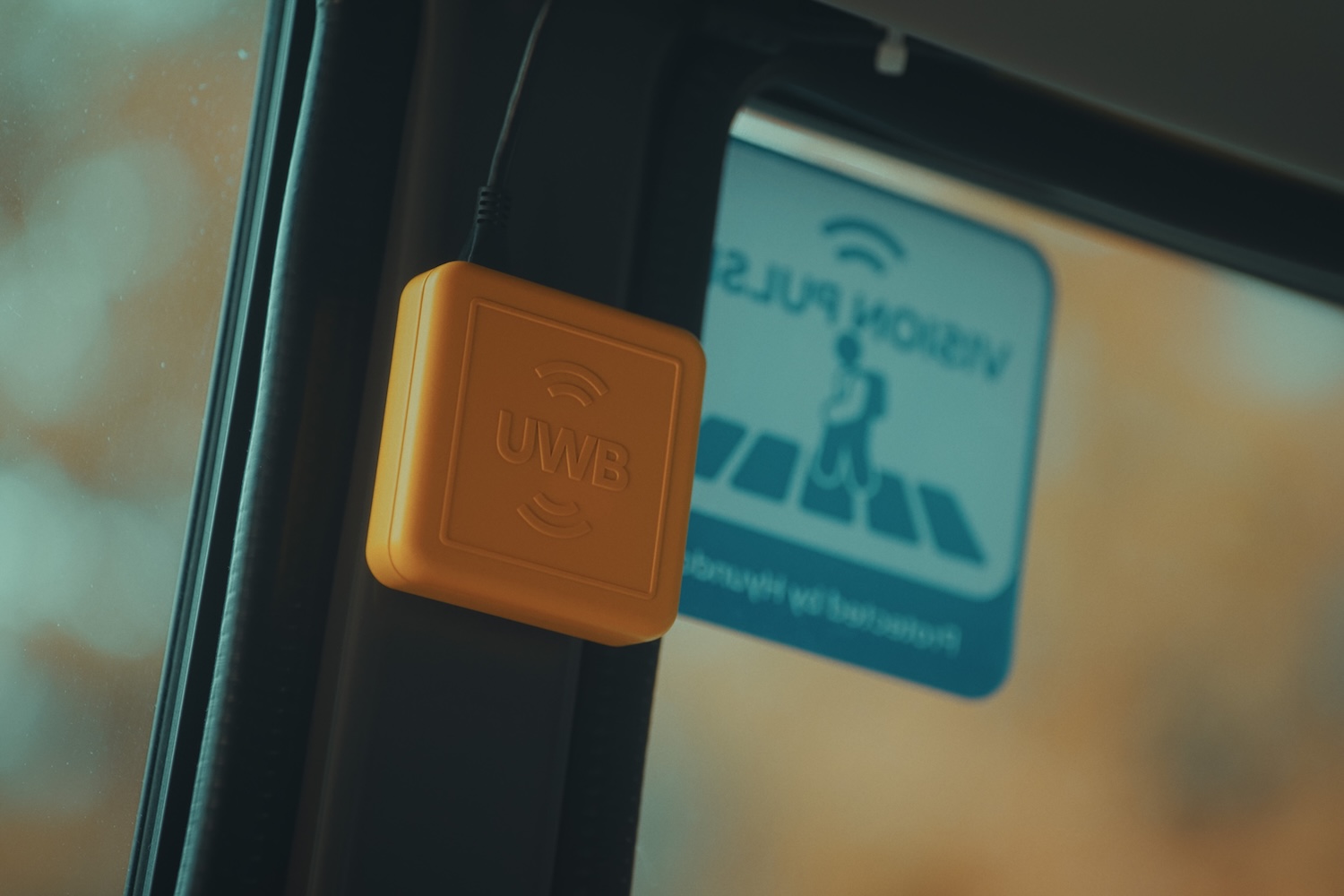
Well, Vision Pulse is a bit like radar, and a bit like sonar, in that it sends out a pulse of energy and waits to see if that energy bounces back. However, while radar and sonar both require the waves of energy they use to actually physically reflect off an object, in the case of Vision Pulse, it's waiting for a return electronic signal.
You're going to have to explain that a bit more…
OK, so it's a bit like the wireless signals that go between a car and the keyless ignition fob in your pocket. One sends a signal to the other, and then waits for a return signal. Vision Pulse works in a broadly similar manner, sending out what's called an ultra-wide band (UWB) signal that stimulates a similar response from certain smartphones, wearables and trackers. The speed of the response can then be calculated as distance from the original source, and so Vision Pulse can - claim Hyundai and Kia - accurately locate the source of the return signal (the phone in someone's pocket, or the smartwatch on their wrist) to within 10cm at a 100 metre radius.
So how does it help you see around corners?
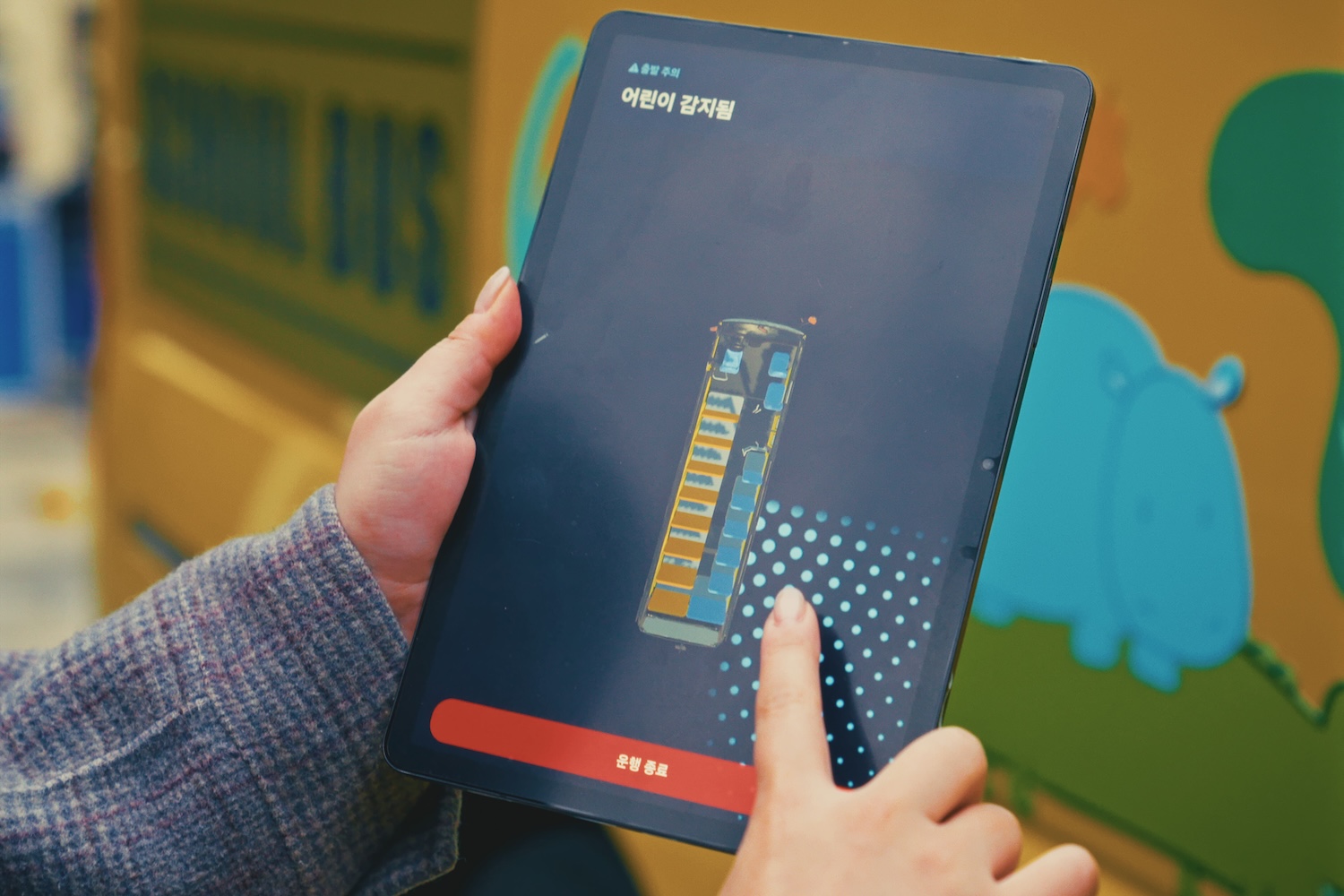
Because, unlike your eyes and radar systems that require a direct 'bounce' of energy off a solid object, Vision Pulse can work out from the signals broadcast by other devices, which can, to an extent, travel around and through walls and other cars. So this system could give you an alert that there's a whole bunch of cyclists approaching from around a blind junction, or that there are people hopping off a bus that's being blocked from your vision by another bus, let's say.
Brilliantly, Vision Pulse also works at night and in bad weather, and at speeds of 1-to-5 milliseconds.
How long before this kind of tech is in cars?
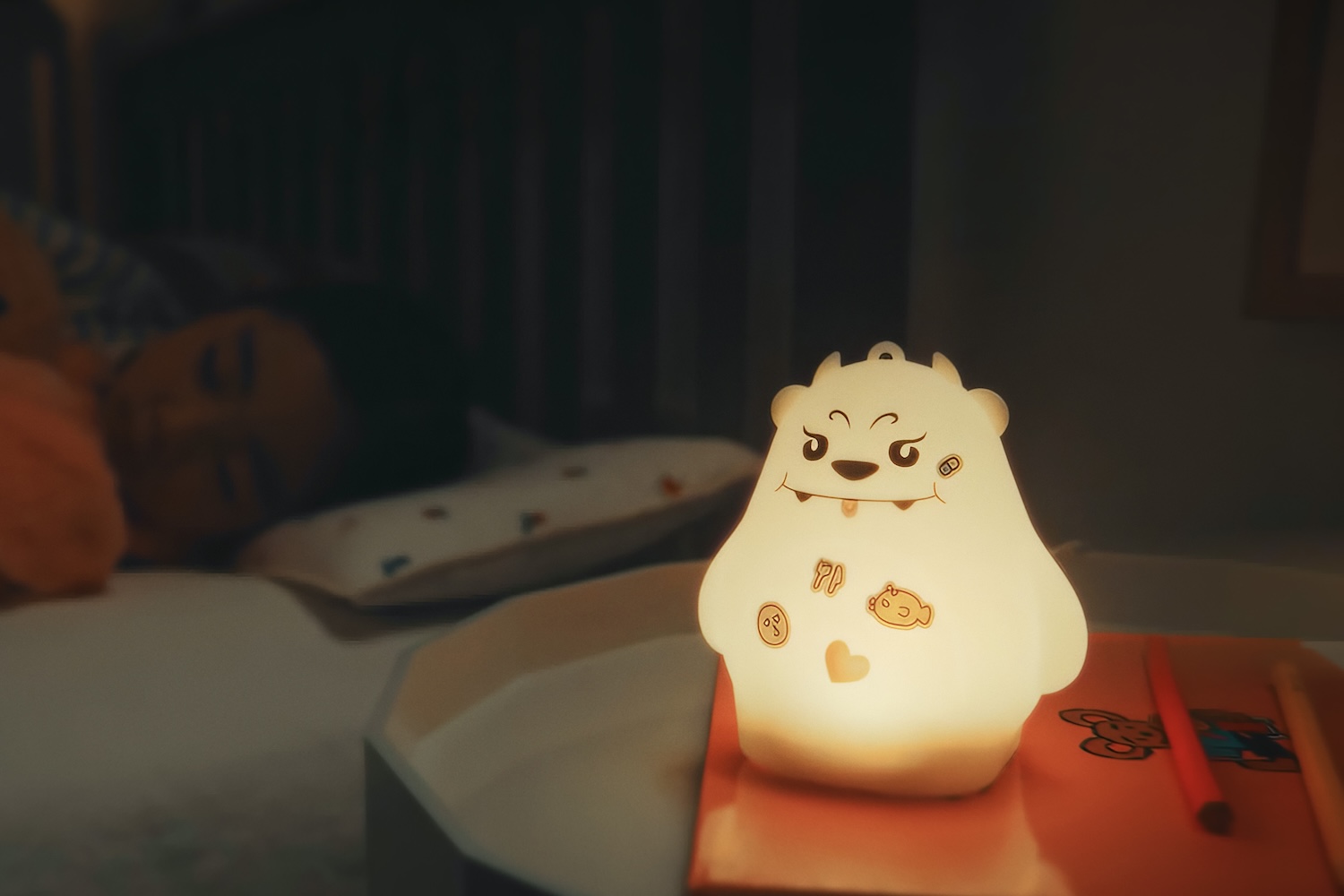
It already is. Hyundai and Kia say that the hardware for Vision Pulse UWB emissions is already in any of their models equipped with Digital Key 2 technology, and it's not expensive kit - certainly much cheaper than bulky LIDAR sensors - and can be easily fitted to almost any of their cars. The two companies have already begun some live testing of the system, working with playgroup-aged children. To ensure ease-of-use for young children, Hyundai and Kia developed protective keyrings which respond to the EWB pulse, featuring a guardian angel design, which can be easily attached to backpacks. The keyrings also double as sleep-friendly nightlights, encouraging regular charging as part of a child's nightly routine.
If there is anything about this story we have not covered, you can avail of our expert advice service via the Ask Us Anything page.