

Why is this so significant?
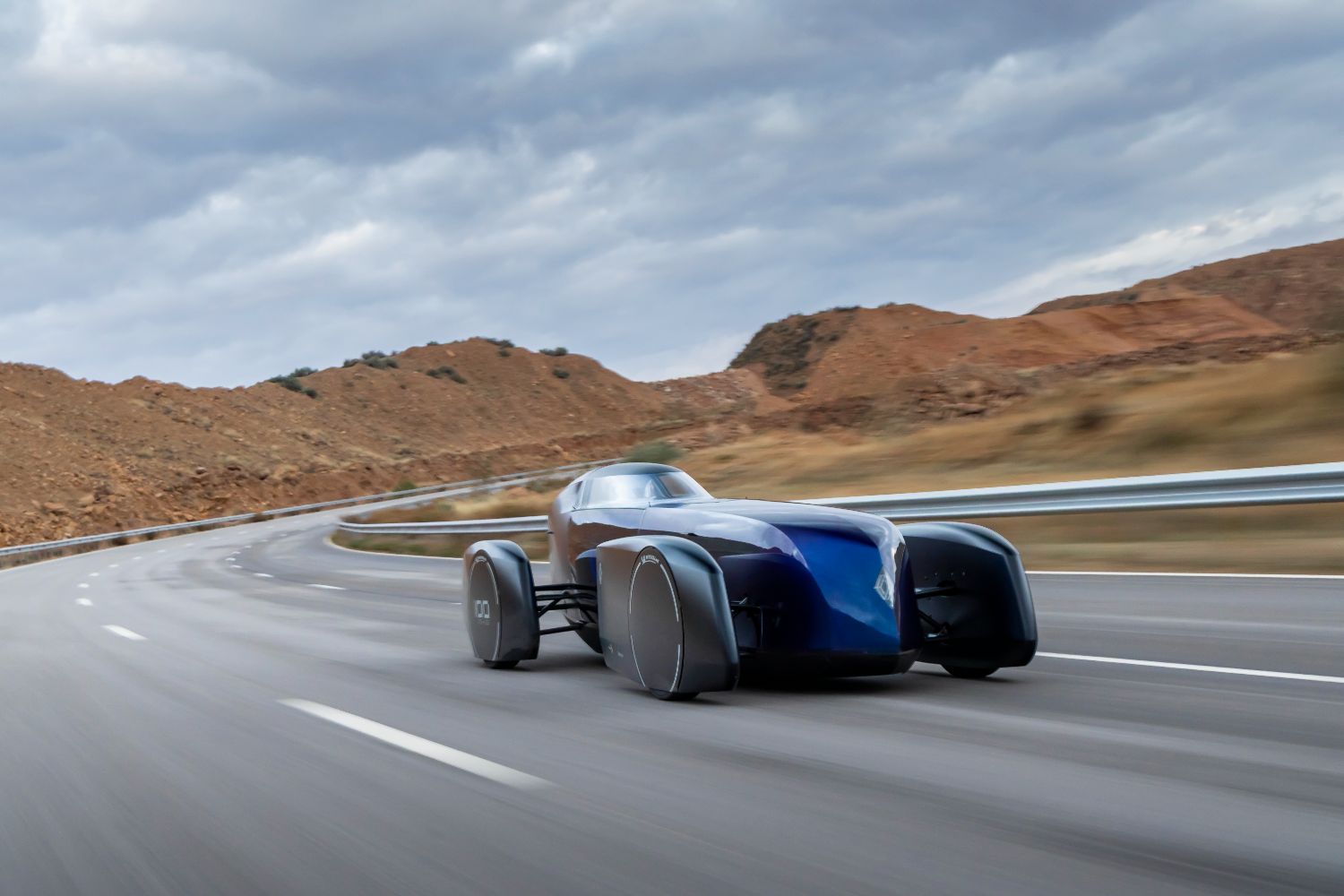
It's true that other EVs - even production models - have covered that kind of distance on one charge. The Mercedes EQXX concept car has done it, and production cars from Lucid and Polestar have done it too, even managing to go further, but the Filante record is an interesting one because it was done at speed - most other distance records are set when carefully hypermiling.
How fast was it going?
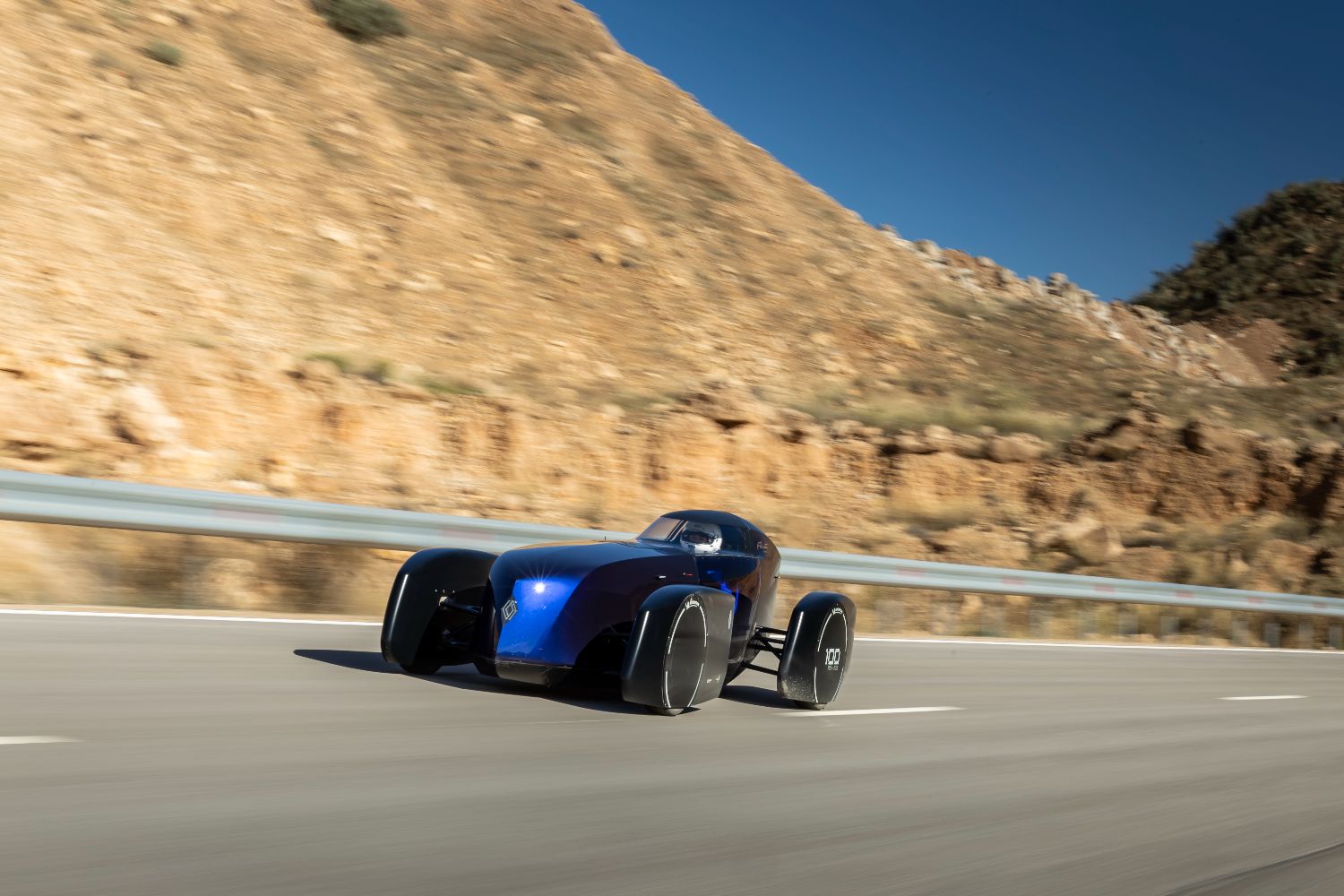
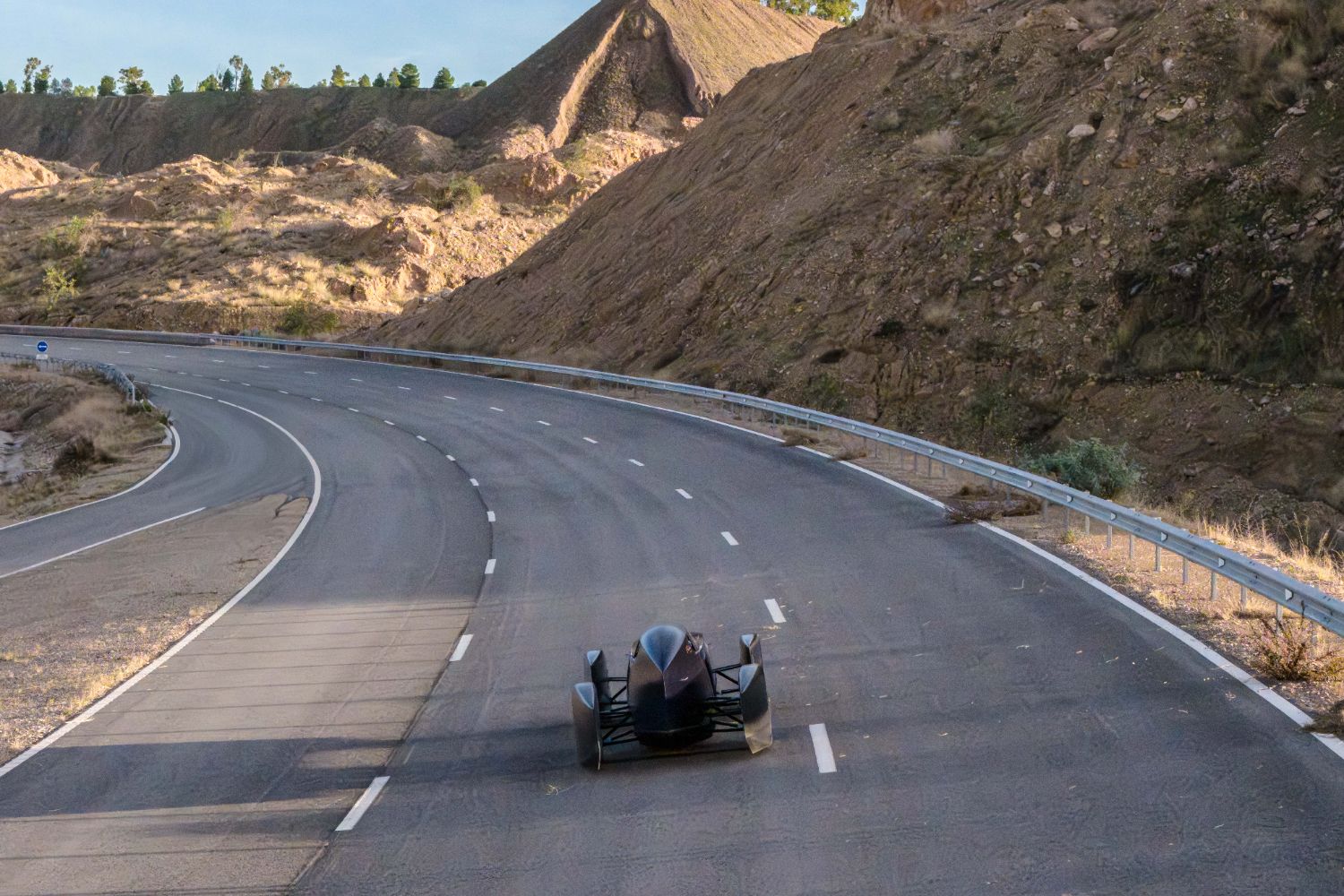
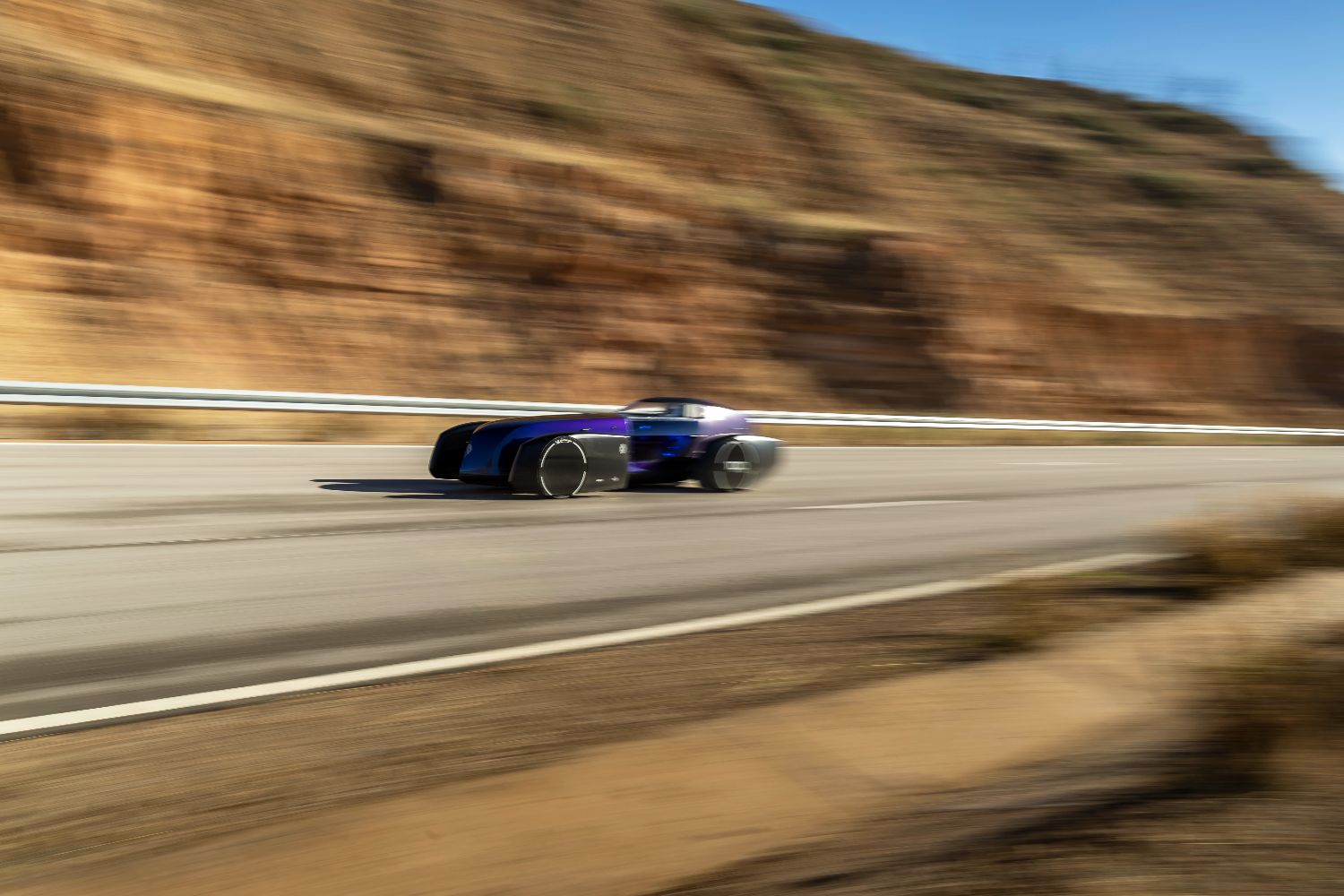
The Filante was driven at an average speed of 102km/h, covering 239 laps of the UTAC test track in Morocco, where this record was set, cruising at speeds above 110km/h. It averaged 7.8kWh/100km energy efficiency, using the same 87kWh battery capacity as a standard road-going Renault Scenic E-Tech. In fact, there was still 11 per cent charge remaining in the battery when the 1,000km barrier was cracked, suggesting that the Filante could have kept going for another 120km/h.
Renault's whole idea with this experiment was to prove that an EV, when it's sufficiently aerodynamic, can cover mega-distances on one charge while cruising at motorway speeds, usually an Achilles heel for electric cars.
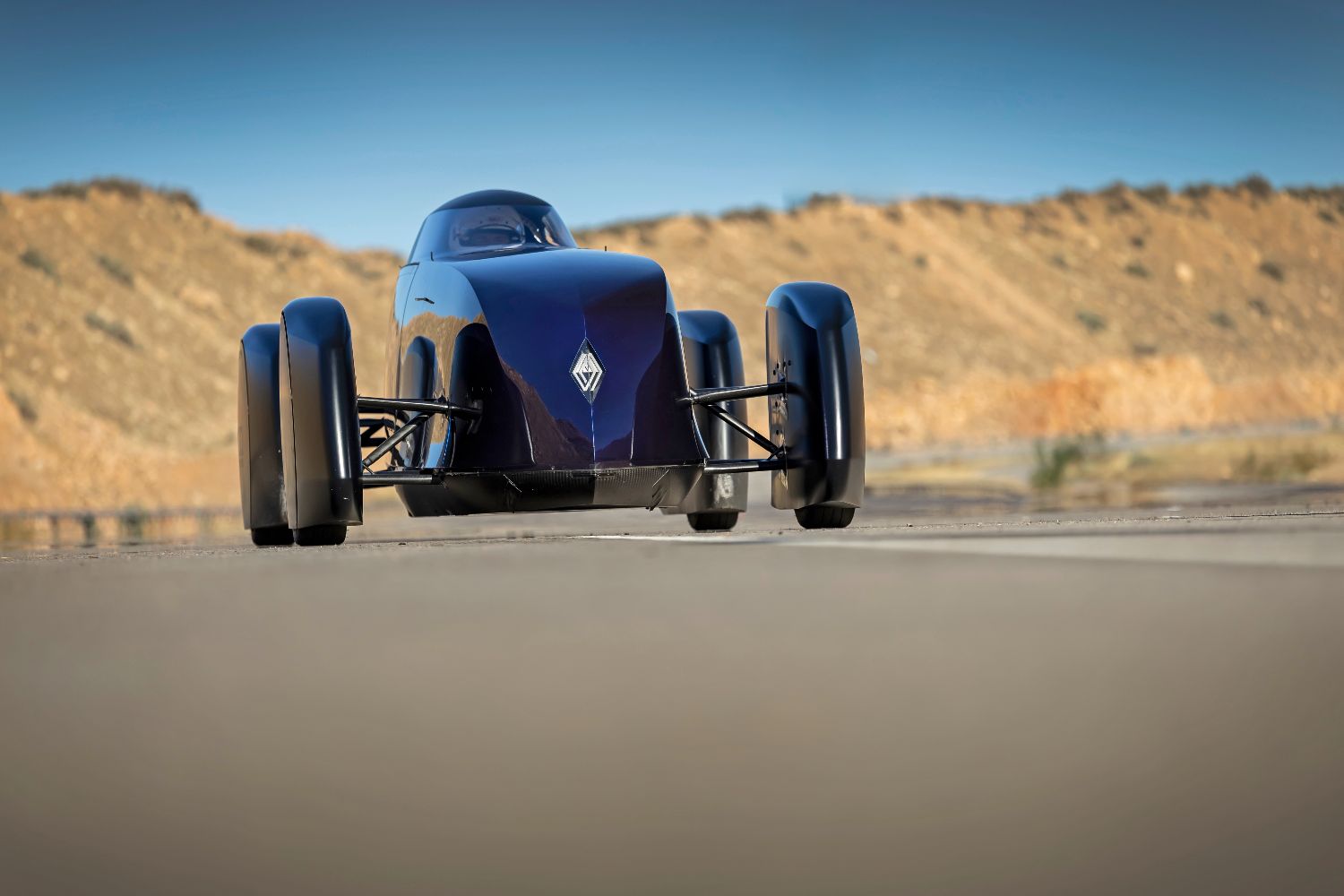
The Filante looks a little different…
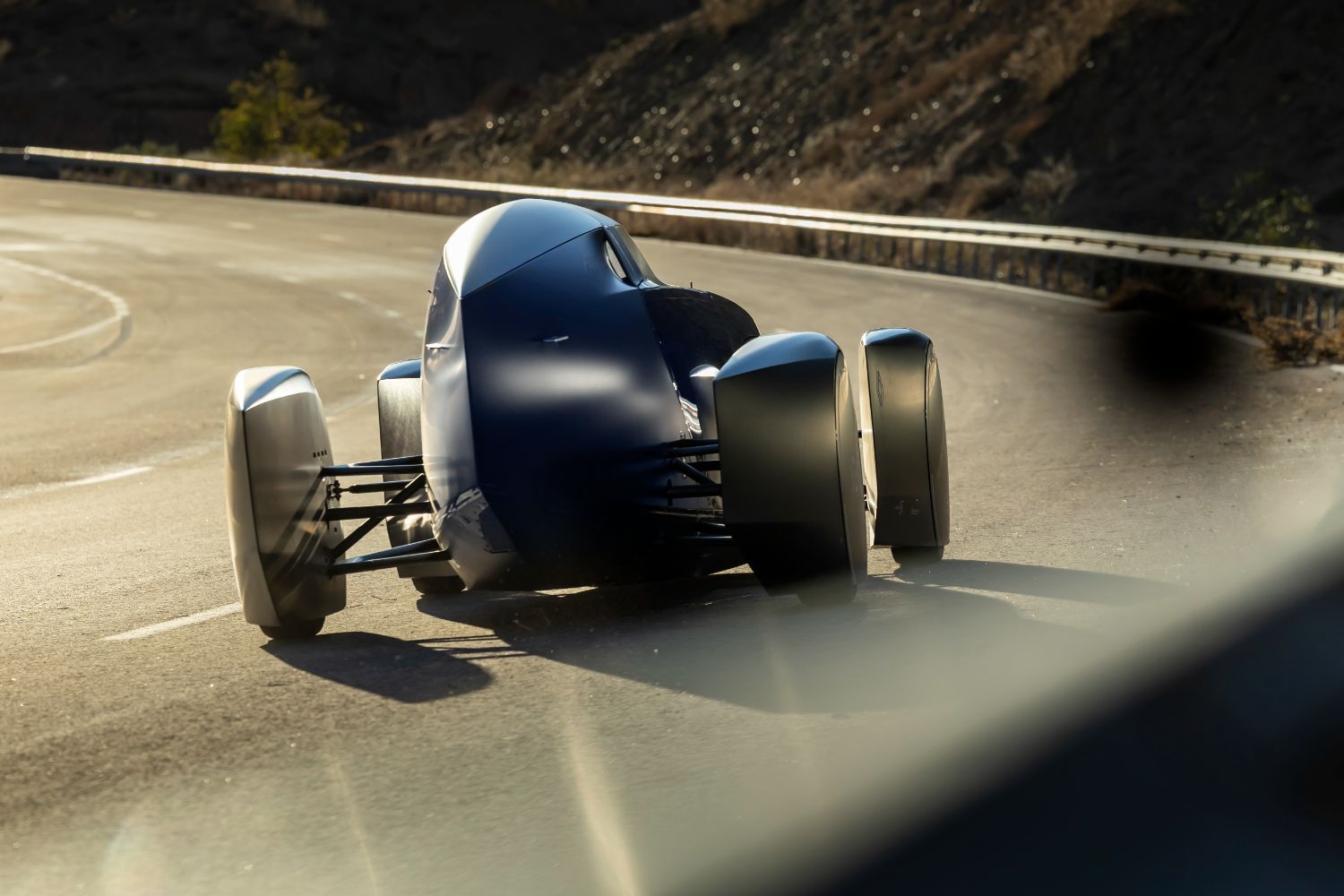
Indeed, it does. The car was originally designed for the motor show stage, not the UTAC track. The car's styling is not just an Art Deco throwback; it's also a homage to the record-breaking 40 CV of 1925 and the experimental gas-turbine-powered Etoile Filante (Shooting Star) of 1956.
However, when the design was actually put into a proper wind tunnel, Renault's engineers reckoned that it needed to be much smoother for the actual record run, so a re-design programme was instigated, which included reshaped wheel fairings, which are now mounted directly to the wheel hubs, while other small tweaks were made to the main bodywork to improve air flow and separation.
What's under the skin?
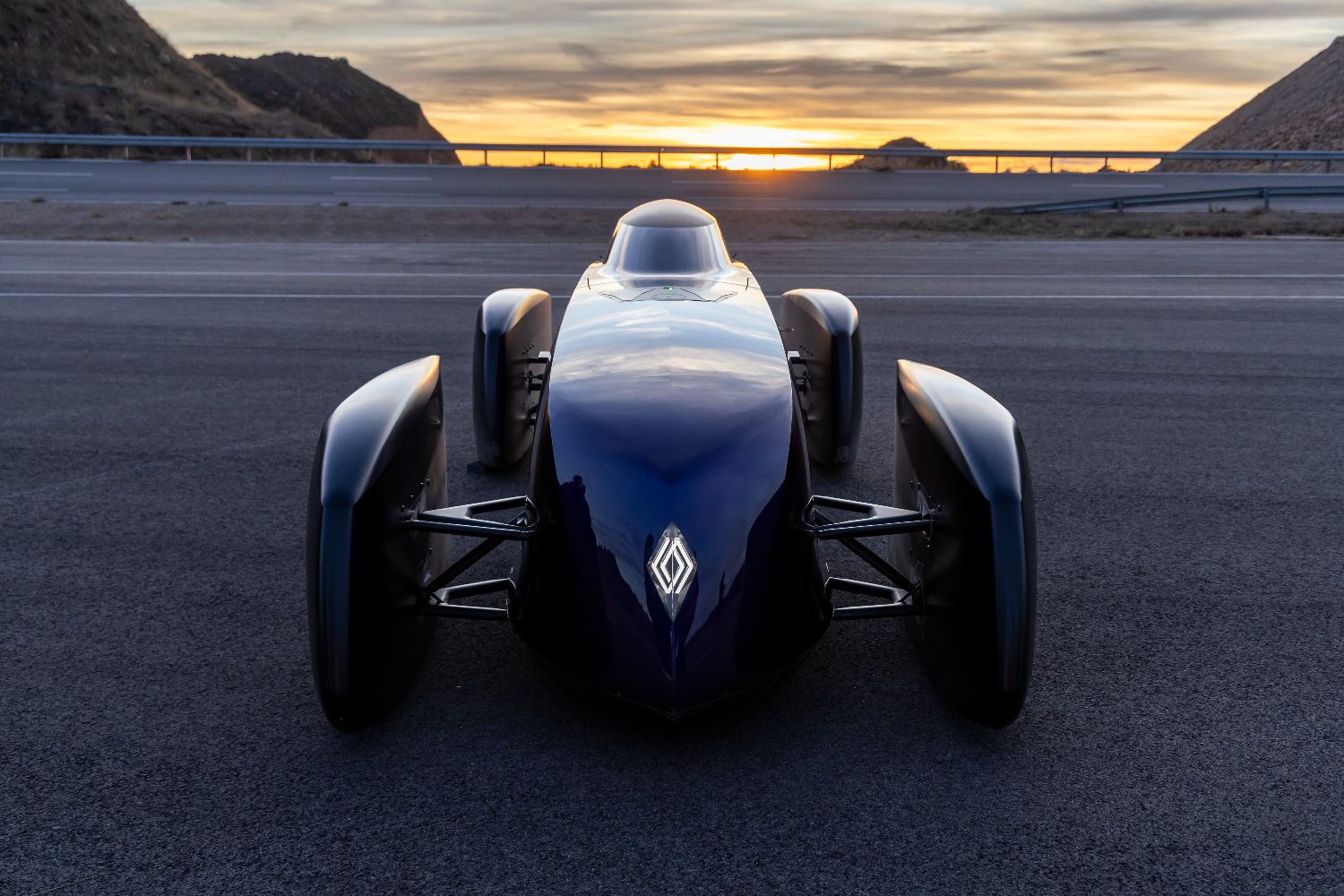
Aside from the 87kWh battery, the Filante features a single-seat cockpit, modelled on that of an F1 car, while there's also a lot of high-tech stuff which you can expect to see filtering slowly through to Renault and Alpine production cars in the coming years, including steer-by-wire and brake-by-wire. The bodywork itself is made of an exotic mixture of carbon fibre, aluminium alloys, and 3D-printed Scalmalloy - a high-grade aluminium specially designed for 3D-printing.
Who did the actual driving?
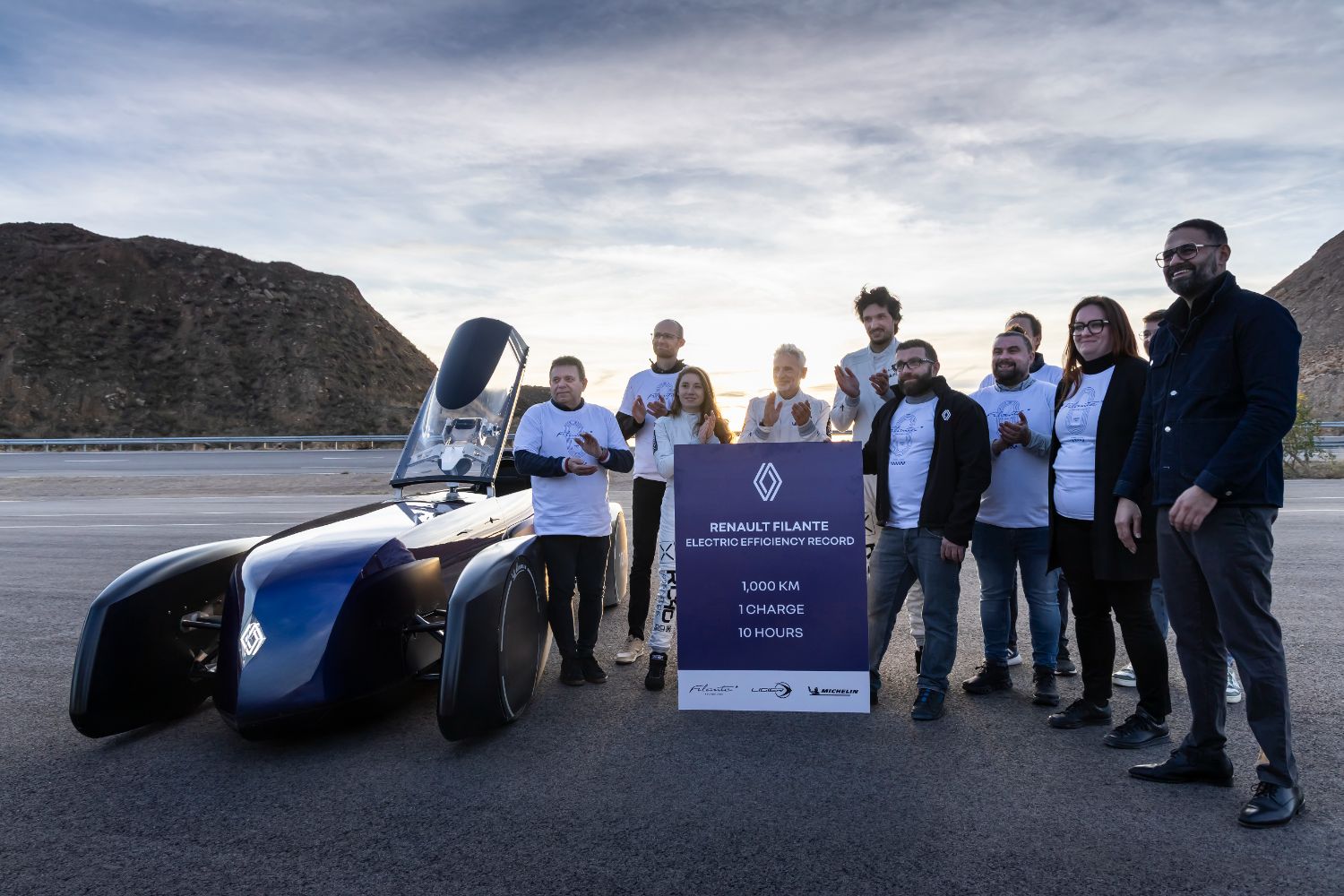
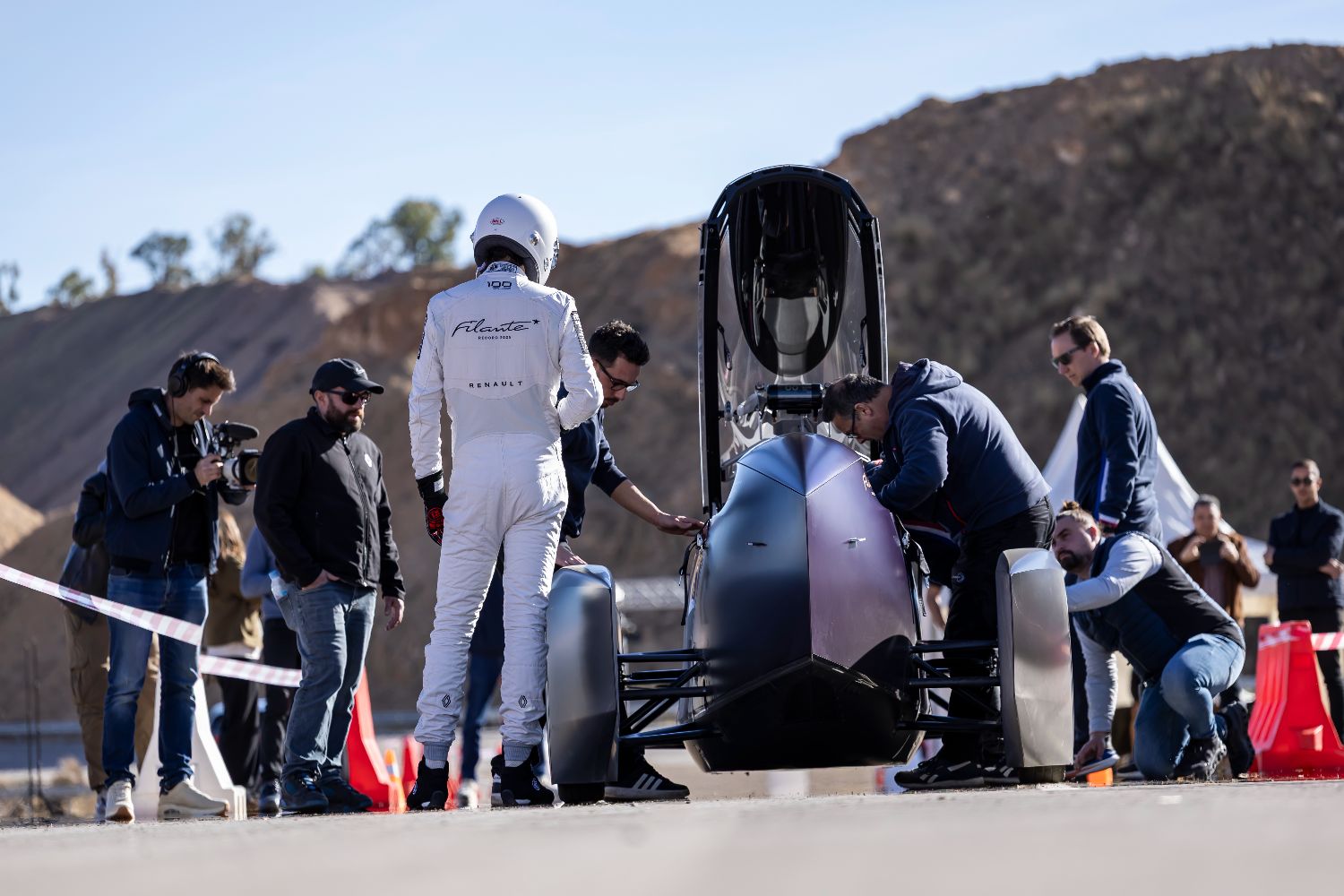
Three of Renault's test and development drivers took to the Filante's wheel for the record run, having been originally stymied by bad weather when an attempt was first made back in October. Constance Léraud-Reyser, Laurent Hurgon and Arthur Ferriere did the driving, with Hurgon kicking things off at 8am, with a 3hr 20min stint, followed by Léraud-Reyser, who drove for four hours. Finally, Ferriere took over for the anchor stint, bringing the car home after 9 hours 52 minutes (not including 7 minutes of driver changeover time).
The run took place on 18 December, with the air temperature at just 4 degrees Celsius at the start of the run, reaching only 13 degrees by the afternoon.
There was even time to listen to some good tunes, as Léraud-Reyser confirms: "Four hours at the wheel felt long, but the adrenaline and the music in my ears helped me push through. The key was concentration: holding the line, optimising every movement and being smooth on the steering wheel, especially with the steer-by-wire system, which is a joy to drive. With the heat and the thirst, it really felt like running a marathon, but the personal challenge was met.”
"The overarching goal, from the first sketches to the final test-track drive, was absolute efficiency. That's the hallmark of a record-breaking car - and it mirrors Renault's pioneering spirit and tradition since its inception in 1898. A lot like the 1925 40 CV and the 1956 Étoile Filante, Filante Record 2025 was engineered to become the first road-worthy car to drive 1,000 km at over 100 km/h without recharging, with an 87kWh battery exactly like the one powering Scenic E-Tech electric. This accomplishment took a lot of exacting work on several fronts - ultra-efficient aerodynamics of course, the low-rolling-resistance tyres, the lightweight materials (including carbon fibre and 3D-printed aluminium components) and advanced technical features (steer-by-wire for instance). Teams of experts from Renault and its partners Michelin and Ligier worked on every aspect of Filante Record 2025's design to demonstrate that electric vehicles can now travel long distances without recharging, even at sustained speeds,” said Sandeep Bhambra, Chief Designer Advanced at Renault.
So, when can I buy one?
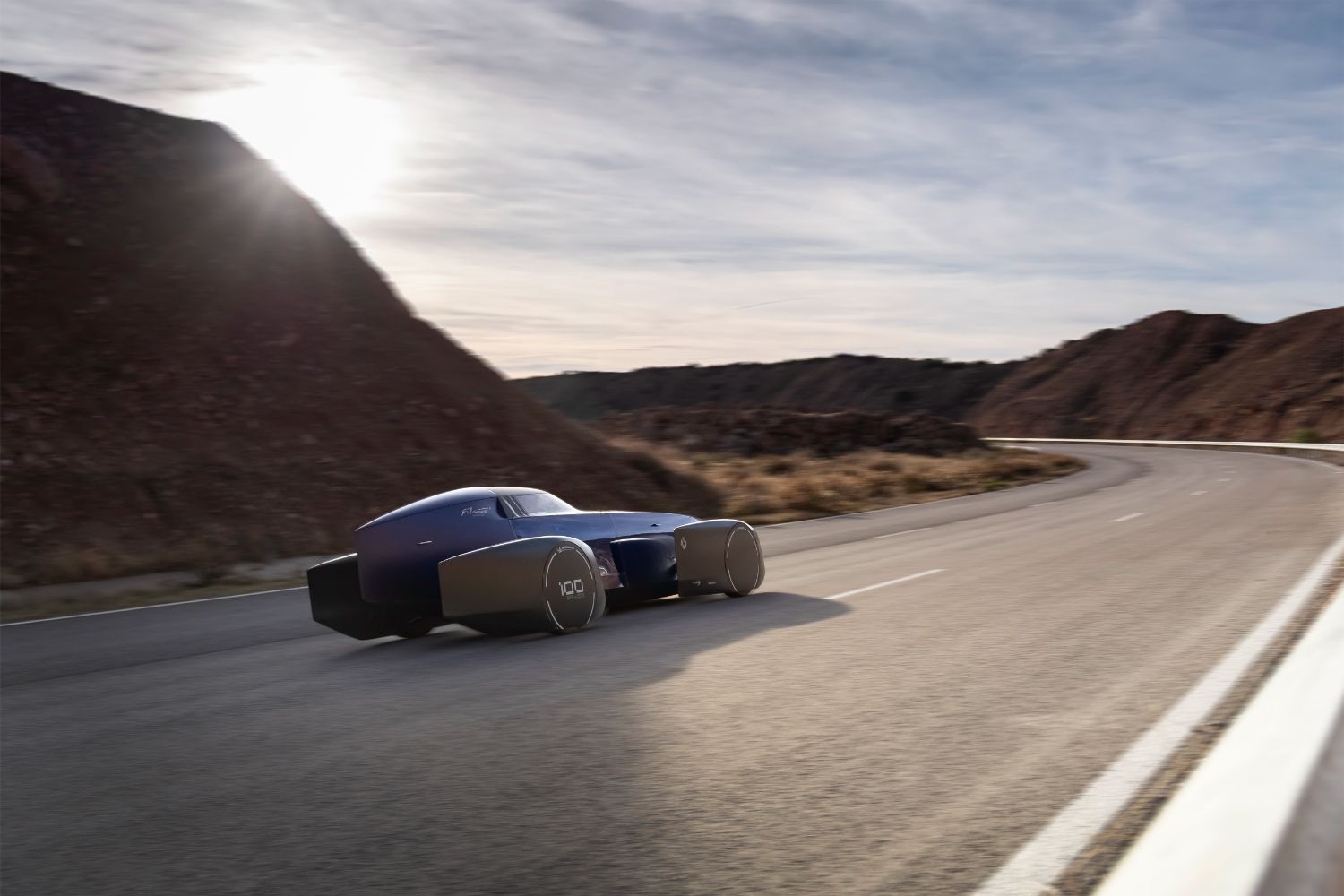
Ahem. Never, in its current form, although we're considering begging letters to get Renault to make a limited-edition run of this single-seat EV. However, the tech and aero knowledge will make their way through to production cars in the future. In the meantime, Renault has made a three-part video series about the Filante and the record run, so keep an eye out on the car maker's social channels and website for more.
If there is anything about this story we have not covered, you can avail of our expert advice service via the Ask Us Anything page.