




Does that mean no more combustion-engined Porsche Cayenne?
Not quite. While this 'E4' generation Cayenne will only get electric powertrains, Porsche has realised that the transition to battery-powered vehicles isn't moving quite as quickly as it thought when it began planning this version. Hence, a recent change in management and reconsideration of product planning mean Porsche will continue to produce and sell its existing 'E3' Cayenne with petrol and plug-in hybrid powertrains alongside this new electric Cayenne.
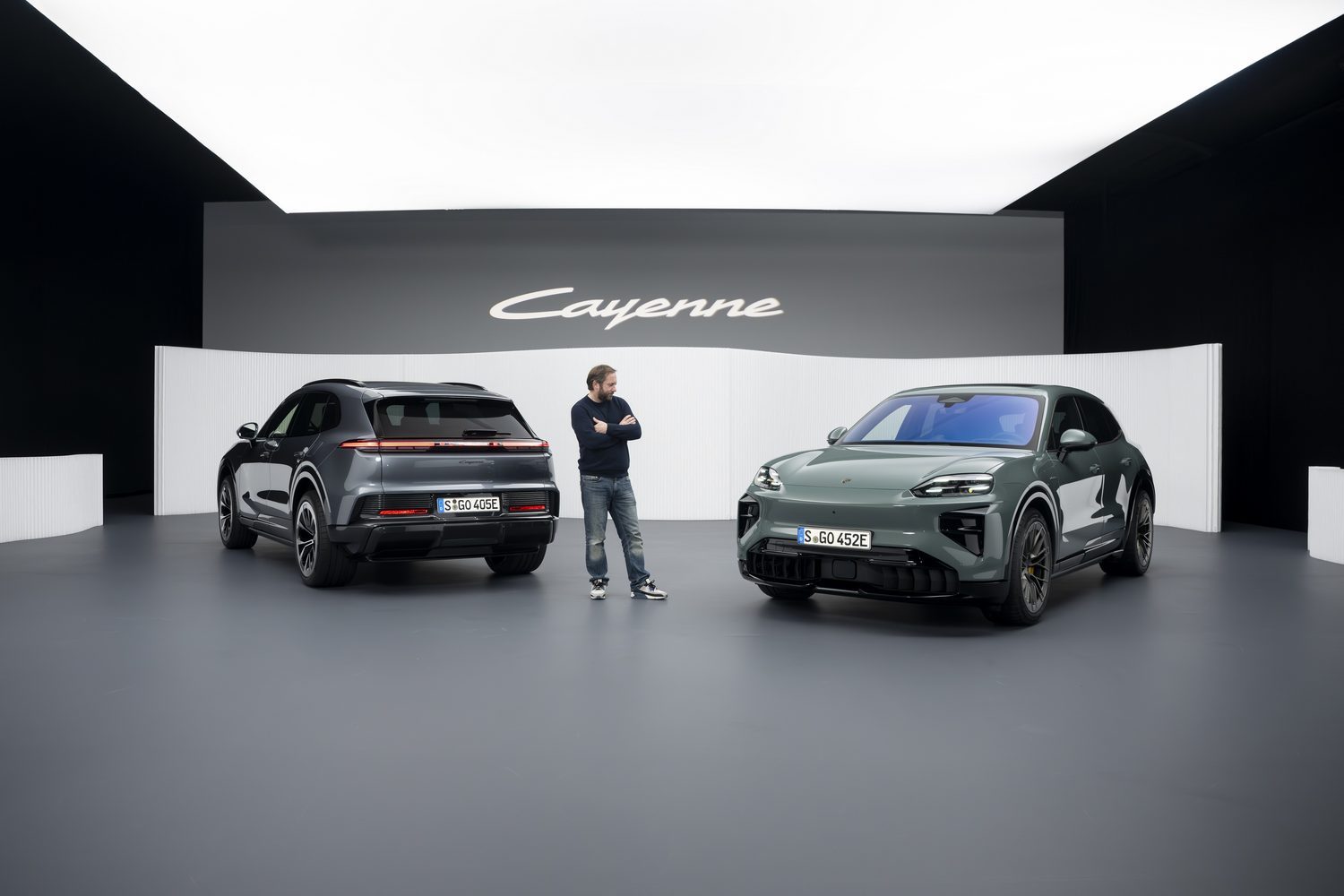
The company has said that its internal combustion engines will live beyond 2030. So if you don't want an electric Cayenne, there are other options. We expect the E3 to be updated to keep it fresh.
But will I want a Cayenne Electric?
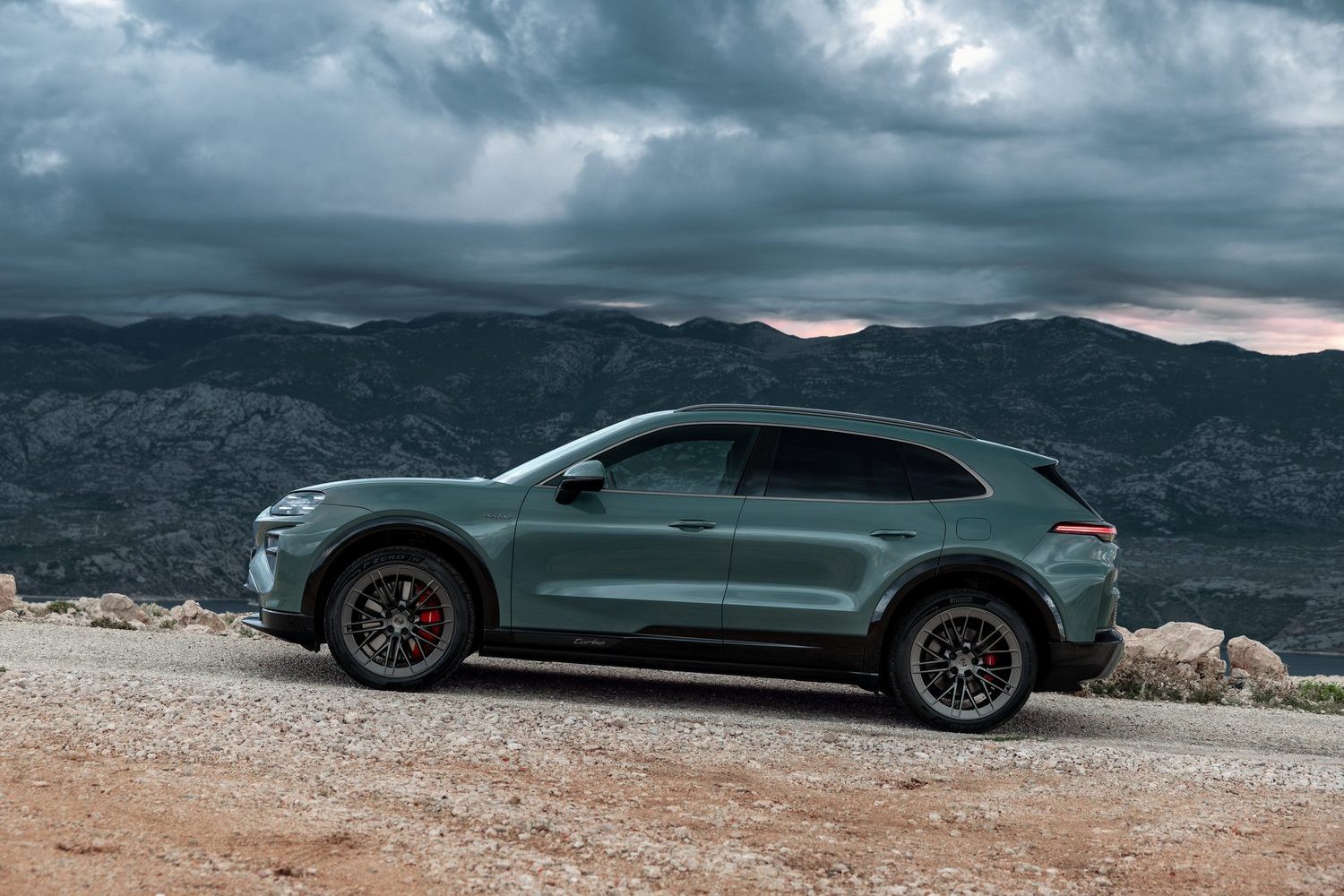
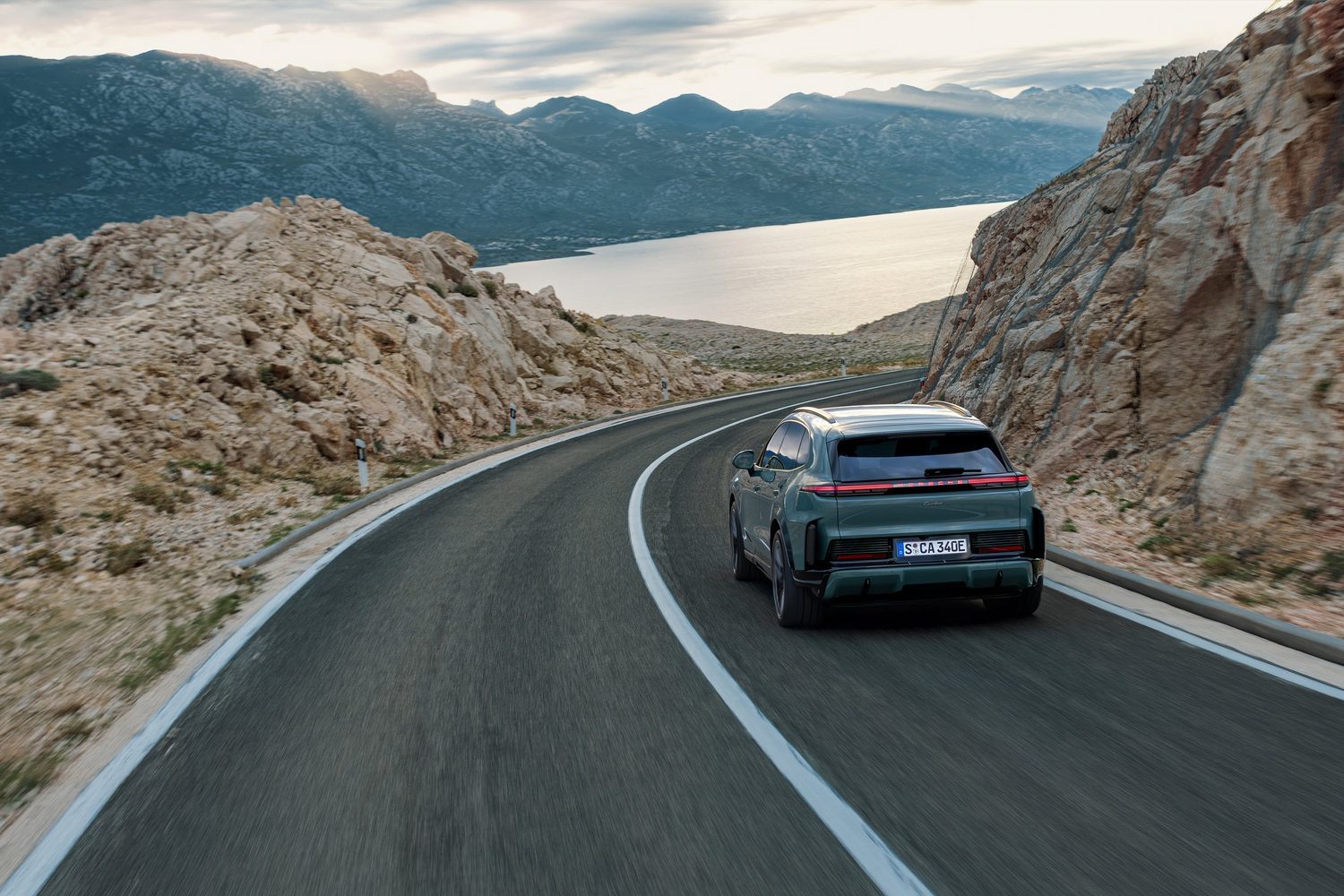
Porsche has certainly made a compelling case for the Cayenne Electric, starting with the design. It still looks very much like a Cayenne, and it's almost the exact same size as the E3 generation.
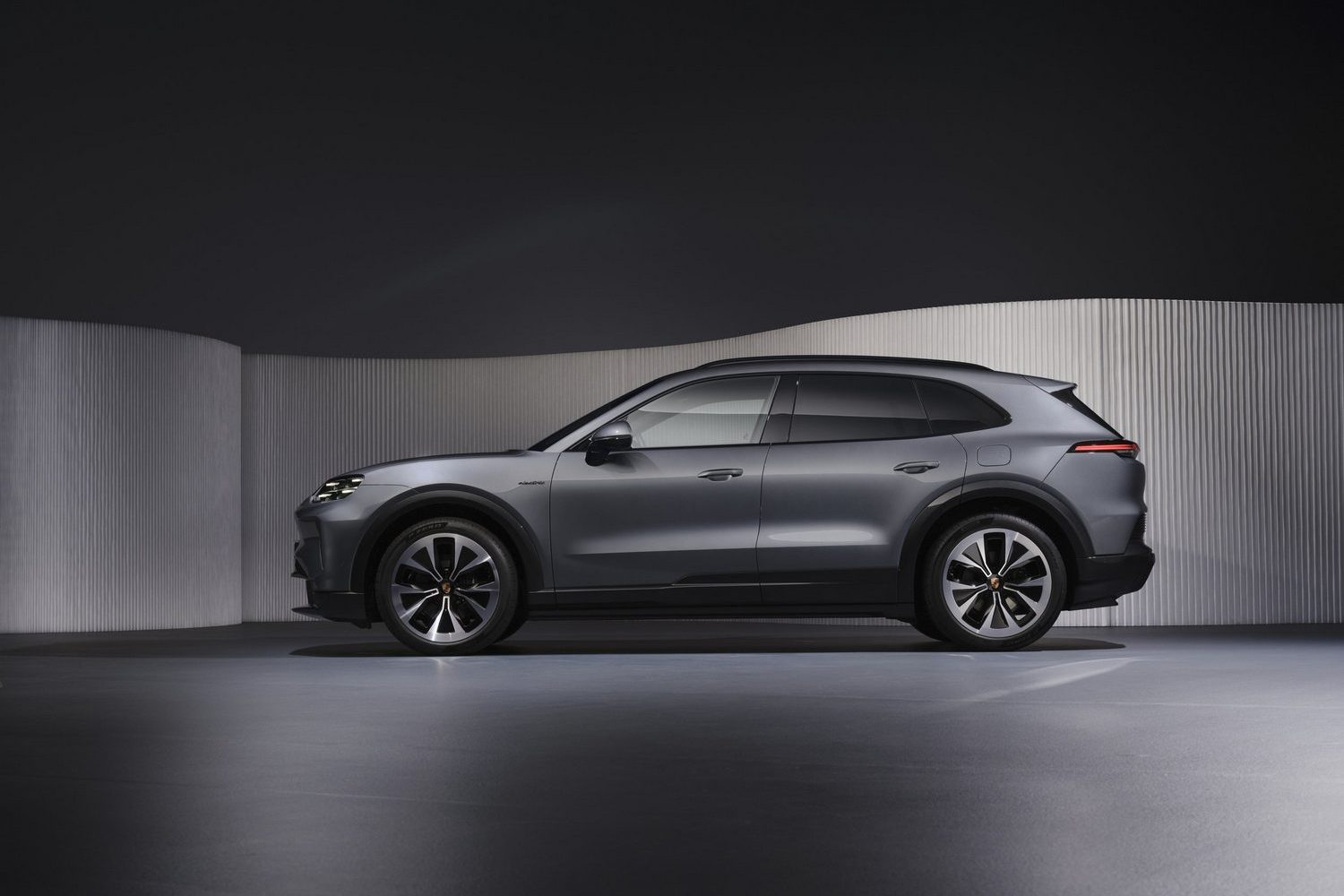
It's longer by 55mm, which isn't all that noticeable, but what is more obvious is the 128mm stretch in the wheelbase. This increase not only alters the proportions of the Cayenne but also creates more interior space for passengers and makes room for a substantial battery.
The styling is in line with the look already seen on the smaller Porsche Macan Electric, with compact headlights featuring a new take on the four points of light that make up Porsche's lighting signature.
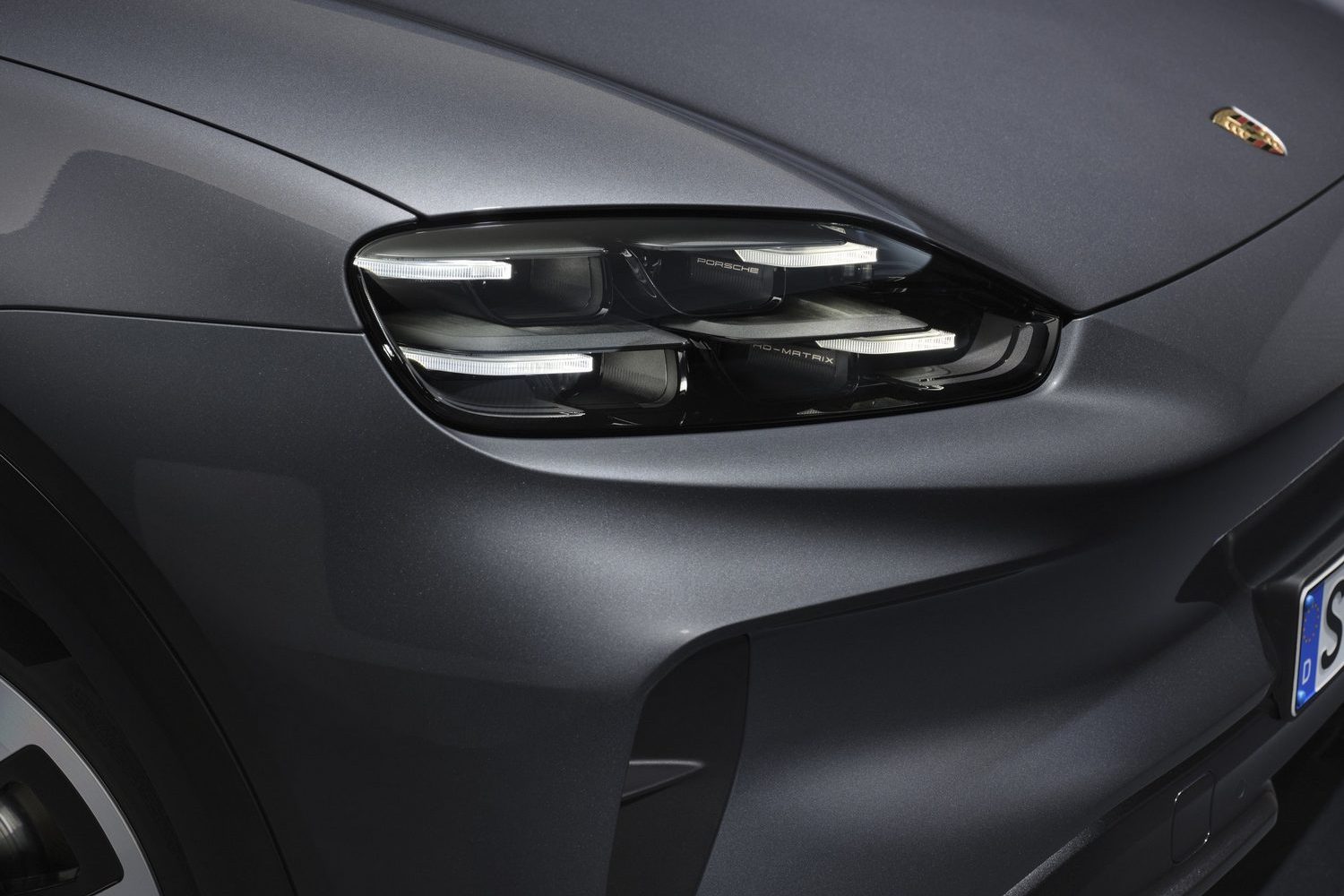
Despite the slimline appearance of the headlights, the latest LED Matrix technology is packaged into the units, leaving the rest of the car's nose to be made up of a carefully sculpted bumper and lower section that has electrically controlled louvres that open and close in accordance with the car's cooling requirements.
What other features does the Porsche Cayenne have?
As you might expect from Porsche, there is a myriad of clever design features throughout the Cayenne Electric, many of which are informed by the car's aerodynamics, helping it achieve an impressive 0.25 drag coefficient. In other words, it slips through the air quite well for what is a large SUV.
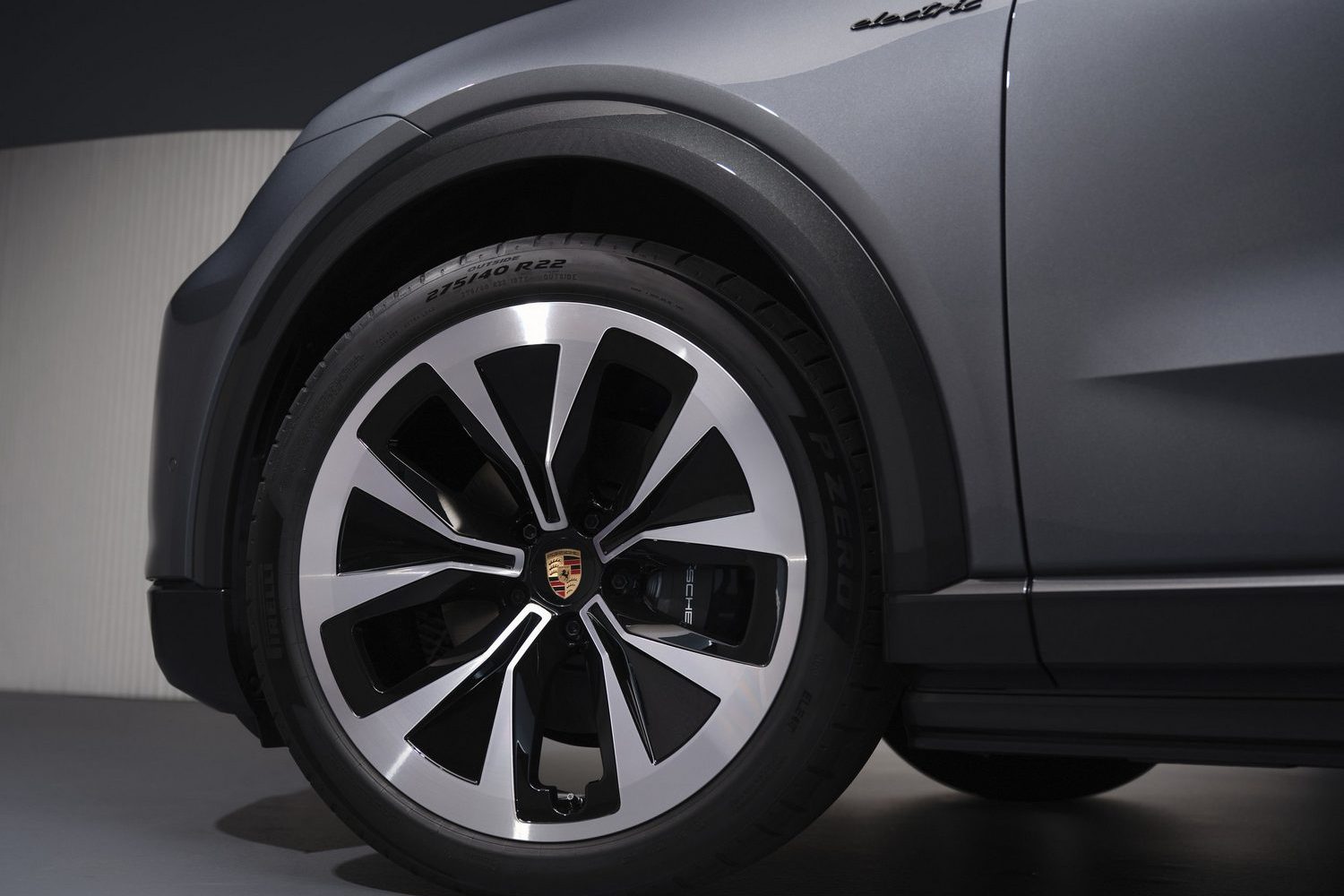
The wheels vary in size from 20 to 22 inches, and all have designs that not only look appealing but have low drag in mind. Even the process by which the windscreen glass fits into the frame has been optimised to not only reduce wind noise at higher speeds but also ensure that water doesn't stream across the side windows.
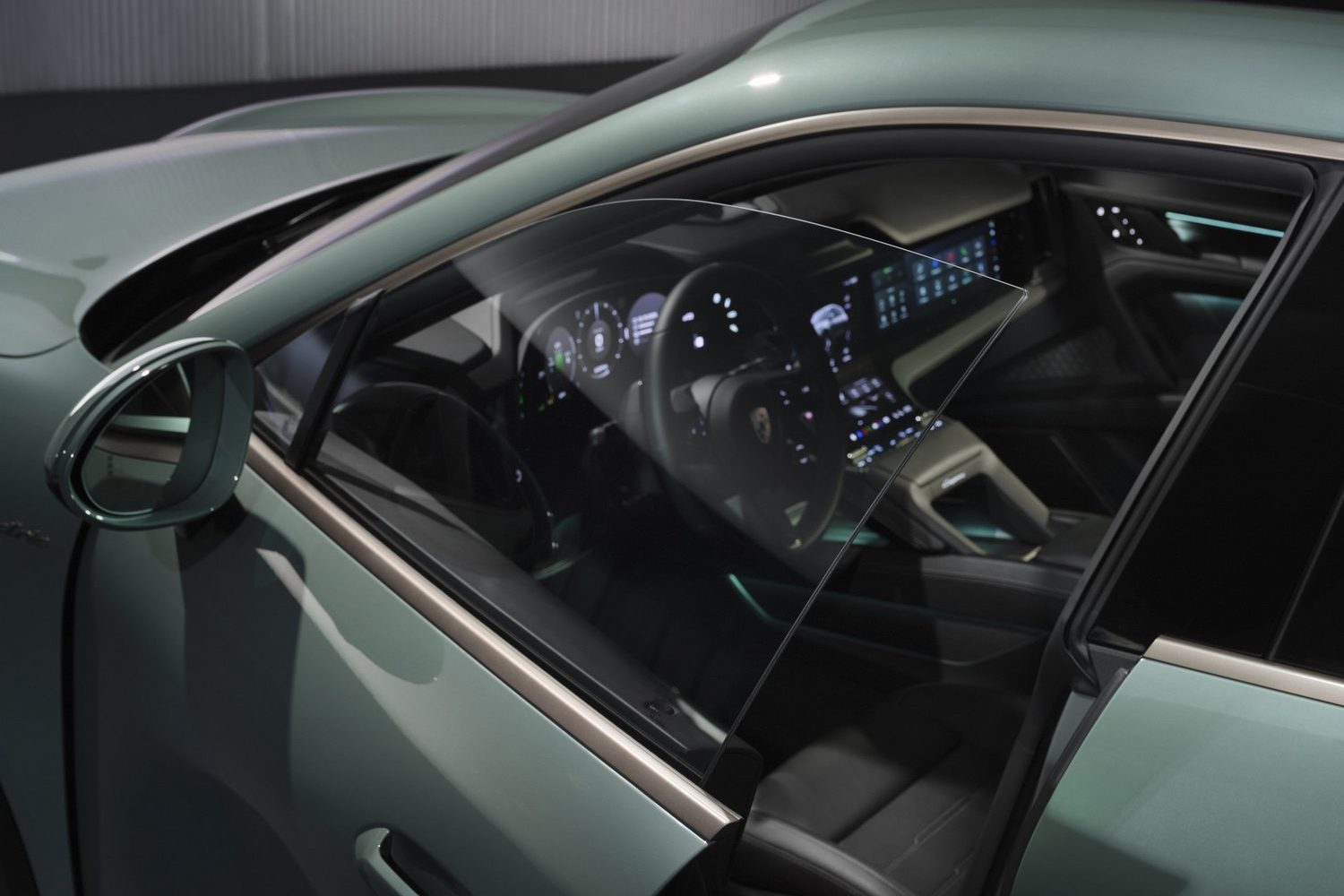
For the first time on a Cayenne, the door windows are a frameless design, further adding to the premium feel, and how the glass sits flusher with the side of the car reduces noise inside the cabin.
A gently sloping roofline feeds into an electrically operated spoiler that lifts at speed to increase downforce over the rear axle. Porsche also plans to introduce a Cayenne Electric Coupe in time that will have a much more sloped side profile, whilst retaining a five-door configuration.
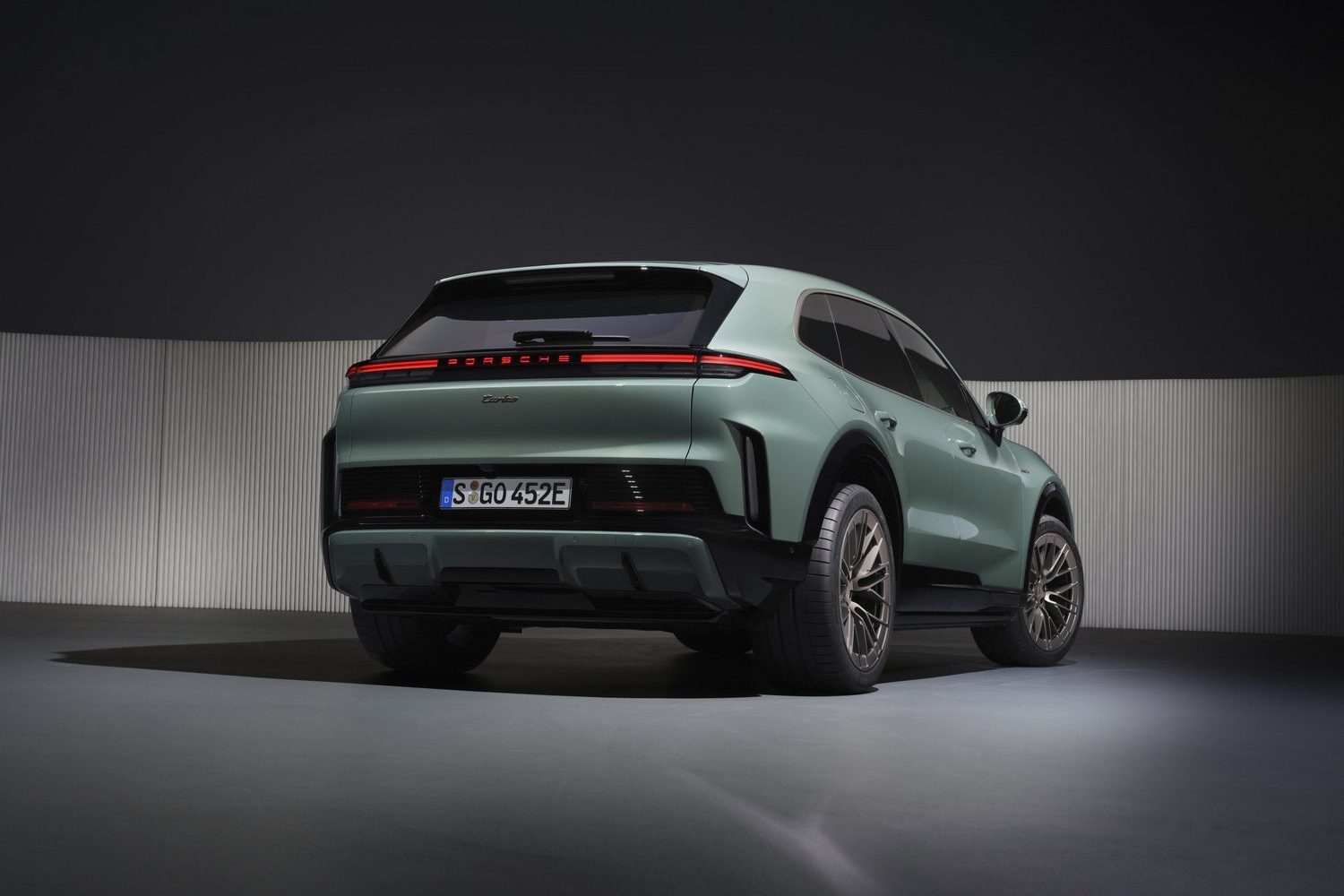
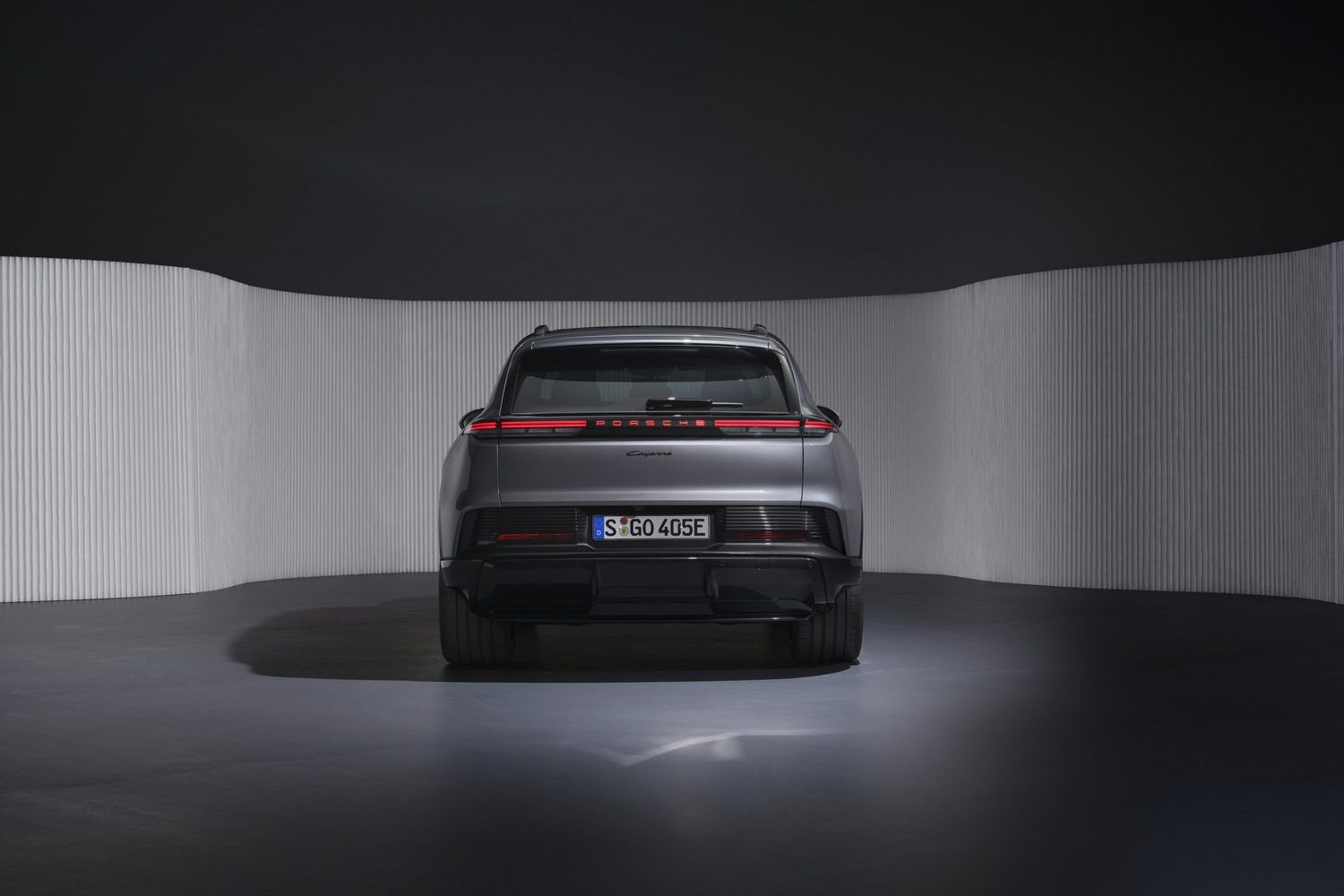
There's a lightbar that wraps all the way across the back and into the rear wings, with an illuminated Porsche wordmark at its centre. It's a thin, clean design, but not all that different to what you'd find on so many other vehicles these days.
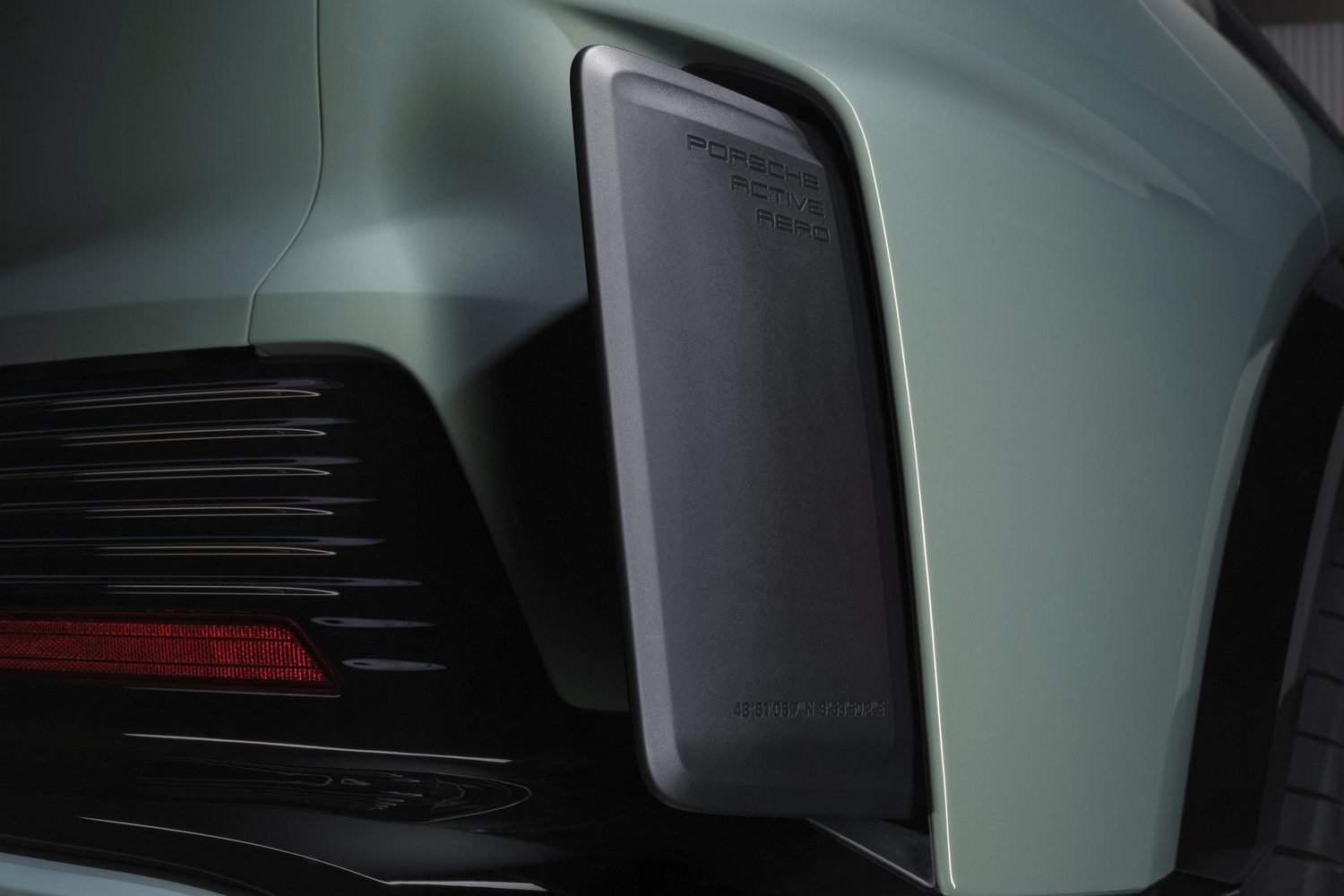
One aspect that makes the Cayenne Turbo Electric stand out is the design of the rear bumper. In addition to a more pronounced body-coloured aerodynamic diffuser, and to help it achieve the same ow drag figure as the base Cayenne Electric, it has two active 'aeroblades'.
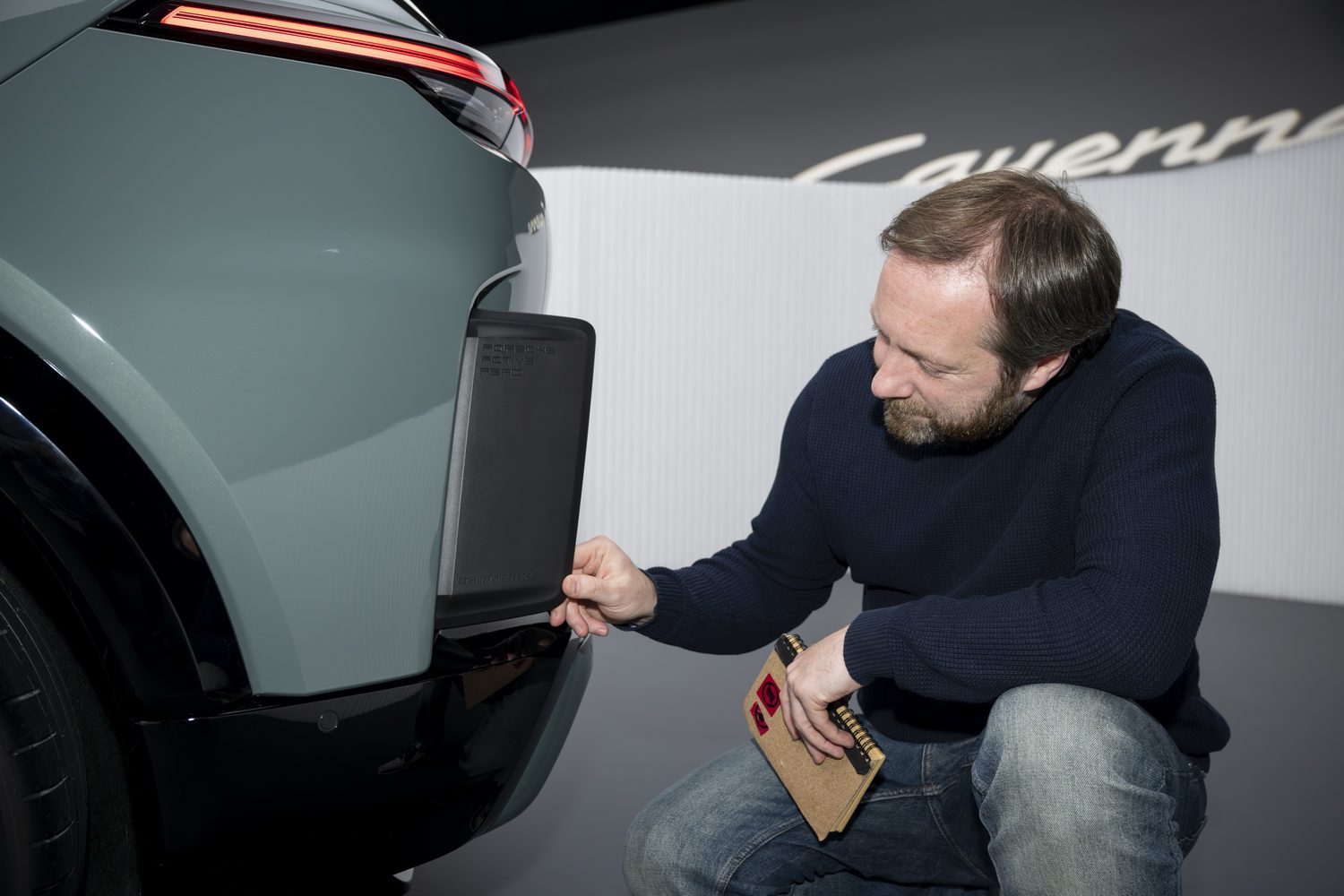
These vertical plastic panels electrically slide outwards at speed, extending the rear and creating a sharper cut-off point for the airflow, thus reducing drag. They do look somewhat like a novelty, but Porsche claims that they make enough of a difference to warrant inclusion.
Tell me about the Cayenne Electric's performance
There's a seriously impressive set of performance figures for the Cayenne Electric Turbo, but let's start with the regular Cayenne Electric. It uses a 108kWh (113kWh gross) lithium-ion battery that is made up of six interchangeable modules.
The pack is integrated into the chassis to benefit structural rigidity and reduce weight, with Porsche claiming the weight ratio between cells and housing is 12 per cent better than in the latest Taycan.
The result is a driving range of 642 kilometres (WLTP), and that's with a nominal peak power output of 408hp from its dual-motor setup. An overboost function (launch control) ups the maximum output figure to 442hp while the 835Nm of torque ensures it's more than fast enough off the line.
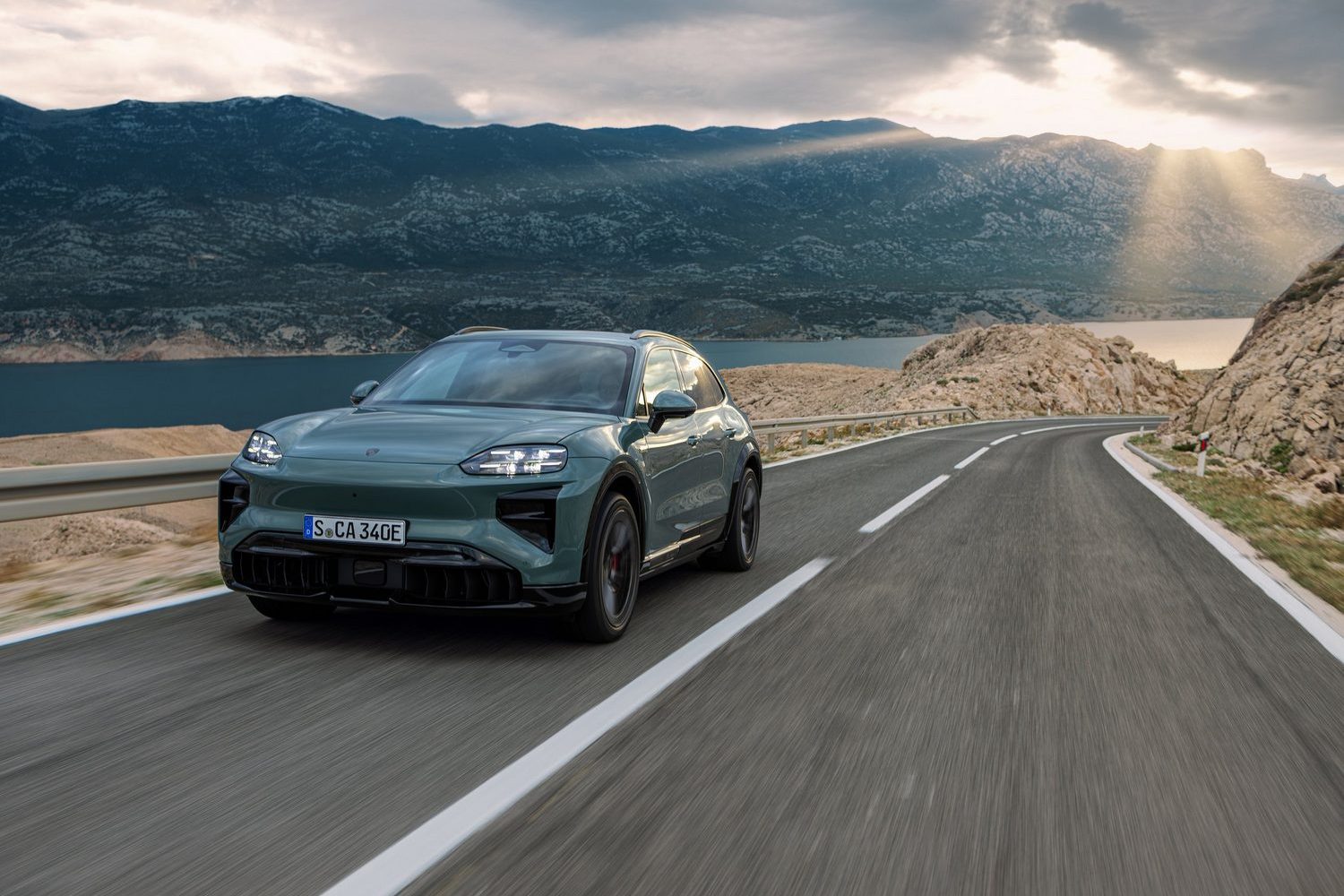
It can accelerate from 0-100km/h in 4.8 seconds and onto 200km/h in 18.4 seconds, which is very fast for a vehicle that tips the scales at 2,525kg, and more performance than most people will ever need.
Perhaps what's more impressive than the outright pace is the speed of charging. Porsche uses an 800-volt architecture for the Cayenne Electric, and it has a peak DC-charge rate of 400kW, meaning that if you find a charging unit powerful enough, it can recharge from 10 to 80 per cent in 16 minutes - or add up to 323 kilometres of range in just 10 minutes.
The Cayenne Electric has a charge port on both rear wings, opening electrically by sliding into the bodywork. The single DC connector is on the left side. The peak AC charge rate is 11kW as standard, with an optional 22kW upgrade available.
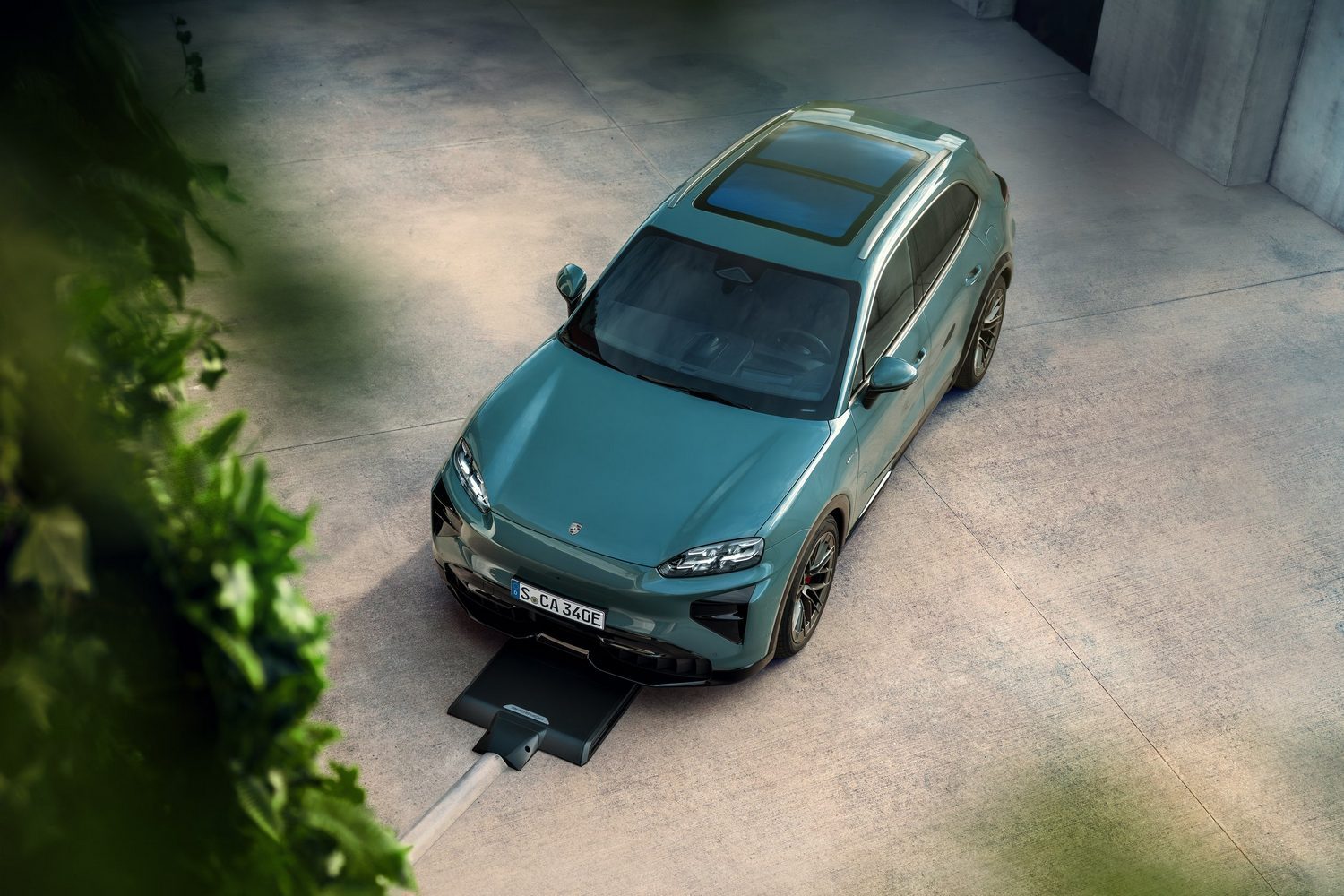
Porsche will also introduce a wireless charging option for the Cayenne Electric, which will use a flat pad that can be installed in a garage or even outdoors. Once you drive over it and park, the vehicle detects the charging pad and, when locked, the Cayenne will lower itself down on its adaptive air suspension to reduce the gap to the unit and automatically commence charging.
We were told by Porsche's engineers that while previous efforts by other car makers at wireless charging haven't proven successful, this 11kW version is only five per cent less efficient than plugging in with a cable, yet far more convenient.
How powerful is the Porsche Cayenne Turbo Electric?
The Cayenne Turbo Electric uses the same battery as the regular Cayenne and has only a slightly shorter WLTP range of 623 kilometres. It charges every bit as fast, adding up to 315 kilometres in ten minutes.
A more powerful dual-motor setup gives the Cayenne Turbo Electric a peak output of 857hp in standard guise, with the 'Push-to-Pass' function adding a further 176hp for up to ten seconds at a time.
But it's the overboost launch control mode that grabs the headlines, allowing production of 1,156hp and 1,500Nm of torque. That slingshots the SUV from 0-100km/h in just 2.5 seconds, while the race to 200km/h takes only 7.4 seconds - a whole second faster than the latest Porsche 911 Turbo S over the same stretch.
Almost as impressive is that through learnings from Porsche's Formula E team, the Cayenne can recuperate energy back into the battery at up to 600kW. That level of energy recuperation means that as much as 97 per cent of all normal braking can be done by the motors themselves, rather than the friction brakes.
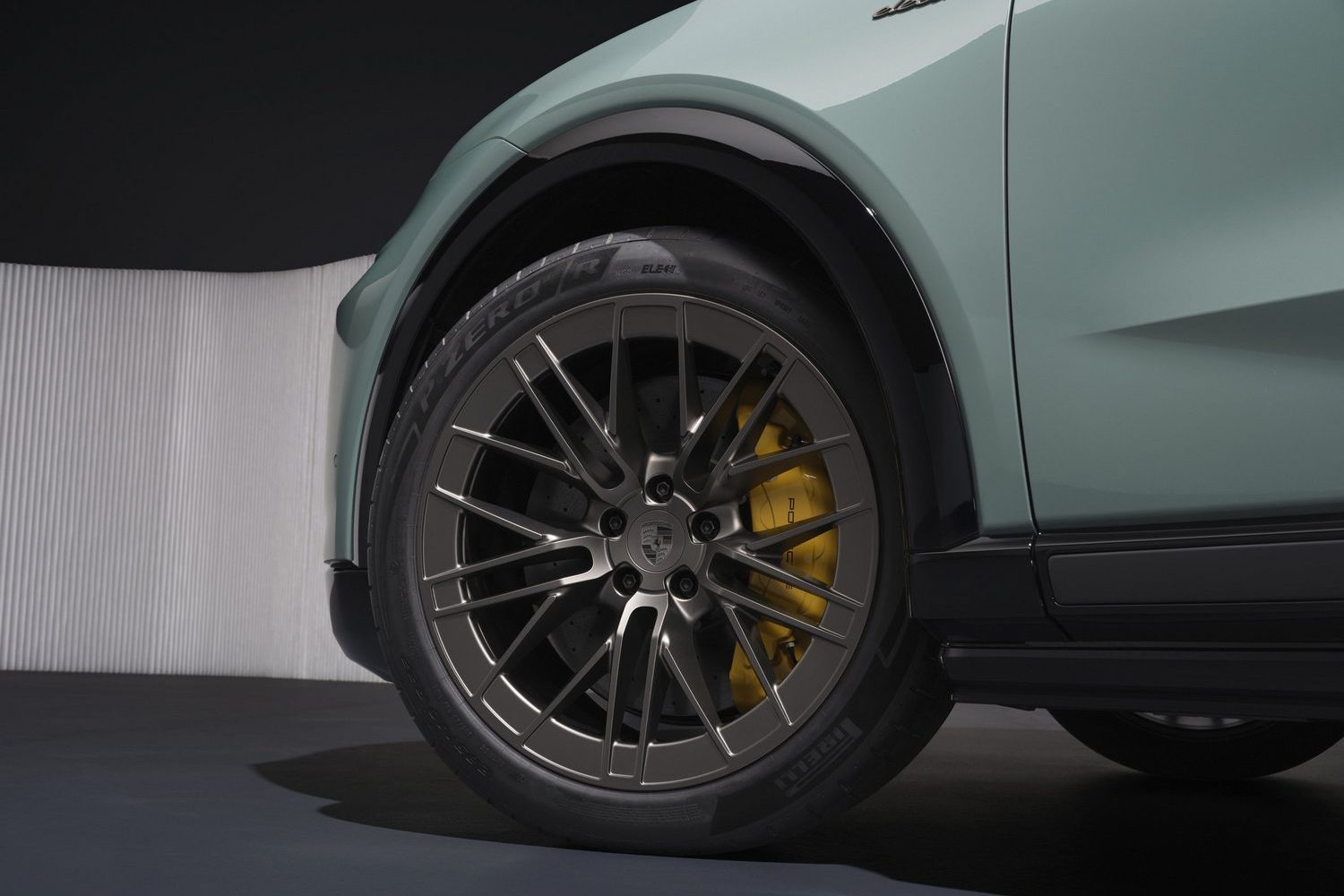
Still, you can have Porsche's Ceramic Composite Brake (PCCB) system if you can't stop yourself from ticking all the option boxes.
What about the practical side of the Cayenne Electric?
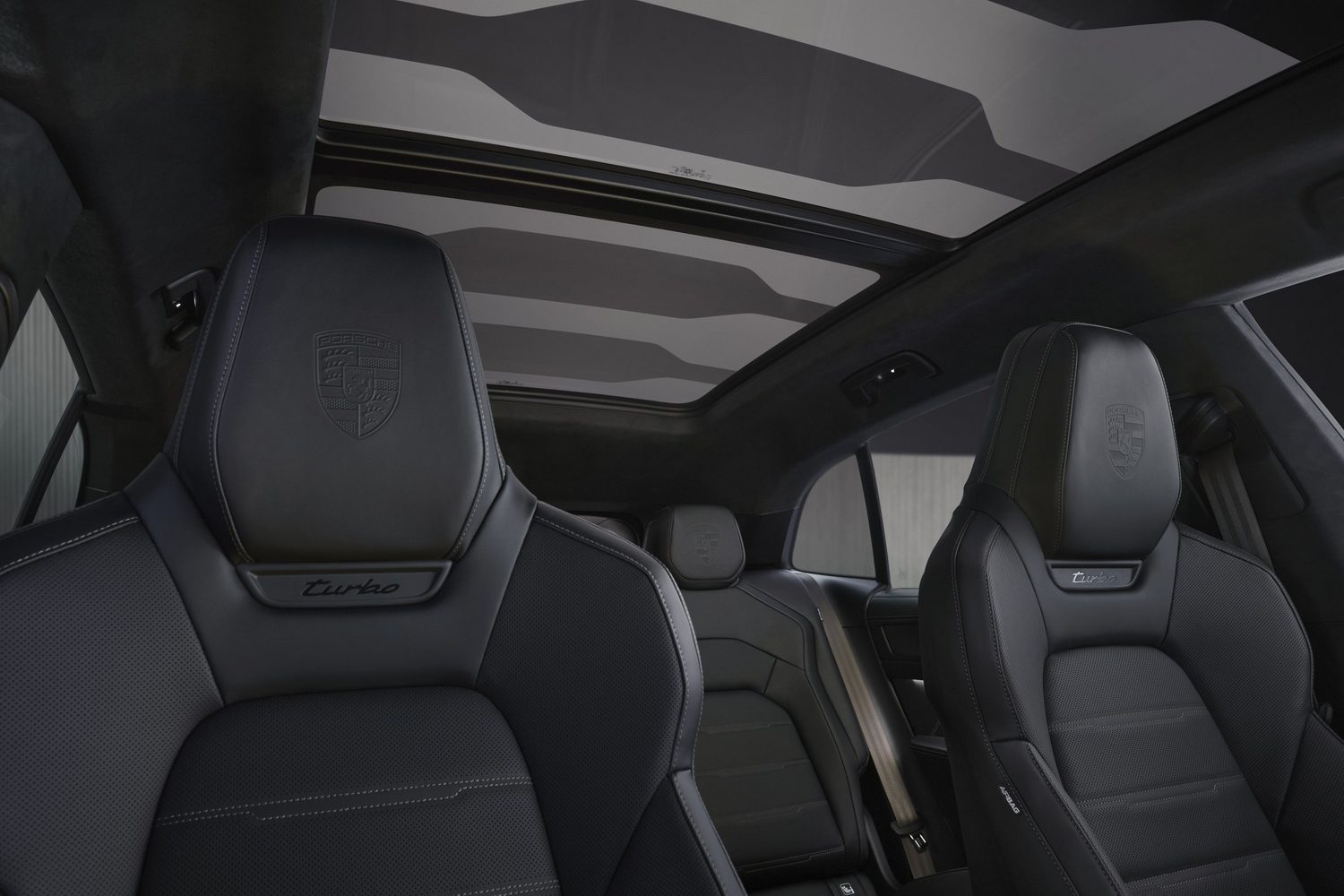
Despite all of that headrest-testing performance, the Cayenne's very remit is to be the most versatile Porsche model. That means there's plenty of space inside the cabin, especially for those in the rear, and the seatbacks are electrically controlled.
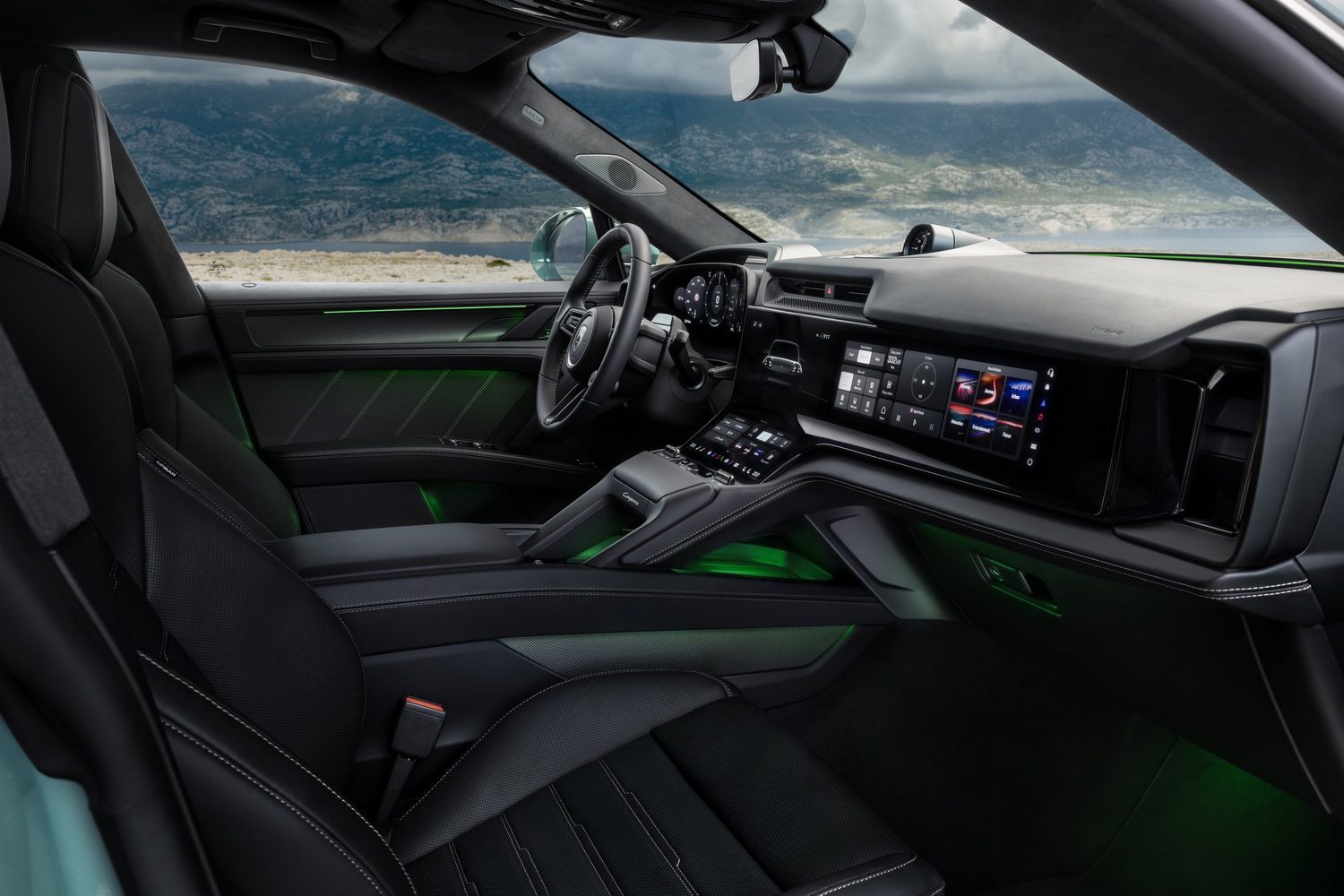
Boot space measures in at a useful 781 litres and can increase to 1,588 litres. The rear seats can be lowered by a control panel in the boot, and the rear suspension can be lowered to reduce the load height.
There's also a frunk that holds 90 litres. When it comes to towing, the Cayenne Electric can pull up to 3,500kg when optioned with an Off-road Pack.
The interior looks good, too
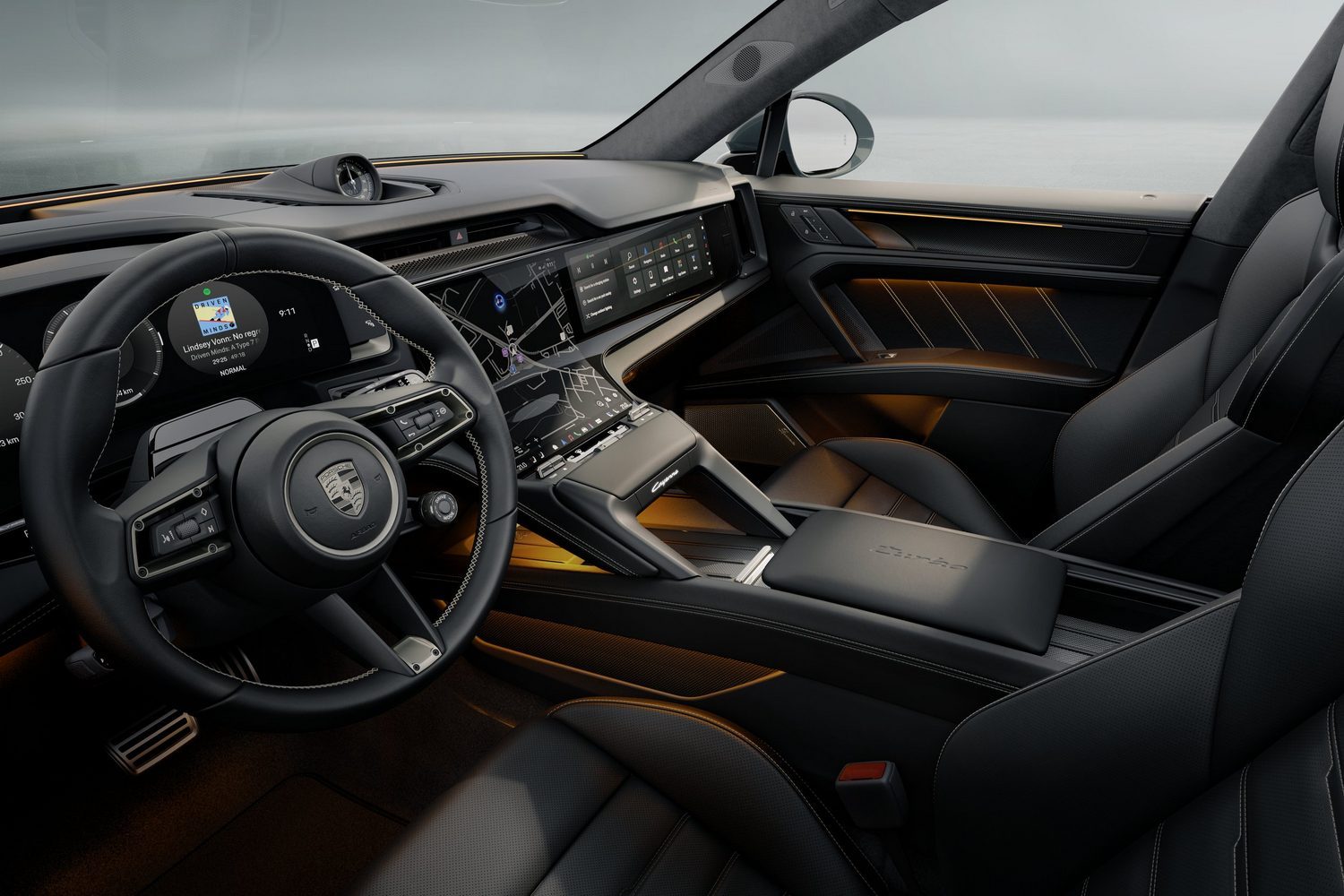
When it comes to crafting interiors, Porsche rarely disappoints, and the latest Cayenne Electric strikes the right mix of digitalisation and proper physical controls.
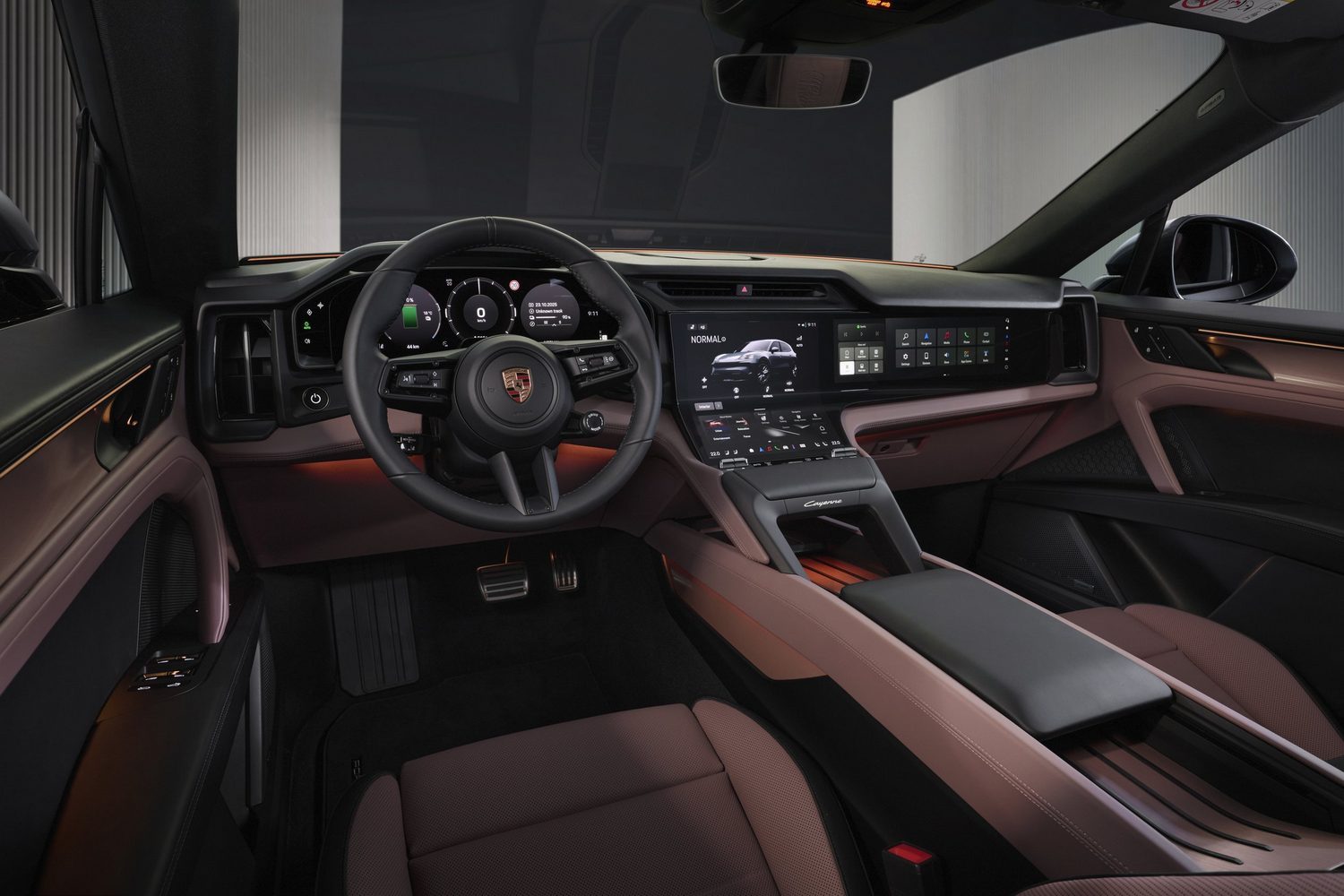
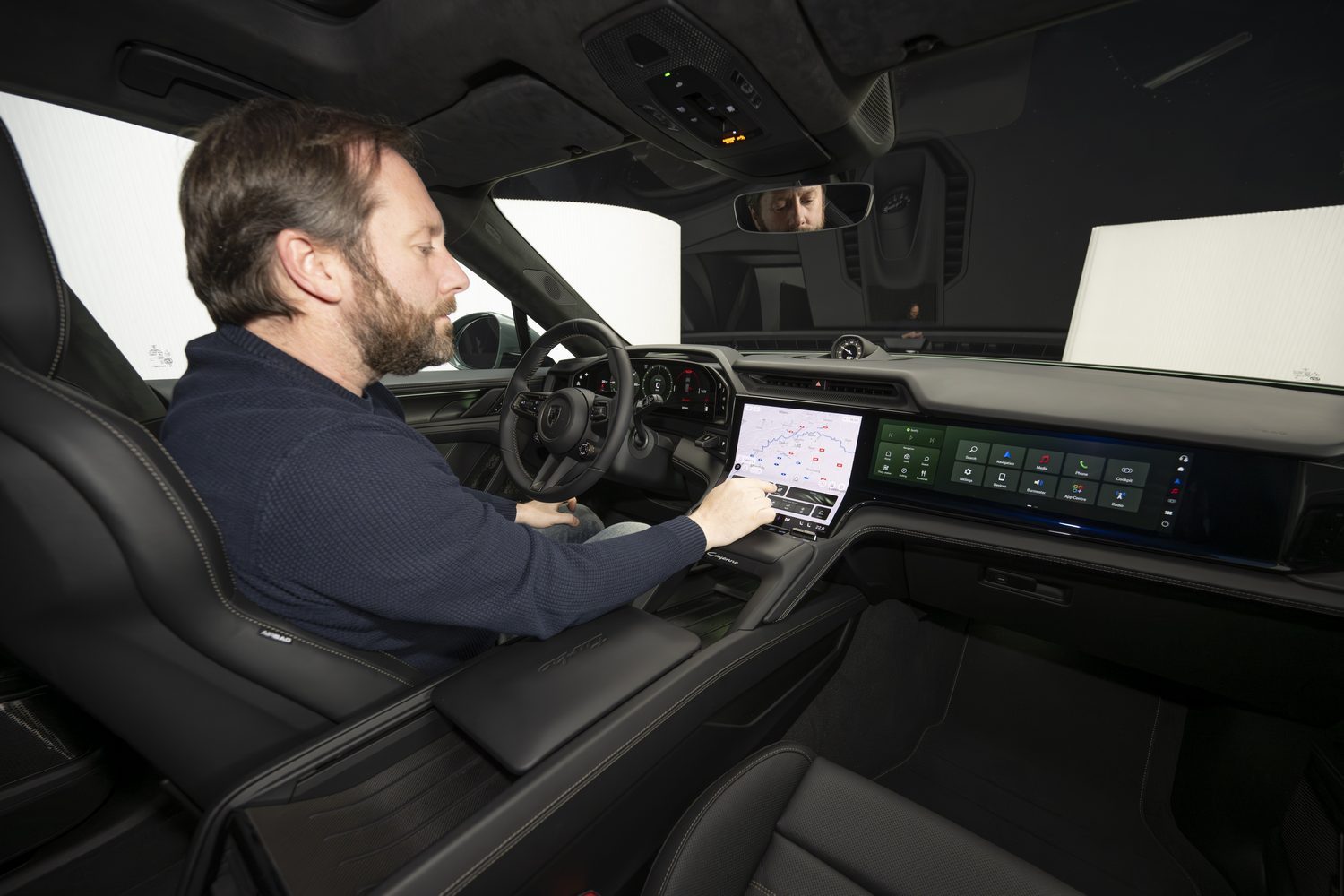
The round steering wheel feels great in your hands and is refreshingly uncluttered. The curved 14.25-inch OLED digital instrument display looks superb and is configurable in numerous ways, while an optional head-up, colour display further augments the driving experience.
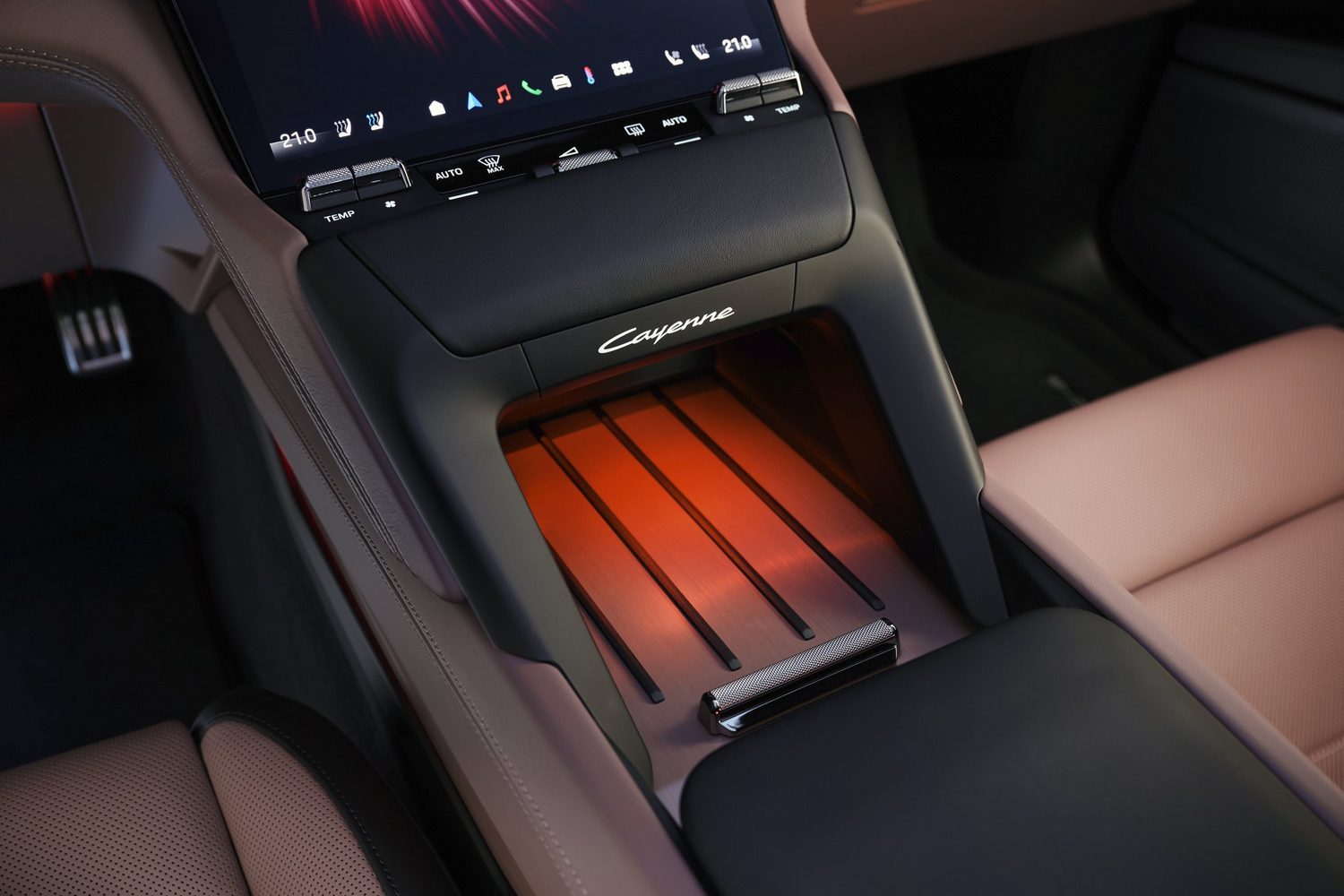
More interesting is what Porsche calls its 'Flow Display'. This is a 12.5-inch screen that follows the curvature of the centre console before it meets the robust button controls for the climate settings. Packed with powerful processors, the infotainment system works at lightning-fast speeds and offers all the usual smartphone connectivity.
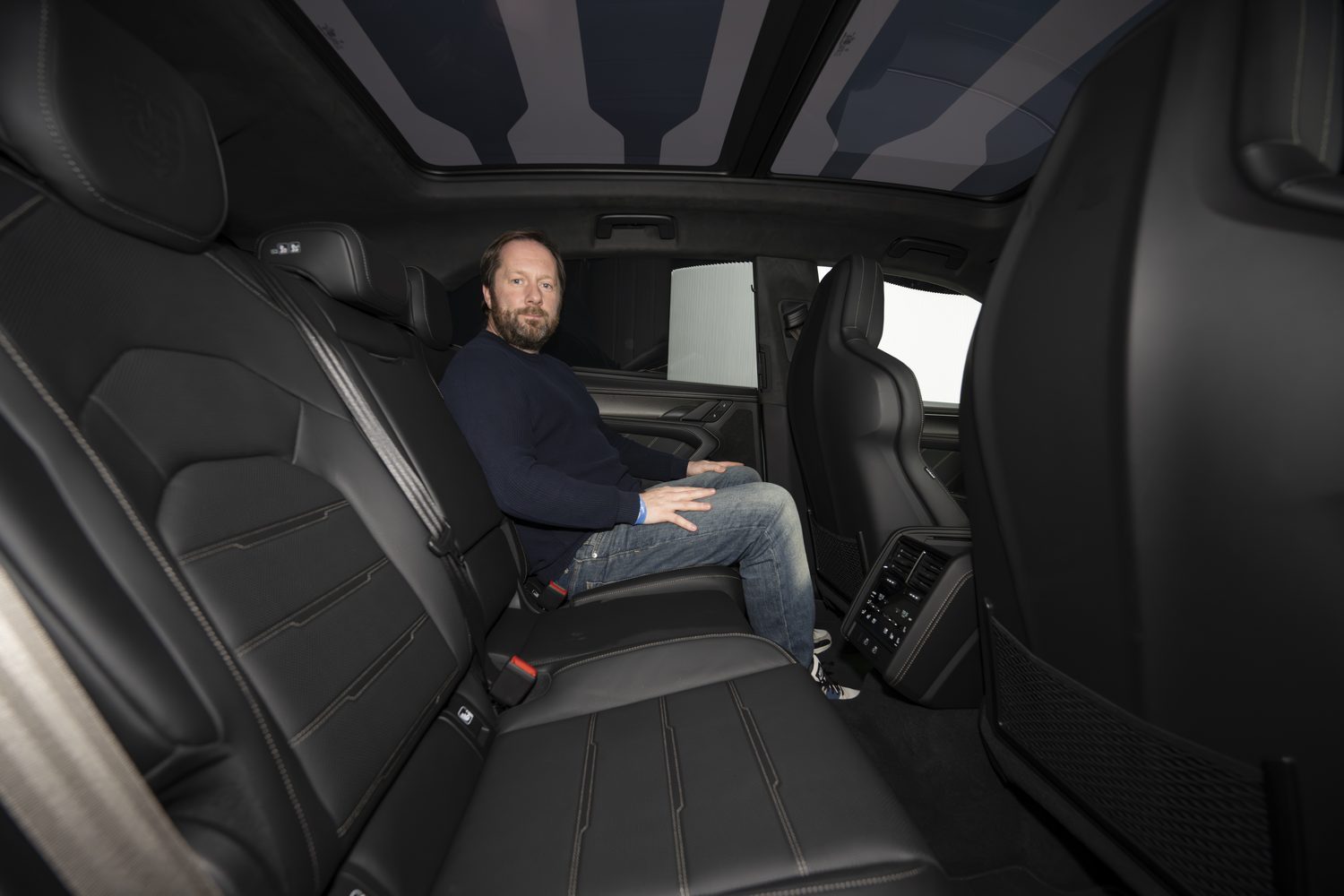
A padded handrest that Porsche designers call the 'Ferry Pad' makes it more comfortable to use the Flow Display.
Passengers can also use an optional 14.9-inch display that extends in front of them and provides direct access to the infotainment system and other features.
When does the Cayenne arrive in Ireland and how much will it cost?
The Cayenne Electric will launch in Ireland during the first half of 2026, and Irish pricing will start from €113,660, while the Cayenne Turbo Electric will have a starting price of €179,280.
Video player loading.
Video unavailable. Watch on YouTube
If there is anything about this story we have not covered, you can avail of our expert advice service via the Ask Us Anything page.