

What exactly is a Polygon?
A polygon is a flat, two-dimensional closed shape made up of a finite number of straight line segments joined end-to-end. So a square is a polygon, and so too is a hexagon, a pentagon, a…
Enough with the maths lesson. What's a Peugeot Polygon?
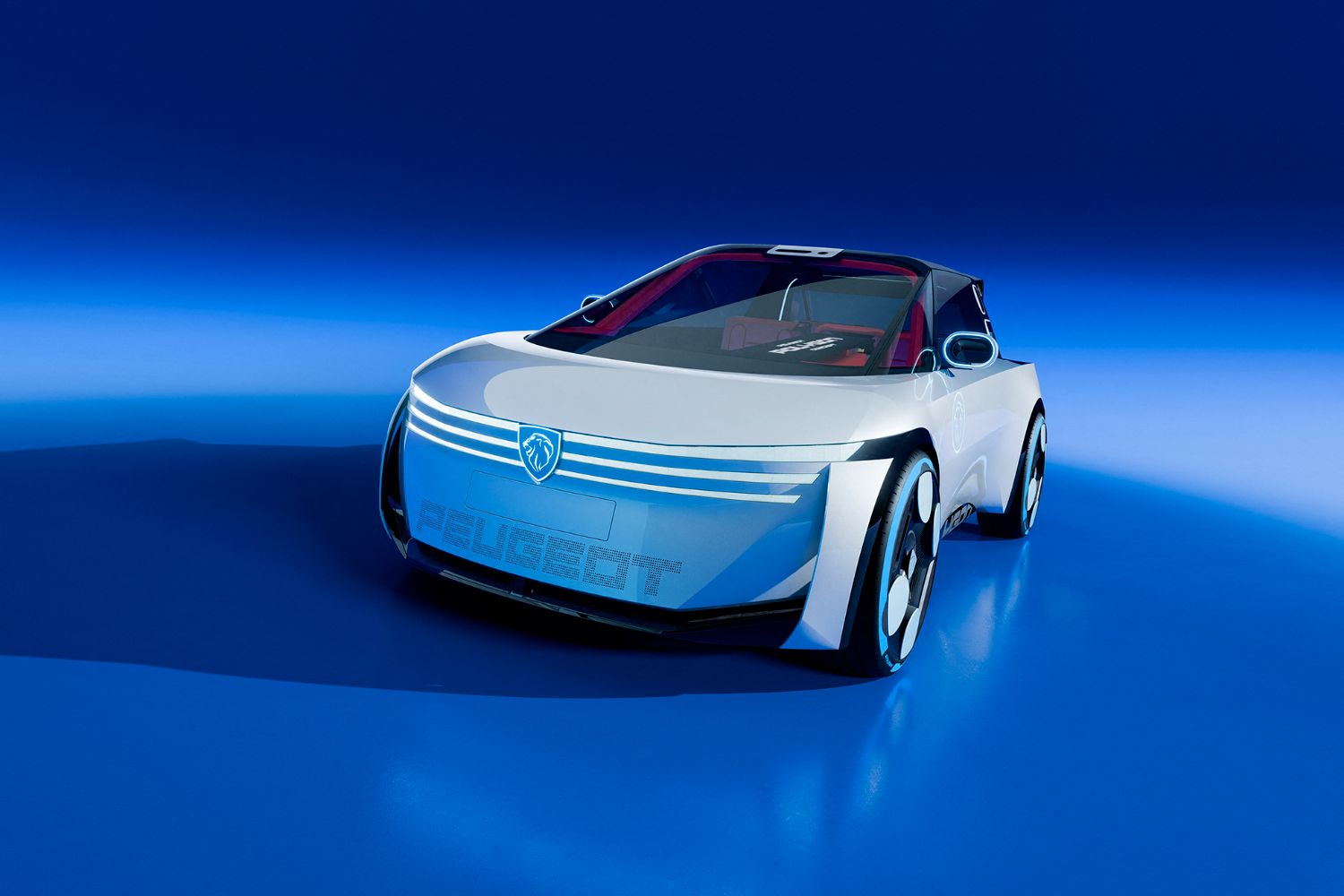
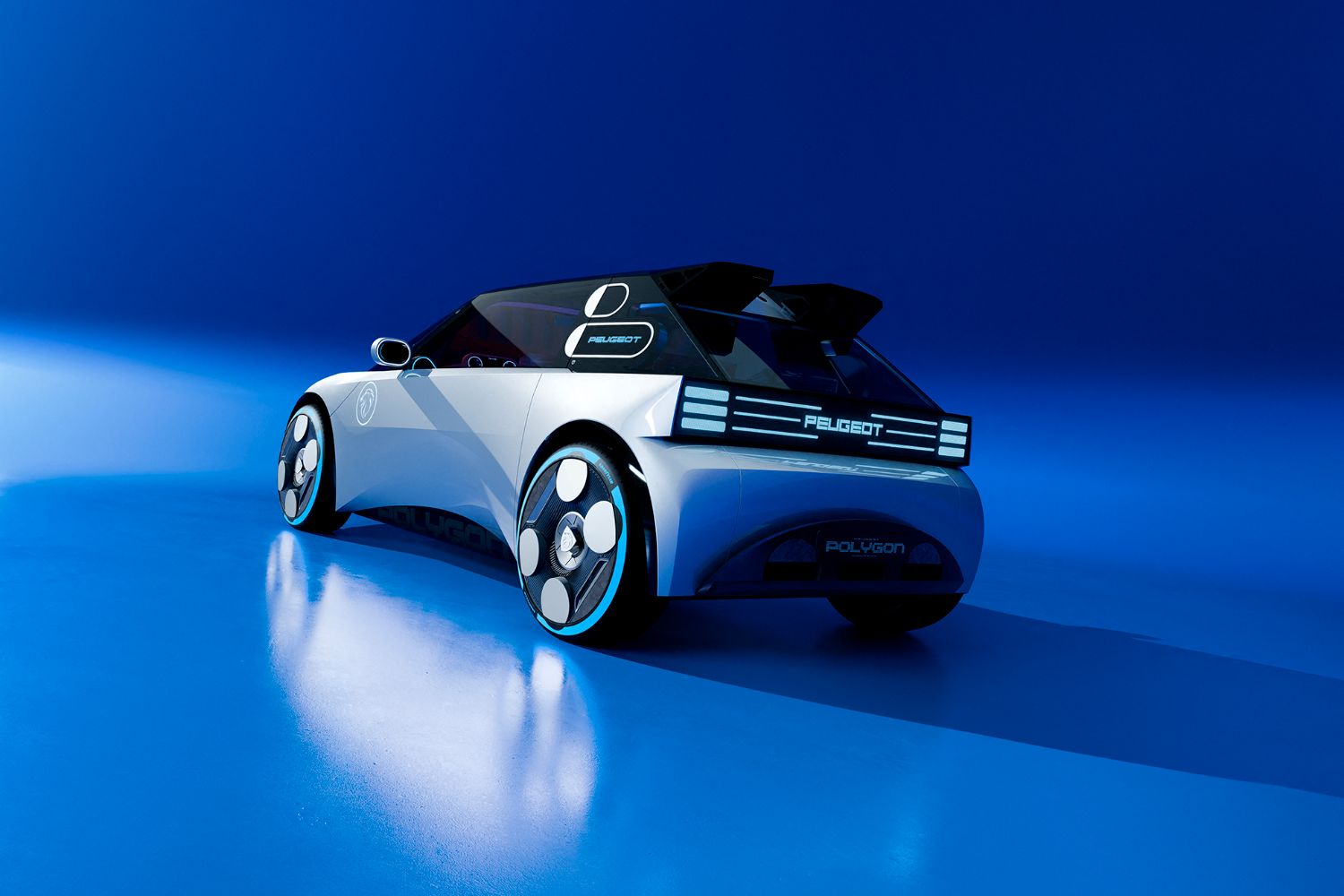
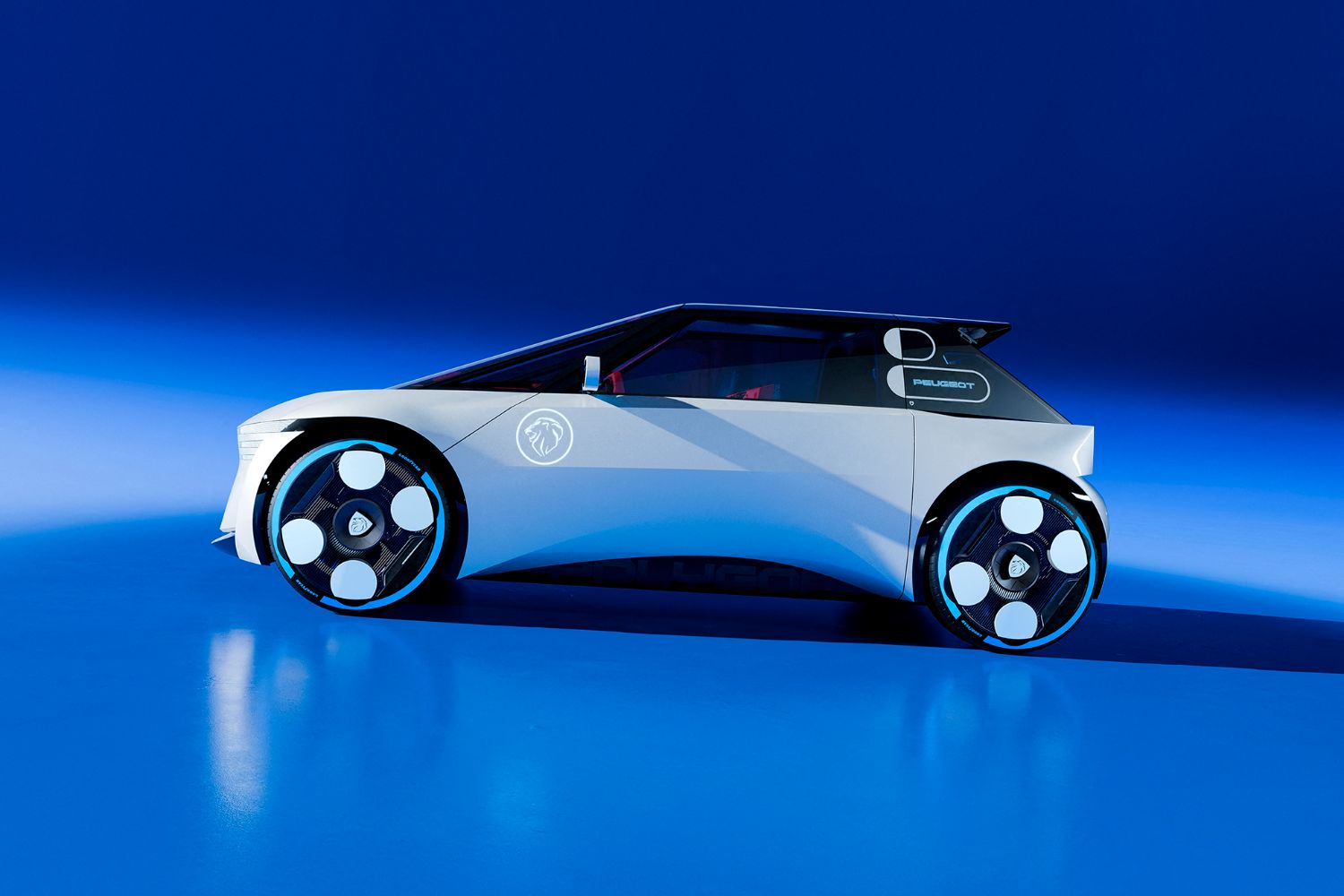
Ah, sorry. Was getting Junior Cert geometry flashbacks. The Peugeot Polygon is a concept car that previews - and quite how closely remains to be seen - the next generation of the 208 and 2008, both of which are due to go on sale in 2027.
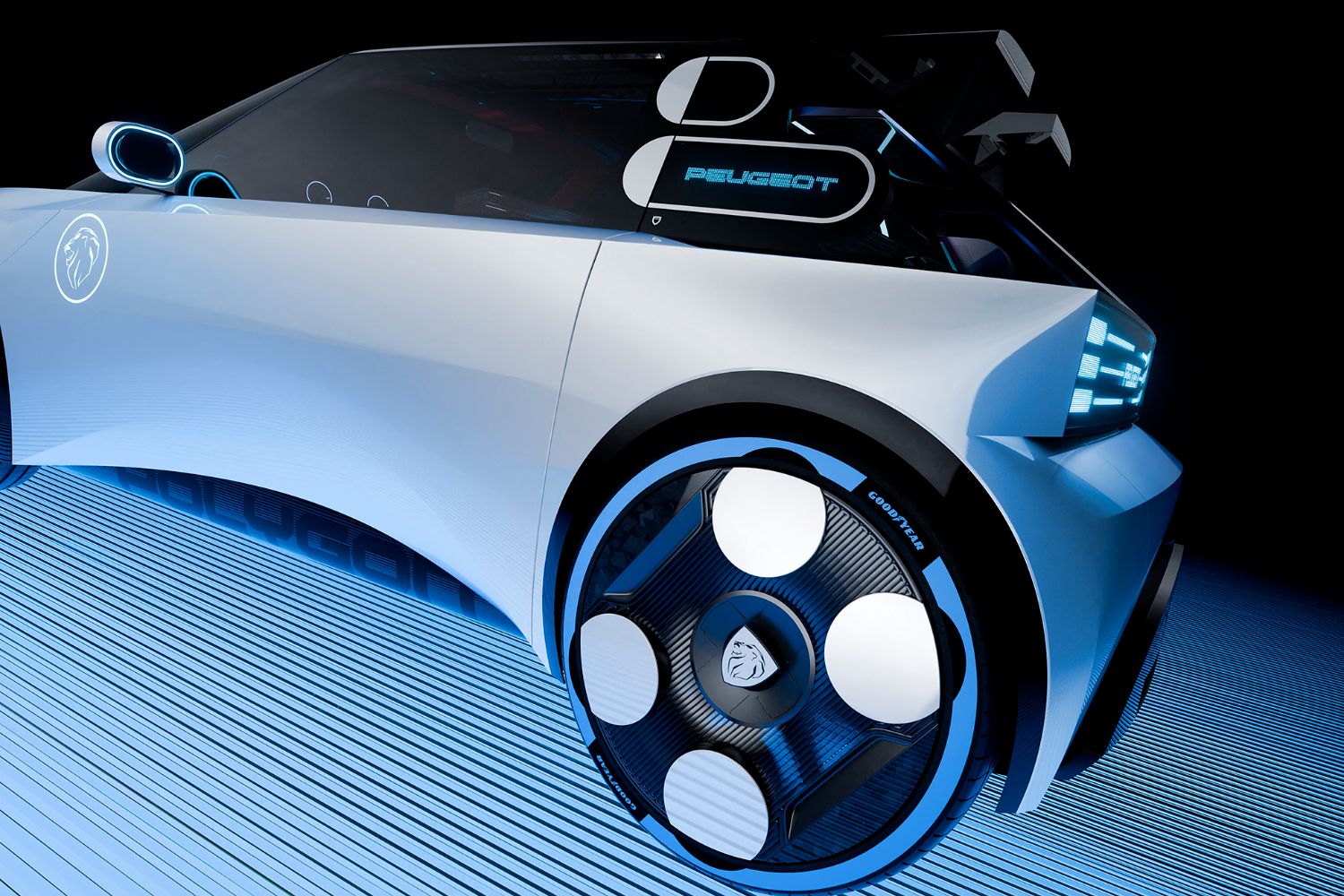
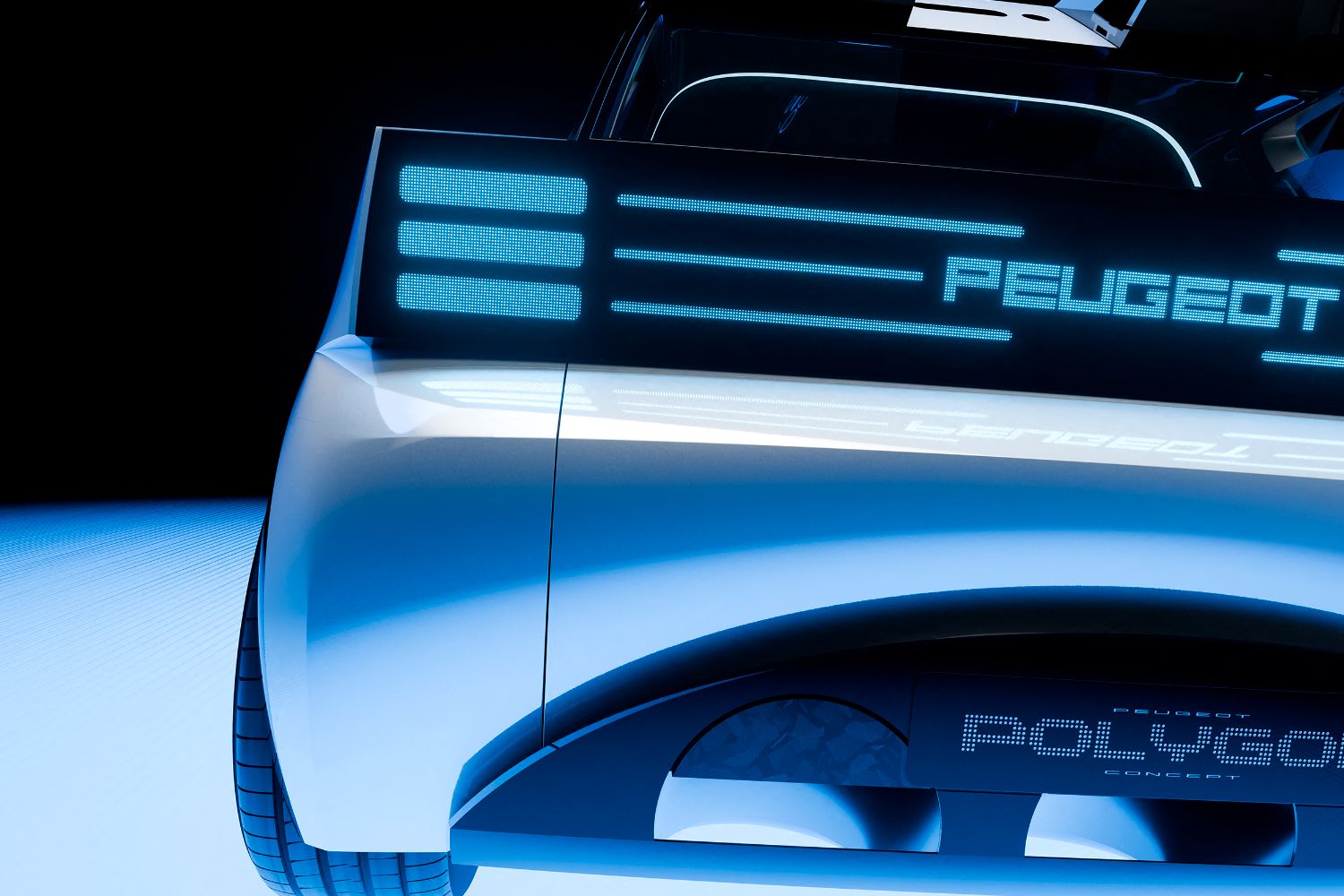
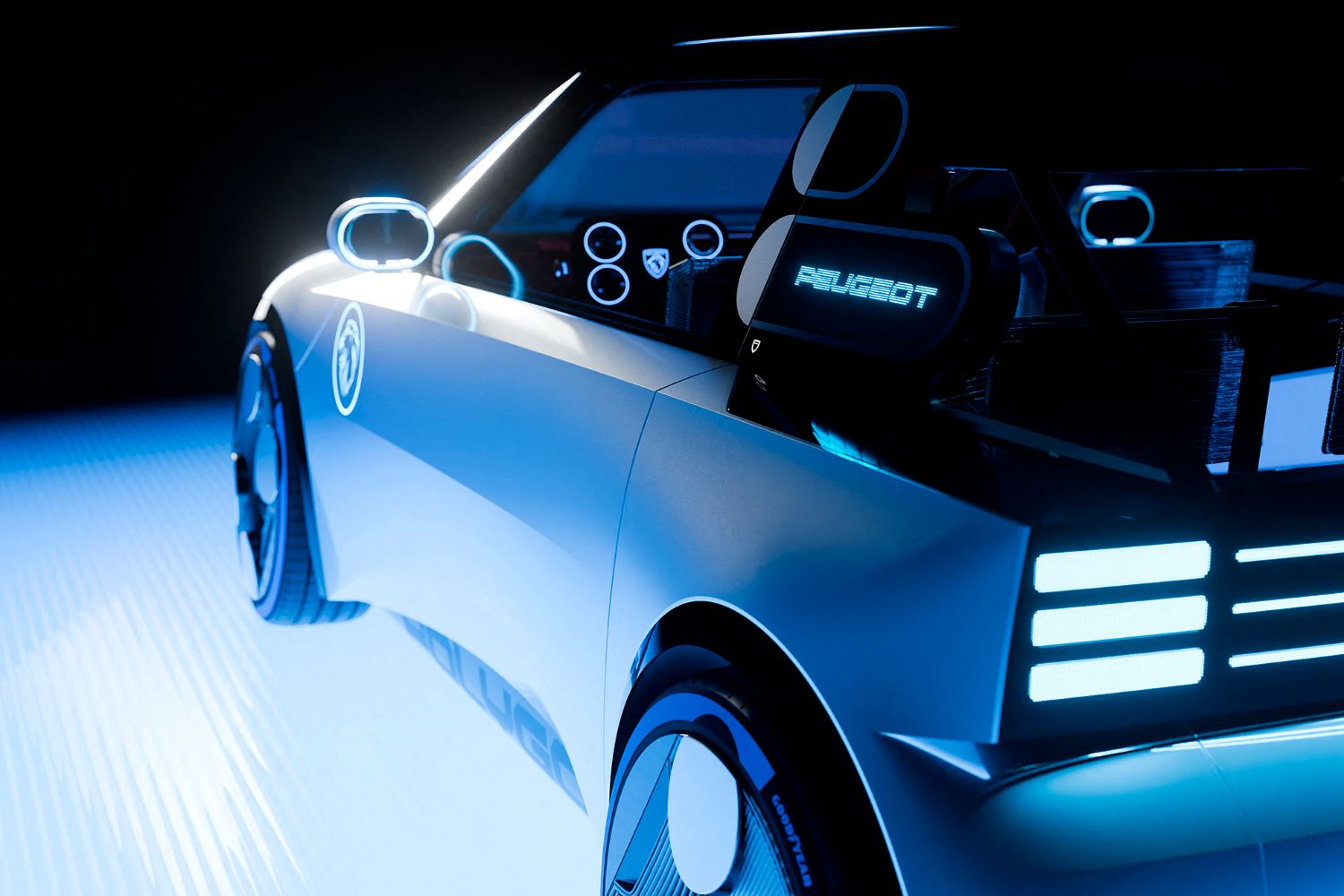
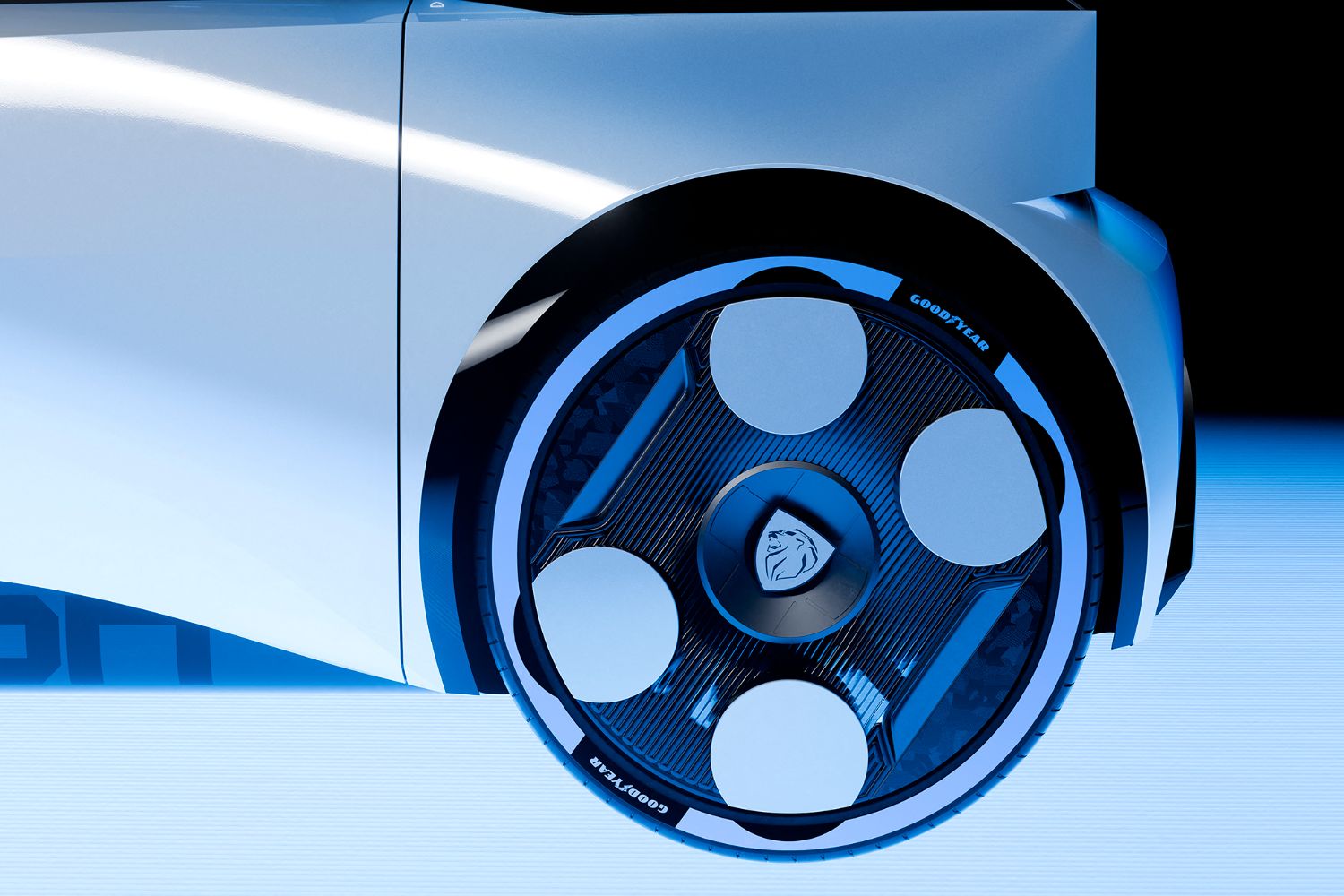
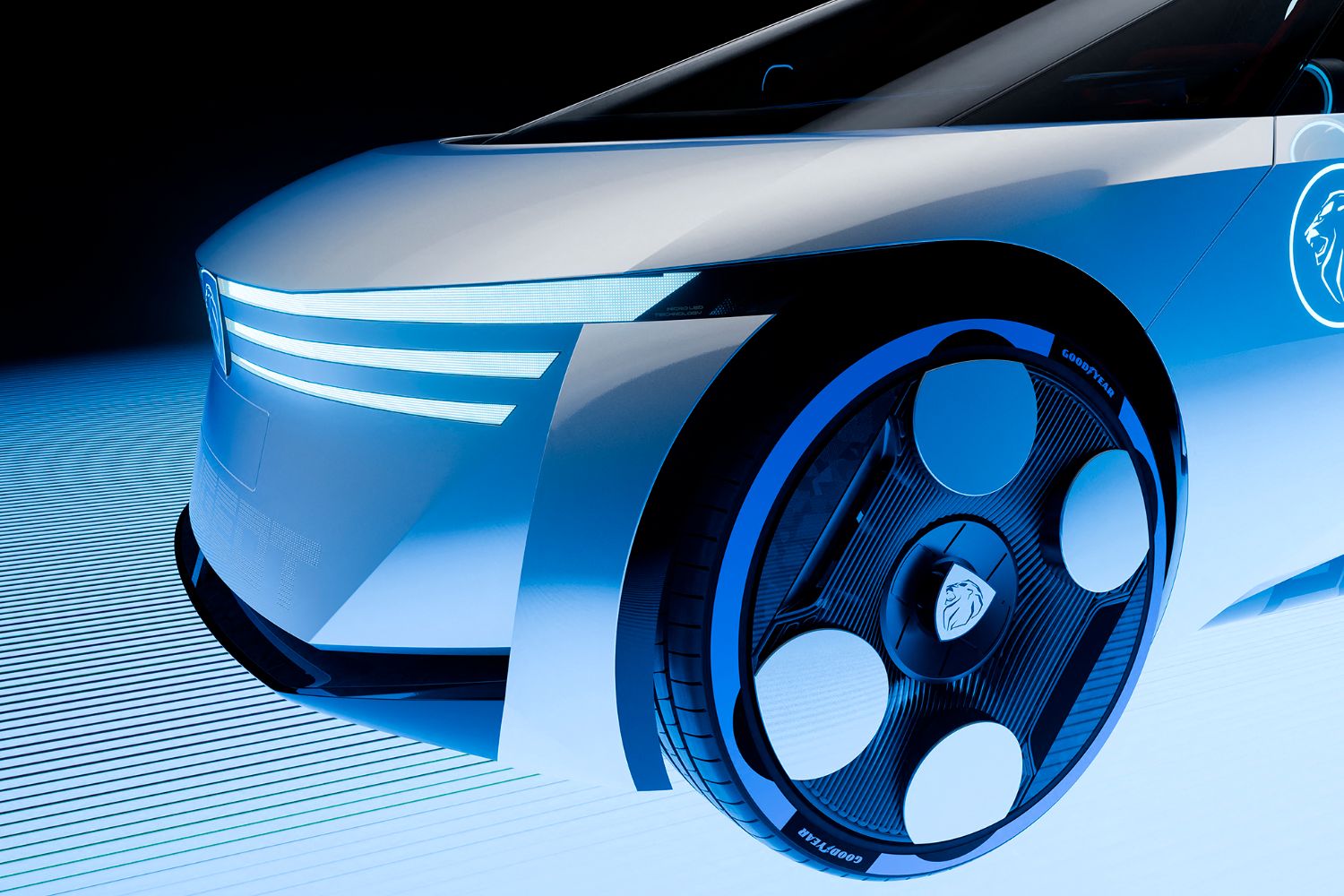
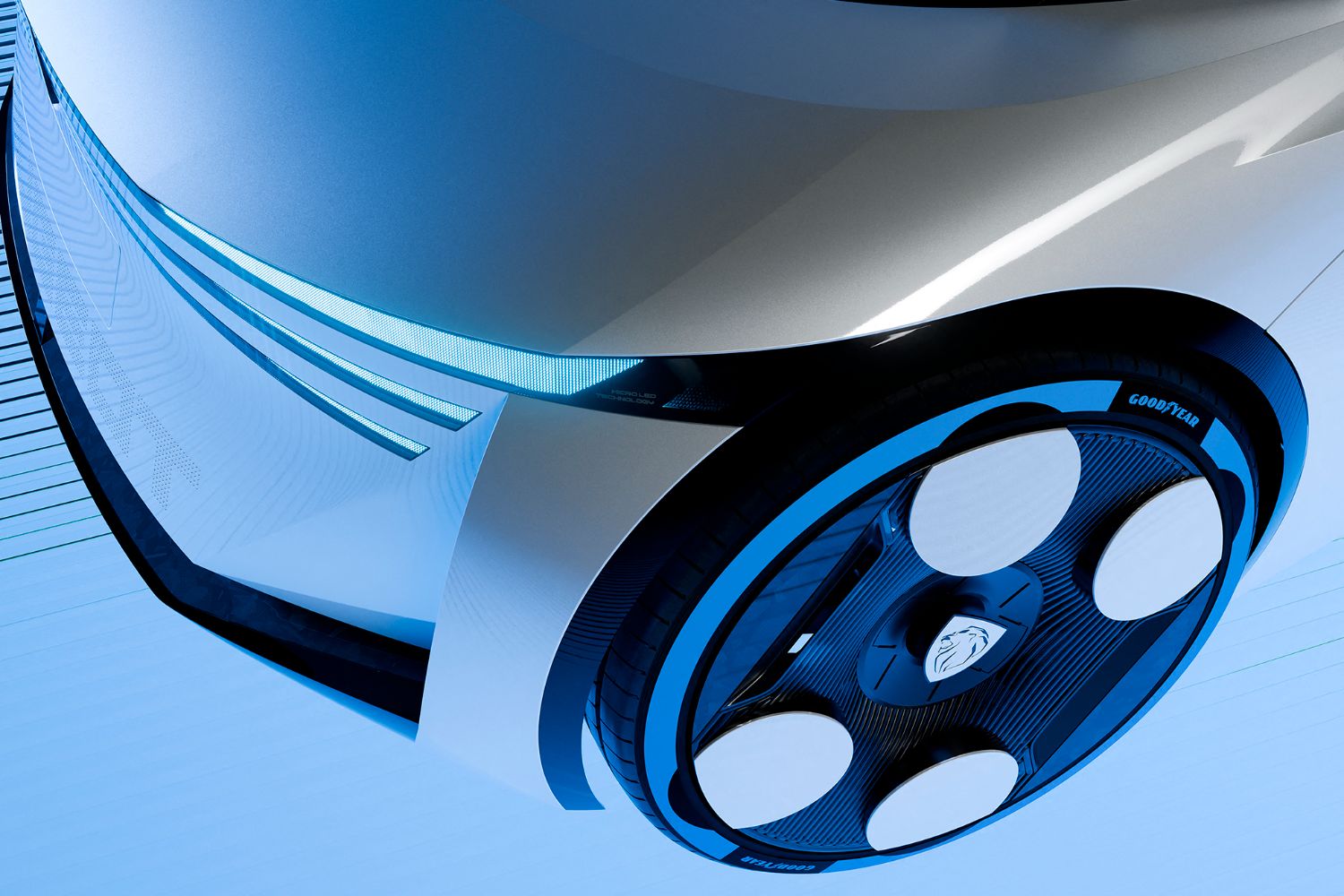
Actually, while the details of the Polygon are pretty wild - the TicTac-shaped door mirrors, the fact that the doors themselves are massive gullwing doors, the over-sized alloy wheels with their for slot-holes (which will become more significant in a minute) - once you look behind them, you can start to see the shapes and style of the new 208 and 2008 start to emerge. The horizontal three-line lighting signature, and the prominent Peugeot lion's head badge in the centre, looks pretty well set, at least in its outlines, for production, and we'd lay cash money on the brake lights being production-ready in all but the smaller details.
What about the interior?
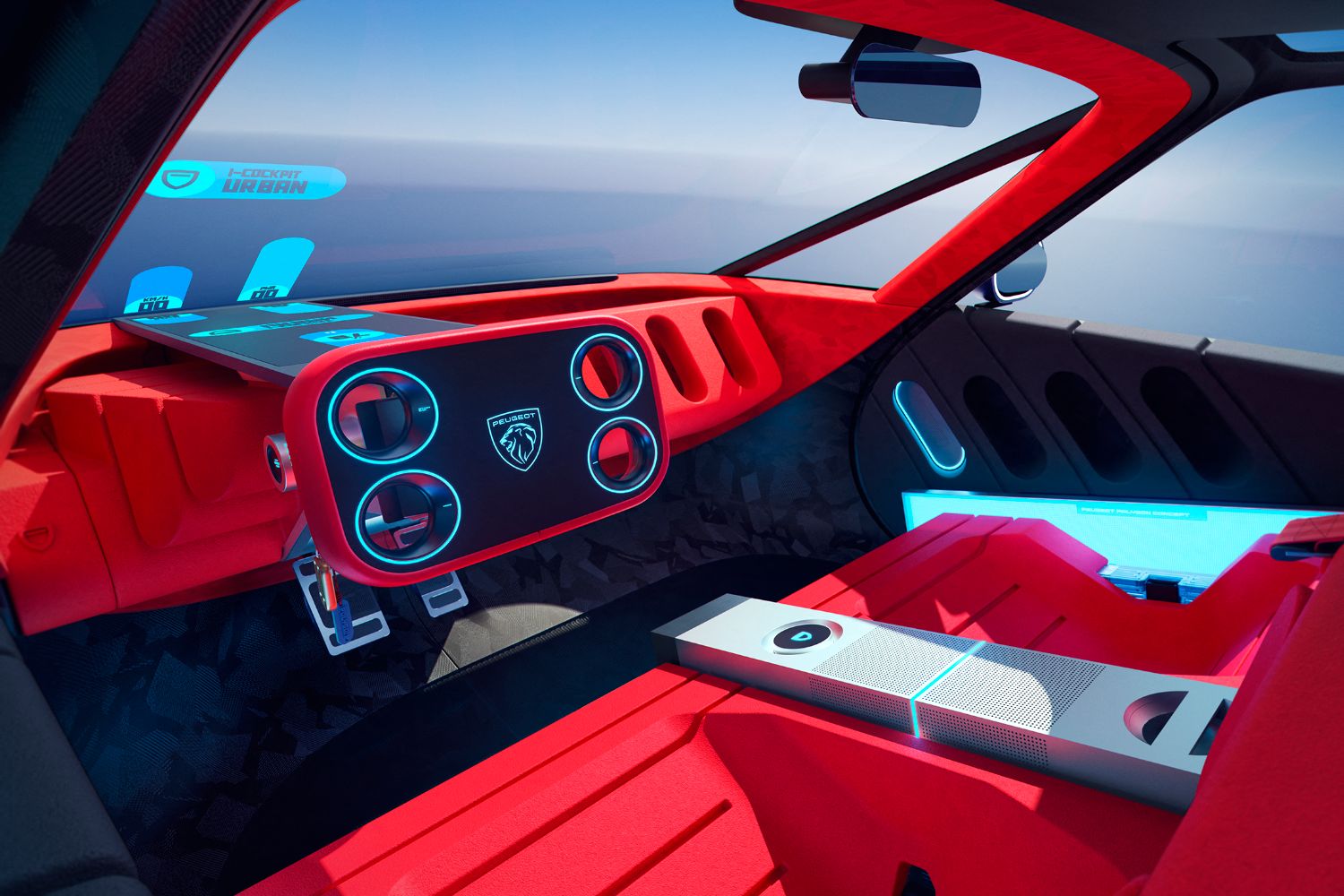
Peugeot says that the Polygon's cabin is the next iteration of its 'i-Cockpit' layout, which was pioneered by the second-generation 308 and the original 208, with their tiny wheels and high-set instruments. That basic idea remains, and we'll come to the steering wheel in a second, but the Polygon's cabin is far more stripped-back and minimalist, doing away with a touchscreen and even an instrument panel, and instead projecting all info and data onto the windscreen, in what is effectively a massive 31-inch projected display.
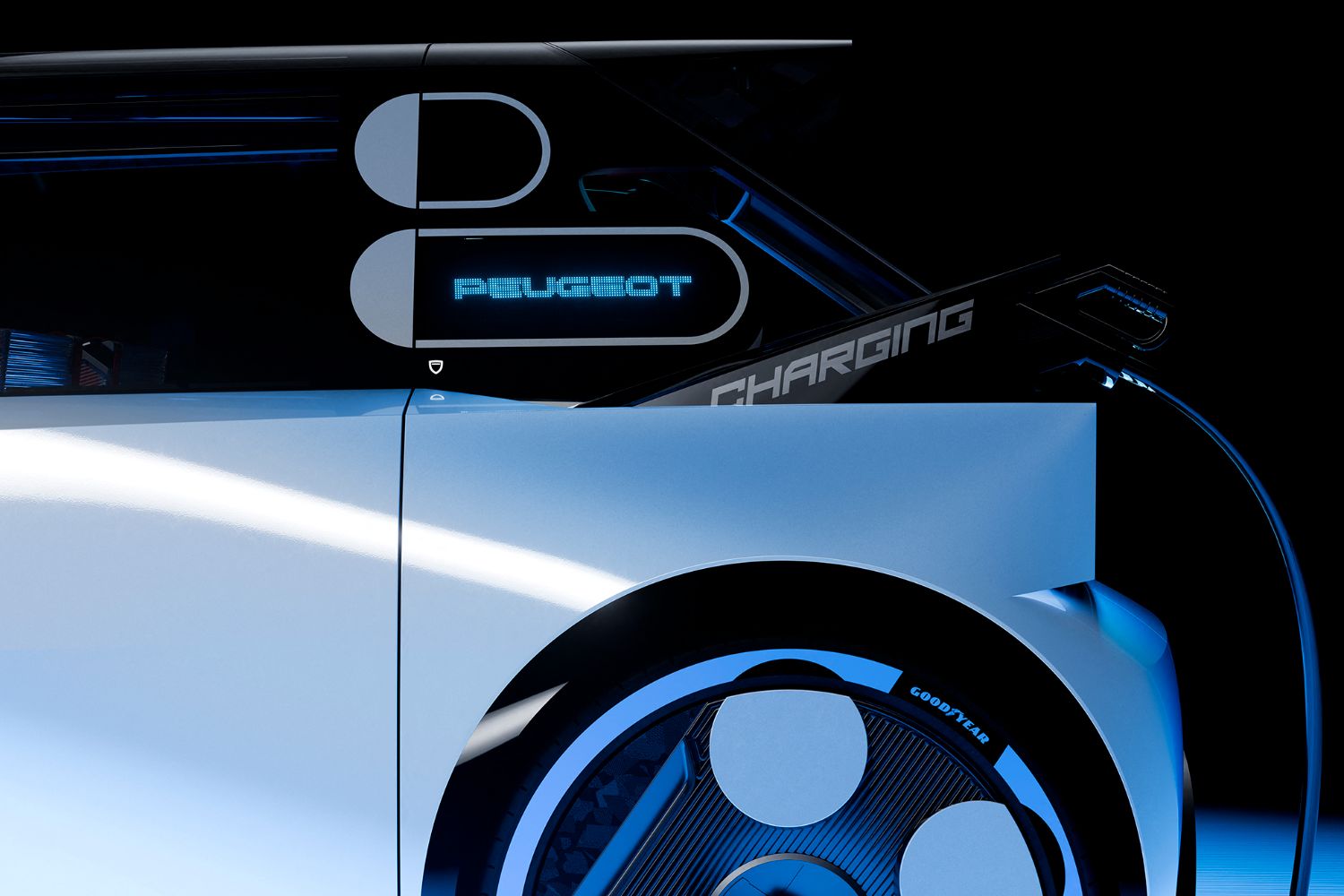
That display can also be seen from outside the car, which allows it to display animations to the world at large. You can also select what information is displayed thanks to a simple rotary dial mounted between the front seats. There's also a handy illuminated charging screen, mounted on the C-pillar, which gives you an at-a-glance check of the charge level, like having an exterior fuel gauge.
Peugeot says that the new layout means that there's more interior space, and crucially more storage space around the cabin, allowing room to store, as the French car maker claims, "items such as mobile phones, headphones, caps, backpacks and even skateboards!”
The sense of space is accentuated by the highly glazed upper surfaces of the Polygon, which probably - alas - won't make it through to production, but which allow lots of light into the cabin and give the car a cool jet-fighter 'glass canopy' effect.
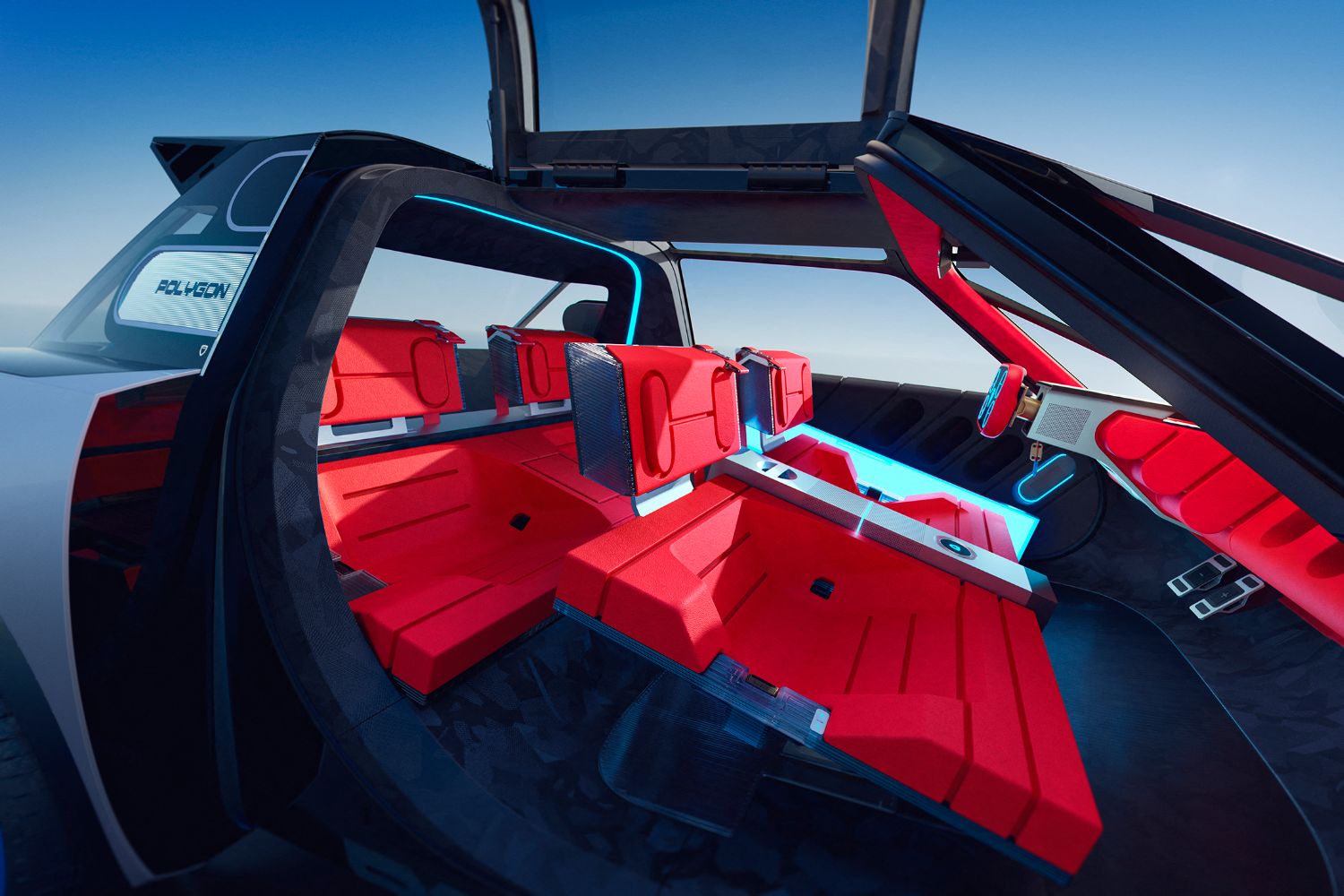
The seats are clever too, made of a single piece of 3D-printed shell, with moulded foam that theoretically allows for better comfort and support compared to a standard seat. There's also lots of personalisation and colour options, and even special Goodyear tyres which can be laser-engraved with your own colour scheme (I'll go with yellow for medium-compound, ta).
On a more serious note, the Polygon also uses Goodyear's 'Sightline' system, which gives the driver real-time data regarding tyre pressure, temperature, and wear, and which can be customised according to the car's three driving modes - Cruise, Fun, and Hyper.
To show off the Polygon's adaptability according to each owner's taste, Peugeot is actually showing off three versions, with different accessories and colour schemes - Urban, Player, and Explorer.
The whole car is also designed to be easily disassembled and recycled at the end of its life, while many of the materials used are already substantially recycled. Items such as those gullwing doors and the distinctive wheel covers are designed to use fewer components, which makes manufacturing quicker and easier, but also cuts down on waste.
OK, we need to talk about the steering wheel. Is Peugeot serious?
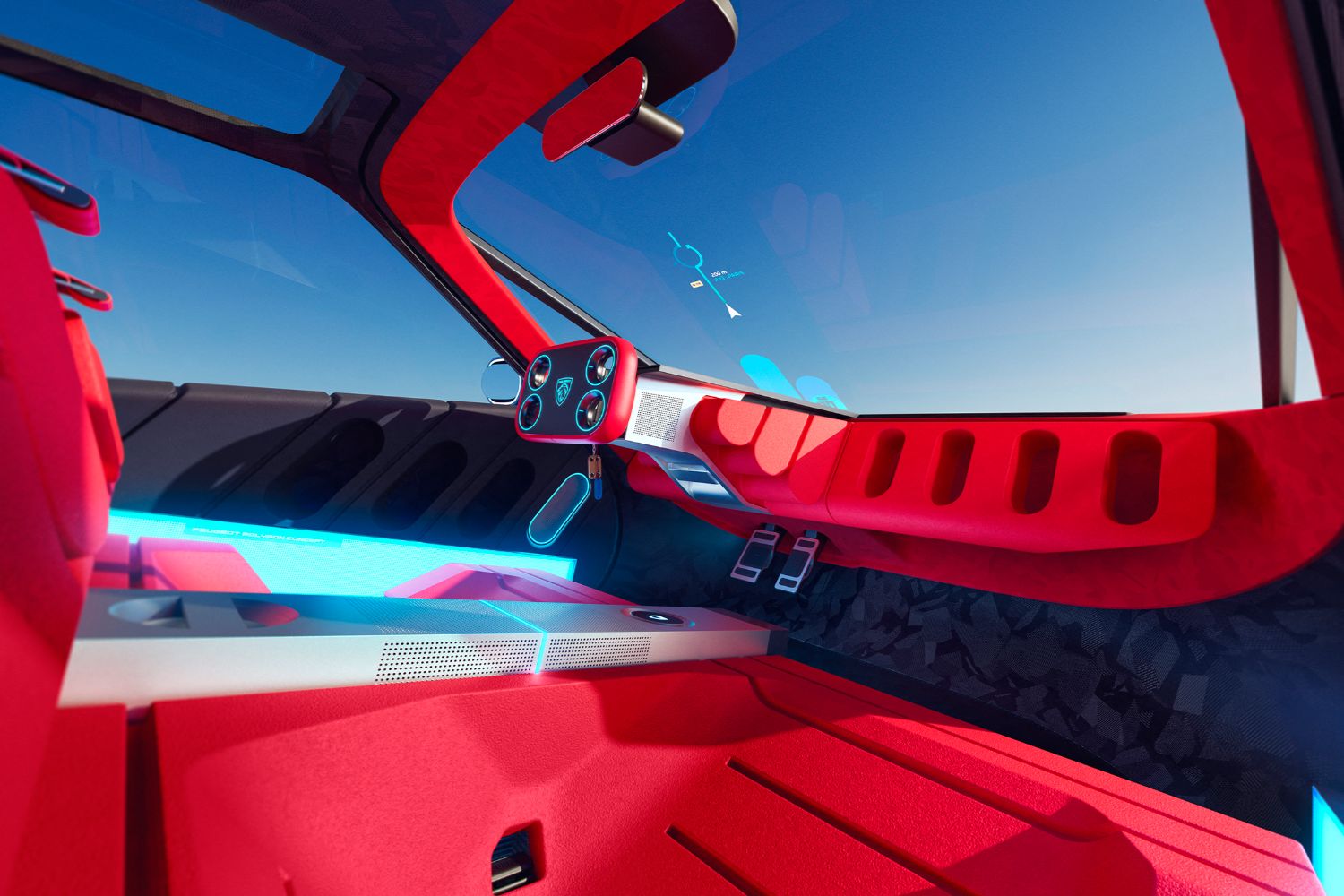
Yes, it absolutely is serious. The Hypersquare steering wheel has been around, in concept form, since 2023, and Peugeot is dead serious about putting it into production in the new 208 and 2008, although whether it will be standard or an option remains to be seen. It's designed to work with steer-by-wire, so that you can, in theory, get full lock just by rolling your wrists, with no need to take your hands off the wheel. The four holes are touch-sensitive controls which allow you to access different functions as you drive, mostly by using your thumbs, so that, again, you don't need to take your hands off the wheel. Will it be as intuitive as Peugeot's current small-wheel layout? We shall have to wait and see.
If there is anything about this story we have not covered, you can avail of our expert advice service via the Ask Us Anything page.