

What goes on in the laboratory?
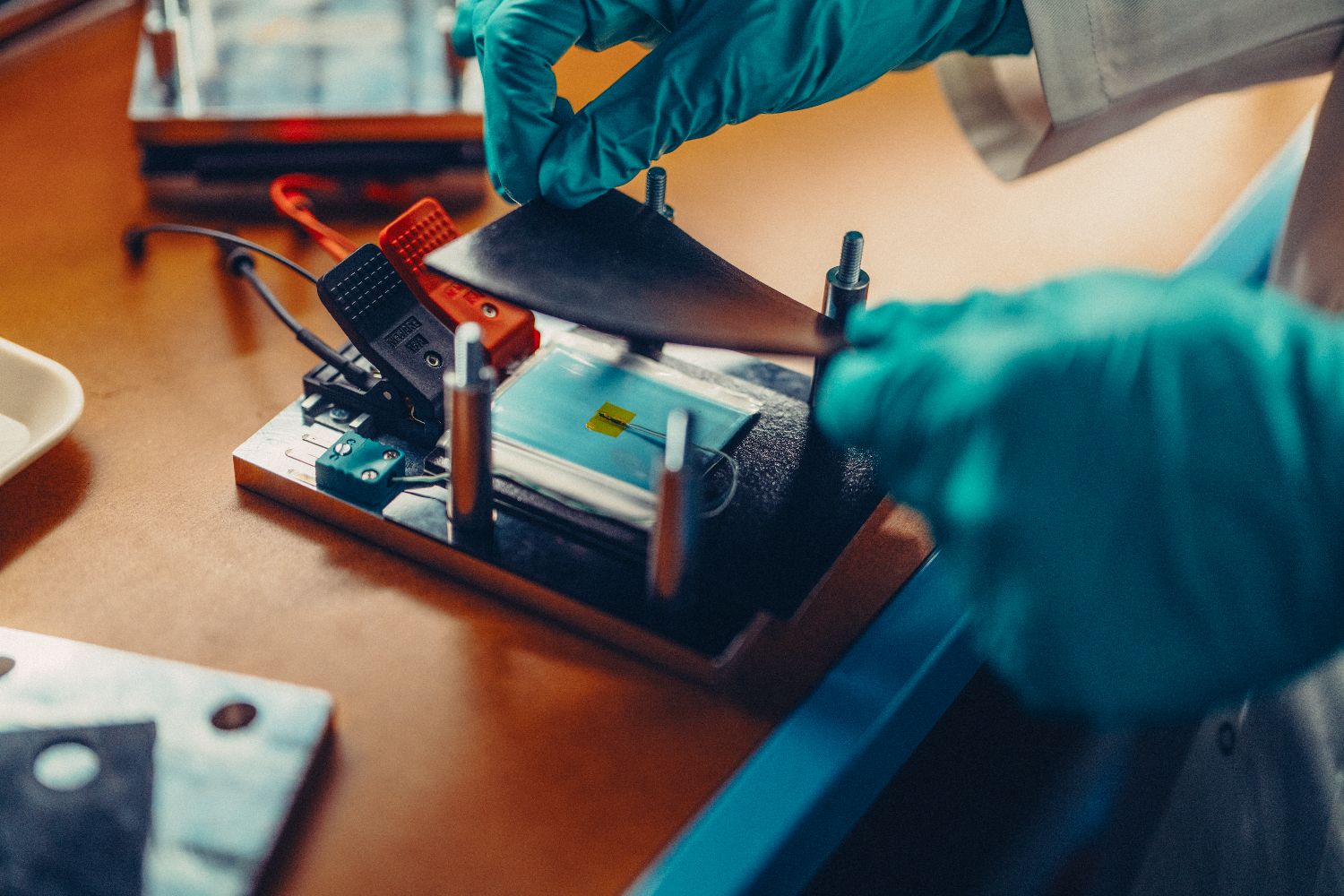
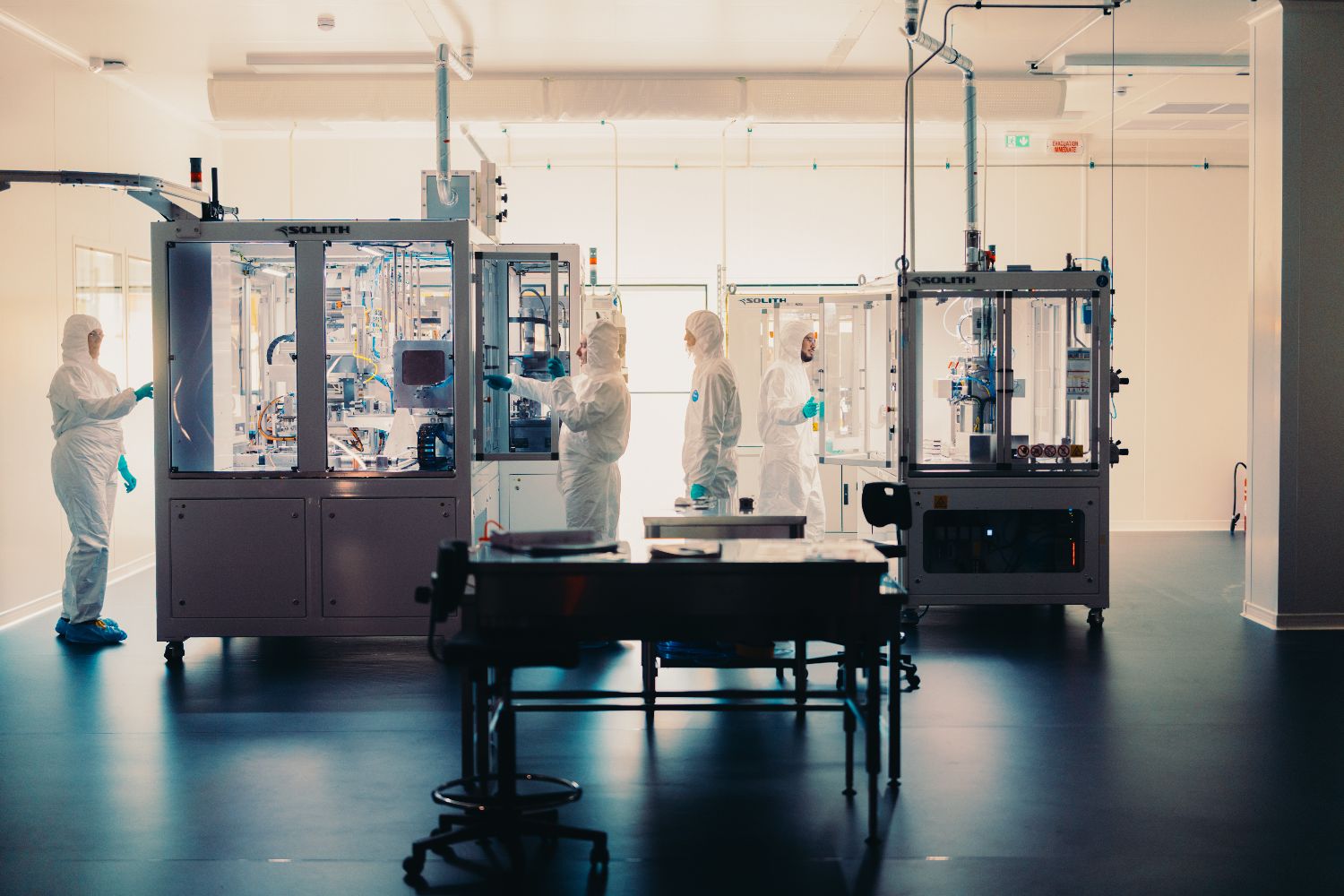
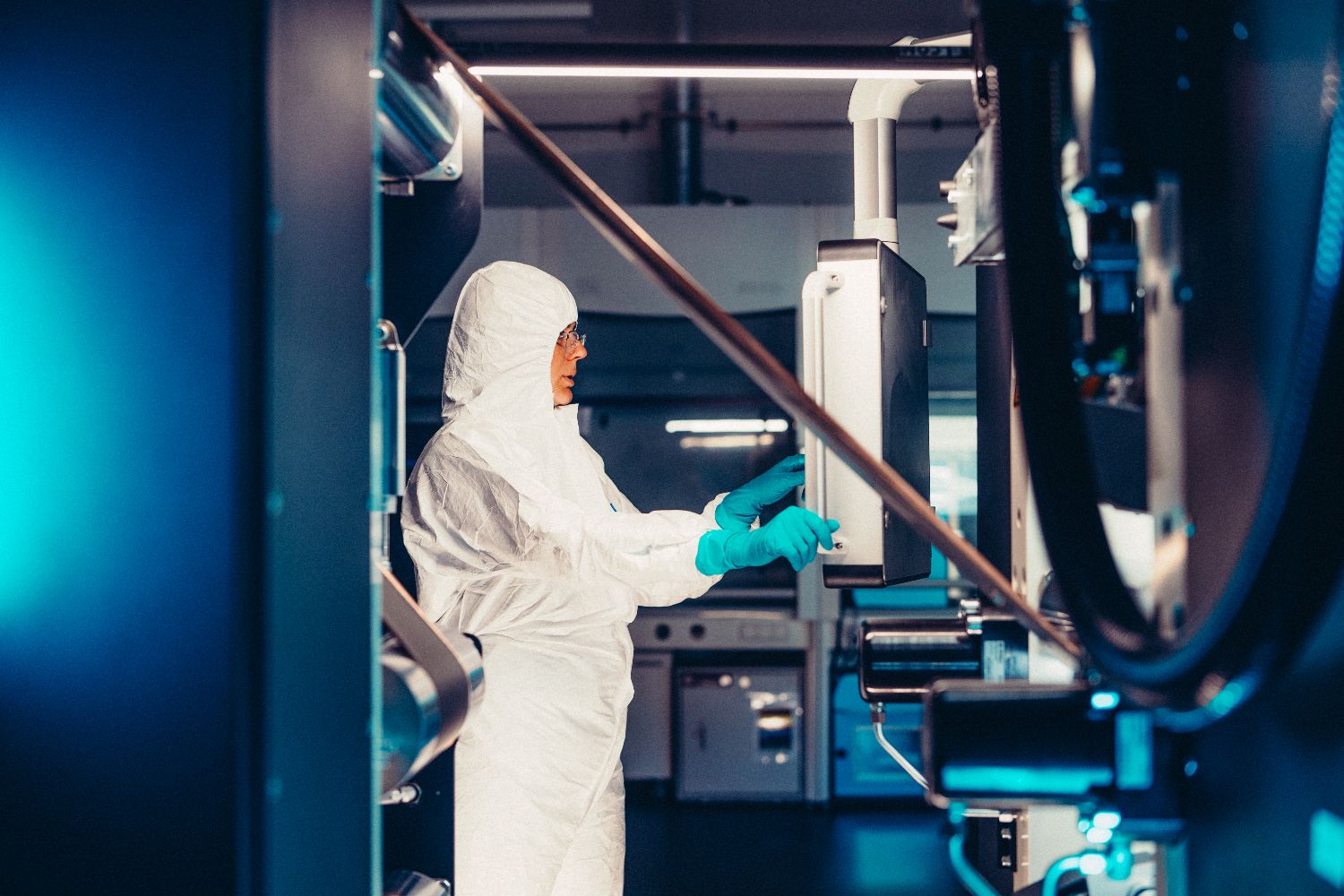
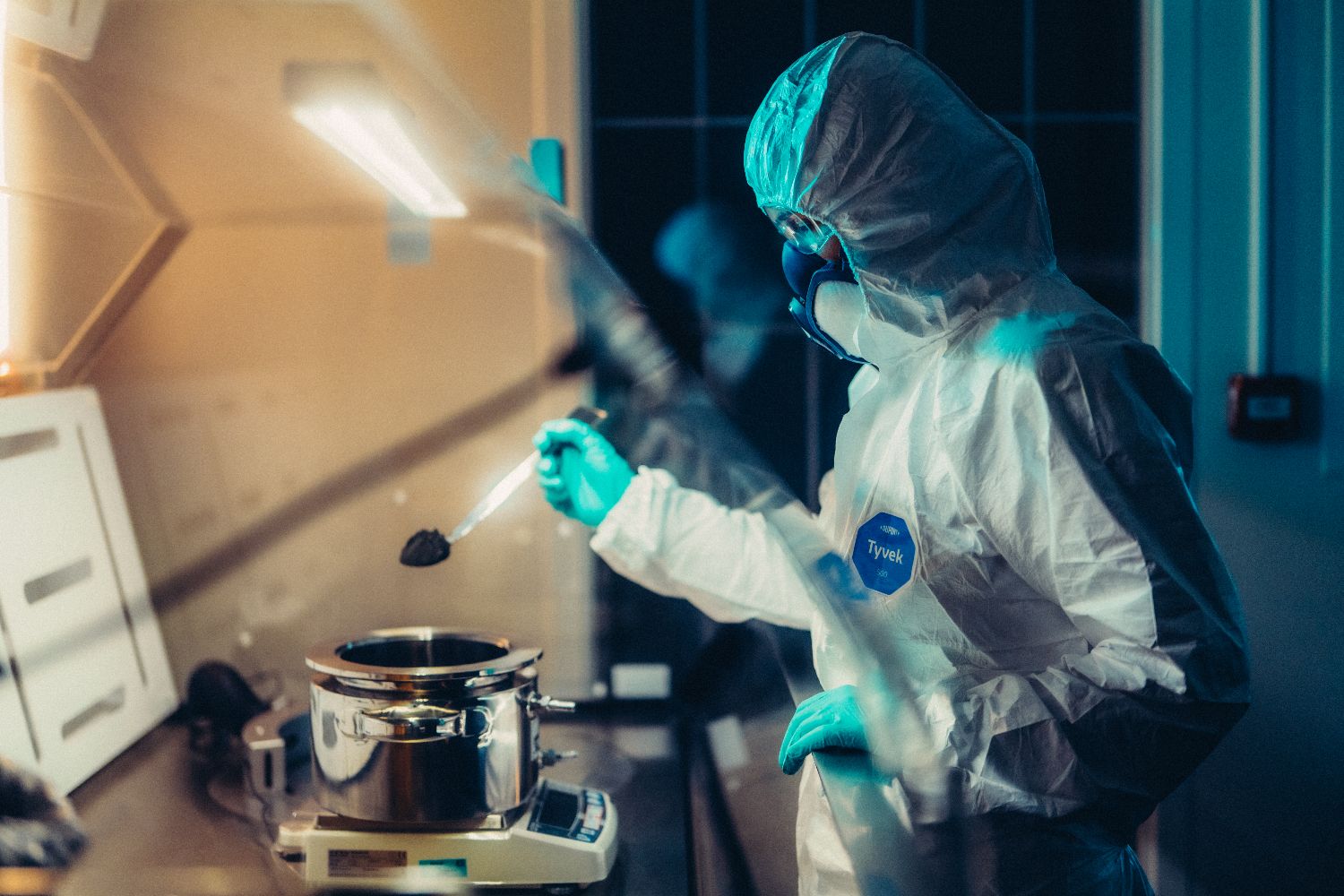
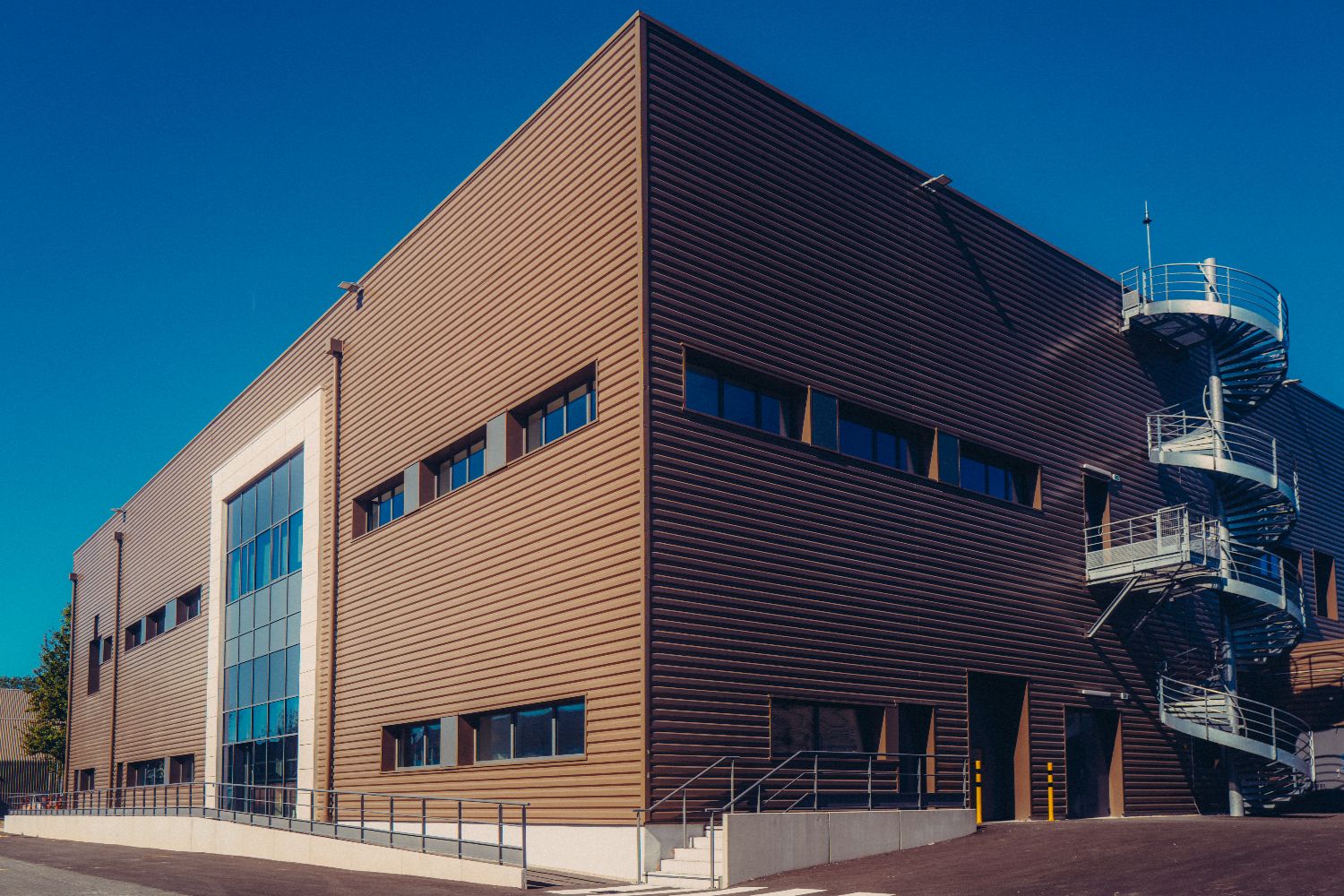
Well, the Battery Cell Innovation Laboratory covers 3,000 square metres of floor space, with 120 state-of-the-art battery-making machines, and a 600 square metre dry room for assembling one-off experimental battery packs. Basically, what goes on is that Ampere's boffins design new battery packs, put them together, and then carry out 'electro-physico-chemical characterisation', which is essentially working out how well the battery works.
What are they working on now?
Basically, the lab is working on the batteries that will power Renault, Alpine, and Dacia cars way into the future. “With this new laboratory, Ampere fully embraces its role as a pathfinder for Renault Group. Our mission is to explore breakthrough technologies, identify the right partners, and secure the technological choices that will make a difference tomorrow. In such a strategic field as batteries, this ability to anticipate and guide is essential to ensure the competitiveness and sustainability of our electric vehicles,” said Josep Maria Recasens, CEO of Ampere.
Is this just about technology?
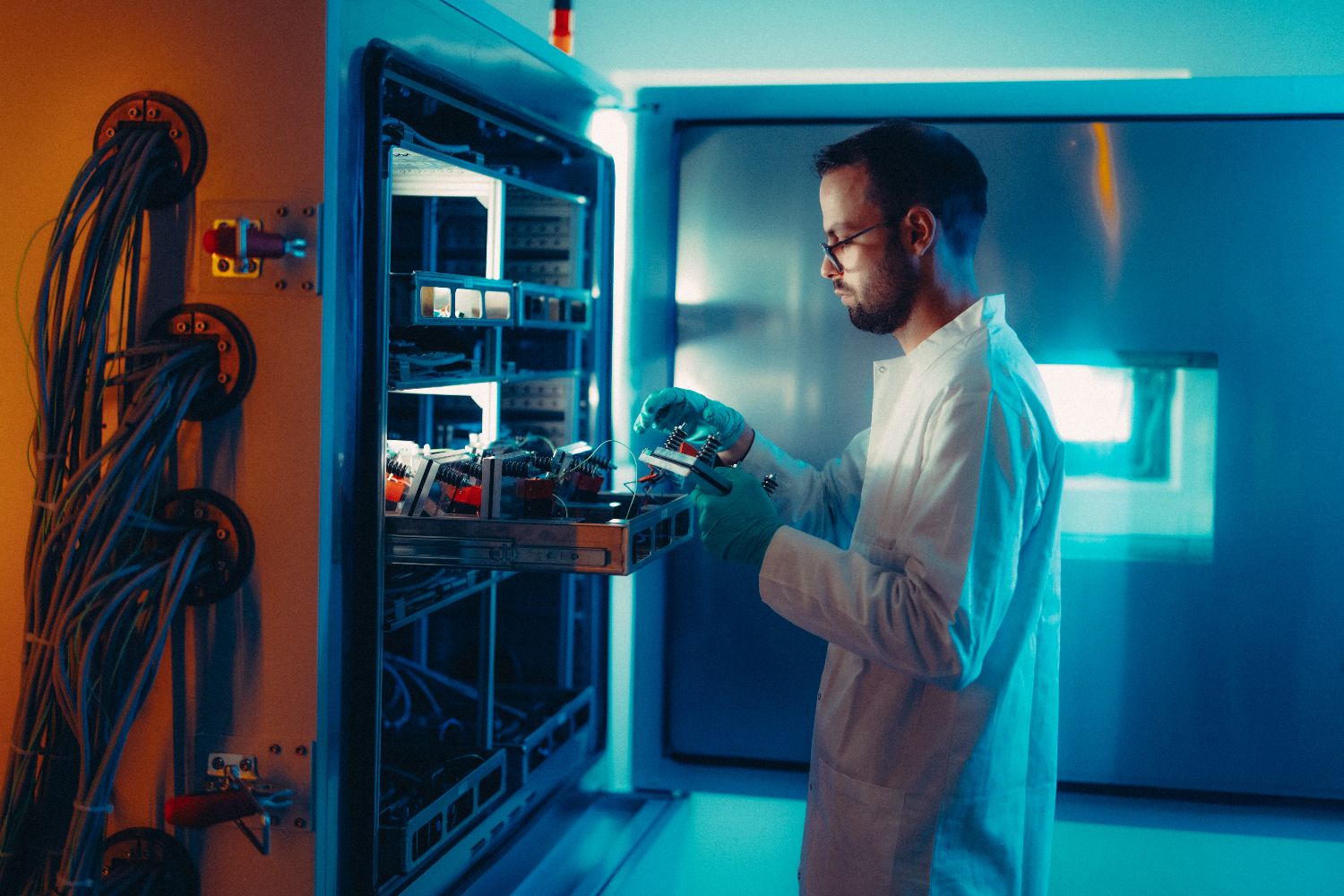
No, there's something else at work here. Renault and Ampere eventually want to have 'control over the entire battery value chain, from upstream to downstream, by relying on a trusted network of partners.' Essentially, that means Renault and Ampere want to have ownership of their battery designs and technology, rather than having to rely on buying in battery cells from global suppliers.
“Having our own laboratory dedicated to battery cell innovation marks a major step forward for our engineering. Together with the E-Tech Campus, they play a key role in our ambition to lead cutting-edge innovation in engineering. Our goal is to make the Lardy Technical Center a true center of excellence in the field of electric vehicles,” said Philippe Brunet, CTO of Renault Group.
“The Battery Cell Innovation Laboratory is a key component of our battery strategy. It will enable us to improve performance and strengthen our evaluation capabilities through closer collaboration with our partners. We are making sure to stay ahead in the design of our electric vehicles and ensure they anticipate our customers' expectations,” said Nicolas Racquet, EV Engineering Director at Ampere.
If there is anything about this story we have not covered, you can avail of our expert advice service via the Ask Us Anything page.