

So what's this Hipster all about?
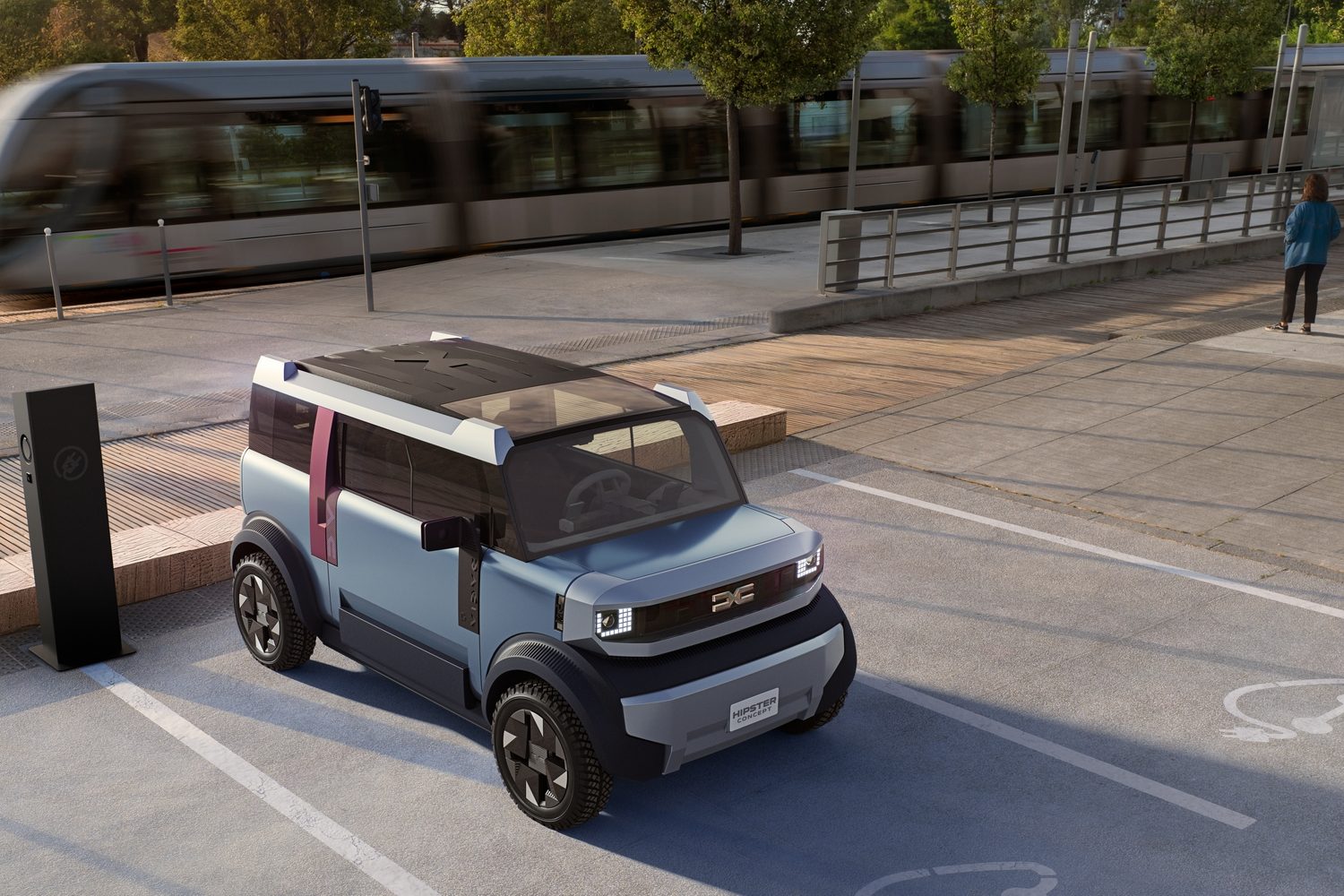
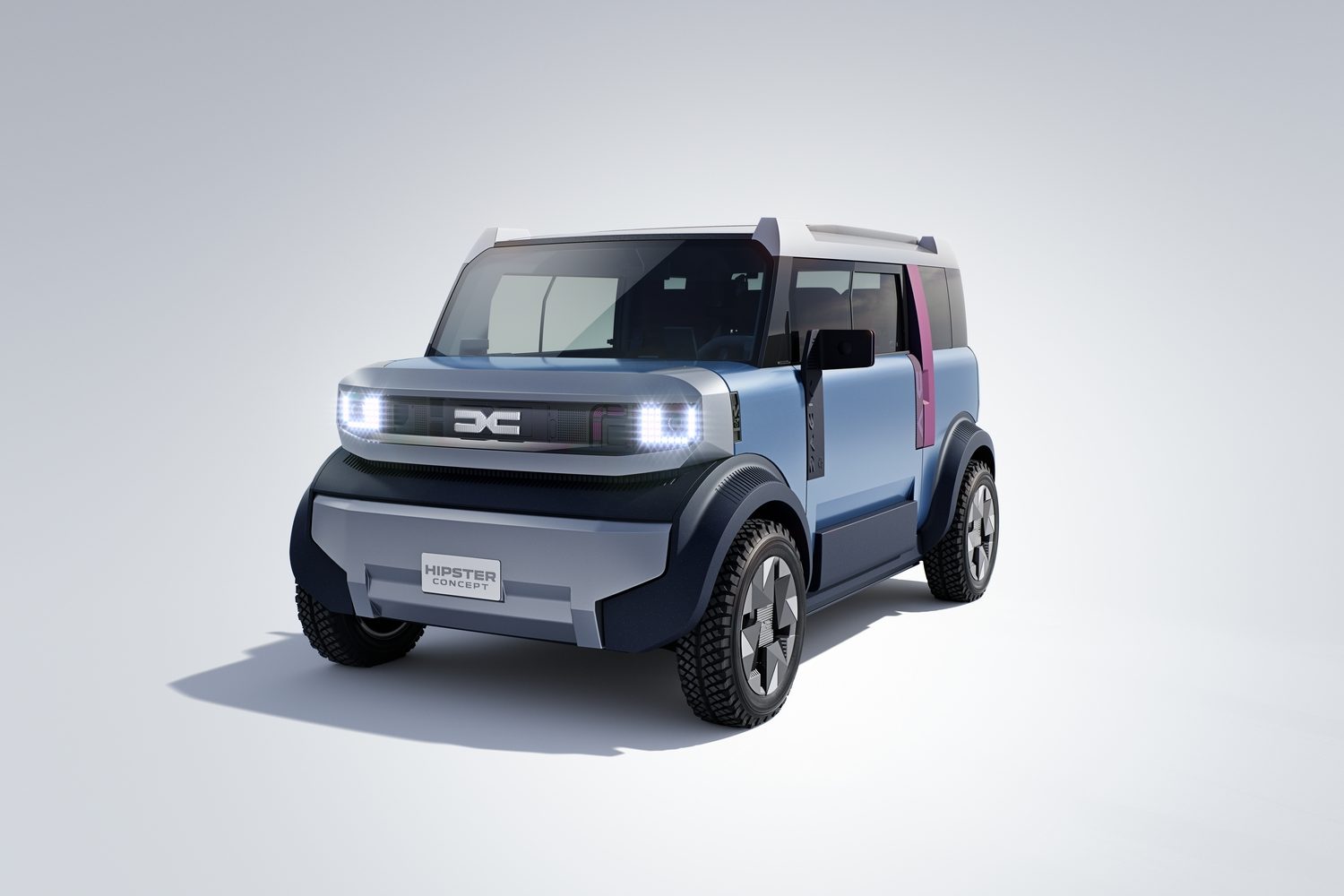
The Hipster is Dacia's latest concept car, and it's a rolling, working idea of what a micro-sized new Dacia could be. Electric, and with a theoretical 150km range, the Hipster has been designed to be minimalist in every sense, and is aimed - if it ever goes on sale - at families looking for a cheap runabout as a second car, young drivers looking for an affordable first set of wheels, and older couples wanting to downsize both in terms of cost and physical bulk.
Aww… it looks adorable
It really does, and there's a distinct whiff of Japanese 'Kei Car' about the Hipster, something that Dacia's head of design, David Durand, admitted to CompleteCar.ie is kind of the idea.
With the European Union putting together new legislation called the 'Small Car Initiative' which will in all likelihood become a Kei Car equivalent set of regulations for compact, affordable, frugal European models, Durand wants to use the Hipster to influence the new legislation: “It would have been better if we had had the regulations earlier, but I would say that this car, the Hipster, is even something of a manifesto to provoke the regulators, to show what is possible. And the reactions of the public will help us to push more, and to know if our response is a good one - are people happy with this type of car, at this size and so on. For Dacia, we have to be in this field. It's our homeland.”
How big is the Dacia Hipster?
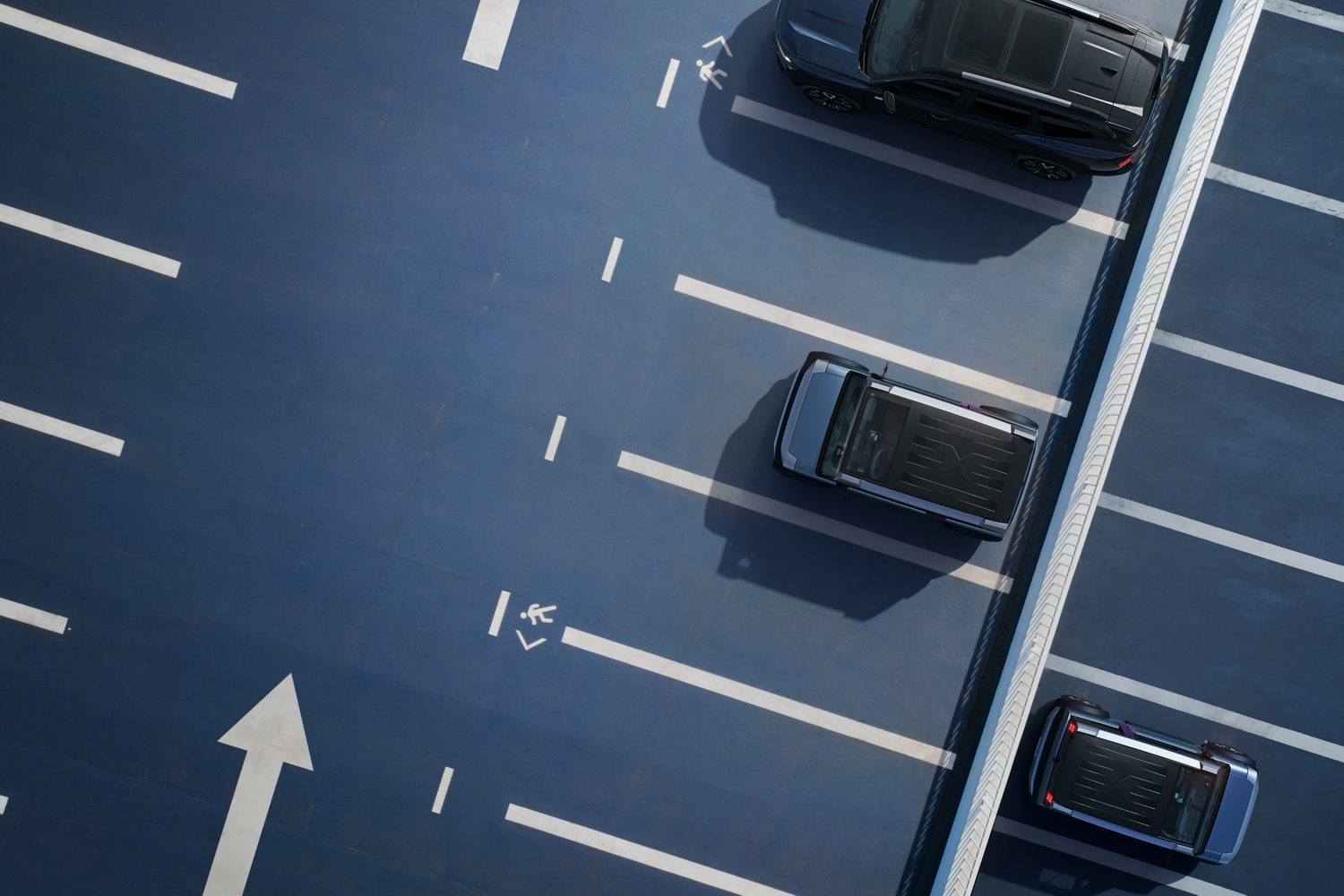
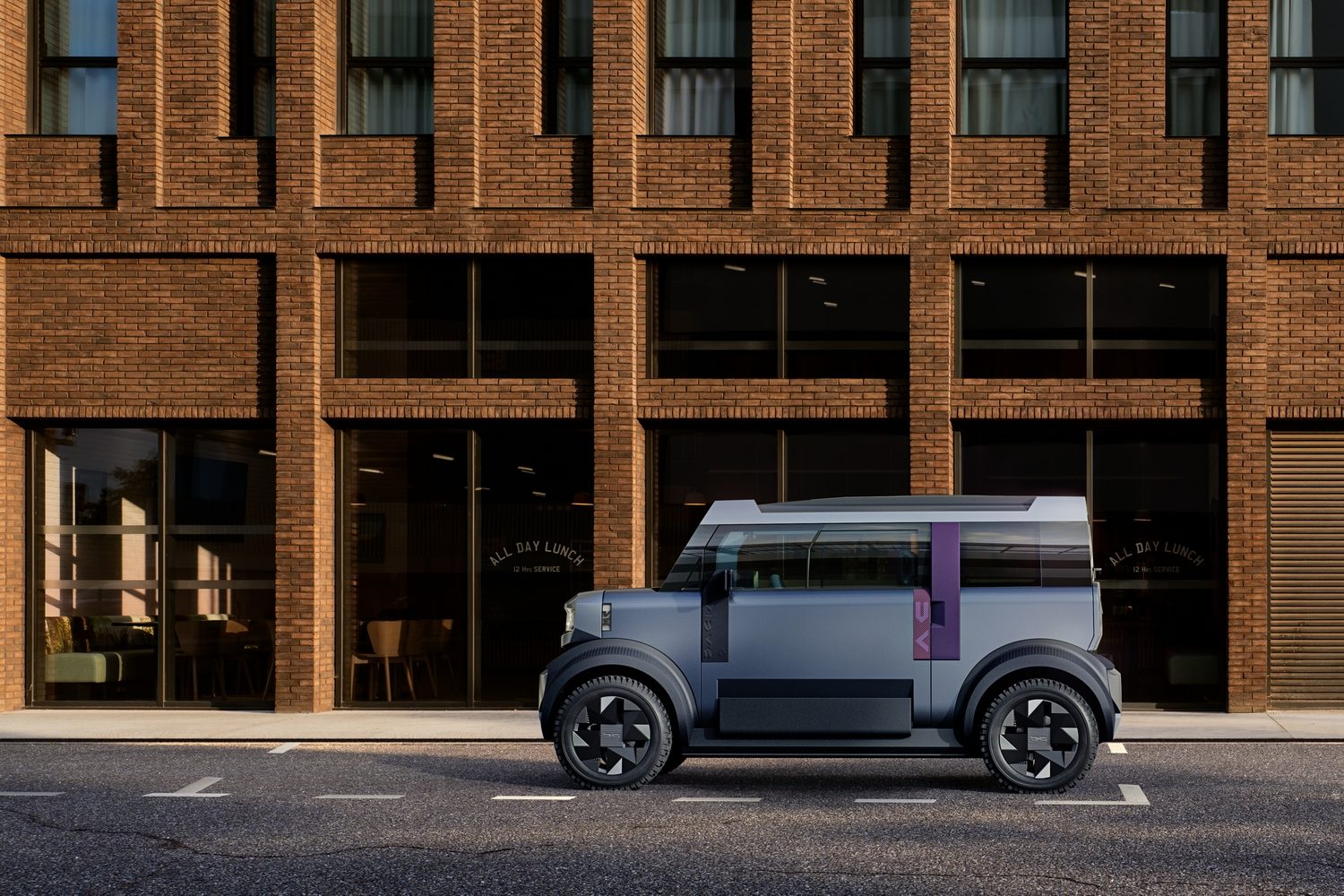
It's tiny. When you're standing next to it, it almost seems like a toy car you could pick up and find the word 'Matchbox' stamped underneath. The only dimension in which it seems any way normal is in its 1,500mm height - which has allowed Dacia's team to carve out surprising space within.
The Hipster is just three metres long, about the same length as an original 1959 Mini, a car that Durand says provided some inspiration during the design process.
Both in terms of size and concept, the Hipster sits between the likes of the Citroen Ami - technically not a car, but a quadricycle - and the smallest 'proper' cars such as Dacia's own Spring.
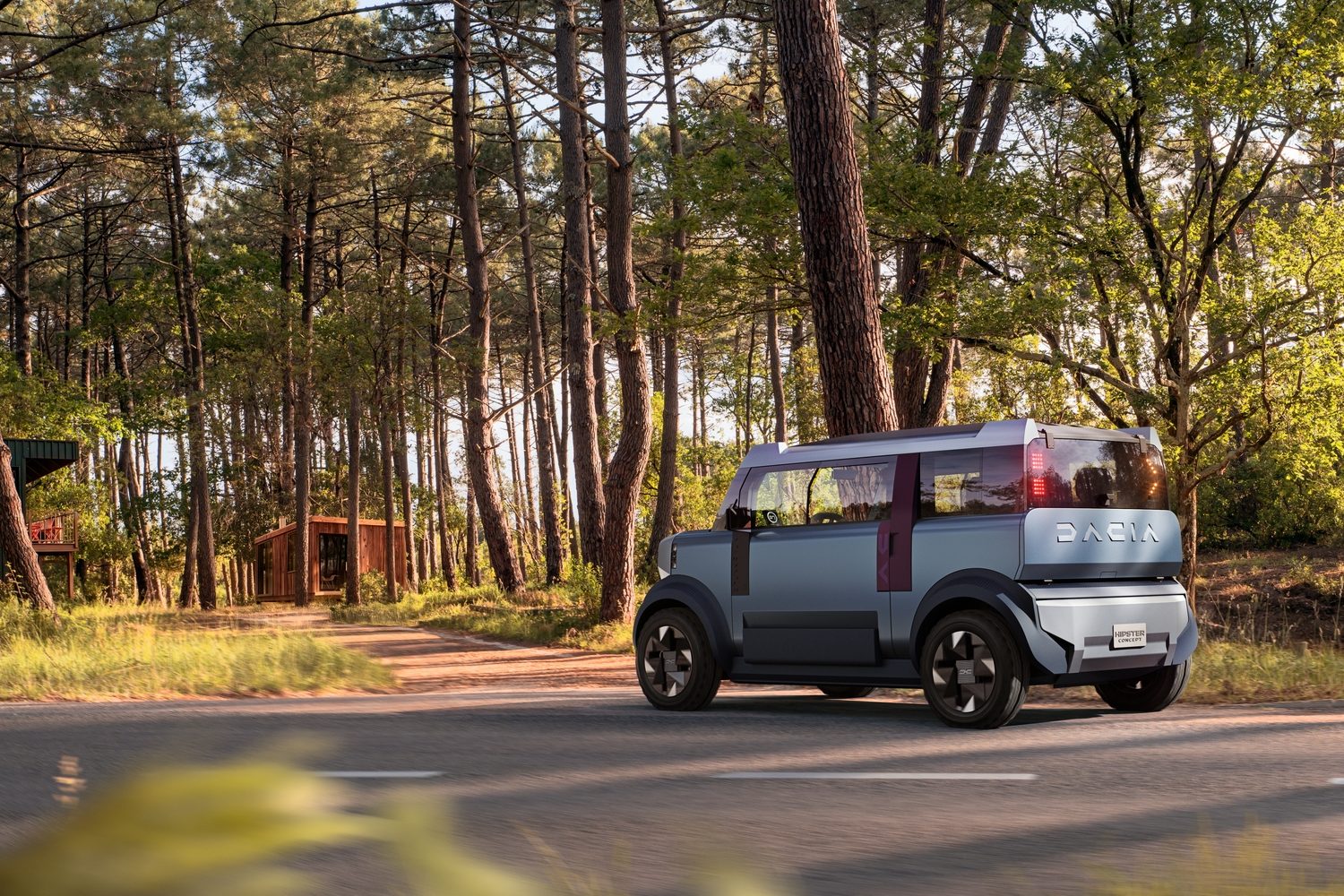
In terms of legislation, it would also somewhat slip between those two points right now, but Dacia is hoping that the incoming EU Small Car Initiative rules will catch up with where the Hipster is staking out its position. Although tiny, it's pretty much a 'proper' car with main-road friendly performance, that 150km range and two airbags.
The body is made of plastic composite, and the Hipster is designed to come only in one colour, with personalisation limited to exterior trim sections. There is also plenty of Dacia's now-familiar 'Starkle' speckled plastic, made up of recycled water bottles, forming the edges of the wheel arches and the bumpers for scratch-resistance.
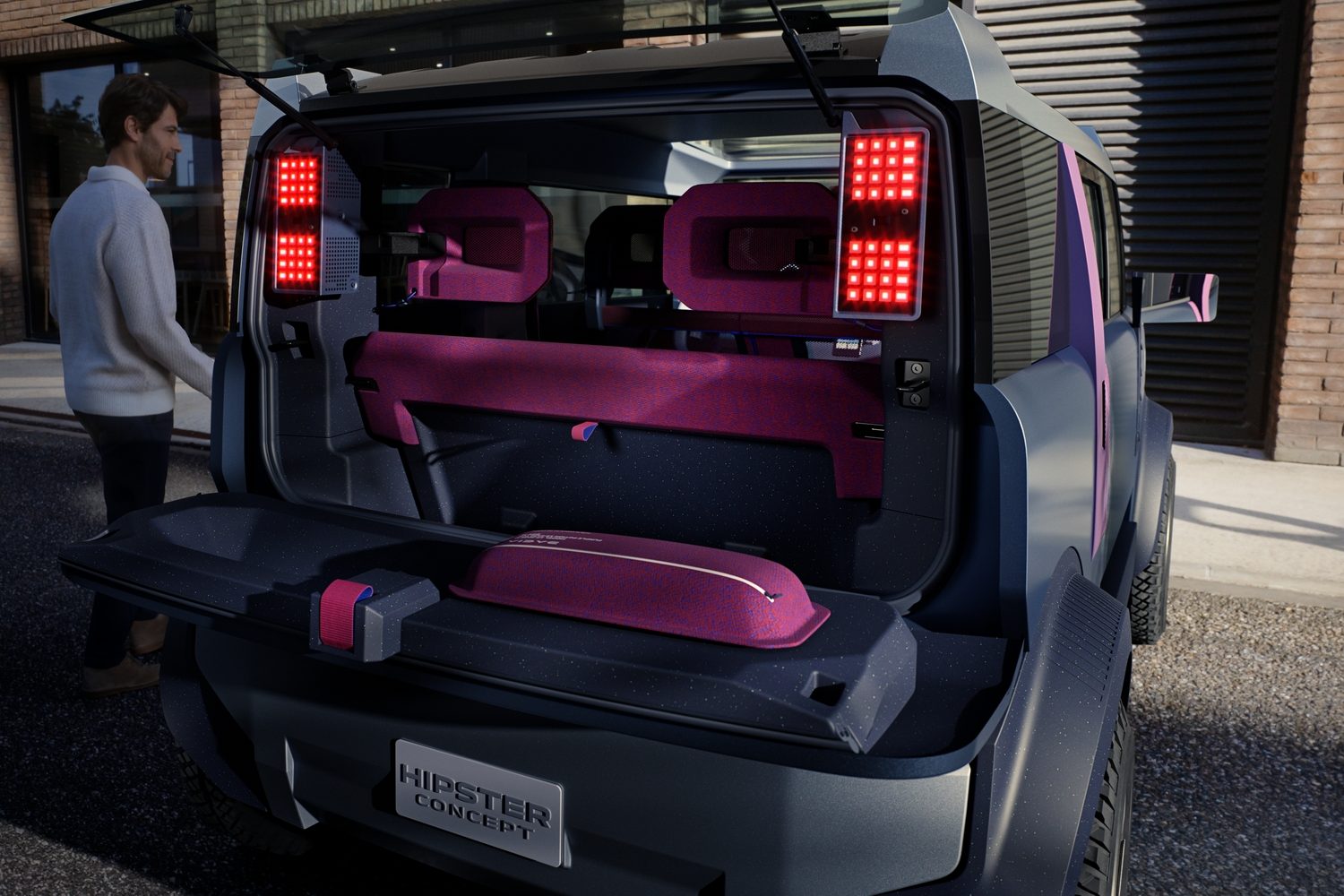
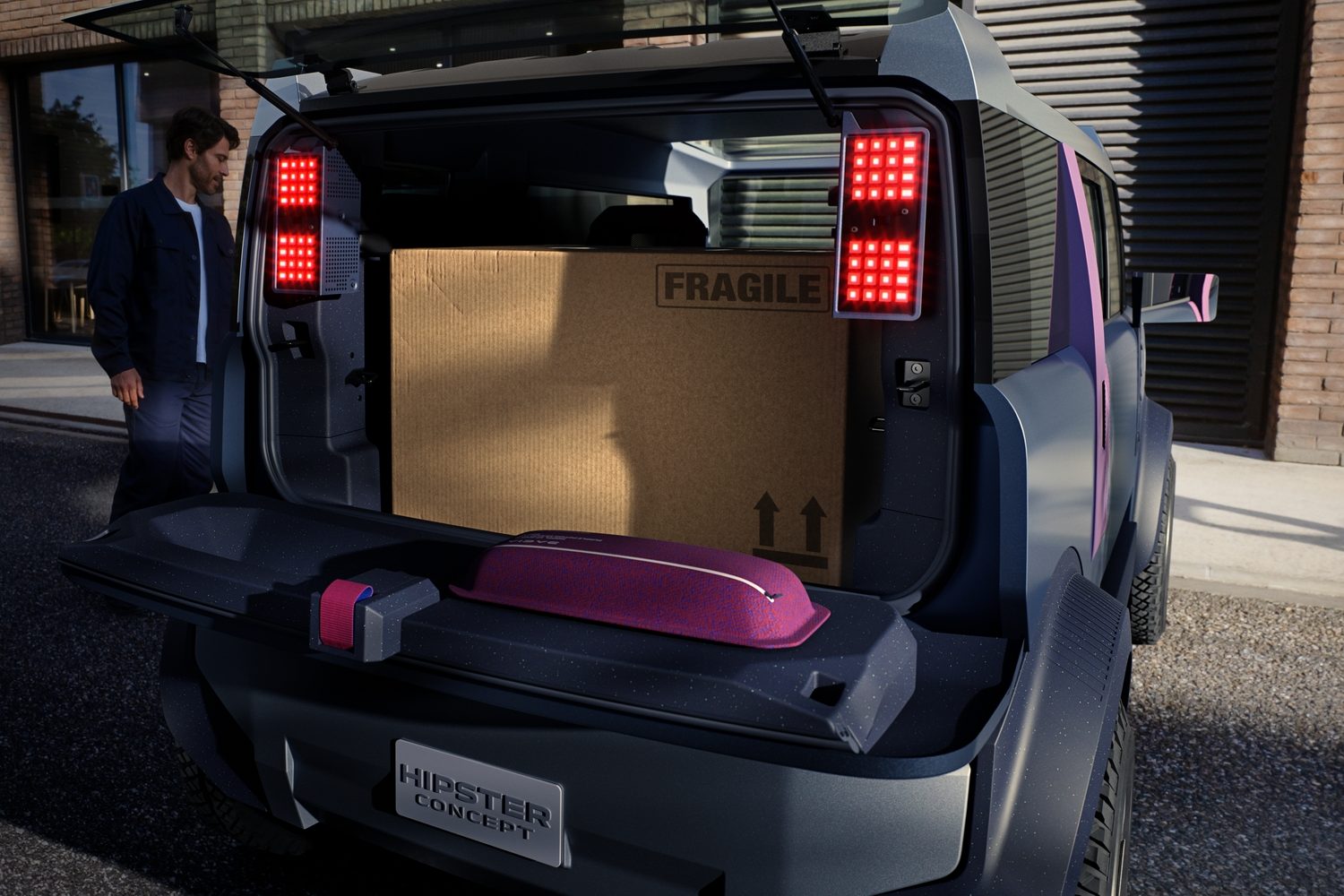
There are some seriously clever design touches too. Conventional door handles have been binned and replaced by a simple fabric strap, while the rear LED brake lights and indicators have no covering lenses but instead are snuggled up against the tailgate glass.
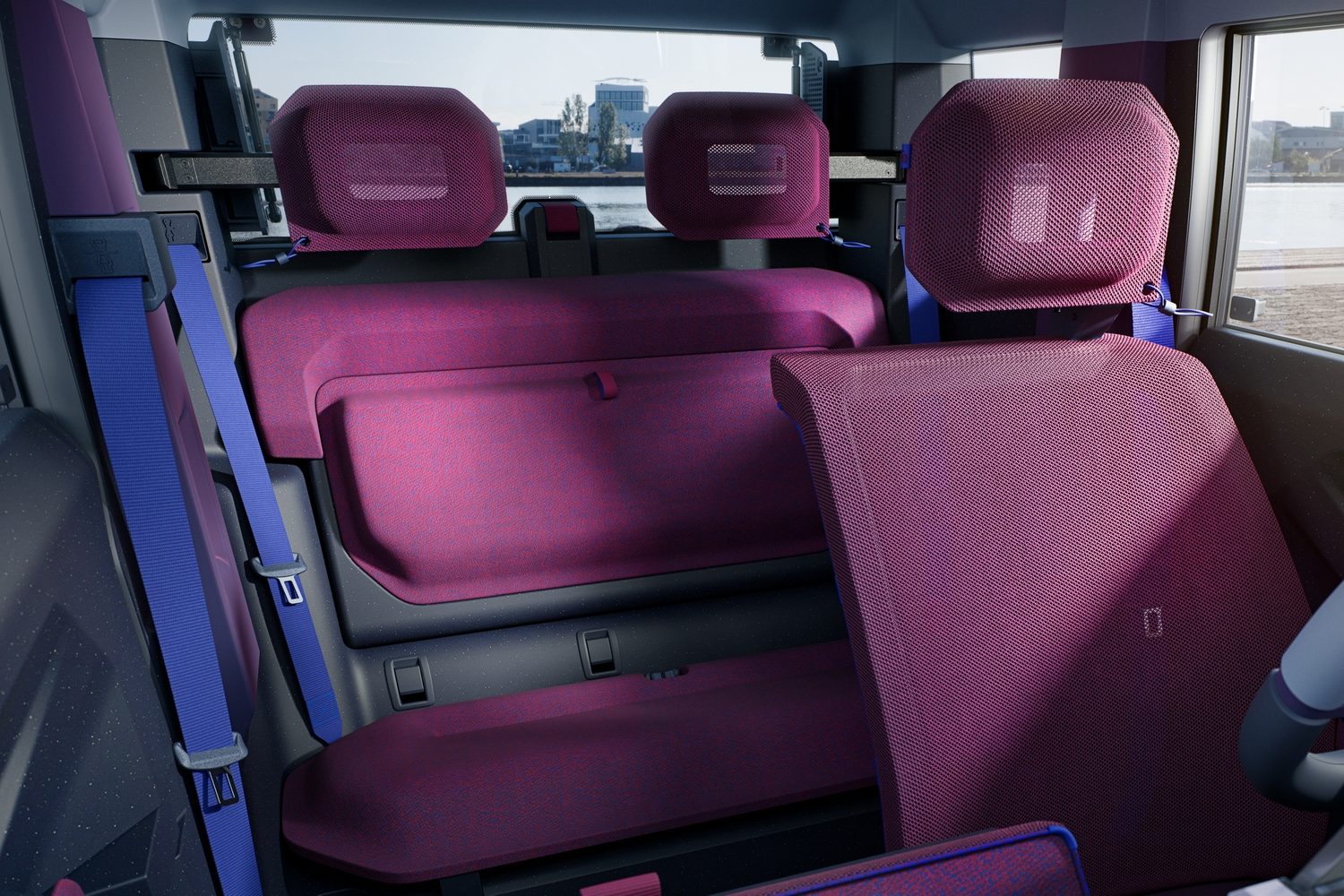
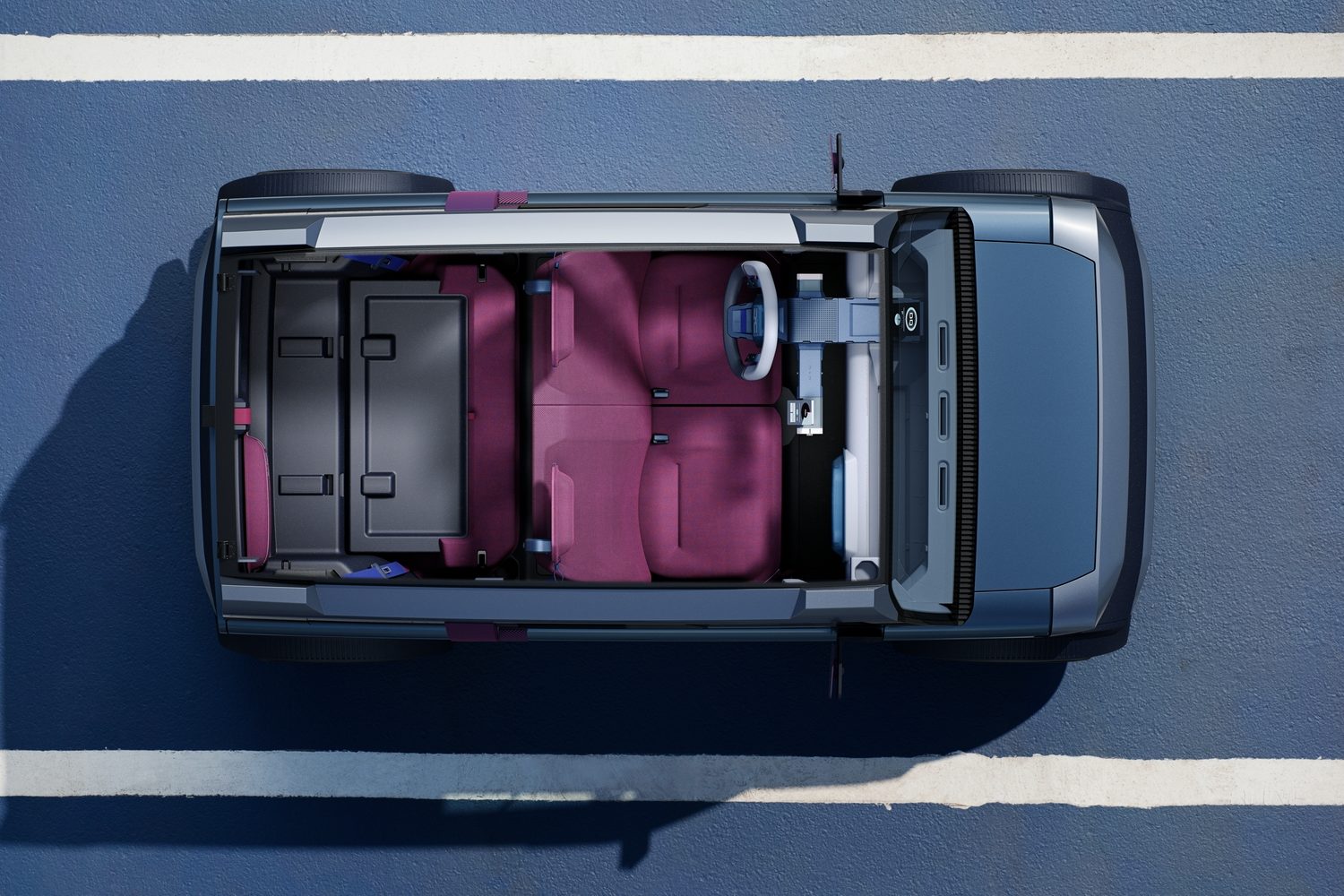
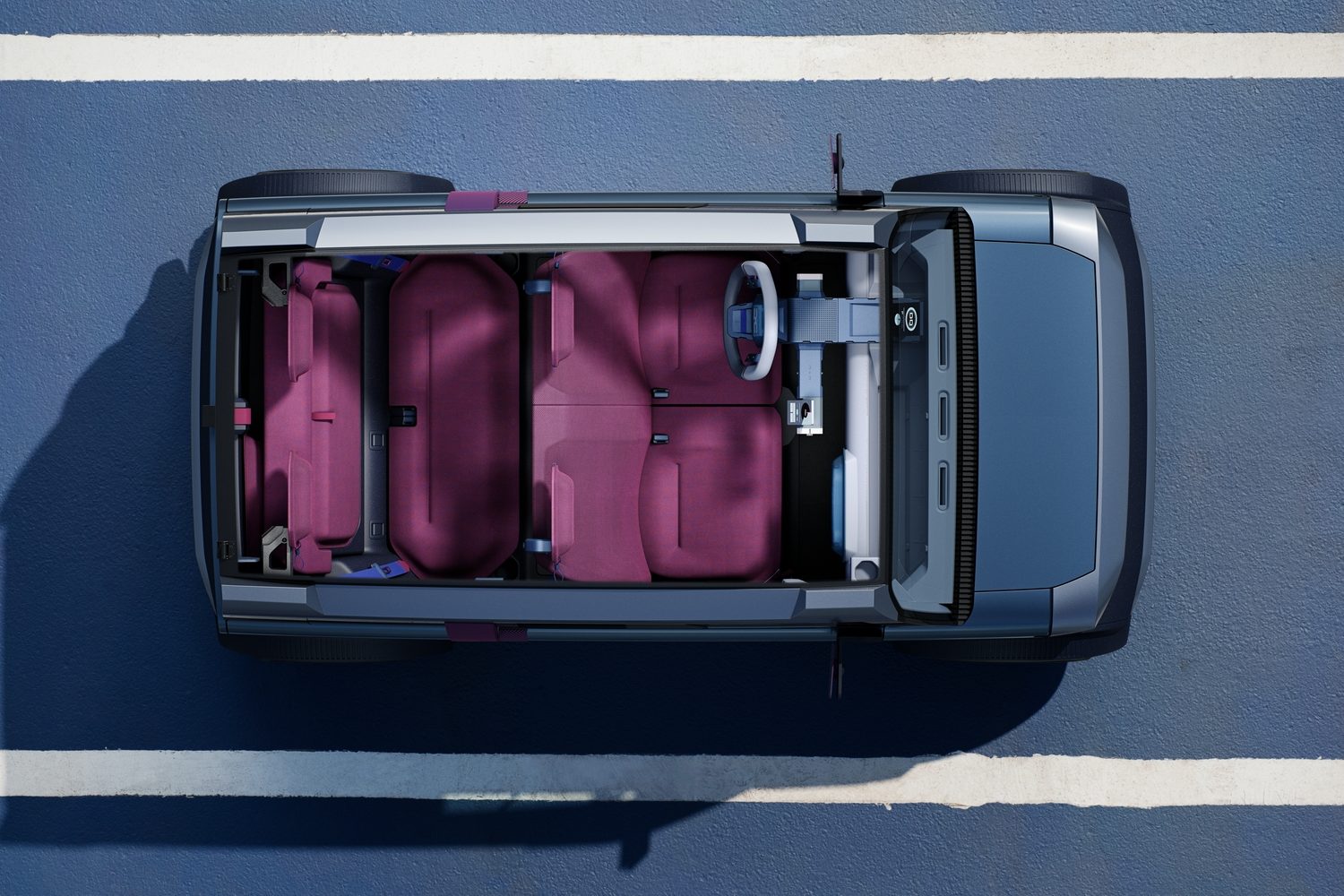
That glass opens separately, leaving the lower section of the boot lid to fold down, rather like some kind of microscopic Range Rover. With all four seats in use, the boot is limited to just 70 litres, but with the rear bench folded down (the rear headrests are separate and neatly hinge out of the way) there's up to 500 litres of luggage capacity, which is enough, according to Dacia, to carry a washing machine.
Specific range and performance figures aren't really being discussed, but Dacia says that it knows from its 180,000 Spring owners that they generally cover no more than 40km per day, and that the Hipster has been designed to do that kind of daily mileage with no more than two charges per week.
What's the interior like?
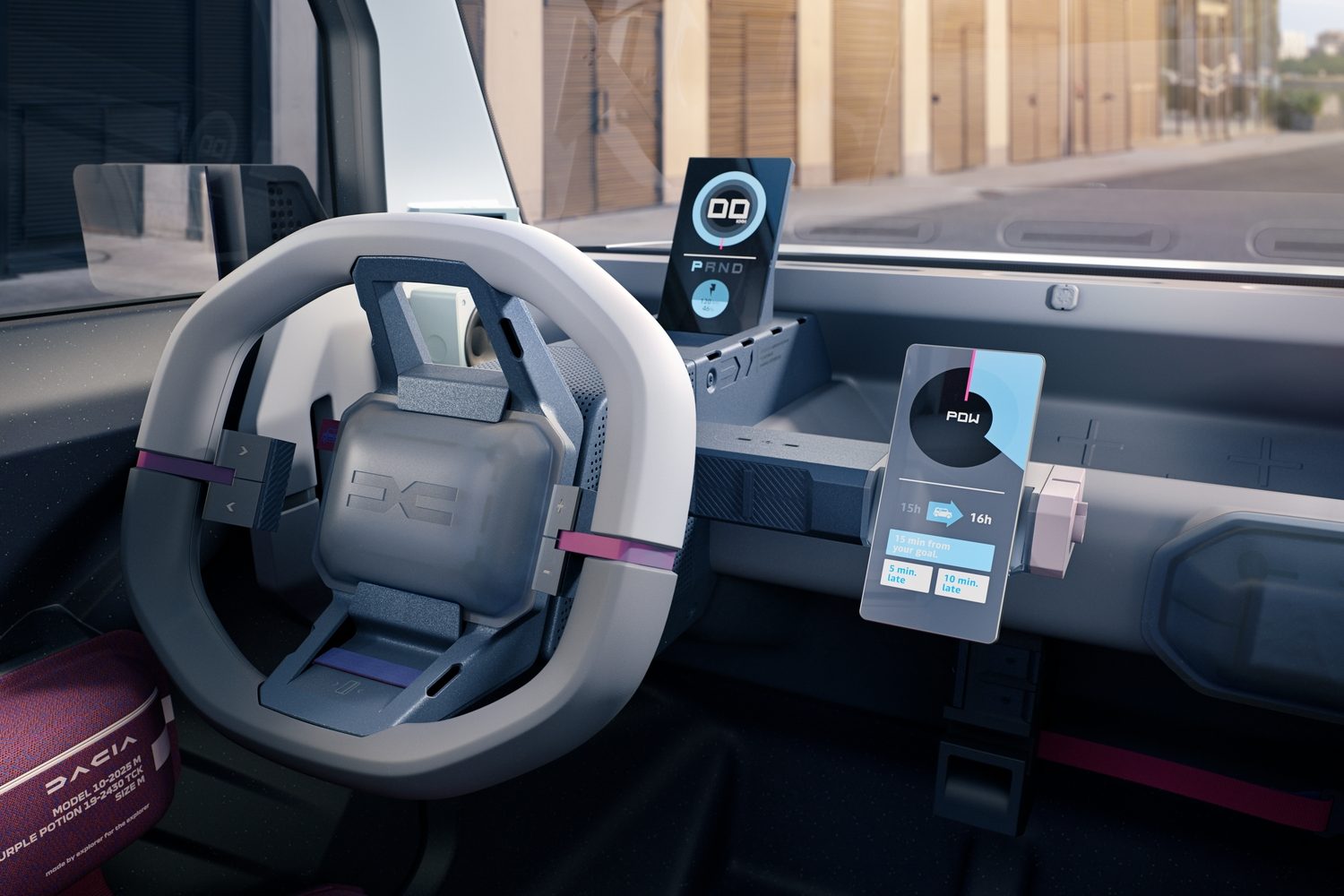
The Hipster's cabin is as minimalist as its exterior, but with a barrage of clever touches that makes it surprisingly useable.
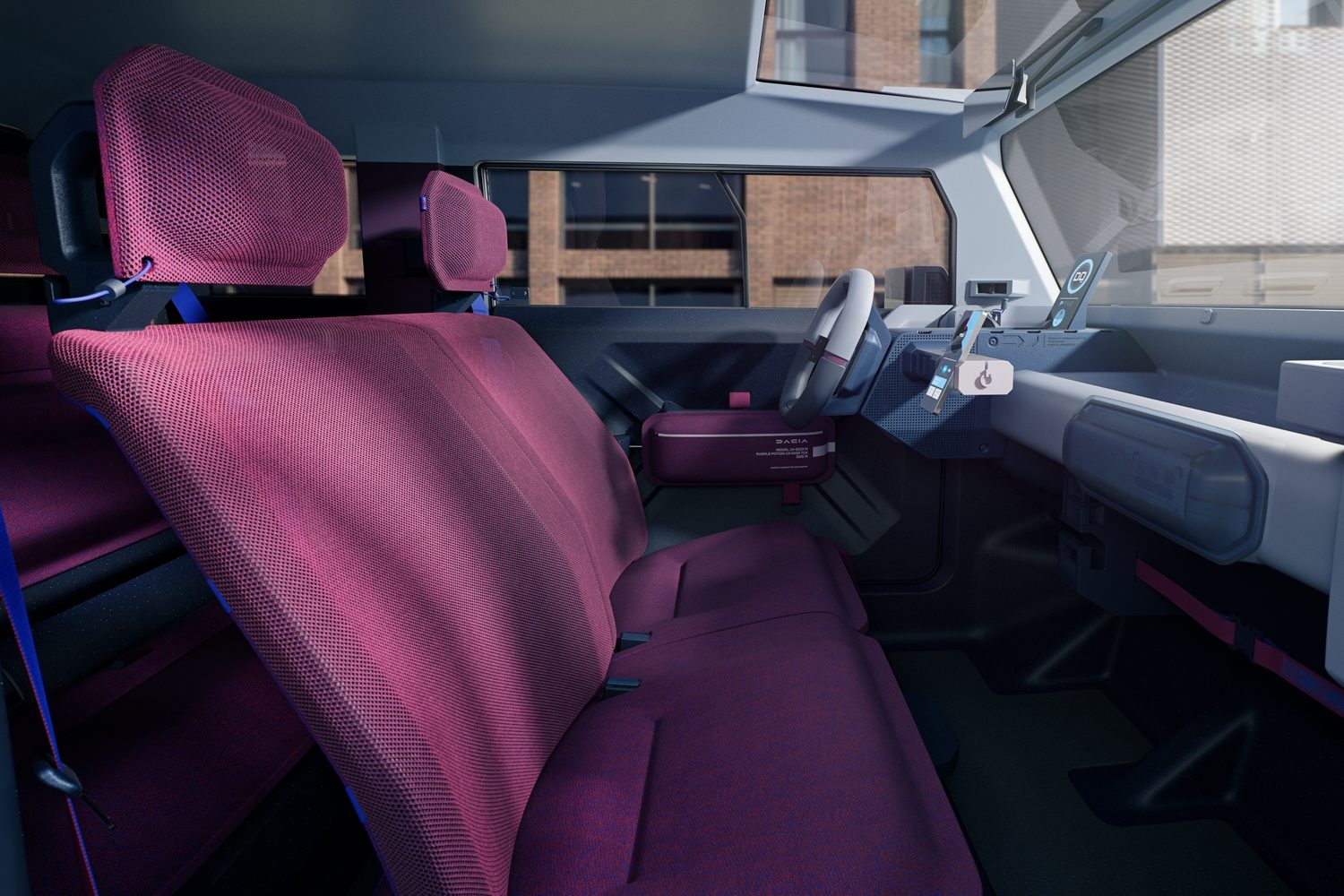
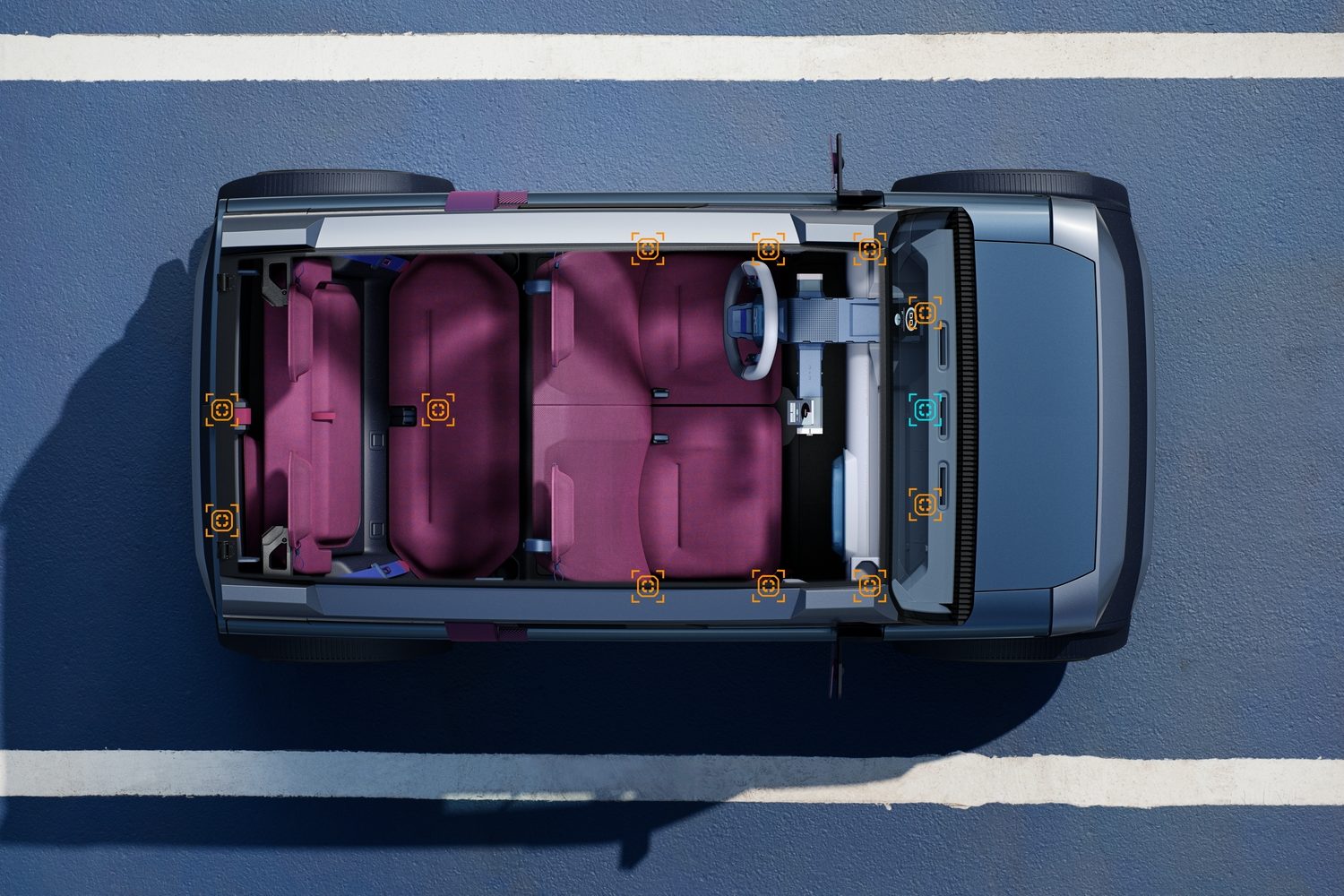
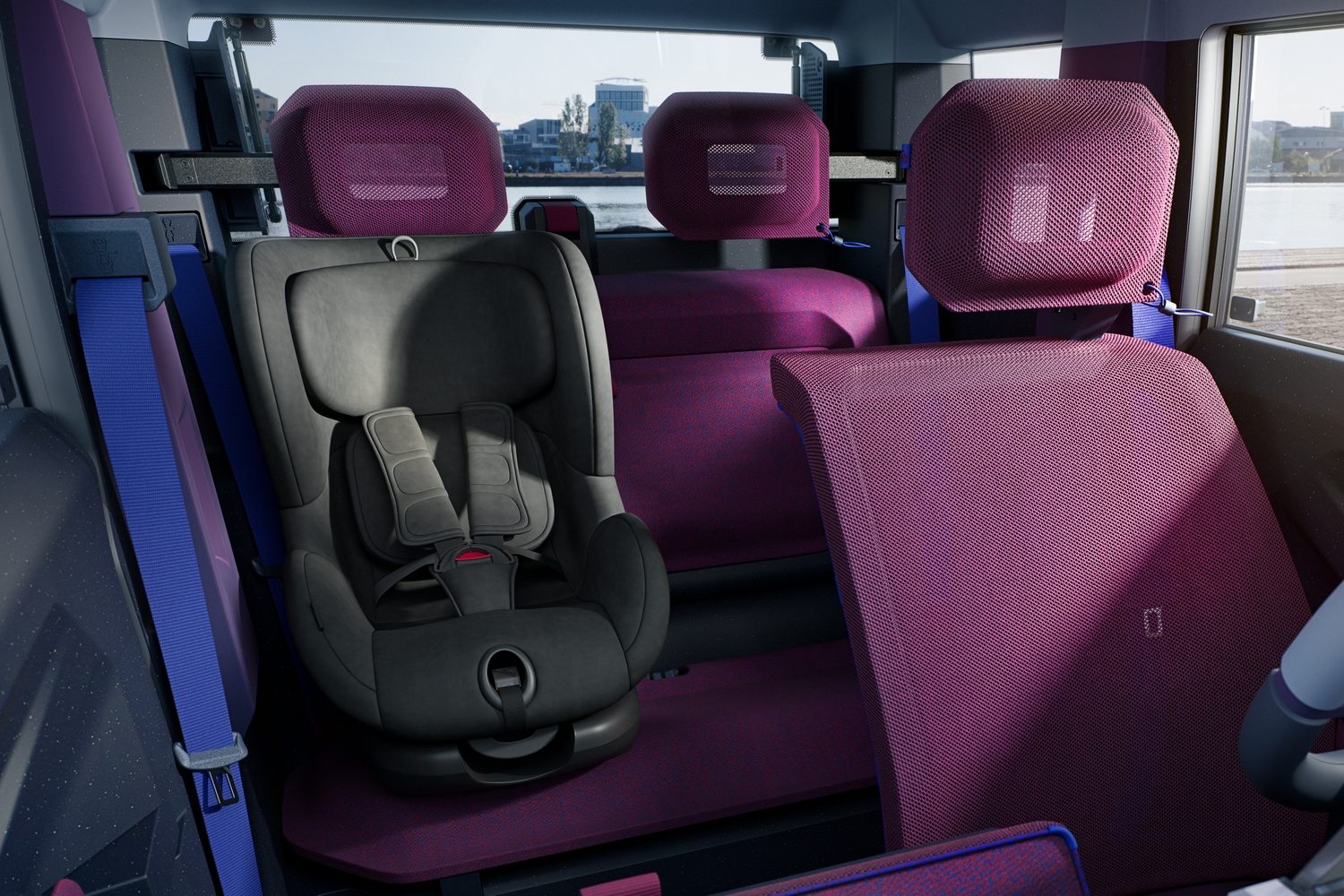
That roof height means that space inside is surprisingly good up front, and the seats (the front seats form almost a bench-style arrangement) are made of a tightly woven mesh and are very comfortable.
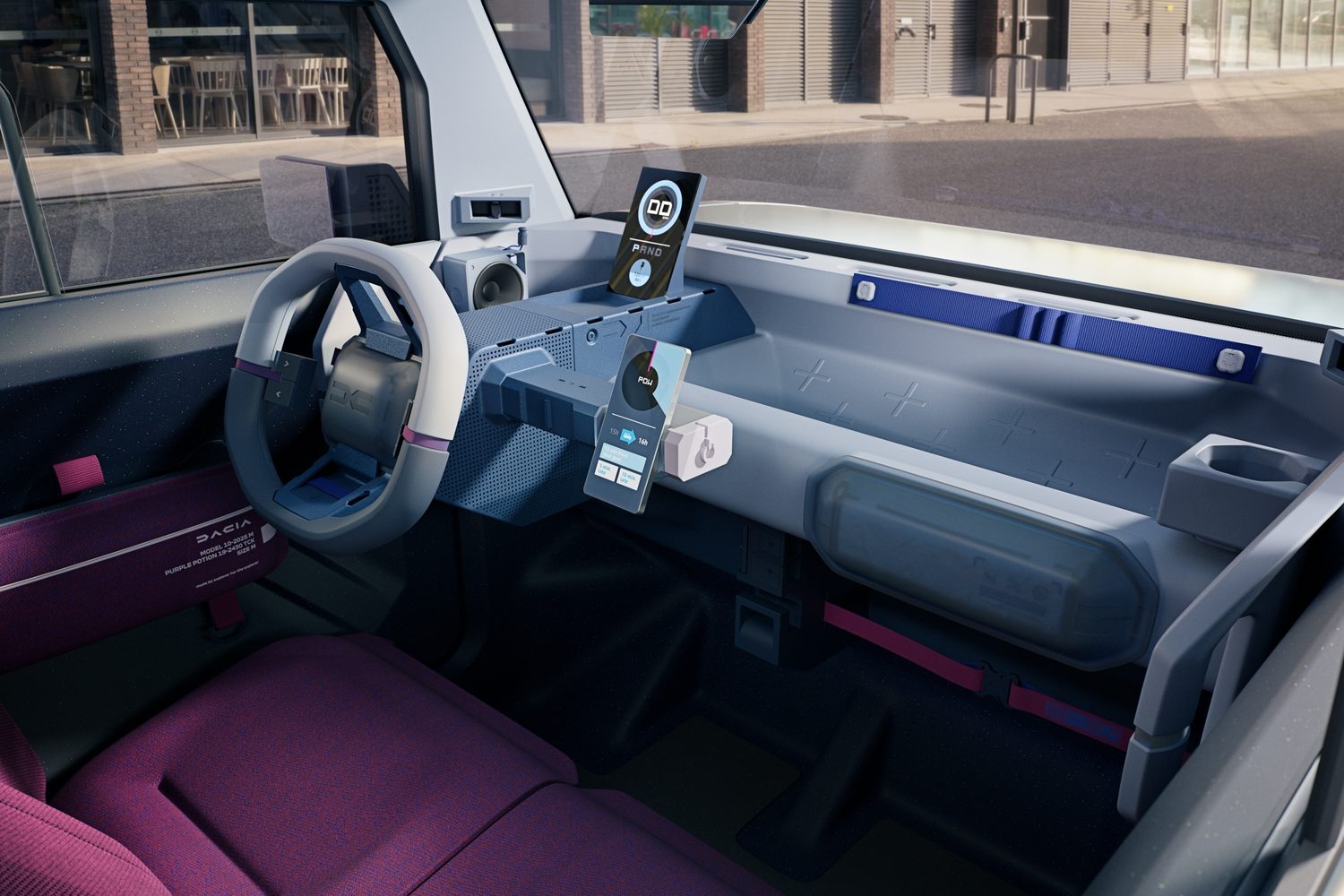
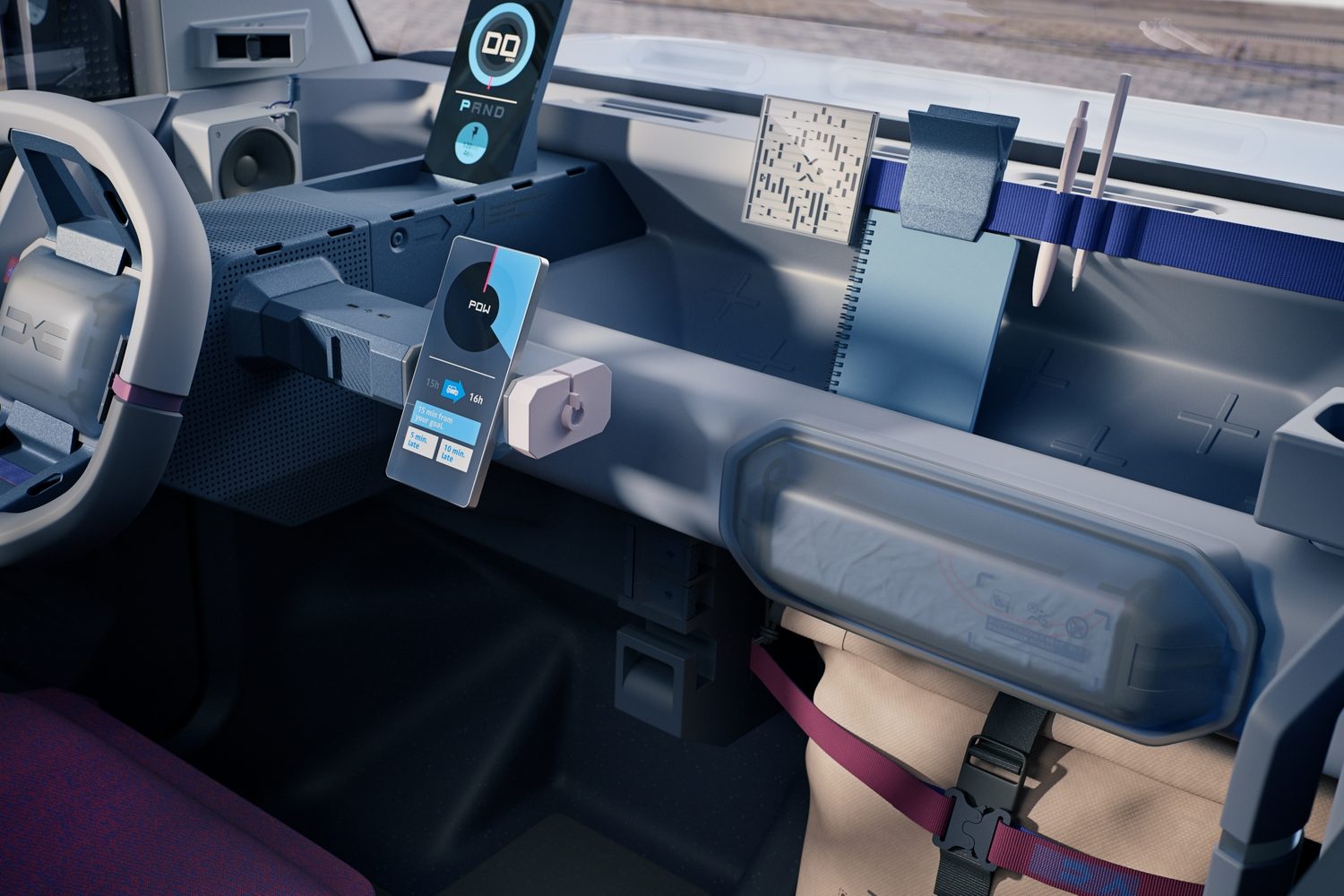
The dashboard is blocky and simple, almost Lego-like, and there are numerous 'YouClip' attachment points allowing you to add in whatever accessories you might need.
Those points can now be wired-up to provide power, so the accessories can include phone chargers and even a tiny cooling fan for the dashboard.
There's a huge open shelf in front of the passenger, and more storage space in front of their feet, where there's enough room - and a retaining strap - to allow them to stow a carry-on sized bag.
The four-spoke steering wheel looks a little odd, but feels entirely natural to hold, and the neat vertical instrument panel looks a lot like a smartphone. The central touchscreen looks like a smartphone too, which is because it is one - the idea is that you download a Dacia app, and your phone clips onto the dashboard to become your infotainment screen.
The latest software will even allow your phone to monitor your tyre pressures, thanks to a wireless link to the car's on-board sensors (and that function will be coming to production Dacias shortly too). The sound system is a portable Bluetooth speaker.
Visibility out isn't great, thanks to shallow windows and an almost upright windscreen, but Dacia has cleverly added a glazed panel above the front seats which is less of a sunroof and more of a way to see when the traffic lights have changed.
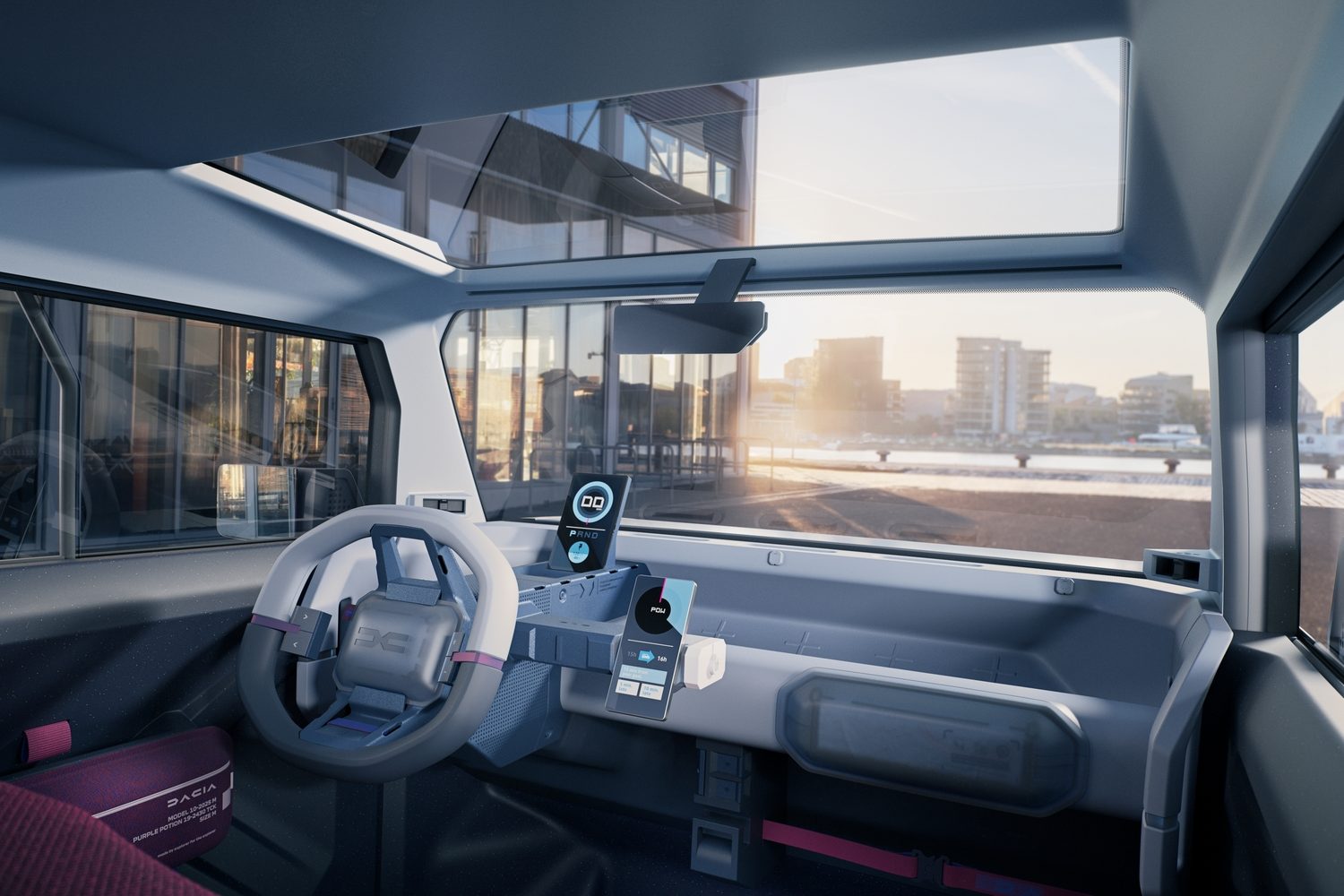
The side glass doesn't wind down but slides back and forth like that of an original Renault 4, which has allowed Dacia to carve out space in the door panels for comfy armrests, which even double up as removable bags.
Even in the back seats, the Hipster isn't too tight for space, and the front passenger seat tilts forwards enough to make getting in and out not too much of a chore.
Sold. When can I buy one?
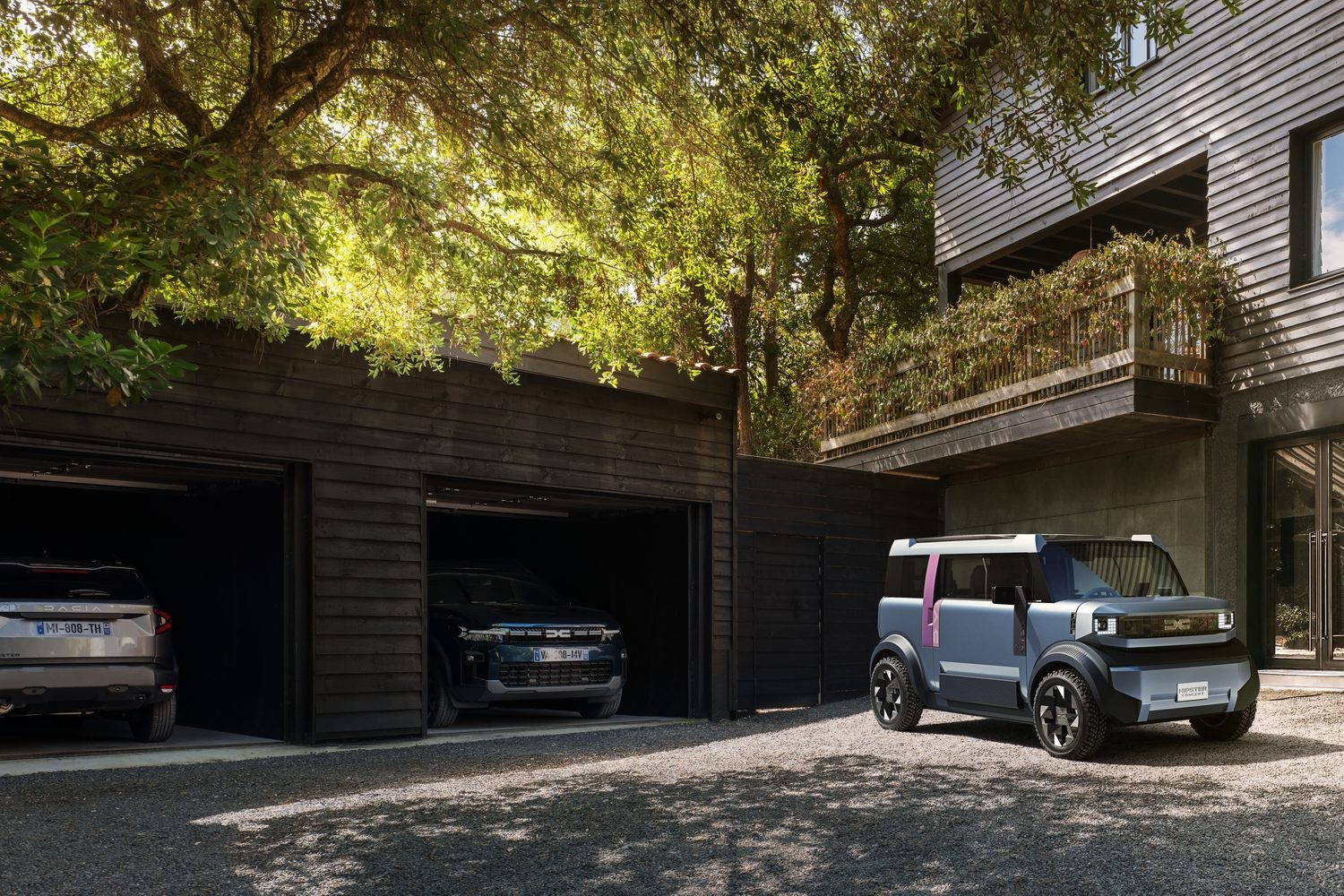
You can't. At least not for now. The Hipster as it is couldn't be built and sold in Europe because even with a sub-800kg weight, it's too heavy to be a quadricycle, and if it were turned into a normal passenger car, the extra safety gizmos currently demanded by legislation would make it too expensive. Hopefully, the Small Car Initiative regs can bridge that gap.
If it doesn't make production as is, the Hipster will doubtless influence the next generation of Dacias, with Durand saying he's keen on the idea of a sub-Duster, a Suzuki Jimmy-like 4x4 with styling similar to that of the Hipster.

Video player loading.
Video unavailable. Watch on YouTube
If there is anything about this story we have not covered, you can avail of our expert advice service via the Ask Us Anything page.