

So the Sandero Stepway's big news. What's the big news about the big news?
The big news about the big news, as you put it, is that the Sandero Stepway is getting a hybrid version to allow it to compete with the likes of the Toyota Yaris and the MG3. This is not some small hybrid either - this is the same 1.8-litre hybrid that so happily pulls the bigger Bigster SUV around.
How much power will it have?
The Sandero Stepway hybrid will have 155hp, and its electric motor - fed power from a 1.4kWh battery - can produce up to 205Nm of torque. That should make the Sandero Stepway hybrid pretty brisk, but of course the idea here is to save on petrol and trim carbon emissions. The Sandero Stepway hybrid has fuel consumption of 4.6 litres per 100km on the combined WLTP cycle and CO2 emissions of 104g/km - 21g/km down on the lowest emissions of the current version.
Will this engine go in the regular Dacia Sandero hatch?
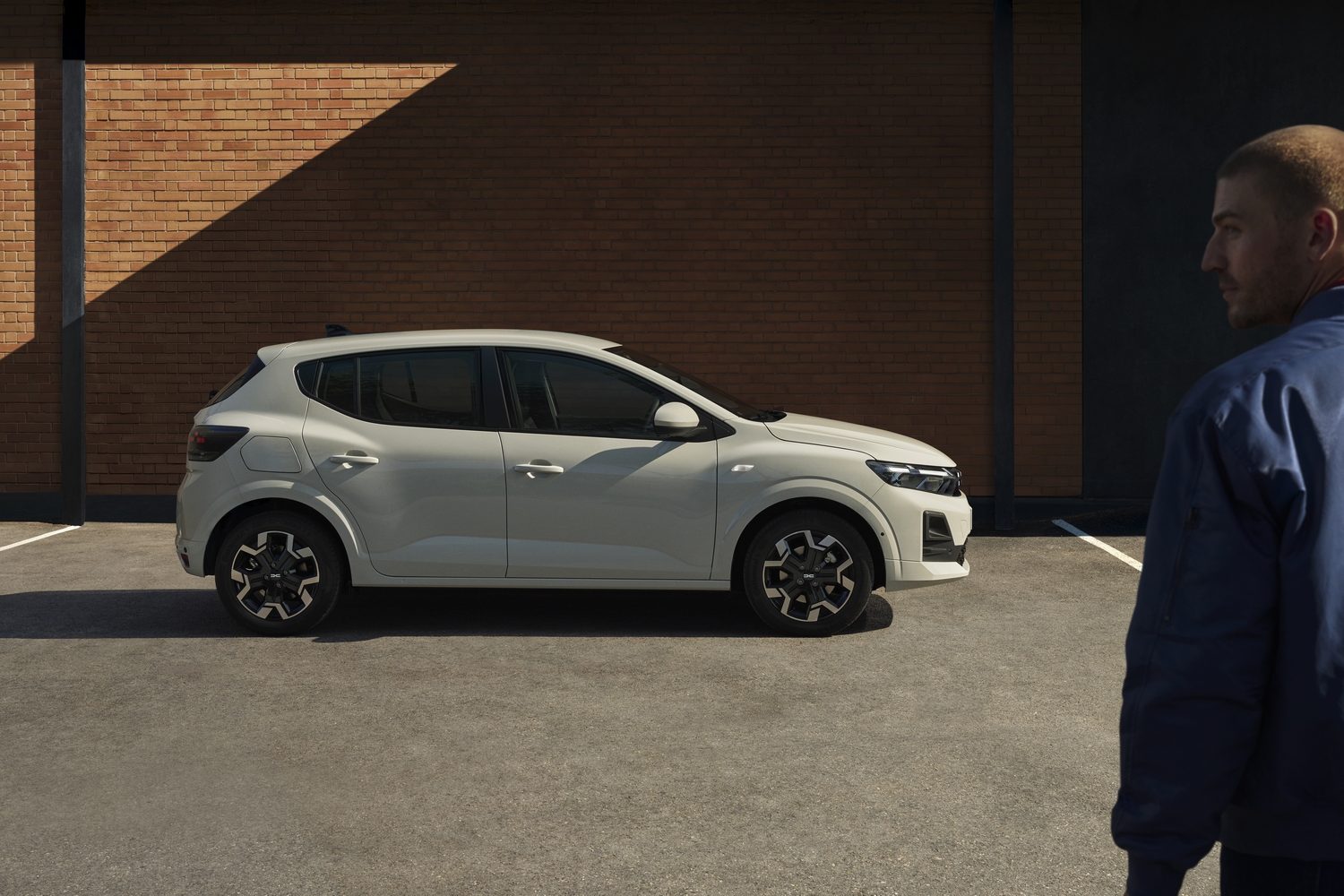
No, the hybrid powertrain is reserved exclusively for the Stepway for now, but both the Sandero and the Sandero Stepway are getting a general update at the same time that the hybrid model is being introduced.
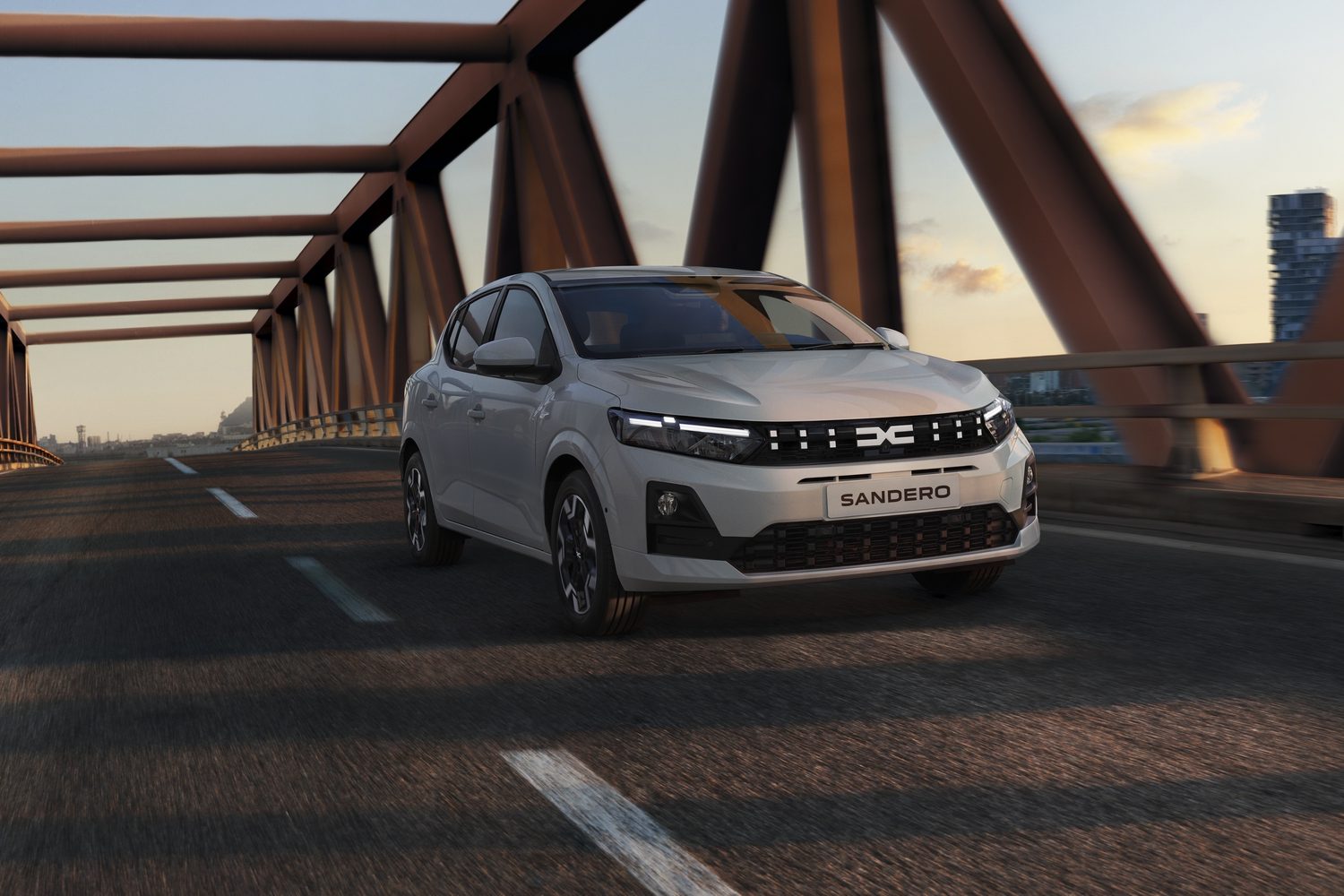
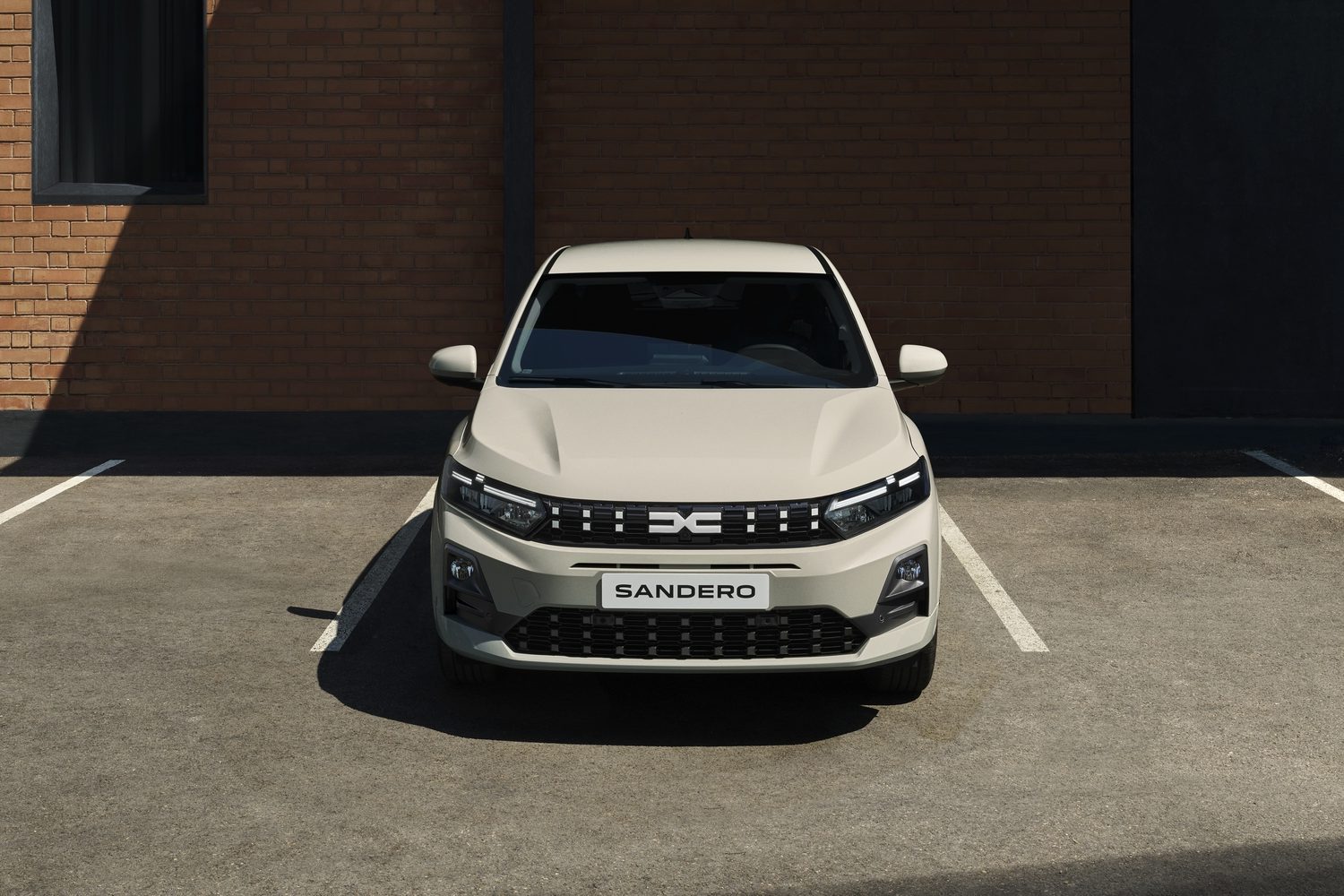
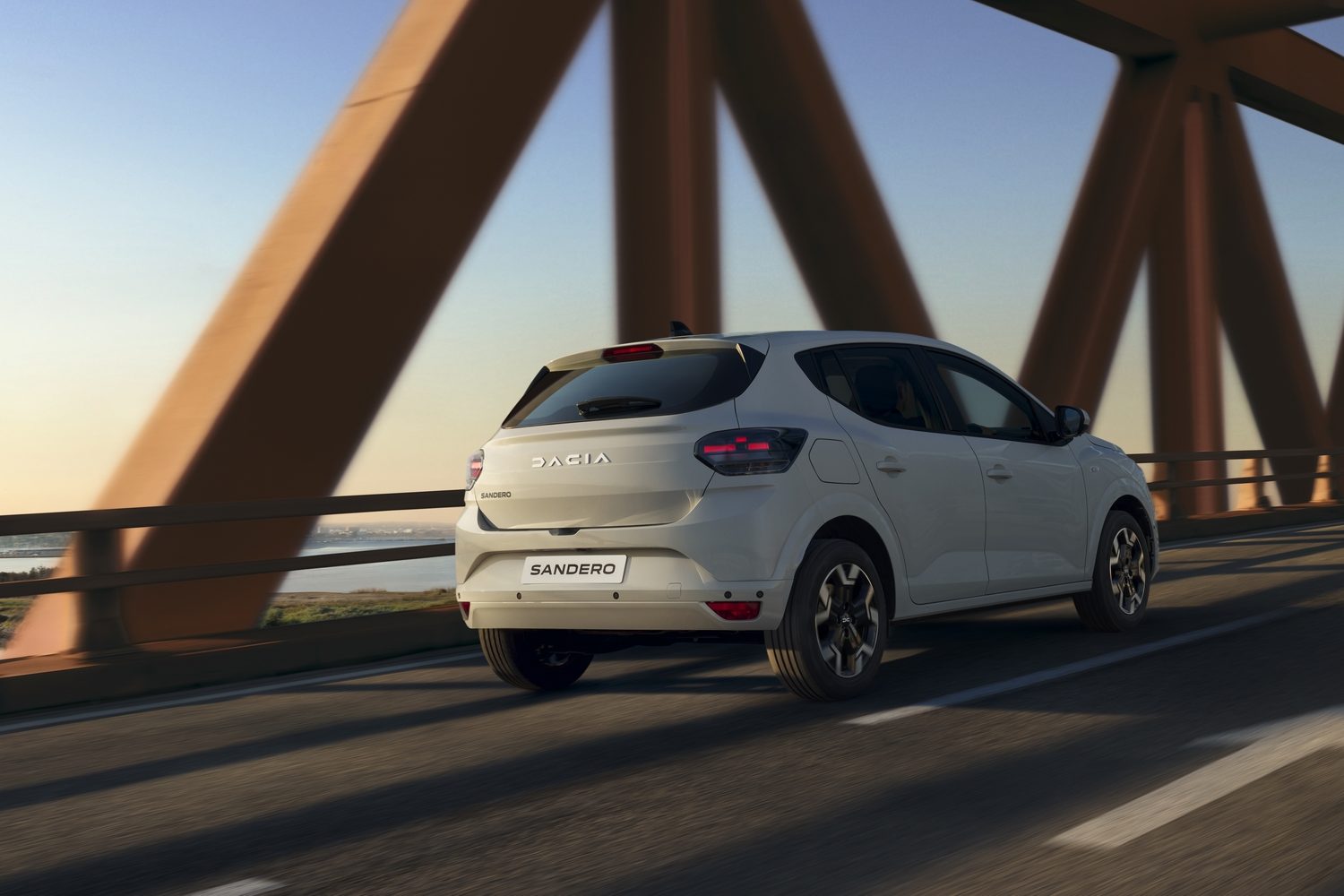
So, on the outside there are new lights with a new LED daytime running signature, and there are new upper and lower front grilles, which have a 'pixel-style' pattern.
Both Sandero Stepway and Sandero will now also come with exterior trim finished in Dacia's recycled 'Starkle' plastic, which doesn't need paint and so is more scratch- and scuff-resistant.
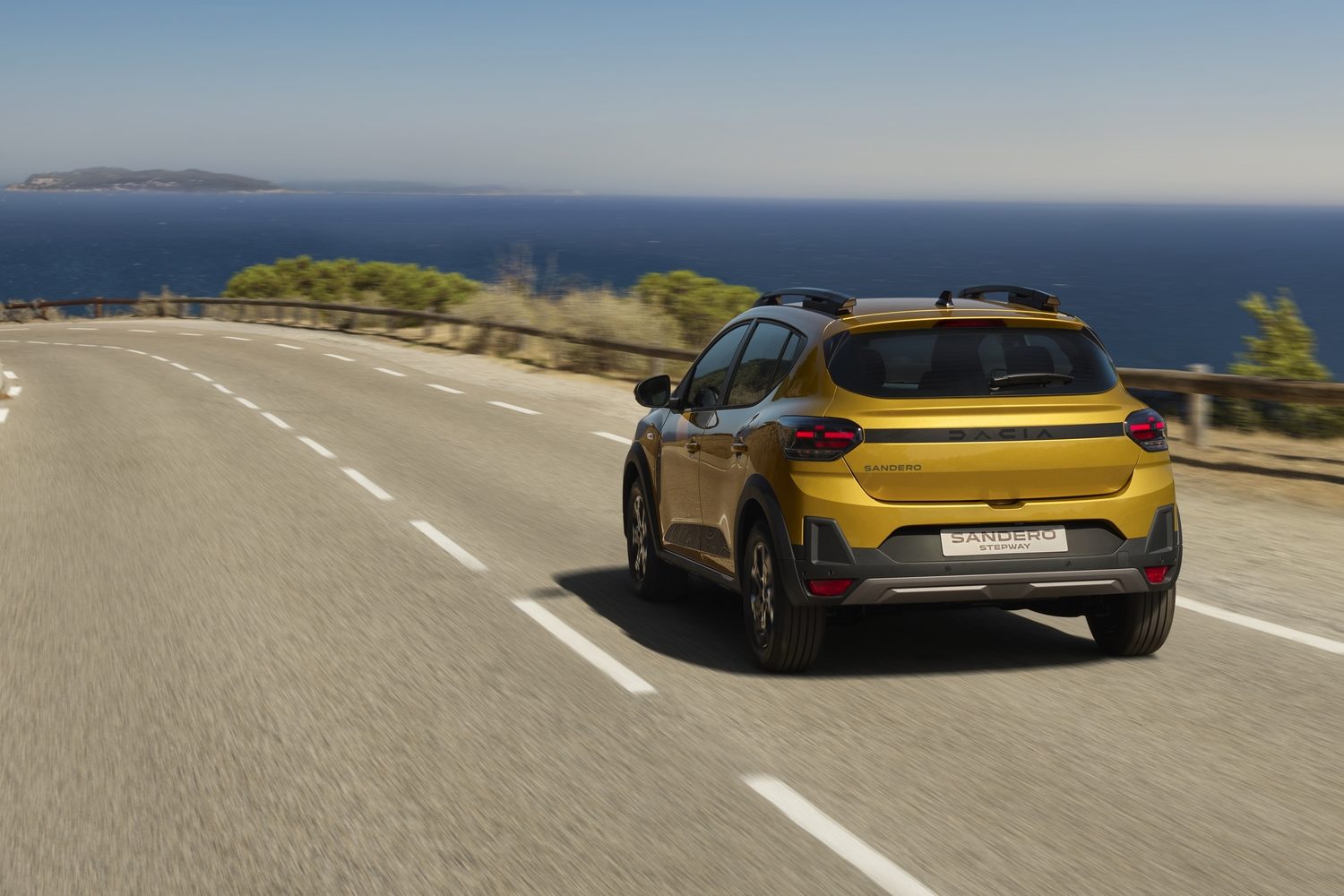
At the rear of the car, the brake lights and bumper have been tweaked, and there's now a 'shark fin' radio aerial from Expression models upwards, and you can have electric folding door mirrors too. The Sandero Stepway also now gets a matte-black stripe running between the brake lights.
Does the regular Sandero get any mechanical updates?
Yes, there's an updated version of the turbocharged 1.0-litre three-cylinder petrol engine, which gets a 10hp power boost, bringing it to 100hp.
There is also a new 'Eco-G' three-cylinder engine making 120hp, with an automatic gearbox as standard, but that's based on a dual-fuel LPG setup which won't be available in Ireland.
Any changes to the interior of the Sanderos?
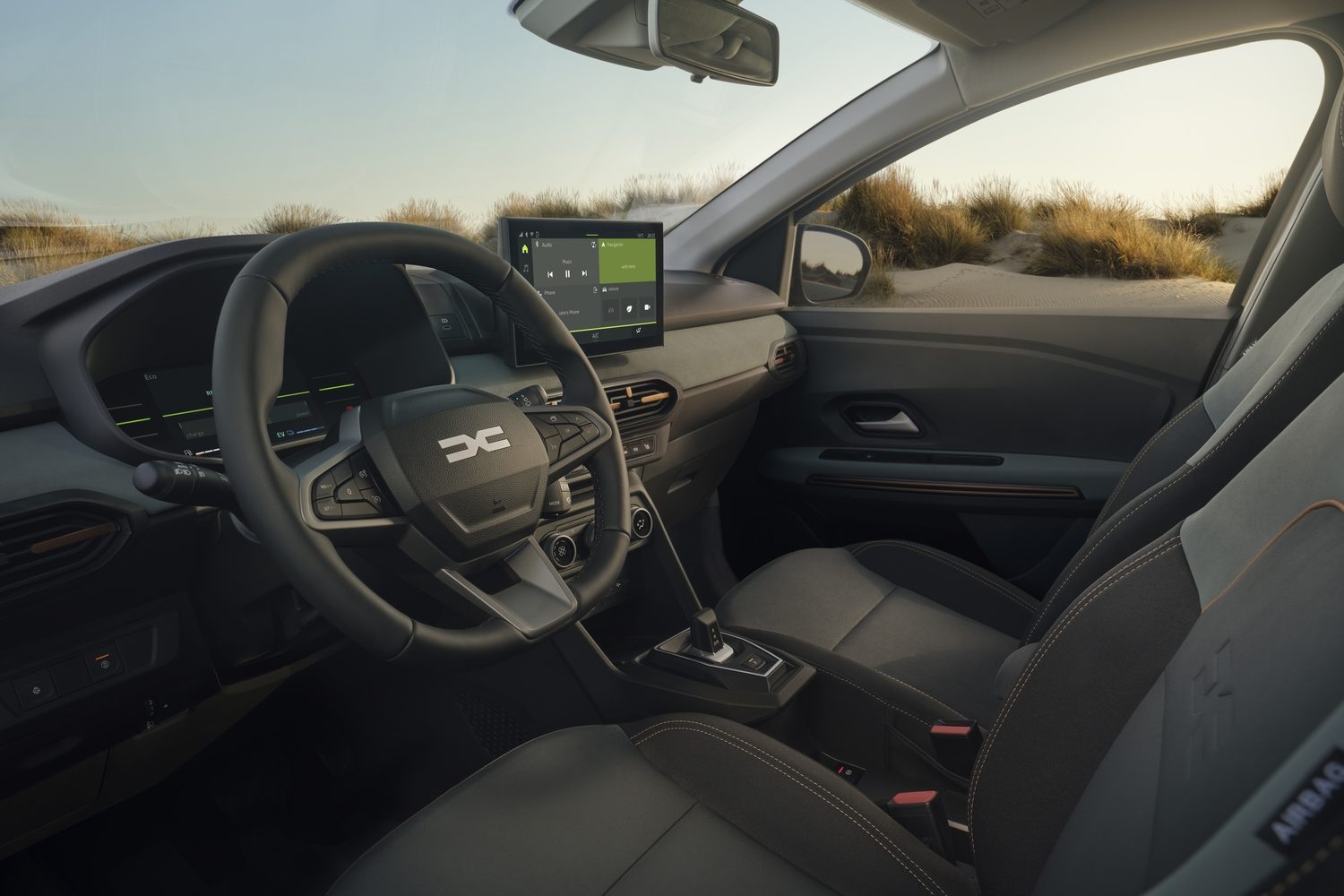
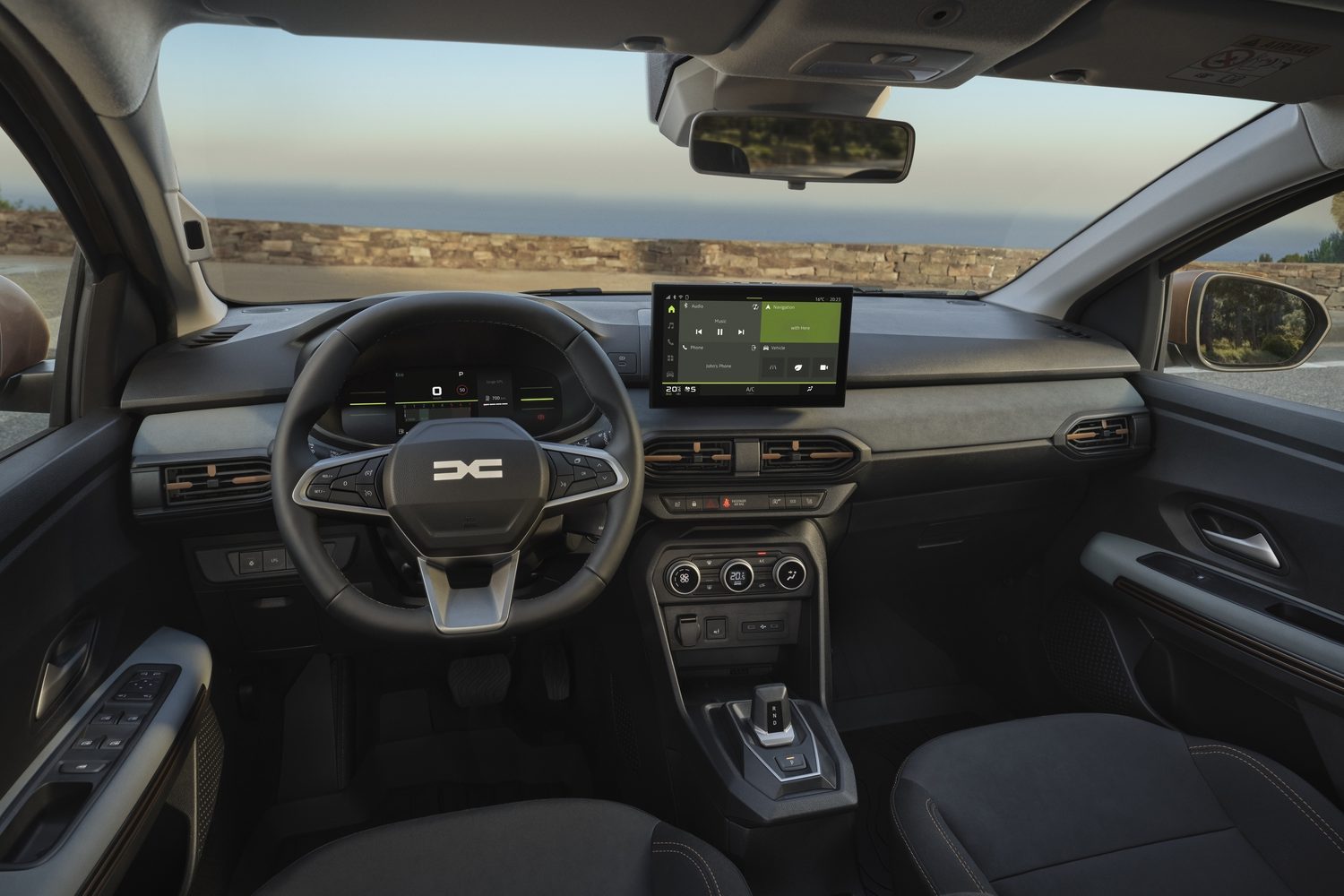
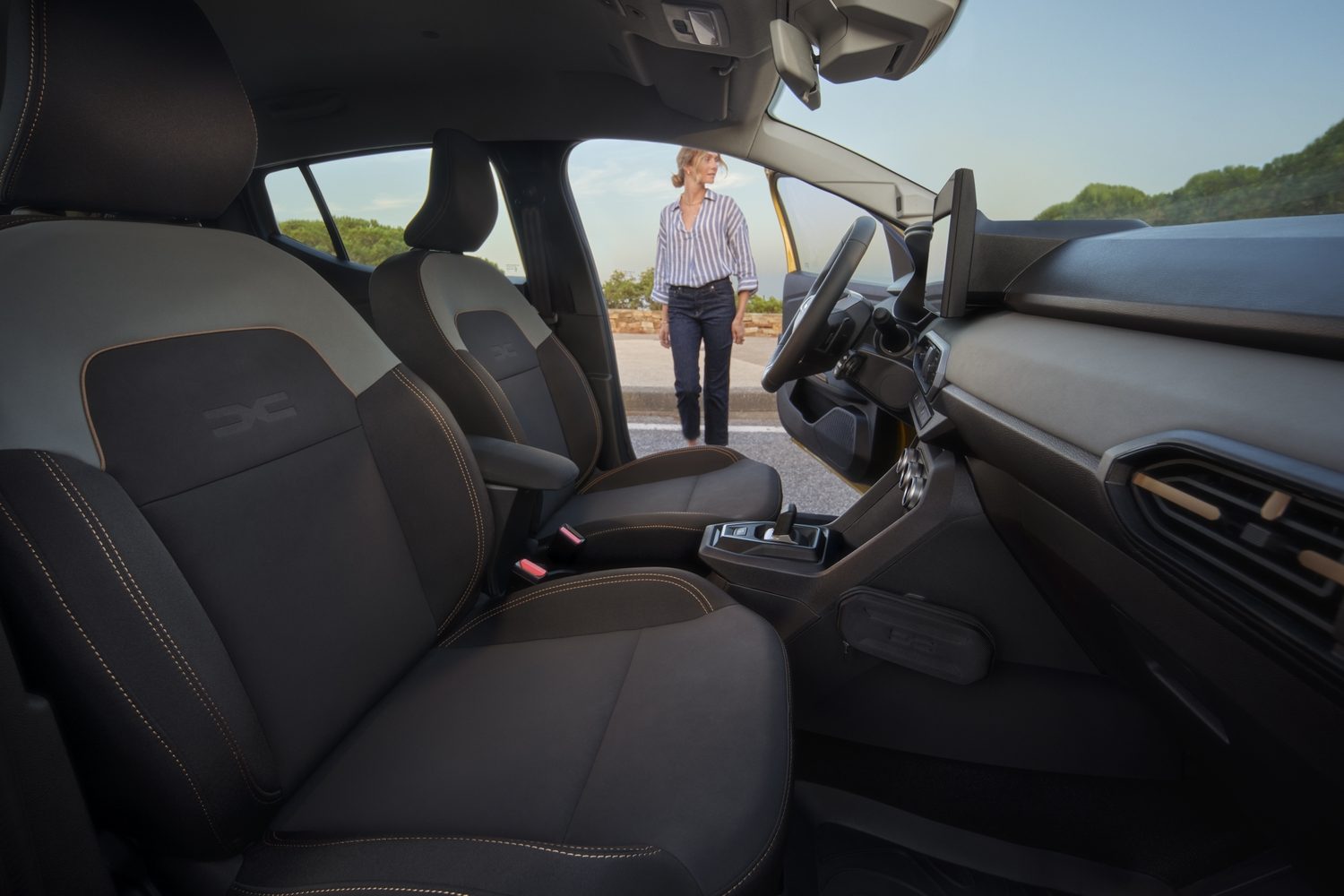
There is new fabric trim for the dashboard and doors (finished in a cool neoprene-style material called 'Microcloud TEP' for top-spec Extreme versions), a new optional 10.1-inch touchscreen infotainment system, lifted from the Duster and Bigster, and also the option of a seven-inch digital instrument panel, which is likewise used in other Dacias.
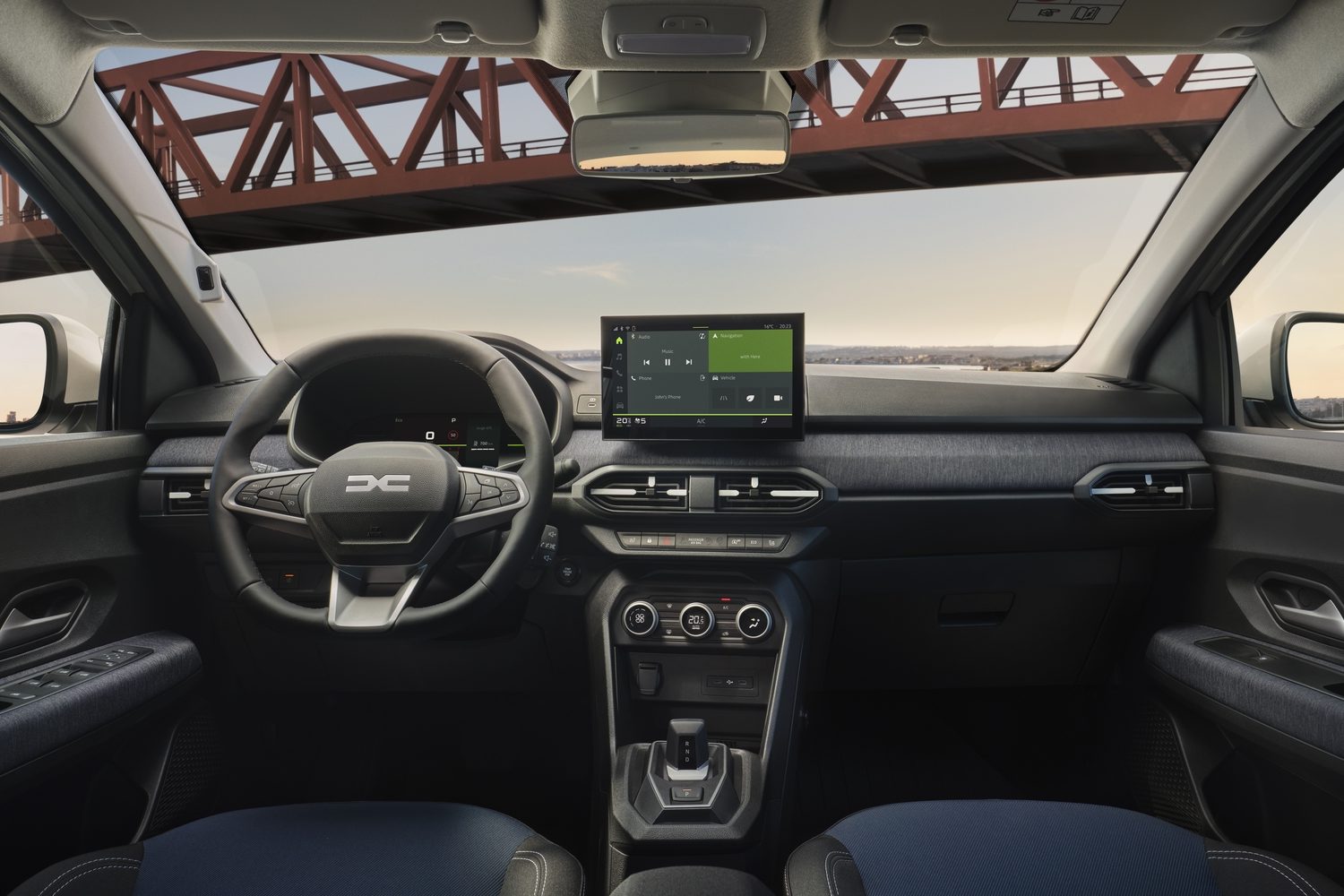
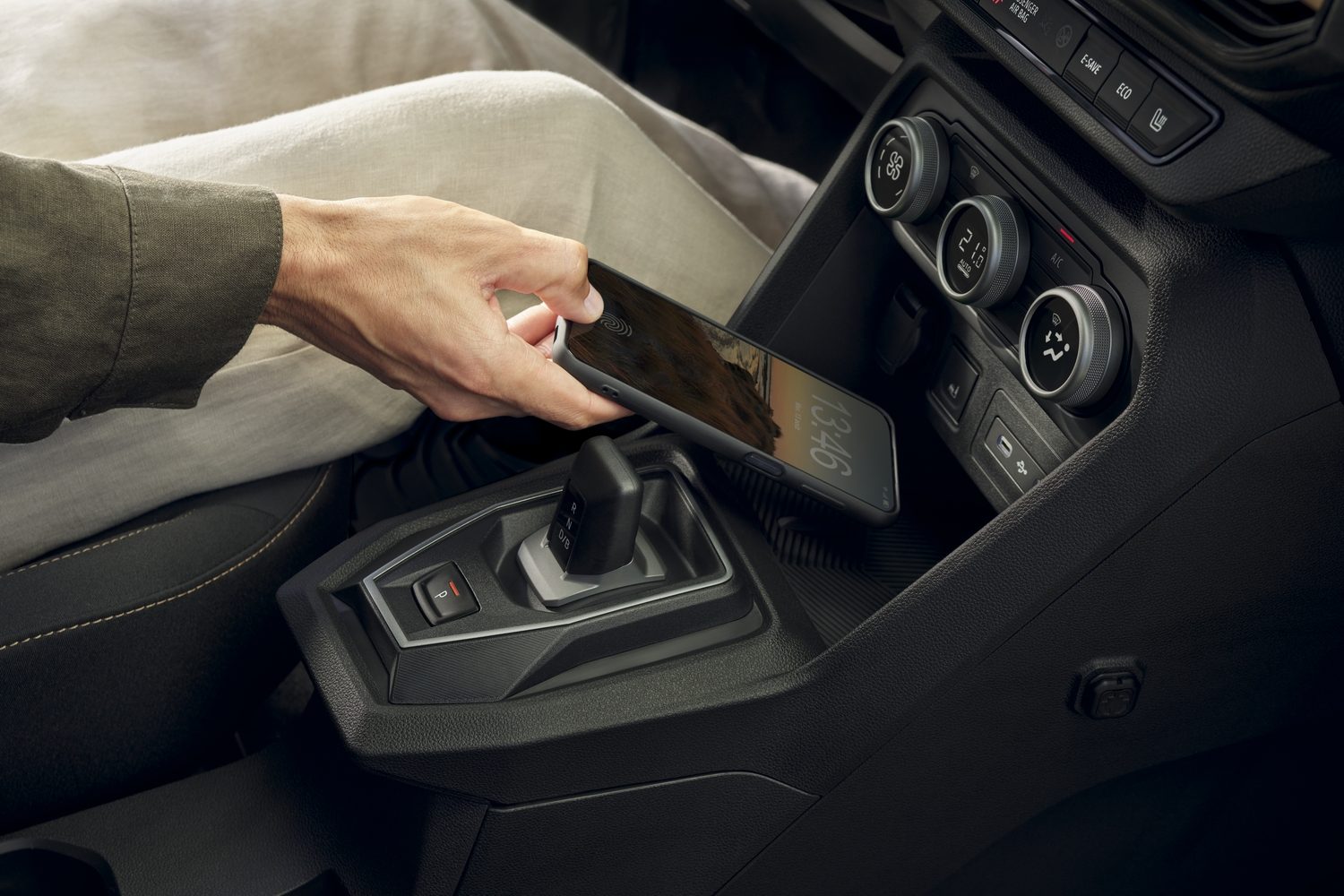
Oh, and new air vents on the dashboard too, while the Journey models get a cool new blue seat trim and for the first time in a Sandero or Stepway, there's wireless Apple CarPlay and Android Auto connections, and the option of a wireless phone charging pad.
And if you're looking to add more accessories, the Sandero and Stepway now get three of Dacia's neat 'YouClip' attachment points.
What about safety systems?
The Sandero and Stepway are getting a safety uplift, with new items such as auto high-beam lights, a multi-view camera system and more electronic safety aids such as an automatic emergency braking system that now includes pedestrian and cyclist detection, a driver drowsiness detection system and the same 'My Safety' button that you'll find in other Dacias and Renaults which allows you to call up customised safety settings with one click.
Interestingly, Dacia showed us another system which allows you to use your smartphone, running Dacia's own infotainment app, as a driver drowsiness detector. The system has been designed for use in models such as the basic Sandero, Jogger and Duster which don't have a standard touchscreen.
Instead, by using the Dacia app, you can connect your phone to the car and use it as the infotainment screen. Dacia is steadily incorporating new safety systems into this setup, including that driver monitoring camera and a tyre pressure monitor, but Euro NCAP won't allow Dacia any extra safety scores for that because, in the words of one Dacia engineer: “We can't make people bring their phones with them.”
What about the Dacia Jogger?
Well spotted - the Jogger, in spite of being a roomy seven-seater, shares its platform and engines with the Sandero twins, so while there already is a Jogger hybrid on sale, that model will shed its 140hp 1.6-litre hybrid in favour of the newer 1.8-litre 155hp unit.
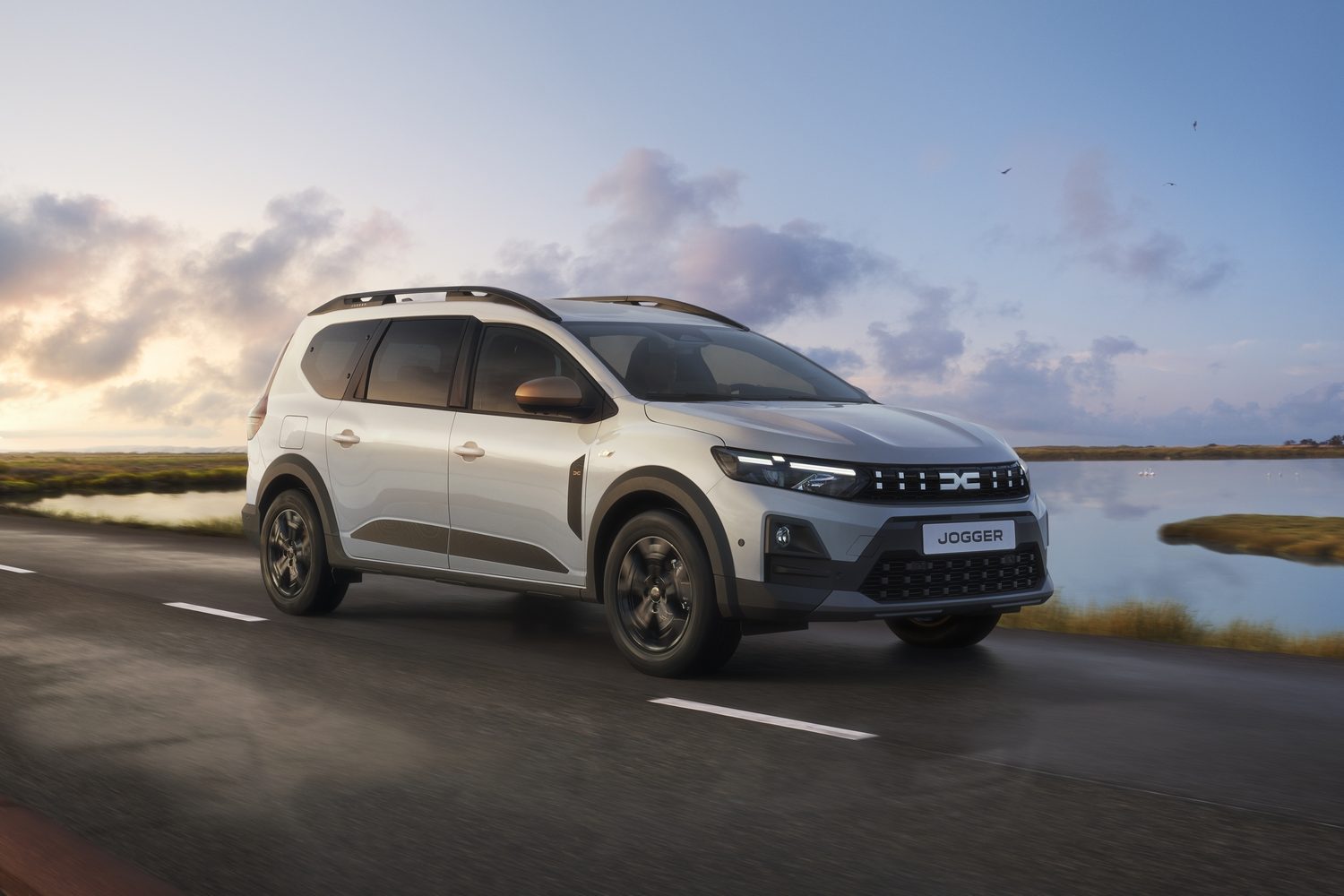
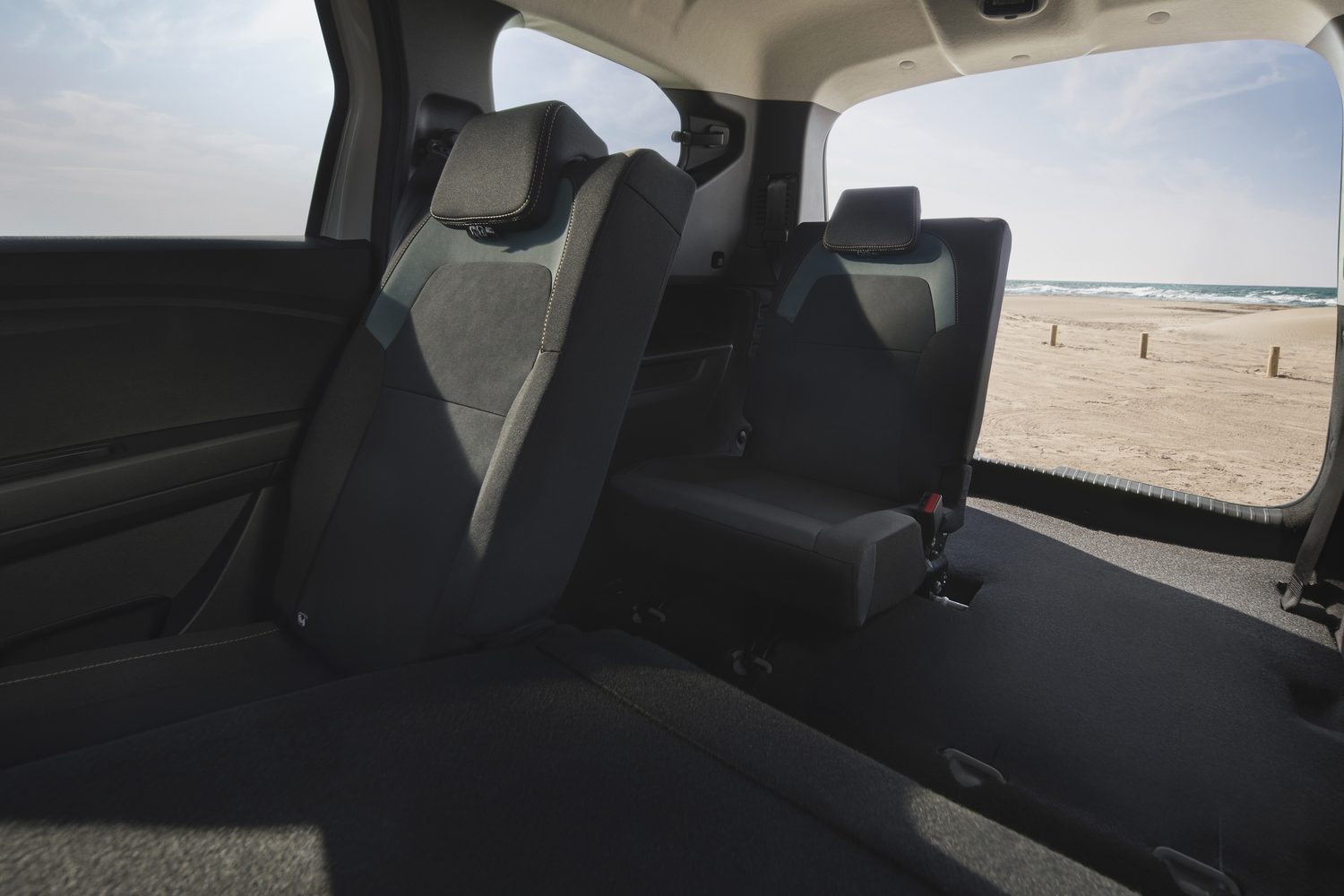
The Jogger also gets the same new grilles and lights at the front, and some new brake lights that accentuate the shape of the rear end a little more. There are fewer changes inside, as the Jogger already had access to a lot of the new equipment being offered on the Sandero and Stepway for the first time.
When can I buy any of these in Ireland?
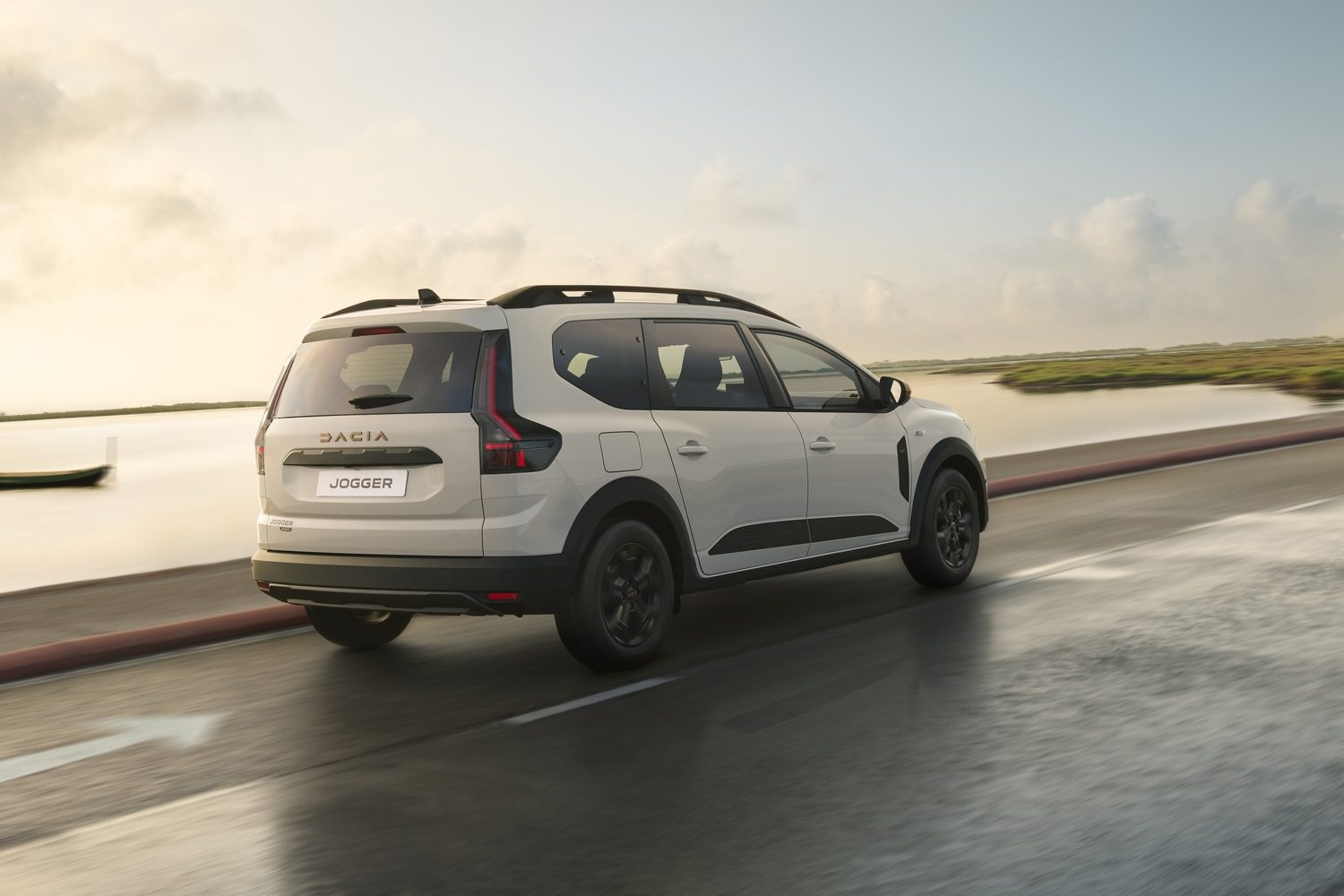
Prices for the Irish market haven't yet been set, but according to Dacia Ireland, the first of these new Jogger models will be built in October/November and so should be arriving in Irish dealers in time for '261' registrations in January. The Sandero and Sandero Stepway will be arriving at about the same time, but you might have to wait until later in 2026 for the Sandero Stepway hybrid.
If there is anything about this story we have not covered, you can avail of our expert advice service via the Ask Us Anything page.