

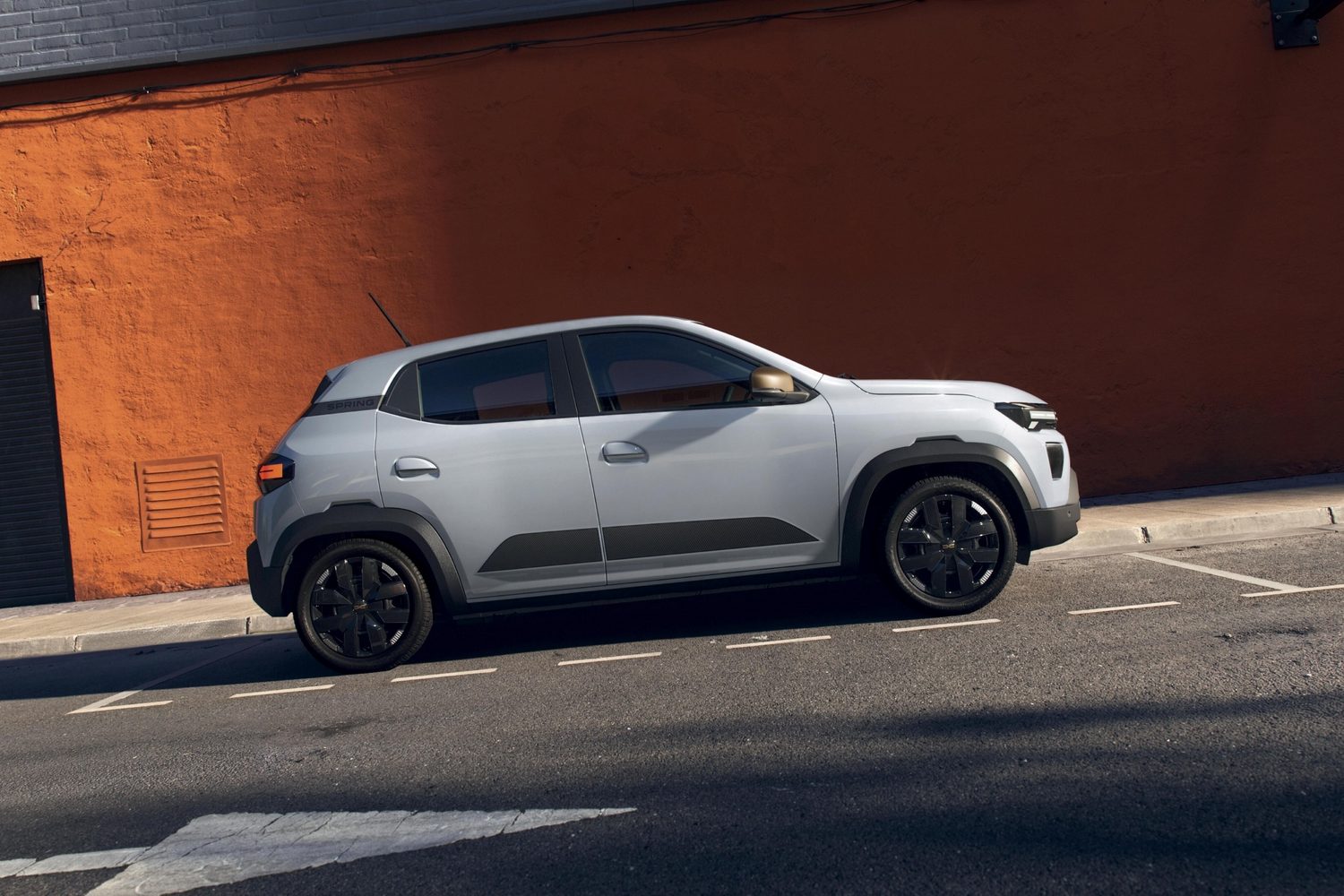
Does that mean the Spring gets more range?
I'm afraid not. The Spring's new battery is a 24.3kWh lithium-iron phosphate (LFP) unit, which is very good news as LFP batteries tend to be more long-lived and dependable than the sometimes more delicate nickel-manganese-cobalt (NMC) battery designs. However, the eagle-eyed amongst you might have noticed that this new battery's energy storage capacity is 2.4kWh less than that of the old battery.
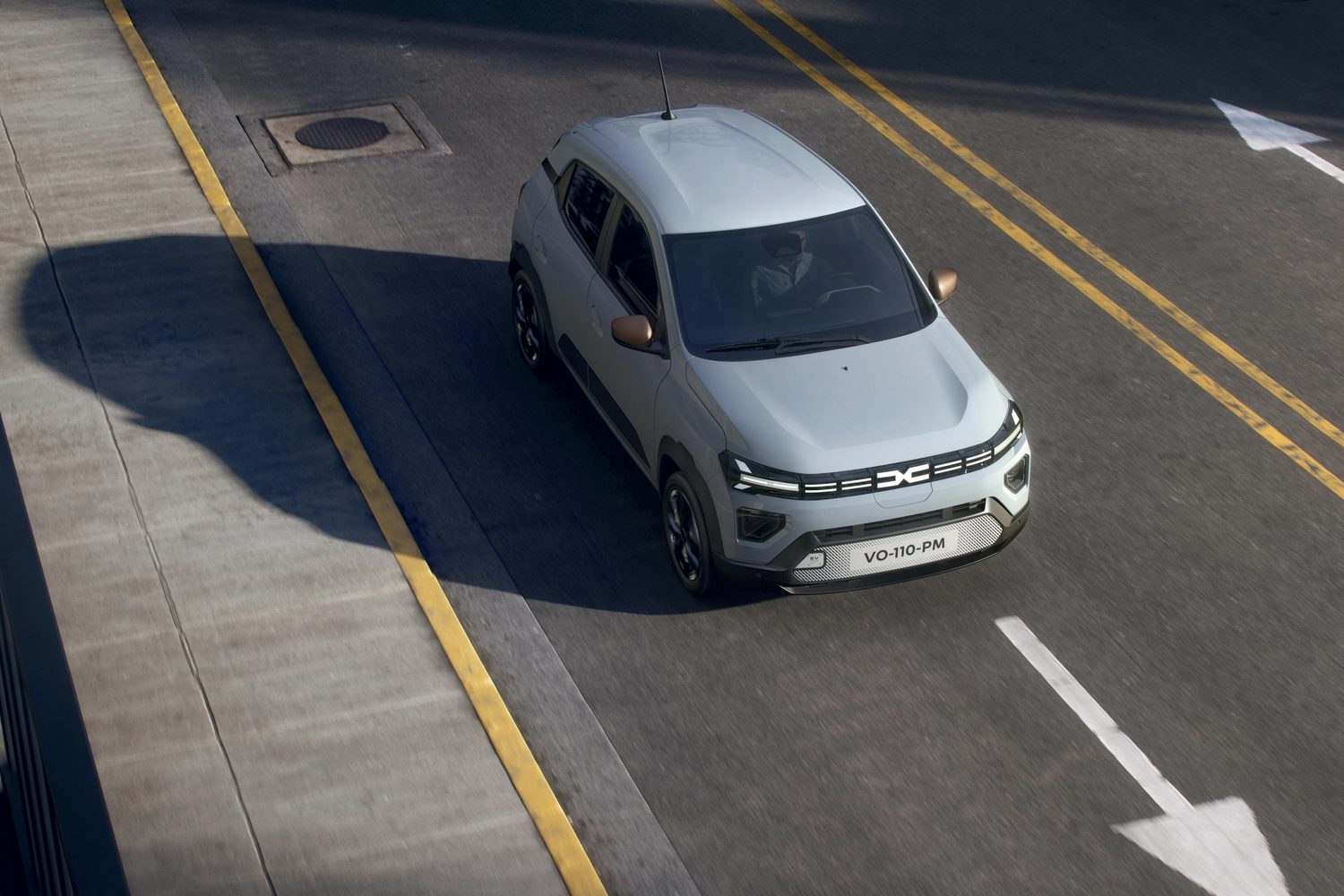
Nonetheless, this doesn't mean that the Spring has less range - in fact, it's rated at the same 225km on the WLTP test as before.
How is the Spring getting the same range from a smaller battery?
I'm so glad you asked - basically, the answer is better efficiency. That's both in terms of the car's aero package and its electric motors.
Let's start with the motors, which are entirely new and now come in a choice of 70hp or 100hp power outputs - considerably more than the 45hp and 65hp motors previously offered. The 70hp motor will be fitted to Essential and Expression models, while the 100hp motor is reserved for the top-spec Extreme.
The Spring's performance has been totally transformed by these new motors. Now, the entry-level 70hp version takes 10.3 seconds to reach 100km/h, whereas the old 45hp model took 26.2 seconds. The 100hp Spring can hit 100km/h in a frankly dizzying 6.9 seconds, compared to 14.0 seconds for the old 65hp model.
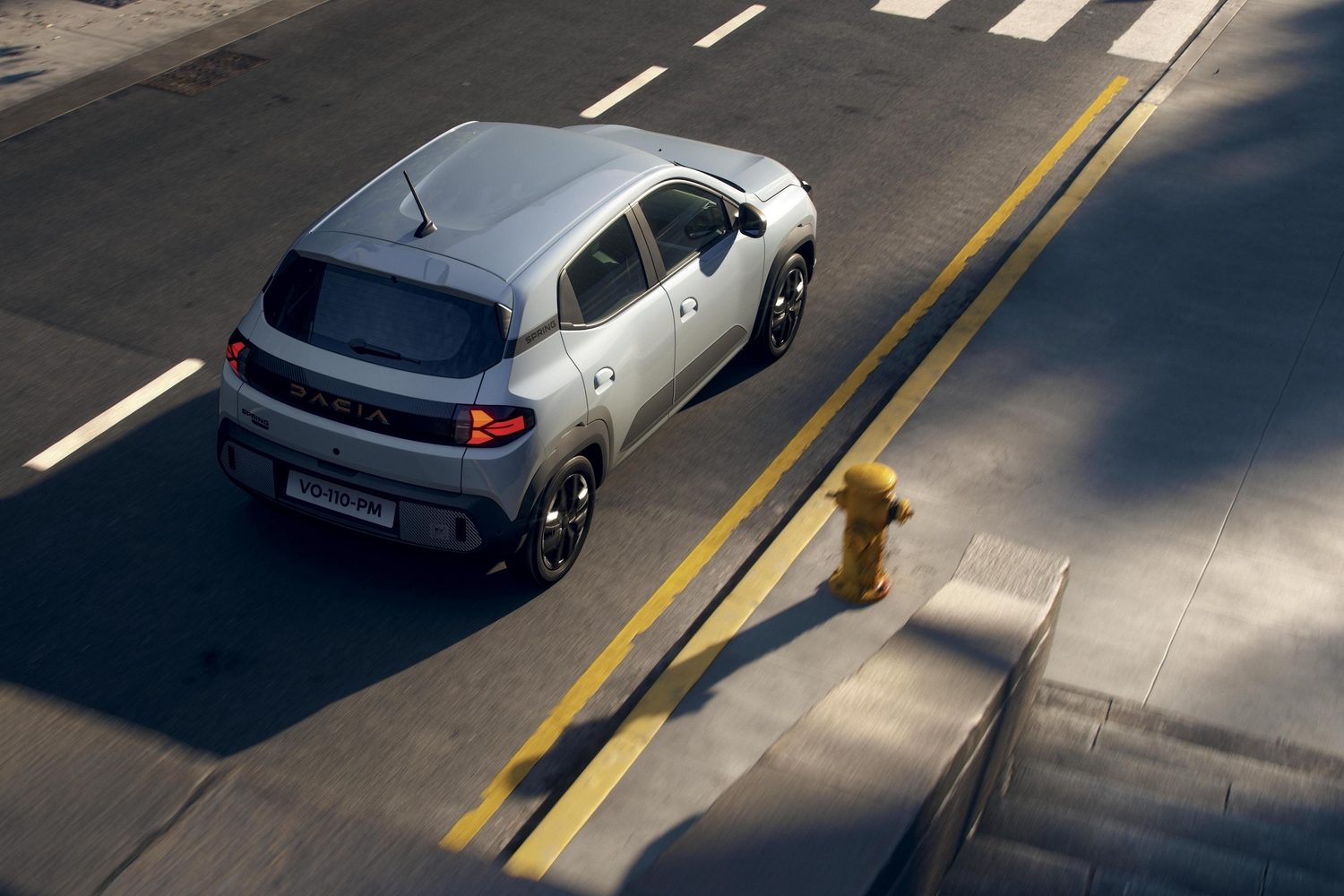
In spite of the extra power, these new motors are claimed to be way more efficient, thanks in part to them being 'seven-in-one' units, where major systems including the inverter and the charging system are now integrated into a single unit.
There's also an increase in the DC charging speed, up to 40kW from 30kW. That means you can charge from 20-80 per cent in 29 minutes, in theory.
Not that you'll need to charge all that much anyway - Dacia's claim is that the majority of Spring owners only cover 34km per day in four trips at an average of 34km/h, so in theory a Spring can get you through a week of this kind of driving on one charge.
What about the other efficiency gains?
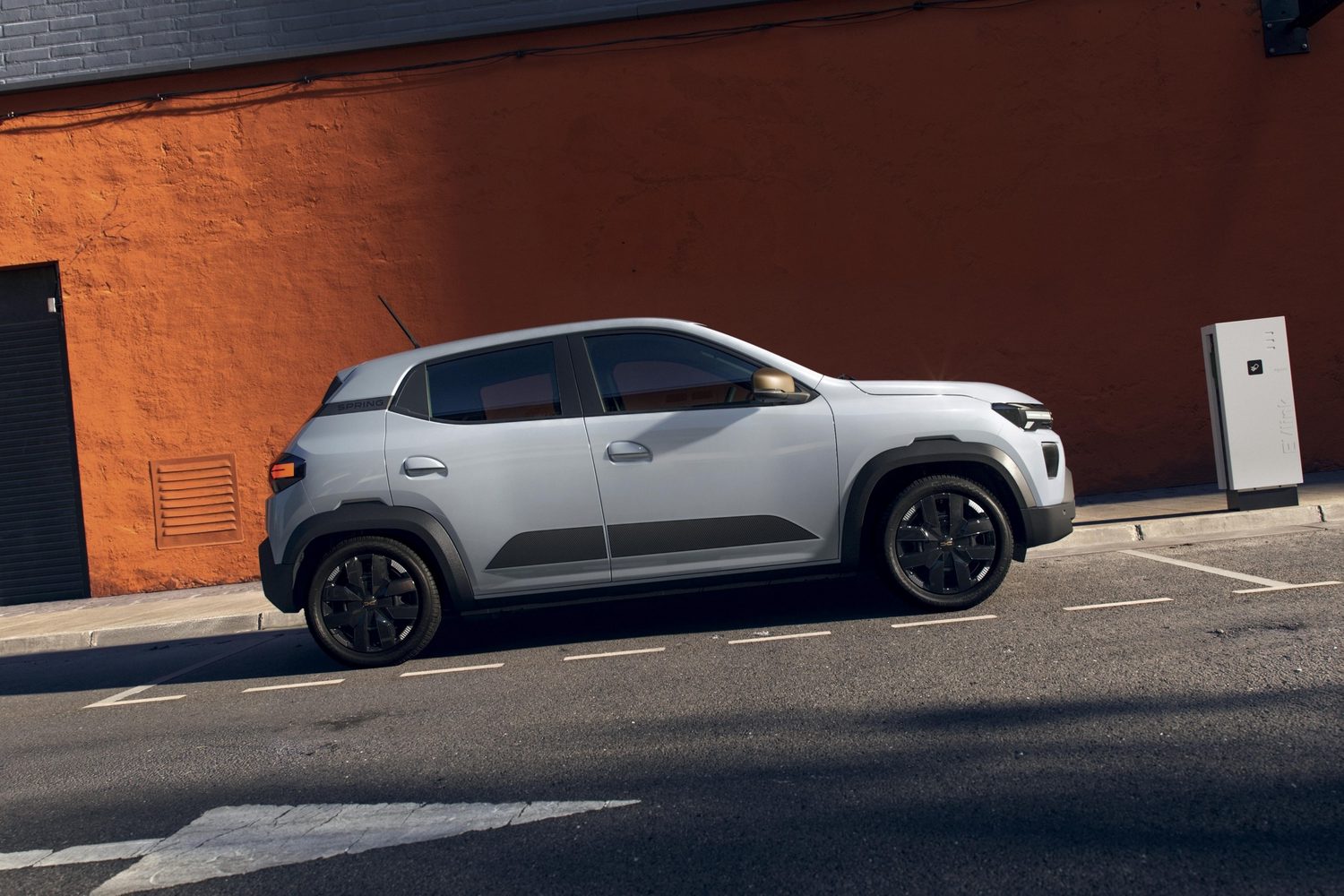
The rest of the improved efficiency comes largely from aerodynamic enhancements, which Dacia says smooths out the airflow and, especially, controls the airflow under the car. All of that adds up to average energy consumption of just 12.4kWh/100km, down from 13.5kWh/100km in the existing Spring.
Any other major changes?
The battery hasn't just changed chemistry; it's changed shape too. Instead of a big box that fitted in under the passenger seat, the Spring's new LFP battery is a more traditional flat shape that fits under the floor. To get the new battery to fit, Dacia has strengthened the Spring's centre section, and that has also allowed it to fit the Spring with a front anti-roll bar, as well as tweaking the suspension all-round, and the steering. That should help to reduce the Spring's tendency to wallow in fast corners.
Expect the updated Dacia Spring to arrive in Ireland in early 2026.
If there is anything about this story we have not covered, you can avail of our expert advice service via the Ask Us Anything page.