

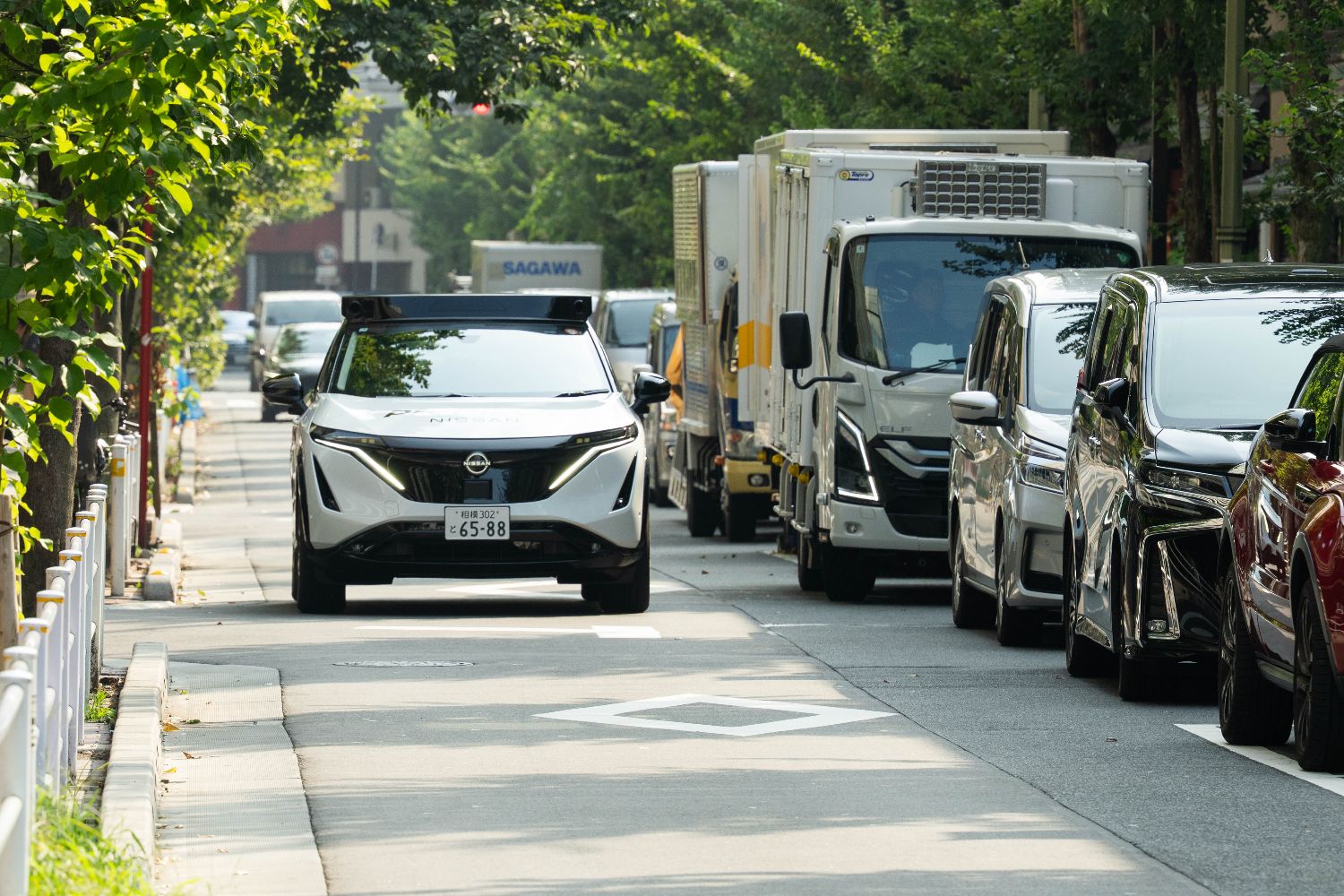
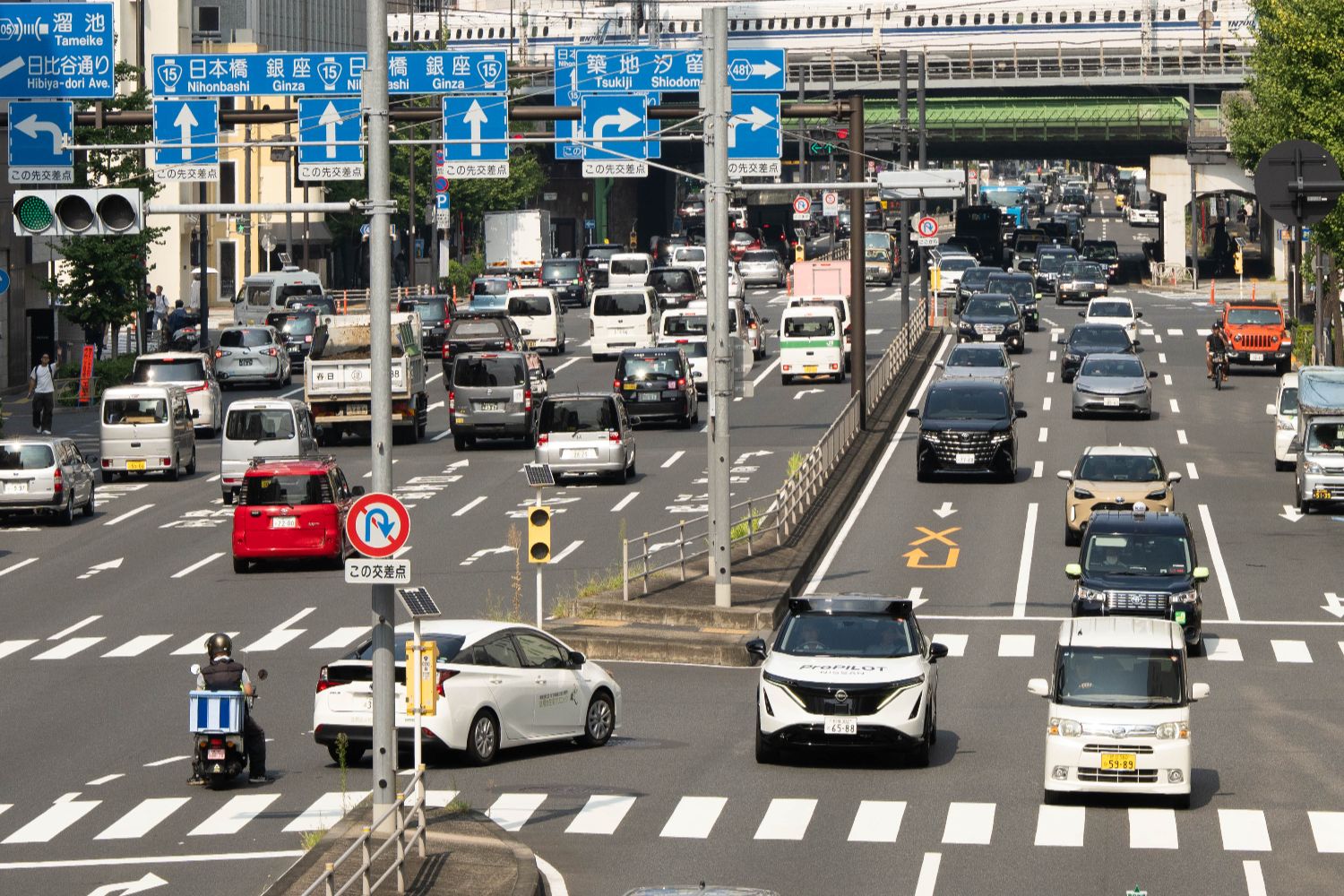
At the heart of the tech is a software system developed by UK-based company Wayve, which processes live camera data to anticipate hazards and adjust to fast-changing road conditions. Unlike earlier systems that rely on reacting to individual vehicles or objects, the new system interprets entire driving scenes and predicts how they are likely to unfold. Nissan says this allows the car to behave more naturally and adjust to urban driving in a way that mirrors how experienced drivers think and respond.
Eiichi Akashi, Chief Technology Officer of Nissan, said: “Our current ProPilot 2.0 system has been well received, but Nissan's next-generation ProPilot technology will bring even more innovative features and deliver the feeling that a skilled human driver is behind the wheel. It will adapt to more complex traffic conditions and truly provide greater confidence and peace of mind - enhancing safety not only for the driver, but for everyone using the road”.
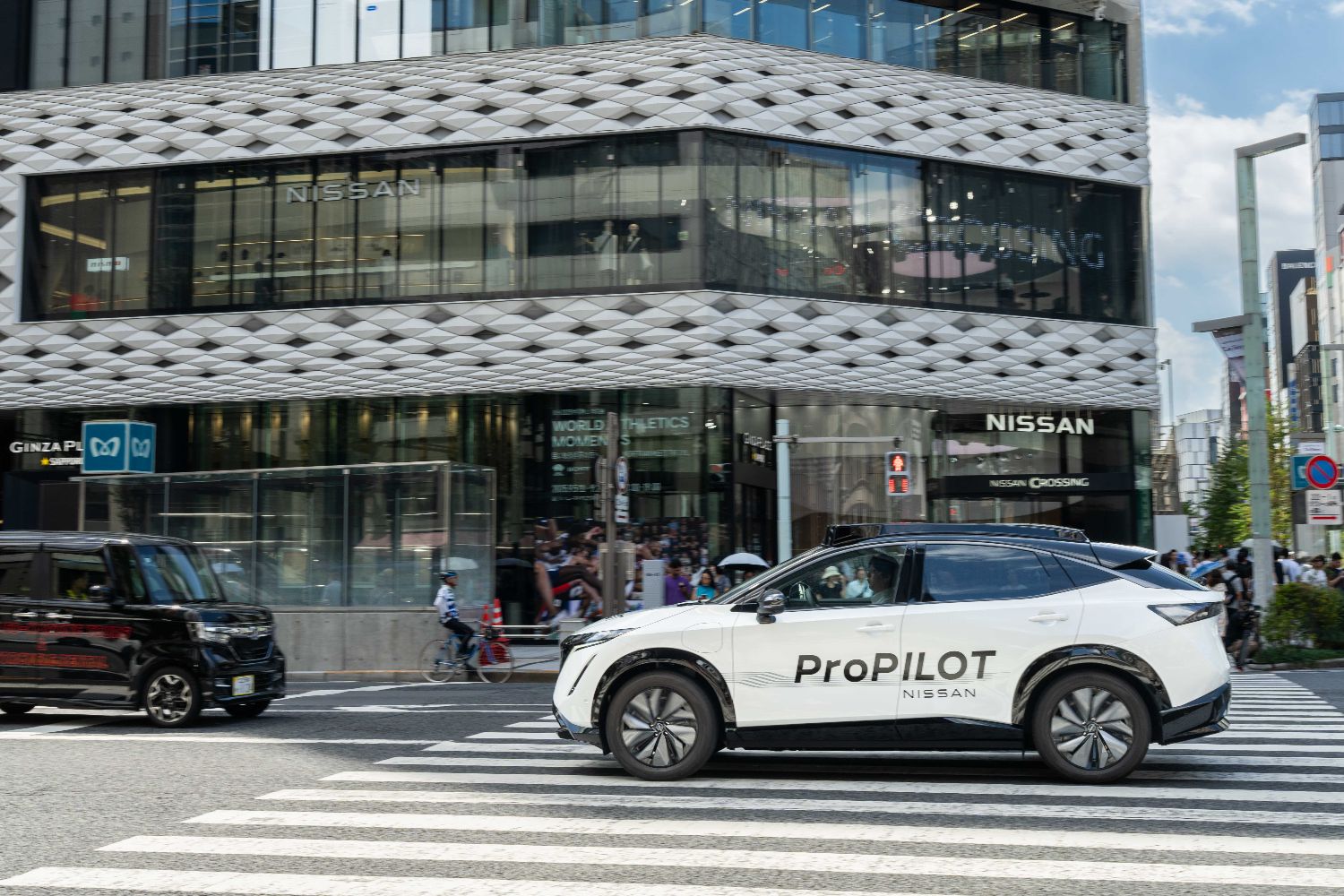
The AI driver is supported by what Nissan calls its 'Ground Truth Perception' suite, which includes high-resolution LiDAR, which is a laser-based sensor that can detect objects at long range, even in poor visibility.
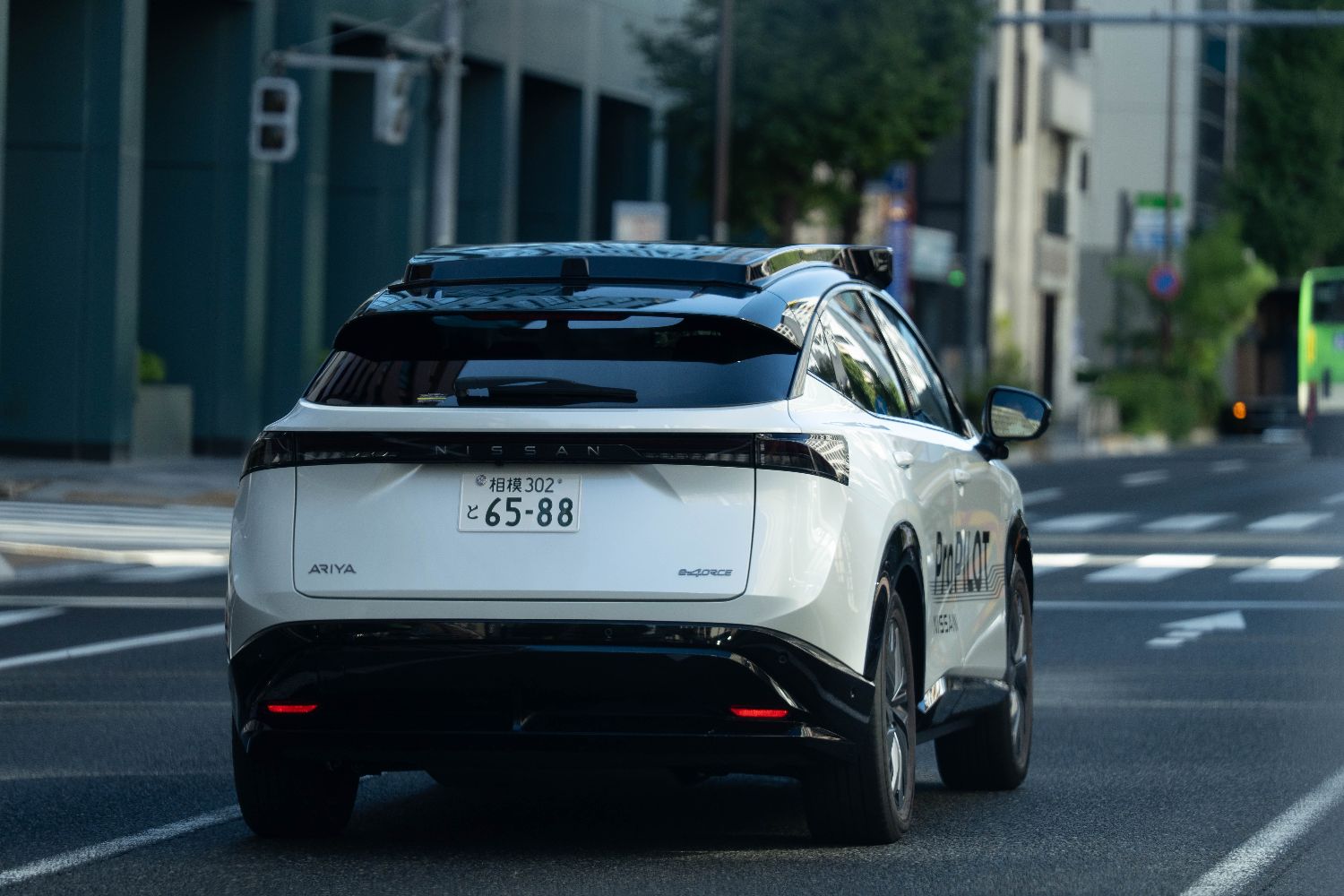
According to Nissan, this enhances safety at high speeds or in low light, where cameras alone may struggle. Each test vehicle is fitted with 11 cameras, five radar units and a roof-mounted LiDAR sensor.
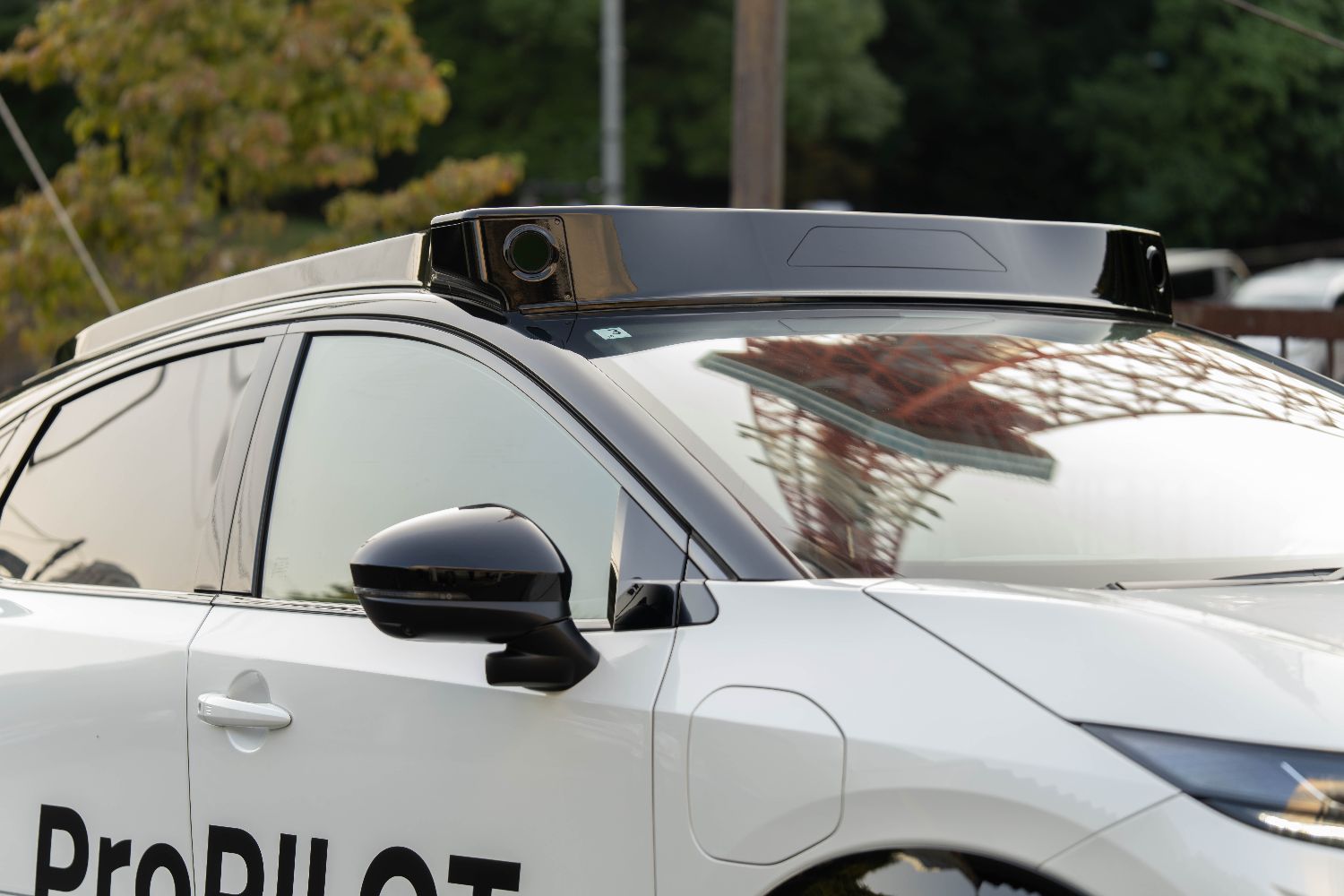
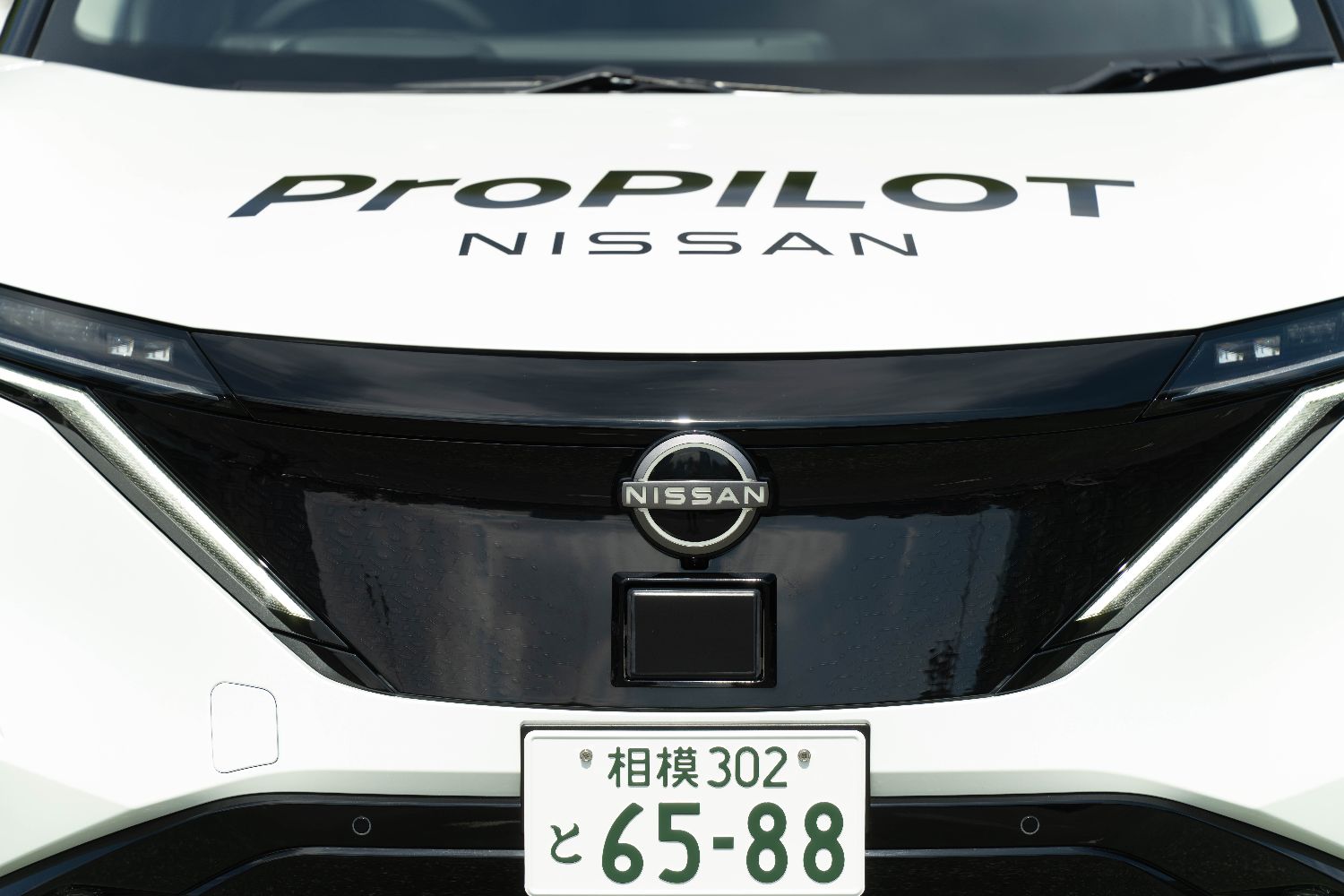
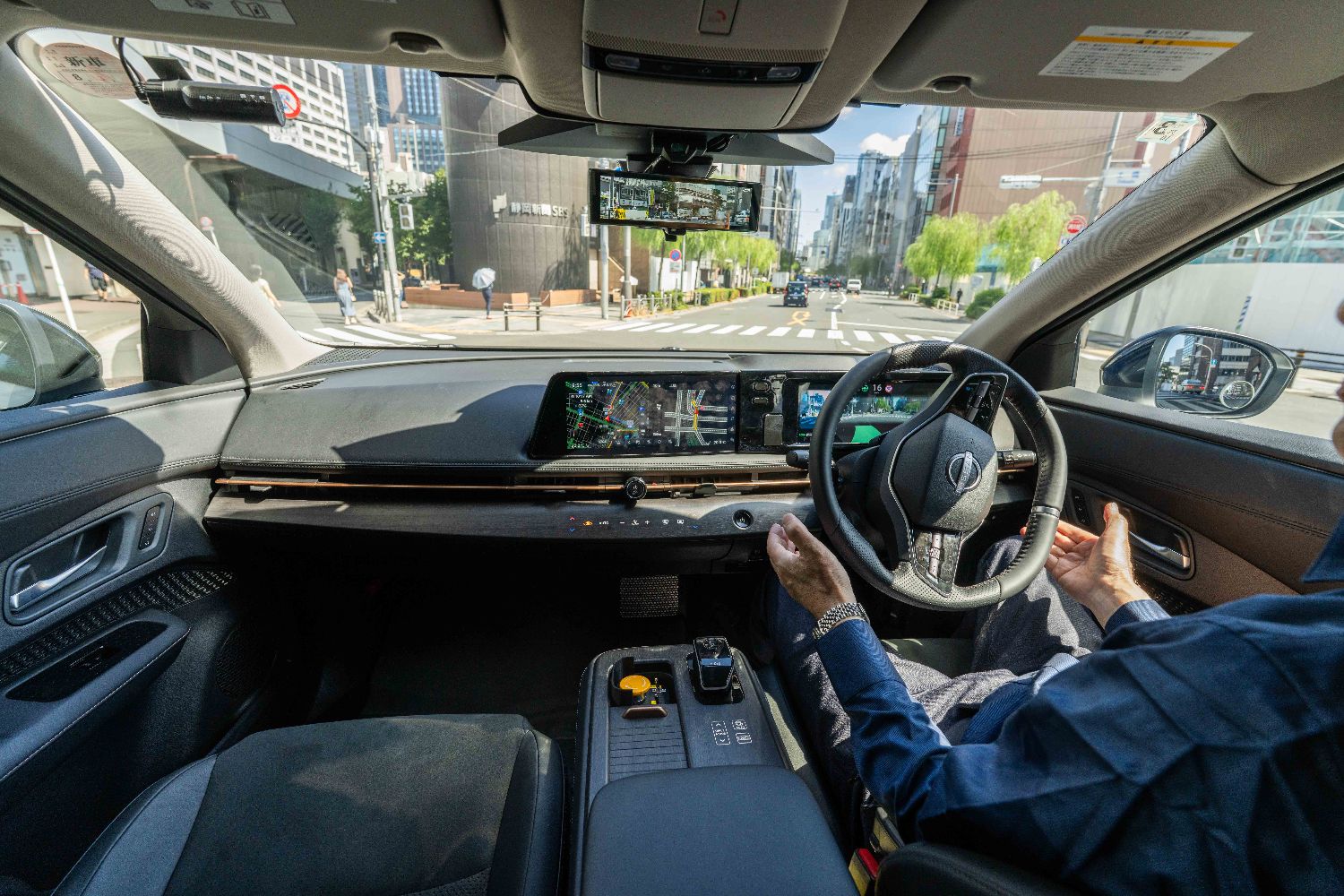
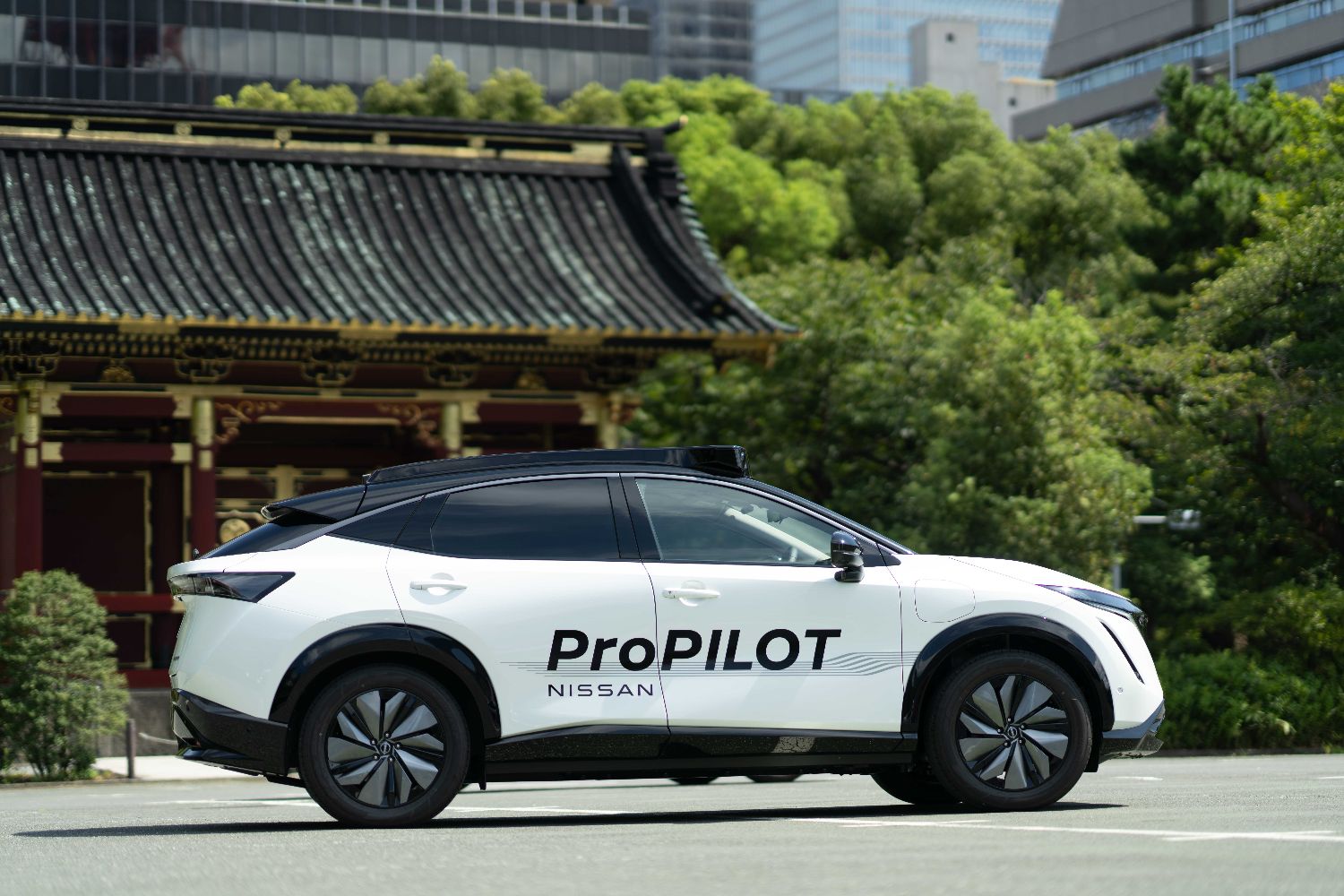
The prototypes used for demonstration are based on the all-electric Nissan Ariya SUV and have been navigating central Tokyo to illustrate how the technology handles complex traffic scenarios. Nissan is not positioning this as fully autonomous driving; a driver must remain behind the wheel and ready to intervene at any time, in line with current SAE Level 2 standards.
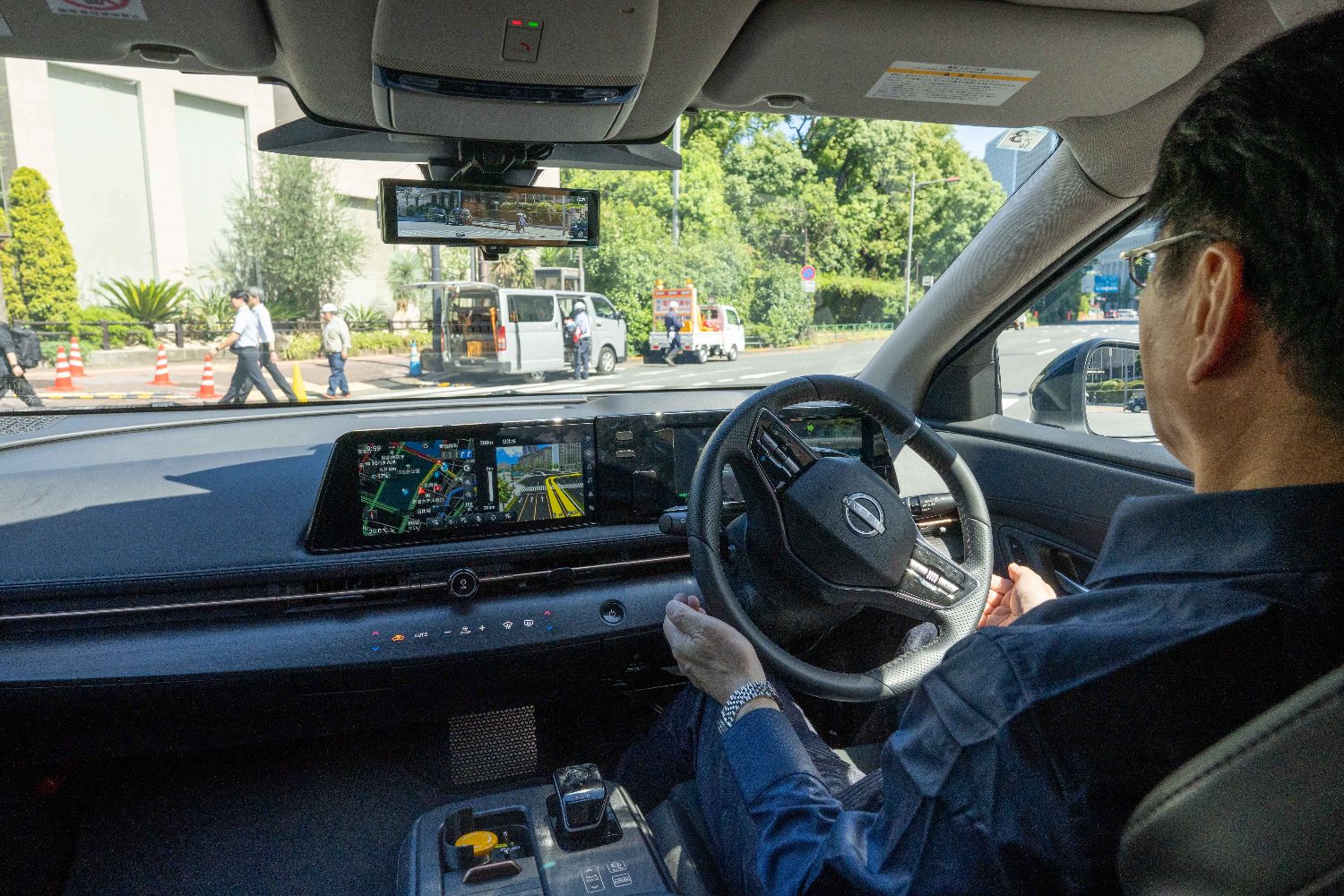
The upcoming ProPilot upgrade marks a shift from existing systems like ProPilot 2.0, which are mostly limited to highway driving. With this next phase, Nissan aims to extend driver support into urban settings, where the variables are greater and the technology needs to make more nuanced decisions.
While the new ProPilot system is being developed for the Japanese market initially, it reflects wider industry moves toward embedding AI into mainstream mobility. Nissan has not confirmed when the technology will reach cars sold on the Irish market.
If there is anything about this story we have not covered, you can avail of our expert advice service via the Ask Us Anything page.