

The design of the BMW iX3
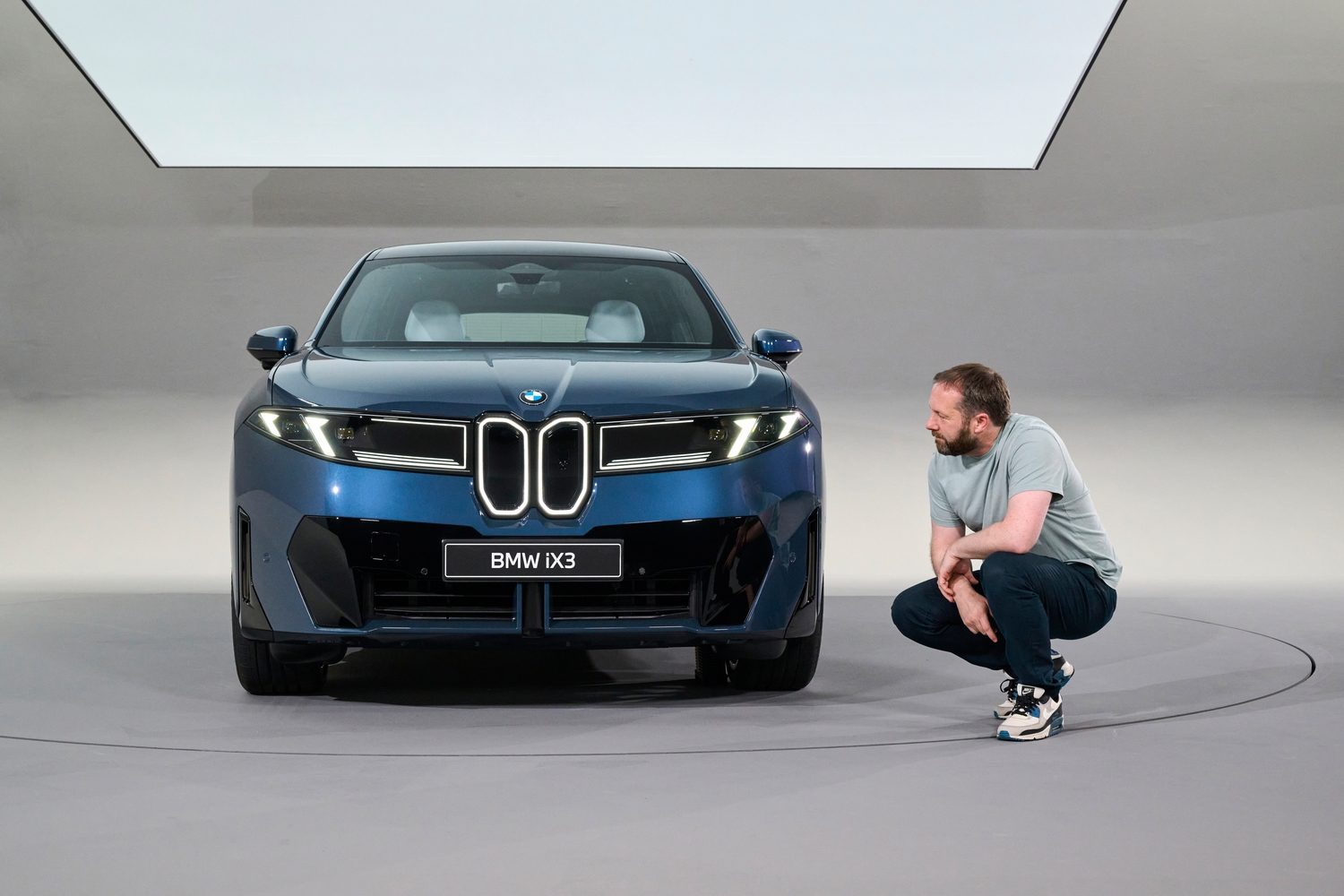
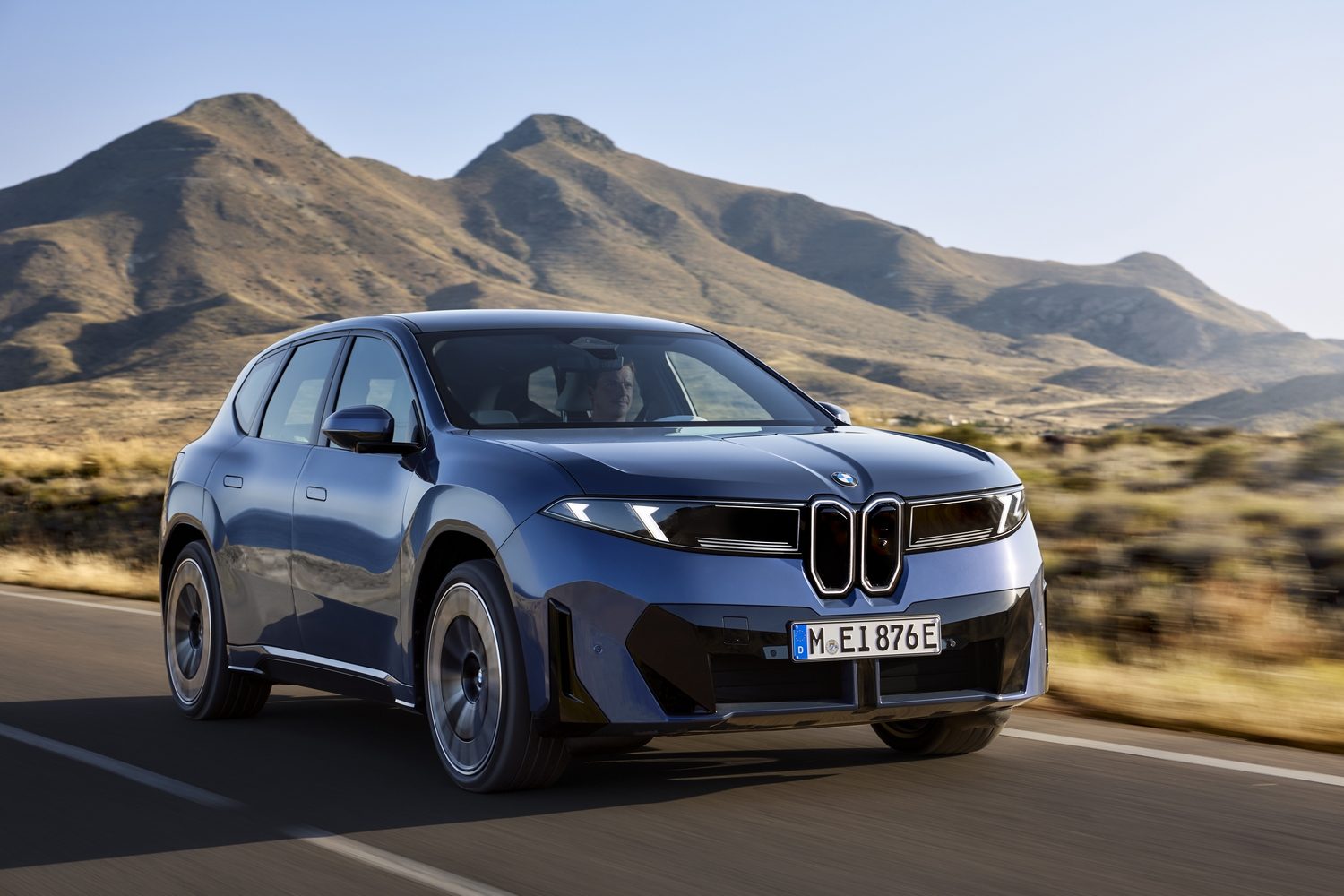
Much has been said about BMW's design in recent years, but the iX3 feels as if a line in the sand has been drawn. If you recall the Vision Neue Klasse X concept from 2024 (if not, follow this link), you'll see that BMW's designers have stayed quite true to how that looked.
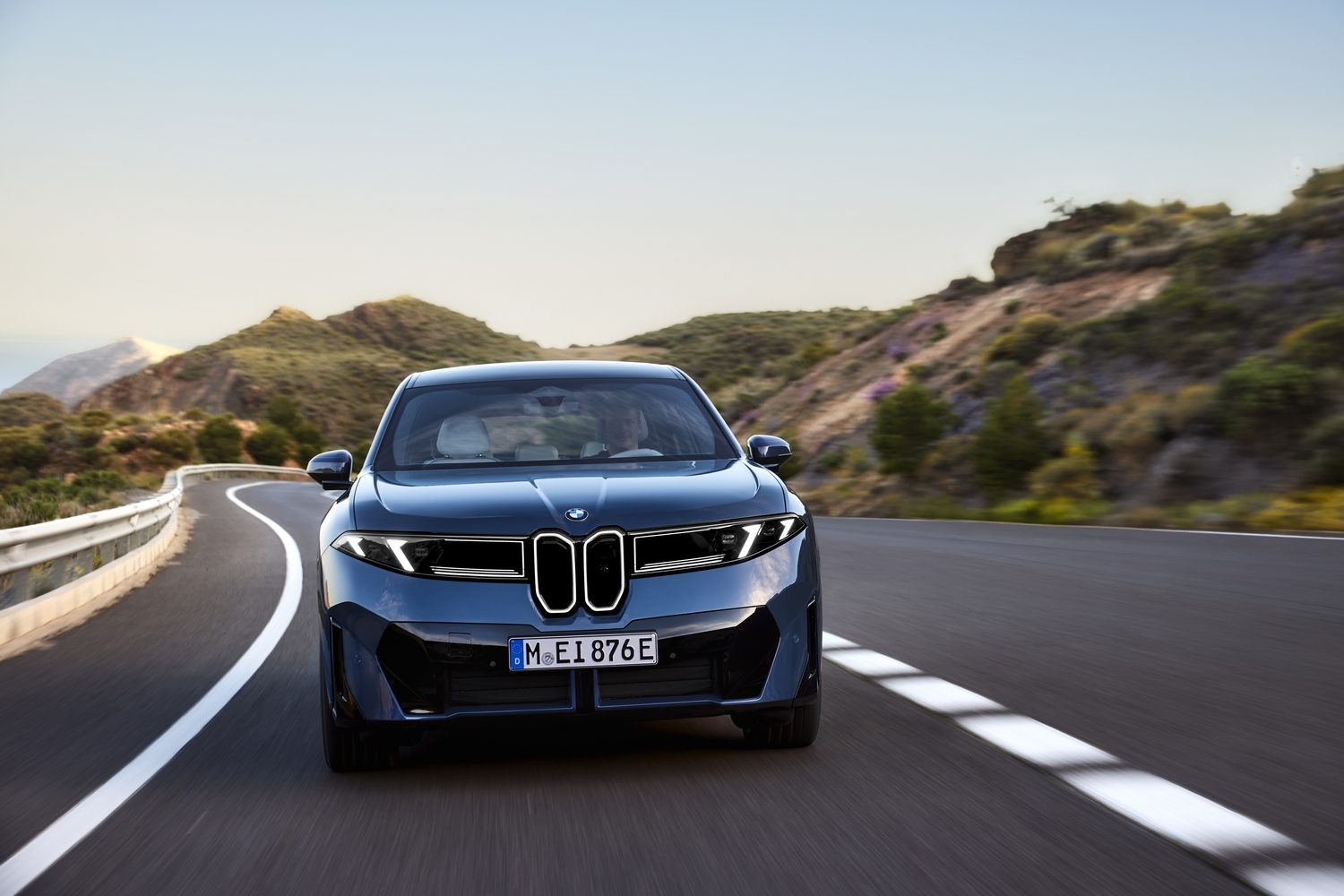
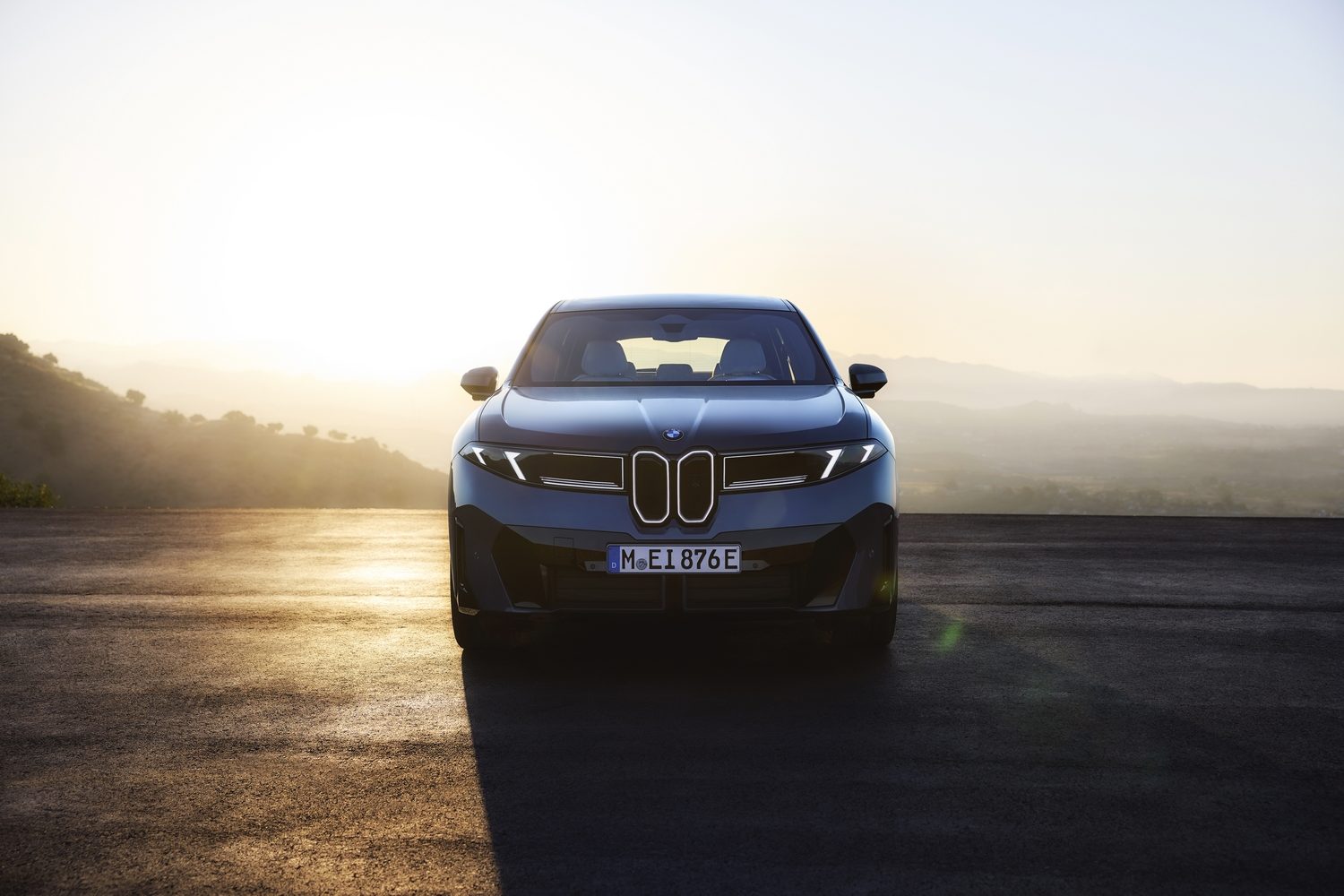
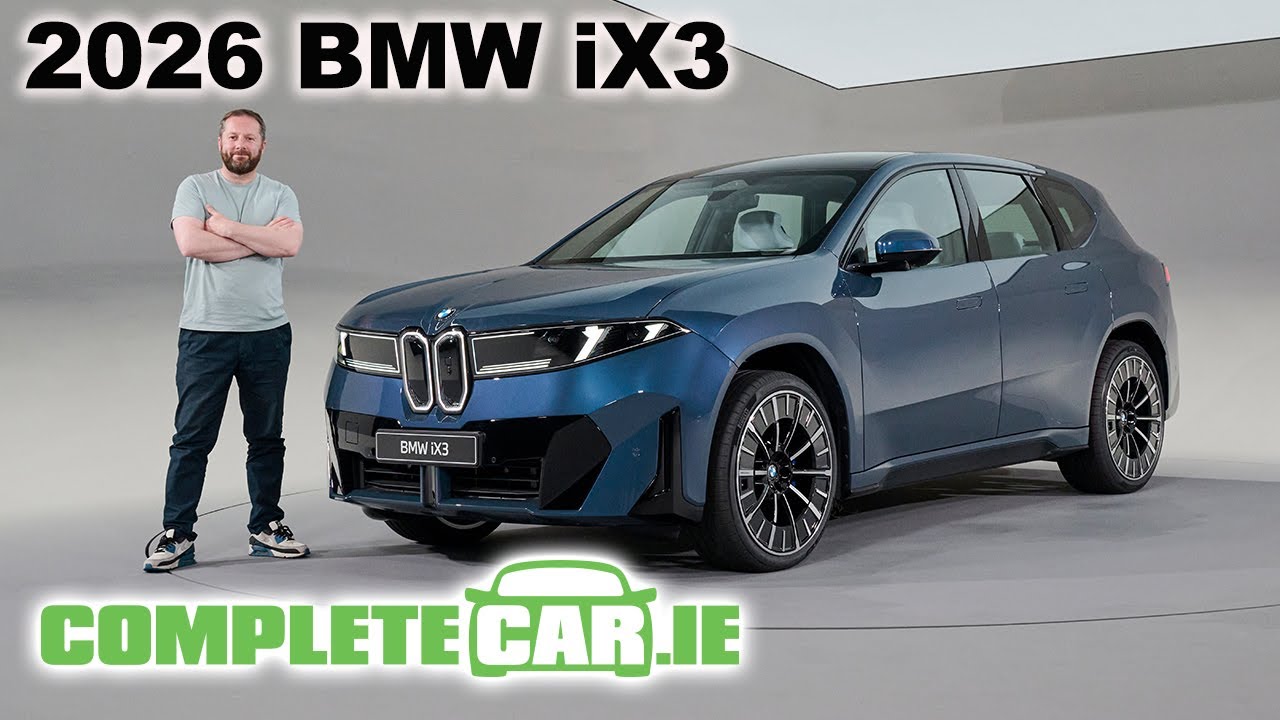
What's obvious from the first glance is that its exterior design is far simpler than BMW's recent efforts, with a reduction in complex designs and, most notably, a smaller, neater set of kidney grilles. Those are now slimmer - in a nod to the original Neue Klasse of the 1960s - and more integrated into the visor-like headlight setup.
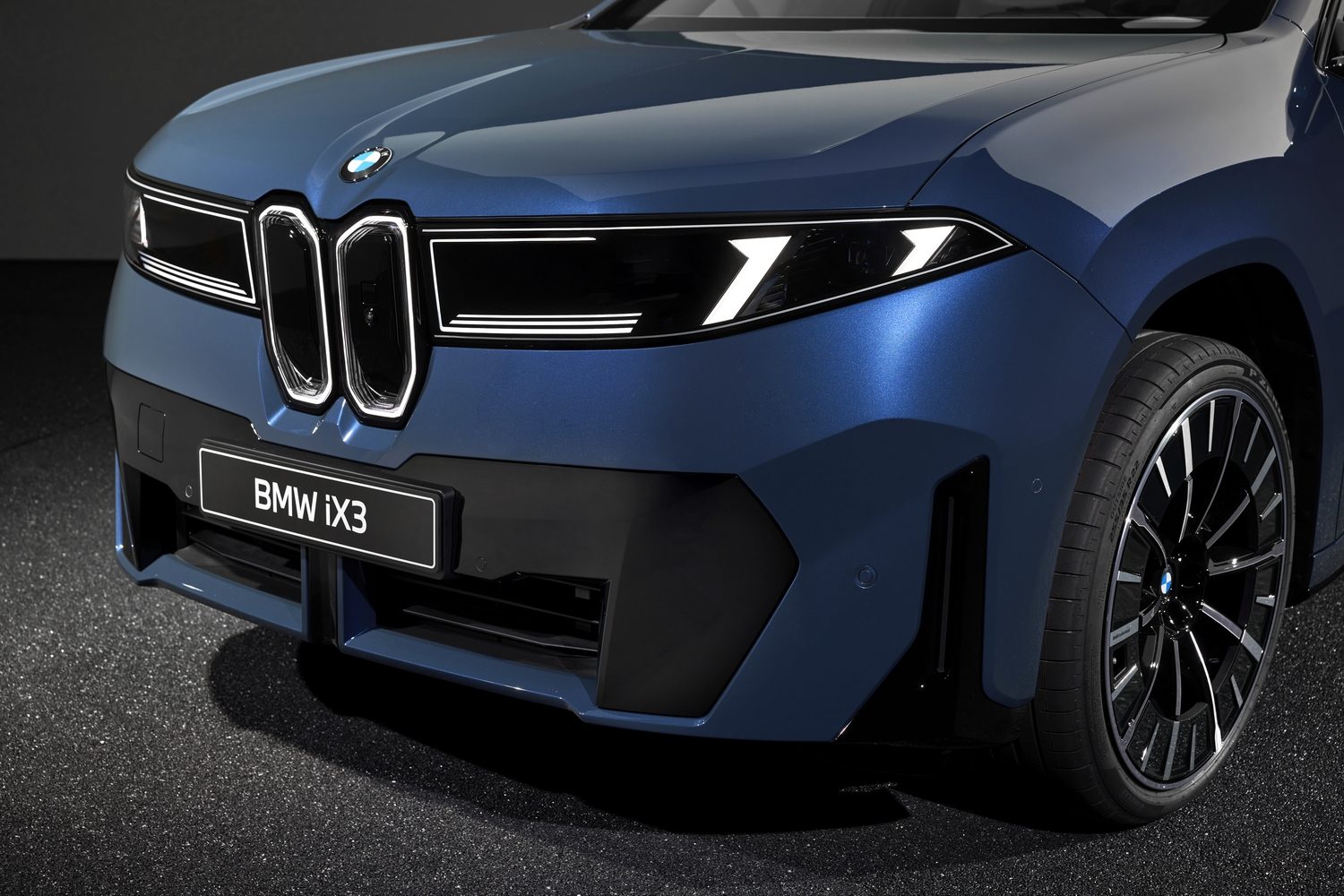
These can be illuminated, though that won't be a standard feature, and even if the car is equipped with them, owners can choose to switch that function off.
The headlights feature an evolution of the brand's current design, with a new interpretation of what BMW's designers call its four-eyed face. Slim illuminated lines help to frame that front panel, which also houses many of the sensors and other driver assistance hardware.
BMW, like several other brands, has taken a step away from using chrome in its cars on sustainability grounds, and it's now using light as a replacement.
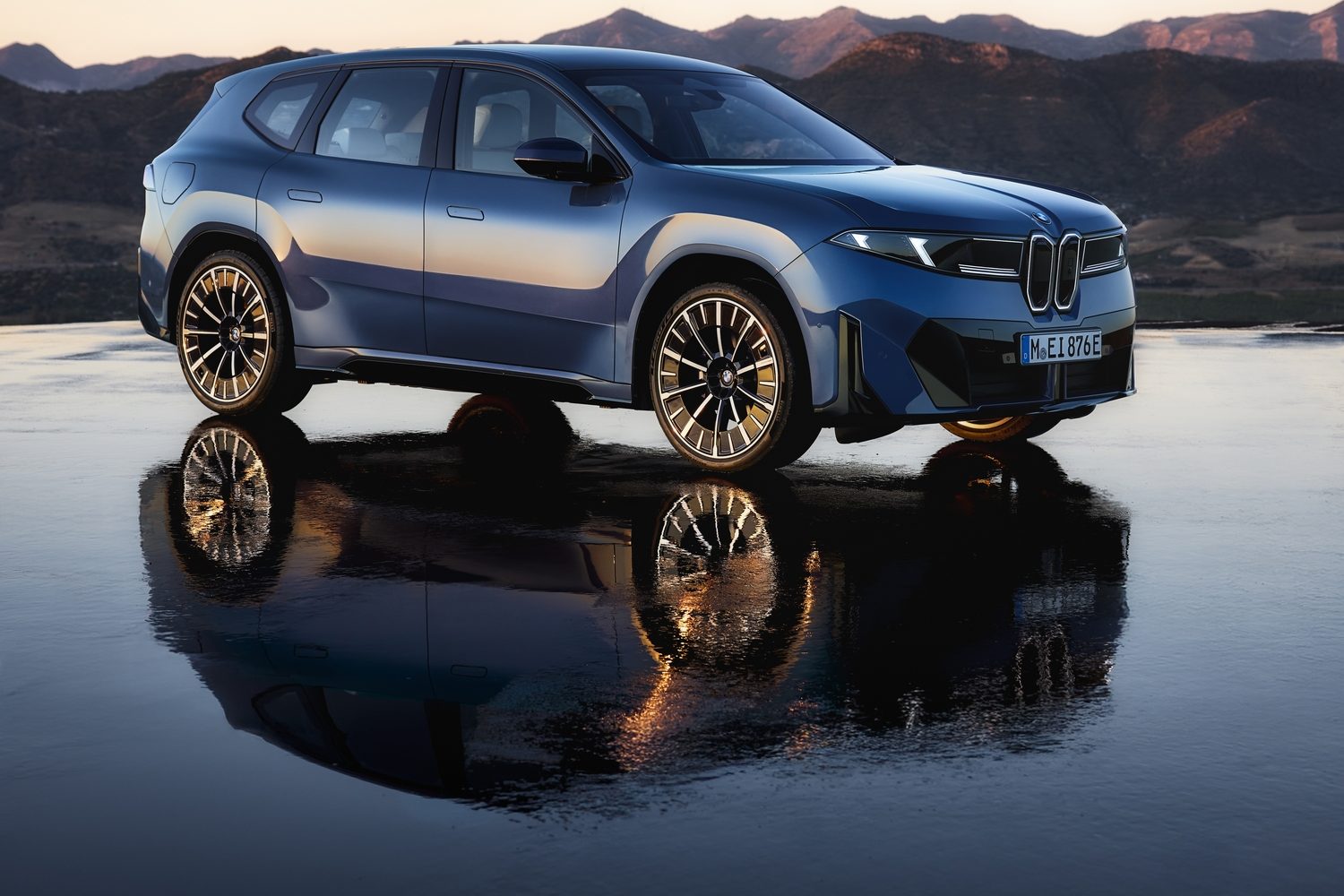
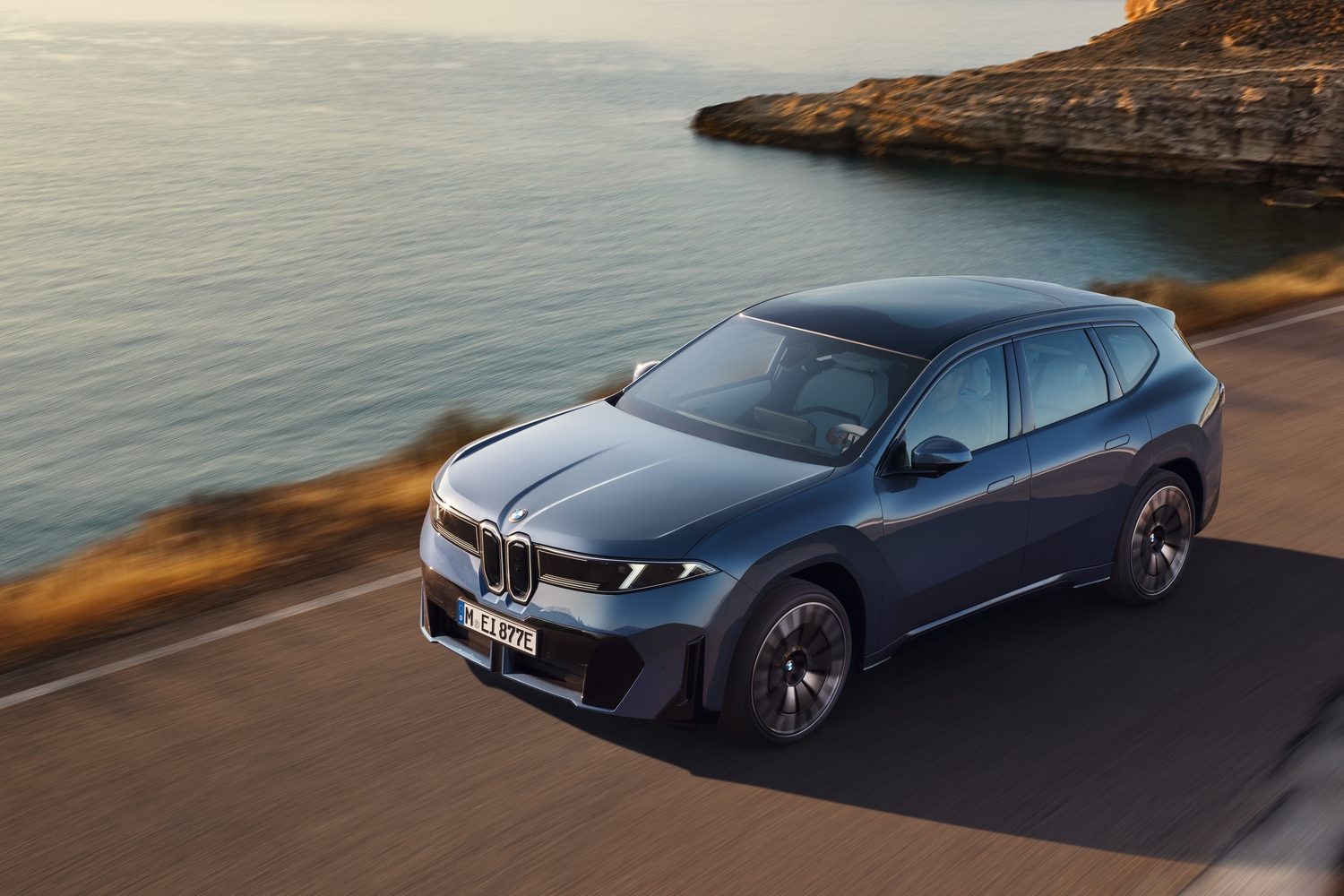
Despite its relative size and somewhat monolithic design, aerodynamics has played a key role in shaping the iX3, resulting in a drag coefficient of just 0.24. Cooling systems are supplied by shutters in the lower section of the front bumper that open and close as required.
Even the wheels, ranging in size from 20- to 22-inch diameters, have been designed with aerodynamics in mind, working in conjunction with an air curtain in the leading edge of the front bumper to help channel airflow across their face and down the car's side. The wheels are made using 70 per cent secondary (or recycled) material.
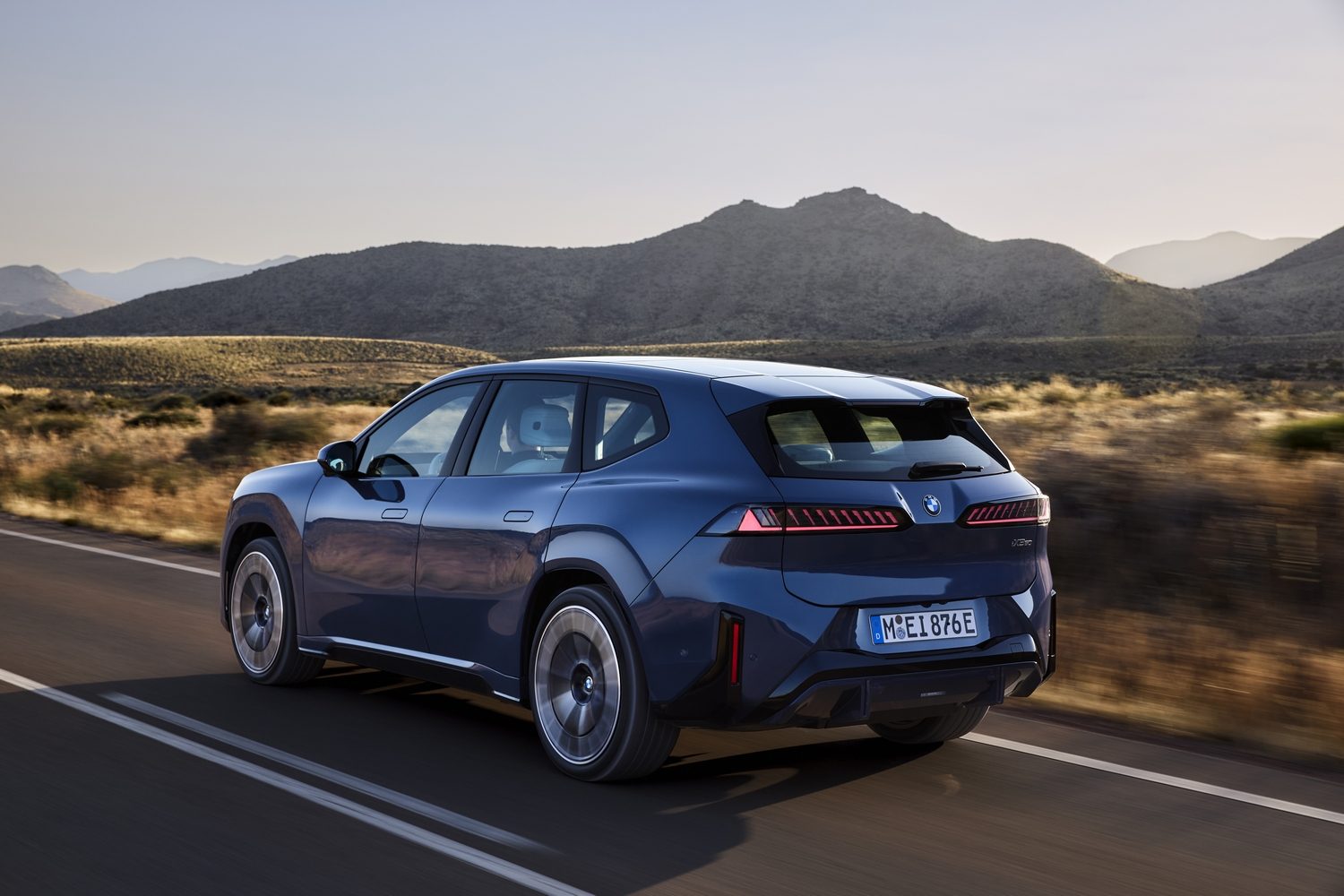
Viewing the car side-on demonstrates how much cleaner this design is than some previous BMWs, in particular with regard to the door handles that sit flush with the bodywork, and how there is a more uniform surface area between the window frames and glass, which should help to reduce wind noise at higher speeds.
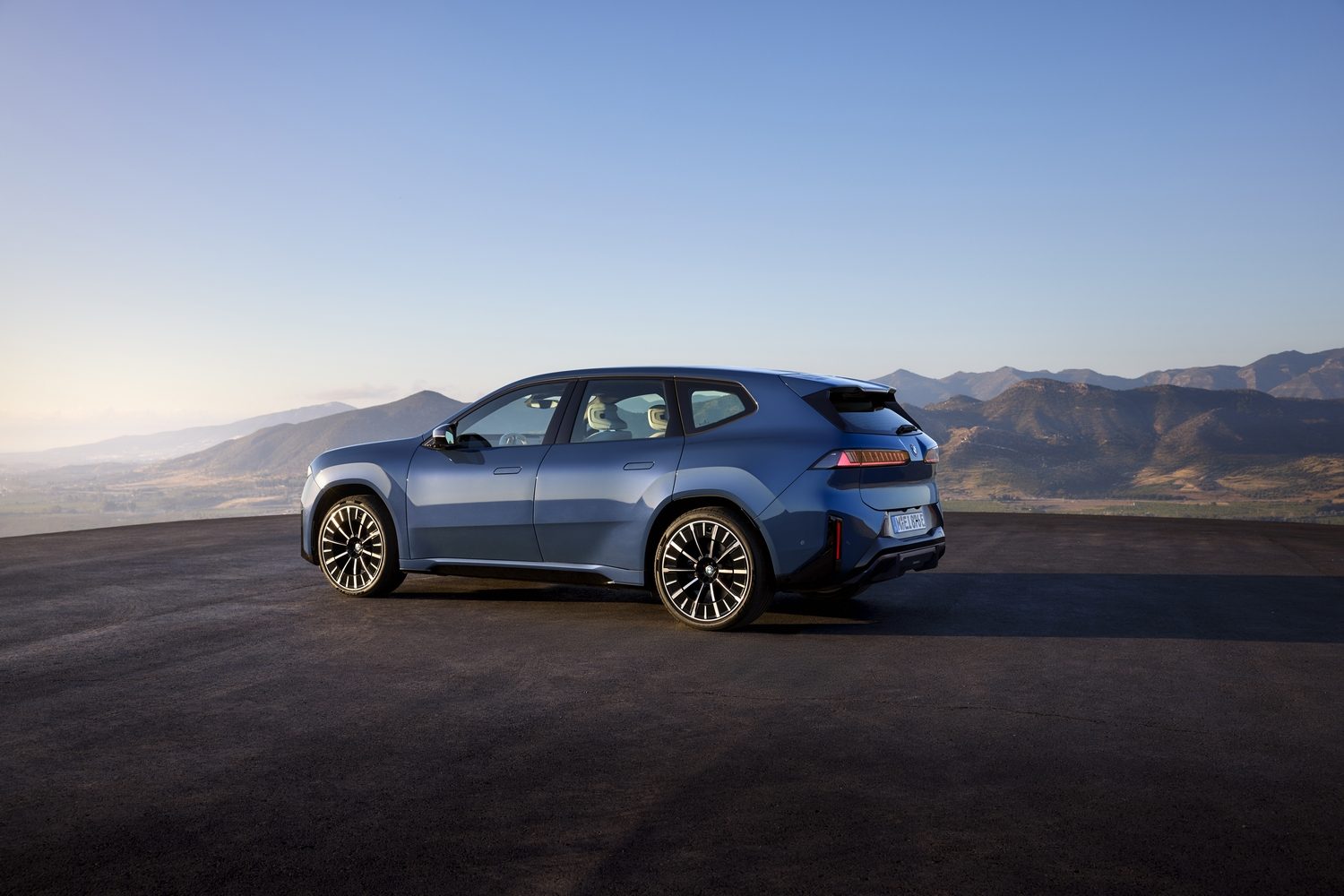
Similar to the flanks of the larger BMW iX, the iX3 has squarish wheelarches without any plastic cladding. There are rear haunches over the back wheels that suit the car well, though these are less pronounced than the iX's.
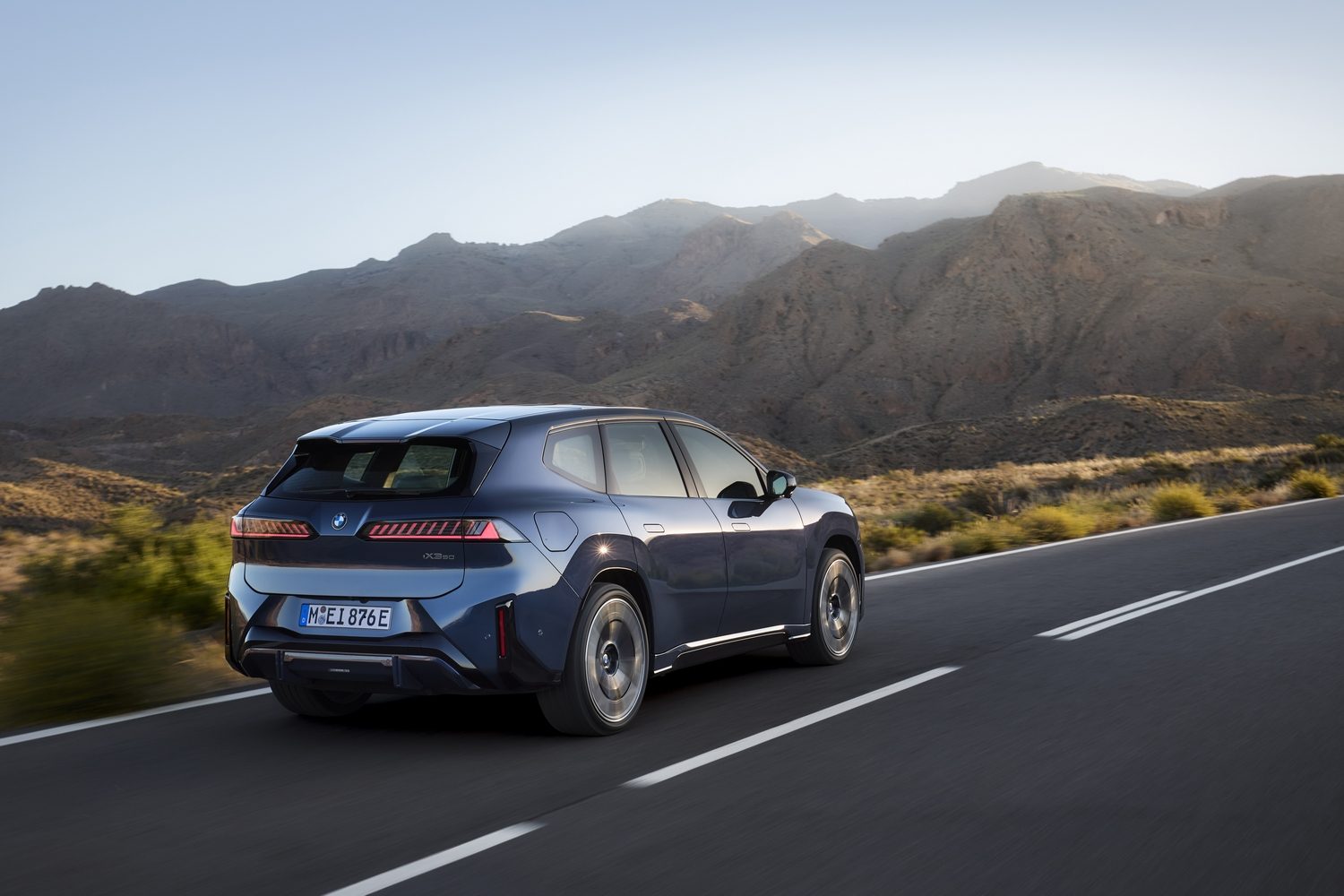
Eagle-eyed BMW fans might also notice that there is no shark-fin antenna on the iX3; instead, the hardware for this is installed in the leading edge of the roofline above the windscreen, again to improve aerodynamic properties.
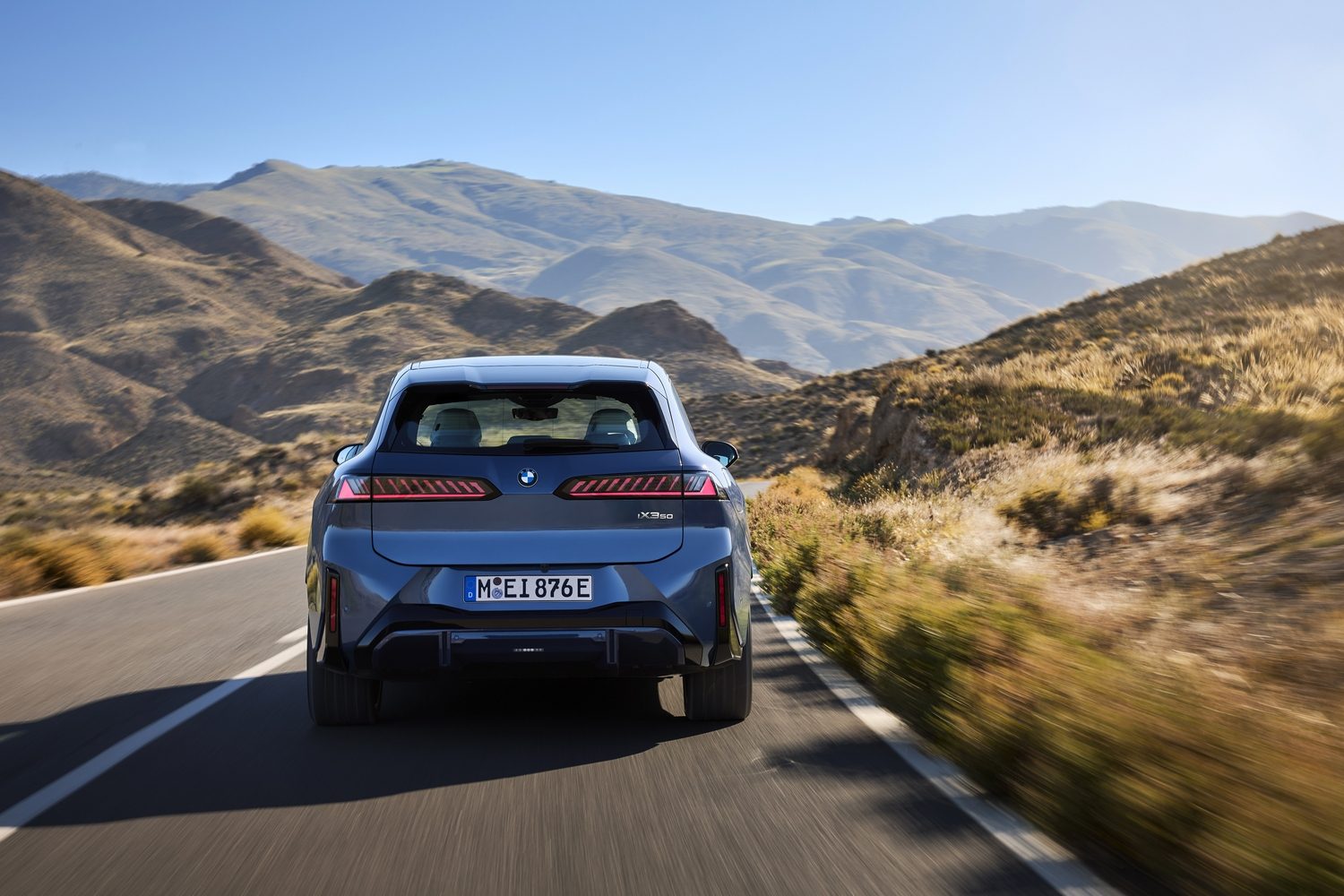
The iX3's design becomes even more distinctive when you get around to the back of the car. Vibrant LED light clusters span almost the full width of the car, breaking only for the BMW roundel at the centre that sits in a depressed section, repeating how it appears on the bonnet.
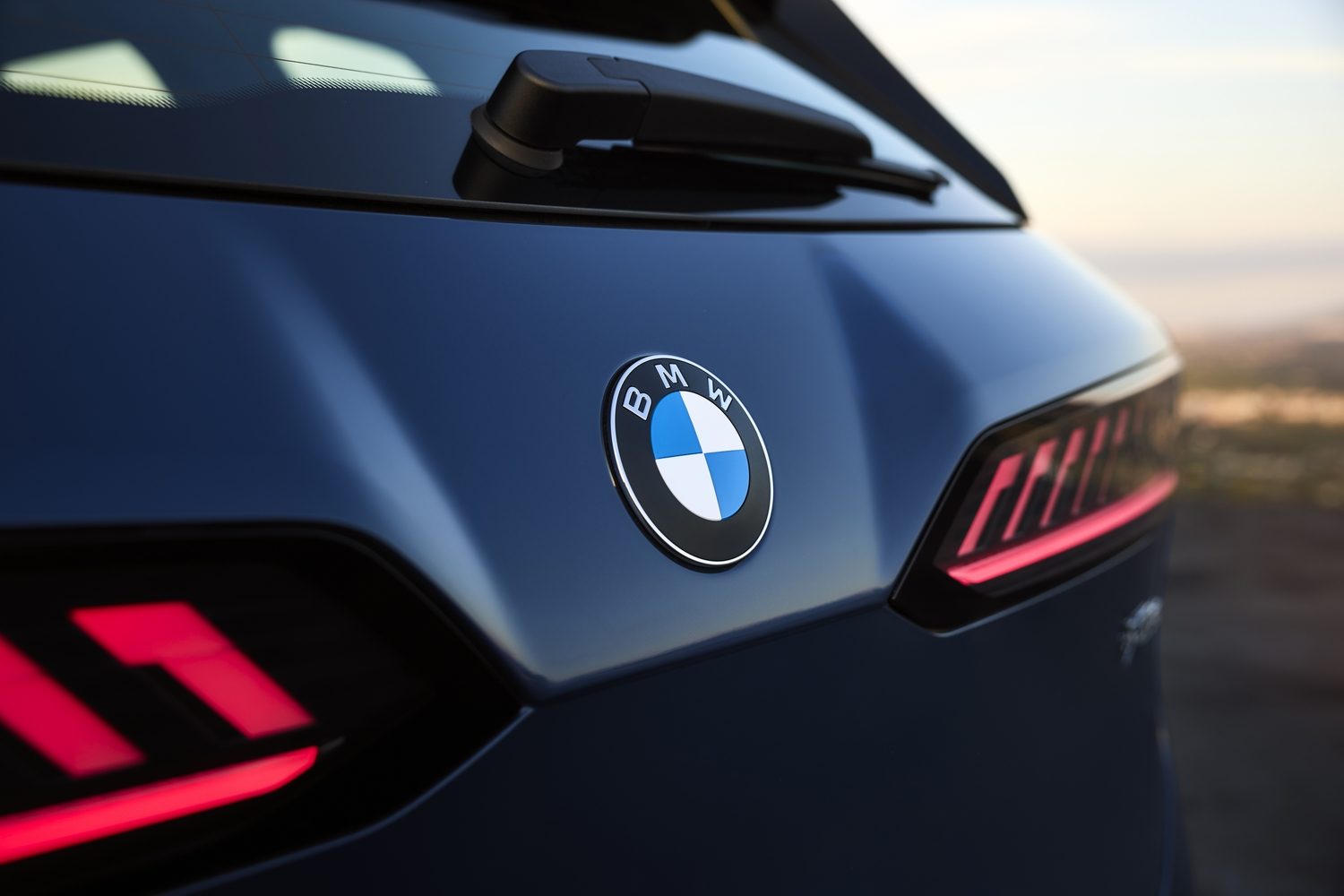
Even though the roofline does slope down a bit at the rear, there's still a decently larger rear window (complete with wiper), so rearward visibility remains good.
What size is the new BMW iX3?
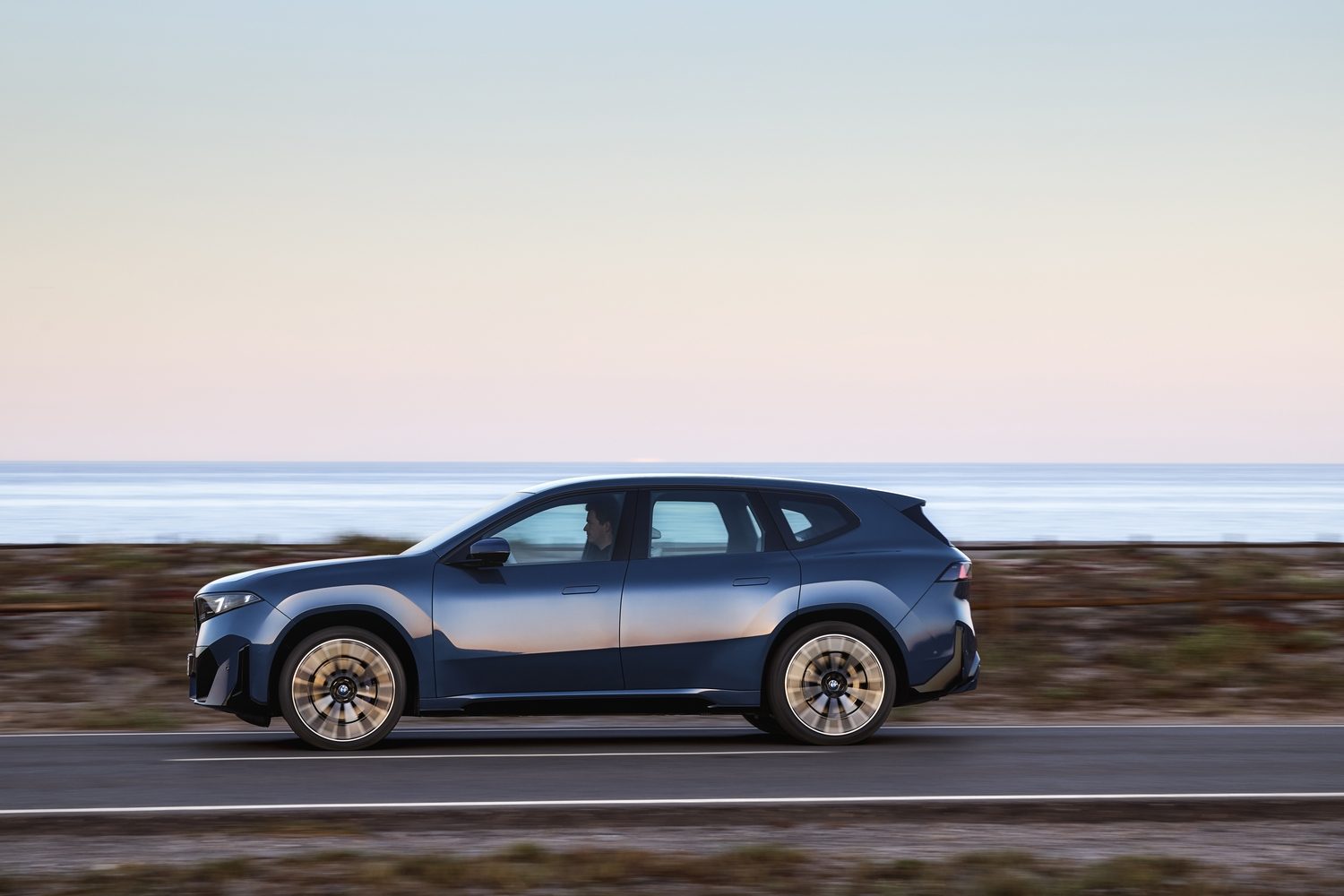
The BMW iX3 is almost the same size as the current X3, though the two are built on different platforms. At 4,782mm, the iX3 is slightly longer, though it's also a little lower at 1,635mm and is 1,895mm wide.
Inside the 2026 BMW iX3
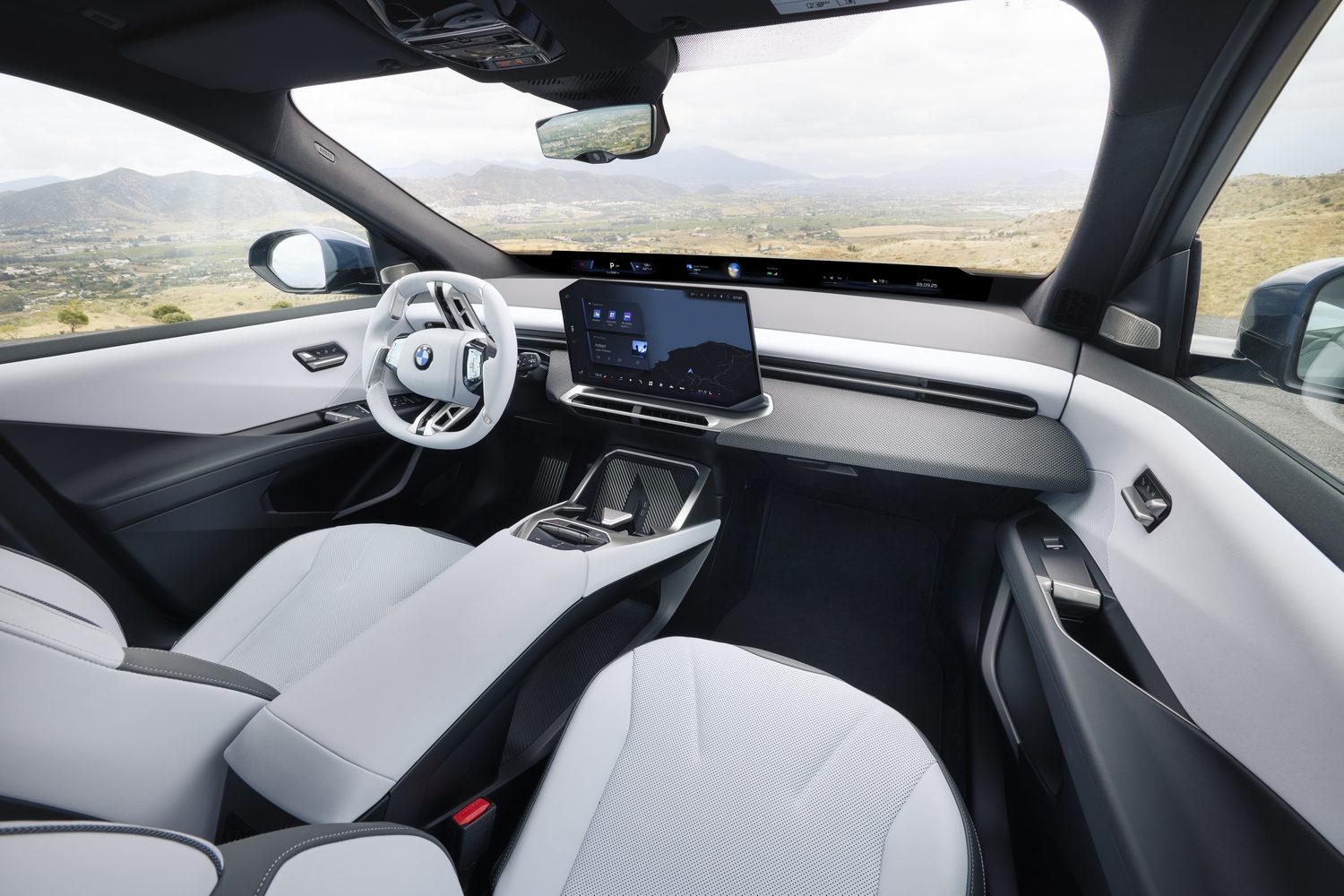
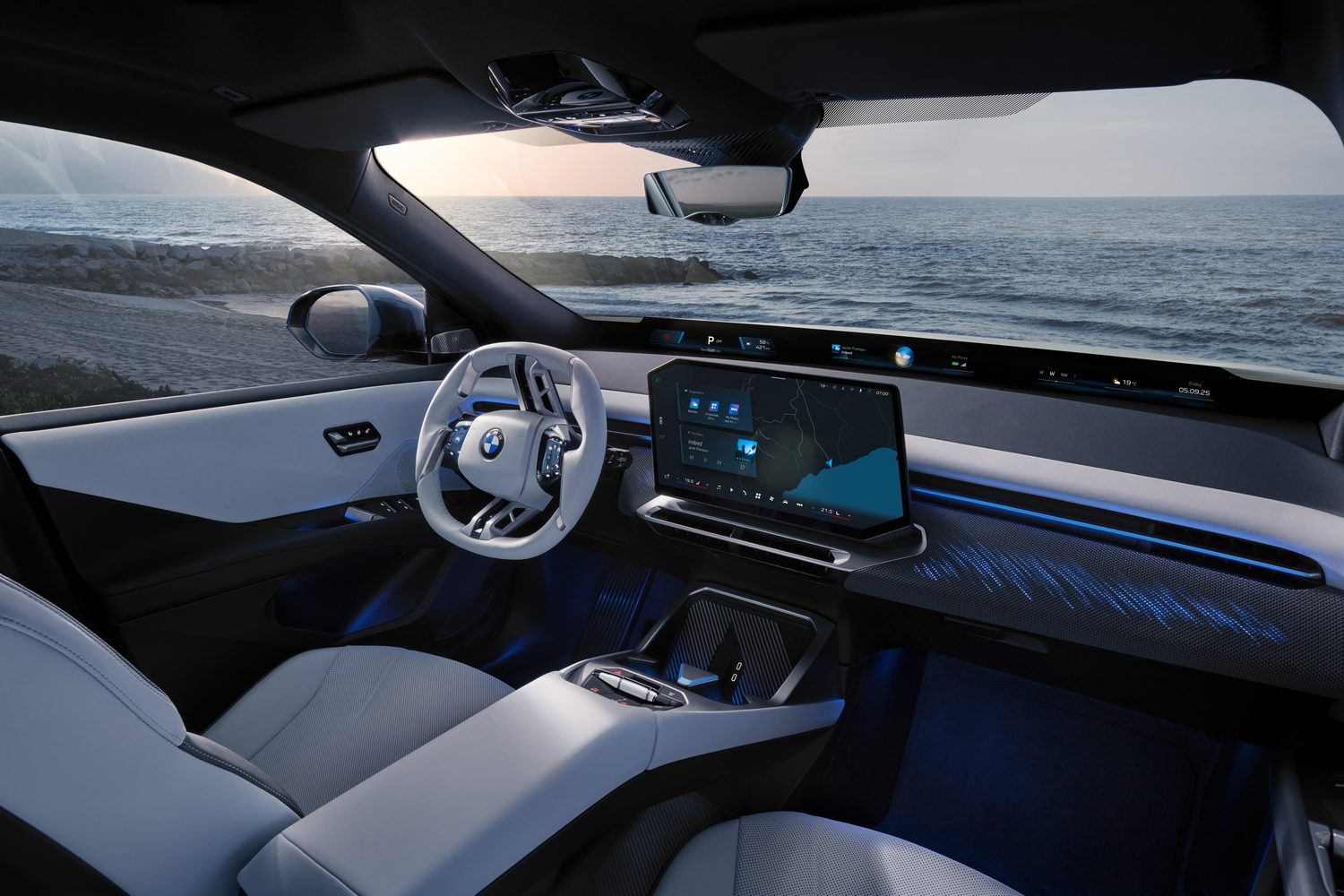
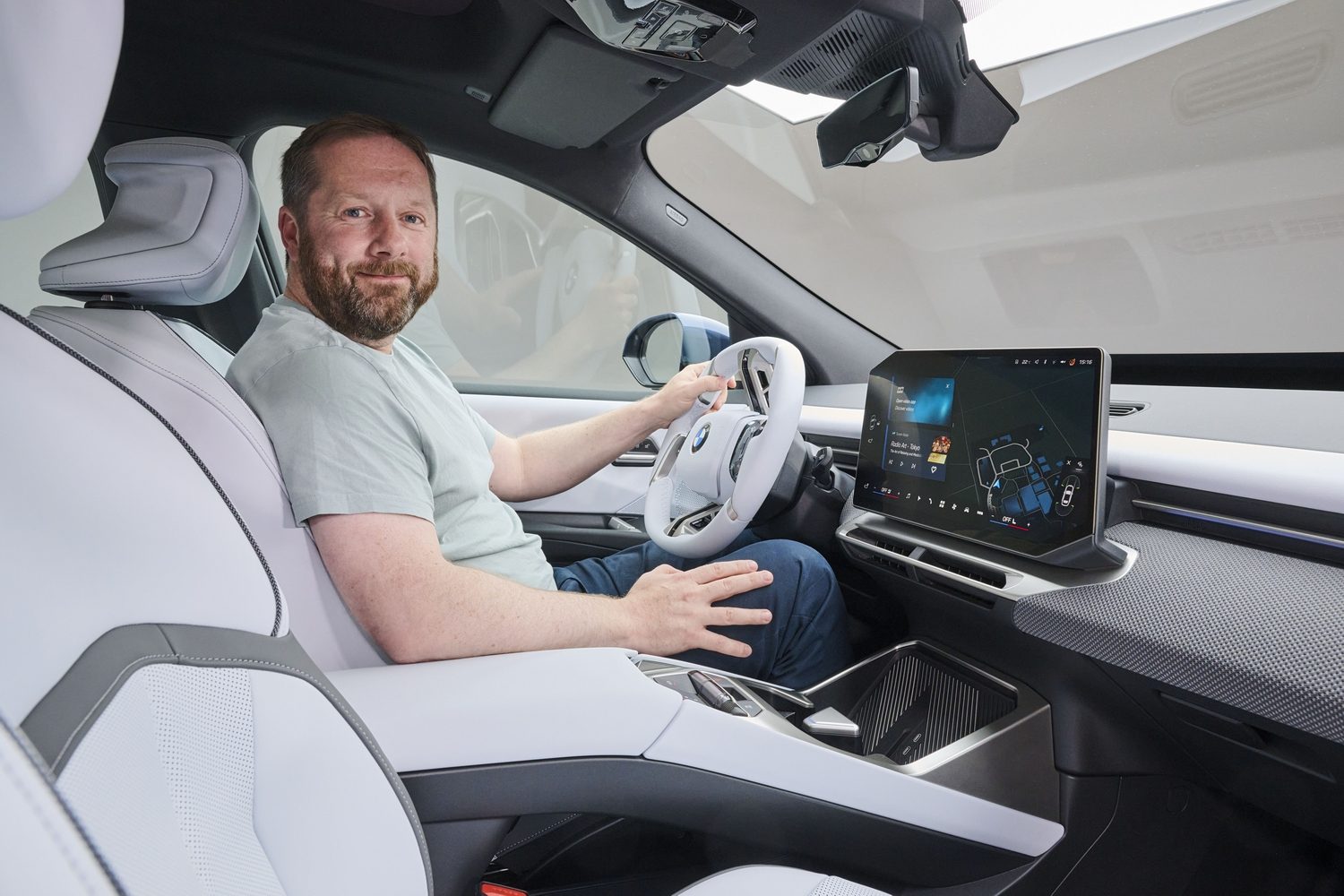
It's when you sit inside the BMW iX3 that you get your first glimpse of how the company is radically overhauling its interior design and also how you interact with the car. BMW has created a more digital experience and one that allows for more personalisation than before. Key to this is the 'Panoramic iDrive' that is backed up by BMW's Operating System 9.
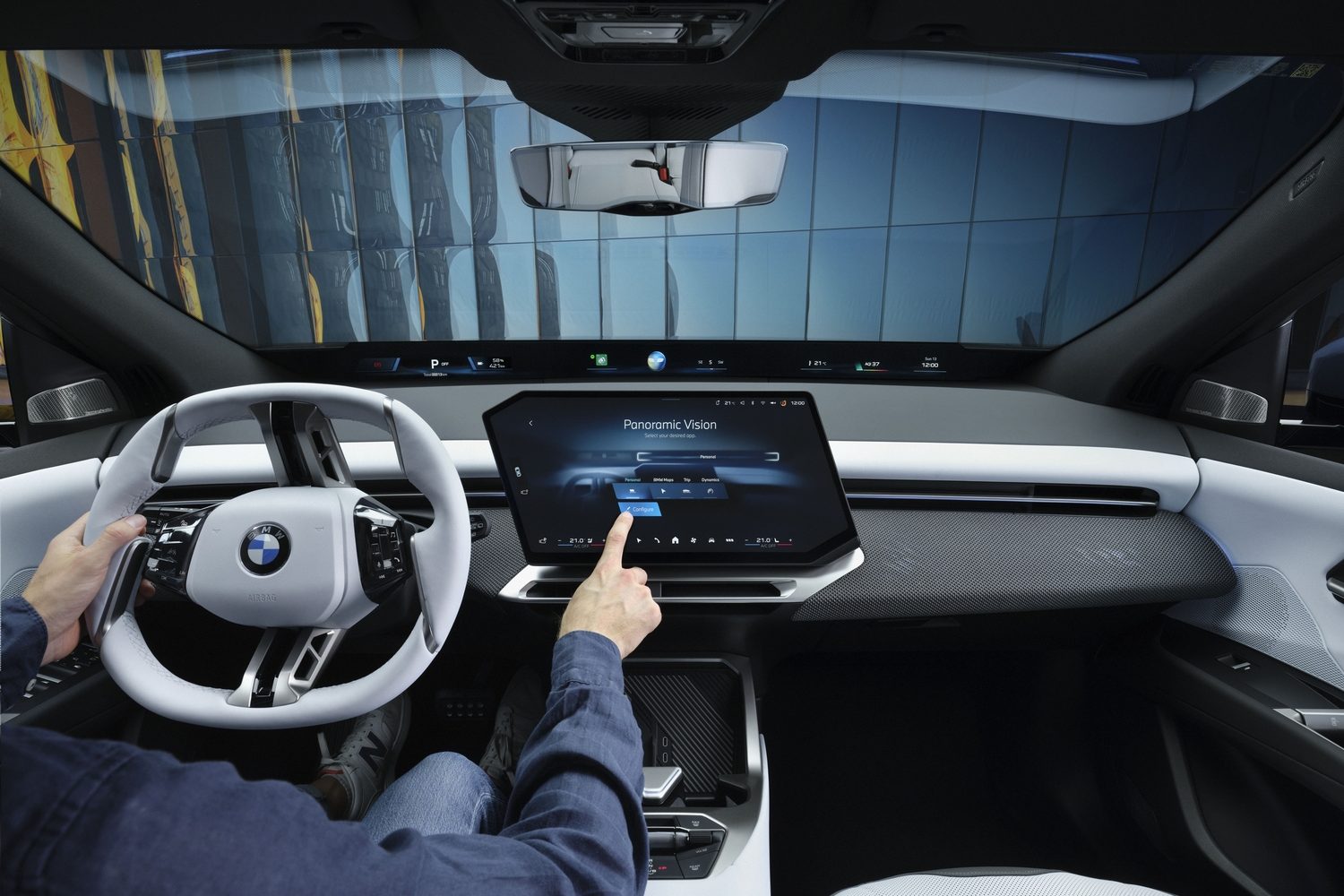
The new design uses proprietary technology co-developed with BMW's technical partners to project a display across the base of the windscreen. The so-called 'Panoramic Vision' occupies the space where the dashboard meets the glass, and up to six different areas can be customised to show exactly what you want to have in each portion.
The main driving information, such as speed, range remaining and warning information, is also projected here in front of the driver. Drivers can also choose to have fewer items for a more minimalist look. Importantly, the area that the projection occupies doesn't take away from the amount of outward visibility, so you can still see the end of the bonnet.
An optional 3D head-up display is also available, positioned above the Panoramic Vision to provide navigation and automated driving graphics in the driver's line of sight as they look down the road.
The bulk of the new Operating System 9, which is based on an Android Open Source Project (AOSP) software stack, is controlled via the unusually shaped 17.9-inch display. This free-cut design is shaped in a way that the main functions are closer to the steering wheel, so the driver doesn't have to move their hand as much when driving. The slant of the screen shape goes the other way for right-hand-drive cars.
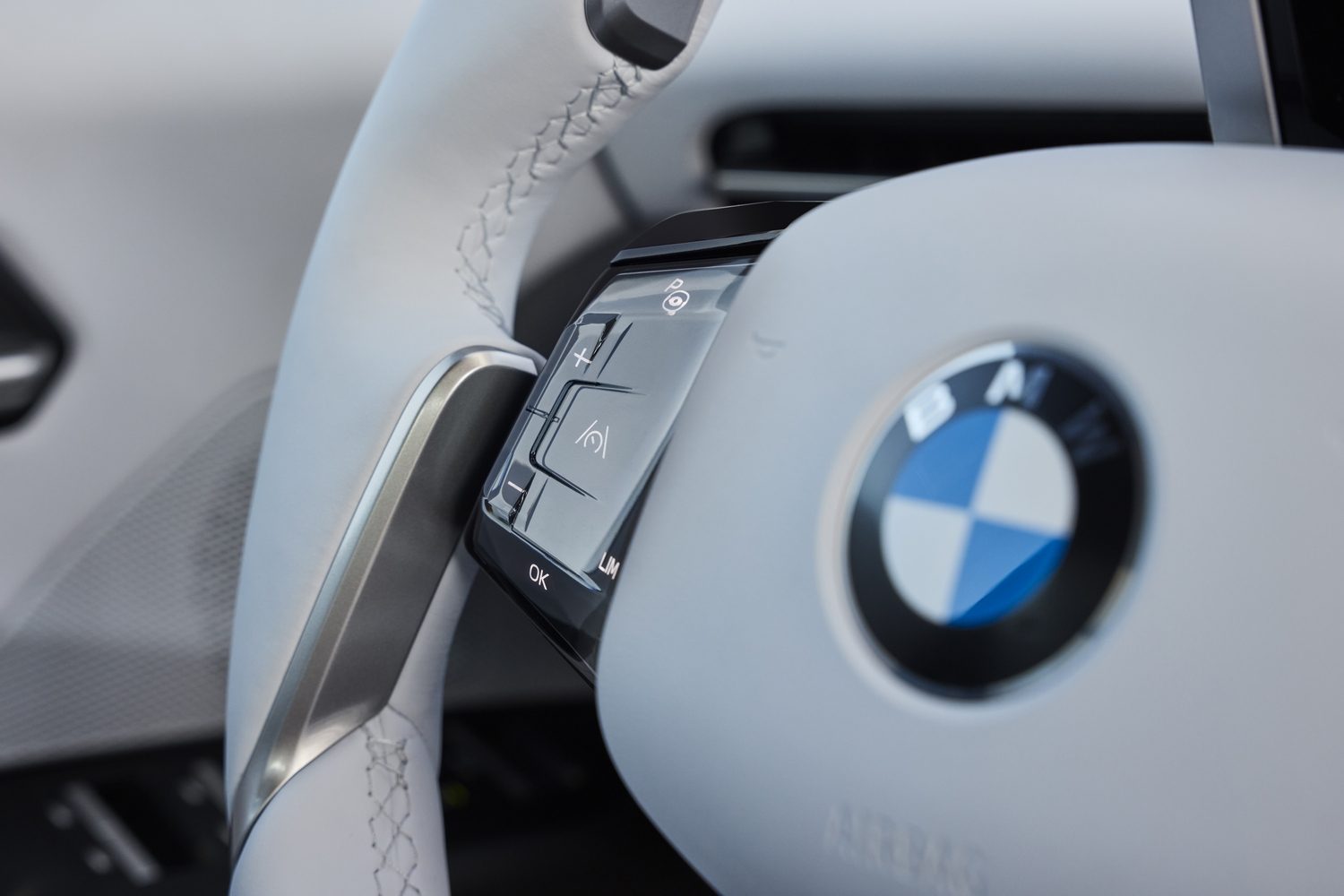
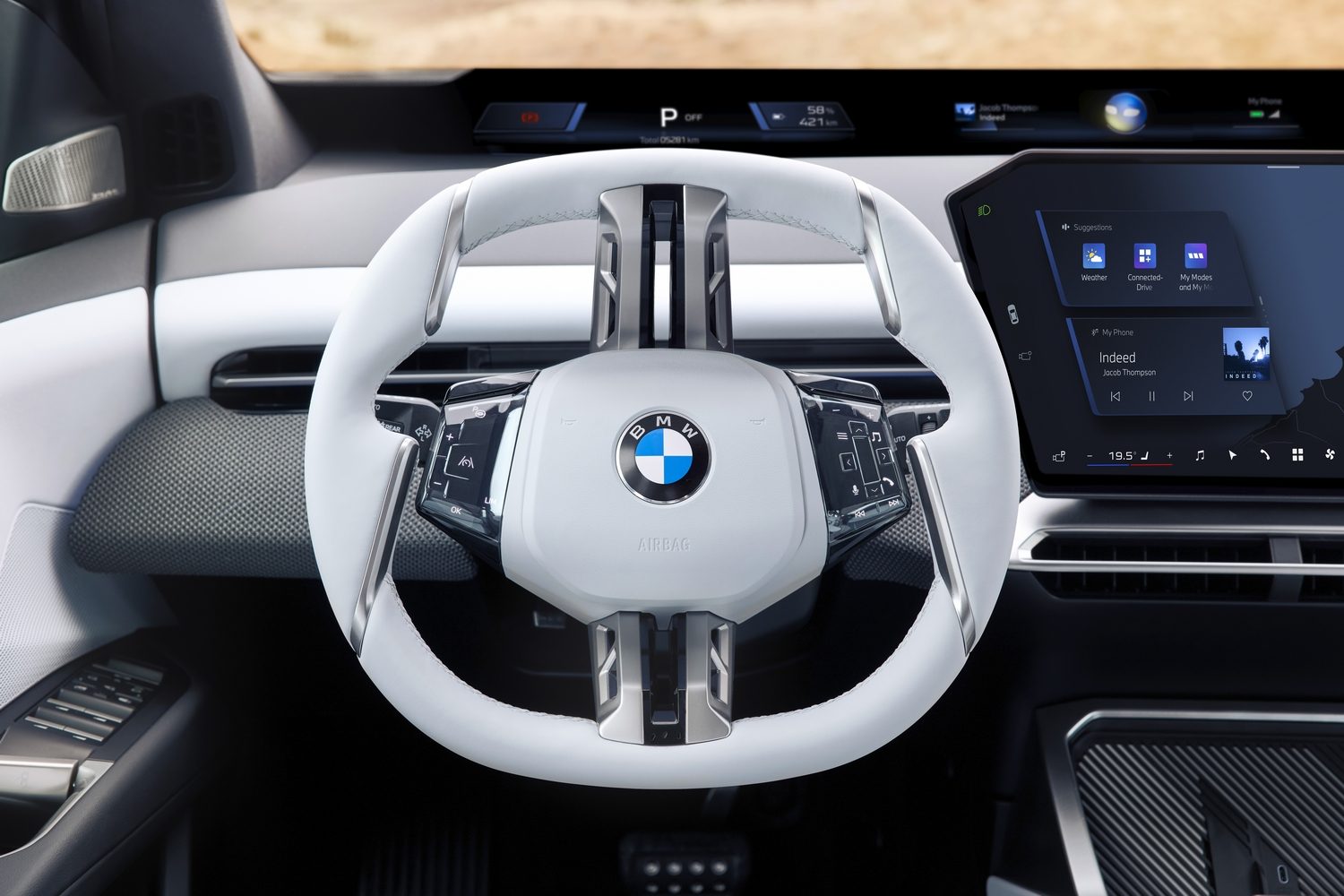
As modern as the interior looks, BMW's latest multifunction steering wheel does still manage to look a little out of place, appearing more like something from a futuristic concept car than a current production vehicle. Its vertical spars take a very technical look that doesn't quite fit in with the rest of the car, while the wheel's multifunction controls are housed within two transparent pods on either side of the centre. The sides are thick but feature substantial cutouts for your thumbs.
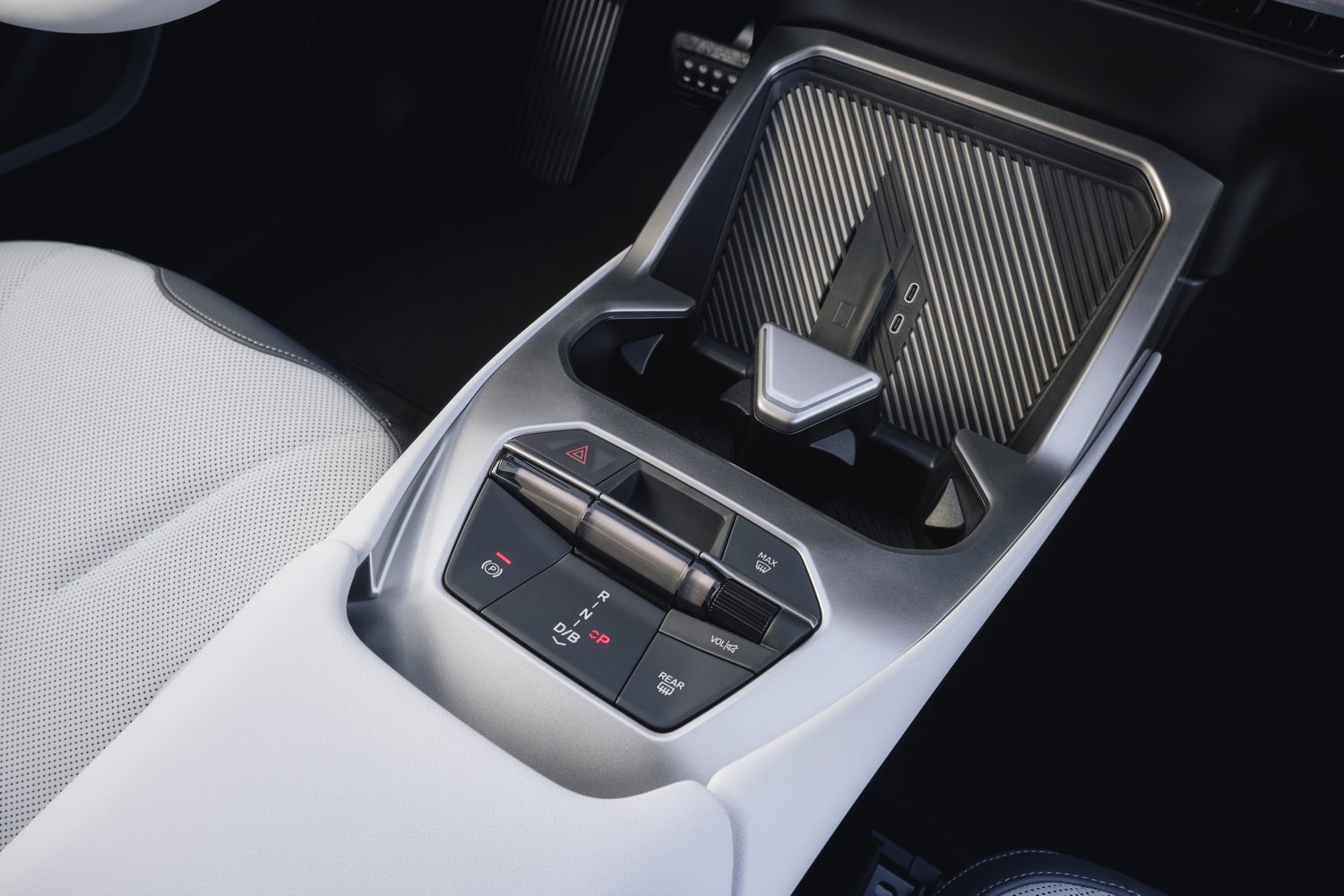
Elsewhere, it's a largely button-free and somewhat minimalist aesthetic throughout. Slender air vents are nestled beneath the central display. Further down is an area containing the wireless charging pad and USB ports, similar to the style of the current X3.
Further back and within easy reach is a small rocker switch for the drive selector, and next to that is a volume dial. You also still get physical buttons on the doors for adjusting the mirrors and controlling the windows.
Rear passengers benefit from an impressive amount of space. Ingress to the rear seats is made noticeably easy thanks to a generously sized door aperture. Three adults will fit, though it'll be cosy, while both outer seats have ISOFIX mounting points for child seats.
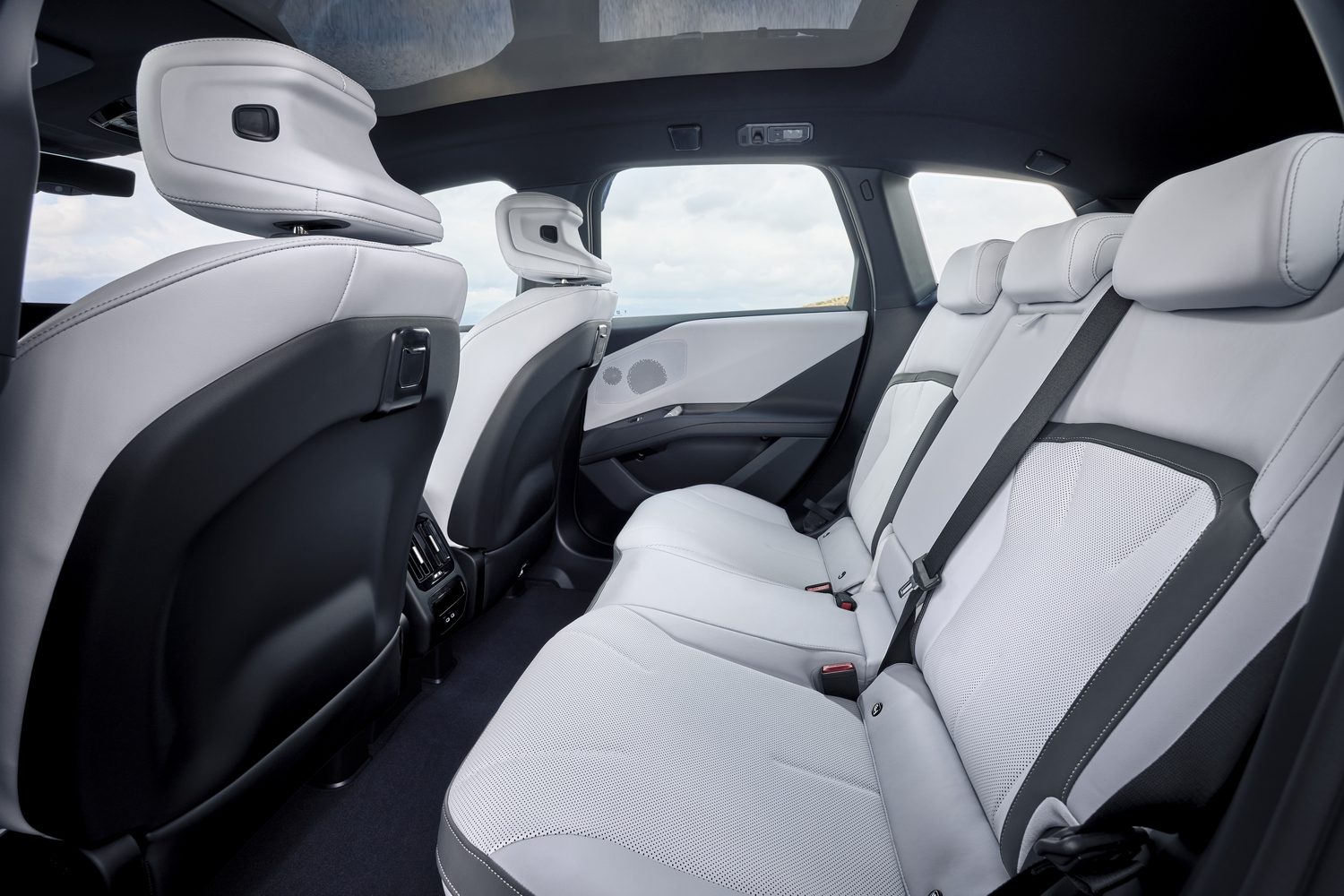
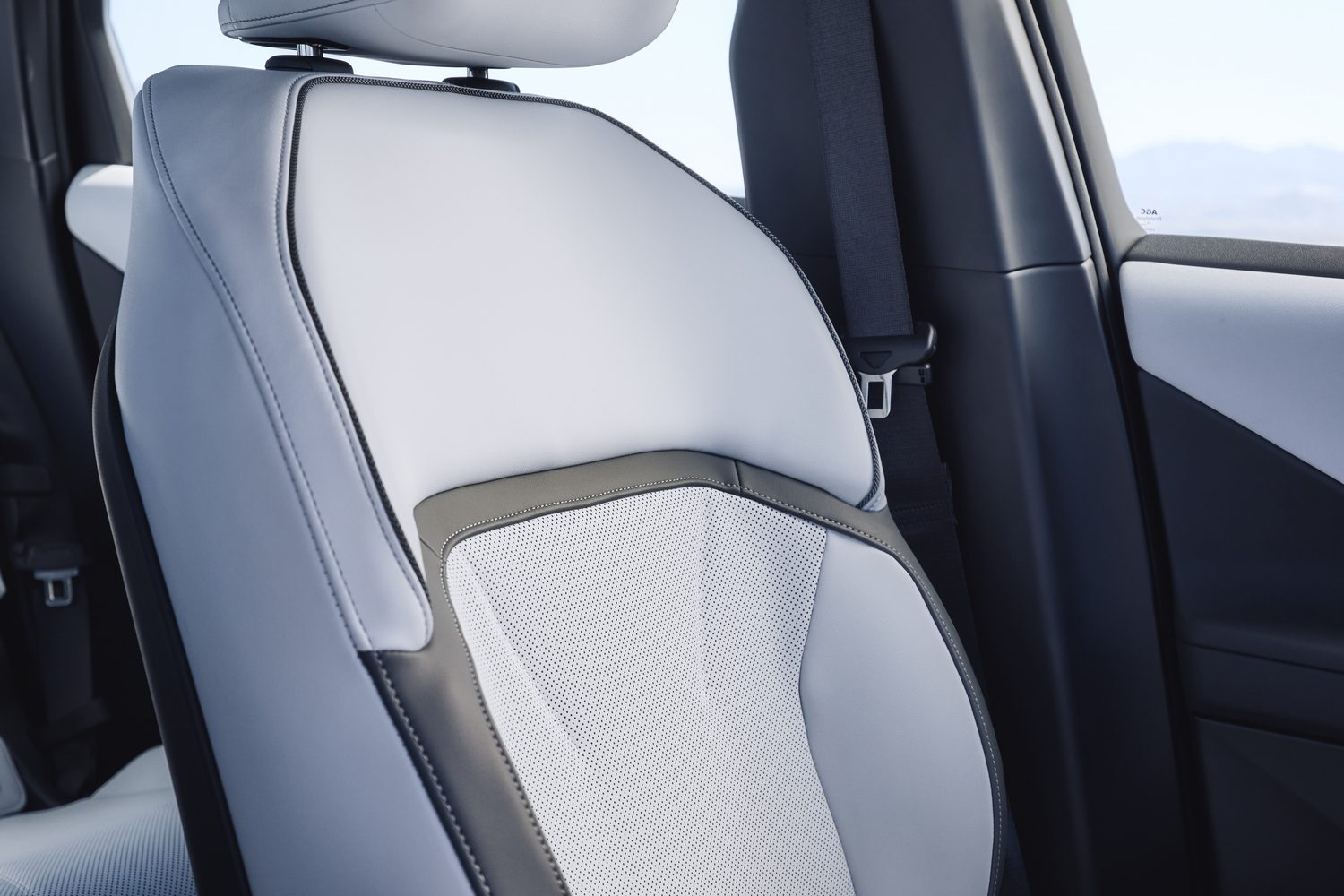
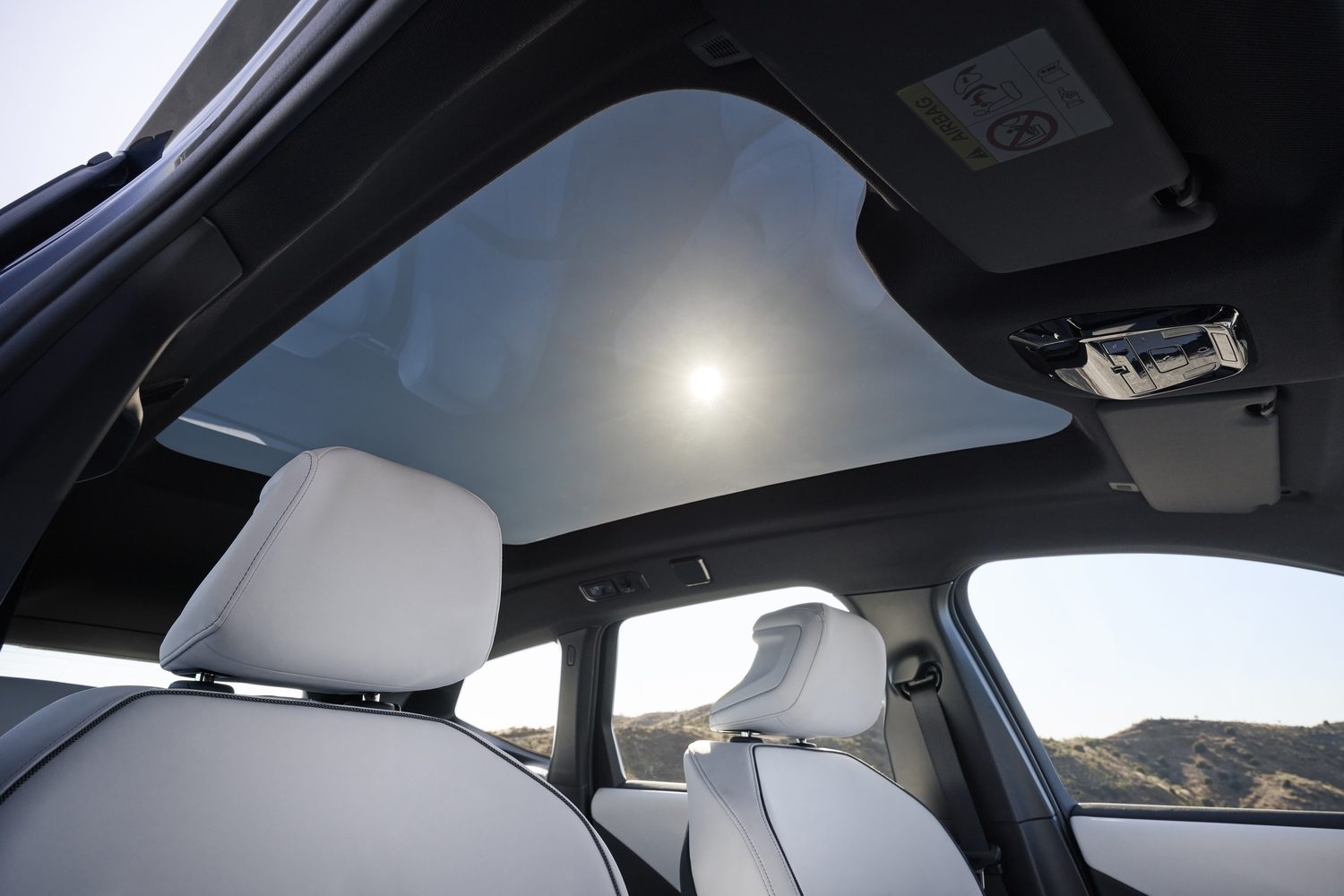
BMW has made a concerted effort to increase the amount of sustainable materials used throughout the interior. Items such as the headlining and yarn for the seats are 100 per cent secondary PET material, for example. The use of these polyester fabrics and other mono-materials means that they can be completely recycled again when the vehicle reaches the end of its life.
How much boot space is there in the BMW iX3?
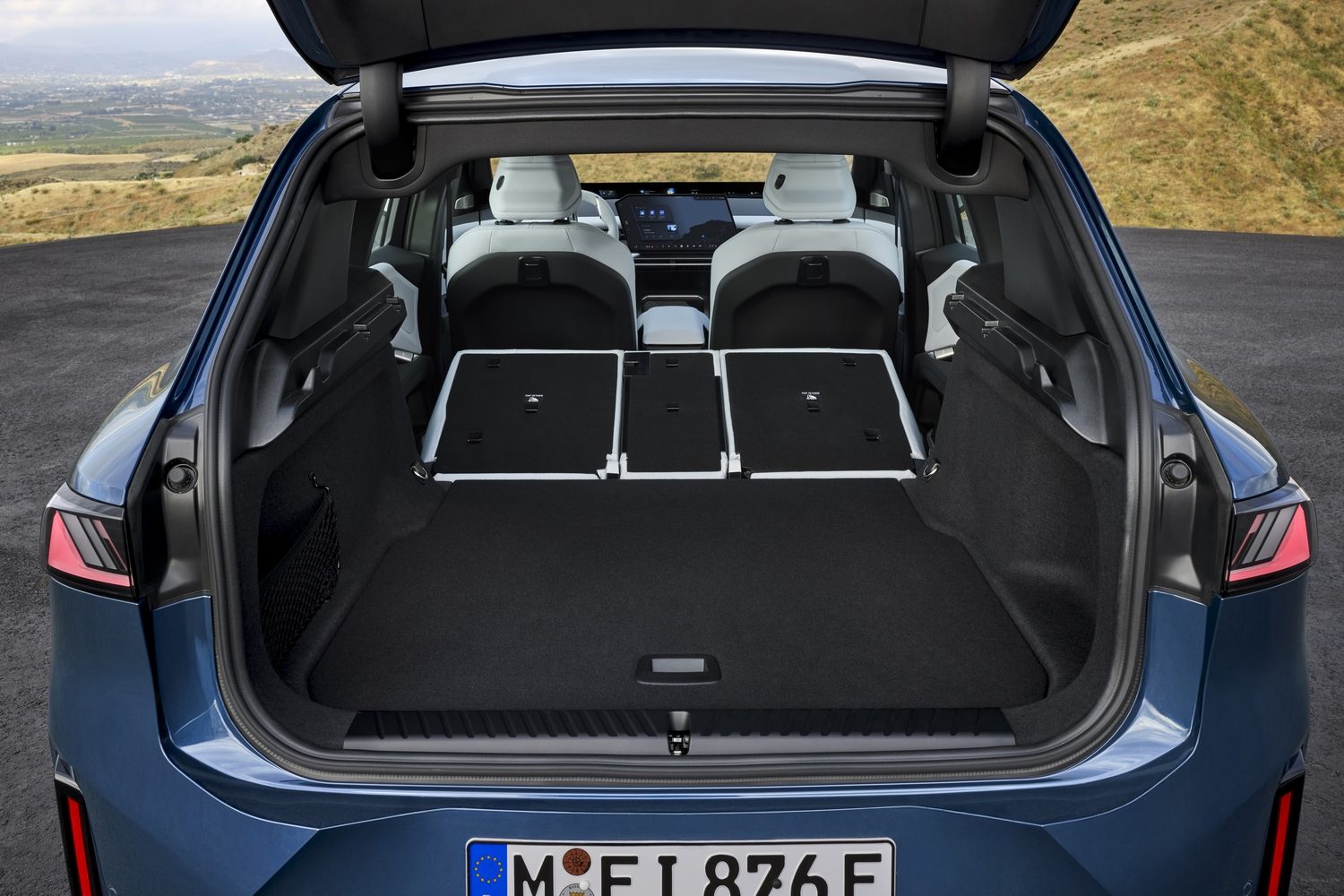
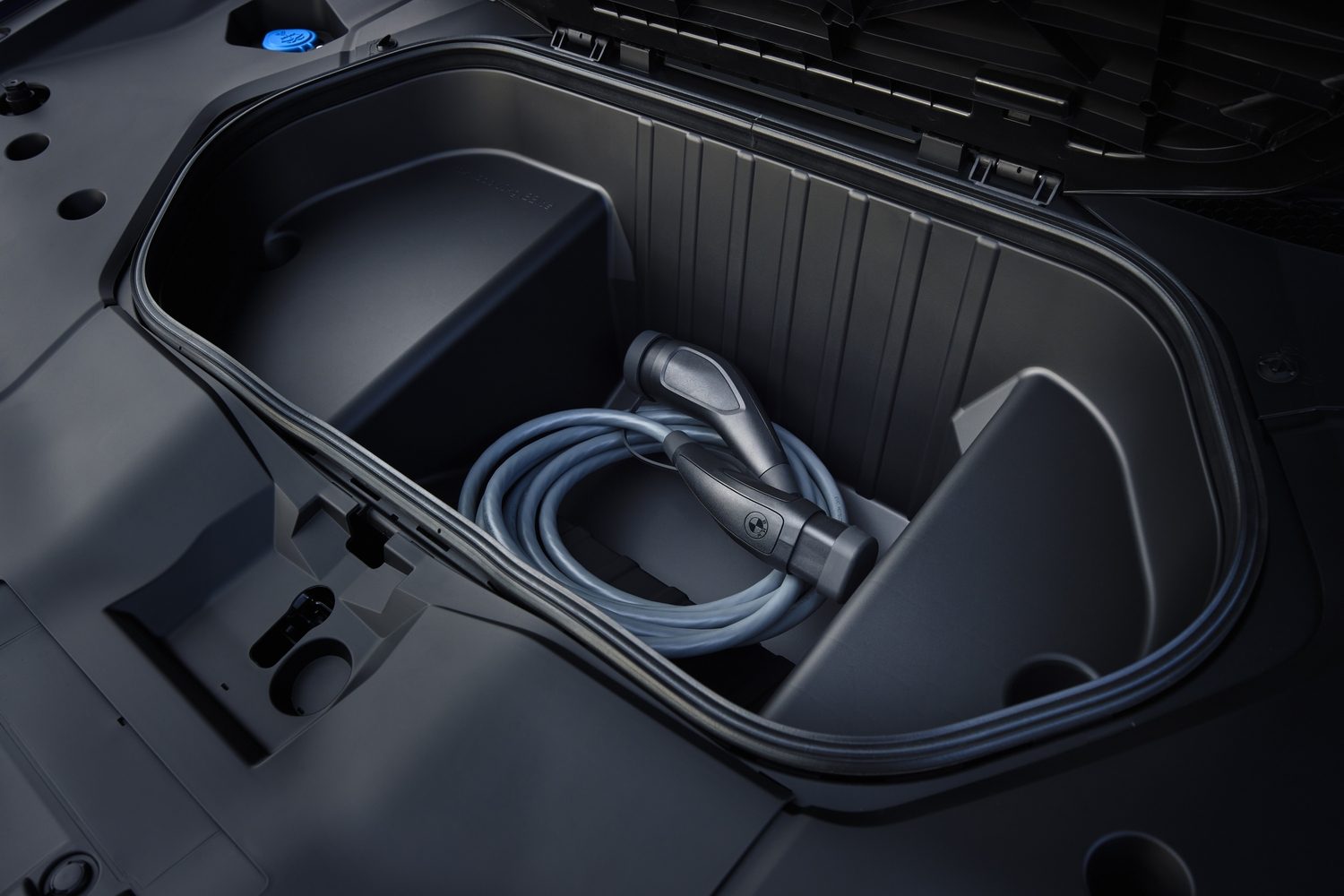
The electrically operated tailgate lifts to reveal 520 litres of boot space as standard. The rear seats can fold down, and doing so boosts cargo volume to 1,750 litres. If you still need more, there is a further 58 litres of cargo volume available in the 'frunk' in the nose.
What powers the BMW iX3?
A significant part of the Neue Klasse architecture is the stuff you won't normally see, such as batteries and motors. Now using sixth-generation electric motors, power comes via an 800-volt architecture and a new cell-to-pack approach that results in a 20 per cent increase in energy density for the battery.
This, through a pack-to-open-body design, acts as a structural component of the vehicle, increasing torsional stiffness while simultaneously decreasing the amount of material required in construction. All of the primary system components, including the Energy Master that controls everything, are produced in-house by BMW.
The iX3 50 xDrive uses a dual-motor setup that produces maximums of 469hp and 645Nm. In the middle of the car is a 108.7kWh battery that provides a driving range of 679-805 kilometres on the WLTP cycle. Acceleration is brisk, with 0-100km/h taking 4.9 seconds, and it has a top speed of 210km/h.
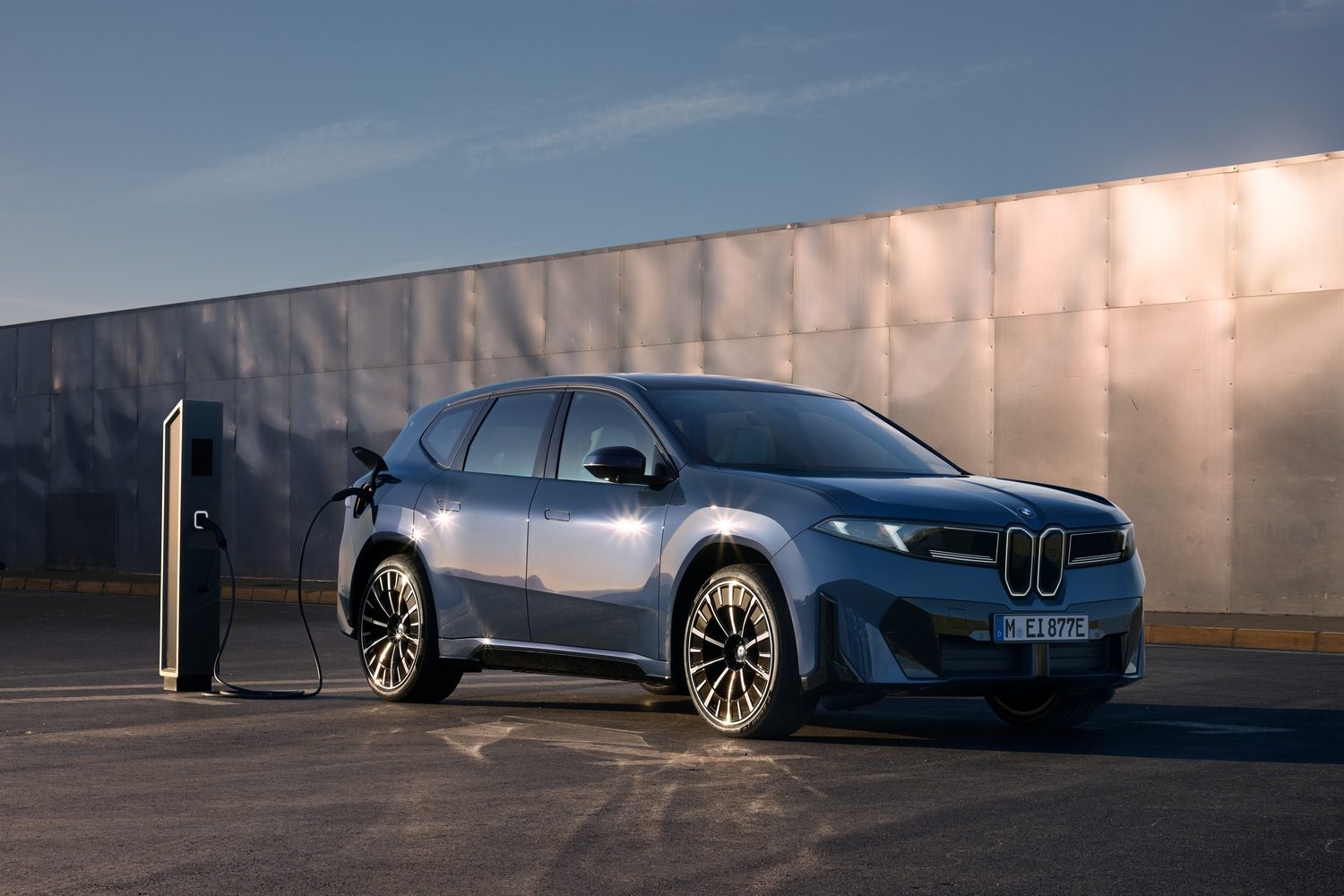
Thanks to a 400kW maximum DC-charge rate, the iX3 will be one of the fastest-charging electric vehicles available when it goes on sale in 2026. Assuming you can find a DC charging station that's powerful enough, you can add up to 372 kilometres of driving range in just ten minutes.
The battery will also be able to act as a massive power bank thanks to its bidirectional charging, giving it Vehicle-to-Load (V2L), Vehicle-to-Home (V2H) and Vehicle-to-Grid (V2G) capabilities. It also gets 11kW AC charging as standard and this can be optionally upgraded to 22kW.
To maximise efficiency without compromising on vehicle performance, the iX3 uses a combination of EESM and ASM motors. These result in a 40 per cent reduction in losses according to BMW, reduce costs by 20 per cent and save weight by 10 per cent.
Speaking at the car's reveal, Oliver Zipse, Chairman of the Board of Management of BMW AG, said: “The Neue Klasse is our biggest future-focused project and marks a huge leap forward in terms of technologies, driving experience and design. Practically everything about it is new, yet it is also more BMW than ever. Our whole product range will benefit from the innovations brought by the Neue Klasse - whichever drive system technology is employed. What started as a bold vision has now become reality: the BMW iX3 is the first Neue Klasse model to go into series production. We are not only bringing the next generation of one of our most successful fully electric vehicles onto the road, we are launching a new era for BMW.”
When does the BMW iX3 go on sale in Ireland?
The rollout and deliveries of the new BMW iX3 are due to take place in Europe from March 2026, followed by Asia and the United States in the summer. Order books will open on September 5 in Europe and it has been confirmed by BMW Ireland that the iX3 50 xDrive will be priced from €73,925 'on the road'.
Video player loading.
Video unavailable. Watch on YouTube
If there is anything about this story we have not covered, you can avail of our expert advice service via the Ask Us Anything page.