

Do you mean inductive charging? Like for a smartphone?
It's exactly like that. Porsche says it will be the first automotive manufacturer to bring an 11kW charging system with a one-box baseplate for EVs to market. The new system will be debuted at the IAA motor show in Munich next week, and Porsche says the appeal of it is that there is no need to install a wallbox or control unit at domestic properties any longer; instead, the floorplate is mounted at the point of parking, and that's it.
And will this just be available for the electric Cayenne?
No, it will be the first EV from Porsche which can be ordered with the equipment and it's due to hit the market in 2026, but the 'One-Box' plate will go on sale next year in Porsche Centres and at the online Porsche Shop as well.
However, in order for it to work, hardware must be installed on the car receiving the charge - on the Cayenne, it is located underneath the vehicle between the front wheels - so any existing Taycan and Macan owners looking into this will need to see how (or, indeed, if) the relevant equipment fits to their cars. Nevertheless, you'd expect Porsche to roll the necessary hardware out as standard equipment for those two pre-existing electric model lines sooner rather than later.
How does Porsche's charging system work?
With that maximum AC power of 11kW, it's quicker than most domestic chargers are these days, while Porsche says that the efficiency of wireless energy transfer from the power grid to the battery is running at 90 per cent.
The company reckons this system is important because, apparently, 75 per cent of all charging processes with existing electric Porsches take place at home, rather than at public or work sites.
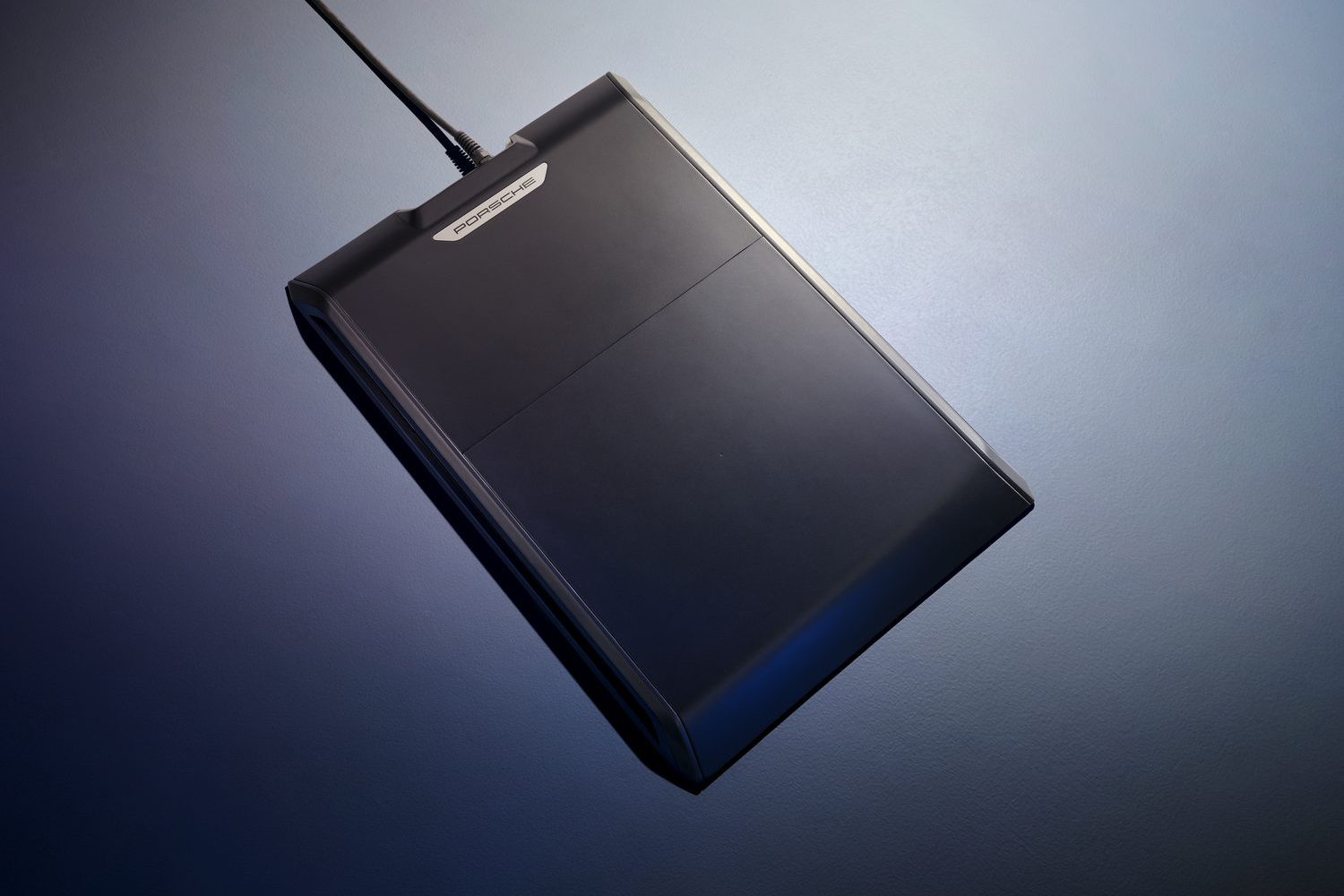
The wireless charging baseplate measures 1,170mm long, 780mm wide and 60mm deep, and weighs around 50kg. It can be installed in a garage, carport or open-air parking space and then connected to the mains supply, with a Porsche Installation Service offered that will see an electrician install the floorplate if necessary.
As already stated, hardware on the car receives the relevant charging signal, so it is situated on the underside of the Cayenne's chassis but is protected from stone damage and the weather, for obvious reasons. The transfer of energy from the baseplate to the vehicle's battery takes place at a distance of a few centimetres, so the Cayenne automatically lowers itself when charging to effectively take in power.
Safety precautions include a motion detector and foreign object detection, so the charging process automatically cuts off if a living creature (probably a cat, let's be fair) gets between the vehicle and the floorplate, or if the car senses there's a metallic object on the baseplate that's heating up due to the charging process.
How easy is it to use?
Porsche claims that the baseplate itself is very 'user-friendly', while the wireless charging process is something integrated into the My Porsche app - so that charging processes can be monitored in real-time, while several vehicles can be registered to the plate.
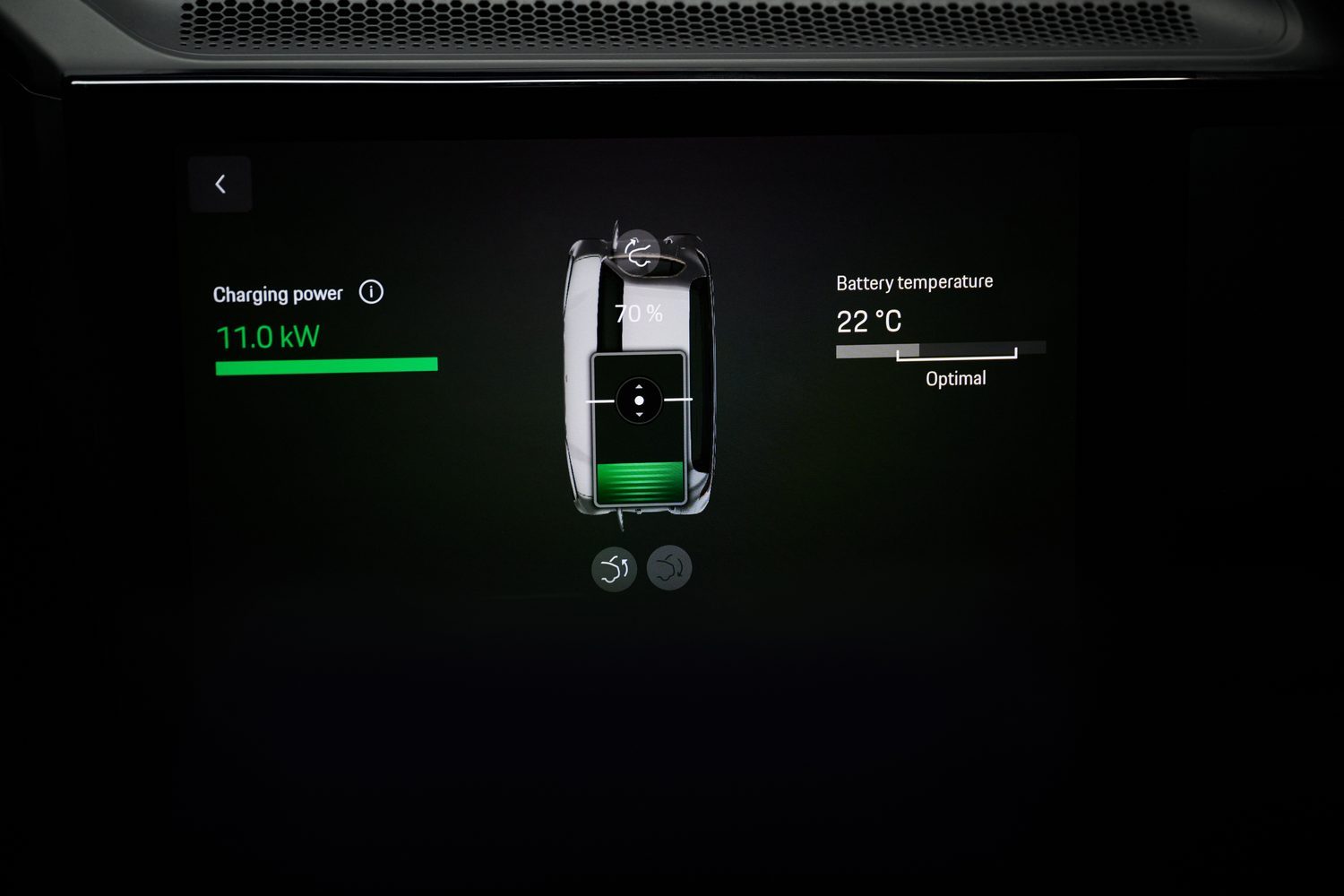
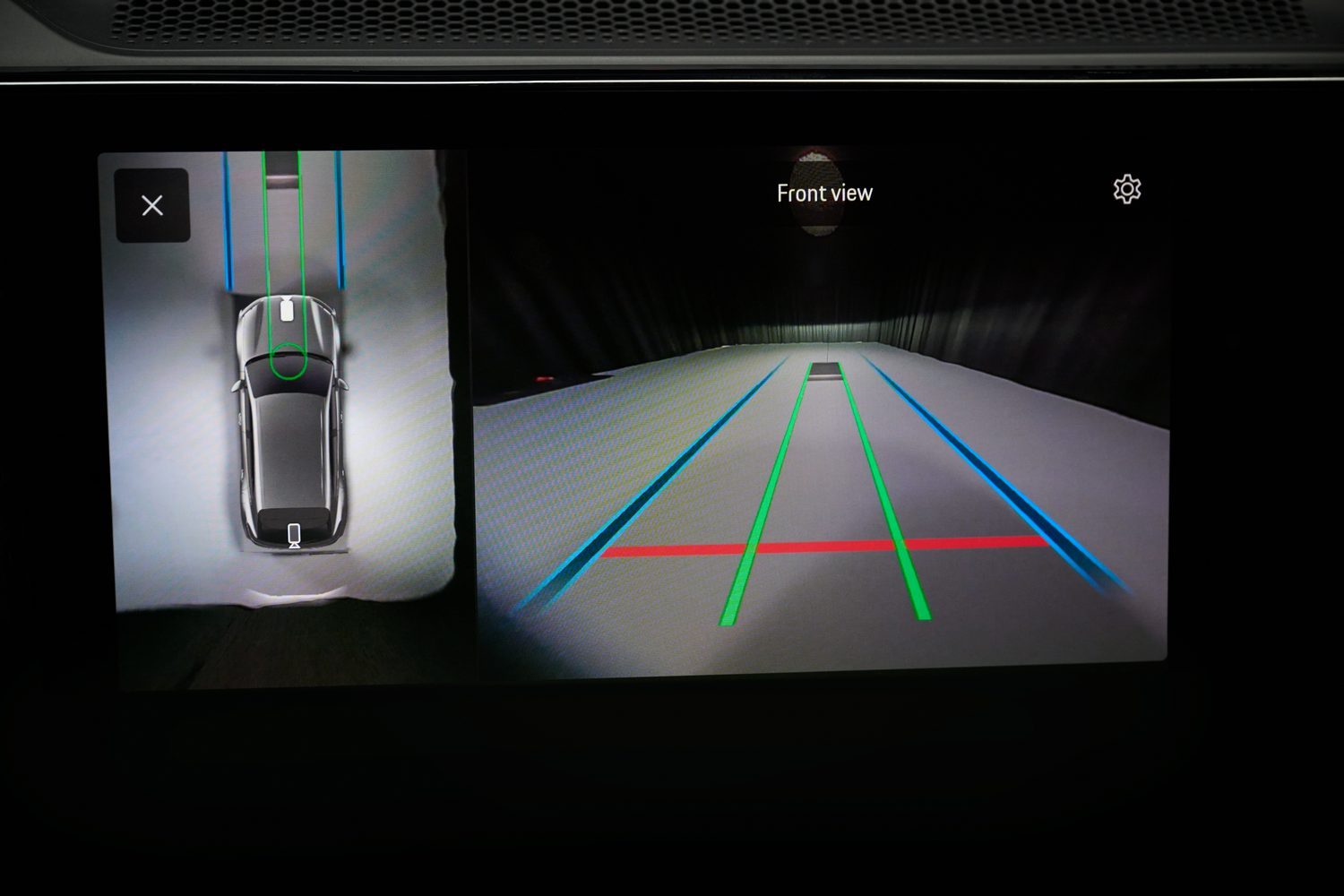
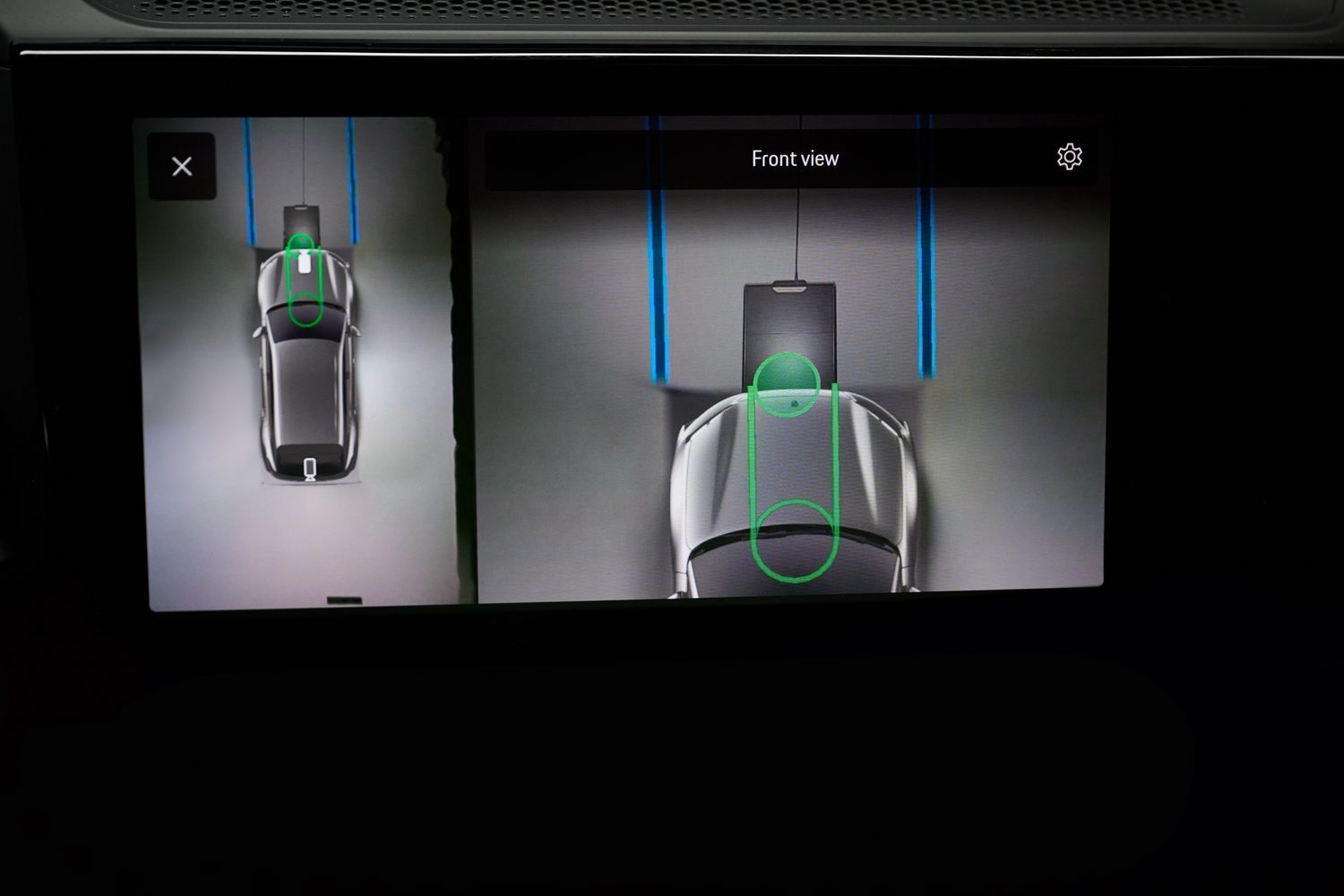
Also, the Surround View parking cameras on the Cayenne offer a bespoke view in their options which allows the owner to steer the SUV into the ideal position for the charging process. As soon as the parking position above the floorplate is reached and the parking brake is activated, then charging begins immediately - a truly seamless experience.
Even the floorplate itself is equipped with an LTE and WLAN module, so that it can receive remote software updates and infrastructure support throughout its working life. Porsche Wireless Charging, to give it the official name, will initially launch in Europe in 2026, with other worldwide markets following on from that.
And this is safe for outdoor use?
Indeed so. Porsche says all the live components in the baseplate are protected from rain and snow, and in the event you should accidentally drive over the pad in your hefty Cayenne electric SUV, it will apparently not cause the unit any significant damage.
Michael Steiner, the Porsche board member for development, said: “Ease of use, suitability for everyday use and charging infrastructure are still the decisive factors when it comes to the acceptance of electric mobility. We are proud that inductive charging will soon be available in series production at Porsche. Charging an electric car at home has never been so easy and convenient.”
What else do we know about the incoming Porsche Cayenne?
Well, sticking with charging, if you don't want to top its battery up wirelessly at home, then it will also achieve new standards for ultra-rapid DC speeds. The Macan and Taycan models originally set high bars in their respective sectors with 270- and 320kW DC peak rates respectively, but the Cayenne can run at a maximum 400kW.
What's going on with the paintwork of the Cayenne?
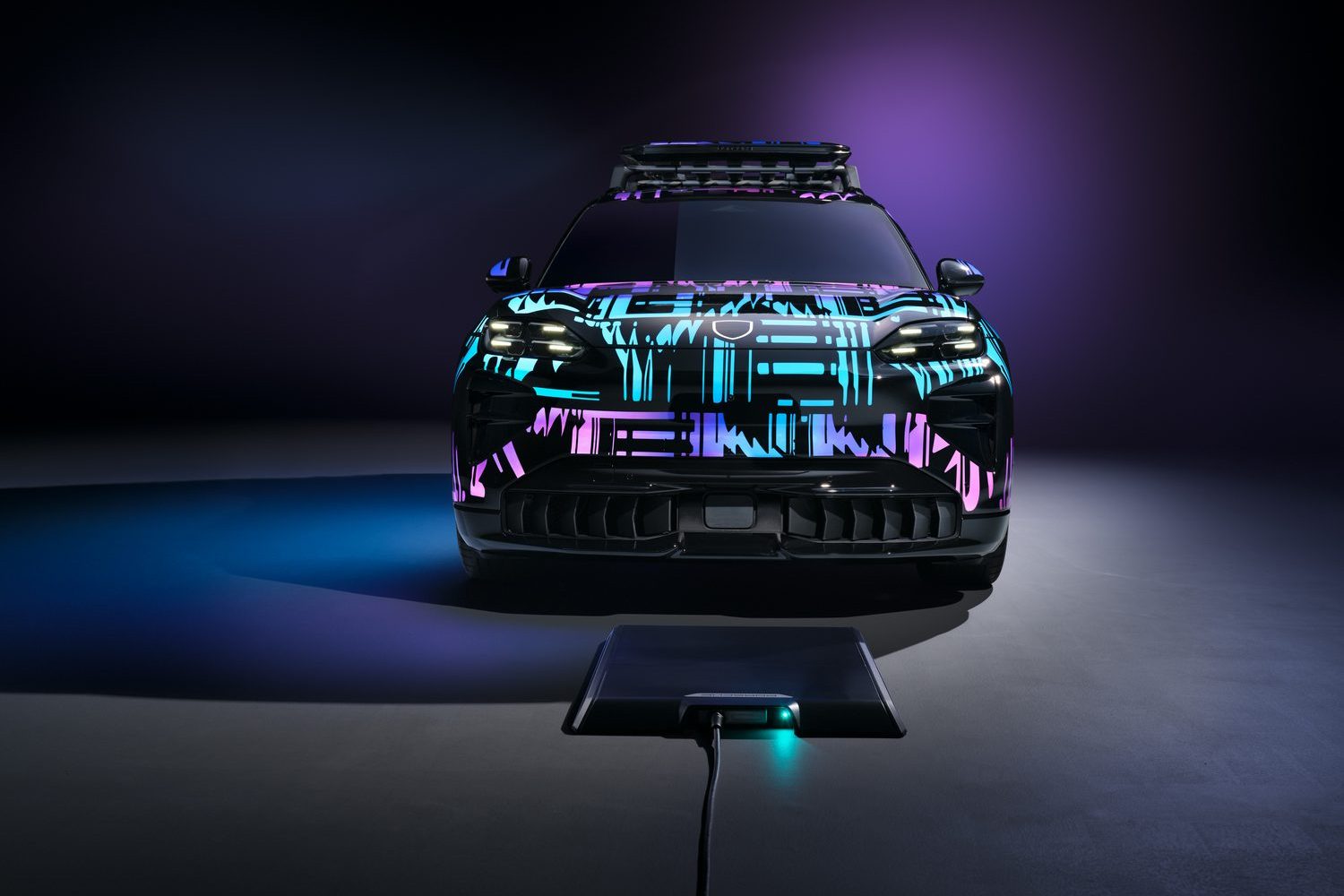
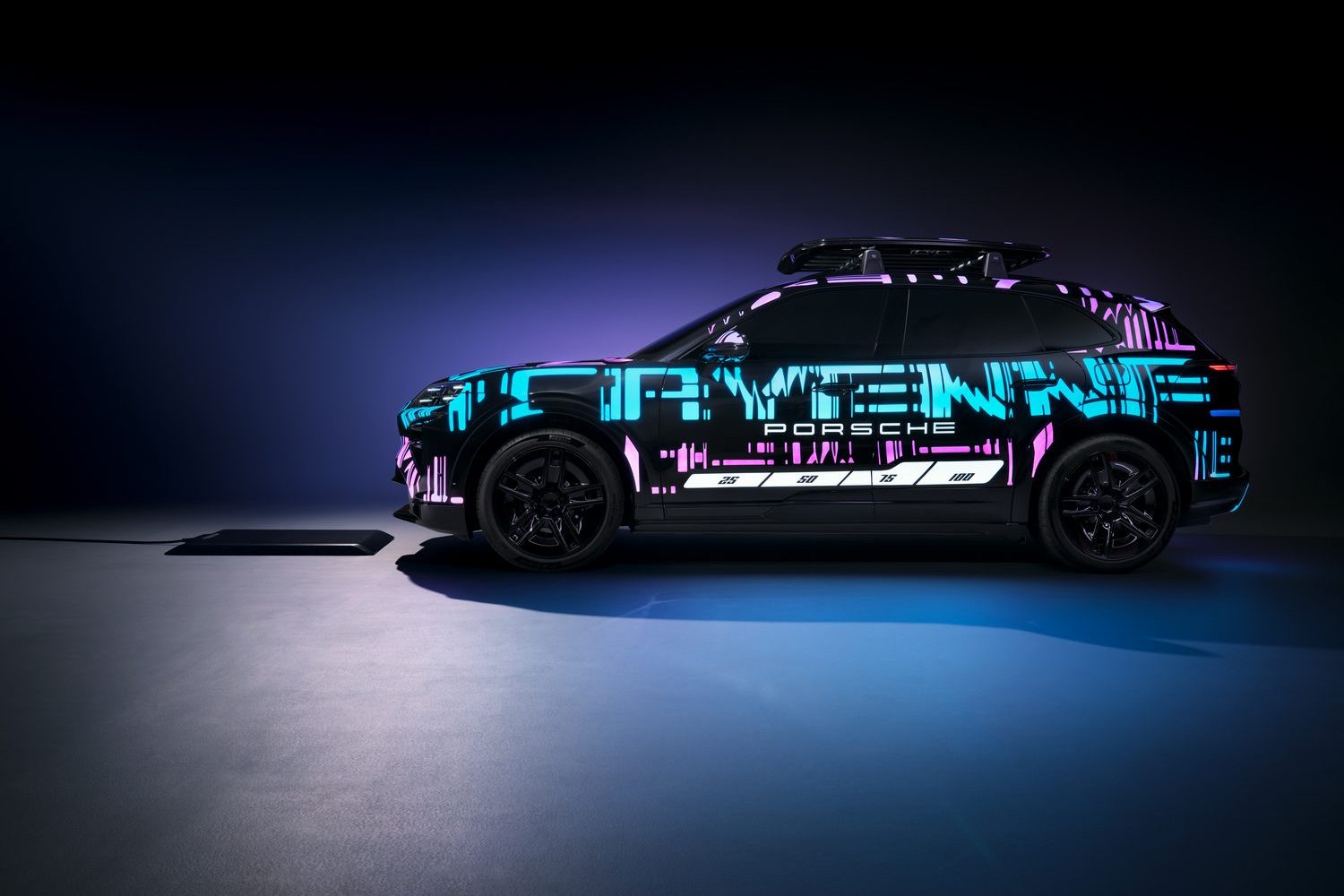
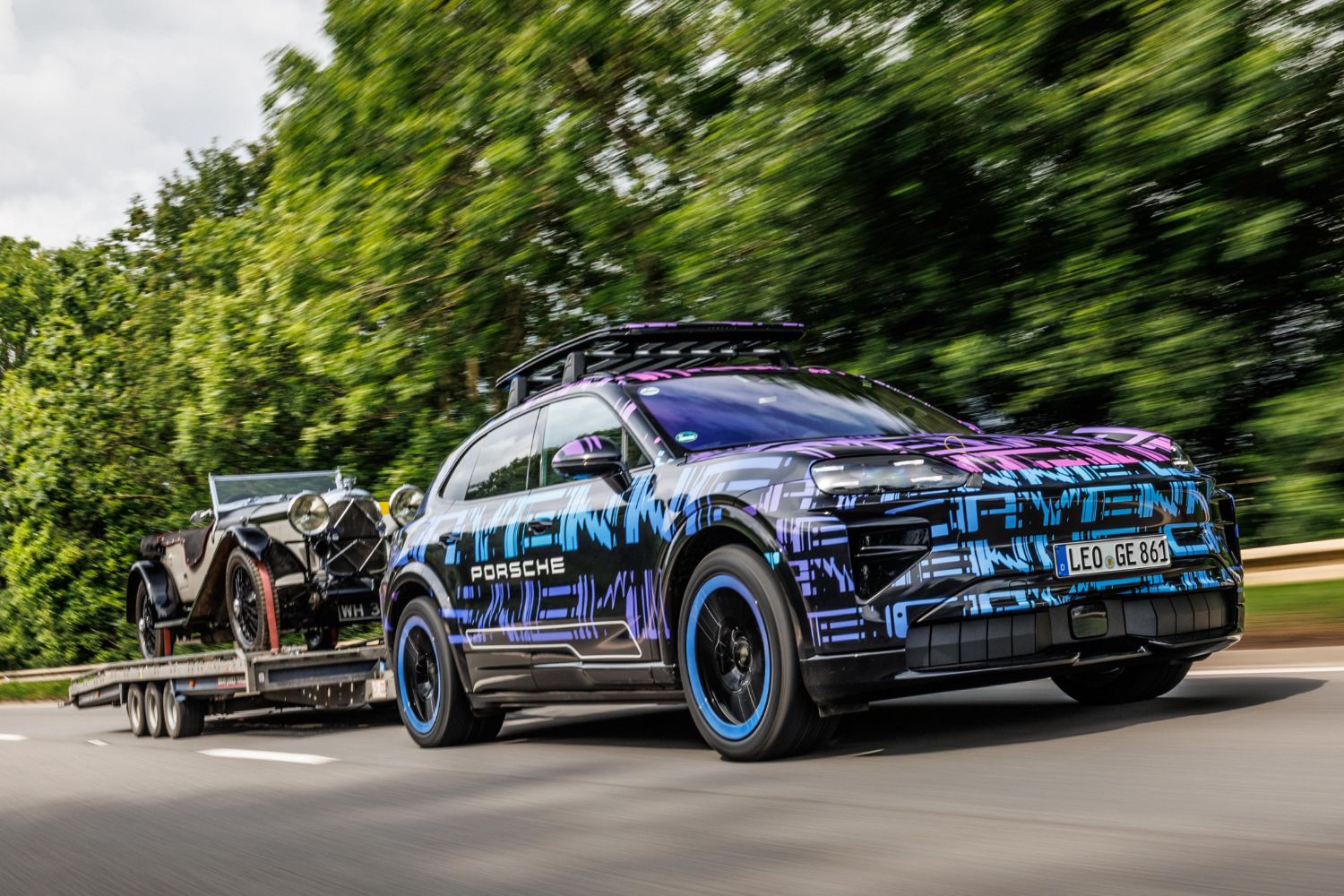
The camouflage of the Cayenne development vehicles we've seen so far is eye-catching, but for the IAA show car due to appear in Munich alongside Porsche Wireless Charging, the big SUV is clothed in innovative fluorescent paint. As soon as electricity flows from the baseplate into the car's battery, a vivid body image with brightly coloured surfaces is created on the Cayenne's body panels.
To achieve this, the prototype at IAA is covered in a coating of 25 extremely thin layers of paint. These include conductive primers, electrodes and insulating layers, as well as the actual electroluminescent material complete with colour pigments. Under alternating voltage, these elements emit light.
On top of this are 15 layers of clear coats and 100 litres of clear varnish, all of which required more than 30 sanding cycles. More than 500 metres of cabling is incorporated into the Cayenne's paintwork to achieve this startling charging lightshow so don't expect it to be an option for buyers on the new electric SUV.
If there is anything about this story we have not covered, you can avail of our expert advice service via the Ask Us Anything page.