

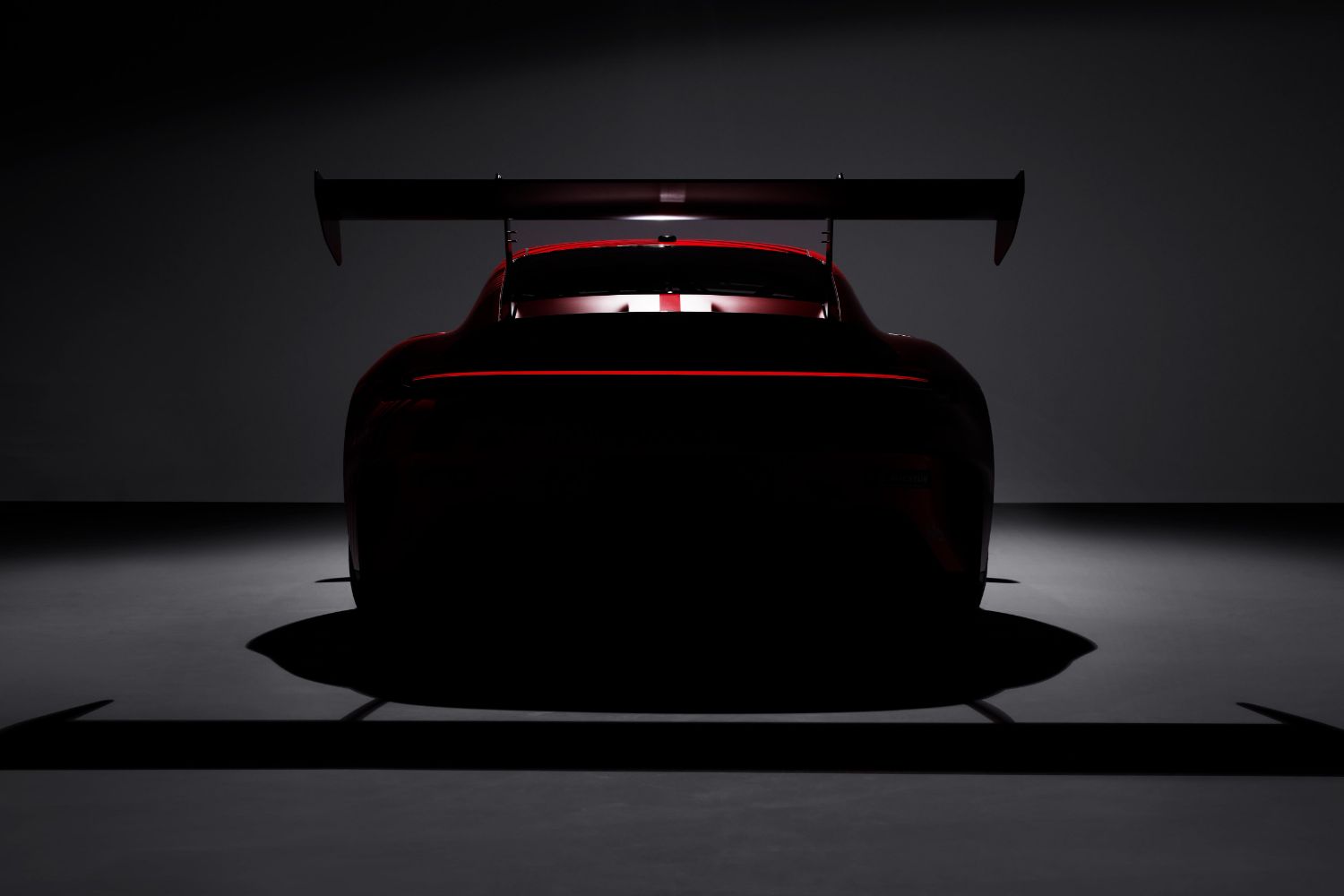
OK, where is this leading?
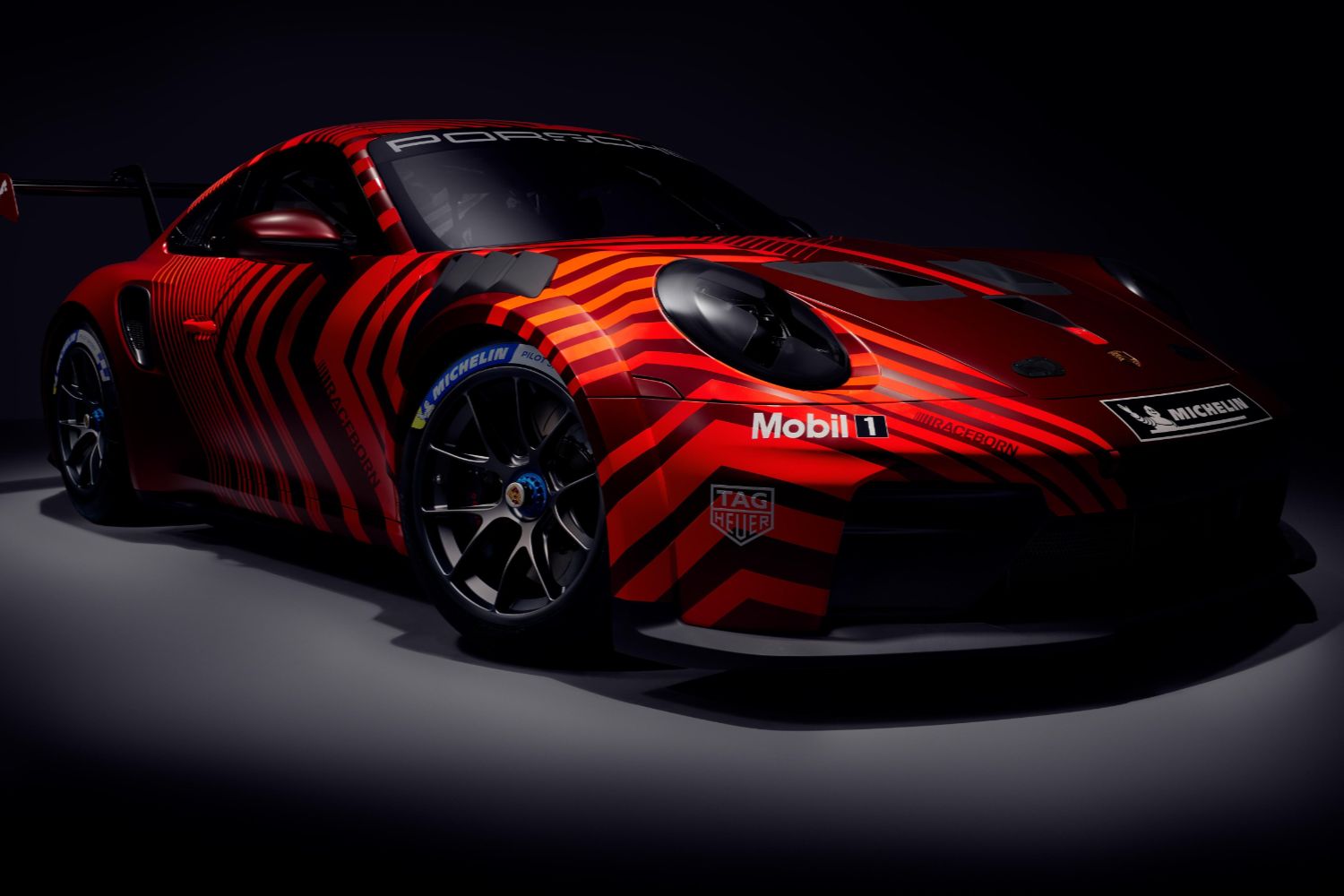
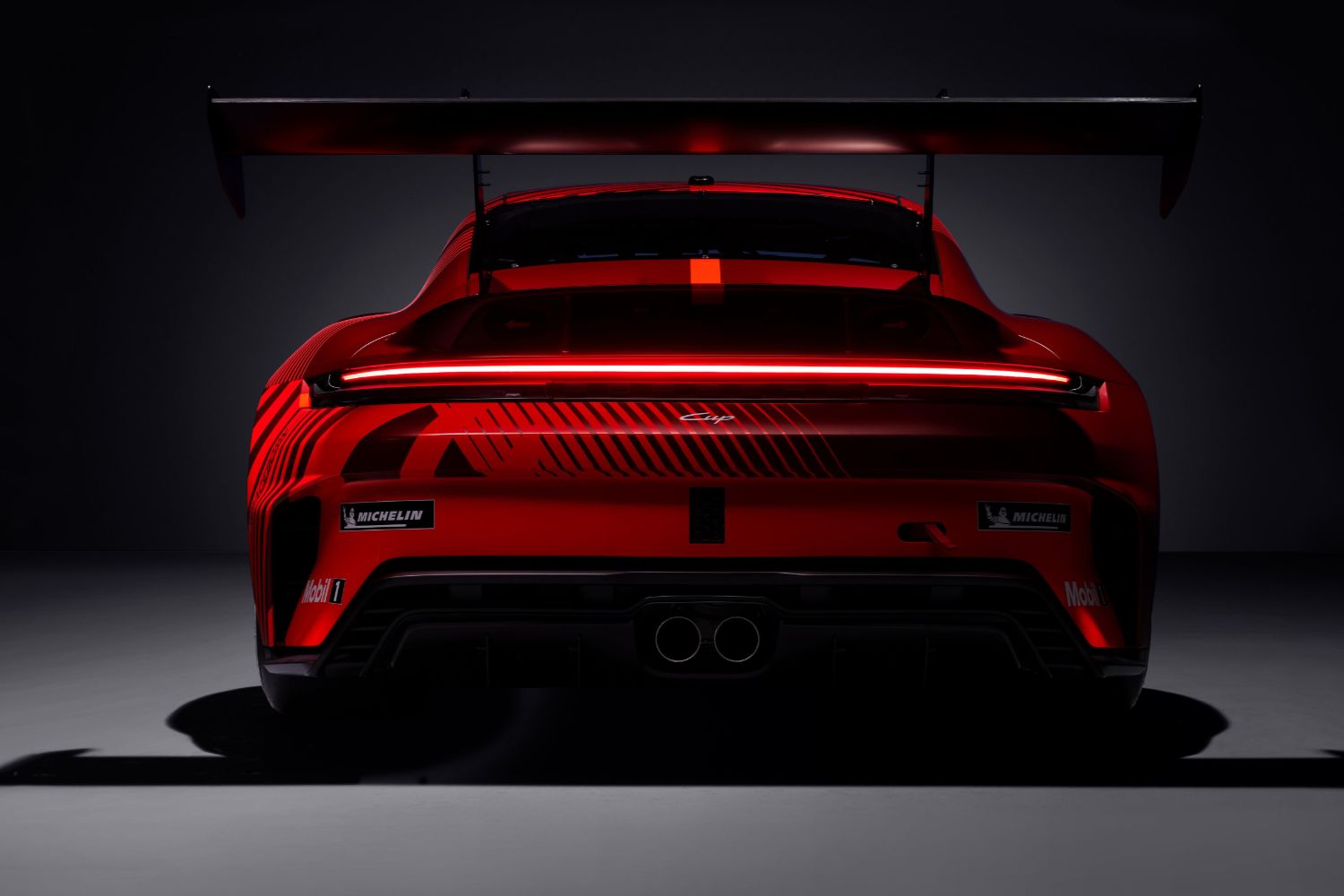
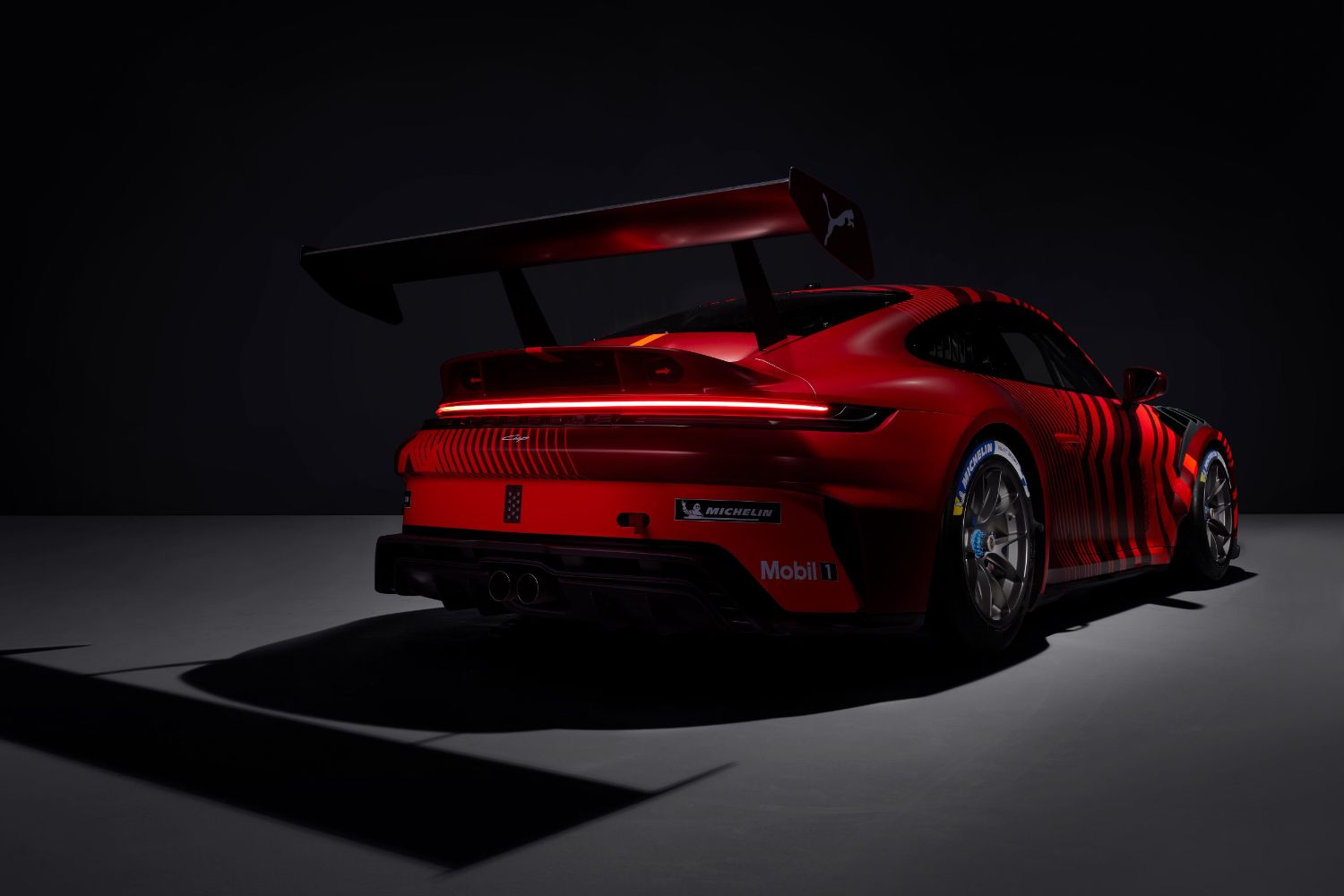
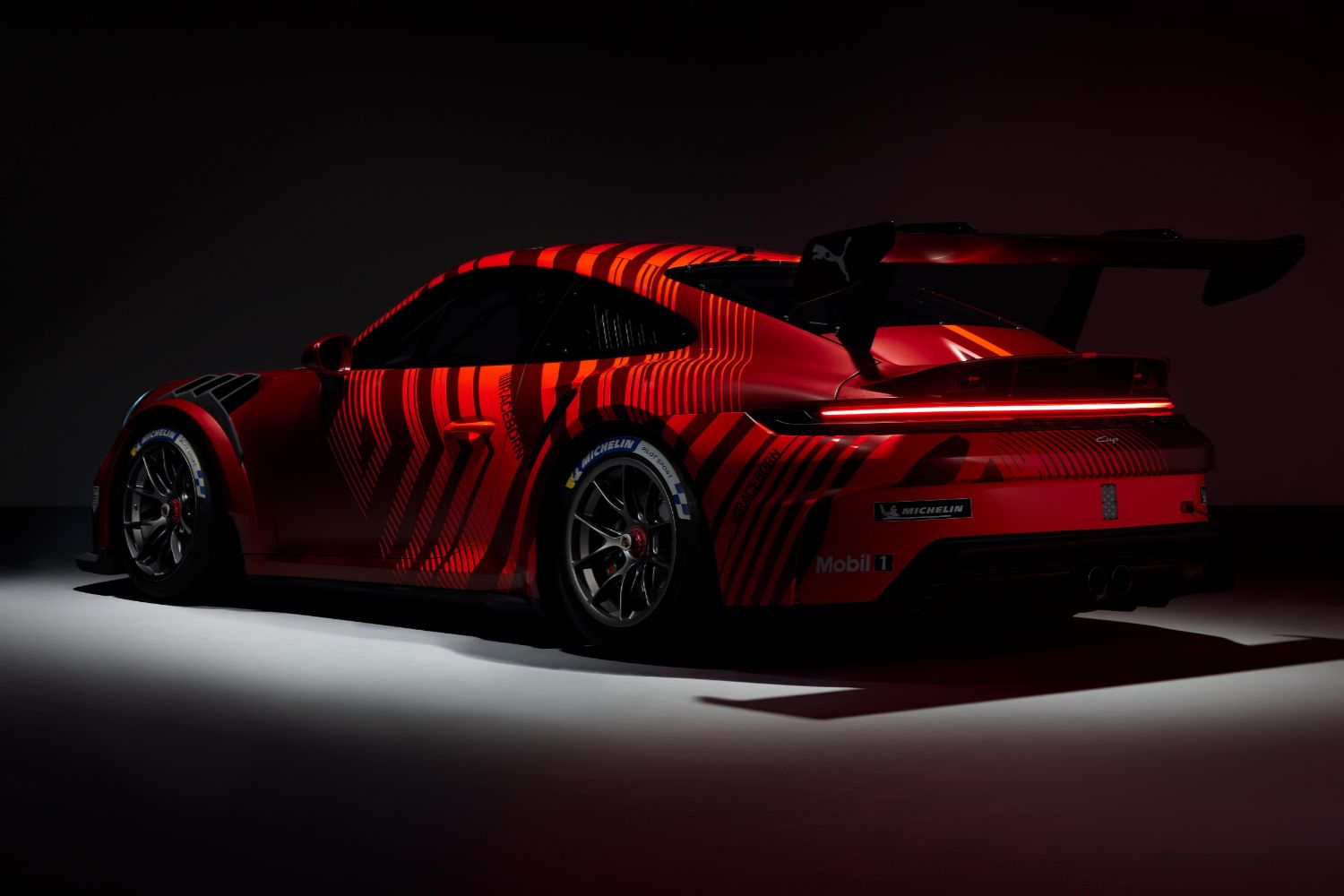
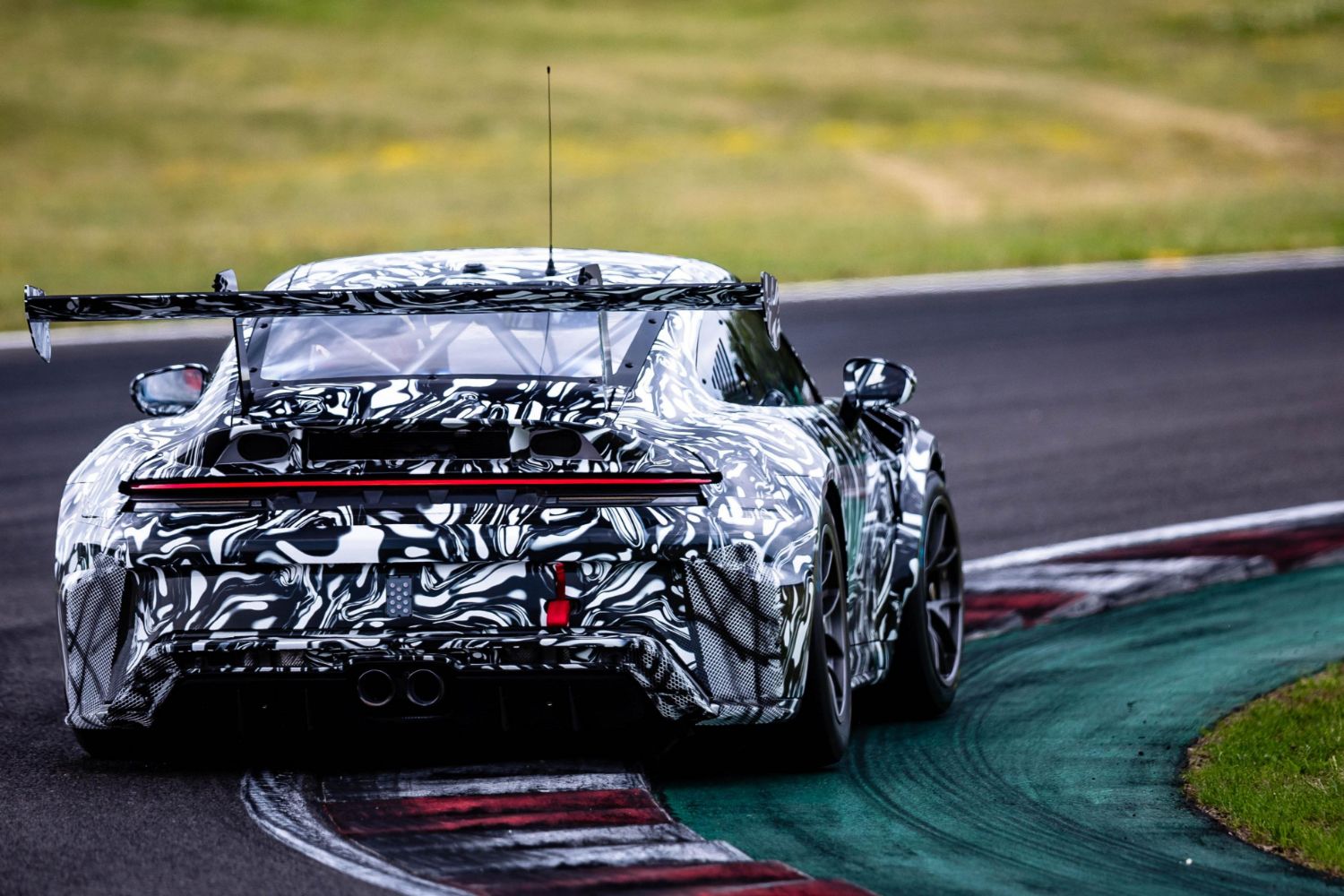
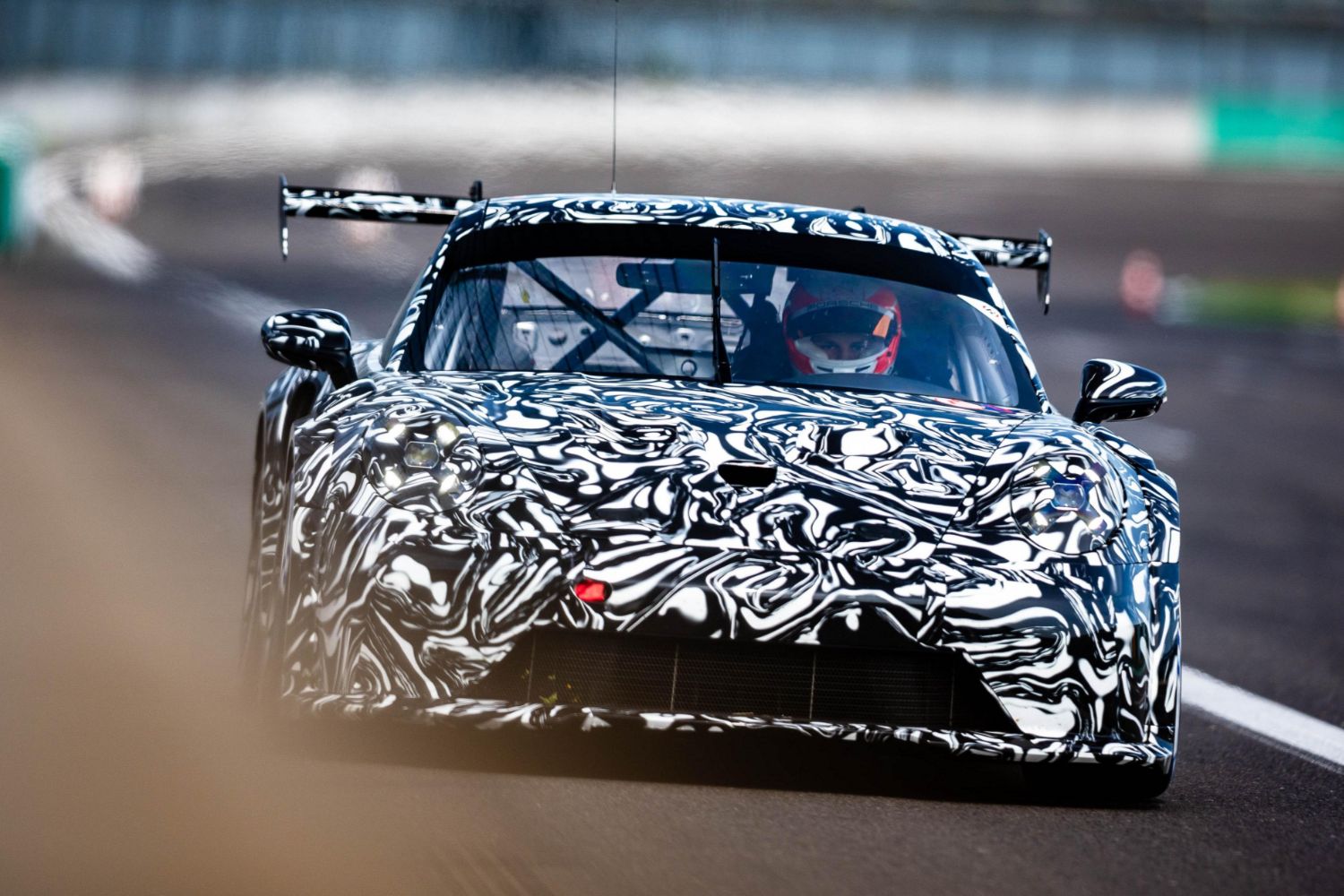
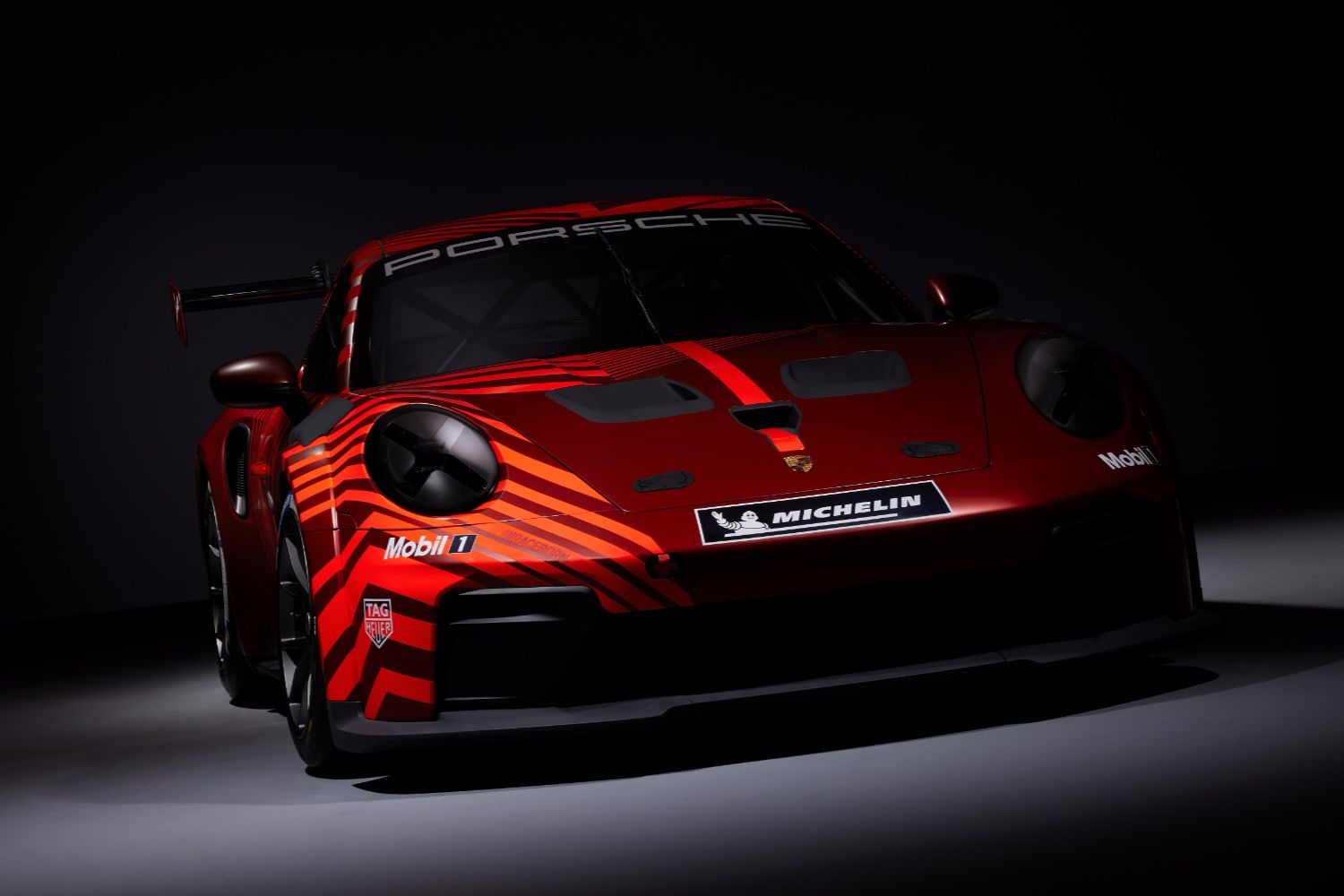
It's leading to this, the latest generation of the 911 Supercup racer, the new 911 Cup. Now, racing 911s are nothing new in the world, but the interesting thing about this particular race car is that it incontrovertibly proves the link between racing and road cars in the 911's DNA — this new 911 Cup is built on the same production line as the standard road-going 911.
What's new about it?
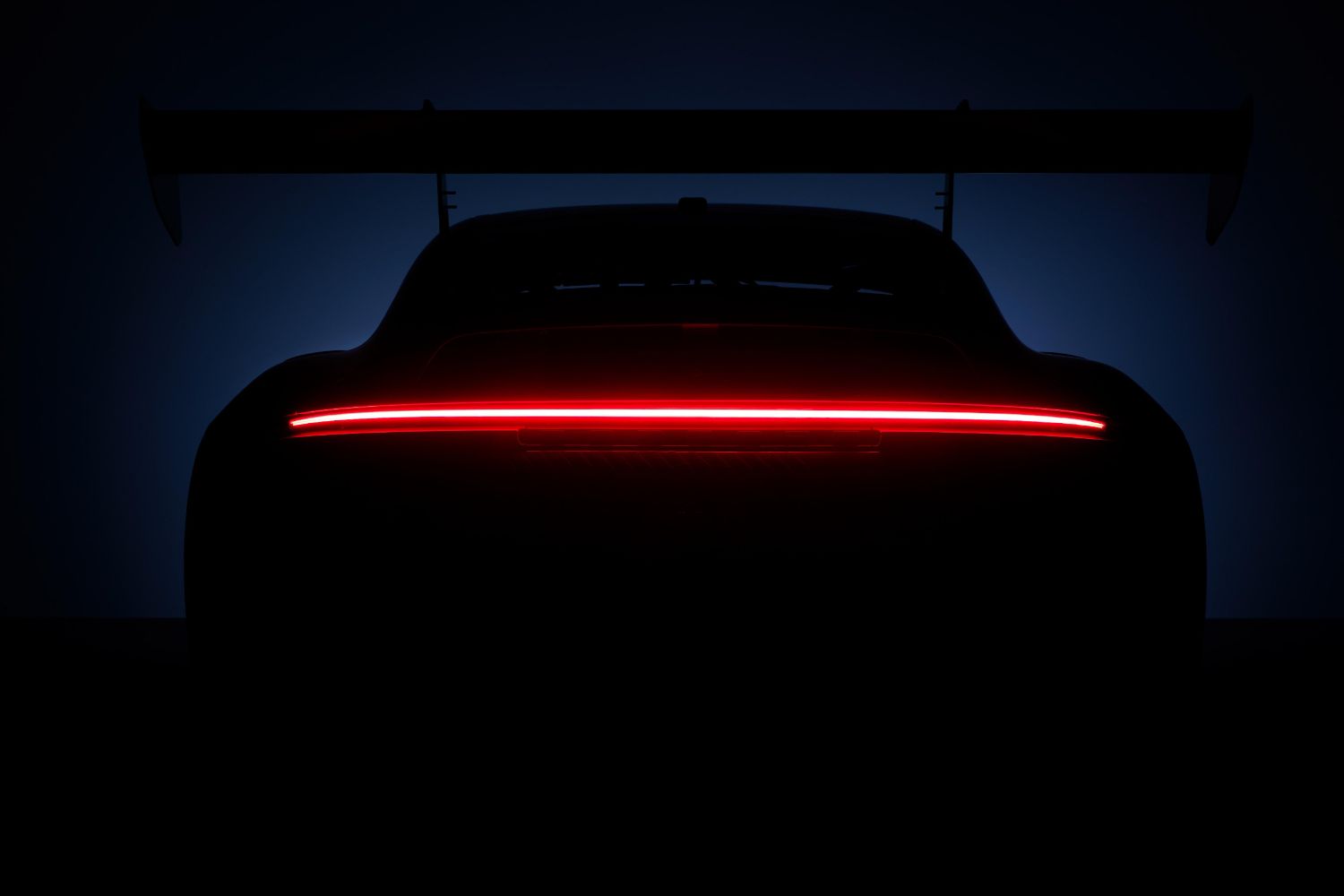
Well, the new 911 Cup is now based on the updated 992.2 version of the road-going 911. Porsche says that the car's development was: “focused on enhancing performance, maintaining reasonable operating costs, and simplifying handling for both drivers and teams.” The engine is Porsche's naturally-aspirated 4.0-litre flat-six (that'll be the GT3 engine then…) producing 520hp, which is 10hp more than before. Aspiring Porsche racers will have to find €269,000, ex-VAT, if they want one.
How many 911 Supercup cars have been built?
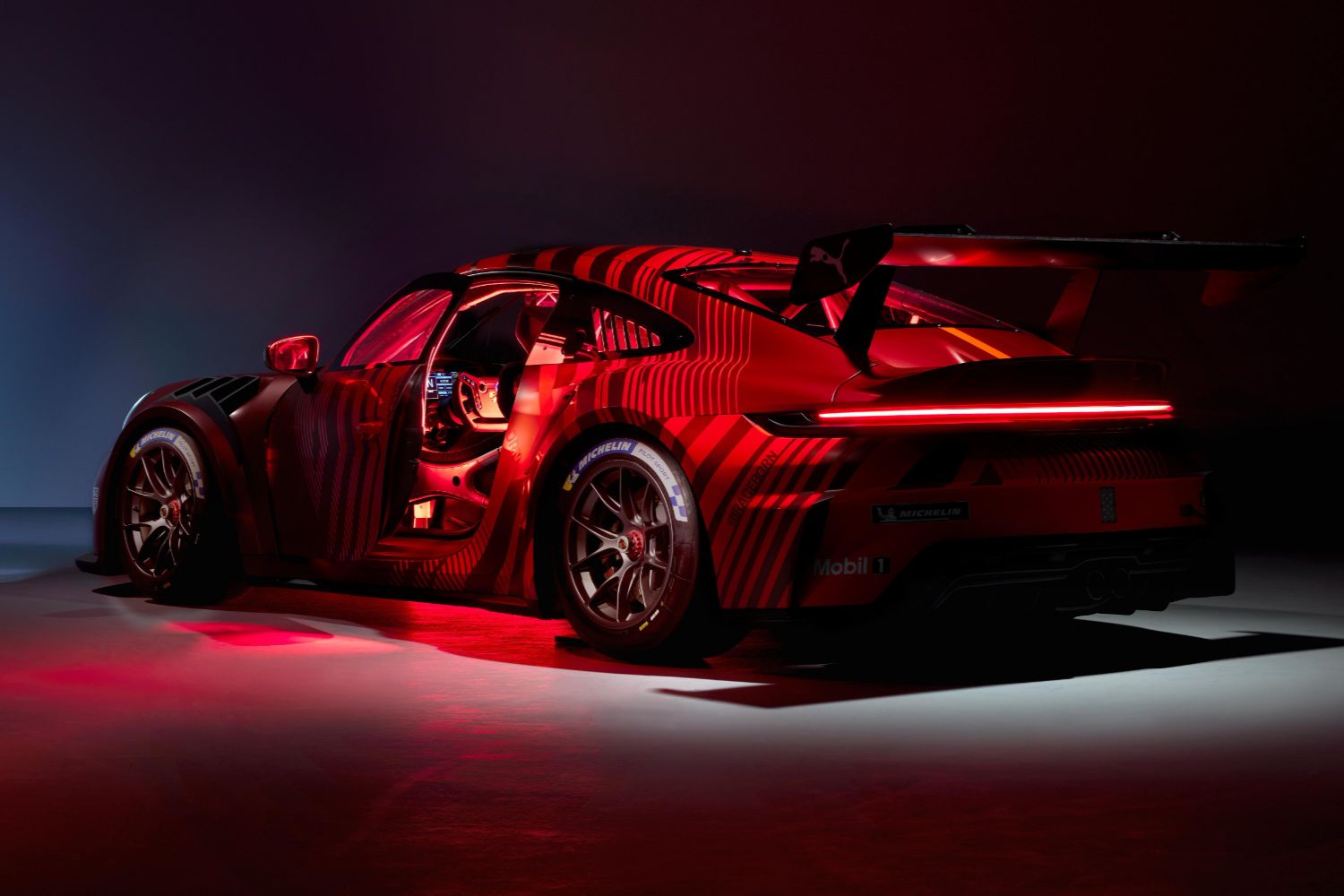
According to Porsche, since 2020, the company has made 1,130 of the current version, and that's part of a total of 5,381 Supercup 911s built since the series began in the 1990s, which surely makes it one of the most populous racing cars of all time.
The new car gets a new three-piece front spoiler, which makes it cheaper to fix if it becomes damaged, while the daytime running lights have been removed too. Why? Because in a front-end shunt, they could thump into the radiators, mounted behind, which would drive up repair costs. A lot of thought has gone into this…
Any other changes?
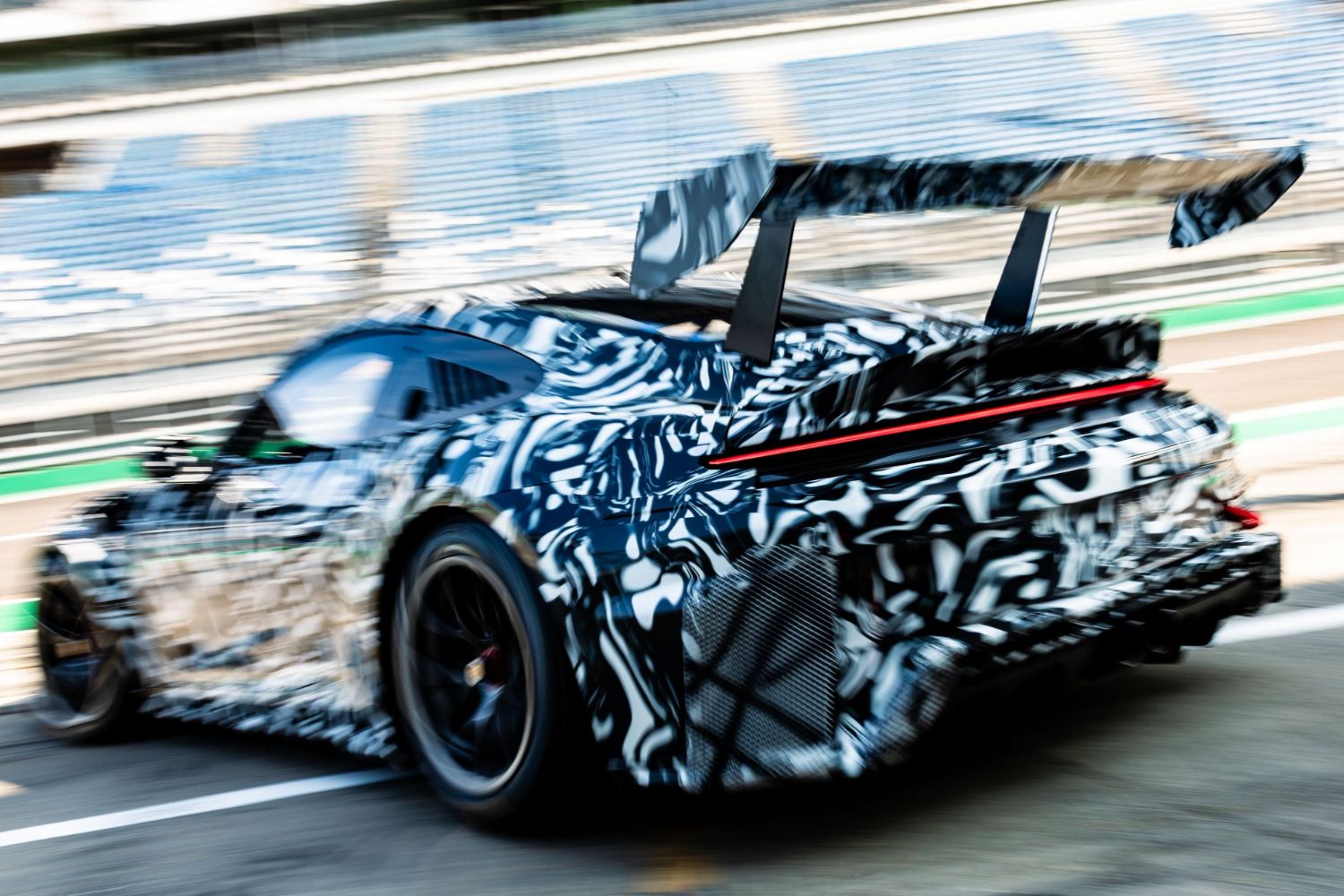
The wheelarches now get integrated louvres, which allow high-pressure air to escape from around the wheels, benefiting aerodynamics and stability, and there's a new aero profile for the 911's underside too, along with new turning vanes at the front.
At the back, there's what Porsche says is an 'aggressive redesign', including a new swan-neck rear wing mount which makes wing adjustments a bit easier, and a new engine cover. Porsche has even been fiddling with what the 911 Cup's body and aero package is made of, including the use of recycled carbon fibre fleece combined with bio-based epoxy resin. For example, off-cuts from other manufacturing processes are repurposed to produce the fleece, a measure that contributes, among other benefits, to stabilising spare parts pricing.
What about the engine?
The 4.0-litre flat-six is familiar (see Matt Robinson's road test of the updated 911 GT3 road car here…) but it's been updated a little with flow-optimised individual throttle valves and camshafts with extended valve opening times, which allows for the fitting of an air restrictor so that no-one can modify the engine to produce extra power on the sly. Porsche says that the engine only needs servicing after 100 hours of racing.
To further boost reliability and reduce the car's running costs for entrants, there's also a new four-disc sintered metal racing clutch for the six-speed 'dog' racing gearbox. Porsche says that allows for an increase in the engine's rev limit, and there's an automatic re-start switch built into the clutch pedal to help drivers recover from stalling the car. The brake lights are now designed with stroboscope lighting to warn drivers behind of any incidents ahead.
There are new brakes too, with the front discs growing to 380 mm, with their cross-section increased from 32 to 35 mm. This means better cooling, and Porsche has moved some of the under-bonnet stuff around to allow for more airflow to the brakes. The brakes come with Bosch-supplied ABS, and there's an automatic warning for the driver if the brake system starts to leak. The steering has been updated, too, to allow for a little more lock for street circuits.
And the cabin?
Inside the 911 Cup, you'll find a new, higher-quality multifunction steering wheel combined with a more attractive design with practical advantages. For example, central rotary controls are used to adjust ABS intervention and traction control. The newly designed colour-illuminated control buttons improve the readability of the respective labels. There's a big centre panel with eight switches that allows the driver to adjust settings such as pit lane speed, exhaust mapping, and steering angle reset. This removes the need to connect a laptop and simplifies operations for the teams. Additional foam padding on the inside of the door crossbar offers extra protection for the driver's arms, legs, and feet.
Finally, there's a live in-car tyre pressure monitor, a powerful new GPS antenna for track-timing, and automatic checks for the on-board fire extinguisher and the starter battery.
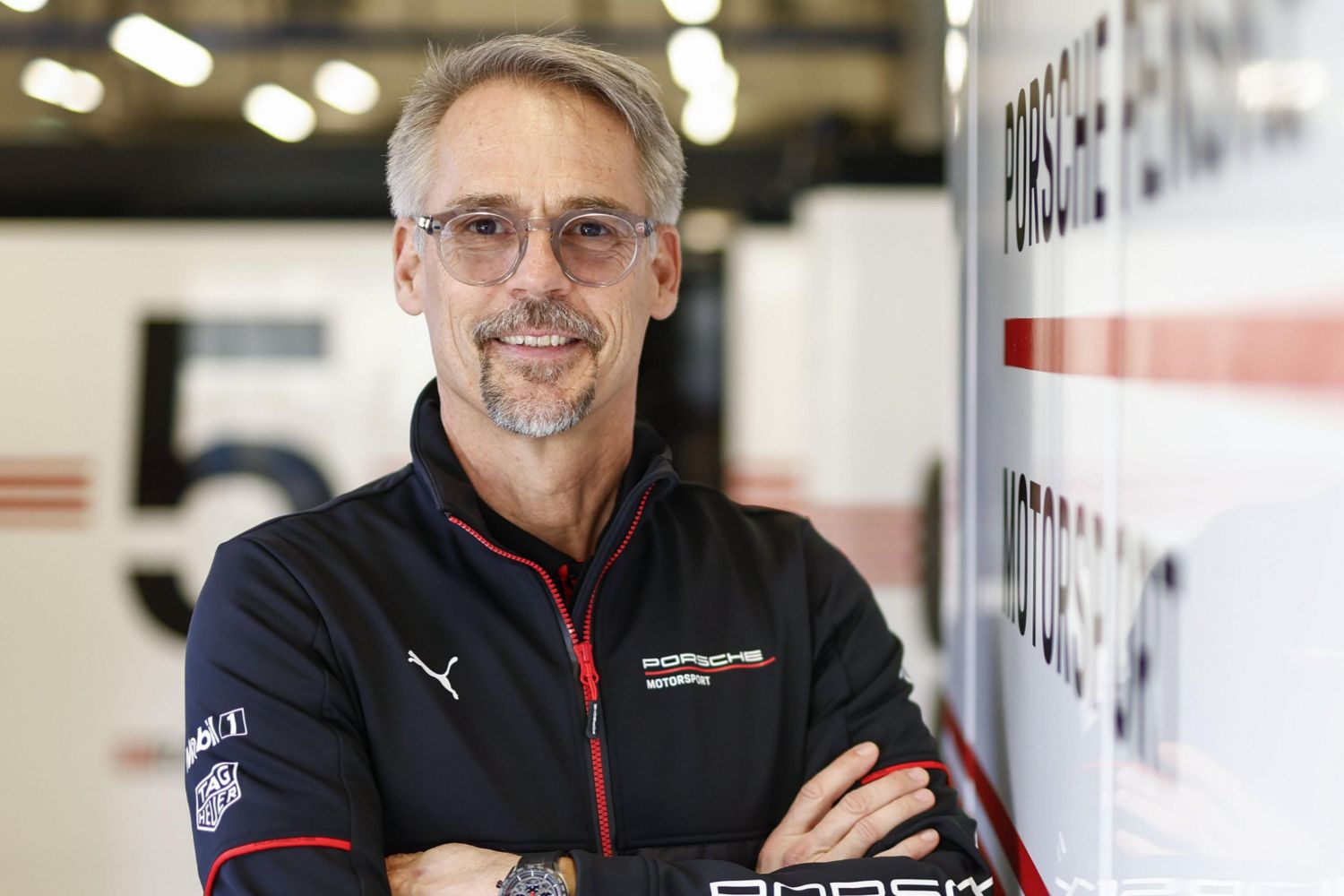
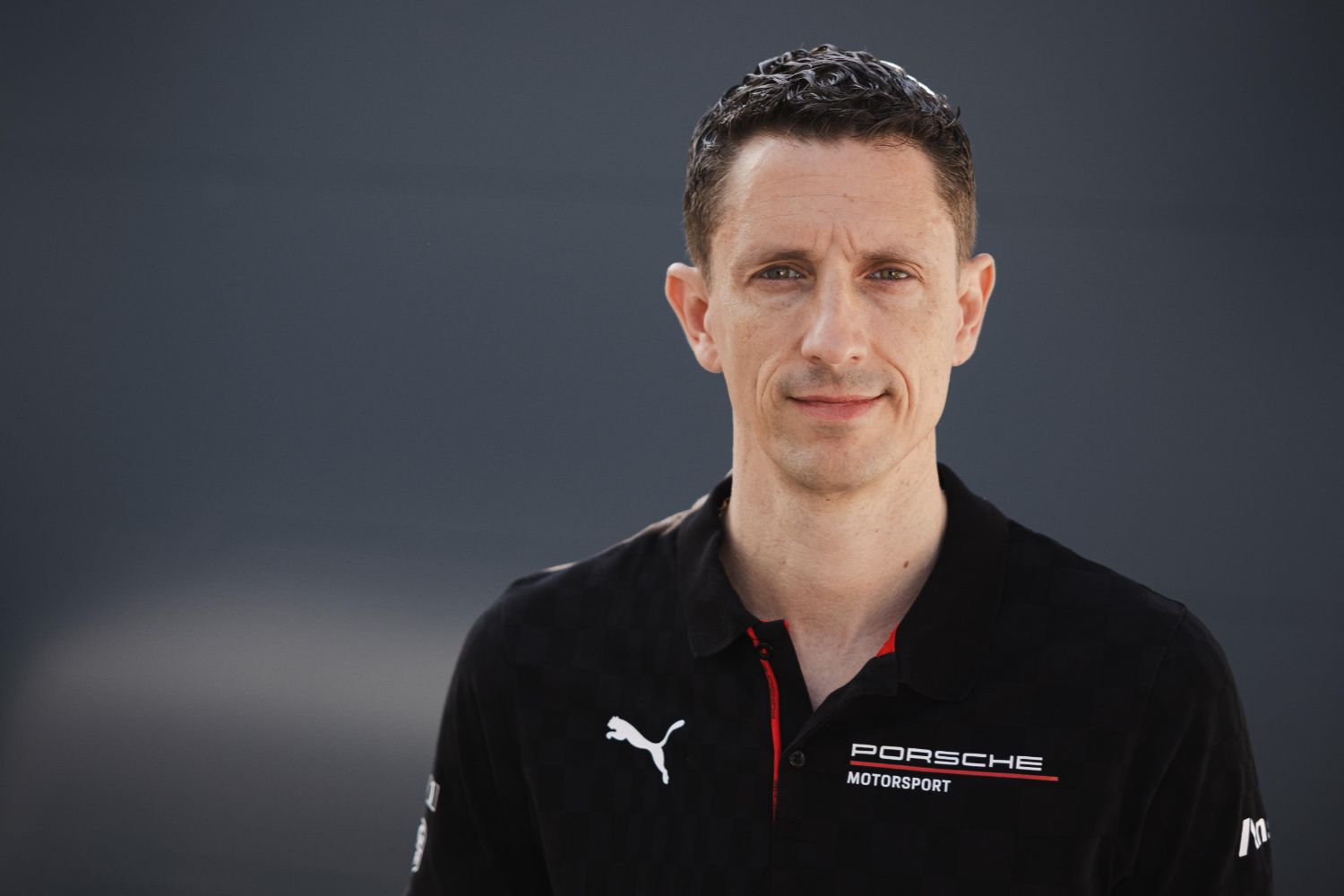
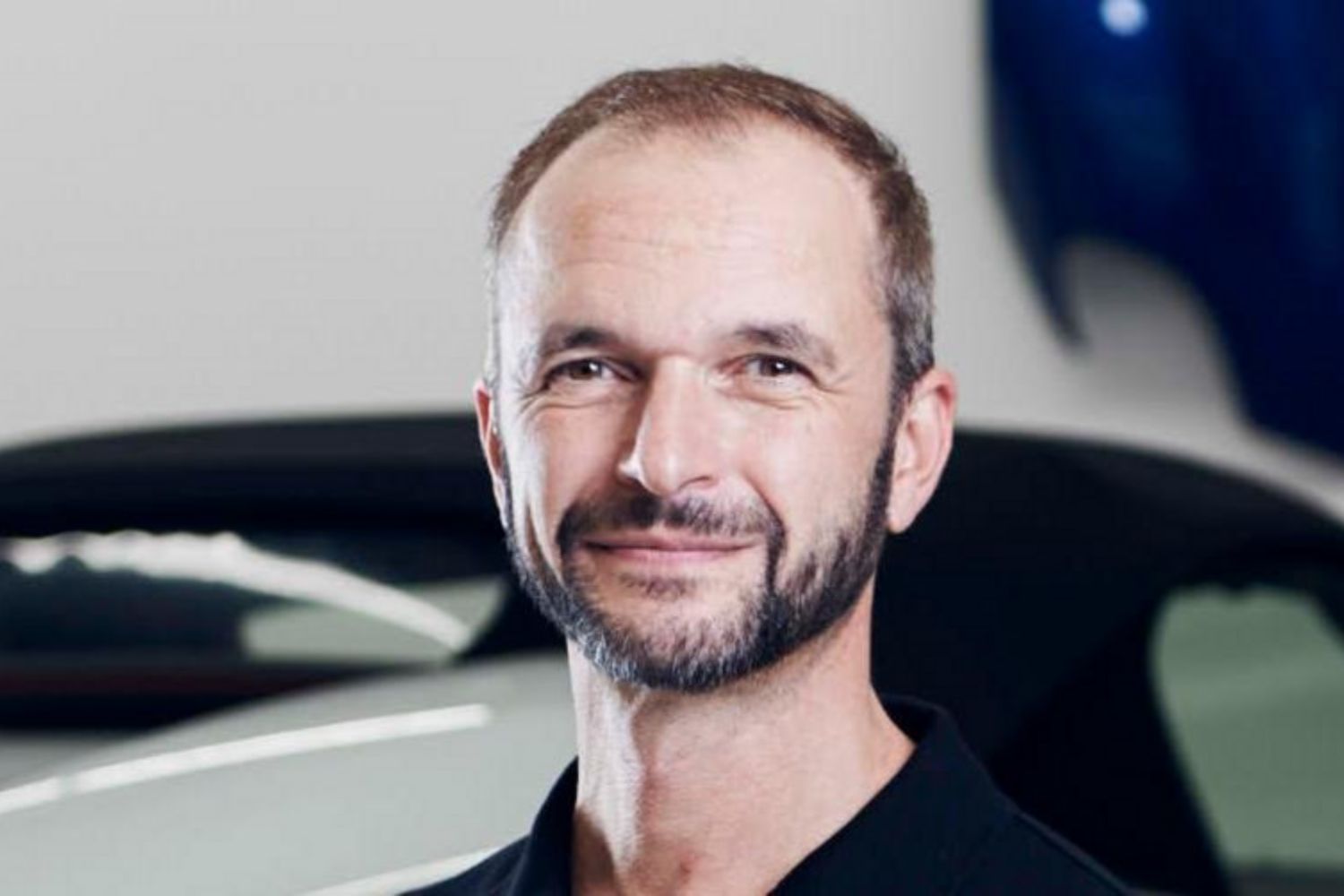
Matthias Scholz, Director GT Racing Cars, said: “The new 911 Cup stands out thanks to the extensive attention to detail that has gone into its development. It is stronger, faster, yet also more practical. Component service life remains unchanged - in some cases even extended - despite the increase in performance. Where appropriate, materials have been replaced with components containing a high proportion of recycled materials. Cockpit operations have been optimised, and a range of additional electronic features allows for broader application across different racing formats.”
If there is anything about this story we have not covered, you can avail of our expert advice service via the Ask Us Anything page.