





Production powered by renewables
All BMW facilities worldwide have used 100 per cent renewable electricity since 2020. The new Debrecen plant in Hungary goes further, operating entirely without fossil fuels. A quarter of its annual electricity comes from on-site solar panels, with surplus energy stored for use in processes such as paint curing.
BMW claims each iX3 built in Debrecen produces just 0.1 tonne of CO2 during assembly - around two-thirds less than the brand's current average.
BMW's Gen6 batteries cut emissions
The Neue Klasse architecture debuts BMW's Gen6 battery technology in the iX3. These new cylindrical cells contain 50 per cent recycled cobalt, lithium and nickel, and use a cell-to-pack design that removes the need for modules. This, according to BMW, reduces material usage and results in a 42 per cent lower CO2 footprint per watt hour compared with Gen5 batteries, as used in the BMW i4.
Design for circularity
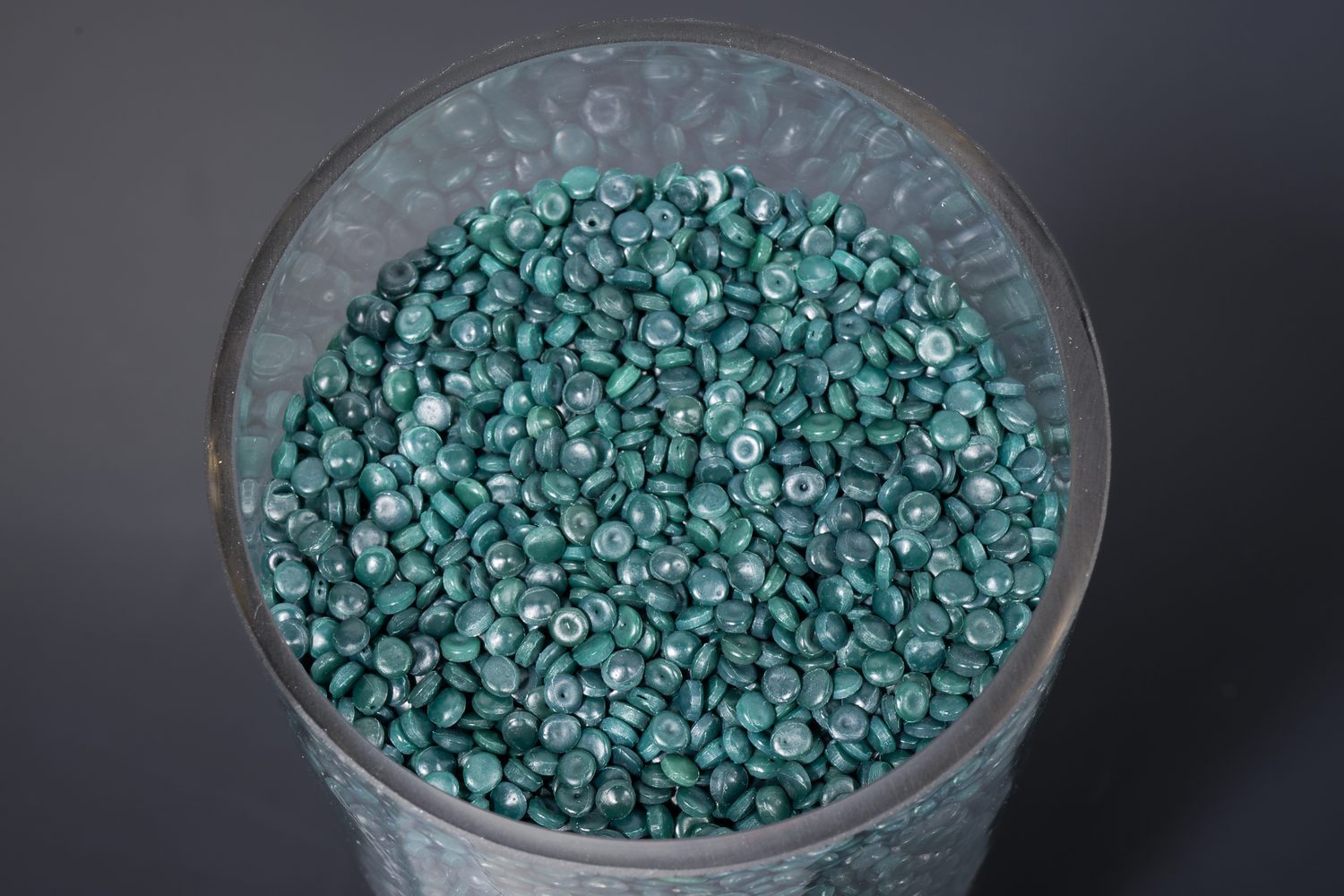
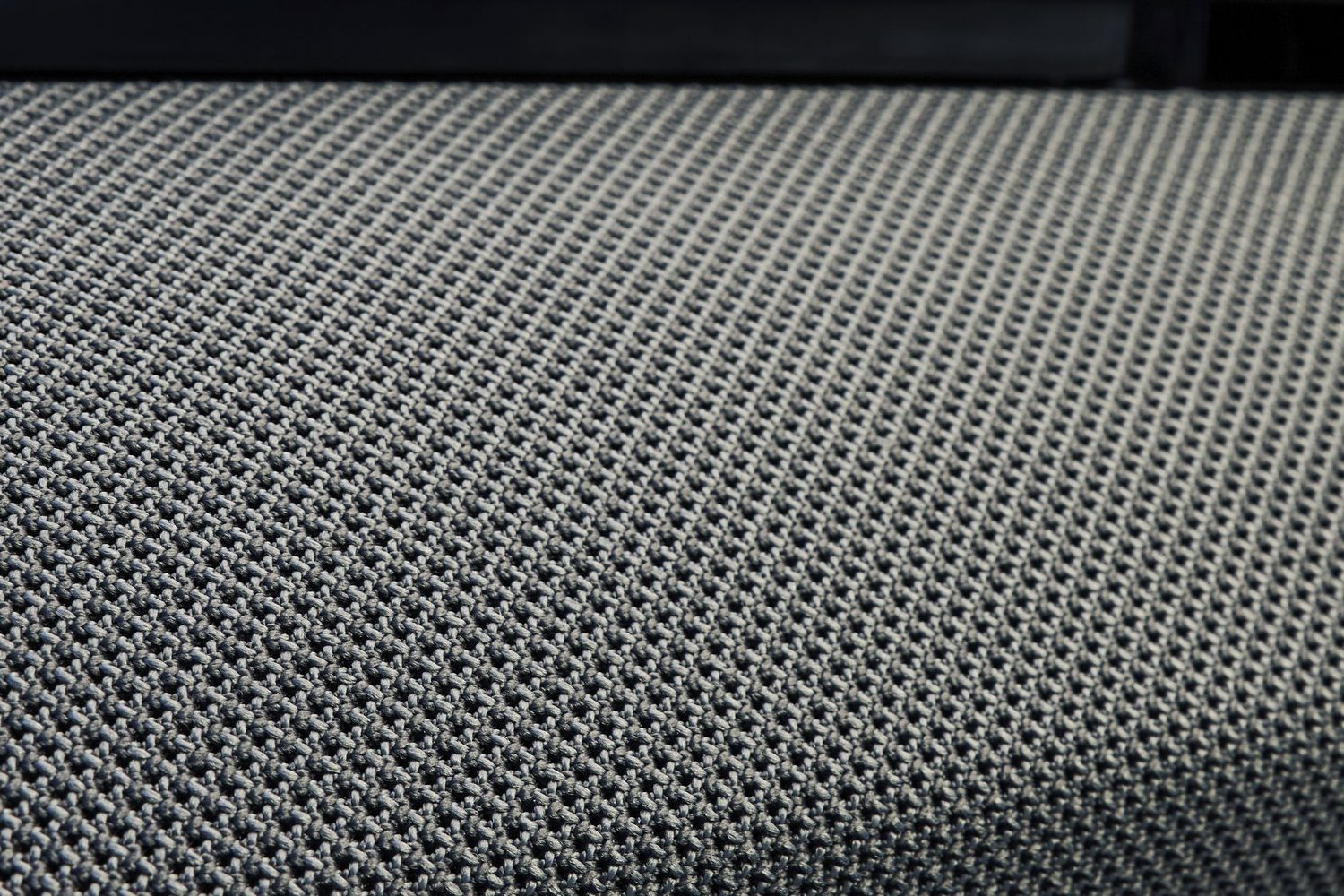
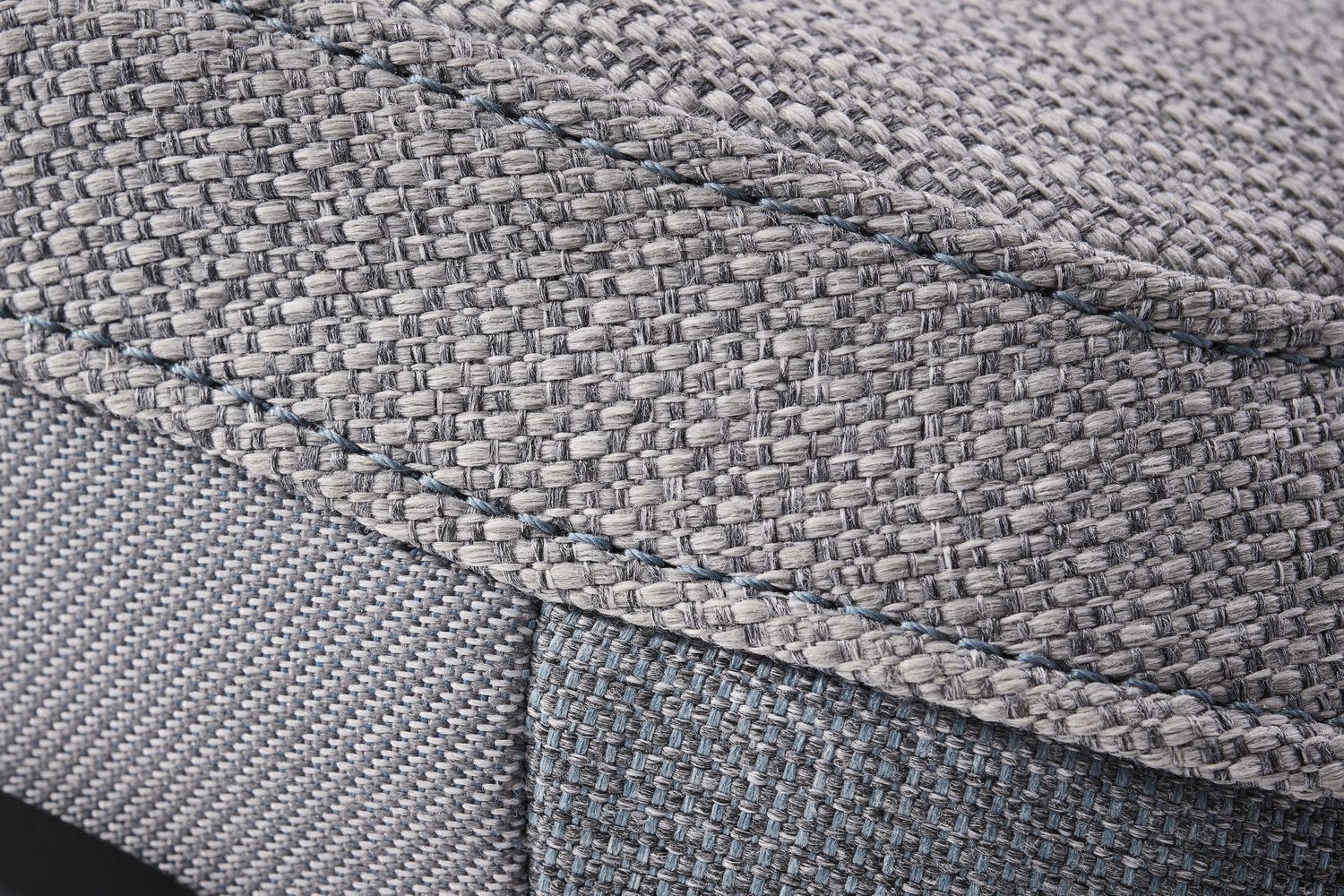
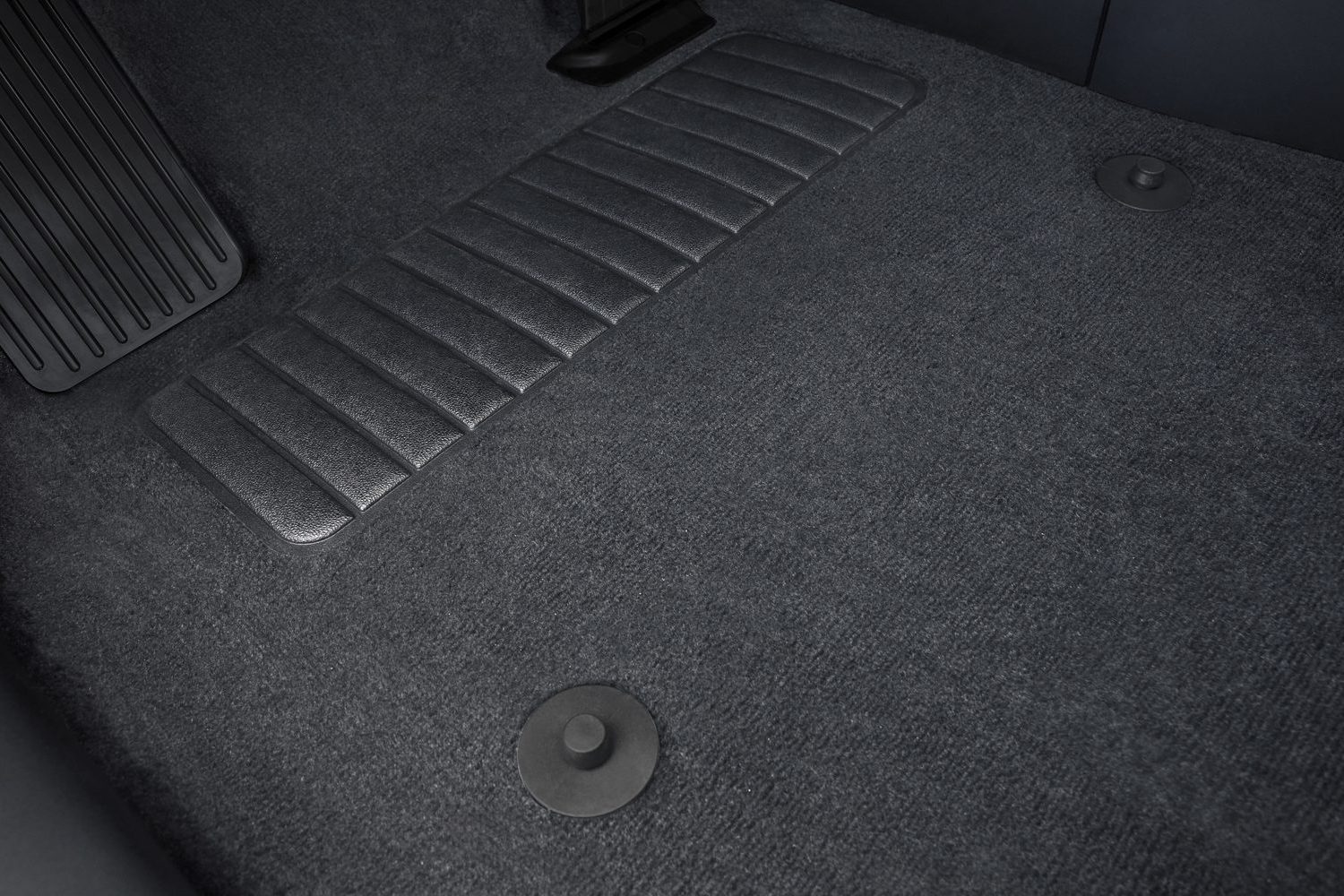
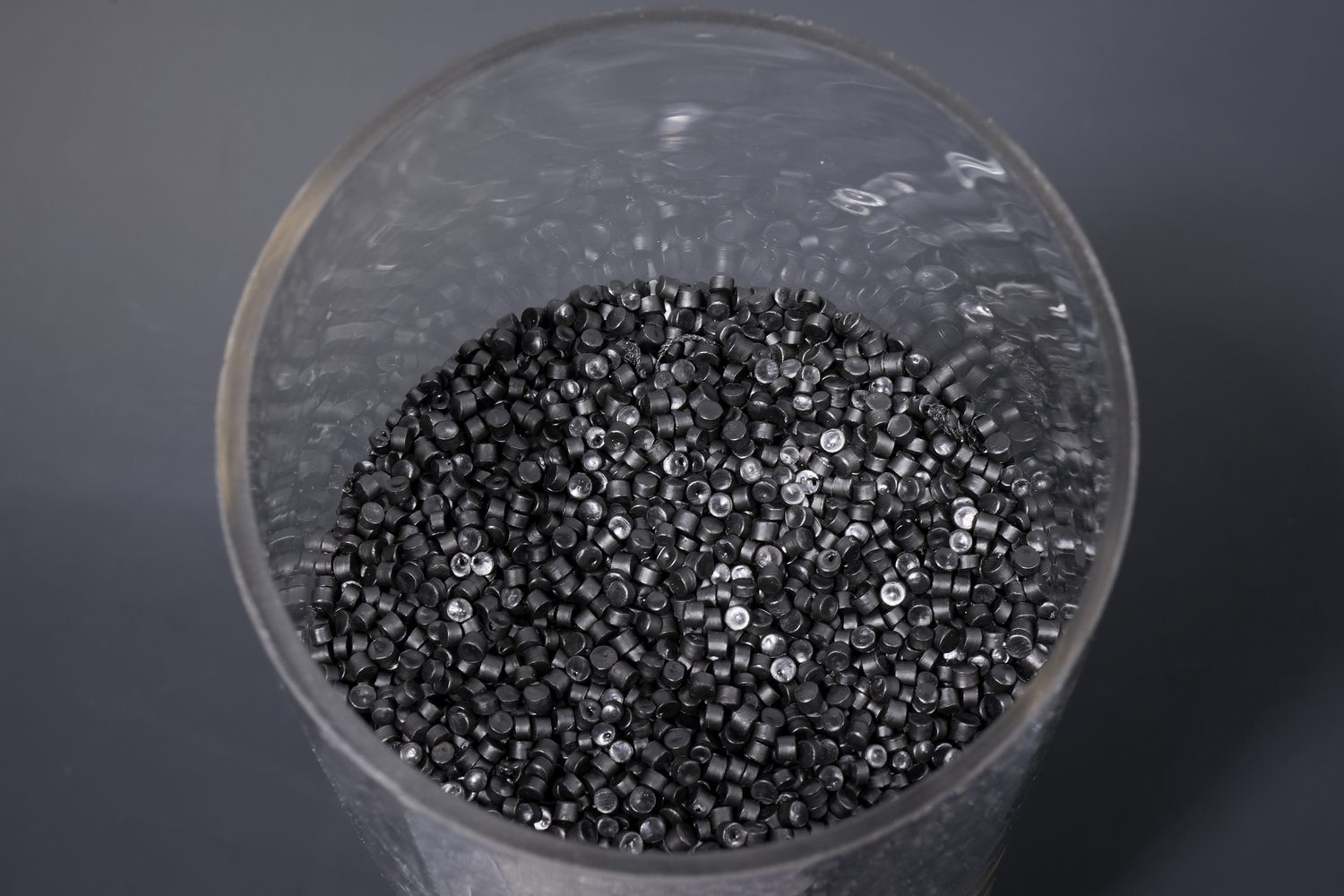
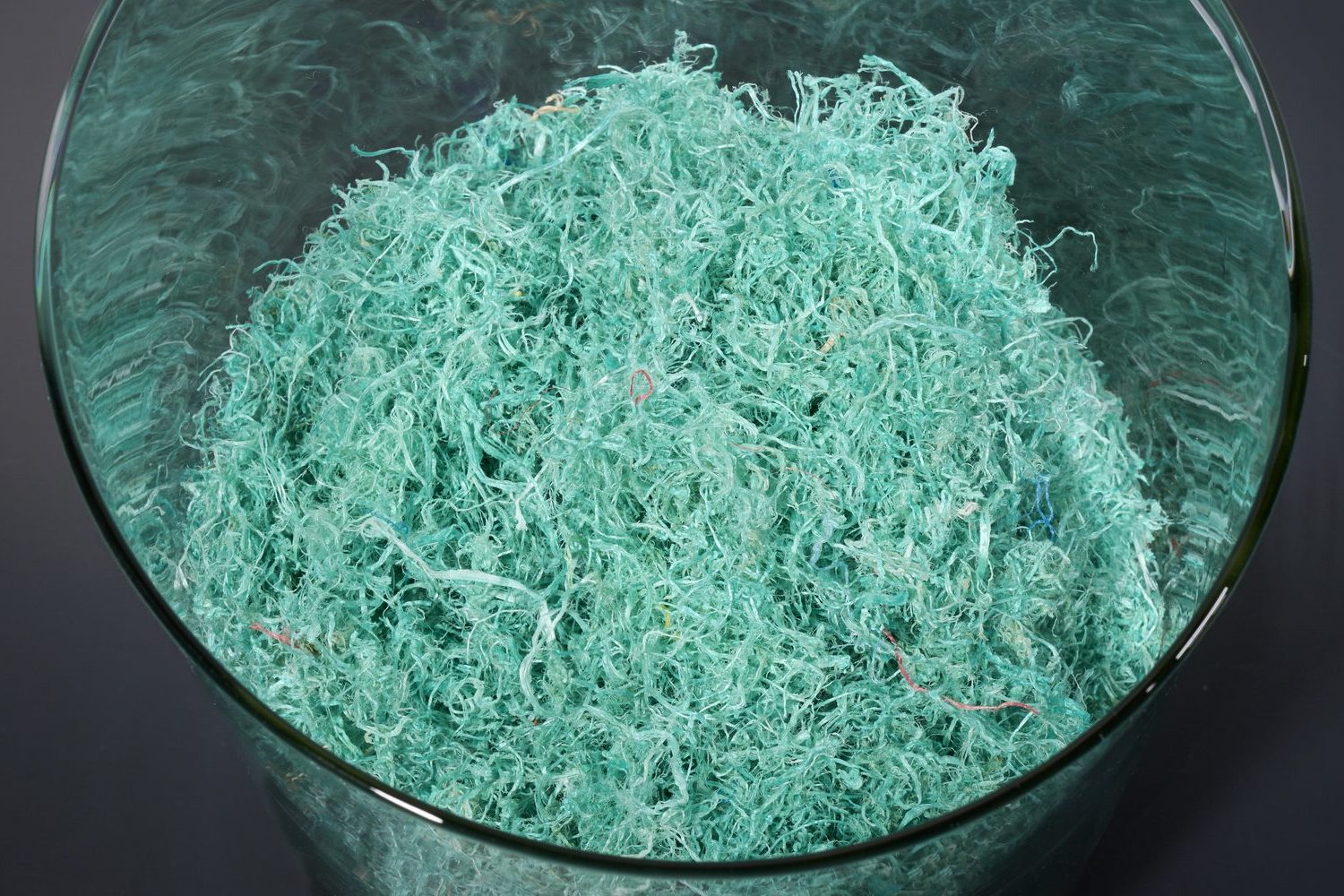
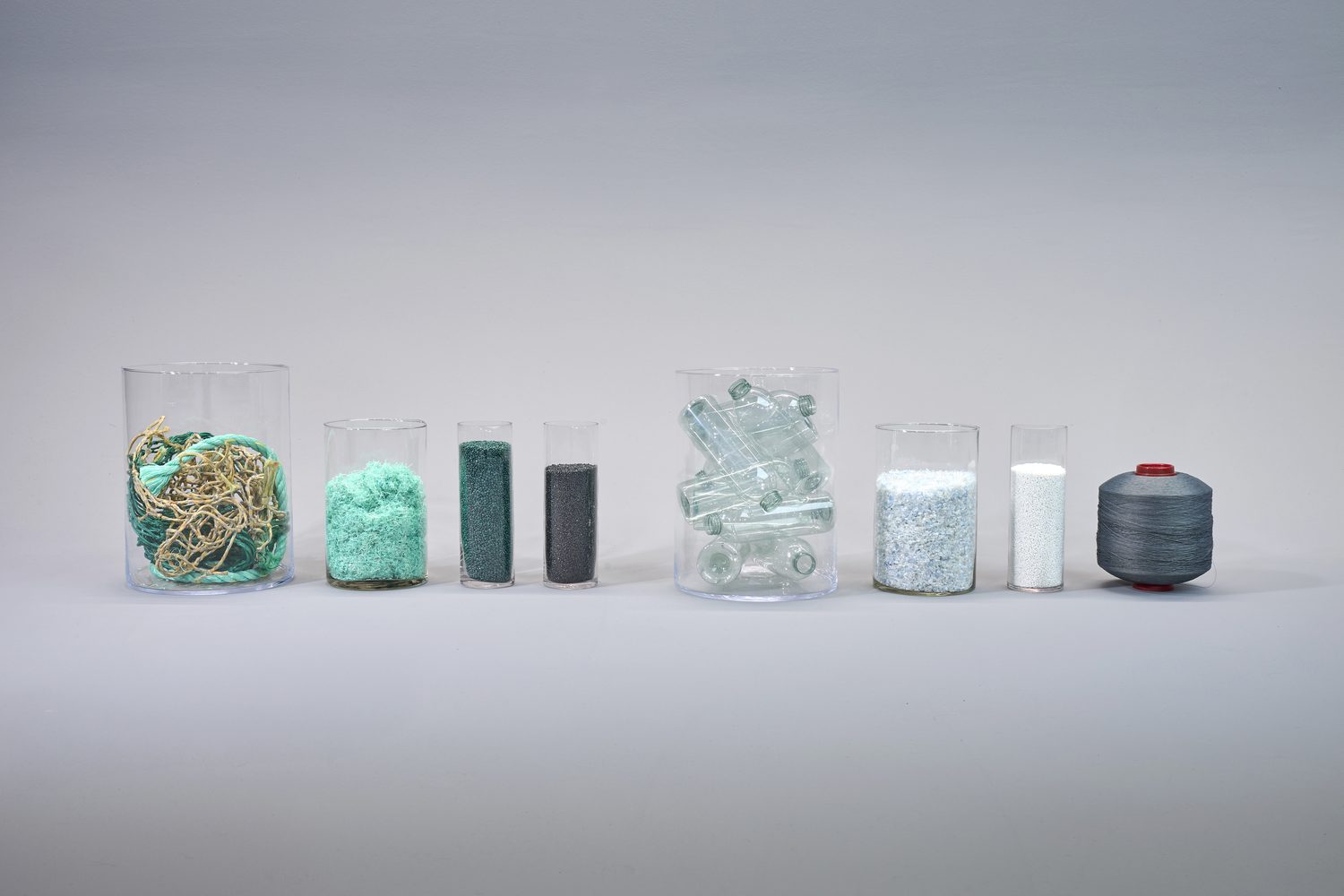
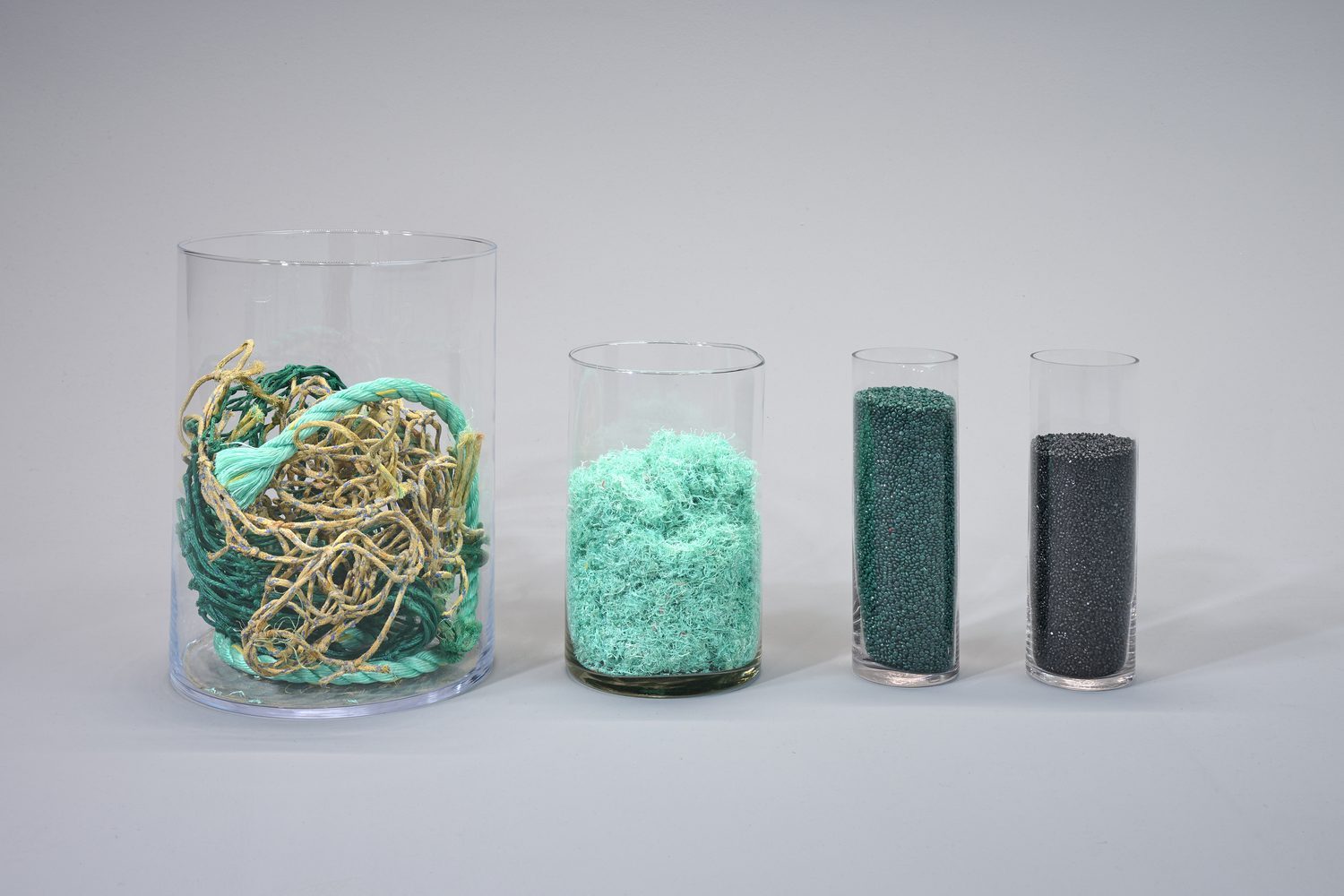
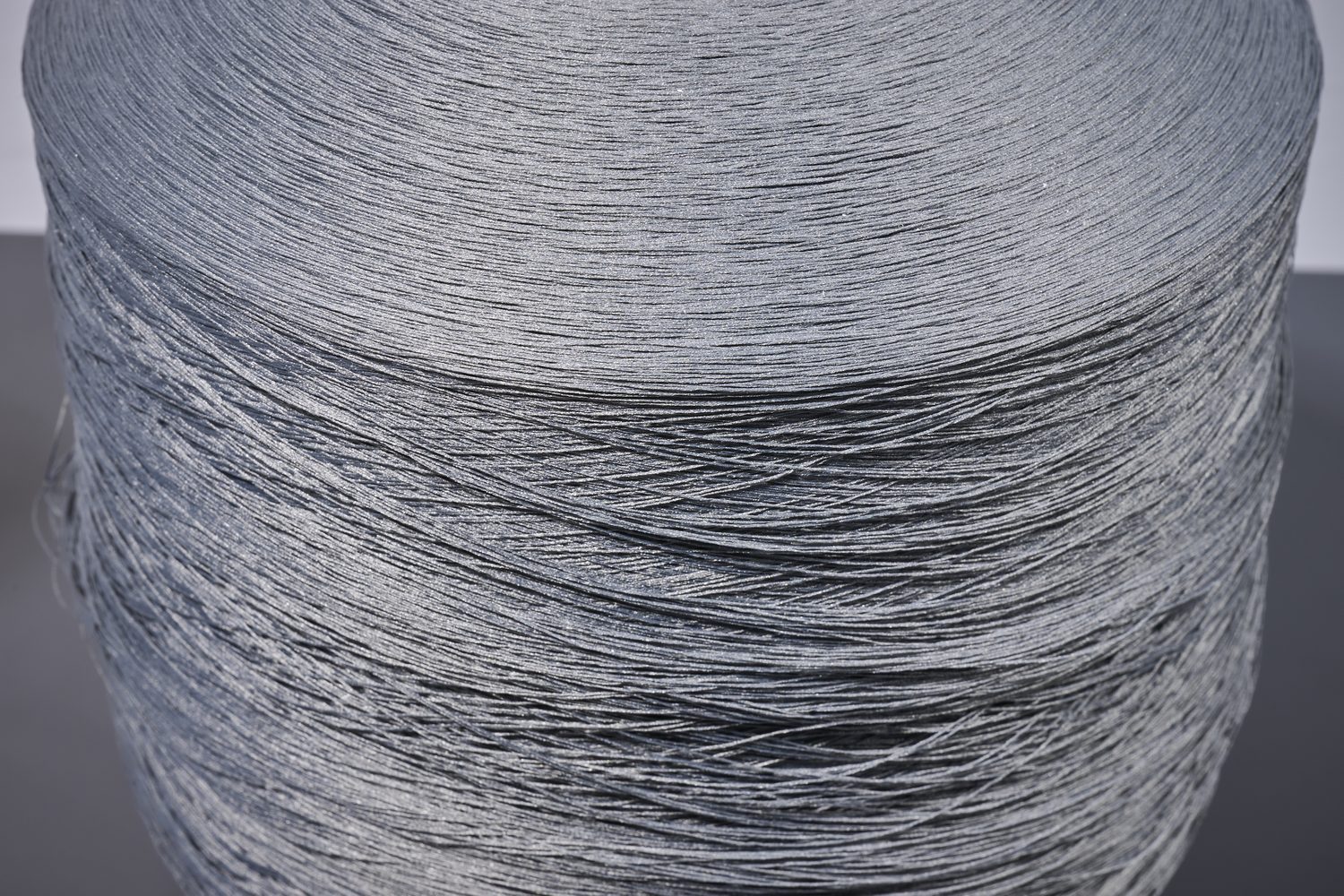
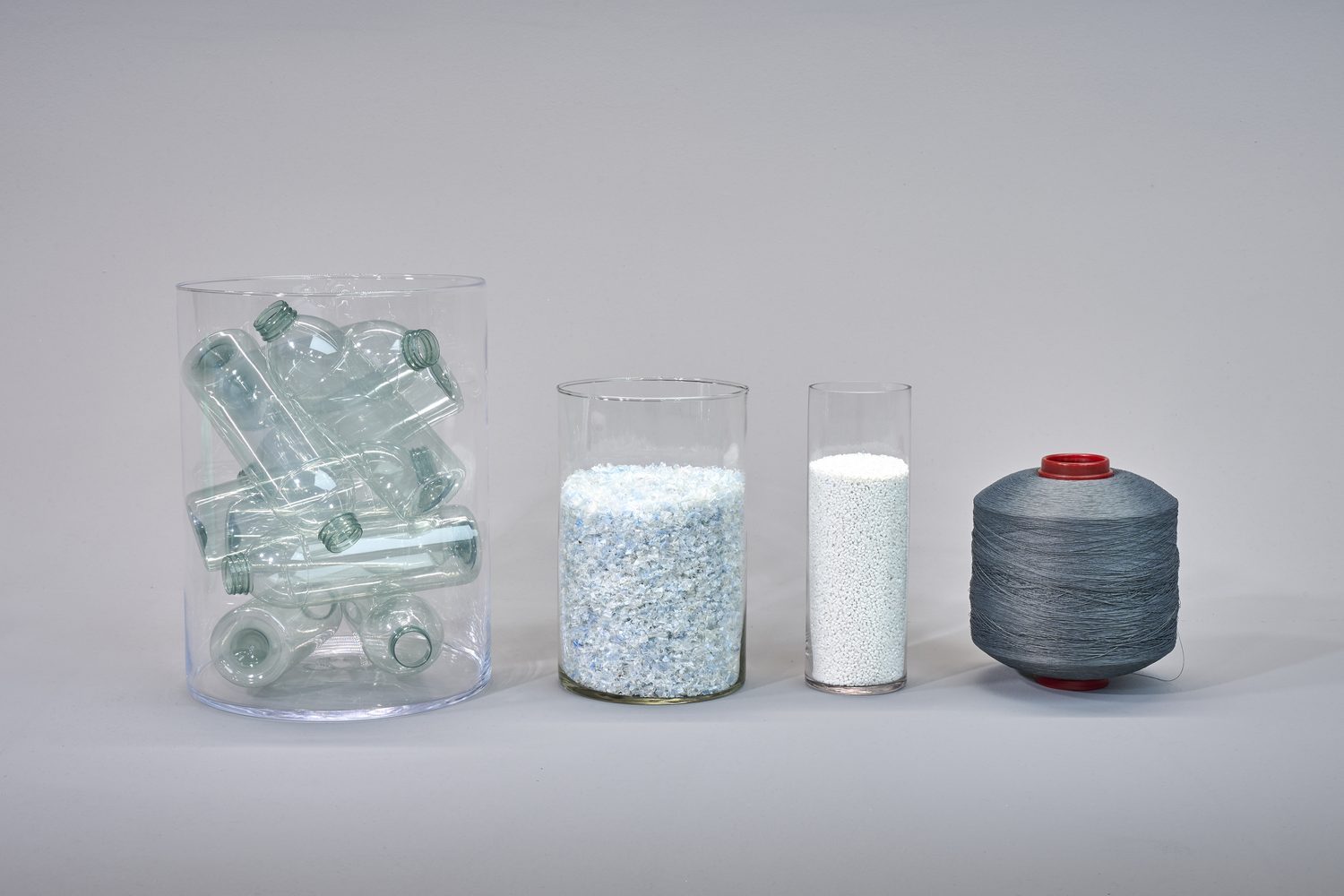
BMW says 30 per cent of the iX3's materials are recycled, with recycled content used in visible areas such as the 'Econeer' seat fabric, made entirely from PET plastics. Other large parts, such as the front storage compartment, use maritime plastics sourced from discarded fishing nets.
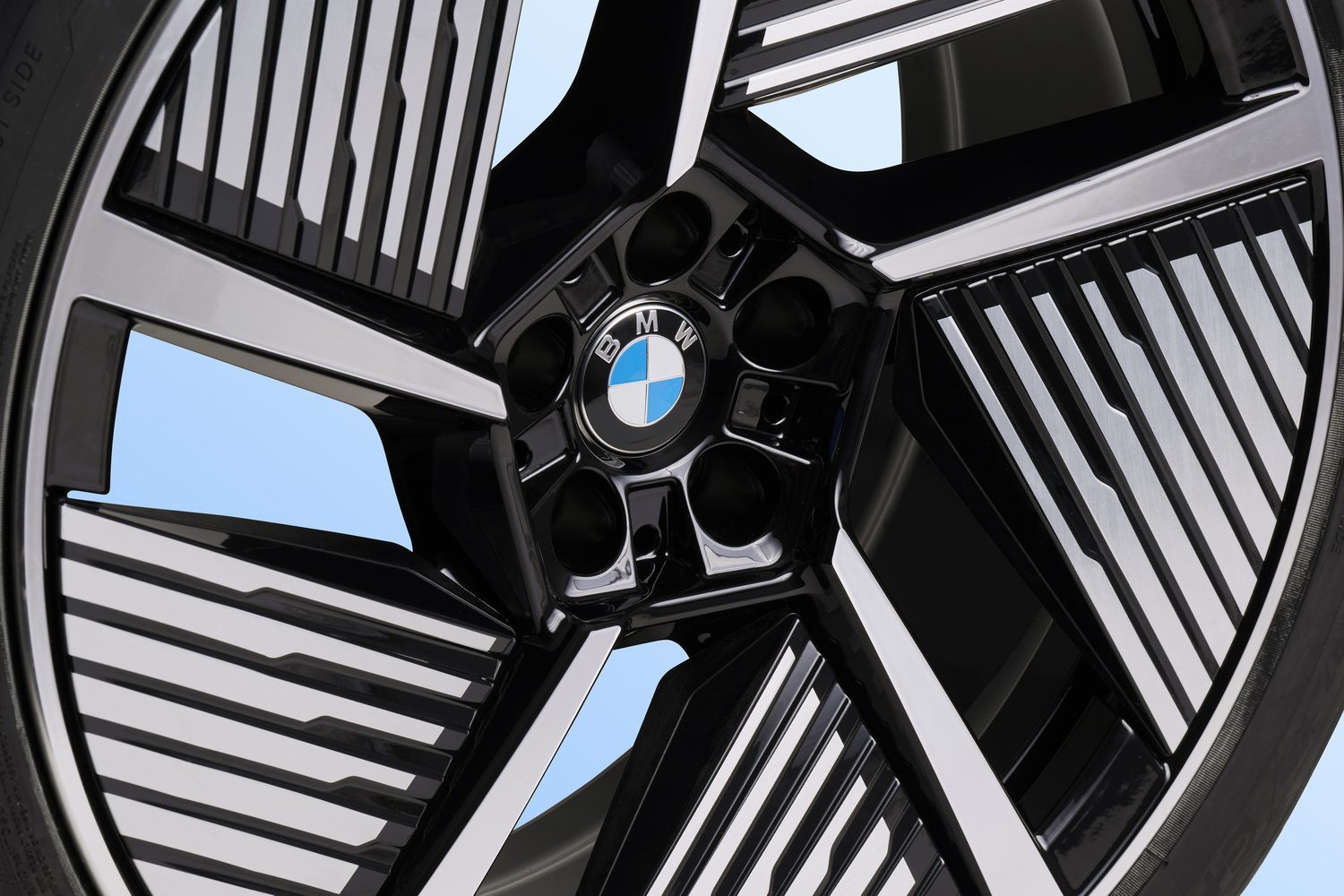
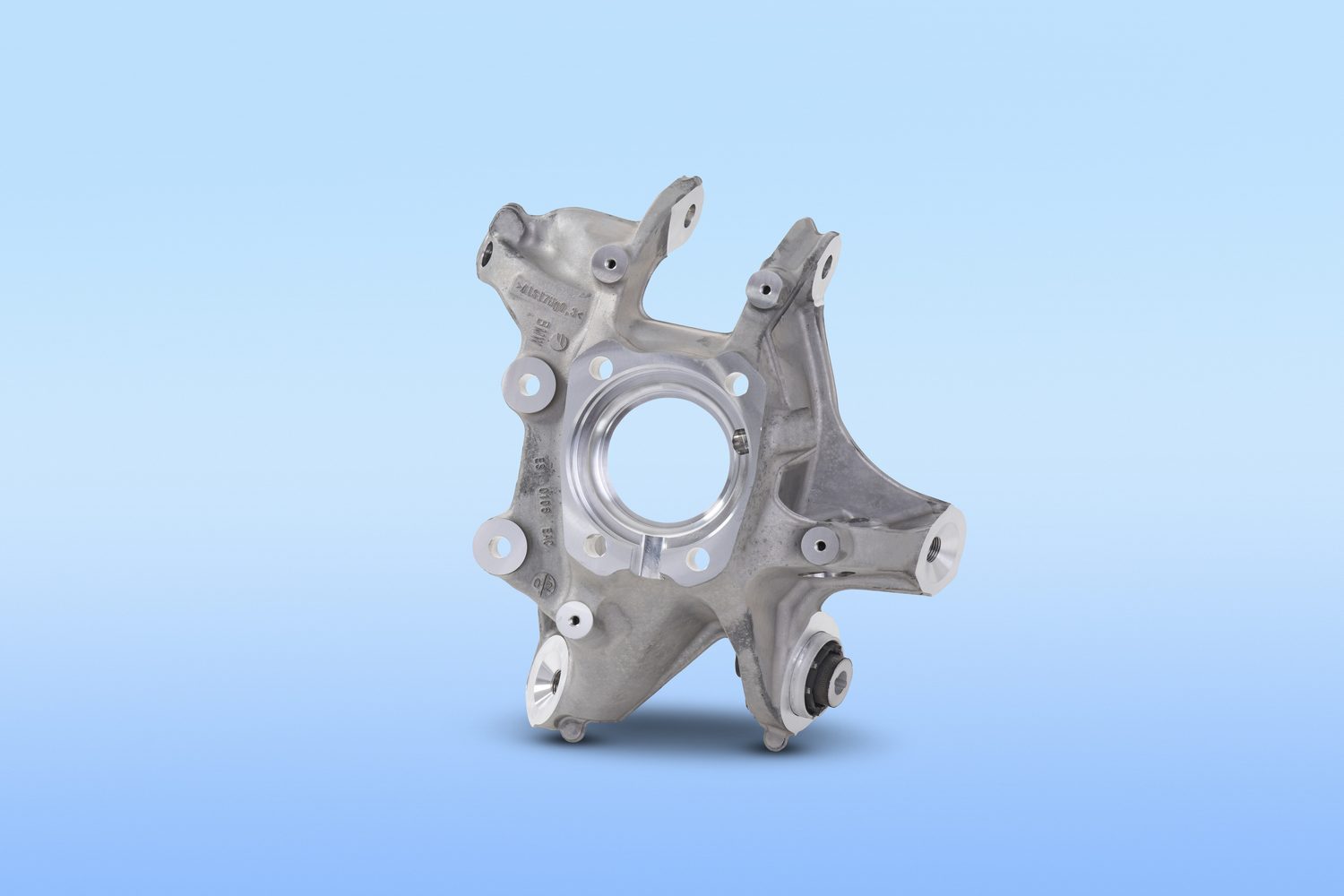
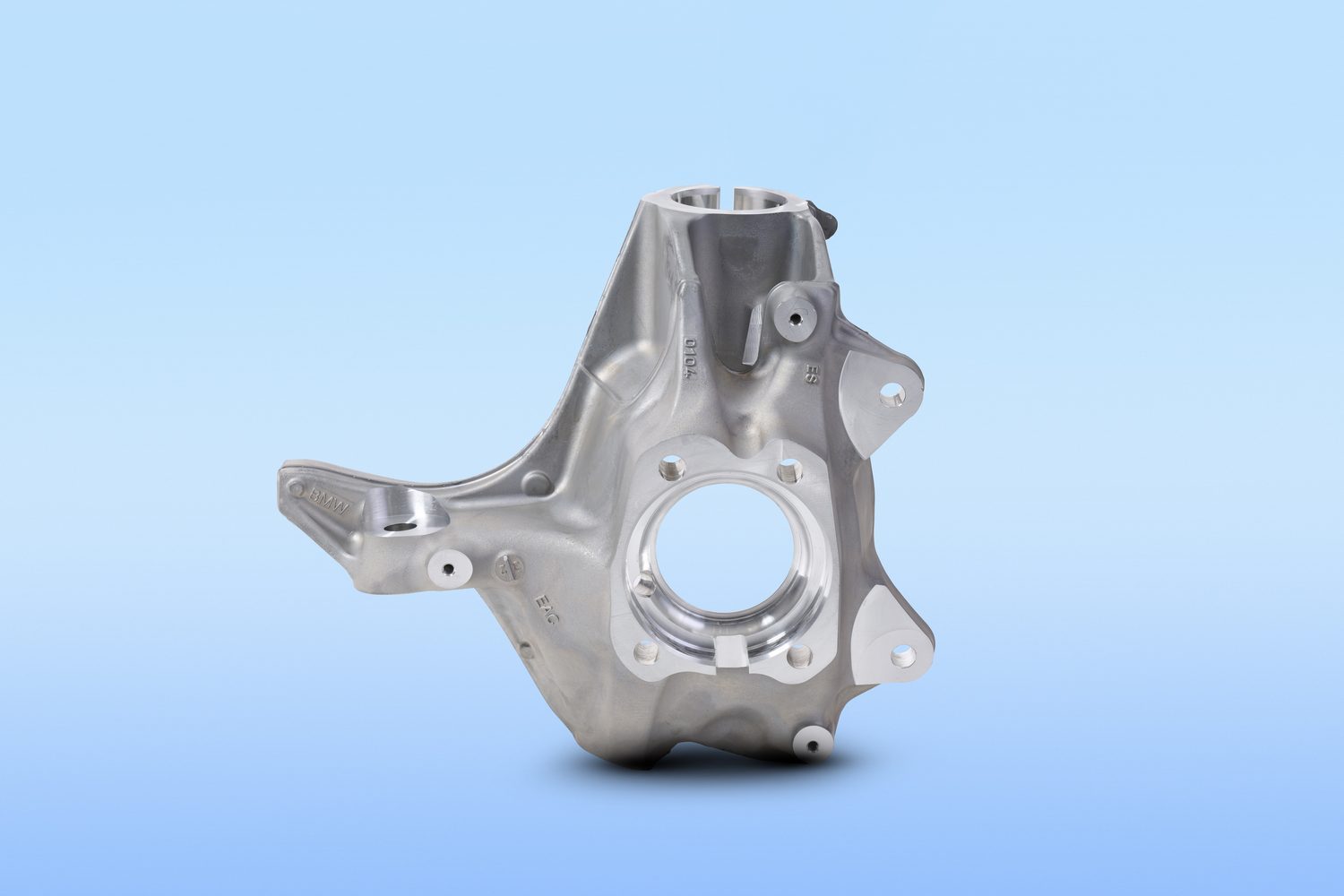
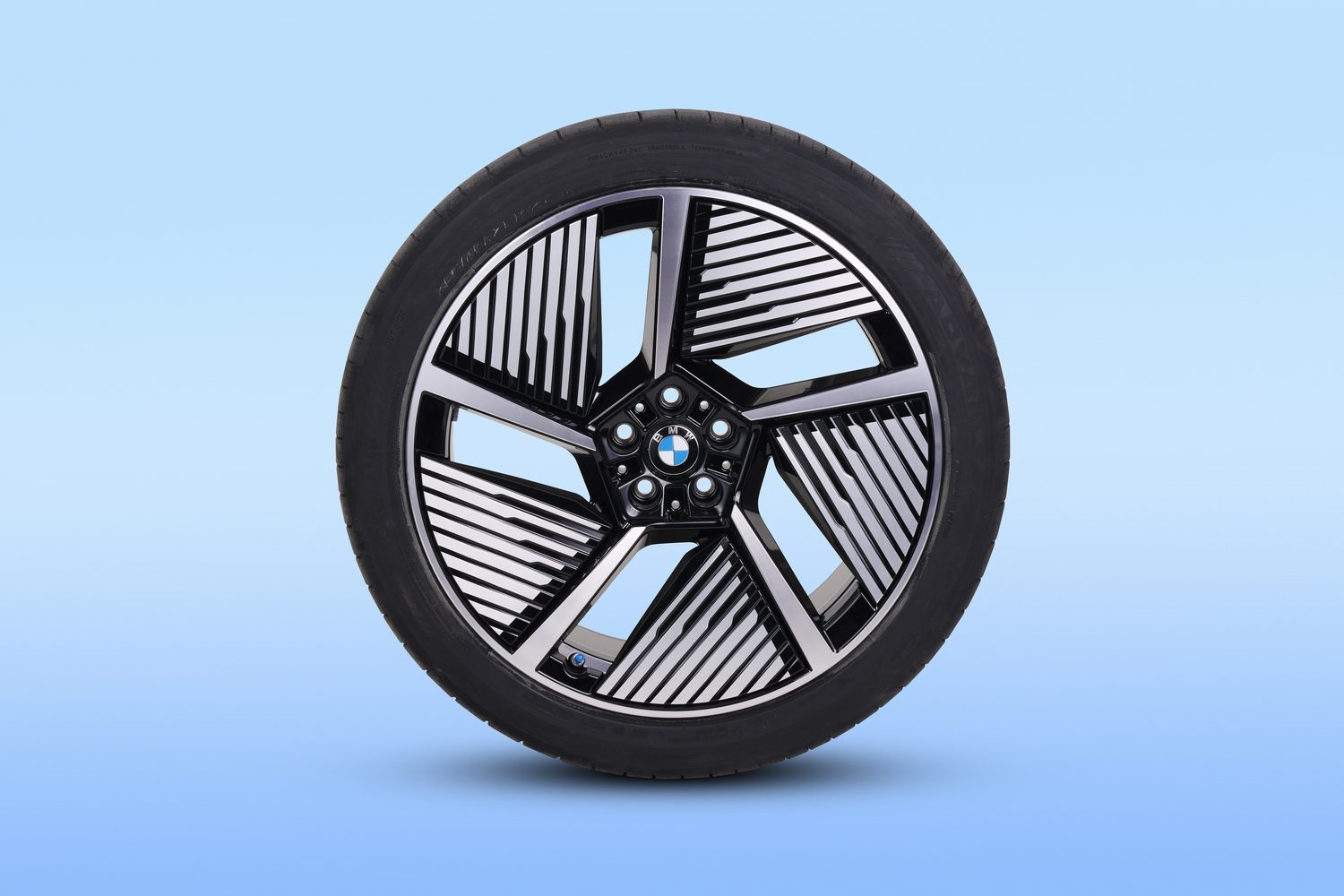
Aluminium components also use secondary material: the alloy wheels are 70 per cent recycled aluminium, while the wheel carriers and swivel bearings contain 80 per cent recycled aluminium. BMW currently operates more than 2,800 take-back points in 32 countries to recover materials from end-of-life vehicles.
CO2 break-even point
BMW says the iX3's lower production footprint accelerates the CO2 break-even compared with petrol or diesel models:
- 21,500km: CO2 parity with a comparable internal-combustion-engined model using the EU's current electricity mix
- 17,500km: CO2 parity if charged solely from renewable sources
Over 200,000km, BMW quotes:
- Internal-combustion model: 52.8 tonnes CO2
- BMW iX3 (EU electricity mix): 23.0 tonnes CO2
- BMW iX3 (renewable electricity): 14.6 tonnes CO2
The bigger picture
The iX3 - and the Neue Klasse platform underneath it - are part of BMW's wider plan to cut lifecycle emissions, not just tailpipe emissions. While electric cars still generate CO2 during production, BMW's figures suggest that the environmental cost is offset relatively early in the vehicle's life, particularly when renewable charging is available.
The new BMW iX3 will be unveiled to the public at the IAA Munich show next month.
If there is anything about this story we have not covered, you can avail of our expert advice service via the Ask Us Anything page.