

What kind of records?
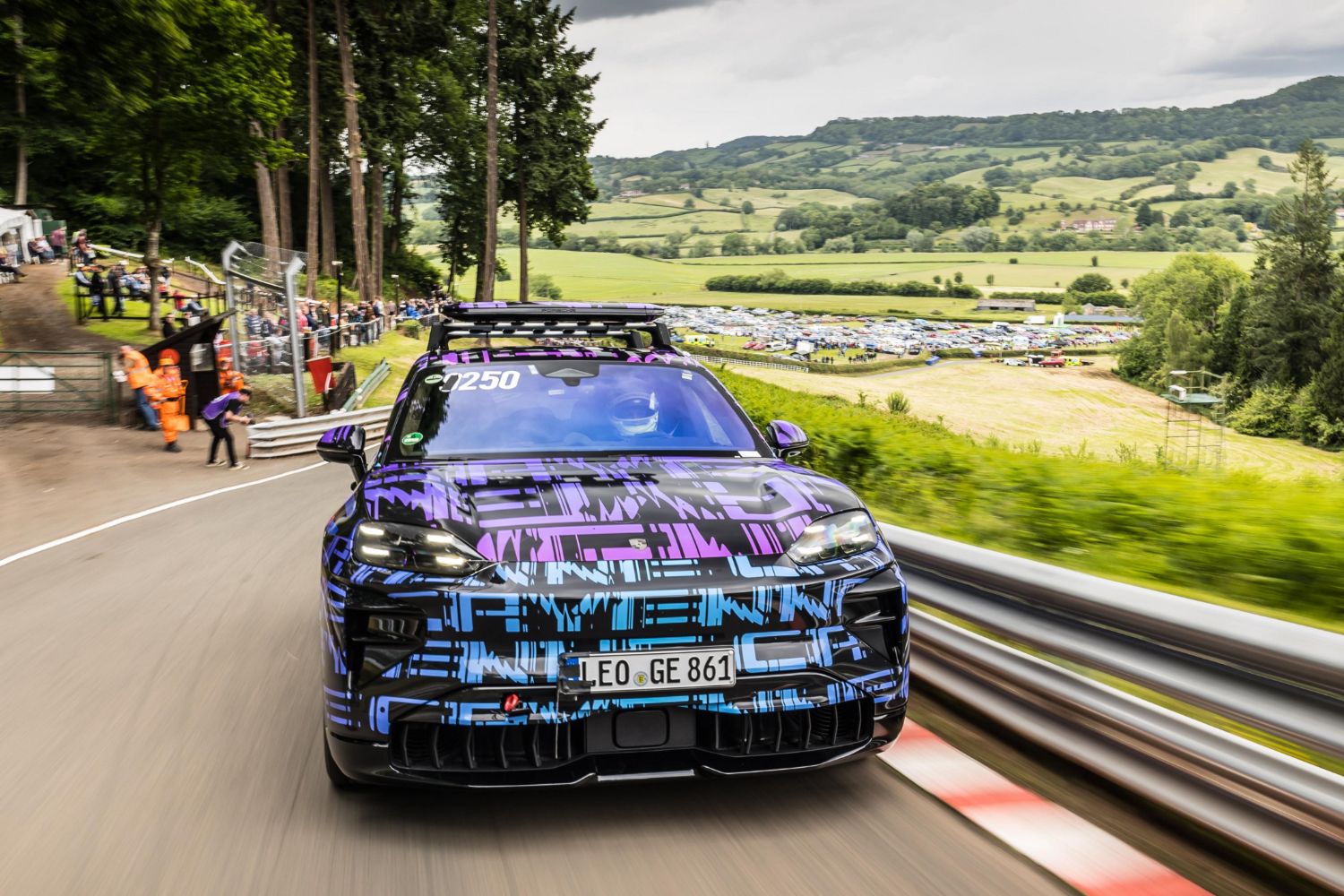
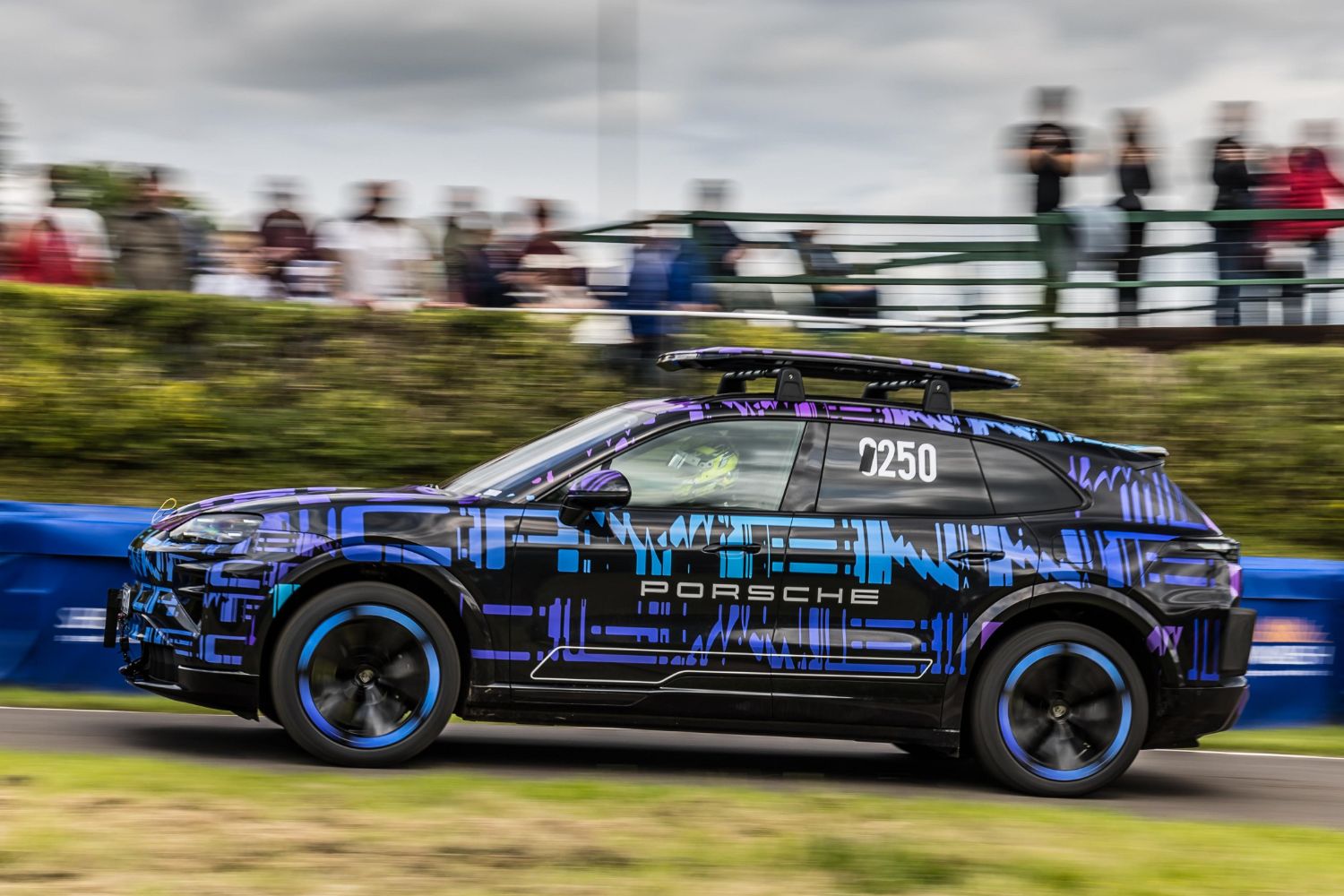
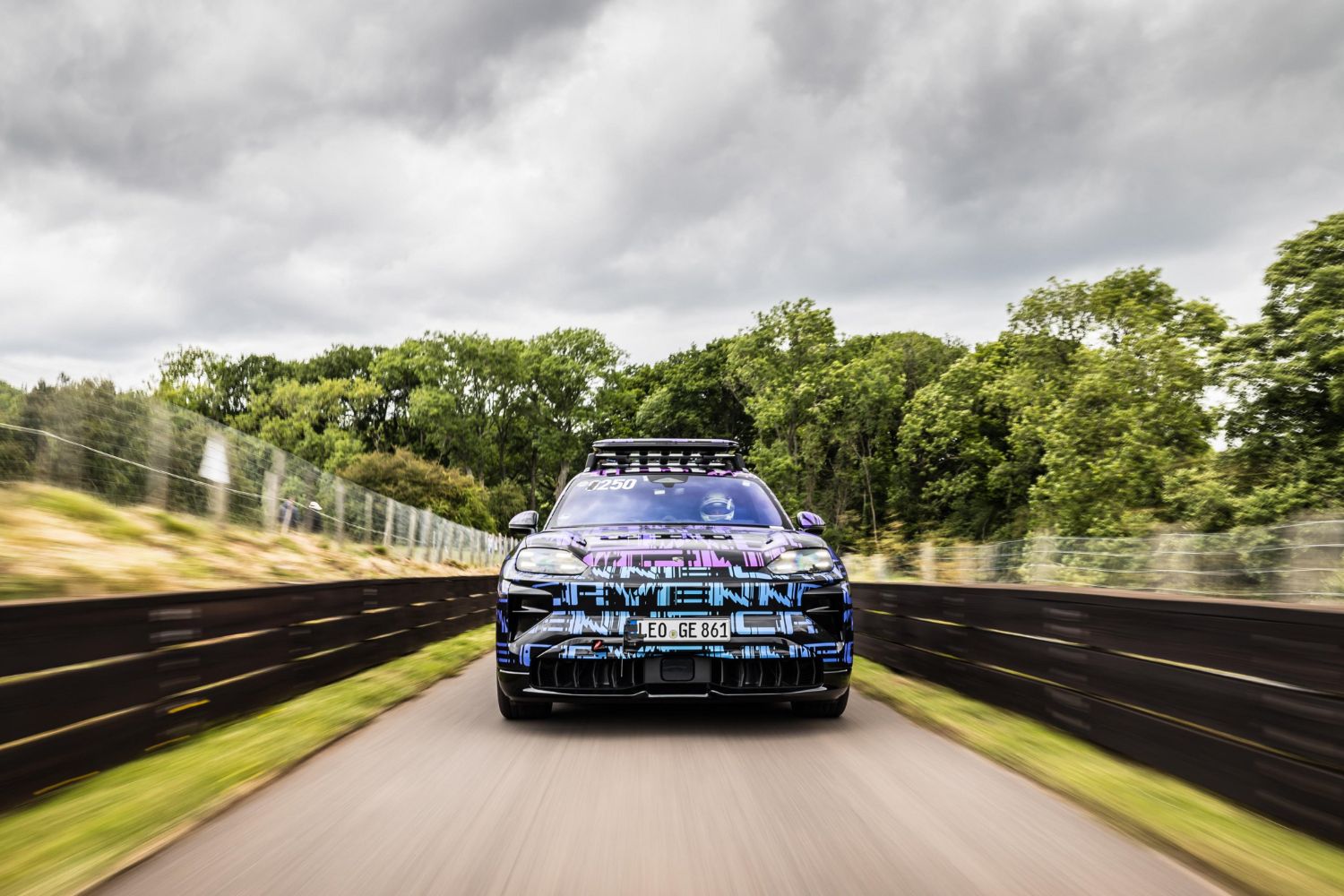
Well, for a start, Porsche has sent the Cayenne Electric along to the famous Shelsley Walsh hill climb in the UK. One of the world's oldest motorsport venues, Shelsley has been in constant use since 1905 and has been the scene of many a speed record up its 914-metre (that's 1,000 yards in old money) ascent with its 16.7 per cent gradient.
So how fast was the Cayenne EV?
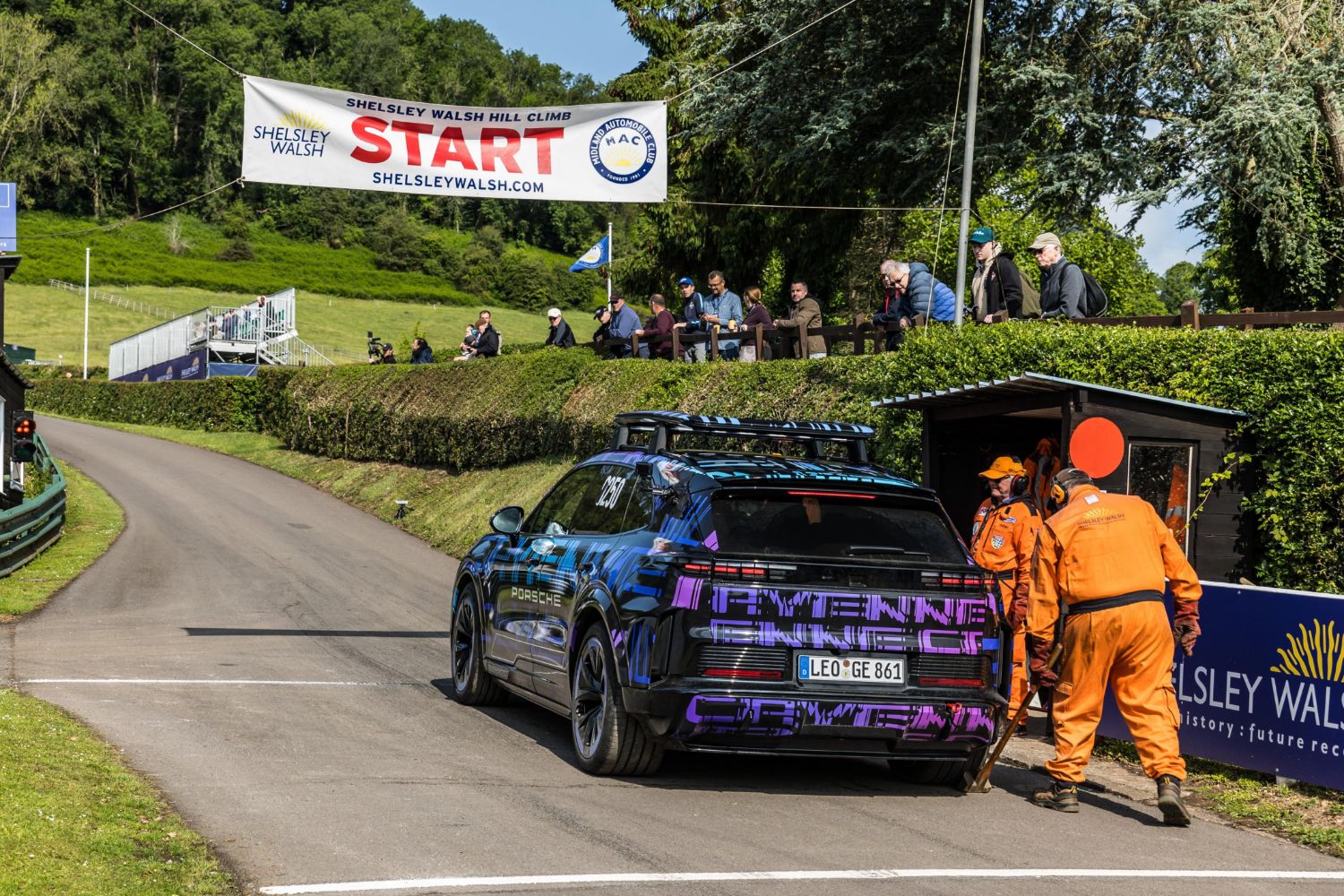
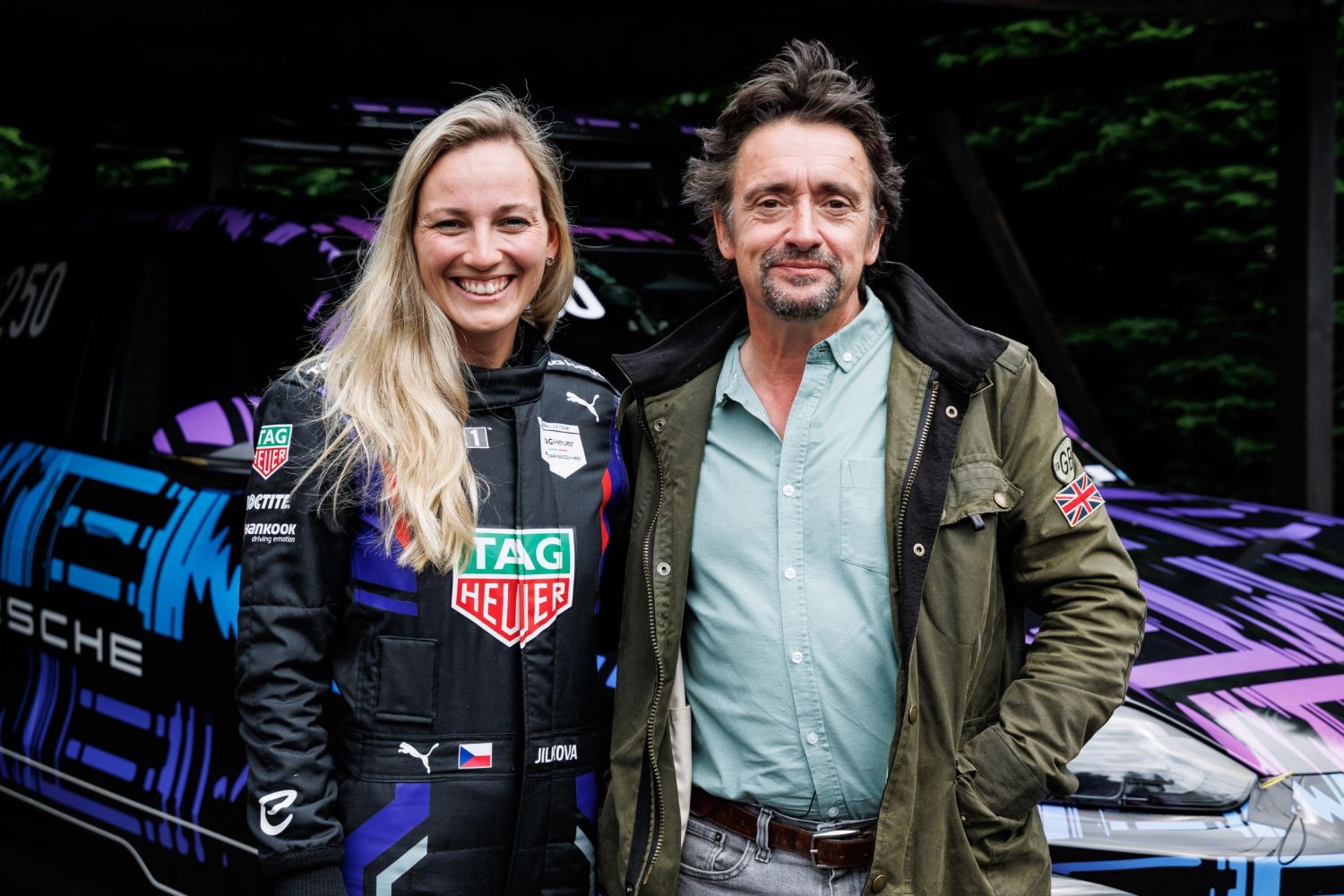
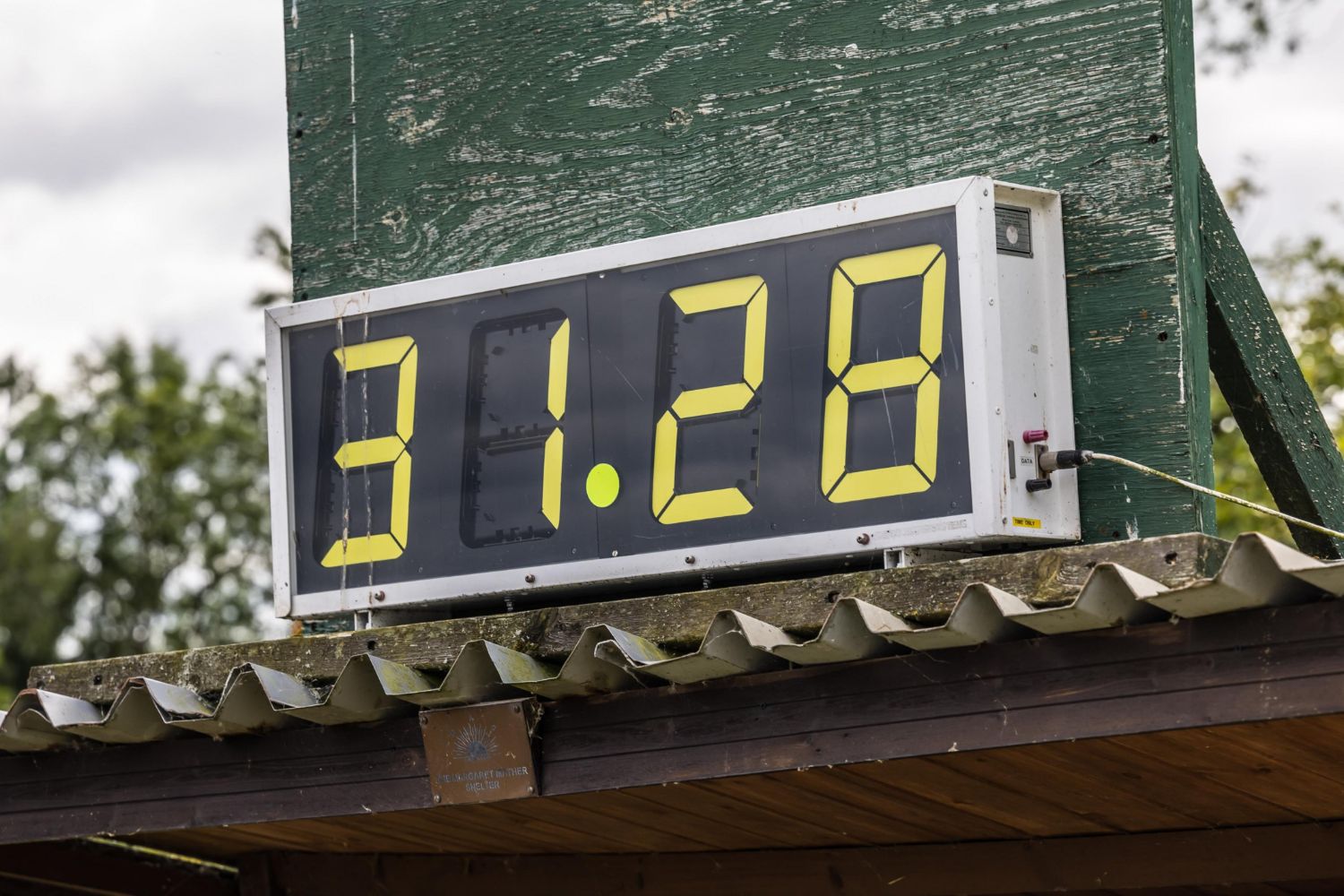
Gabriela Jílková, simulator and development driver for the TAG Heuer Porsche Formula E Team, was given the job of guiding the Cayenne EV up Shelsley, and she did it in 31.28 seconds, which is four seconds faster than the previous SUV record up the course.
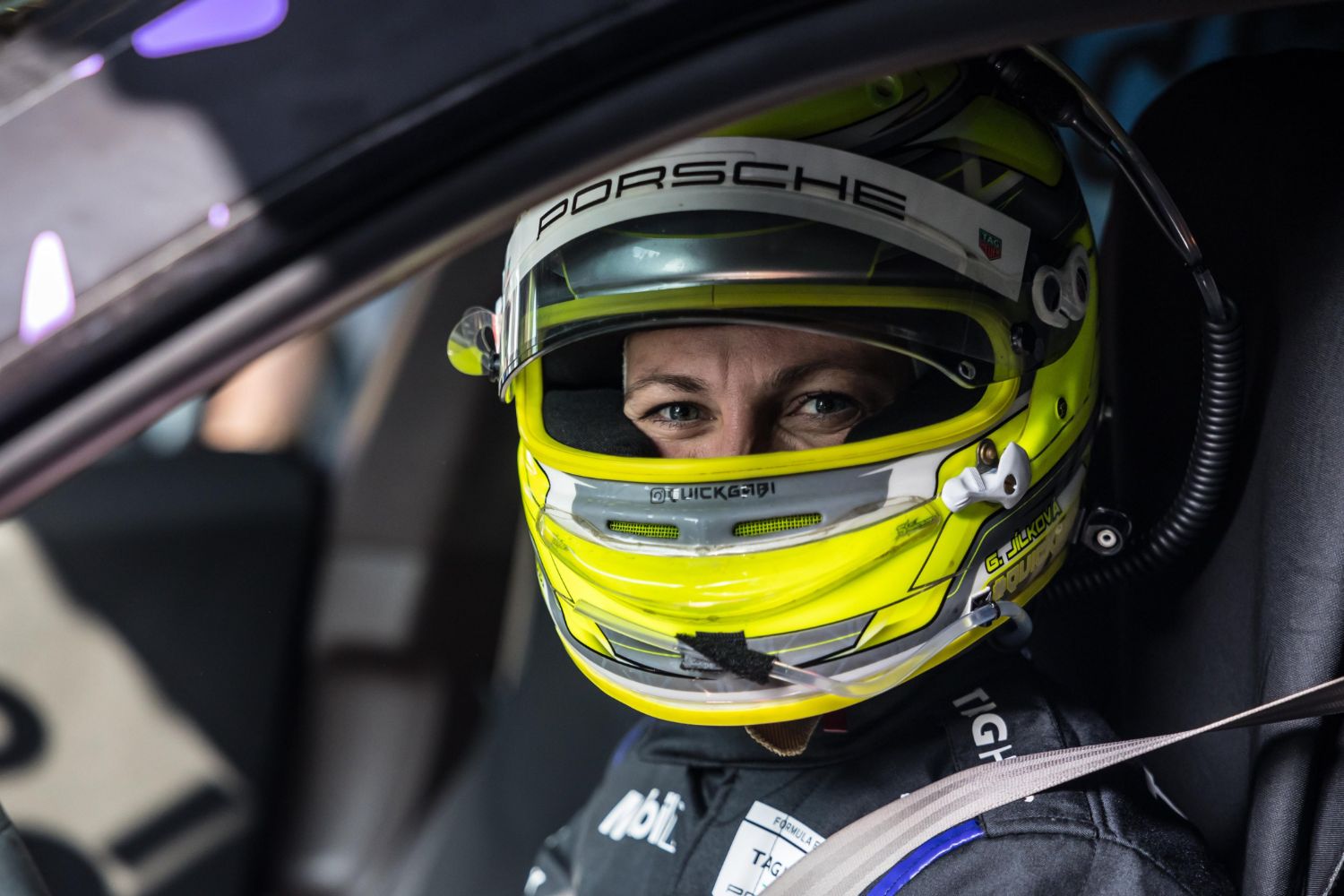
Better yet, Jílková did that on her first attempt. “The course is challenging and does not forgive mistakes,” she said afterwards. “There are no run-off zones and little room for correction. But the active suspension gives the new Cayenne enormous stability and precision. I felt completely confident at all times.”
Active suspension?
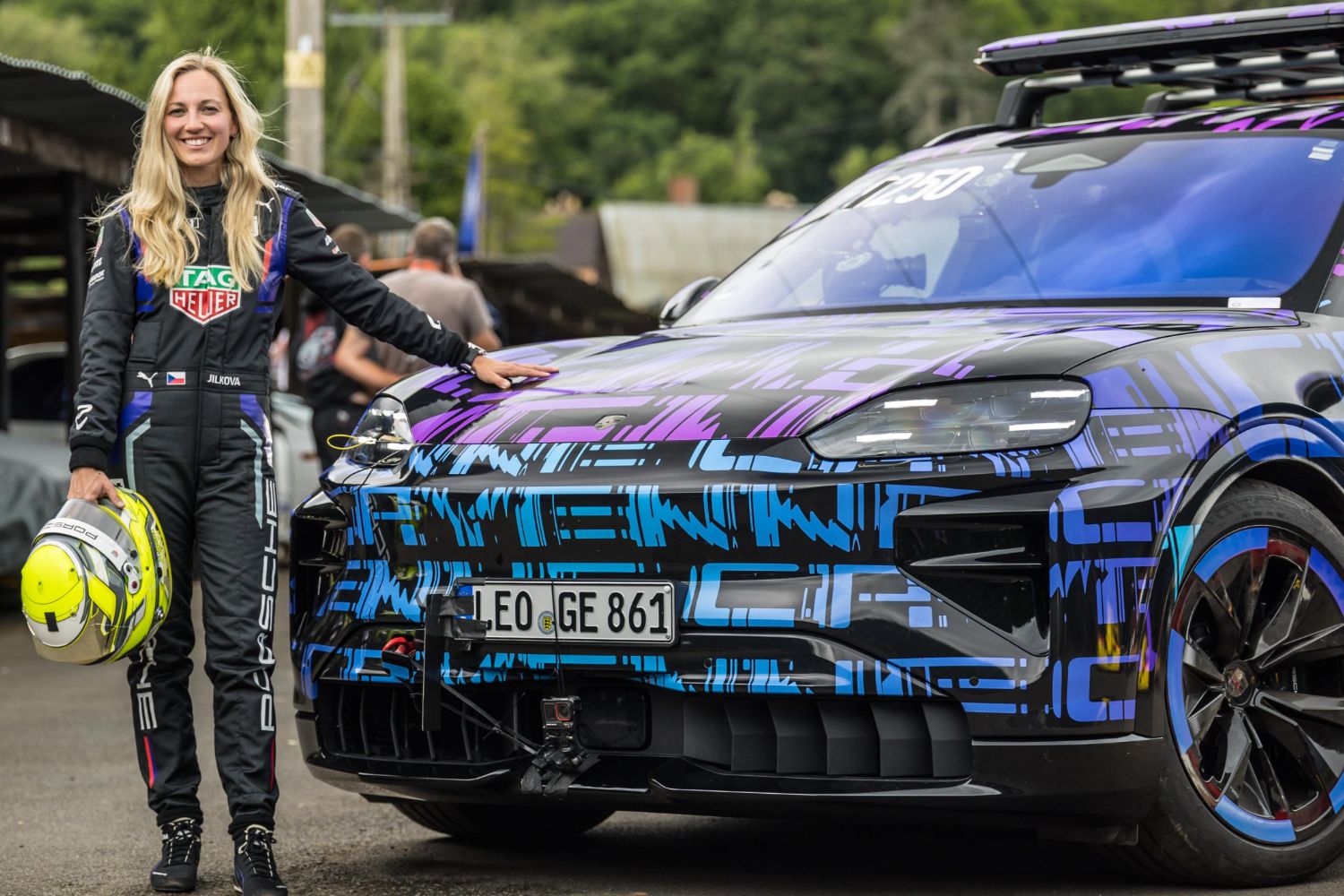
Oh yes. The new Cayenne Electric has Porsche's new Porsche Active Ride system, which is designed to keep the body level at all times, even during dynamic braking, steering and acceleration. It's not just about keeping the body level at all times, Porsche says that the new system, by juggling the load going to and through each wheel, actually improves the driver's sense of connection with the car. “Porsche Active Ride significantly expands the range between driving dynamics and ride comfort in the new Cayenne,” says Michael Schätzle, Vice President of the Product Line Cayenne.
What else do we know about the Cayenne EV?
Well, we know it accelerates ridiculously fast. Famously, Shelsley has a timing beam set at 60 feet (18.3 metres) beyond the starting line and was passed after just 1.94 seconds. That's more or less the speed of gravity. In other words, if you chucked a large piece of furniture out of a high-altitude aircraft, the Cayenne could pick up speed faster in the horizontal than the furniture could falling straight down.
Porsche's Schätzle reckons that puts the Cayenne EV on a par with slick-tyre racing cars in its initial getaway speeds, and that: “The drive power and equipment of the record-breaking car were already at production level.”
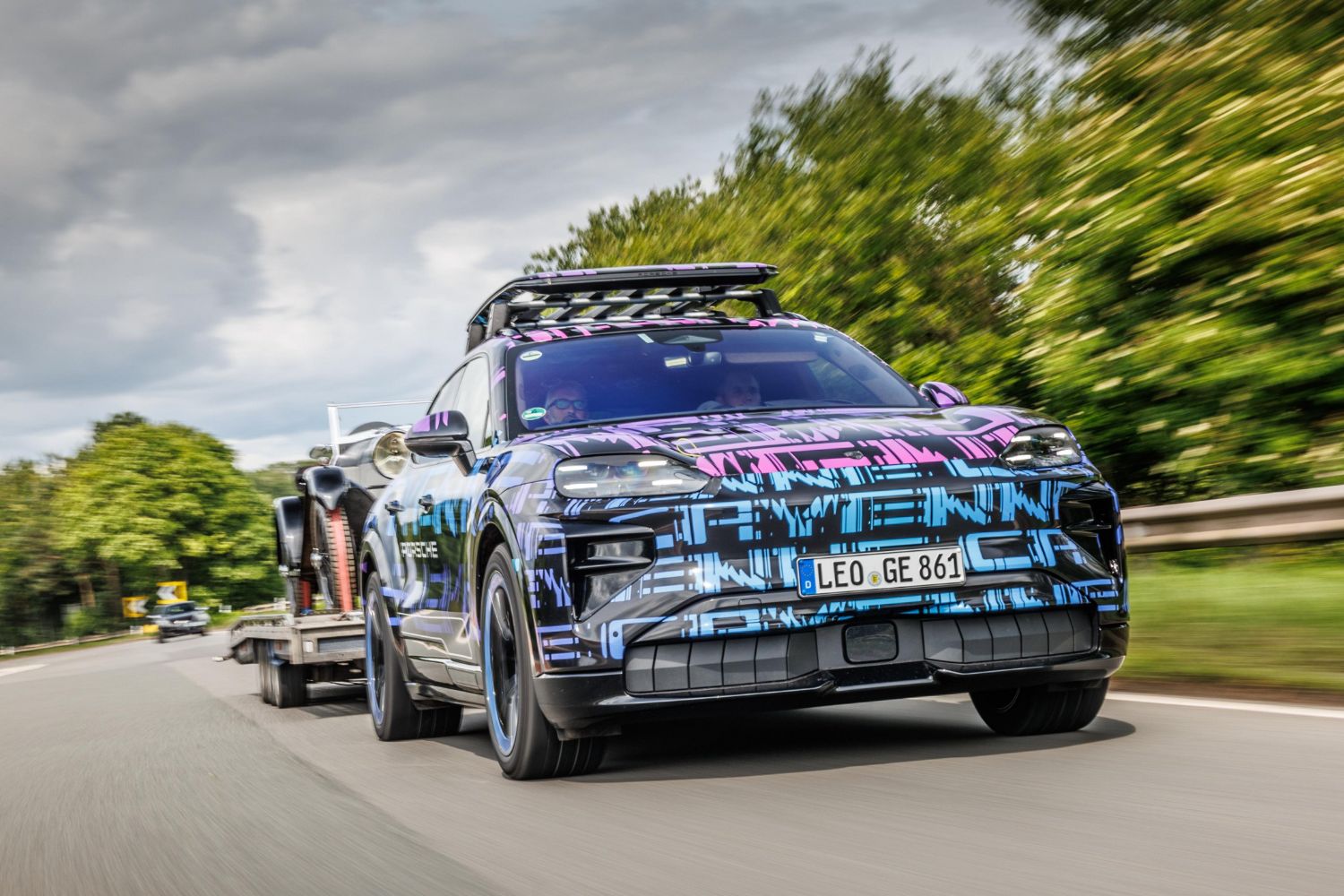
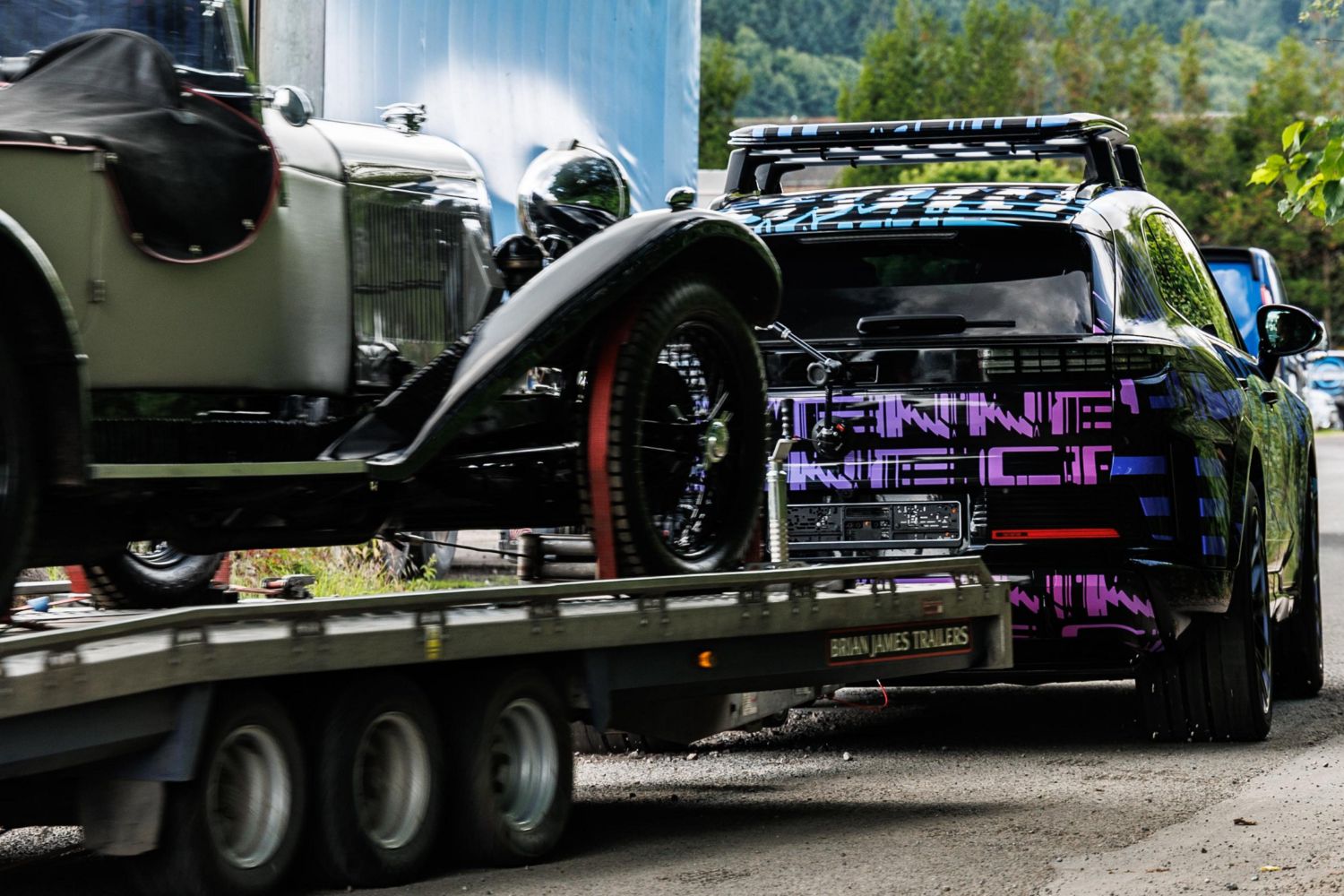
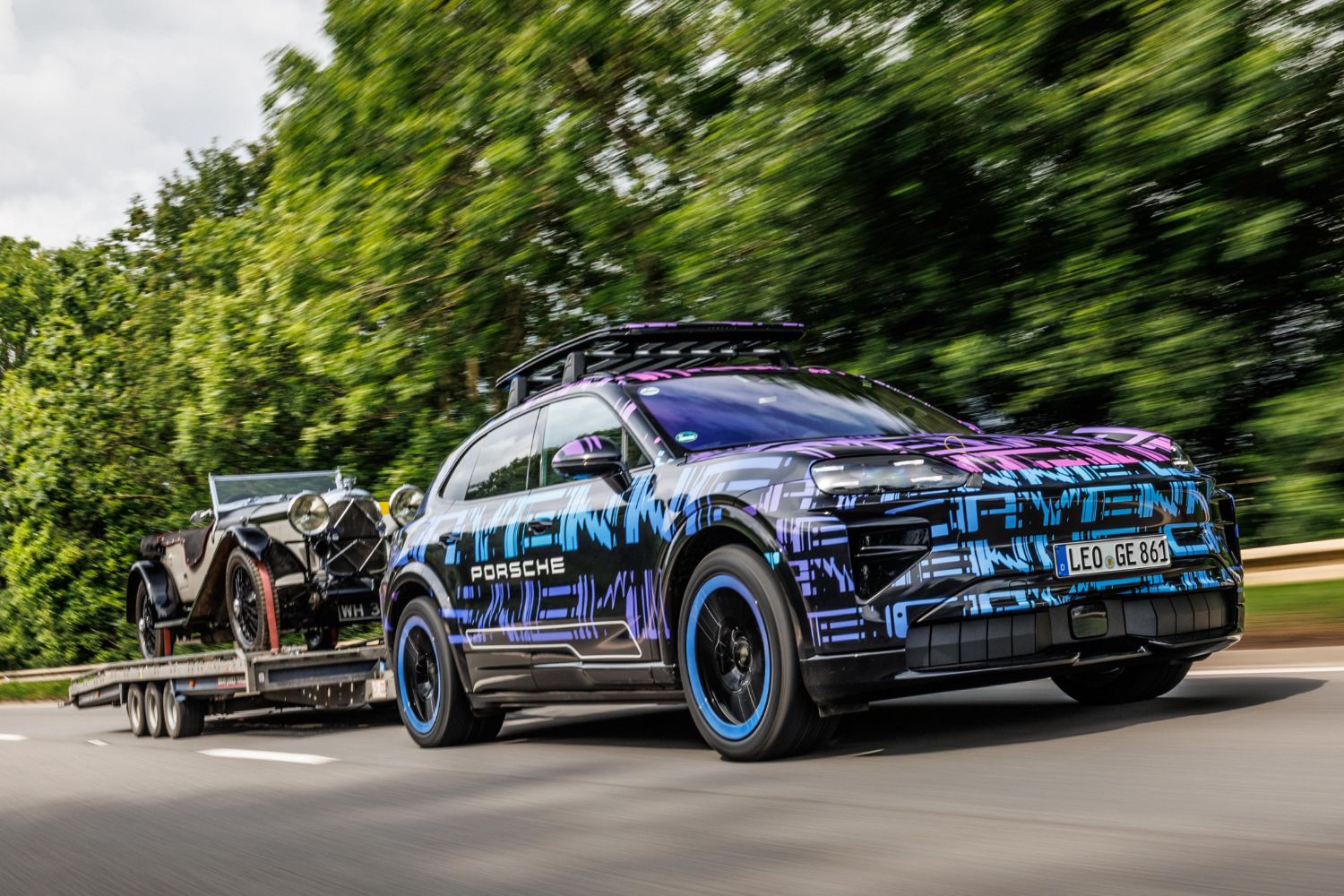
Porsche's also showing off the Cayenne Electric's practical side, with TV star Richard Hammond using one to tow a 100-year-old classic car to the hill climb, demonstrating the Cayenne's impressive maximum 3.5-tonne towing capacity. “We were trailing significant weight behind us, but you wouldn't know it - the Cayenne handled it effortlessly”, said Hammond.
“Our customers have always appreciated the high utility value of the Cayenne,” continues Schätzle. “That's why we didn't want to make any compromises in the development of the all-electric model.”
Does this mean that the Cayenne's going electric-only?
No, it doesn't. Slower-than-hoped-for sales of the all-electric Macan mean that Porsche is now hedging its electric bets a little. So, just as the Macan will shortly gain a hybrid-engined version, the Cayenne will keep going with combustion and hybrid power too, for the time being. However, Porsche says that going all-electric means it can open up unheard-of levels of performance. “Our customers will also have powerful and efficient combustion engine and hybrid models at their disposal well into the next decade, and we are continuing to develop the current model generation at great expense,” says Schätzle. “However, we can only achieve the level of performance publicly demonstrated for the first time in England through the potential of electrification. The Cayenne Electric will set new standards - without compromising on everyday usability and practicality."
If there is anything about this story we have not covered, you can avail of our expert advice service via the Ask Us Anything page.