

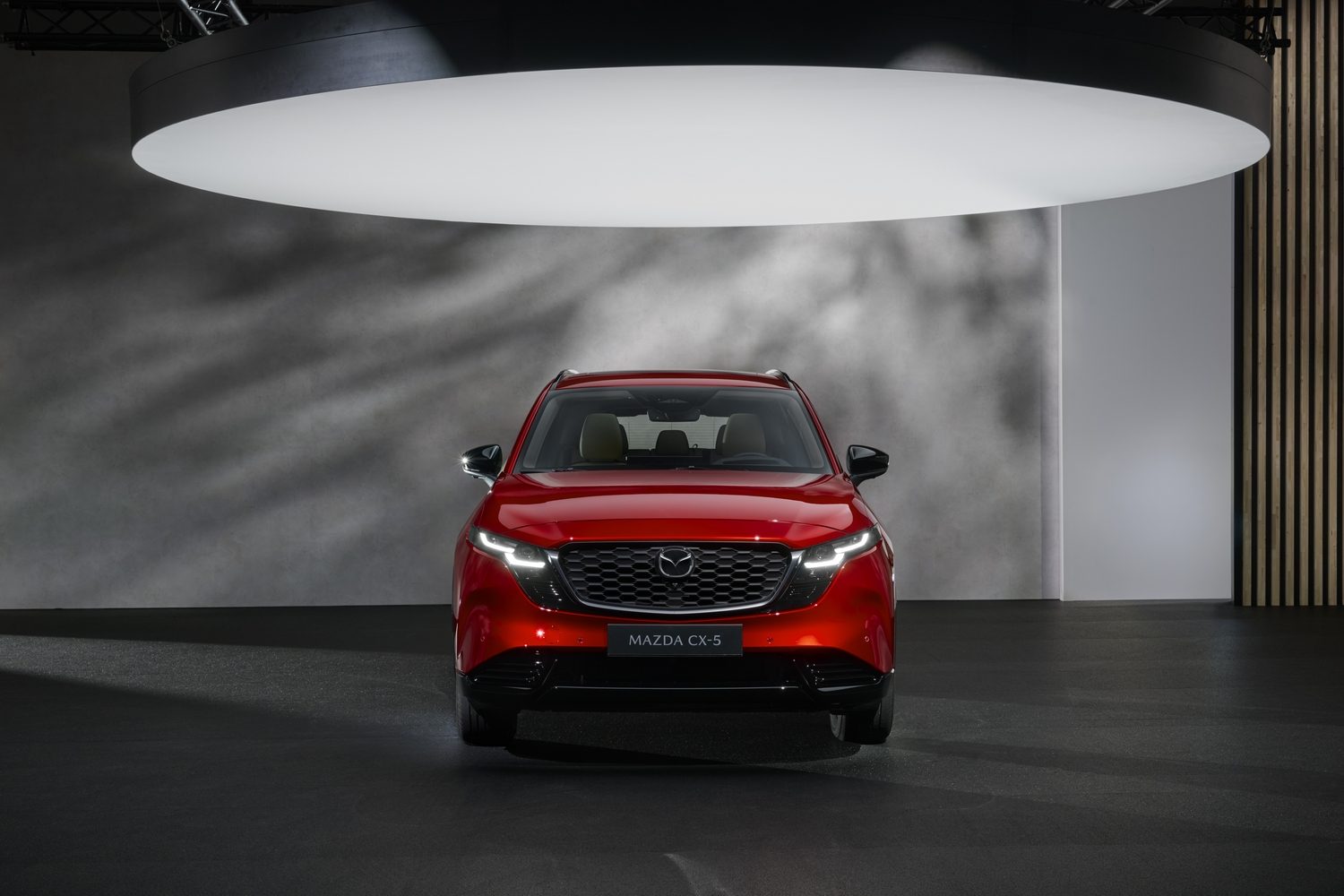
So, what's new with this Mazda CX-5?
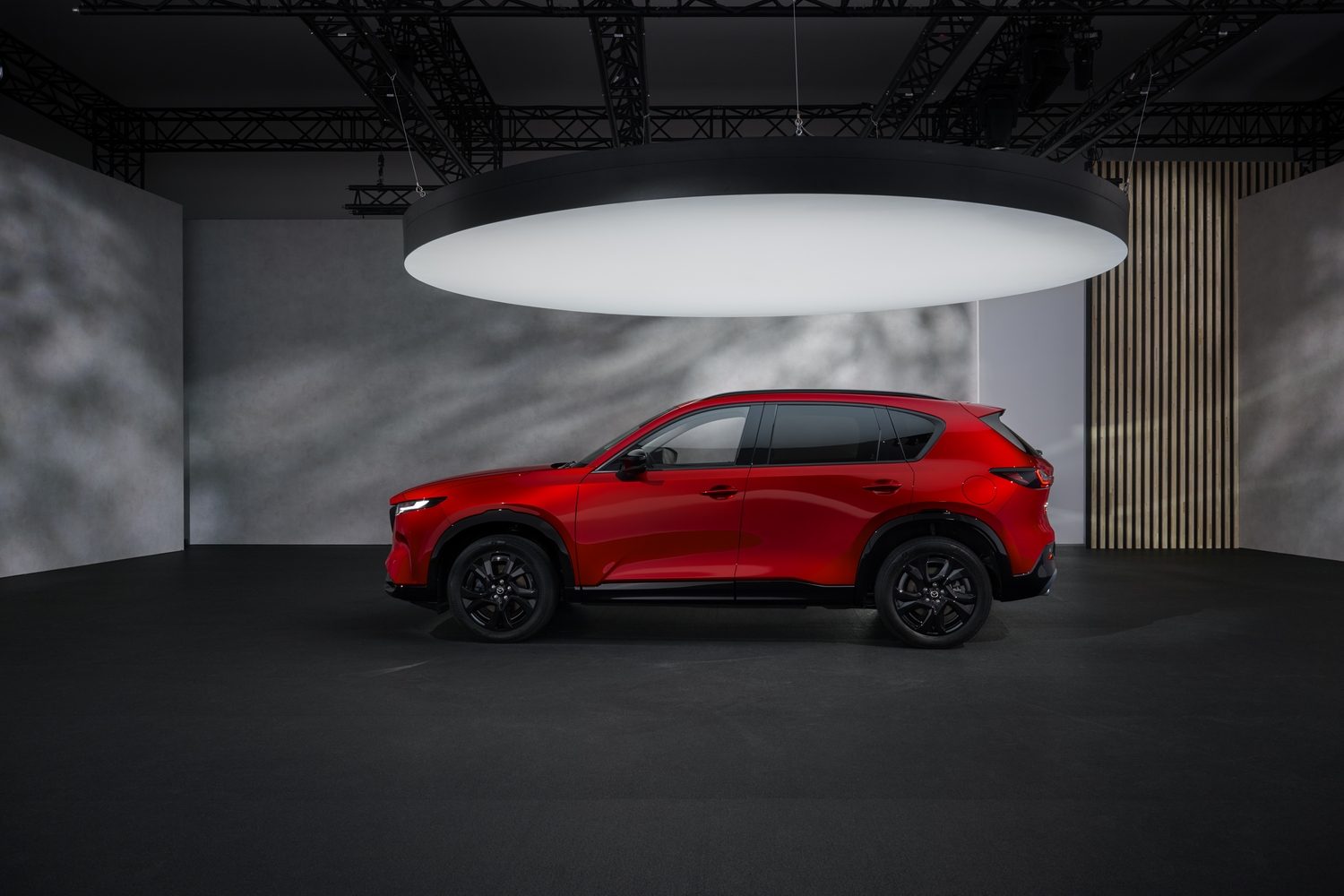
Let's start with the design, as that's the first thing you'll notice. Mazda's designers have modelled the new CX-5 on a concept they call “wearable gear”; in other words, it's been created to be stylish but functional and ties together the multiple uses it's likely to experience.
The overall silhouette of the new CX-5 is similar to its predecessor's, with a slightly higher nose, raked windscreen and gently sloping roofline that meets a solid-looking C-pillar. Wheels range between 17- and 19 inches in diameter, and the rear track is now 15mm wider, enhancing both the visual appearance and dynamic stability. The new CX-5 is 115mm longer, 15mm wider and 30mm taller than the model it replaces.
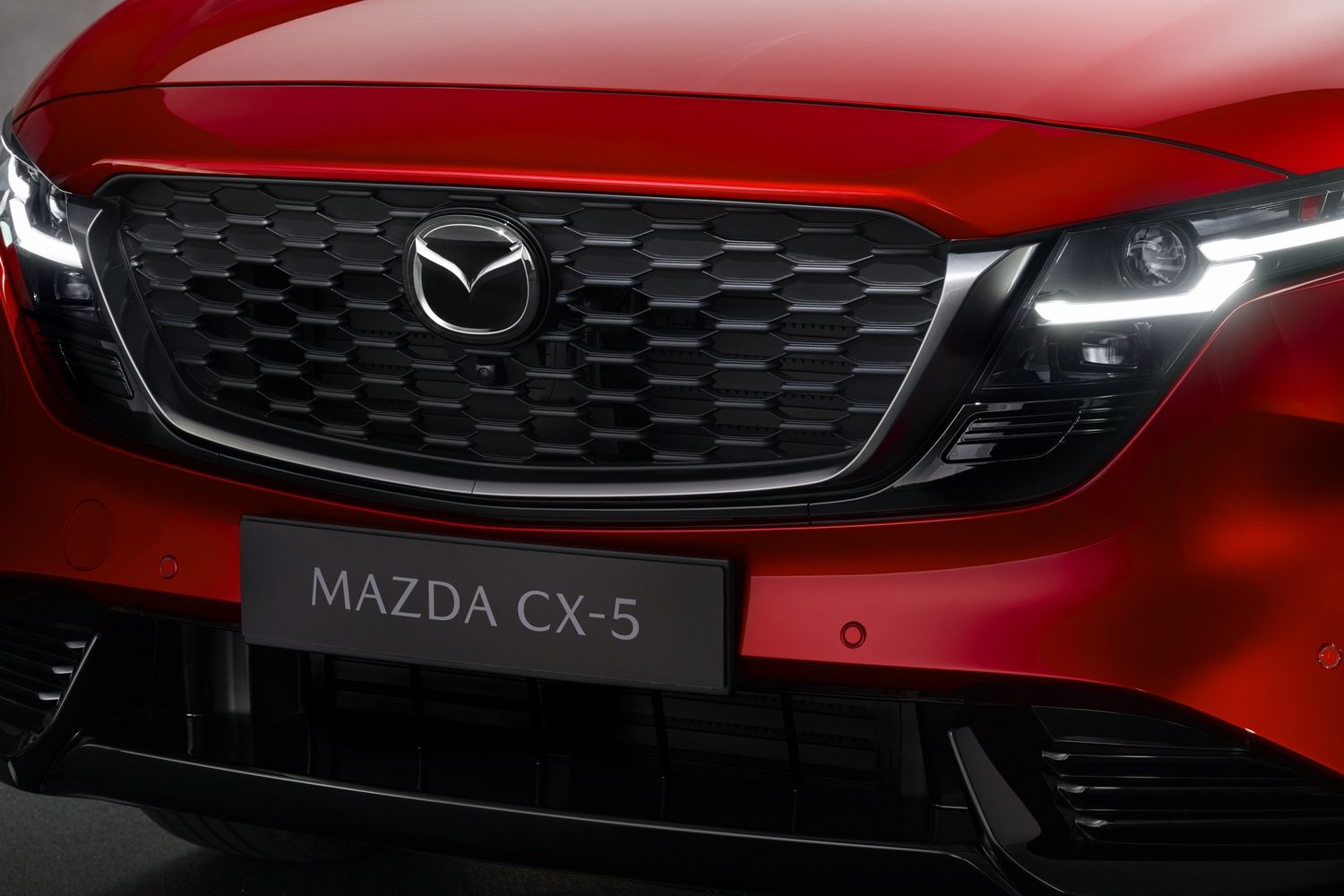
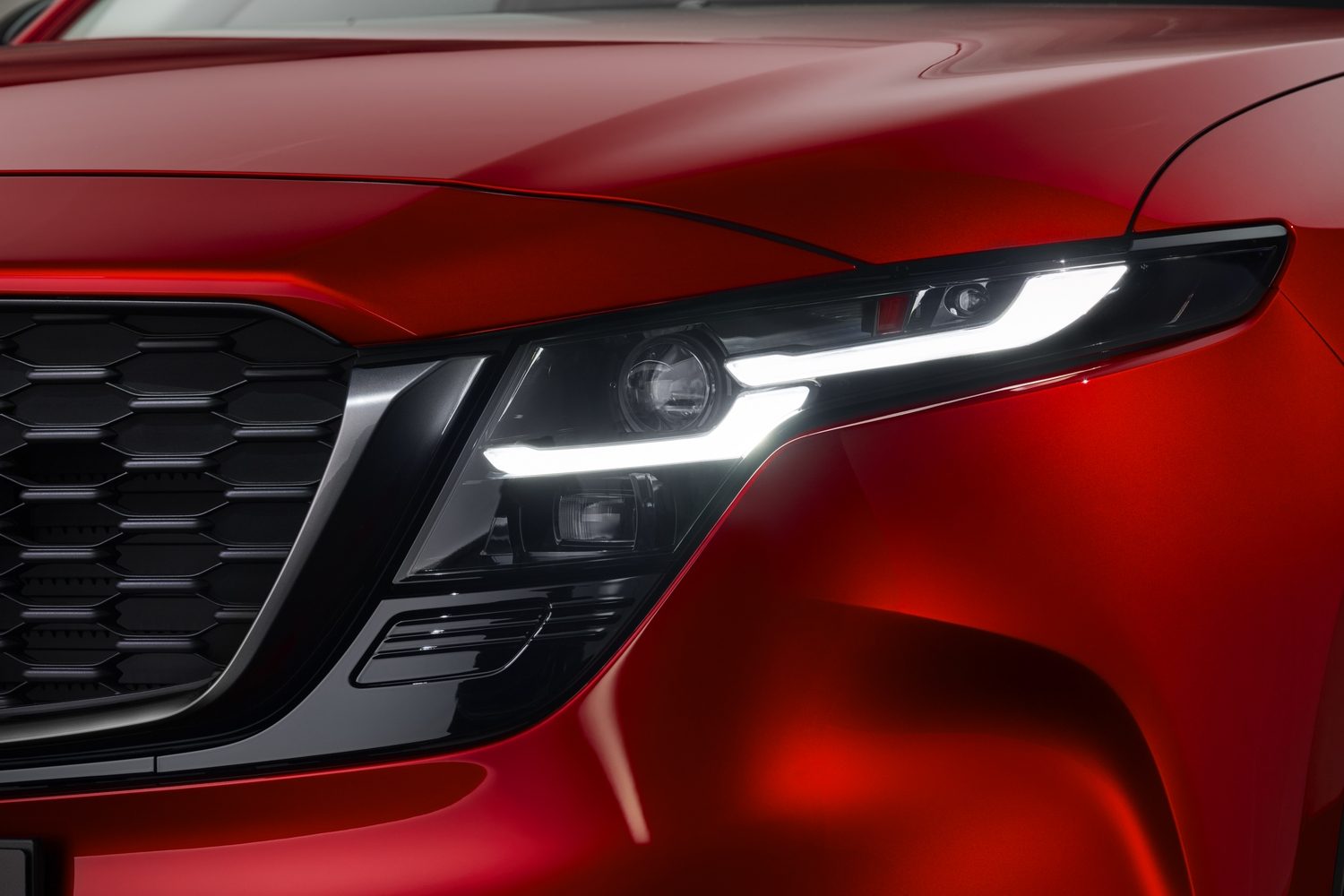
At the front, the design is a clear evolution of previous Mazdas with the headlights now forming more of an integral part of how the company's winged logo is crafted into the car's face. The honeycomb grille is joined by the stacked headlights that form the winged element of Mazda's emblem. The lower section of the front bumper contains active shutters that open and close to enhance the vehicle's aerodynamics.
What else has changed with the design?
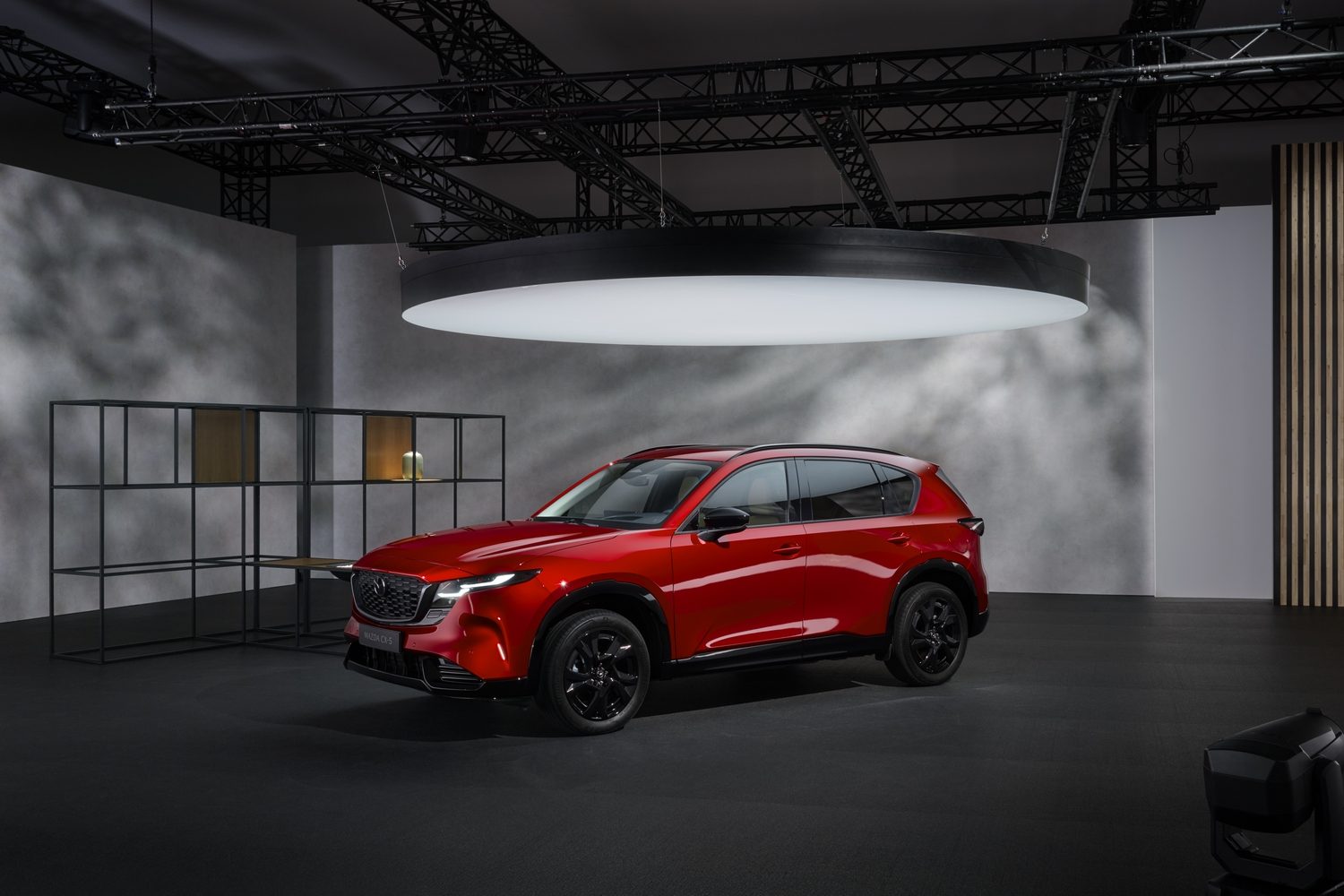
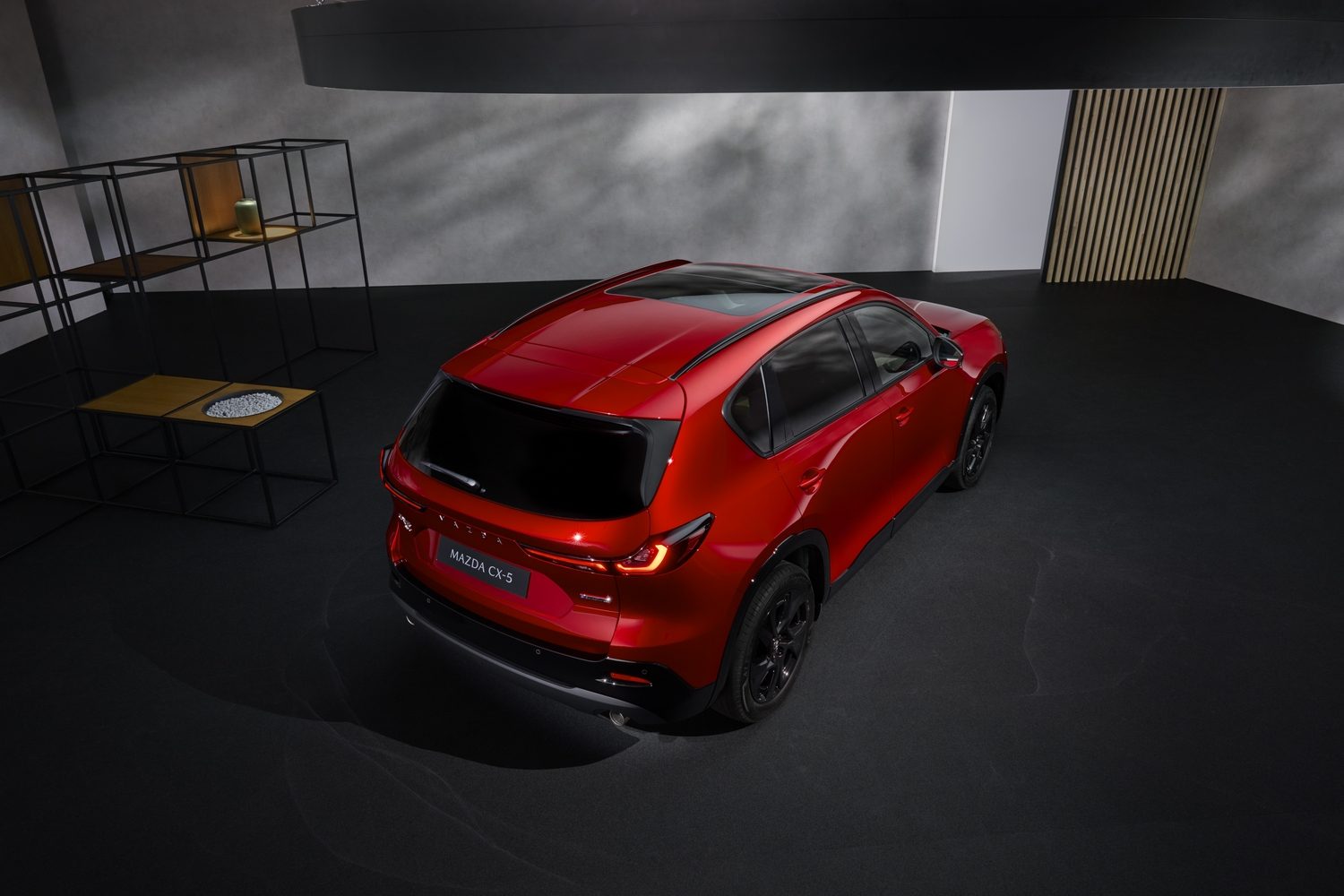
Metalwork along the sides of the CX-5 are simple and organic in shape with light surfacing details that catch the light and accentuate the subtle curves. This is particularly noticeable with Soul Red Crystal paint, which is one of seven exterior colours that will be available from launch. Others include Rhodium White, Aero Grey, Arctic White, Polymetal Grey, Jet Black and Machine Grey. One additional eighth colour option will be added later on.
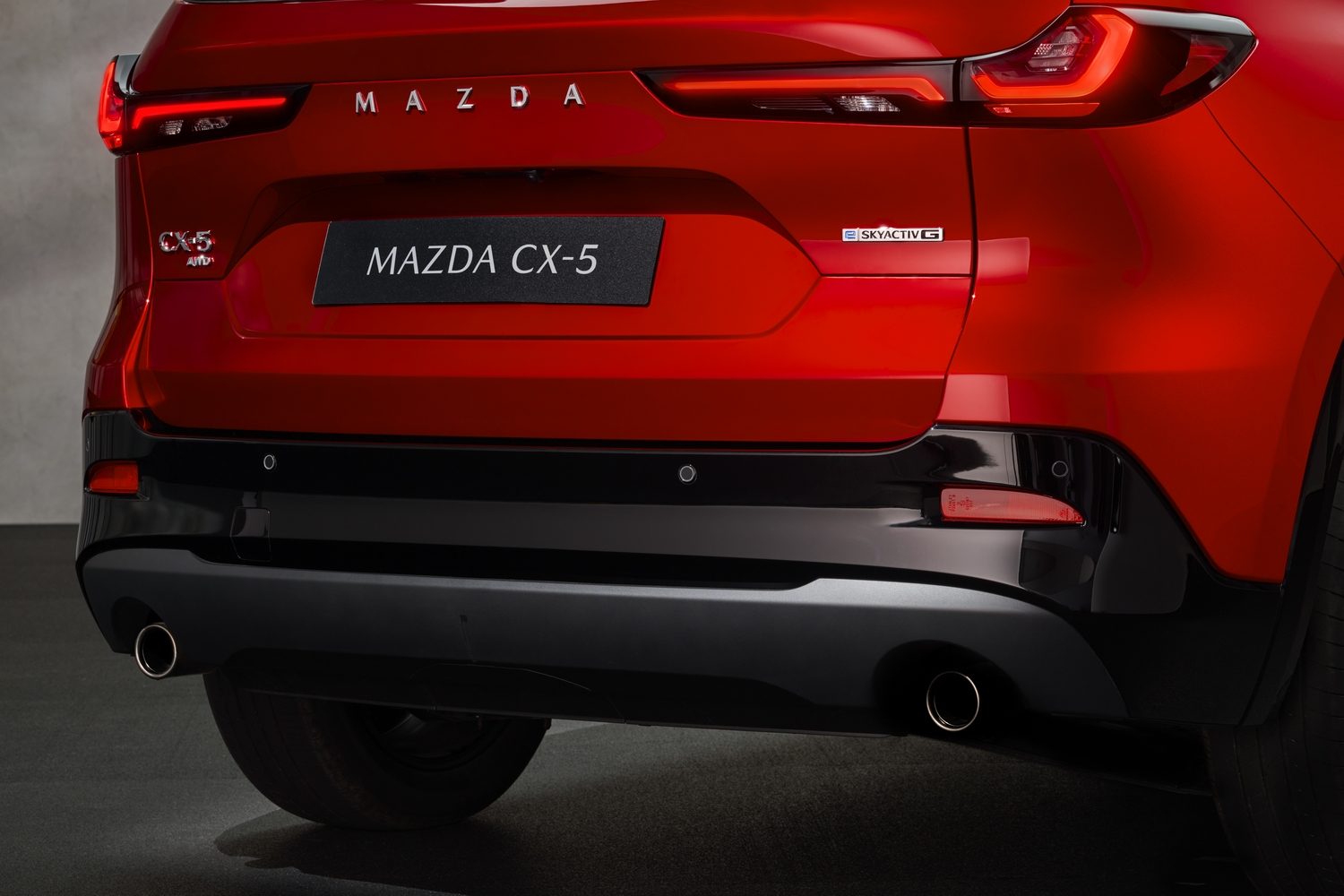
Further design changes at the rear include the replacement of the company's logo with the Mazda word mark across the tailgate. Slender light bars sit either side of this and curl out to form the rear light signature. There is an exhaust outlet on each side of the rear bumper, which is finished in gloss black.
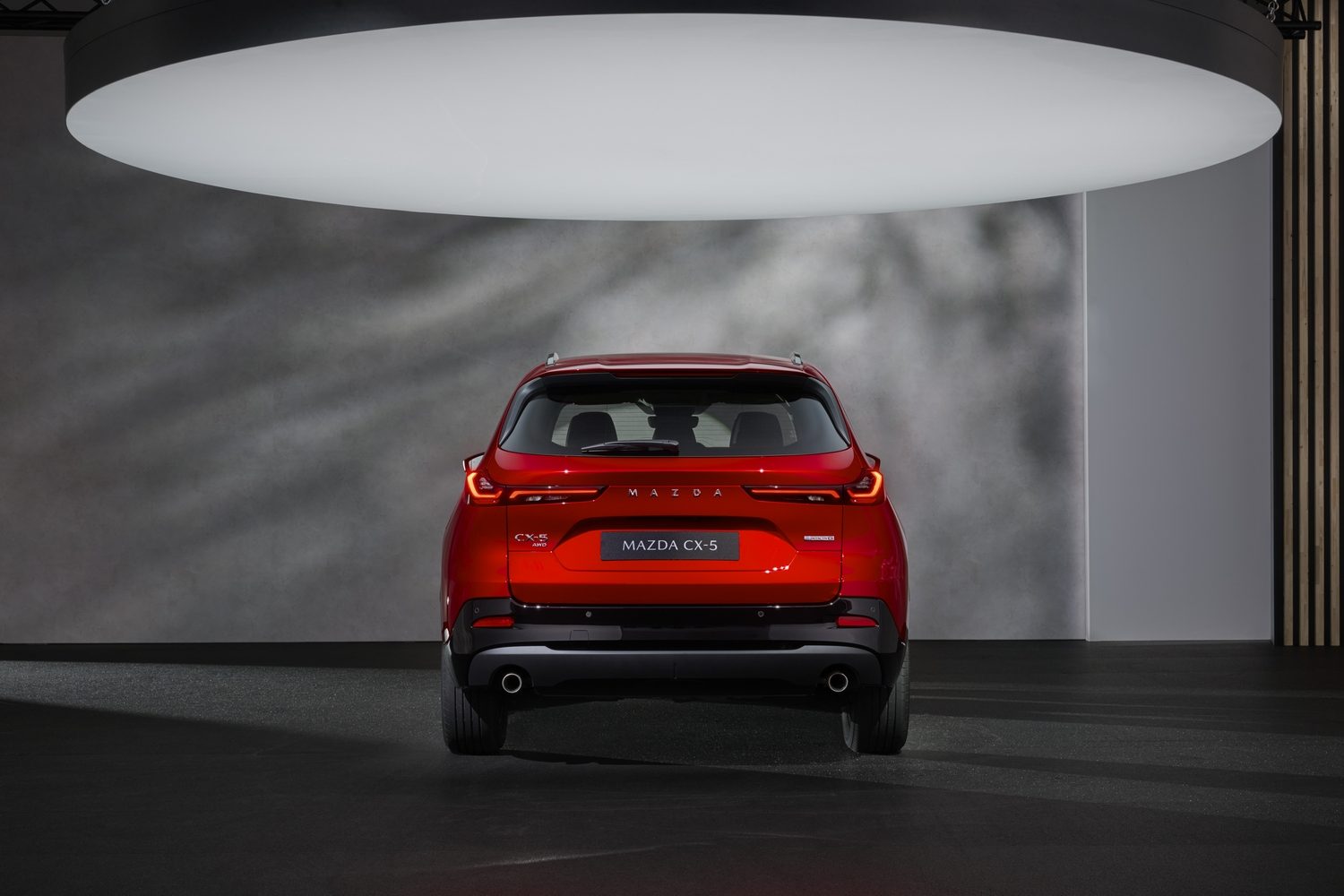
It's bigger, so is the new CX-5 more practical?
The CX-5 has grown in all directions, but the most significant news for the majority of prospective buyers will be the larger boot and the 115mm increase in wheelbase that improves cabin space. Extending the distance between the front and rear wheels brings aesthetic benefits, too, and the driver should also be able to feel it on the move as it contributes to more stable handling at higher speeds.
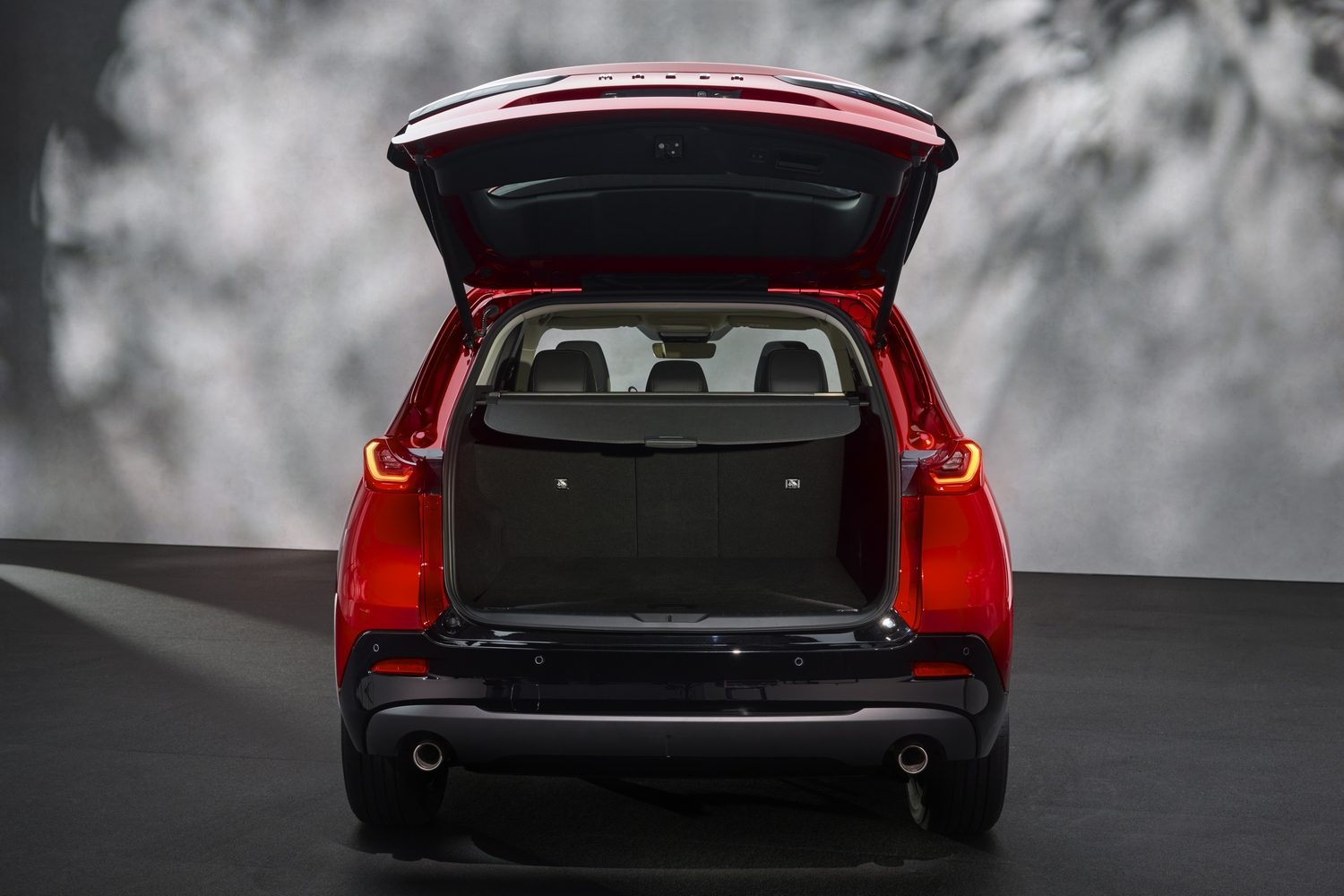
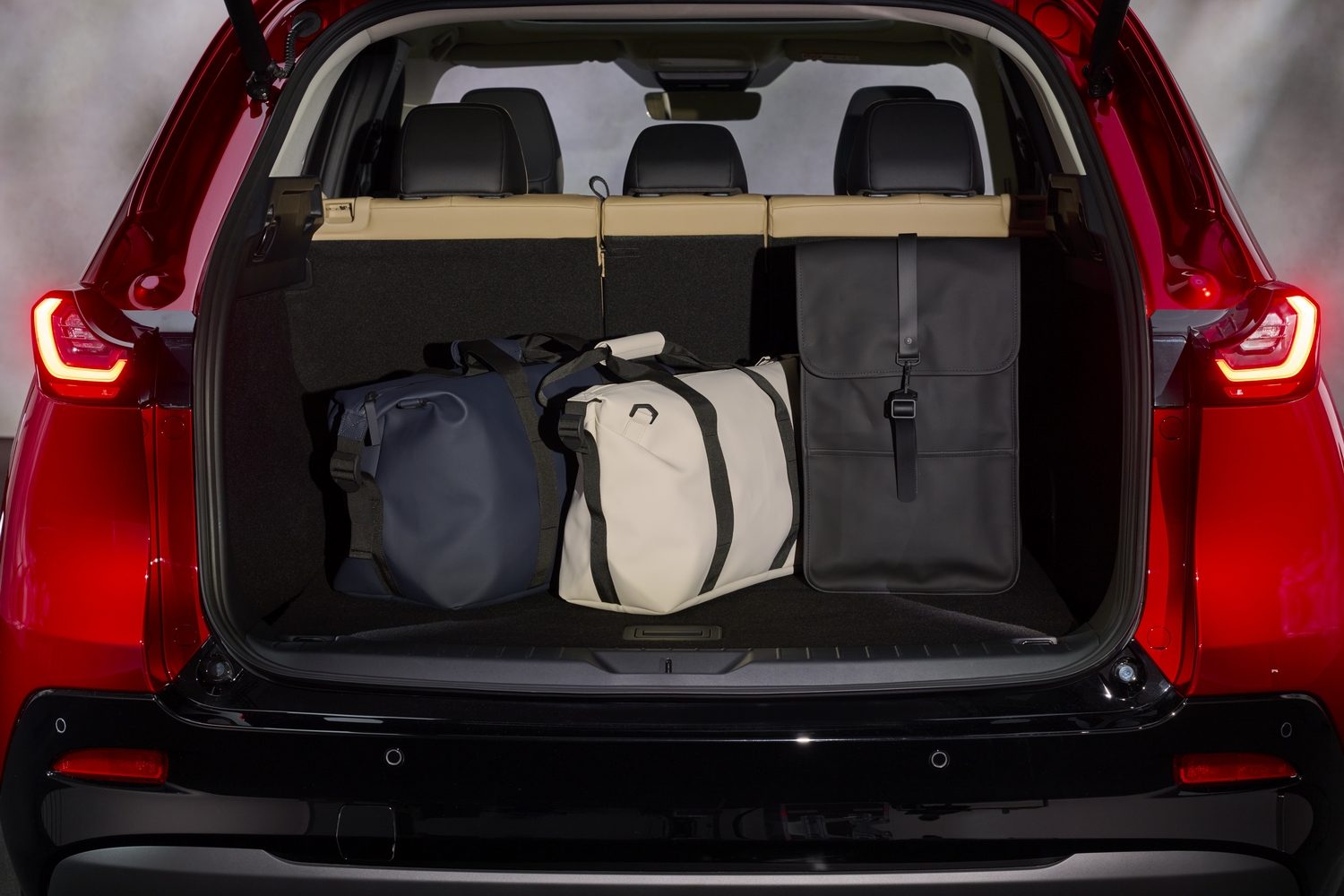
A redesign of the back end means the boot volume is now 583 litres - an increase of 61 litres over the outgoing CX-5 - and by lowering the 40:20:40 split rear seats, the total capacity is as much as 2,019 litres. Getting bulkier items in and out has been made easier by an 18mm lower load-in height.
What about the interior?
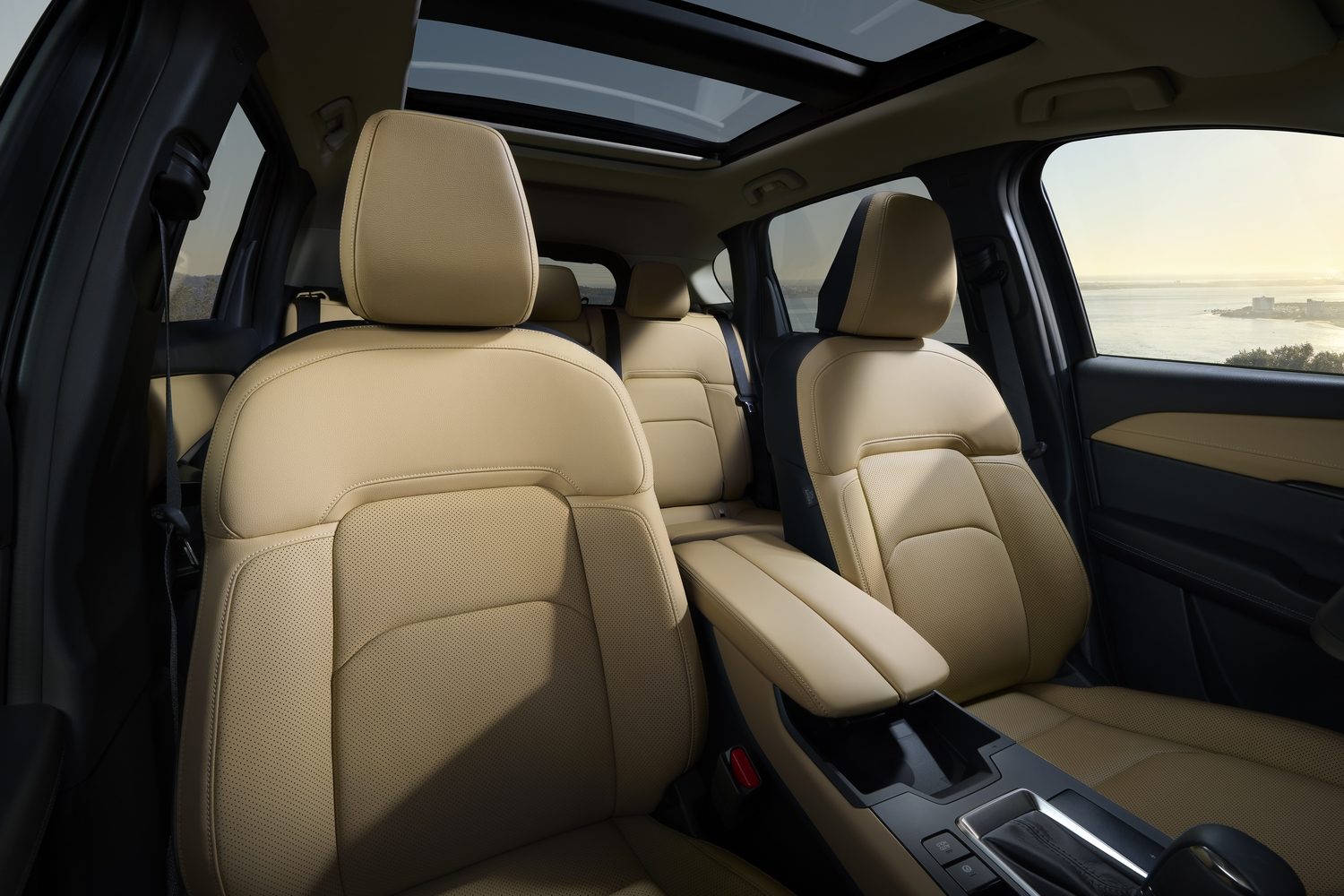
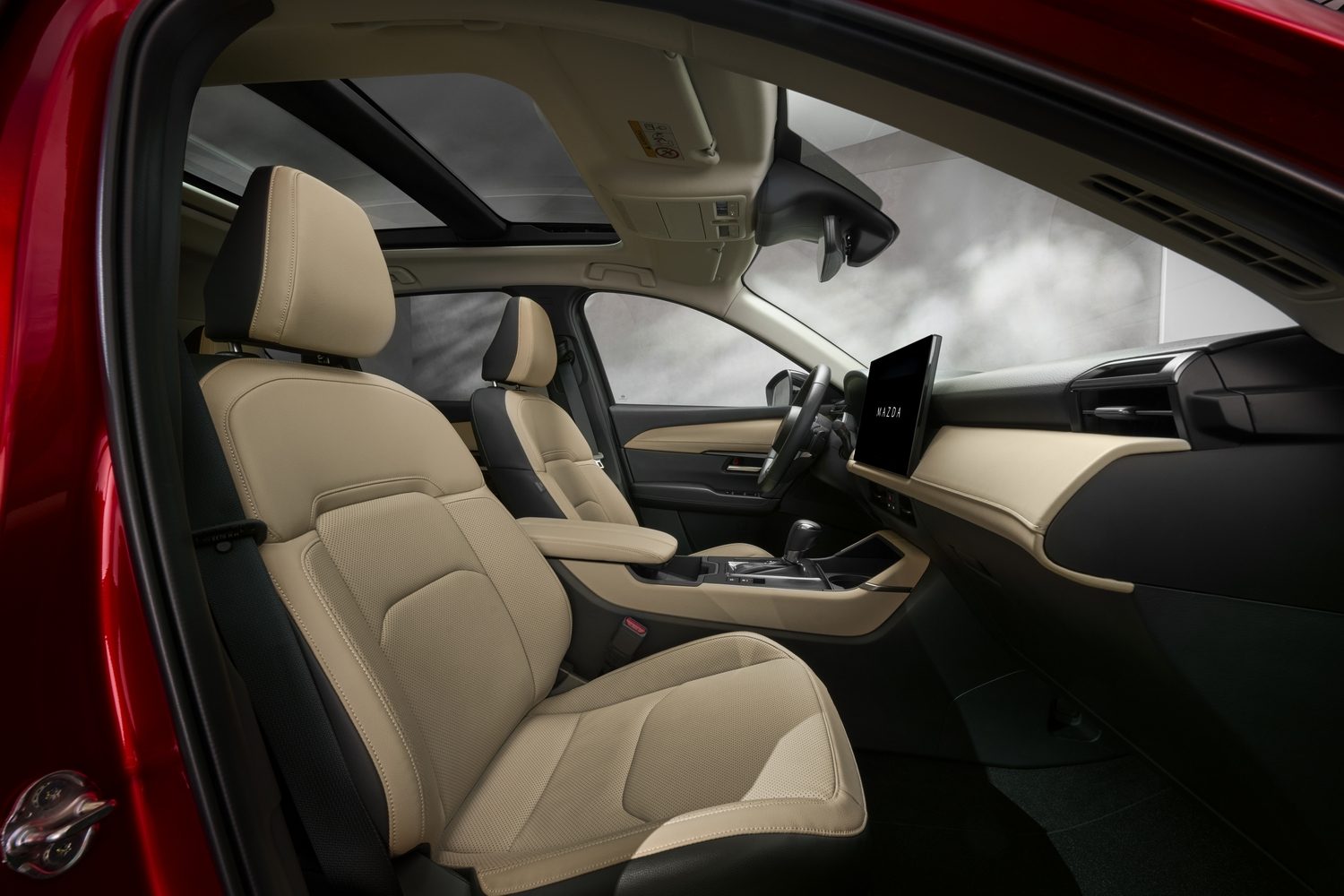
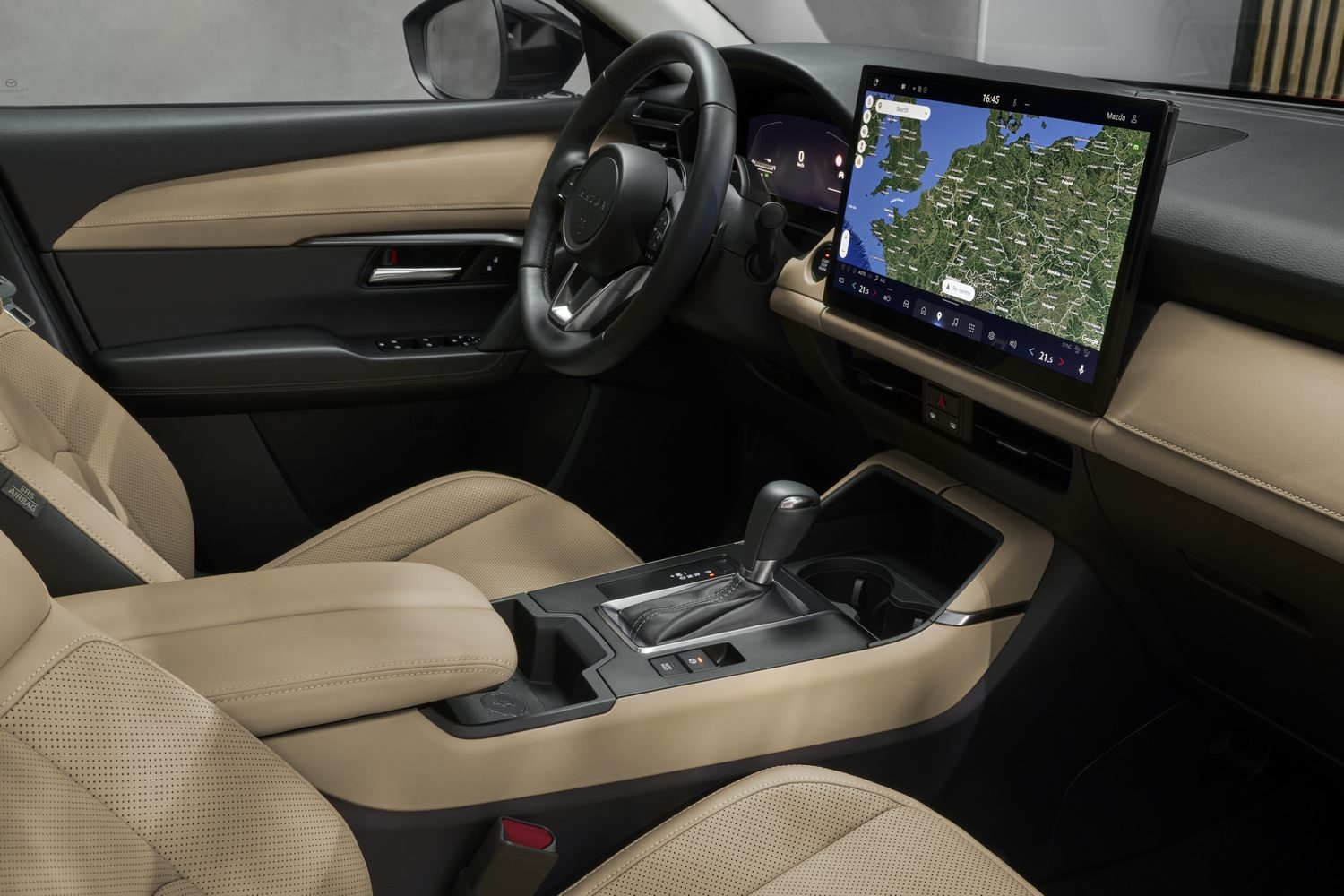
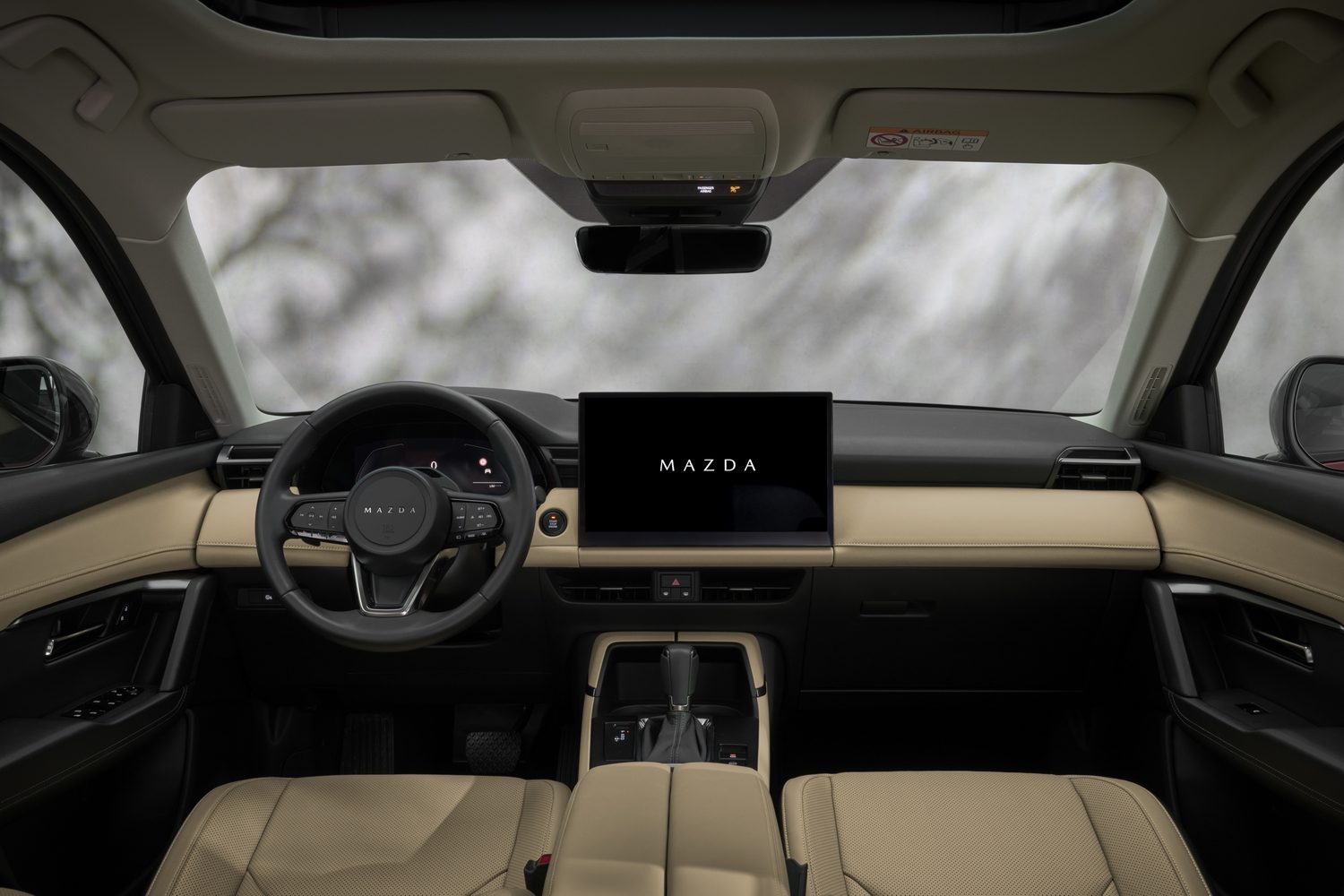
Keen to stay true to its Japanese heritage, Mazda's designers have turned to the principle of 'Ma', an aesthetic that prioritises balance, space and harmony. That translates into a cabin layout that reflects its premium credentials and in-car technology.
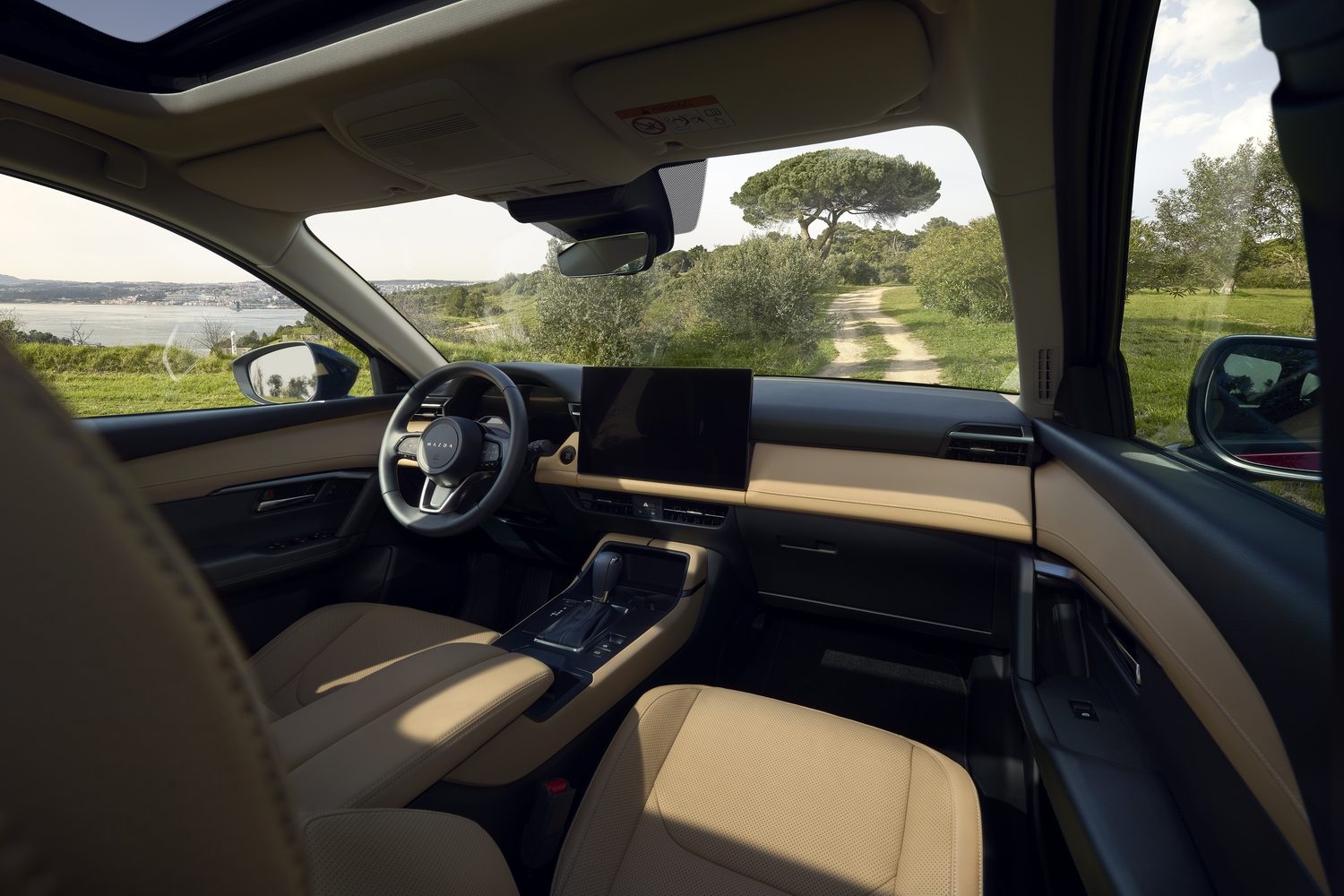
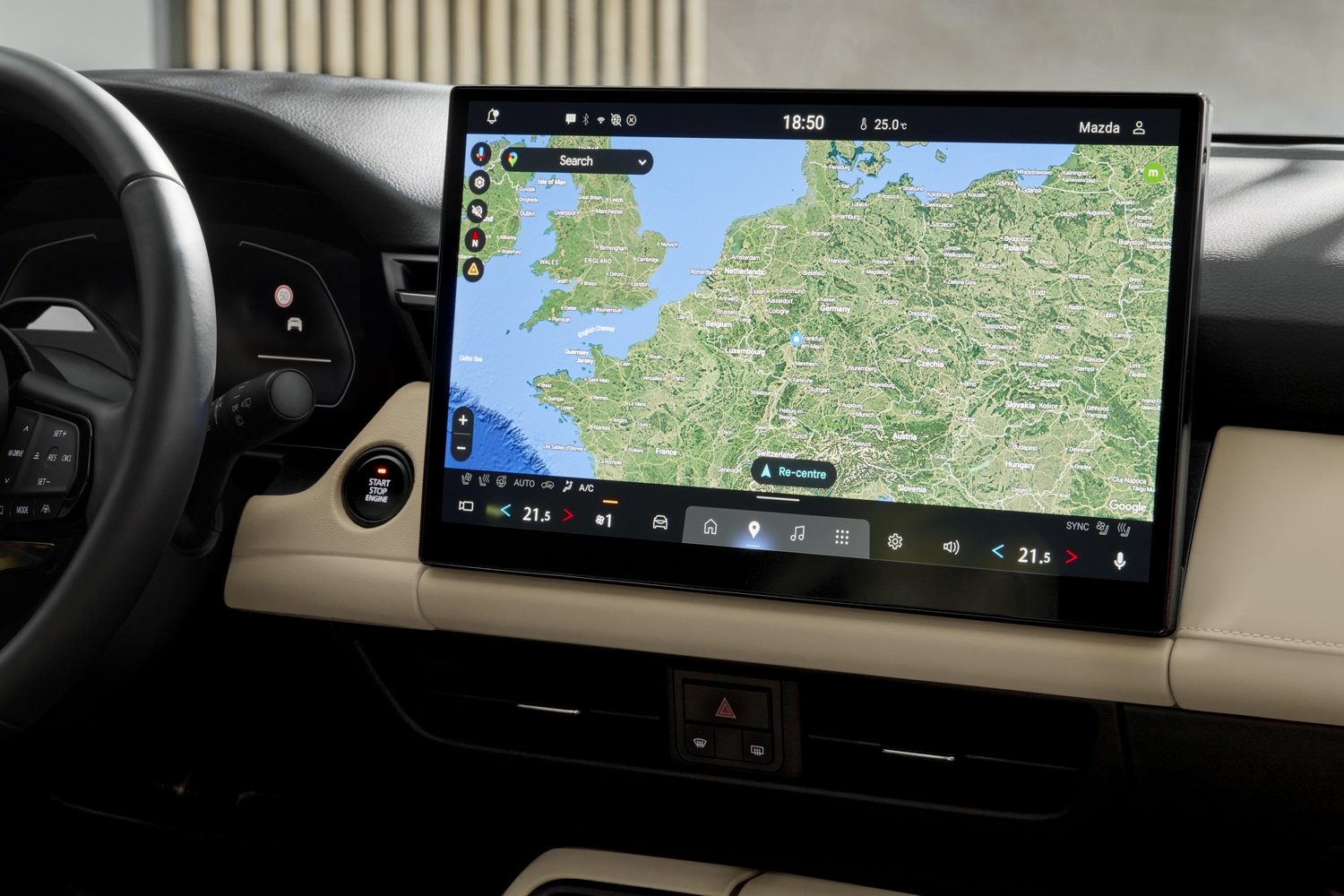
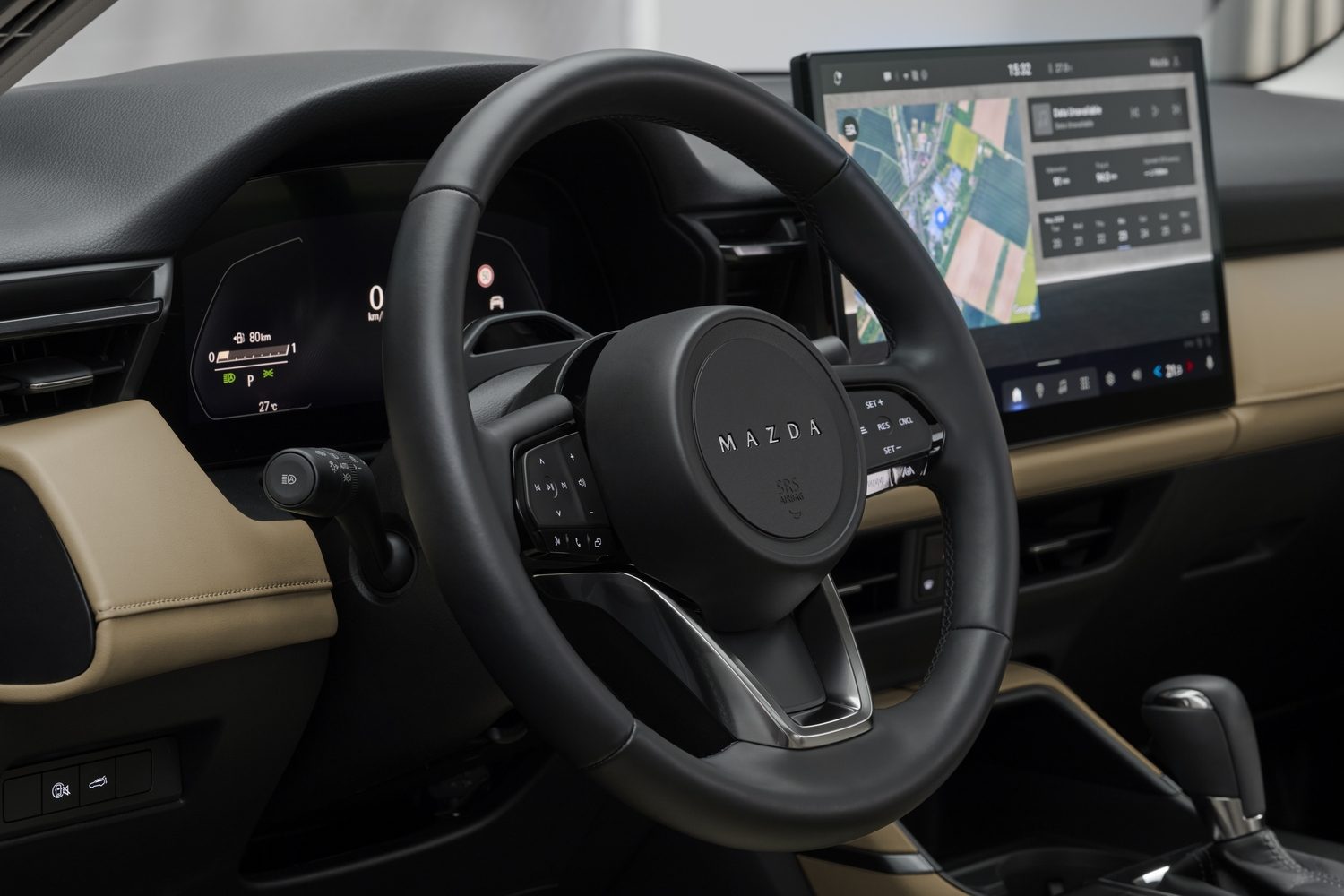
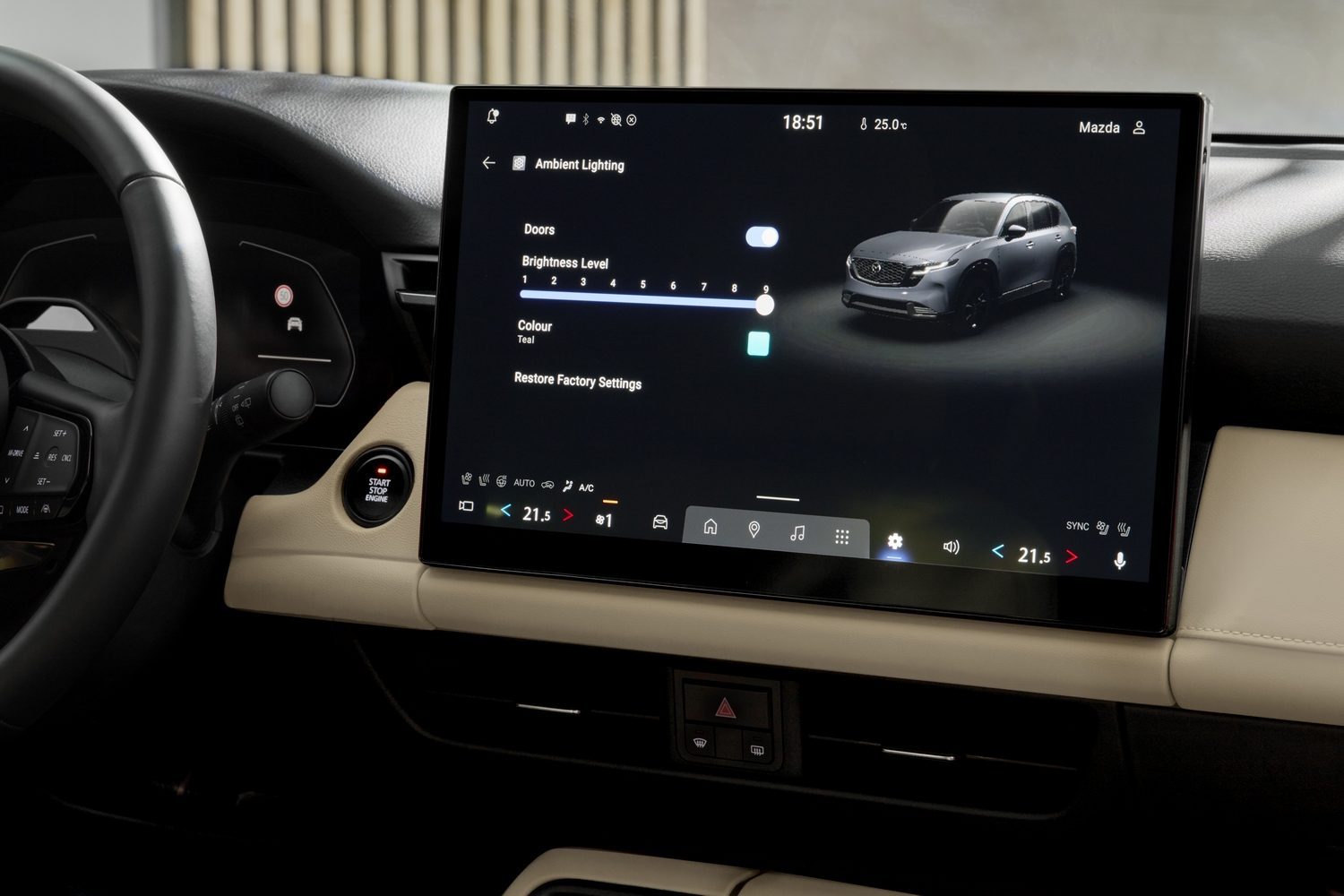
In front of the driver is a perfectly rounded multifunction steering wheel with haptic panels that feel far better than other applications of the same tech. Ahead of that is a 10.25-inch digital instrument display, which is accompanied by a separate 12.9-inch touchscreen in the centre of the dash. On range-topping models, there is a larger 15.6-inch display, though this looks almost too big for the interior, almost like an add-on.
The infotainment system has Google built-in to provide a more connected experience. That means having access to Google Gemini, the company's AI assistant, alongside Google Maps for real-time navigation information and Google Play to allow for the addition of more apps.
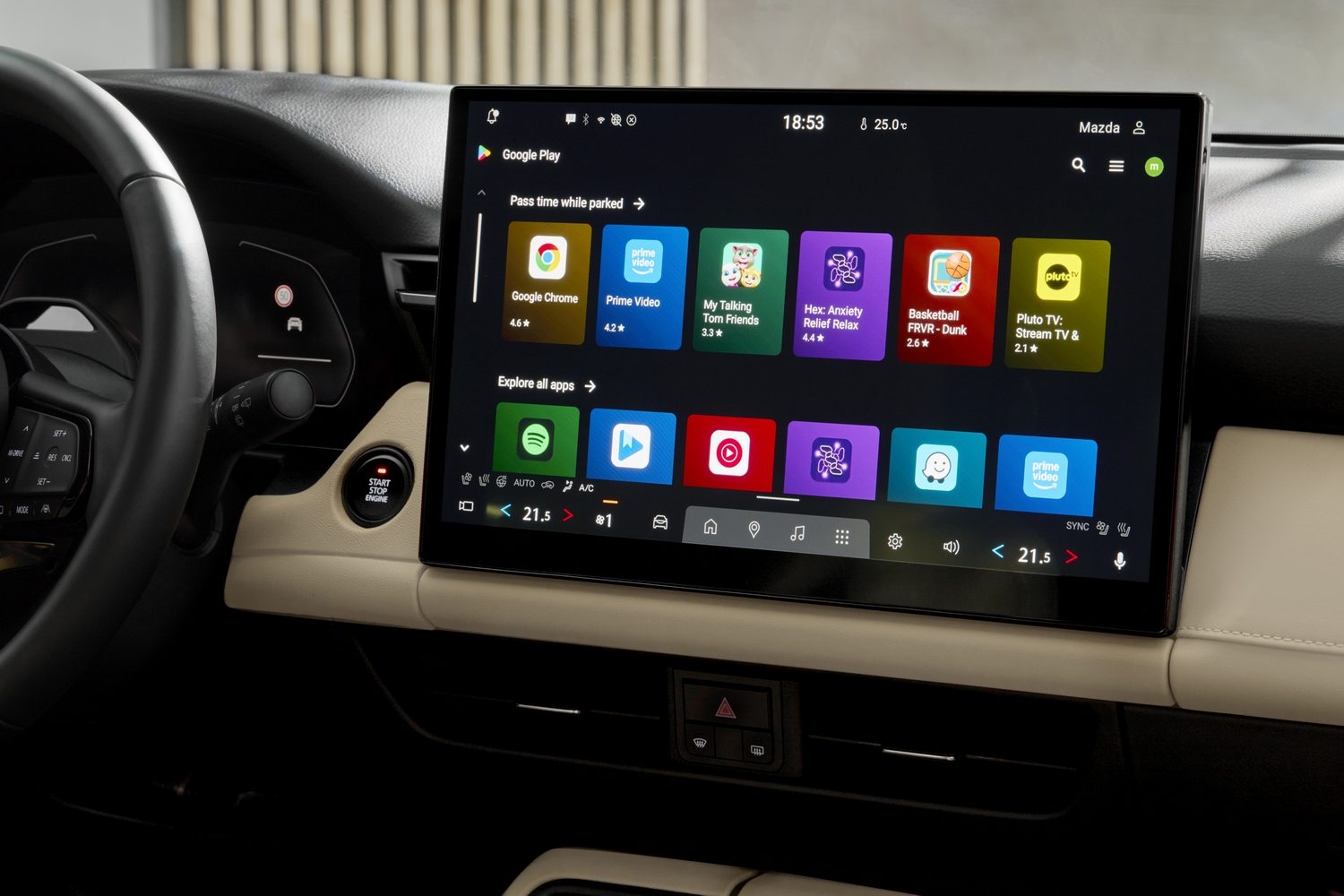
Mobile devices are supported with wireless Android Auto and Apple CarPlay from Centre-Line specification upwards; the Prime-Line model relies on a wired connection for smartphone mirroring. With so much functionality tied up in the new infotainment system, there are fewer physical buttons throughout.
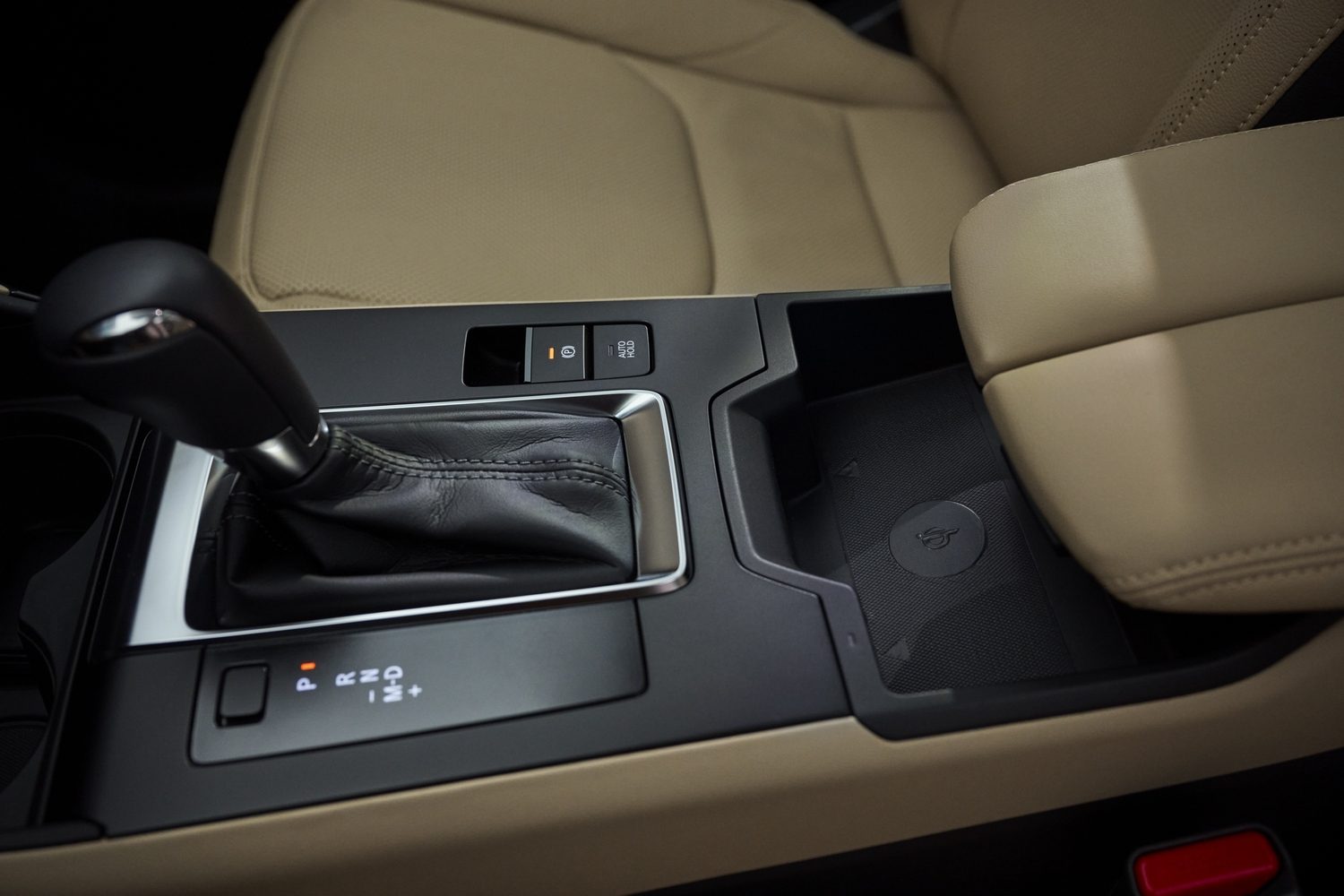
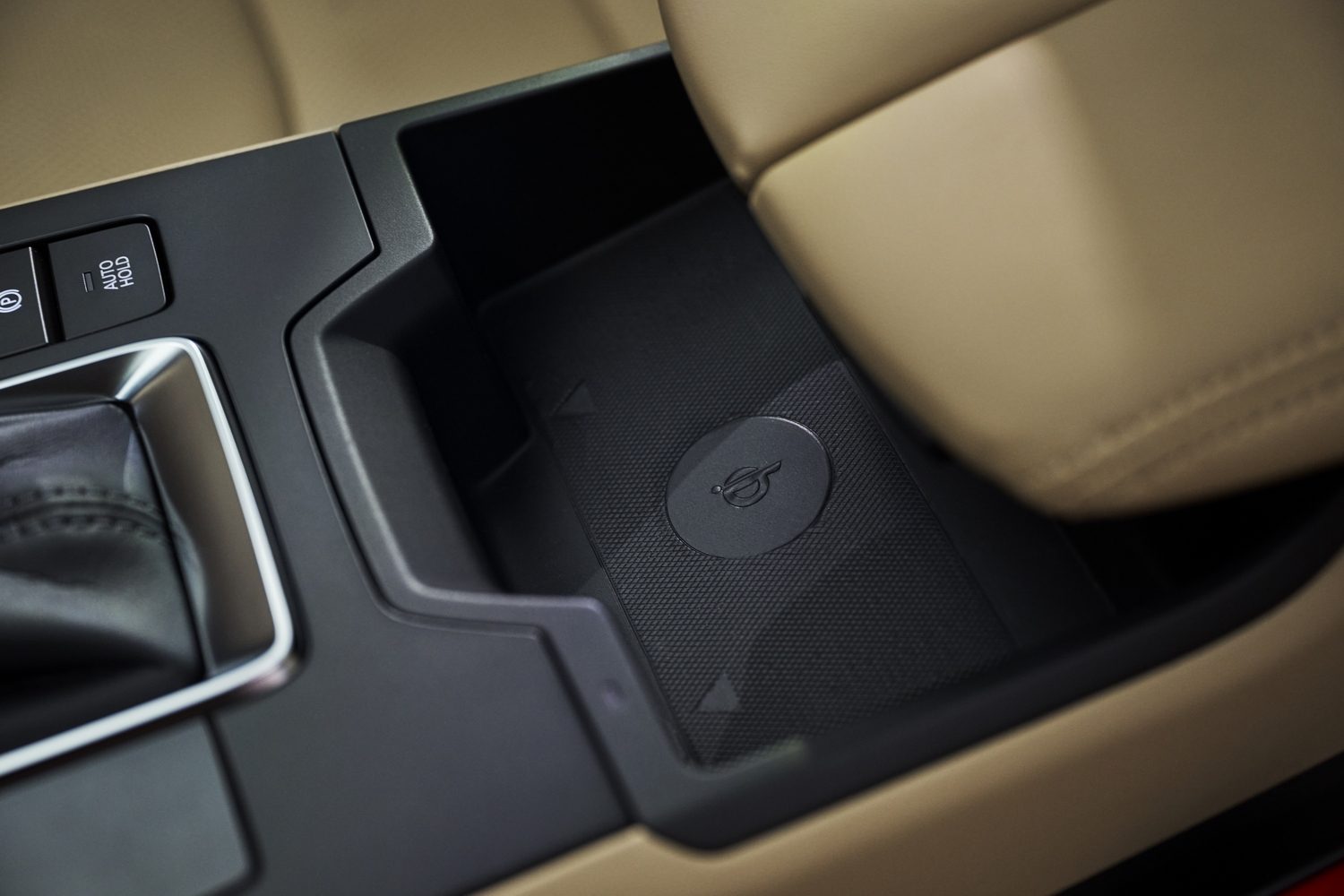
The centre console has decent storage options, and Mazda sticks with a traditional shift lever for the standard automatic transmission.
Which grades will Mazda Ireland offer?
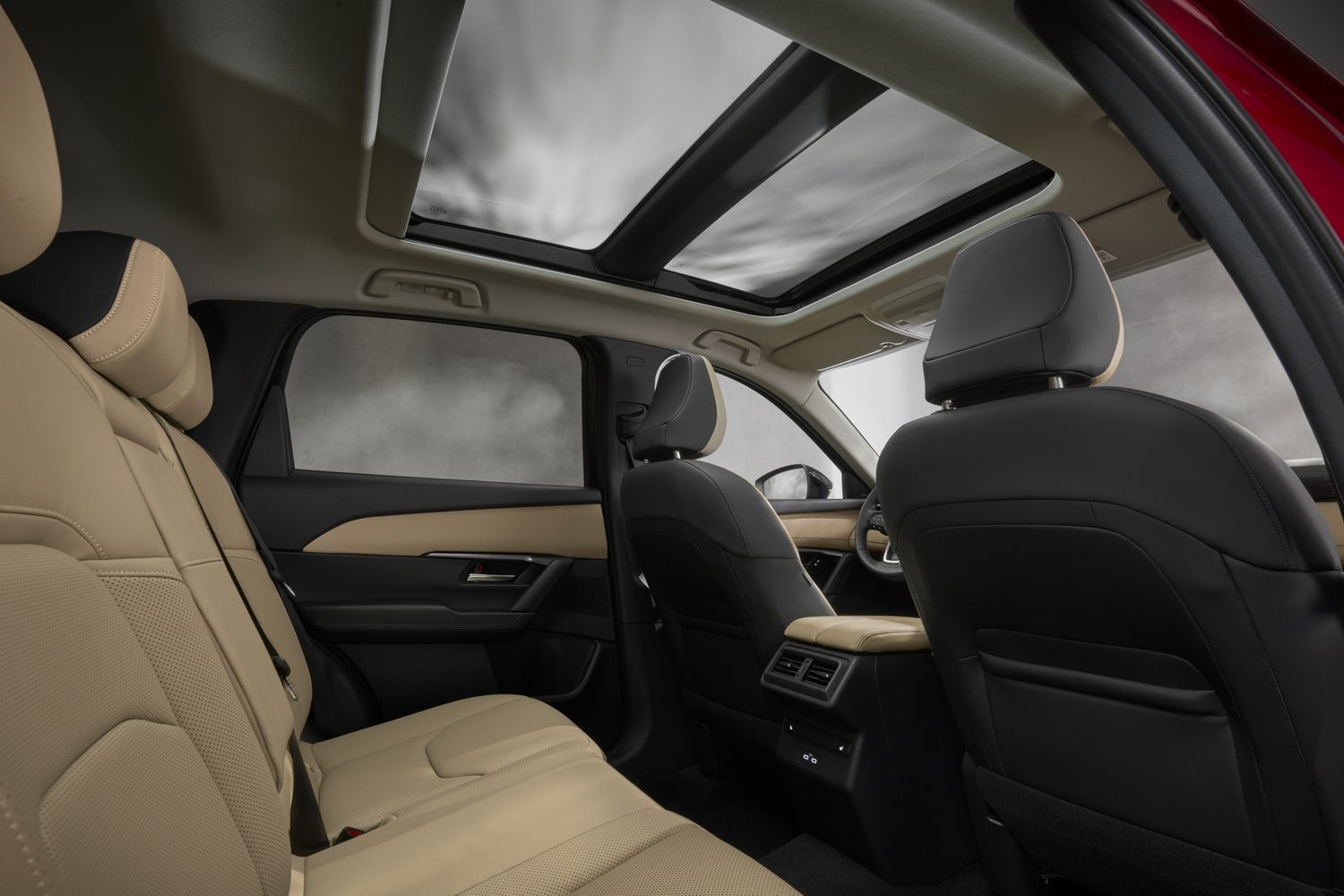
Falling in line with other models in its range, the Mazda CX-5 will be available in four specifications: Prime-Line, Centre-Line, Exclusive-Line and Homura. All will feature the same interior architecture and, from Centre-Line up, the CX-5 gets 19-inch wheels and an electric tailgate.
The Exclusive-Line and Homura grades are more about adding premium features such as six-way electrically adjustable front seats, heated rear seats and a 12-speaker Bose sound system. Homura versions will also include adaptive LED headlights and a larger central touchscreen display as standard.
What engine does the new CX-5 get?
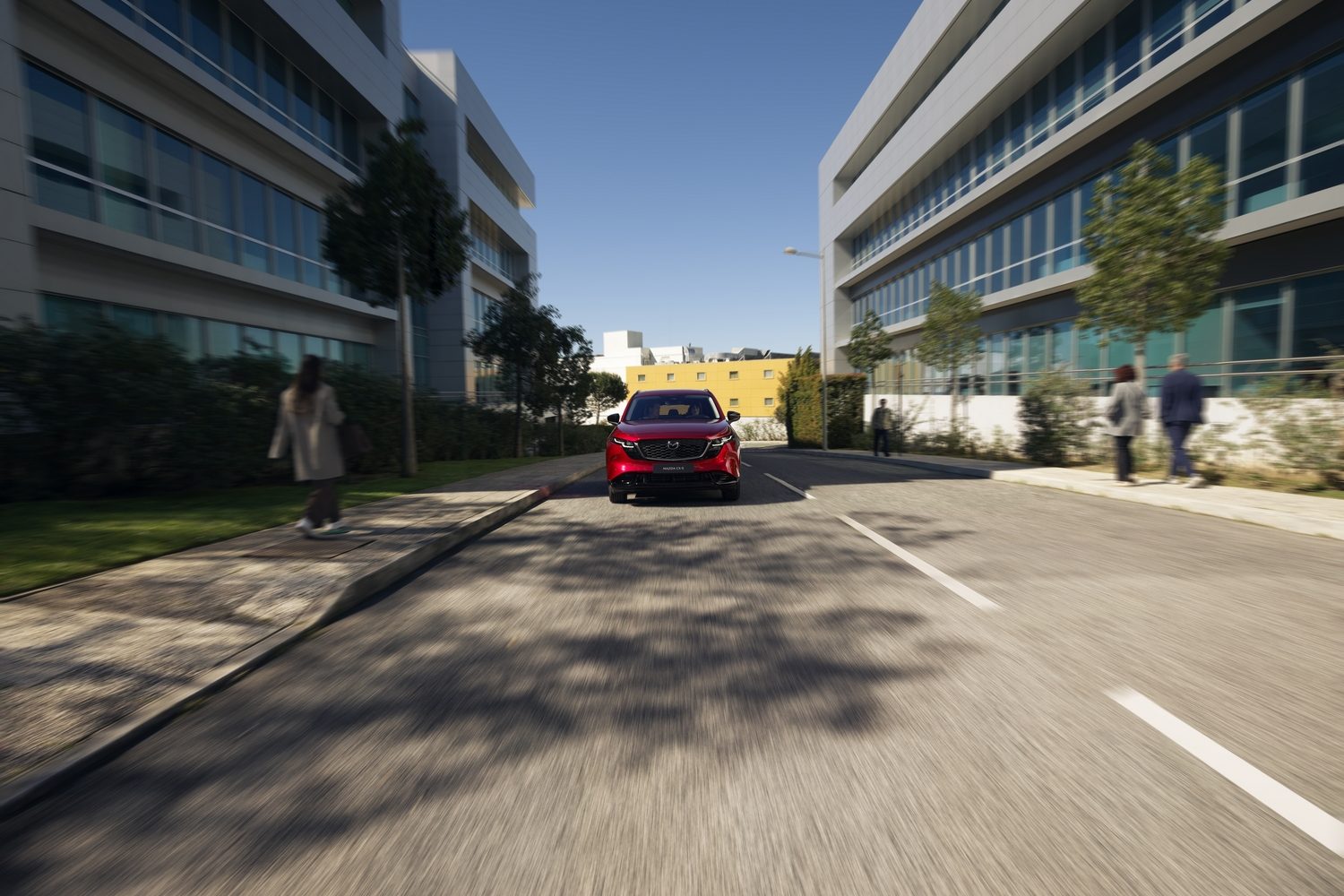
From launch, there will be only one powertrain available for the Mazda CX-5, a 2.5-litre e-Skyactiv G petrol engine. This replaces the previous 2.0-litre unit and has been engineered to meet all of the latest emissions standards while also improving efficiency.
It produces up to 141hp and 238Nm and uses a 24-volt mild-hybrid system to enhance its performance and efficiency. Mazda couples this with a six-speed automatic gearbox that drives either the front wheels or all four wheels. Mazda is targeting fuel consumption of 7.7 litres/100km and 168-169g/km of CO2.
How much does the Mazda CX-5 cost?
Mazda Ireland has confirmed that pricing for the new CX-5 will start at €39,965. That will apply to the Prime-Line model with front-wheel drive. Pricing for the rest of the range has not yet been announced.
When does the CX-5 arrive in Ireland?
Production of the new CX-5 will commence on 1 October, with the first models expected to arrive in showrooms in December, just in time for the 261-registration period.

Video player loading.
Video unavailable. Watch on YouTube
If there is anything about this story we have not covered, you can avail of our expert advice service via the Ask Us Anything page.