









It looks oddly familiar from the outside…
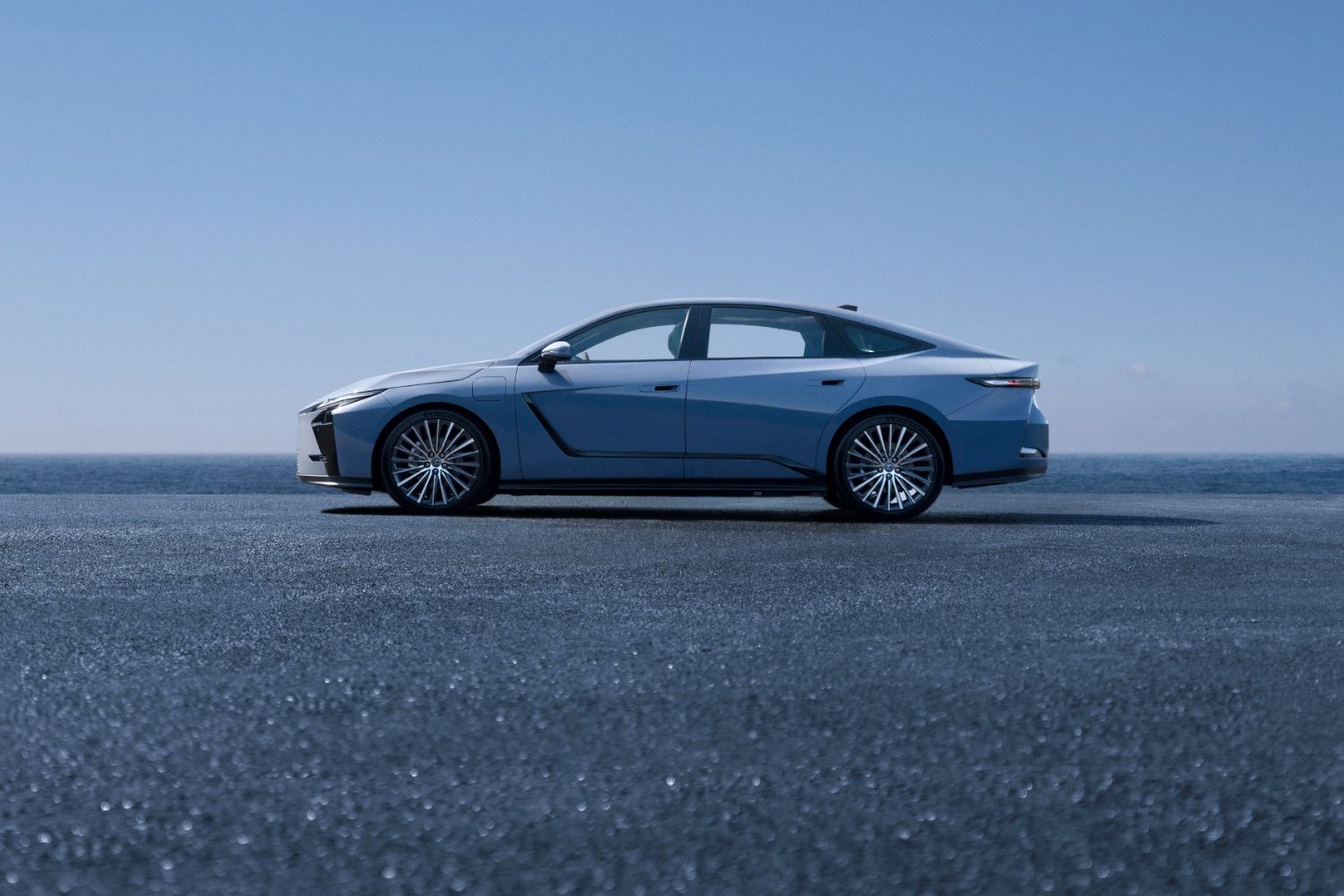
There is a degree of Prius about the ES's sharp nose, but then Lexus is Toyota's luxury arm, so perhaps some similarities are to be expected. Aside from that, the design is pretty smart, with a swooping rear window that adds a slightly fastback-inspired style to the silhouette, while Lexus has evolved the 'spindle' grille that marks out its models so distinctively.
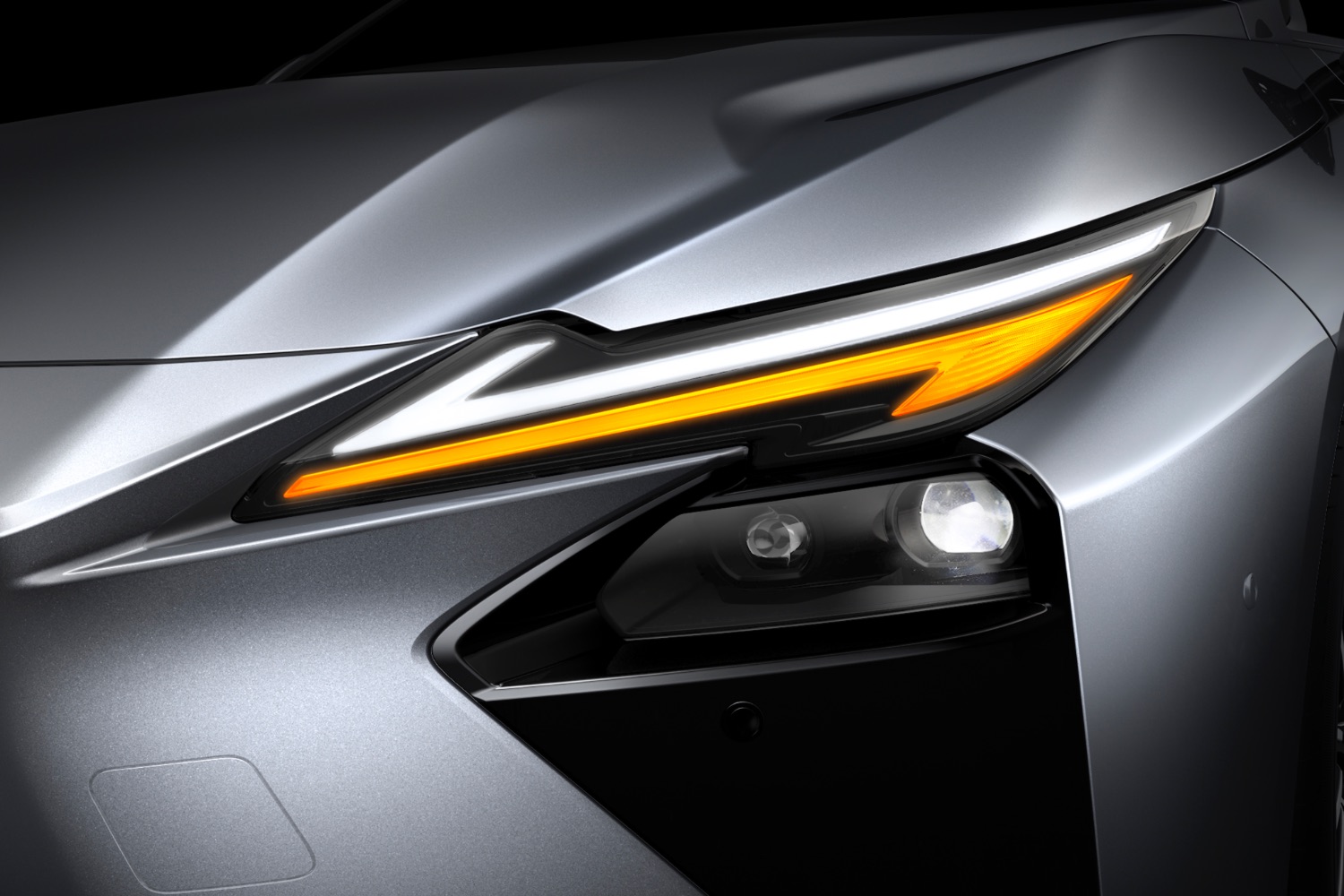
Lexus has also introduced new headlights with an 'L' shape that will apparently become a feature on Lexus products for the foreseeable future. And that L graphic is mirrored in the narrow tail lights that give the boot a low, sporty look.
Not immediately apparent from the images seen here, however, is a noticeable increase in size. The new ES is more than 16cm longer than its predecessor, and around half of that growth is an increase in wheelbase. The front and rear tracks have been widened, too, while the car is 11cm taller and occupants sit higher for easier entry and egress.
Is the interior more revolutionary?

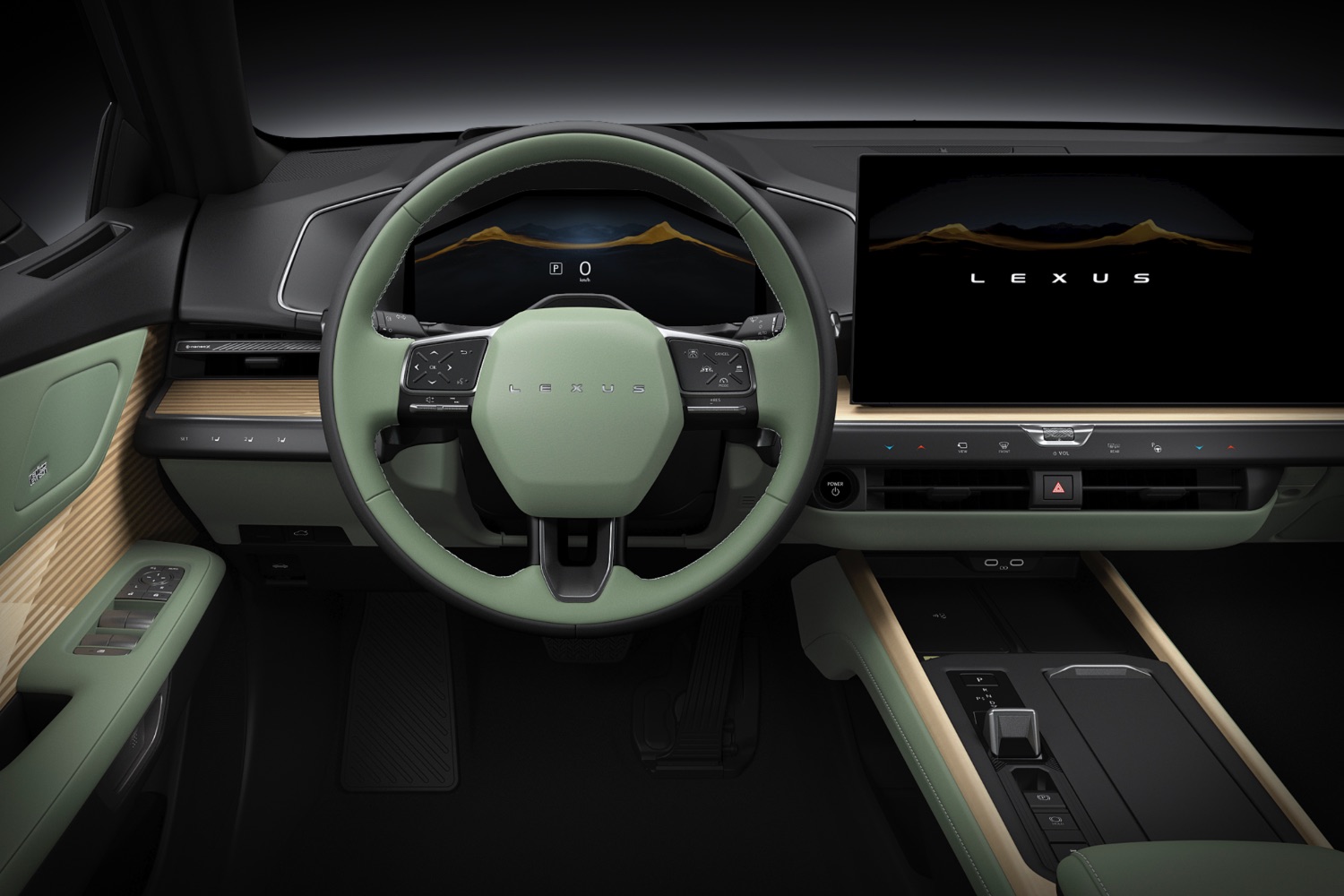
Unquestionably. Lexus has clearly started from scratch in there, with a minimalist new interior that's clean and elegant, but comes with plenty of luxury features. Lexus is particularly keen to point out that the rear seats can recline, and the passenger-side rear seat can be specified with an ottoman leg support for a more comfortable chauffeur experience.
Elsewhere, Lexus has lined the cabin with bamboo and embossed synthetic leather, while the company claims it has fine-tuned the positioning of the speakers for the Mark Levinson Surround Sound System to create a “three-dimensional sound stage.”
What's more, the front seats have been redesigned to make them more comfortable, while door sealing and soundproofing have been improved to help make the new ES's cabin as quiet as possible.
Perhaps more revolutionary, though, is the introduction of “hidden switches” that aren't visible when the car is switched off, but become visible when they are backlit. According to Lexus, the system is more tactile, modern and minimalist than using conventional switchgear.
And although it's traditionally not a strong suit for Lexus, in-car technology clearly plays a starring role in the new ES. The company claims to have introduced a new “digital cockpit” with a 12.3-inch combimeter and the new 14-inch LexusConnect multimedia screen, which lives in the middle of the dashboard.
What's under the skin?
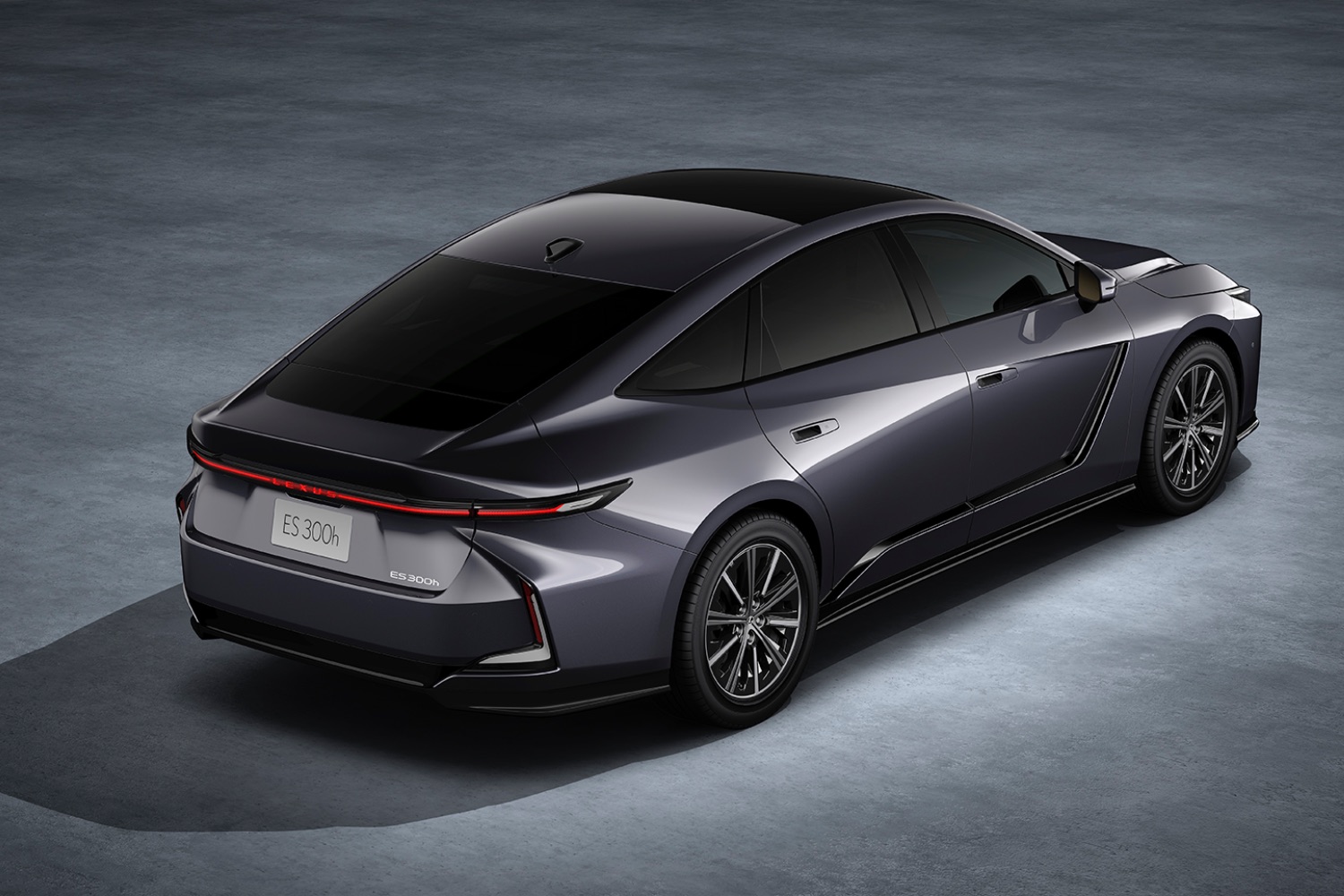
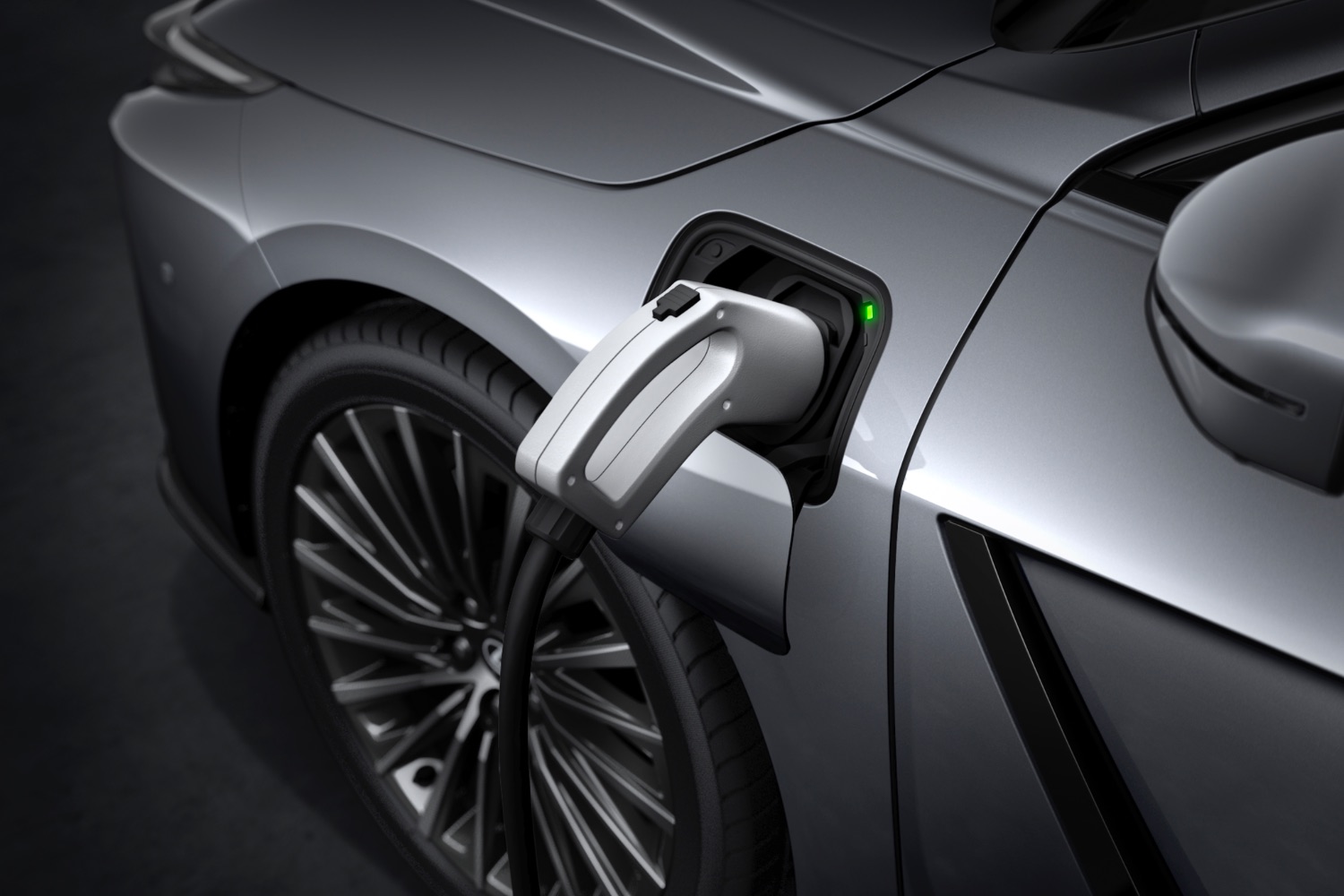
Unsurprisingly, Lexus has decided to change tack slightly and offer the new ES in both hybrid and electric forms. Like the outgoing ES, the standard option is a “self-charging” hybrid called the ES 300h, which uses a 2.5-litre four-cylinder petrol engine to produce 201hp and offers a choice of front- or all-wheel drive.
Efficiency figures for the hybrid are yet to be announced, but Lexus has confirmed the system gets an upgraded battery and tuned software to help make it as fuel-efficient as possible. However, Lexus says the upgrades have the additional benefit of reducing vibration for a quieter and more refined ride.
The electric options, though, are expected to be even quieter. The basic electric version is the 350e, which sends all its 224hp to the front wheels, and though Lexus has not confirmed battery sizes, it has said the power pack will be of “high capacity,” suggesting both the 350e and the more powerful 500e will get the same or similar capacities.
As a result, the 350e is expected to be more efficient than the 500e, but the more potent electric model gets 343hp and all-wheel drive.
What about the chassis?

Lexus claims the ES will focus on comfort, confidence and control, suggesting a more laid-back attitude than you'd get from some sportier rivals. To that end, Lexus has increased the rigidity of the car's front end, floor and rear, minimising vibration and helping with steering feel and braking response.
Perhaps more pertinently, the Japanese company claims “detailed measures” were used to refine the car's ride quality, with changes to the suspension arm bushings to make the movements smoother and the car feel more composed. And the engineers have fitted a variable-gear steering rack that's supposed to make the car feel more stable at speed while providing faster responses while cornering and improving manoeuvrability in town.
When will the new ES go on sale?

The eighth-generation ES is expected to arrive in Europe in the spring of next year, with prices and specifications to be announced closer to the time.
If there is anything about this story we have not covered, you can avail of our expert advice service via the Ask Us Anything page.