

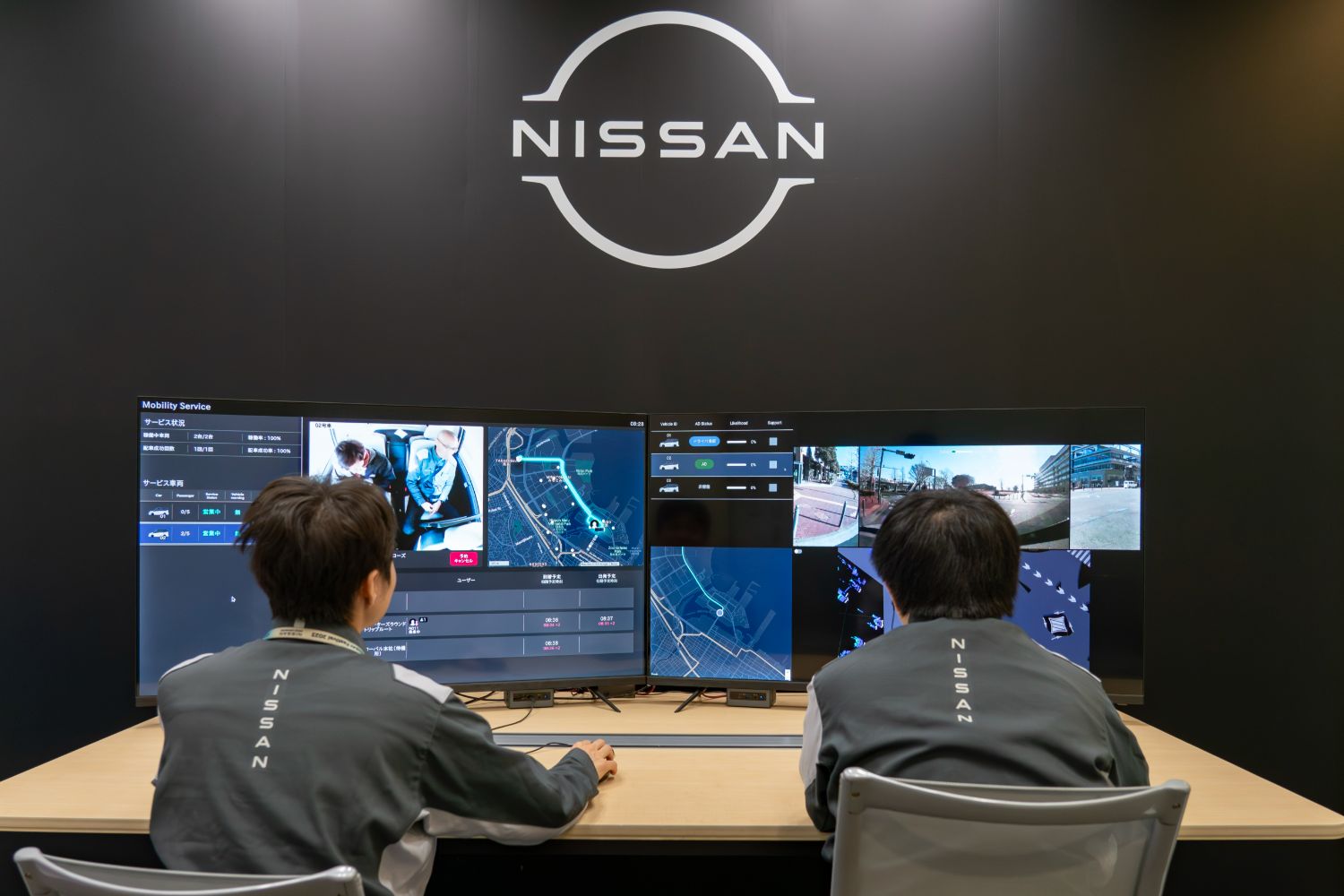
An ageing population
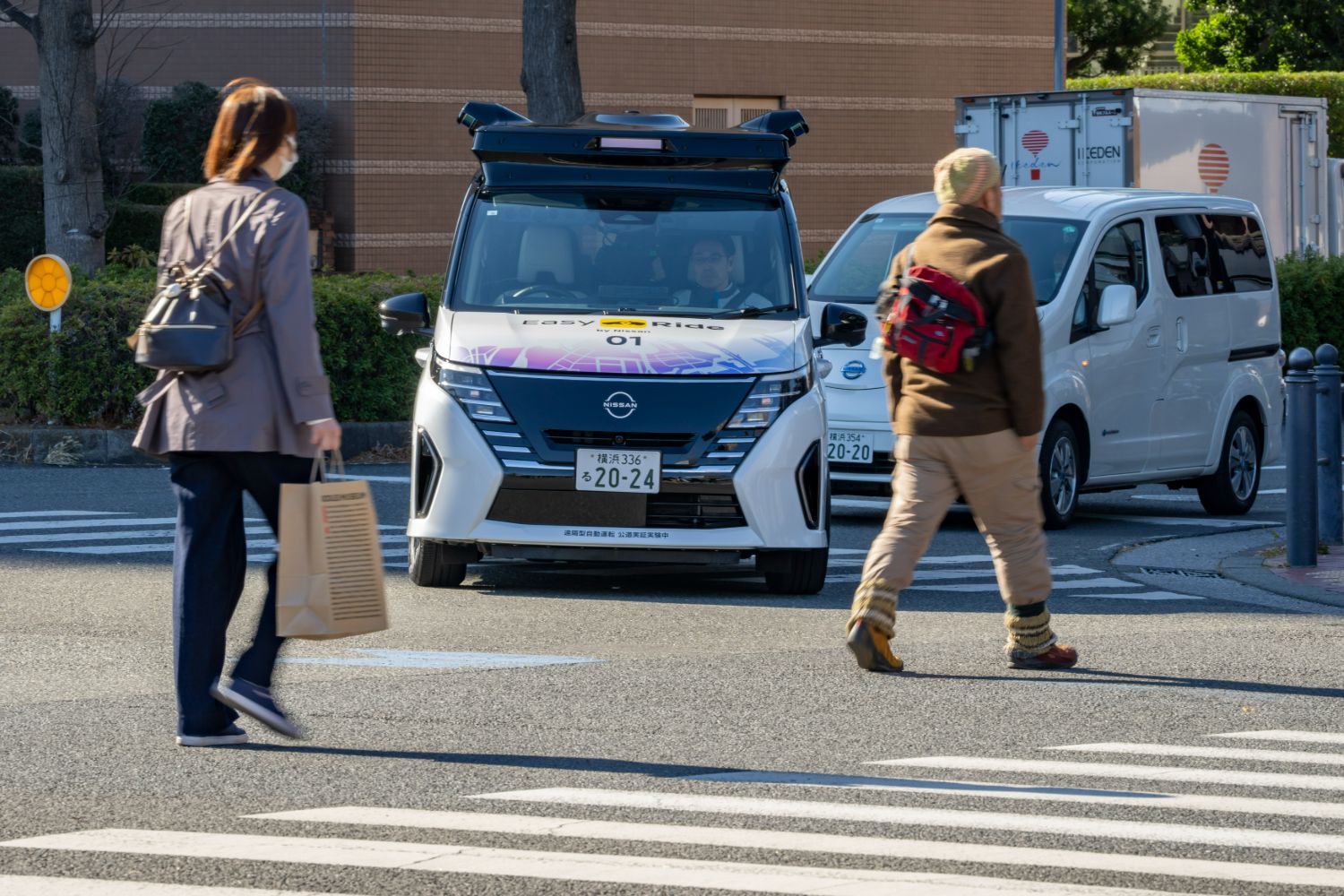
This is particularly important for Japan, as according to Nissan: “This is a significant step to empower mobility by resolving transportation service challenges faced by local communities, such as driver shortages resulting from an aging population. By leveraging its technology, Nissan will provide a broad range of new services that enable freedom of mobility.”
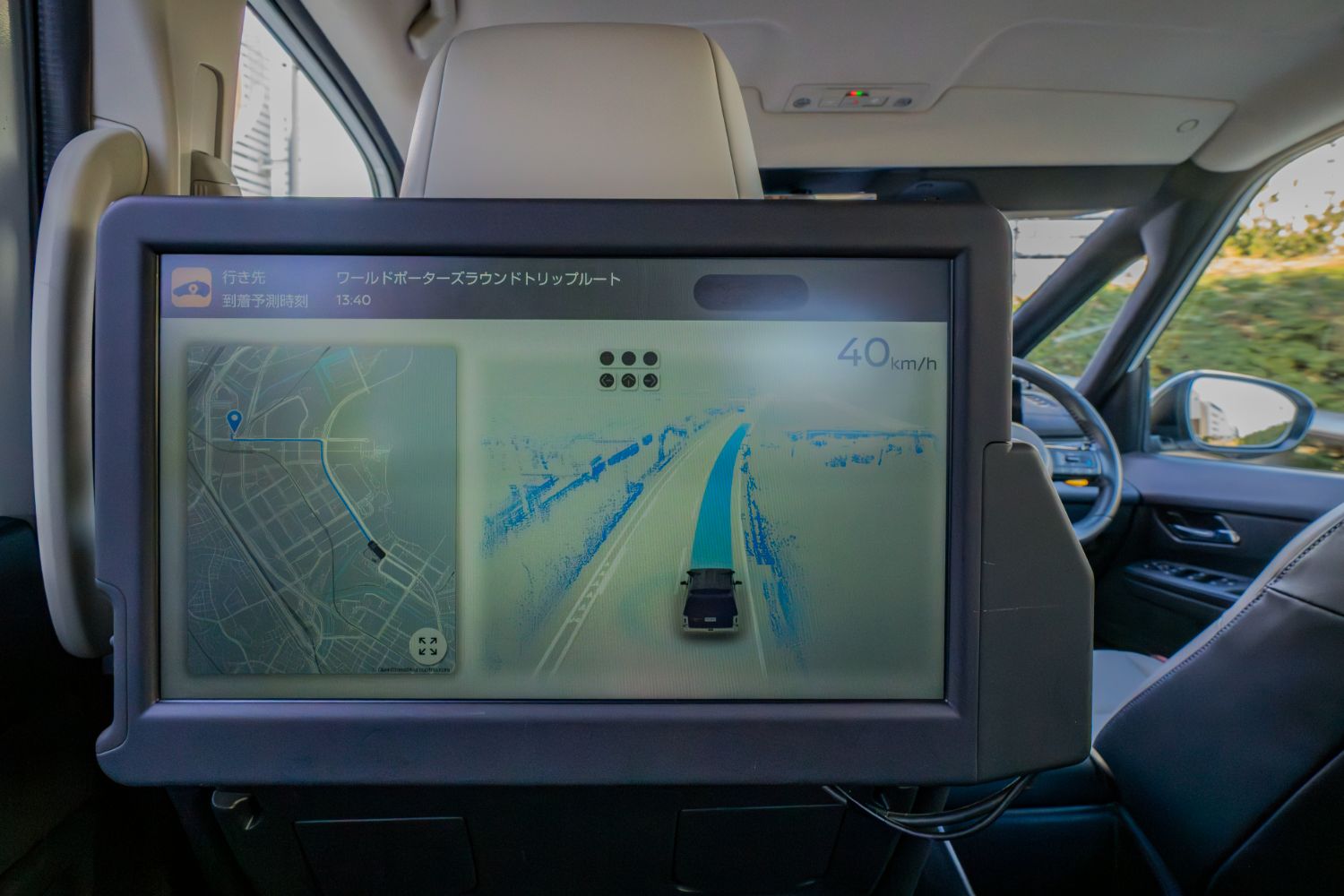
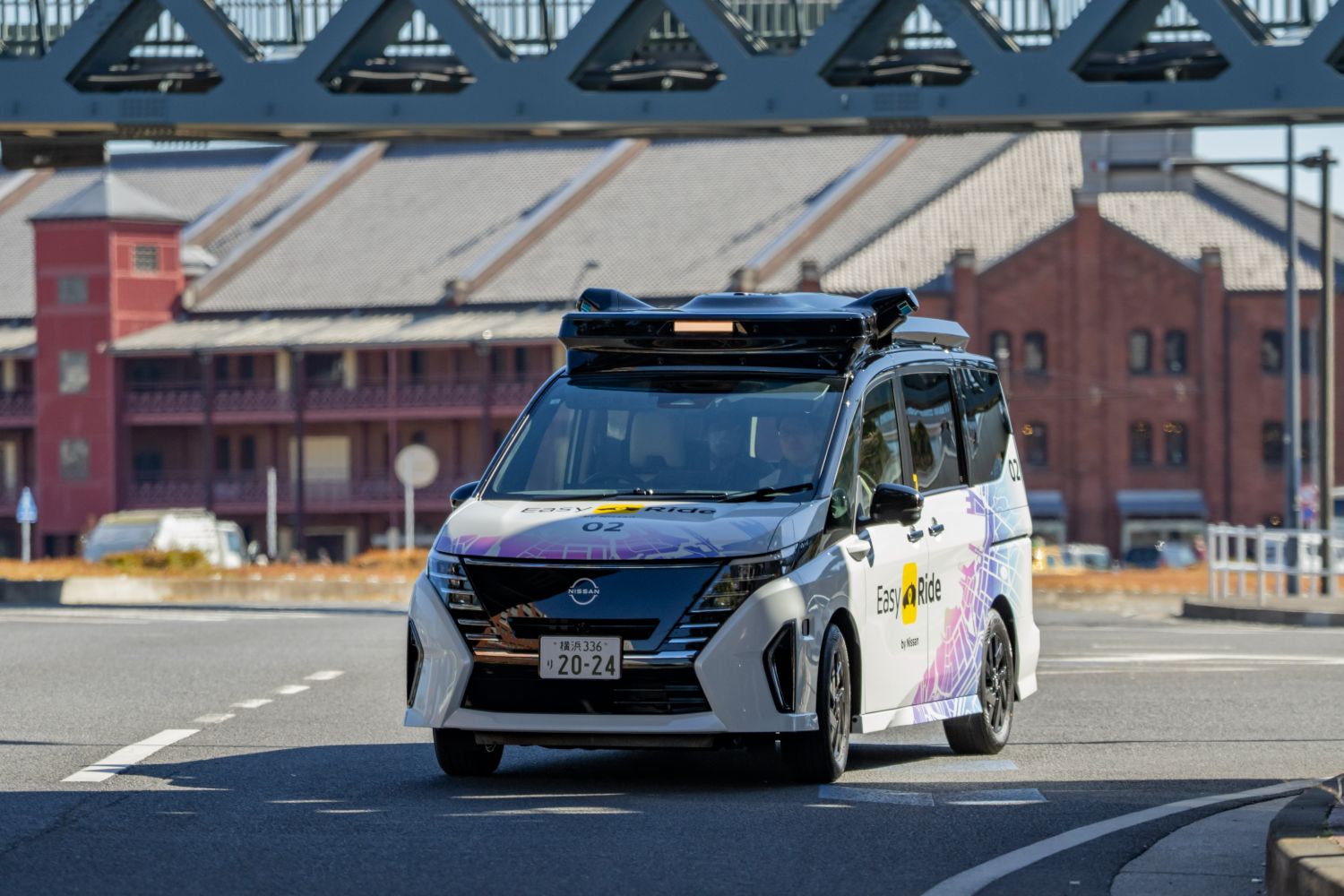
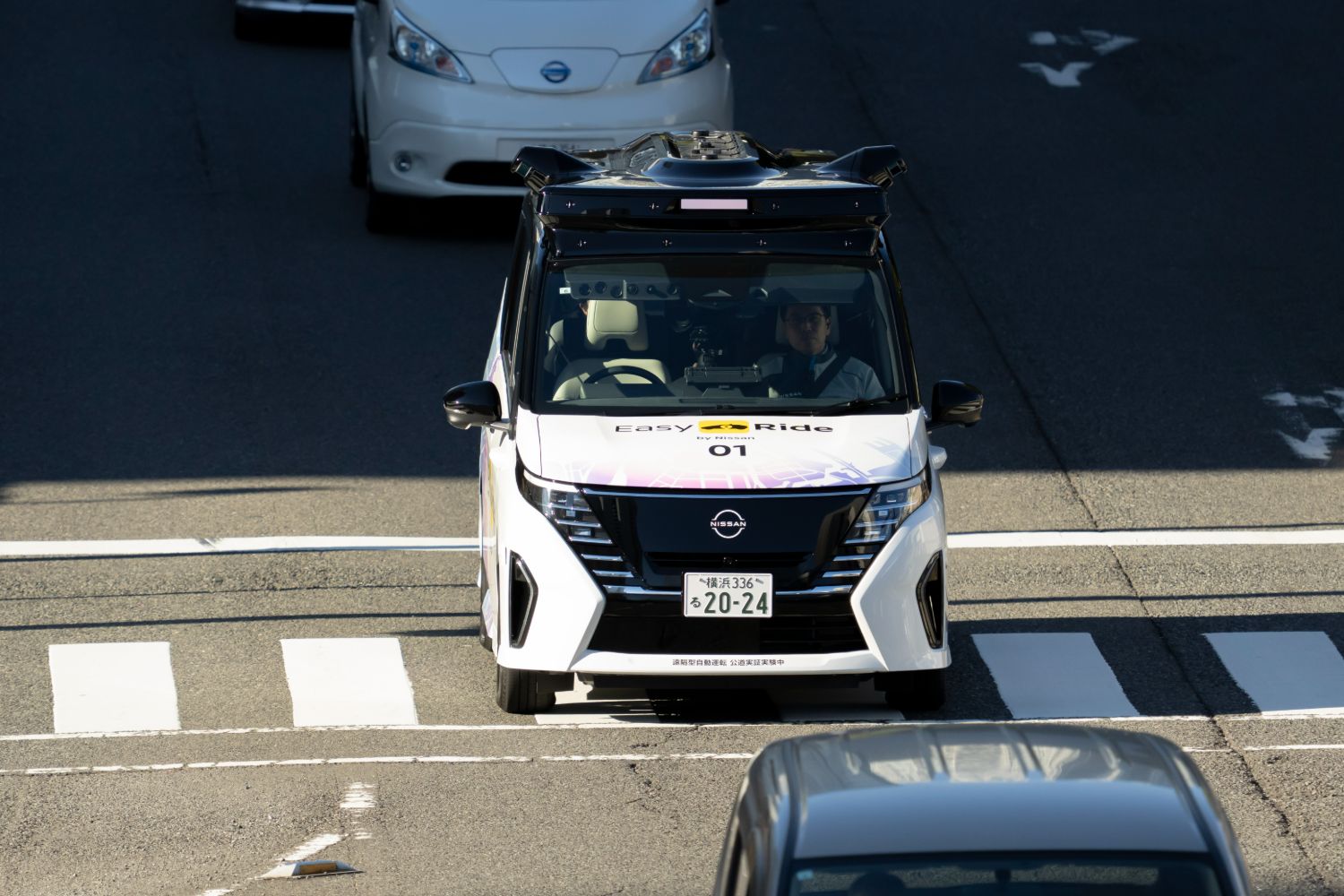
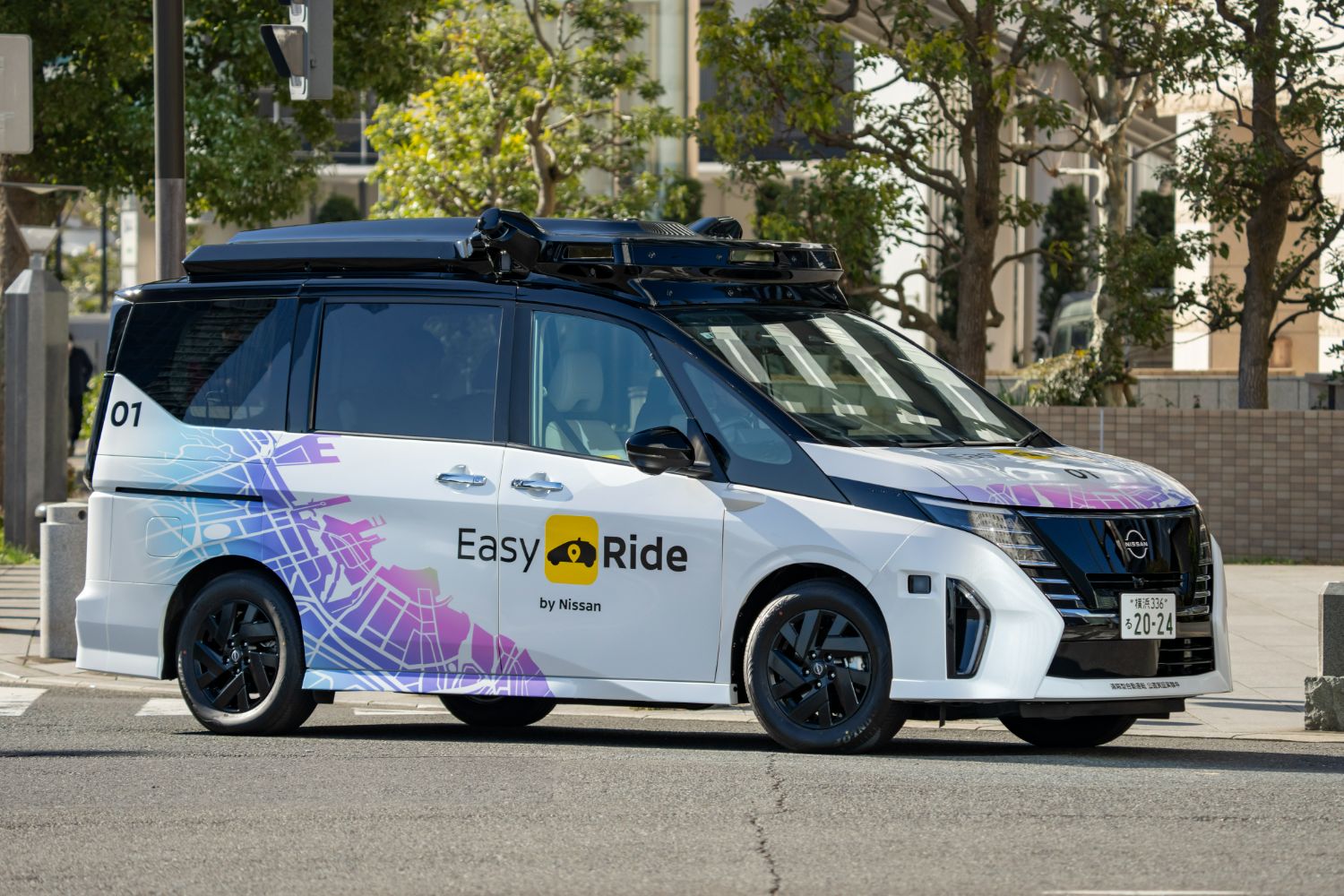
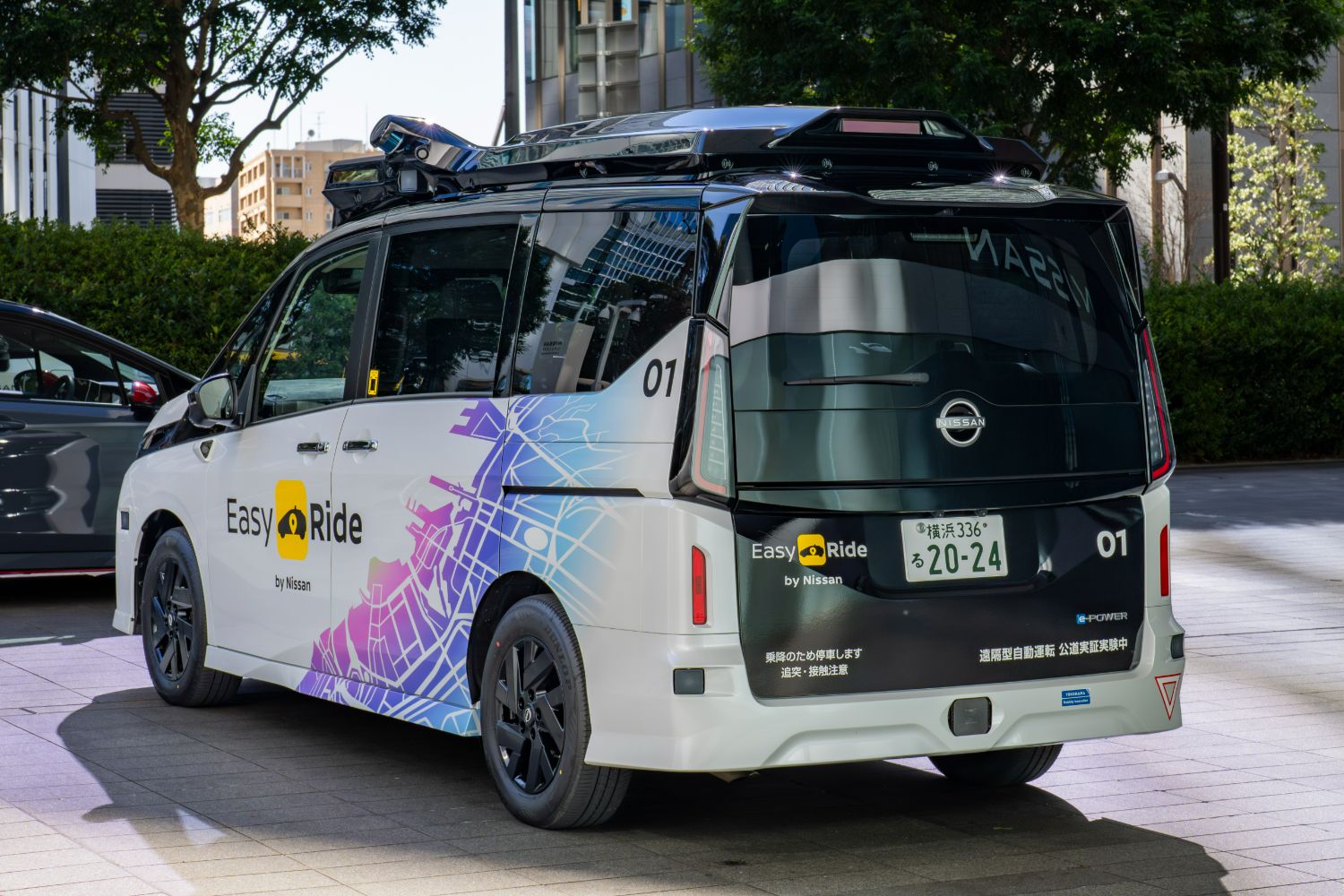
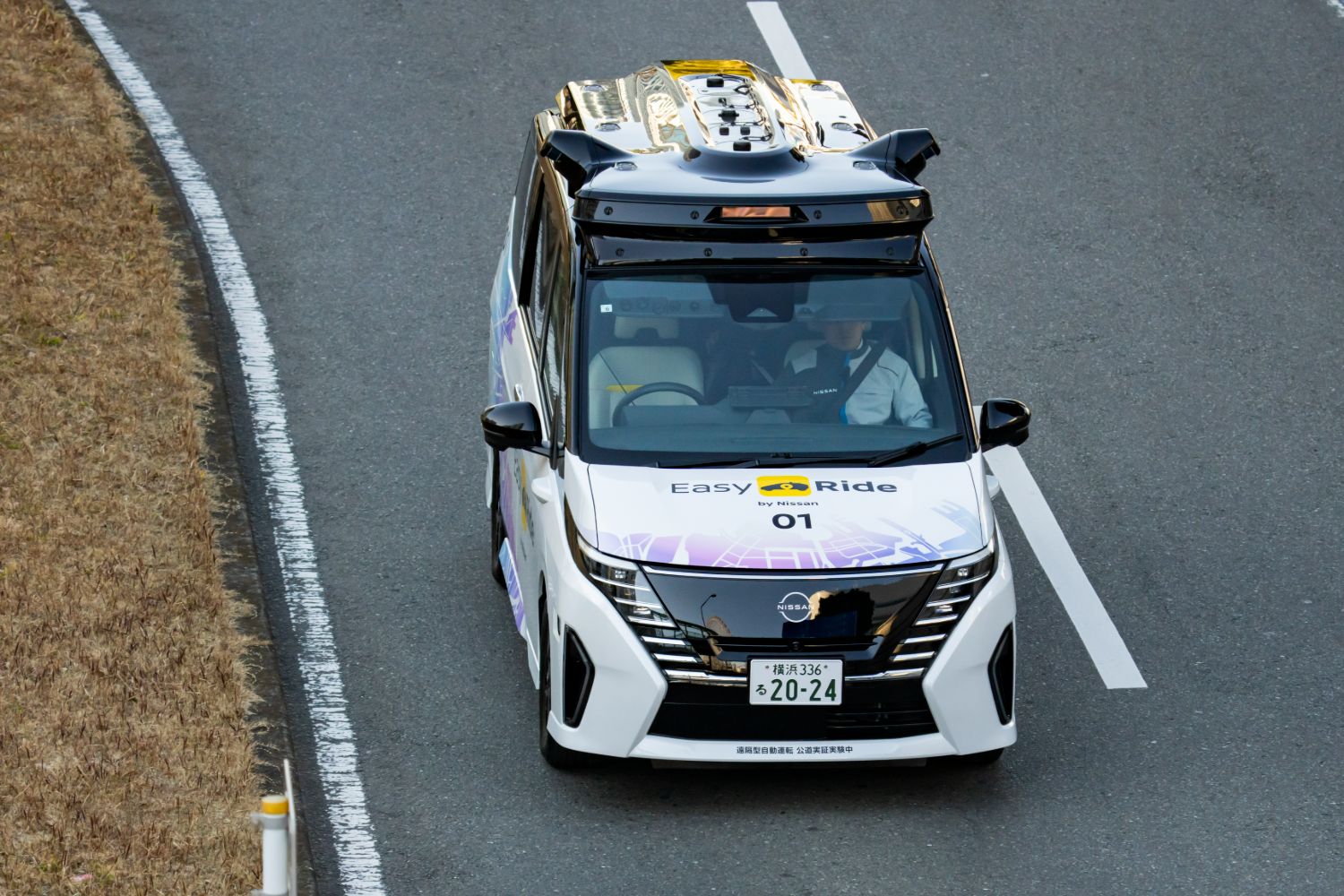
The vehicle used for these tests was a Japanese-market Nissan Serena MPV, which featured no fewer than 14 cameras, nine radars and six LiDAR sensors. Nissan says that the Serena was an ideal test vehicle, as its extra height gives it an advantage when scanning and sensing the area around it - sort of like a tall person being able to see over a hedge.
An edge thanks to AI
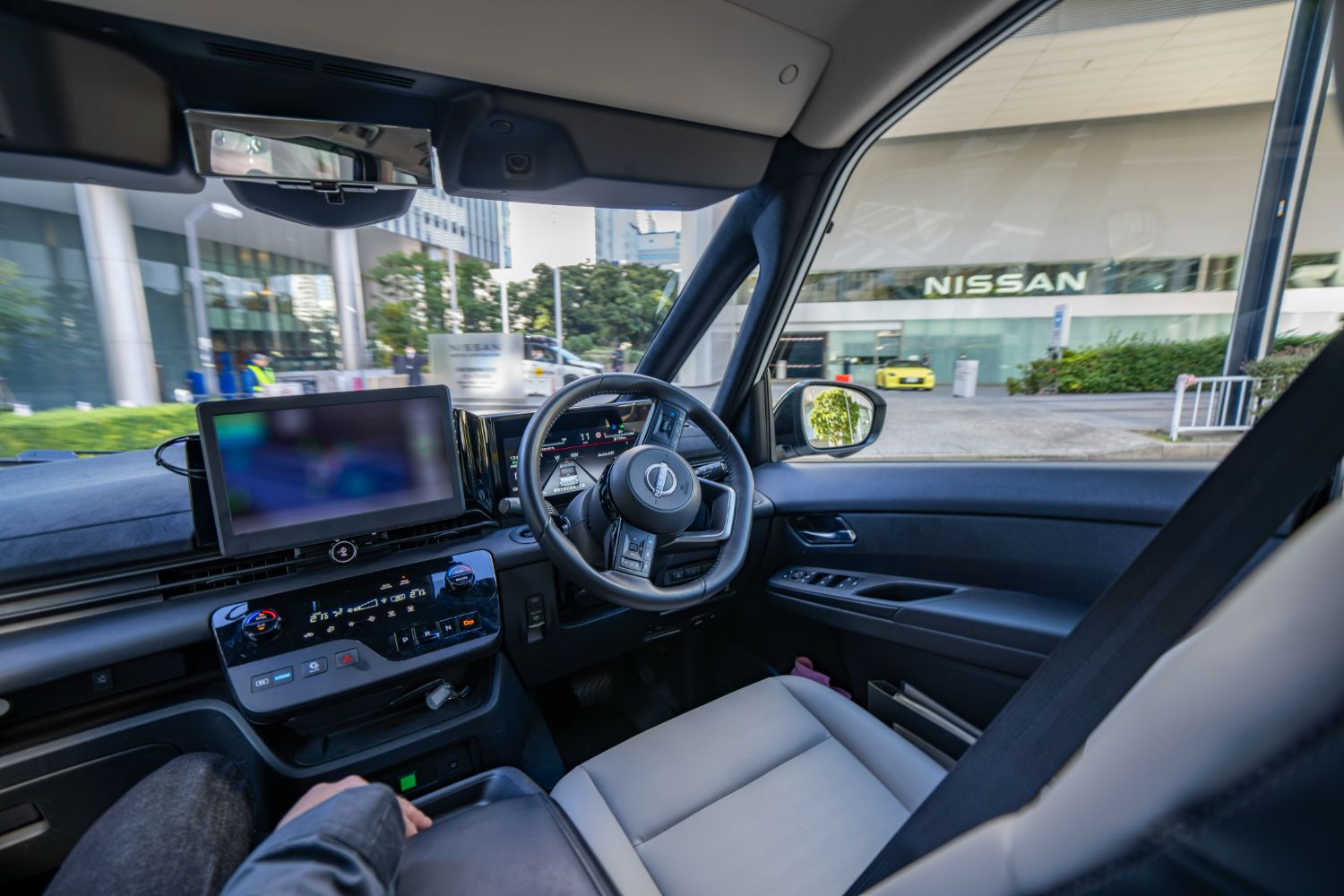
Nissan also reckons that improvements in artificial intelligence have given it an edge in dealing with all of the information coming in from the various sensors: “The use of AI has significantly enhanced recognition, behavioural prediction and judgment as well as control, delivering smooth operation in a variety of complex scenarios.”
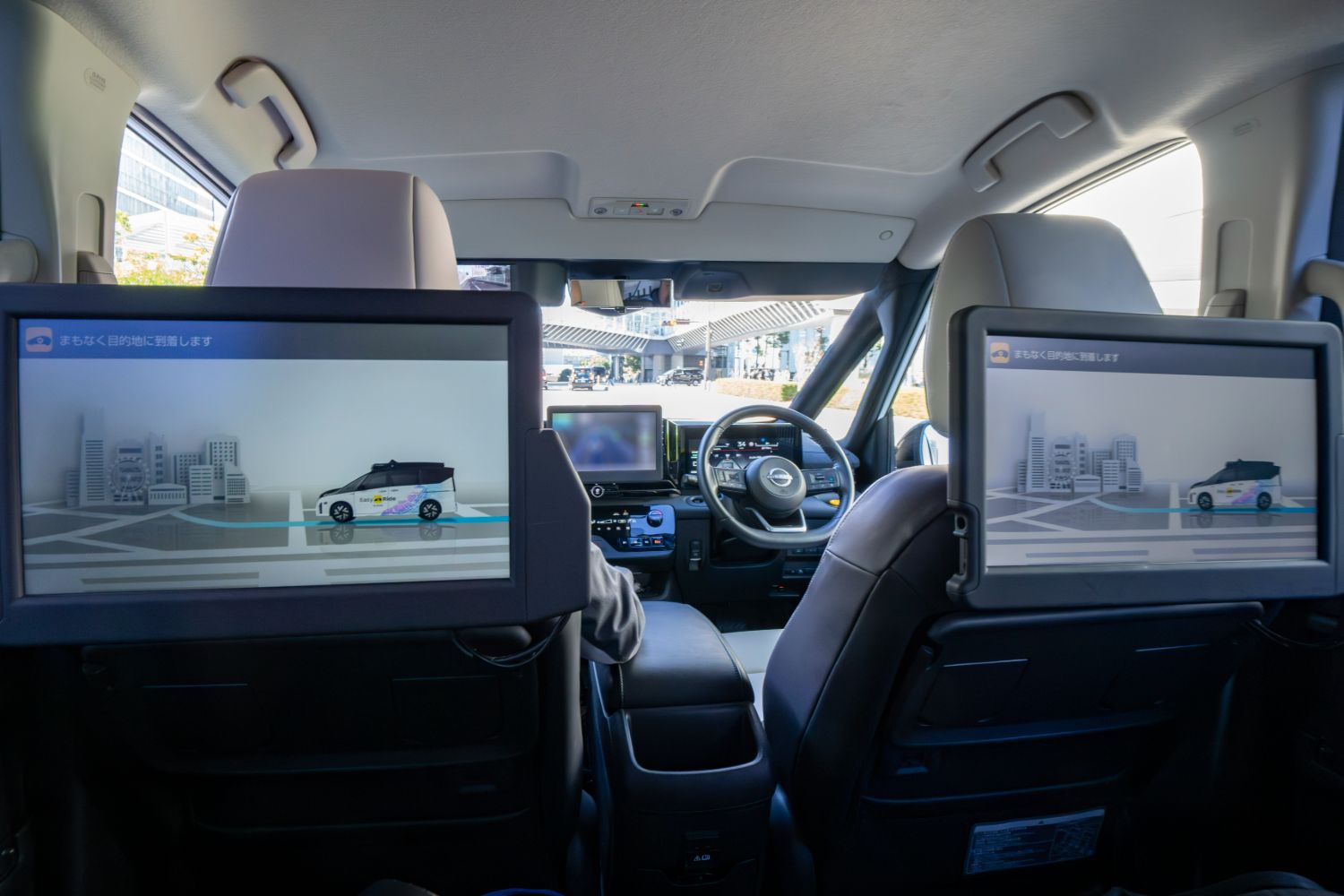
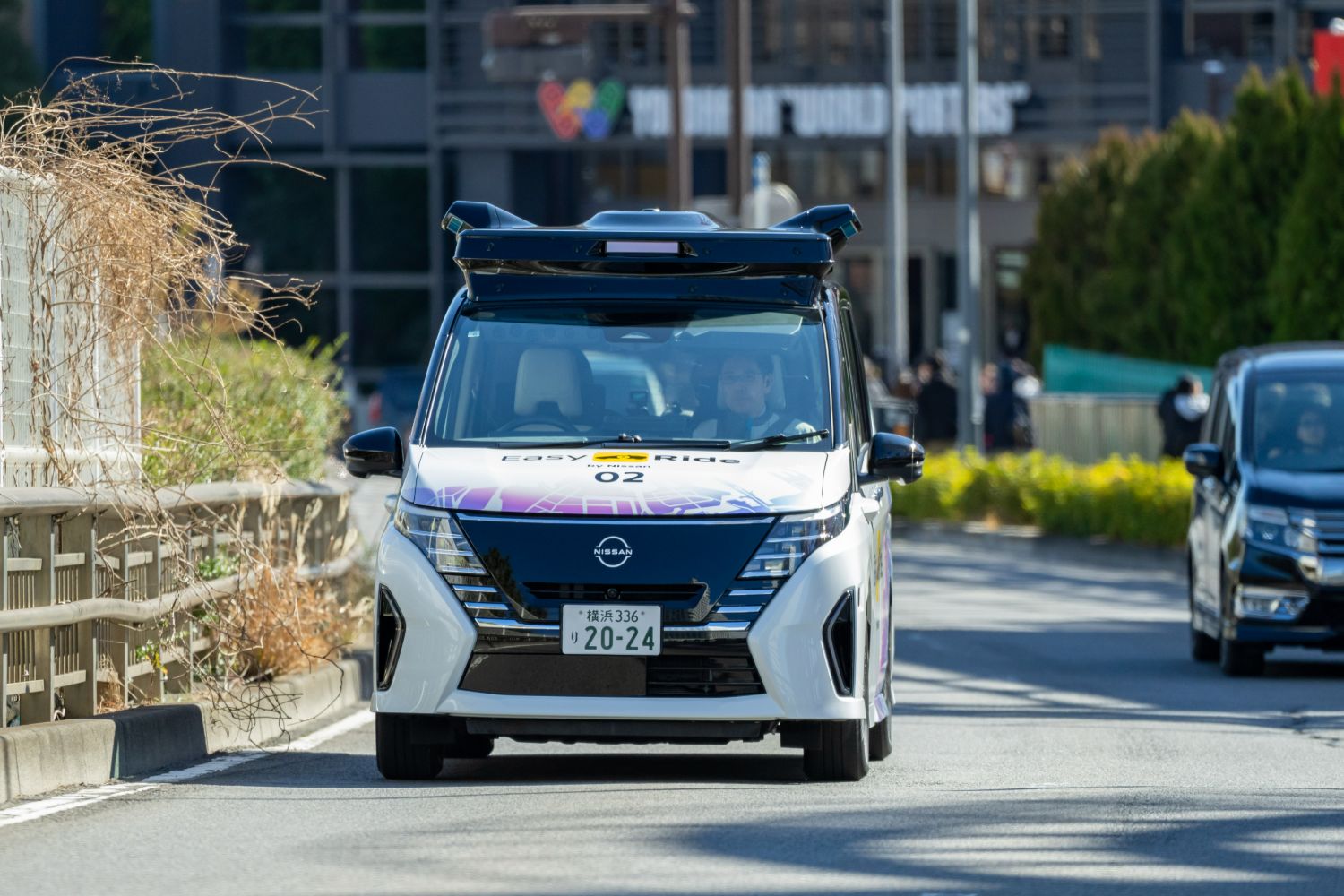
For the test route through Yokohama's Minato Mirai area, Nissan's engineers carefully gave the car a range of scenarios to deal with, and also included a 'immediate' emergency stop system, just for safety's sake.
Pilot project
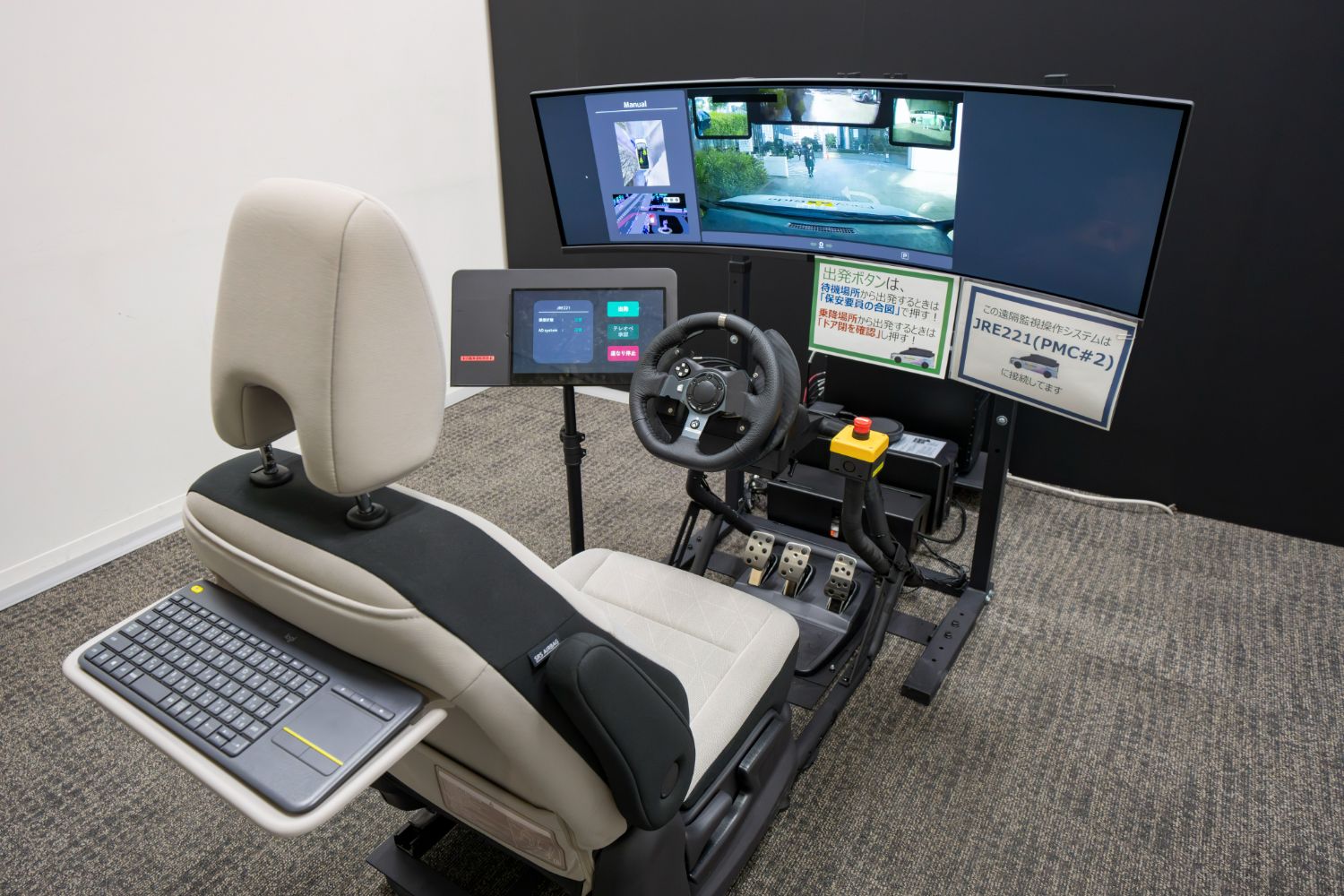
Nissan's autonomous driving development goes all the way back to 2017, but this latest development has moved things up a gear. Nissan hopes to have a pilot project which will see as many as 20 fully autonomous car providing services in the Yokohama area, beginning later this year.
This initiative will be promoted in close cooperation with Japan's Ministry of Economy, Trade and Industry; the Ministry of Land, Infrastructure, Transport and Tourism; other government ministries, and Yokohama City.
If there is anything about this story we have not covered, you can avail of our expert advice service via the Ask Us Anything page.