

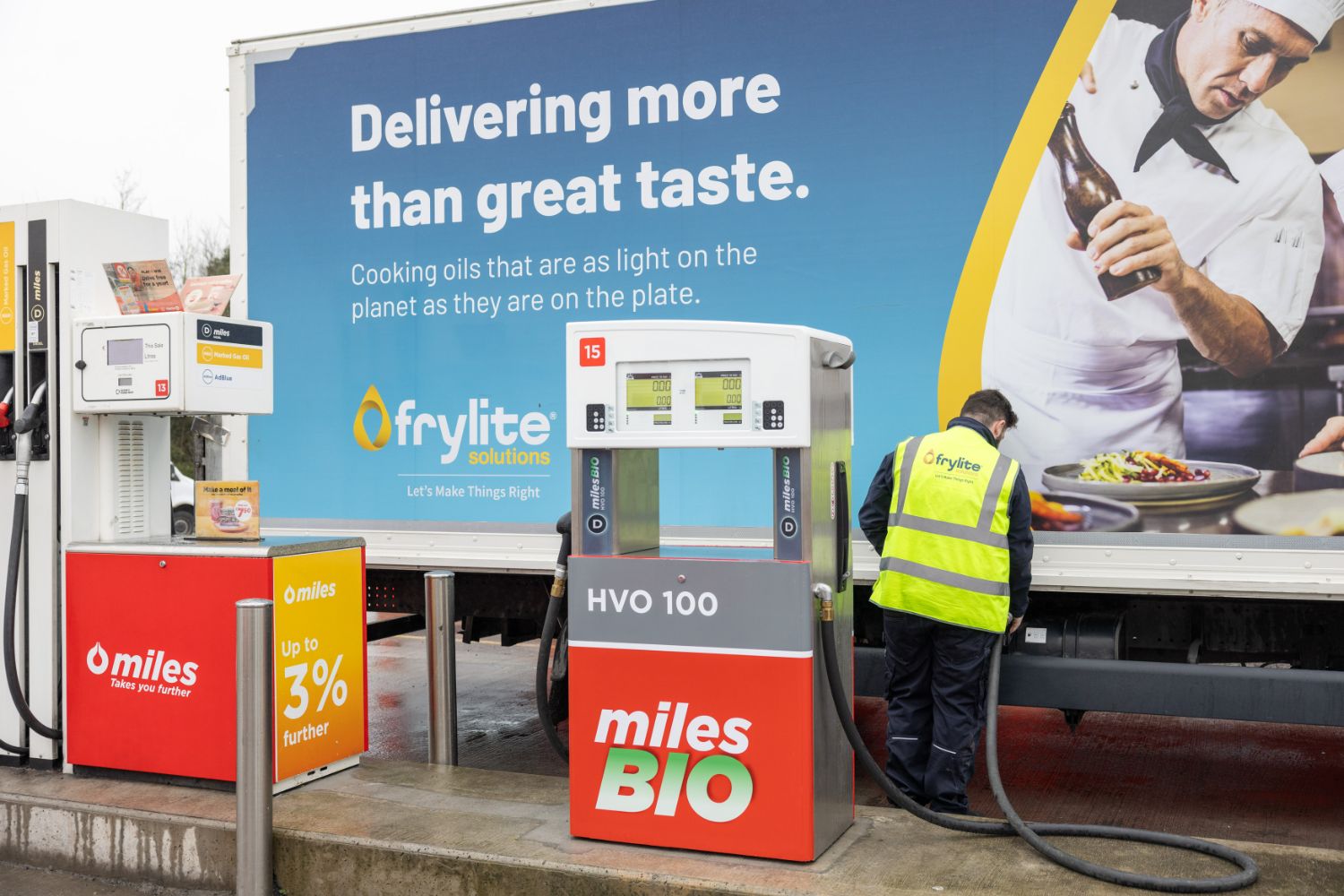
Consumer assurance on biofuel sustainability

A key concern driving this initiative is the growing volume of biofuels derived from palm oil waste, particularly palm oil mill effluent (POME). With consumers increasingly focused on sustainability, Ireland, alongside Belgium and Germany, is pushing for closer EU scrutiny of these biofuels to ensure they meet Europe's strict sustainability standards. The marked increase in POME imports to the EU in 2023 has raised questions about whether current supply volumes are legitimate, given global availability.
Ensuring fair competition and consumer trust
This initiative also seeks to protect local biofuel producers and ensure fair competition by strengthening biofuel oversight. In Ireland, biofuel suppliers must comply with stringent sustainability criteria under the Renewable Energy Directive (RED), which requires independent verification of biofuel sustainability. By applying uniform environmental standards across both local and imported biofuels, the initiative would help create a level playing field for producers.
For consumers, this would mean greater transparency and confidence that the biofuels they use - whether locally sourced or imported - adhere to EU sustainability regulations.
Efforts to reduce carbon emissions
The broader discussion around biofuel sustainability is part of the EU's ongoing efforts to reduce carbon emissions. Ensuring that transportation fuels genuinely contribute to climate targets is key. For consumers, this could lead to more stringent regulations on biofuel availability and a clearer understanding of their environmental impact.
If there is anything about this story we have not covered, you can avail of our expert advice service via the Ask Us Anything page.