







Exterior & design of the 2027 DS No.7
- Sharp looks suit corporate theme
- Larger than most competitors
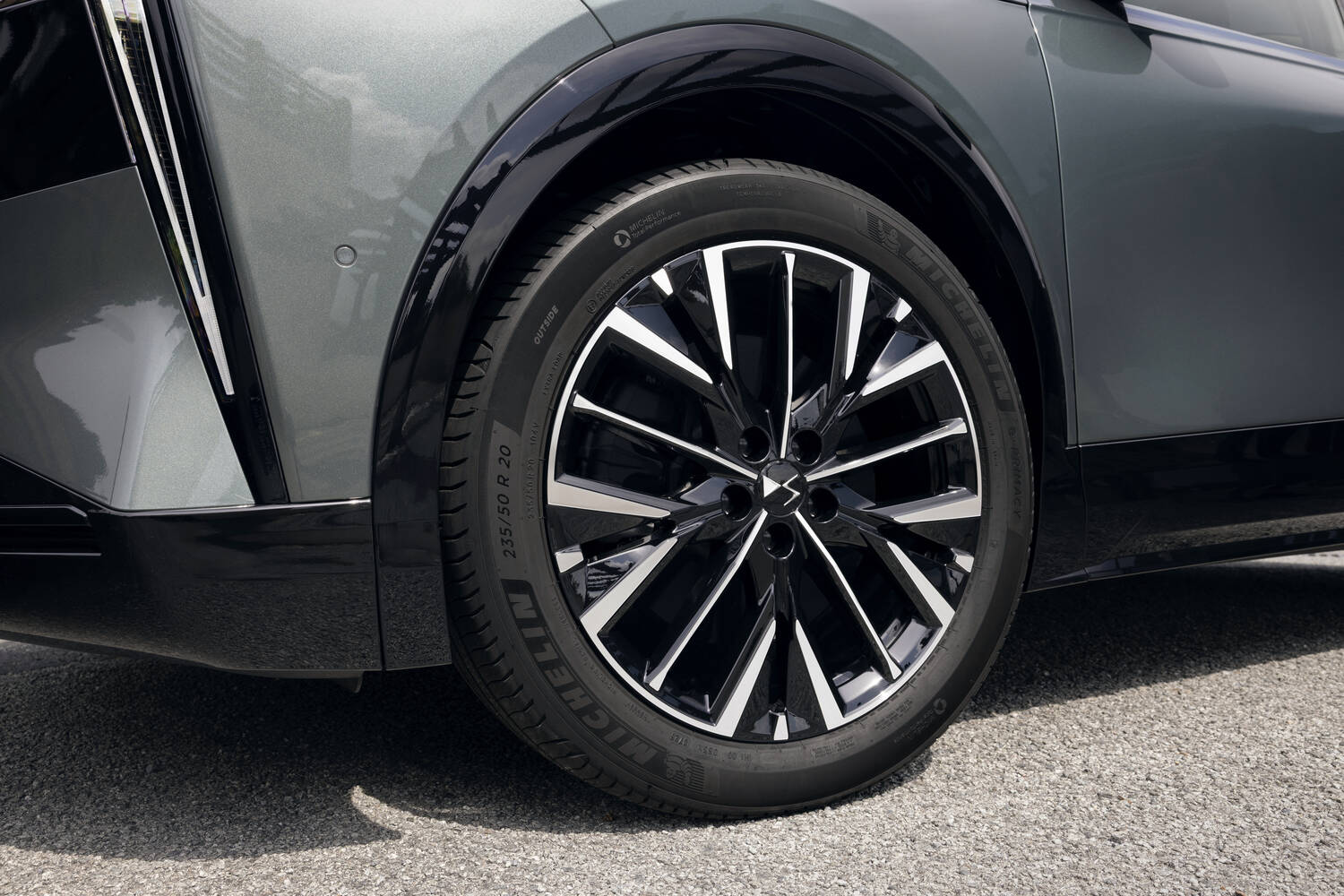
- 19- to 21-inch alloy wheels

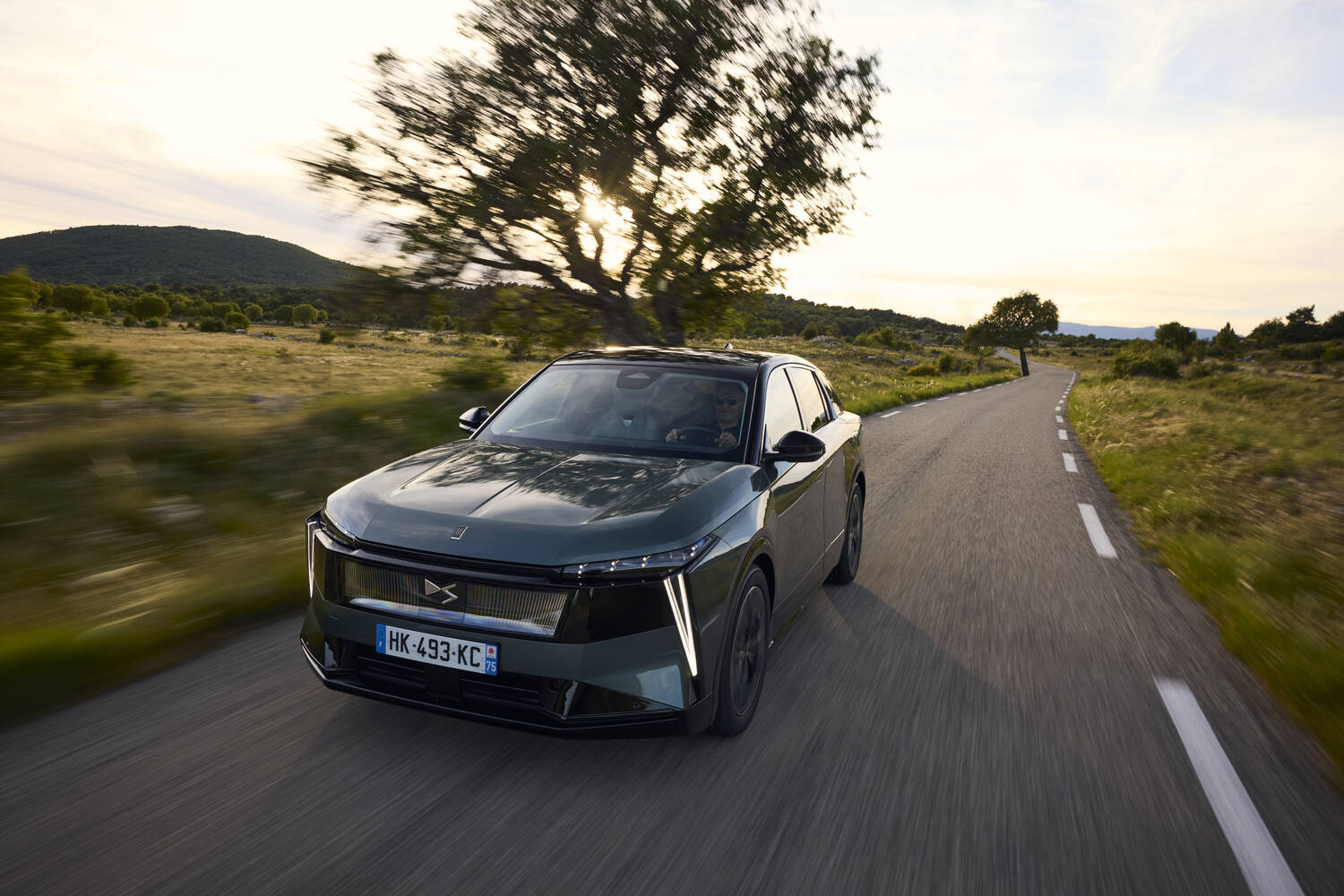
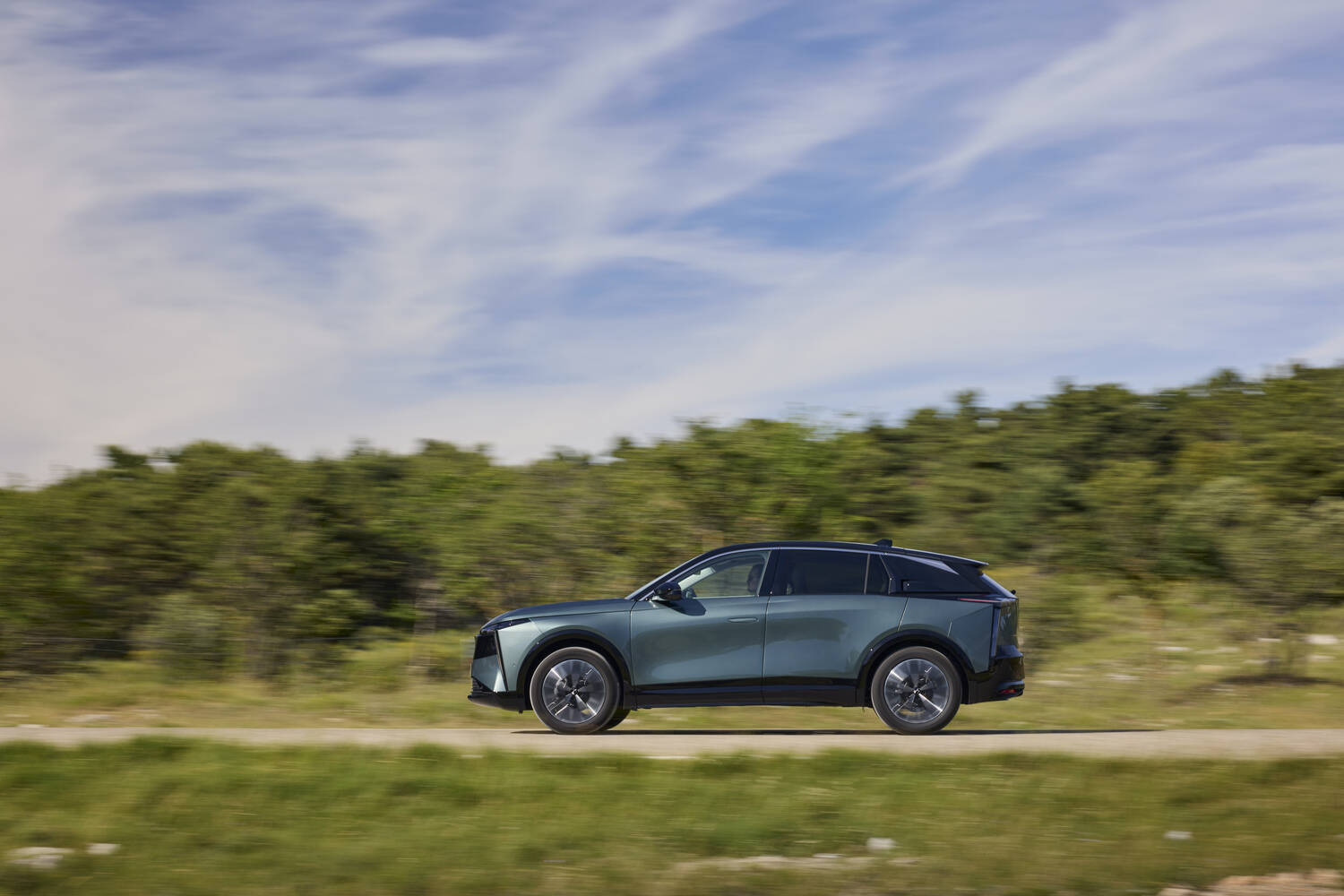
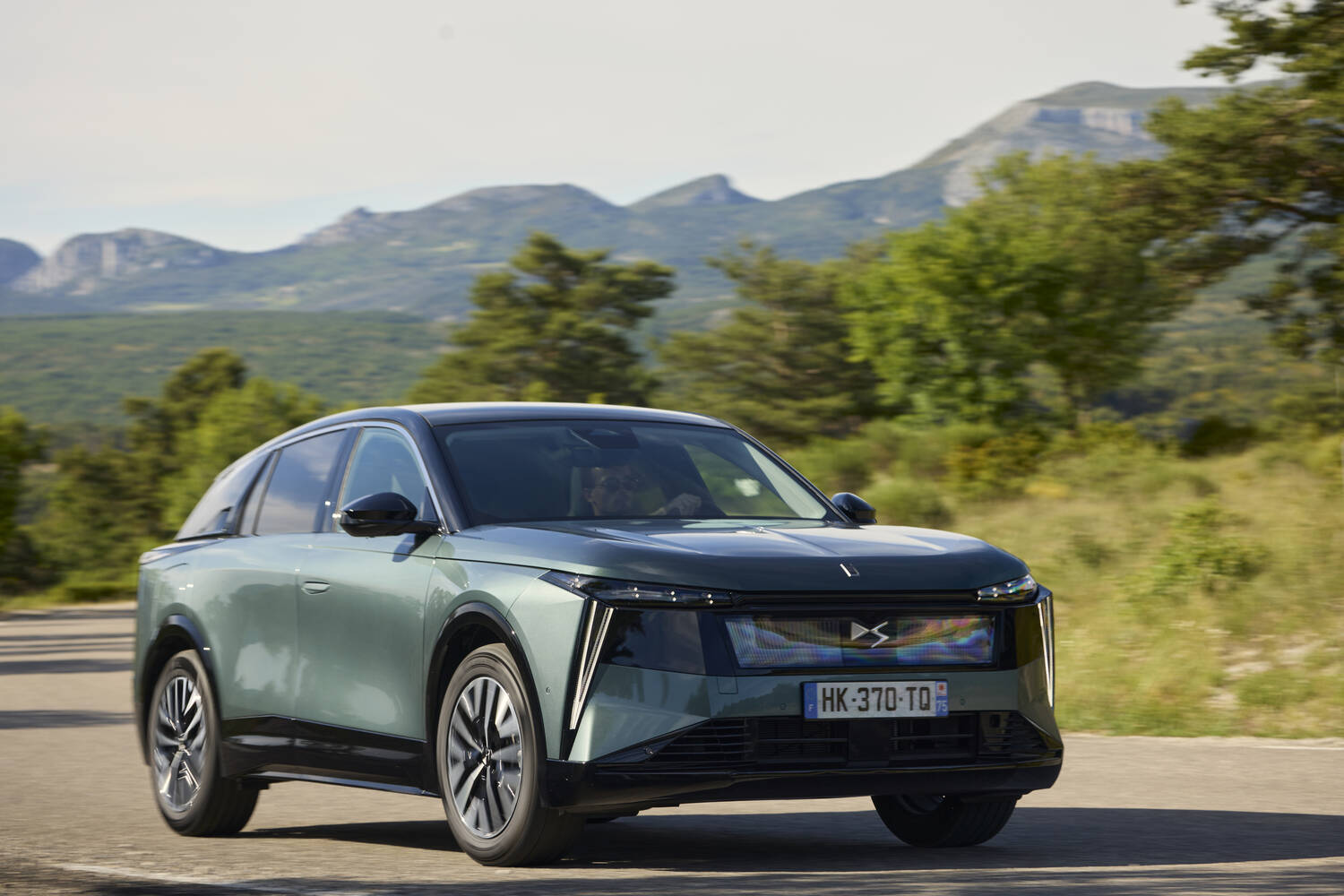
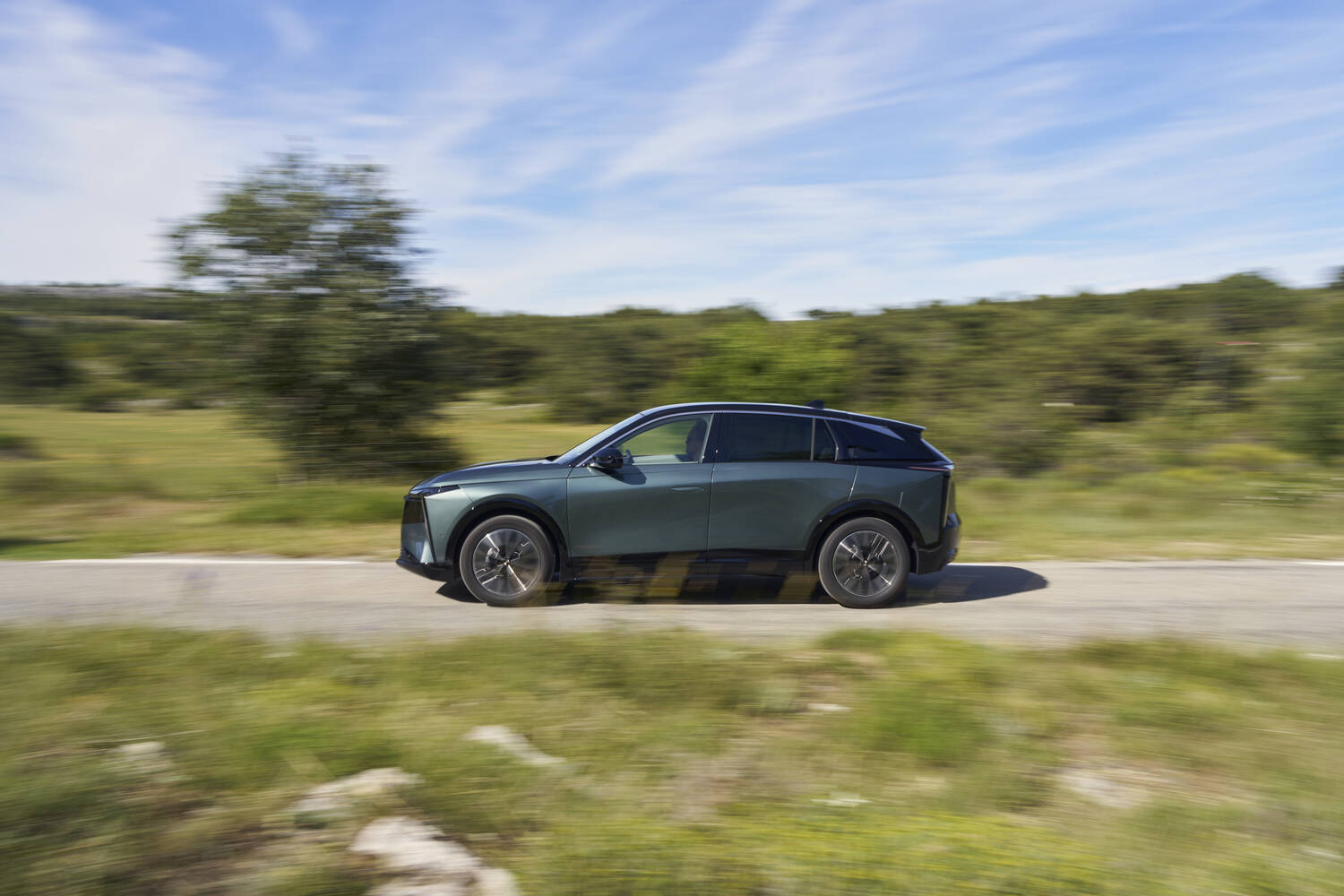
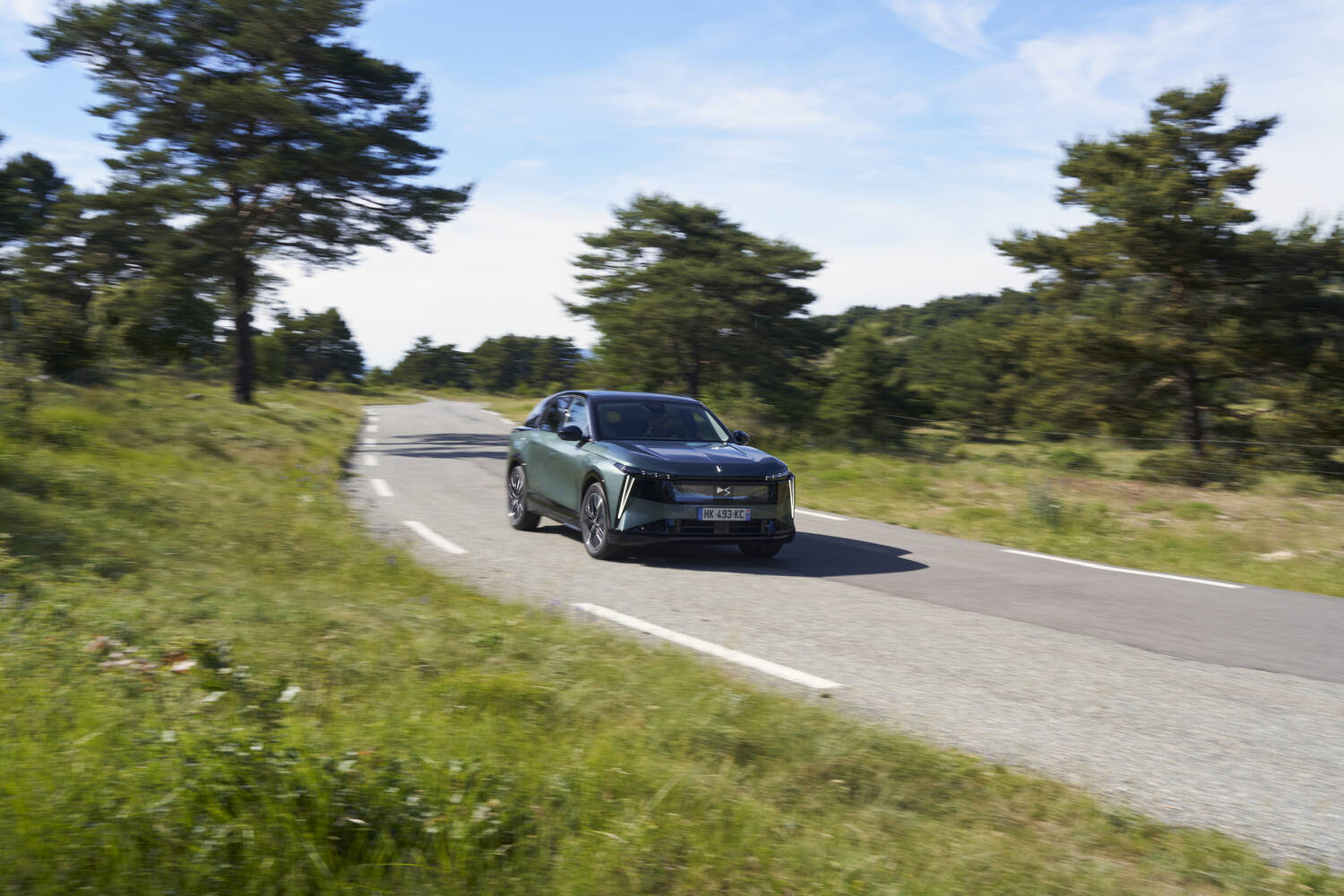
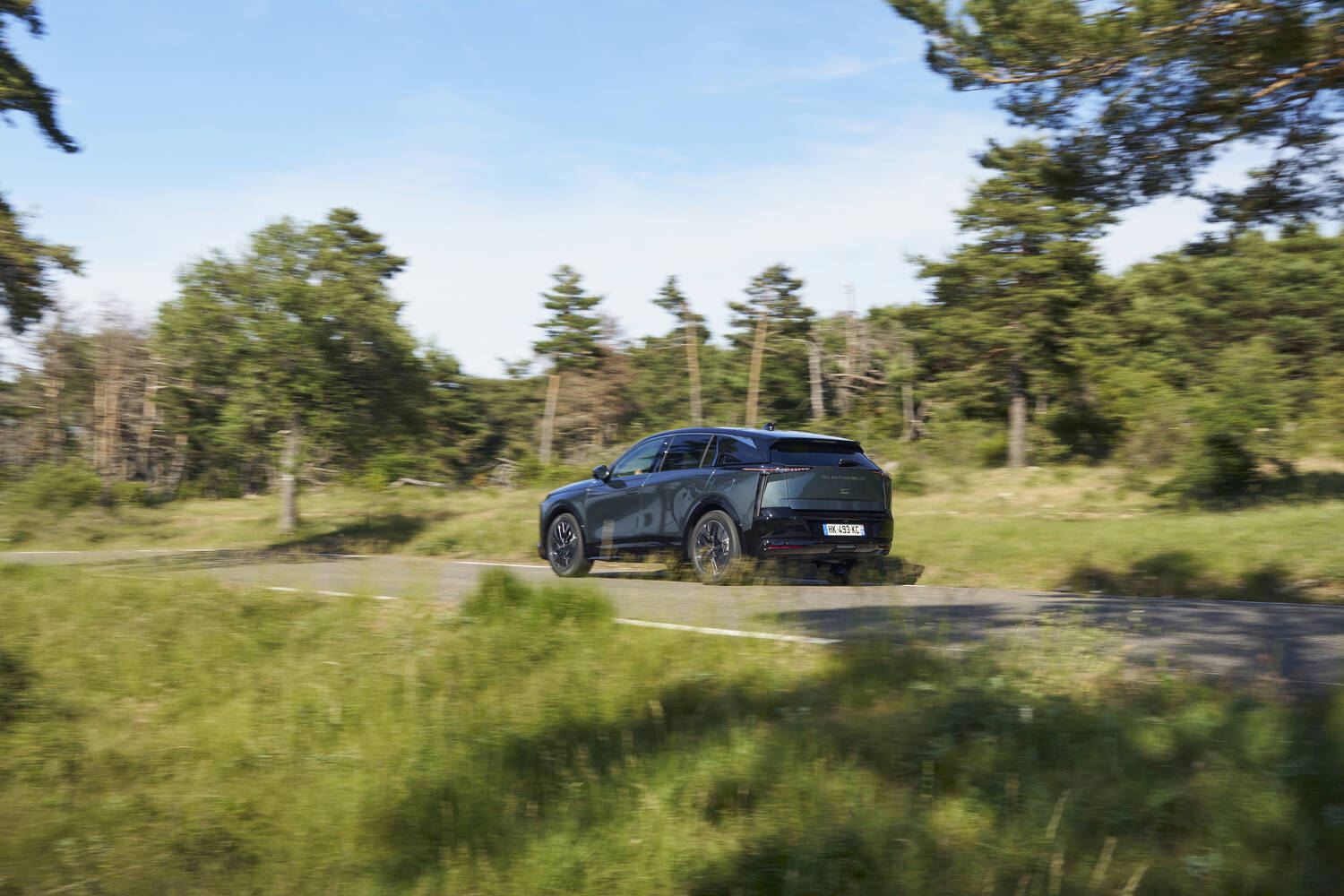
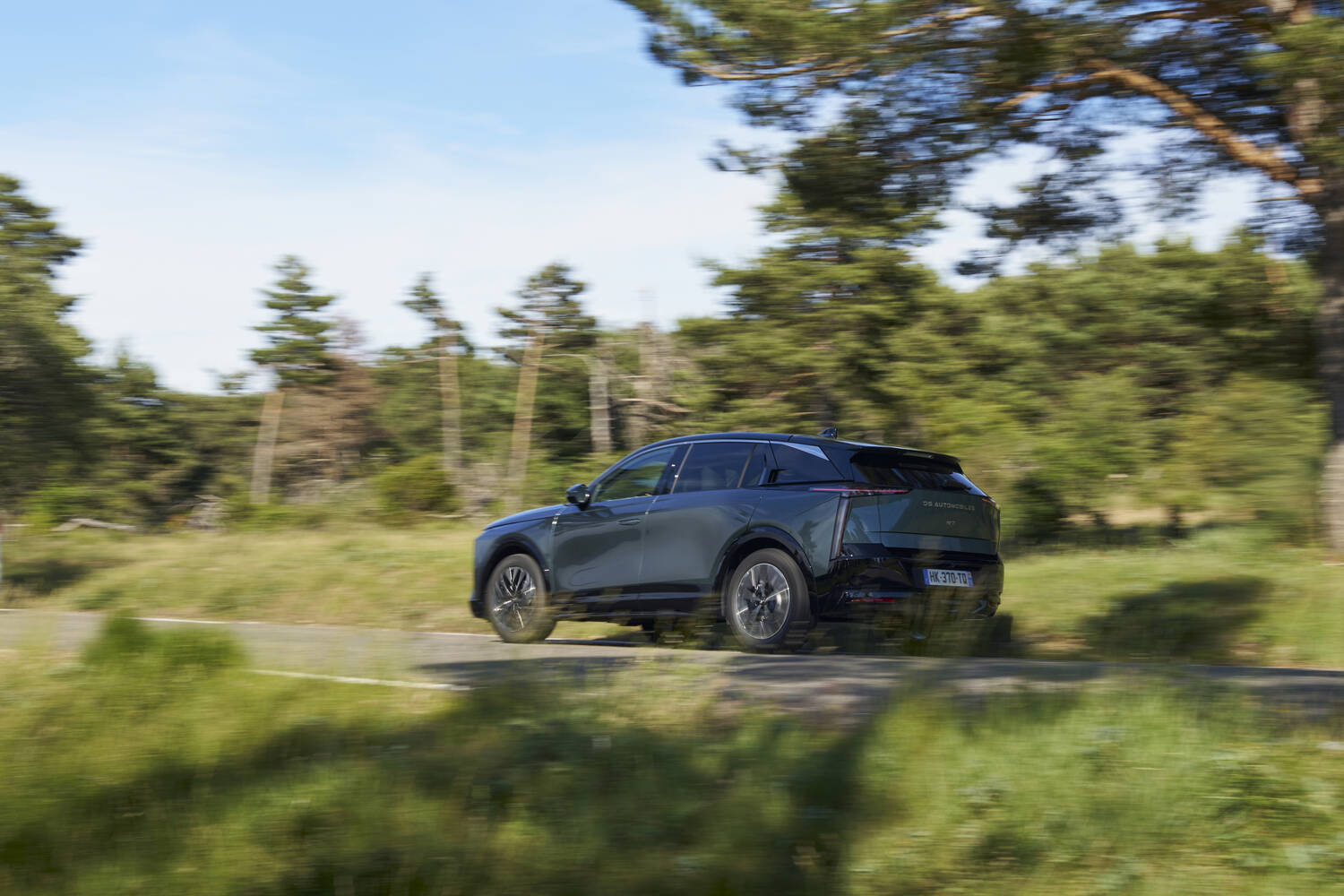
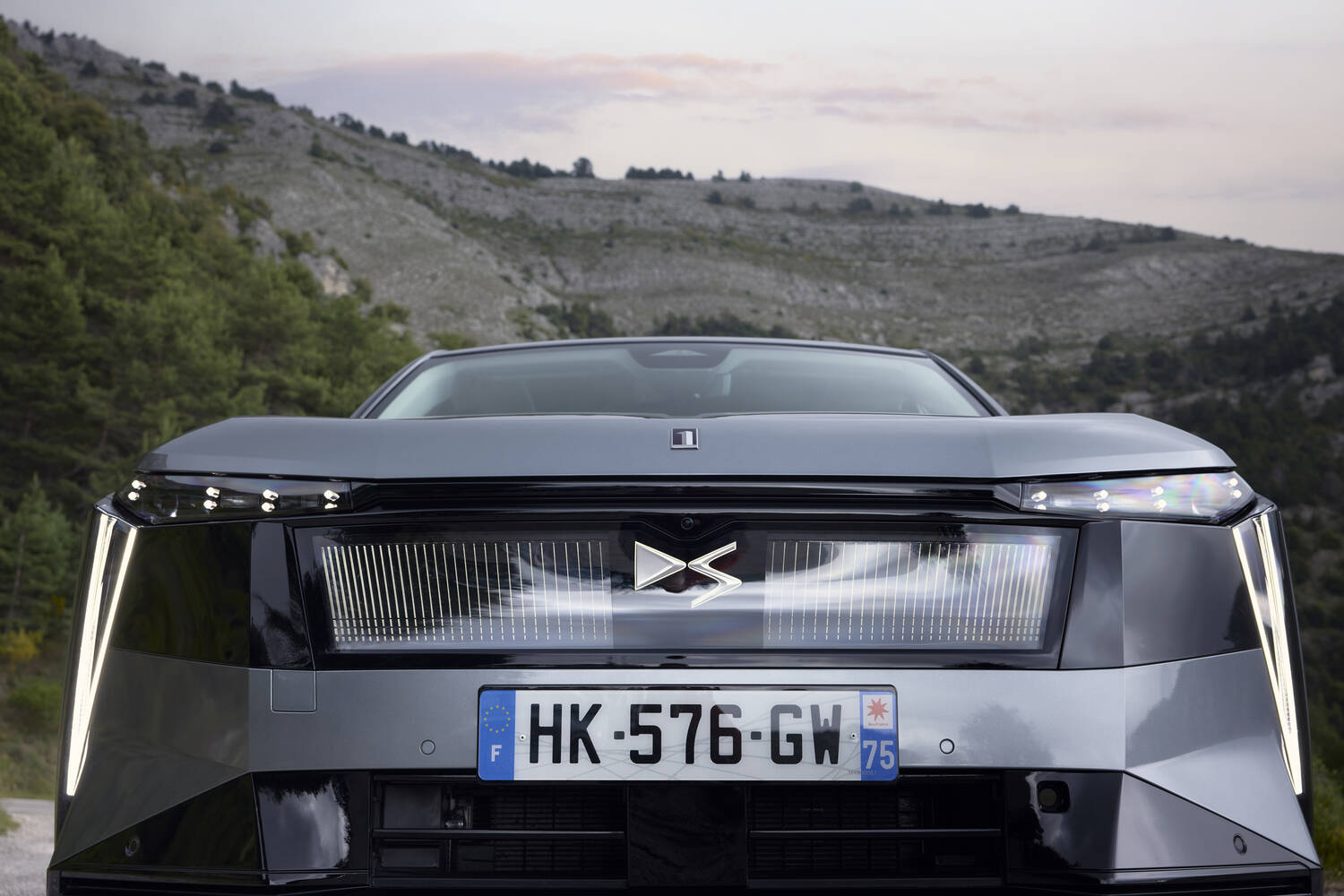
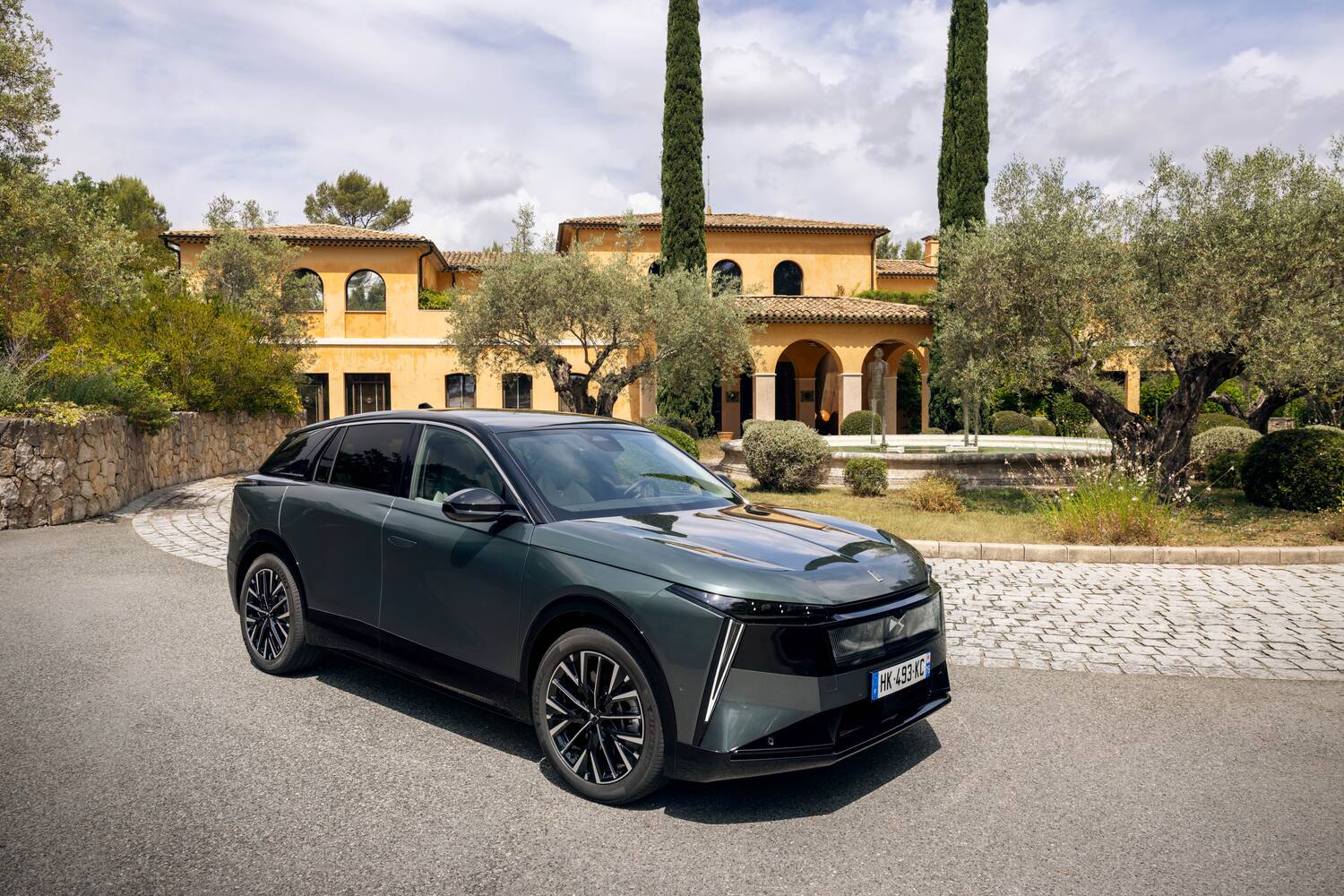
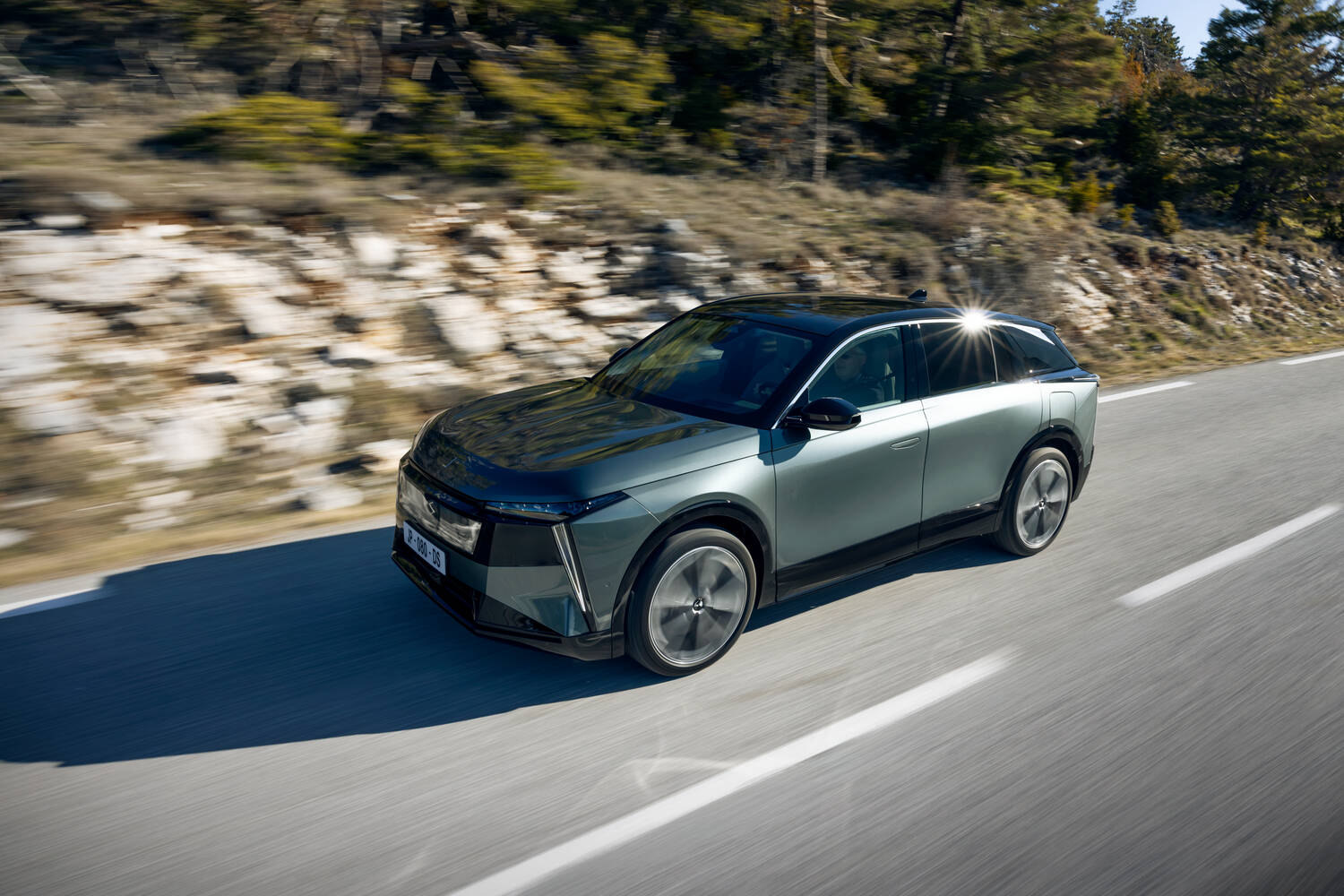
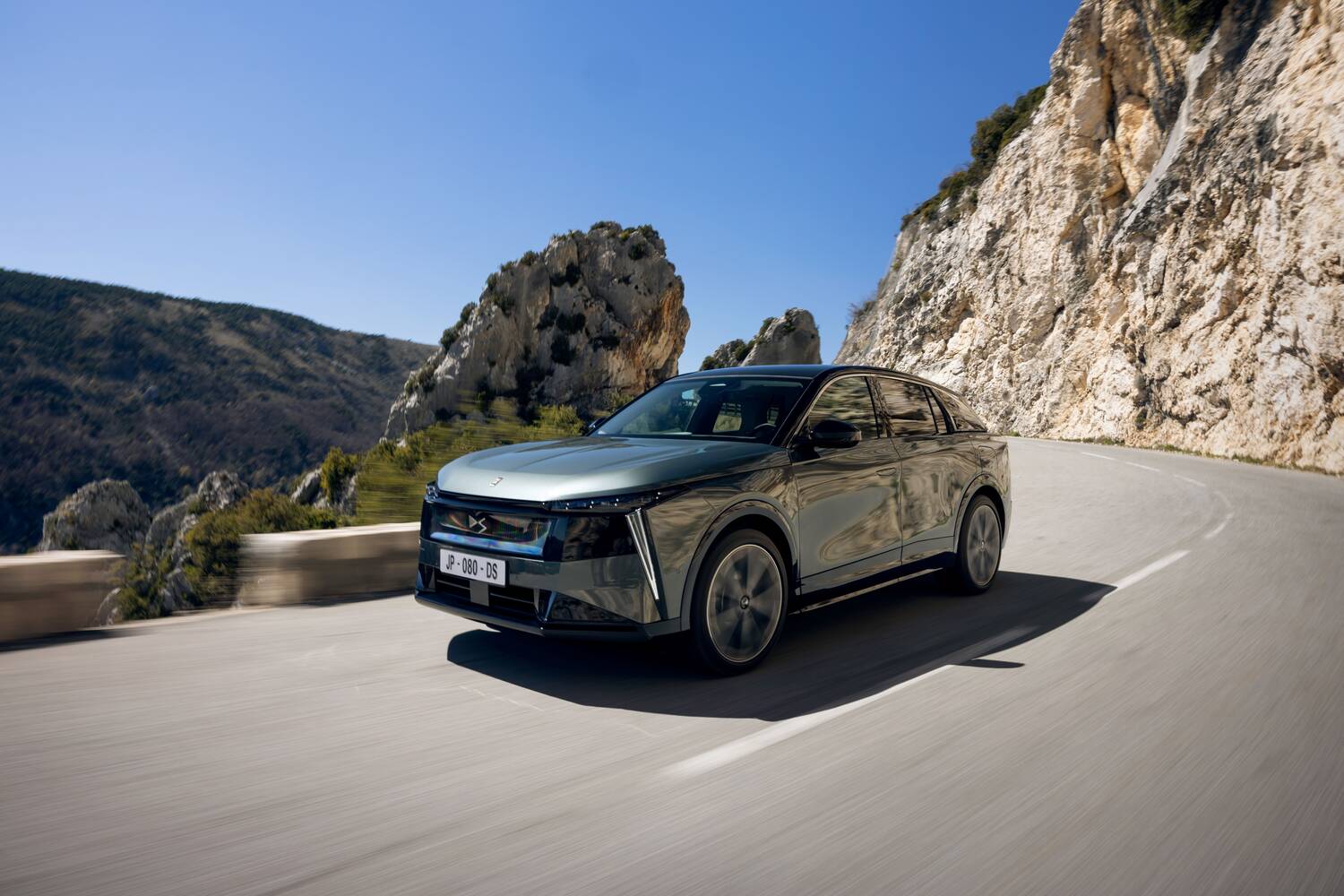
The design of the DS No.7 follows the template set by the lower-riding No.8, and it works well on a larger SUV. It is physically bigger than the BMW iX1, Audi Q4 e-tron and Volvo EX40 it is expected to compete with.
DS therefore suggests buyers might also consider it alongside larger, more expensive models such as the BMW iX3, Mercedes GLC Electric, Audi Q6 e-tron, Volvo EX60 and Polestar 3.
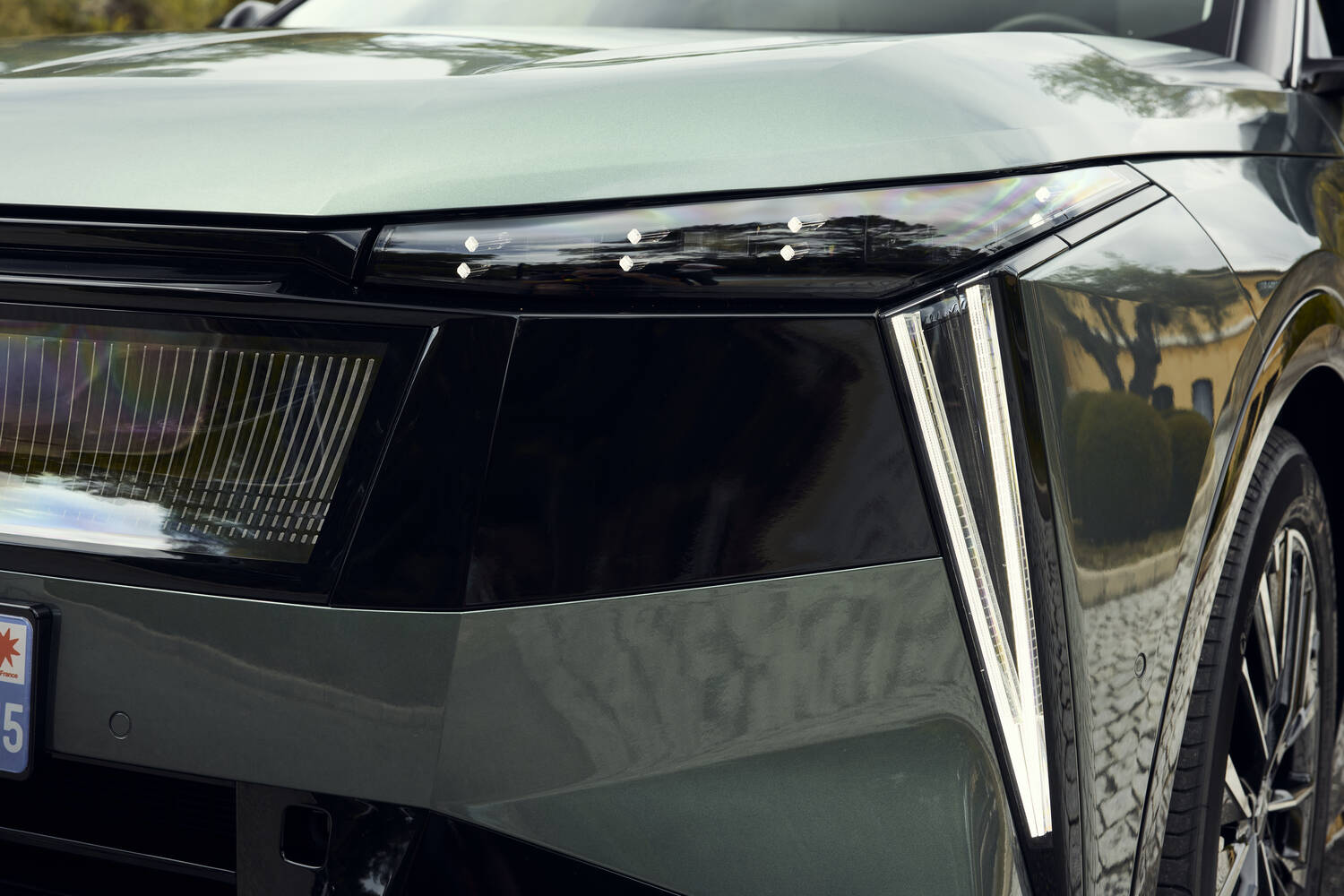
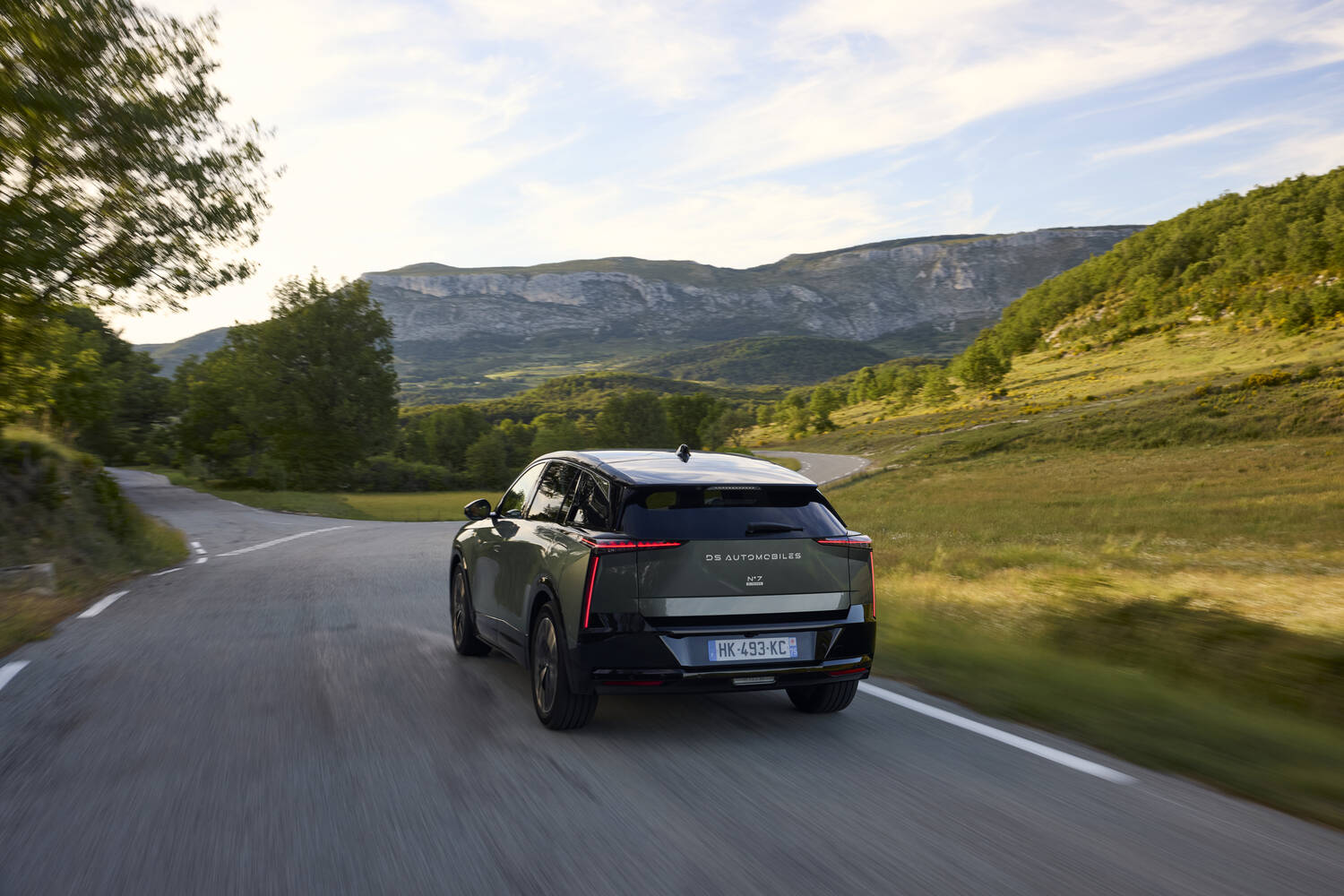
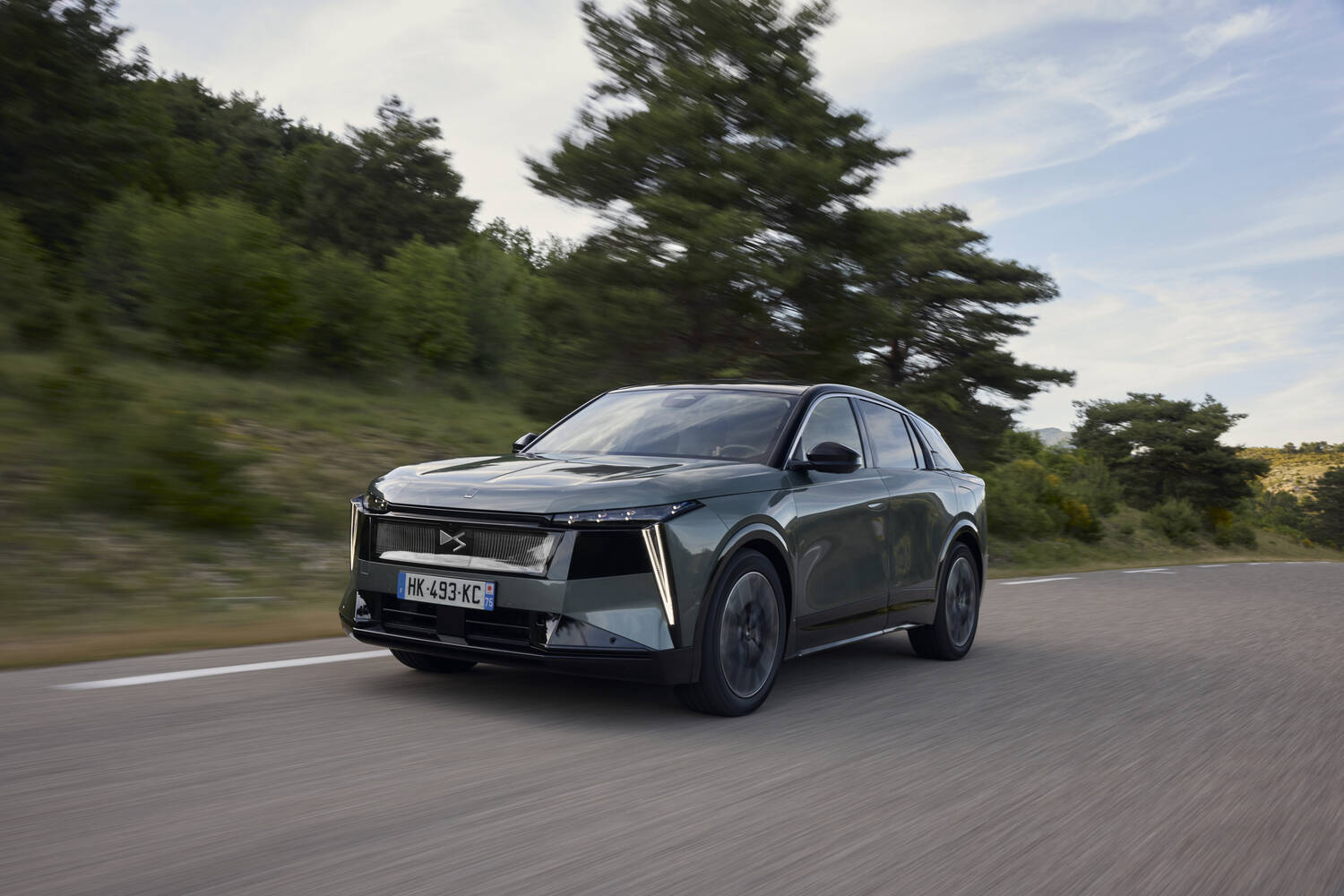
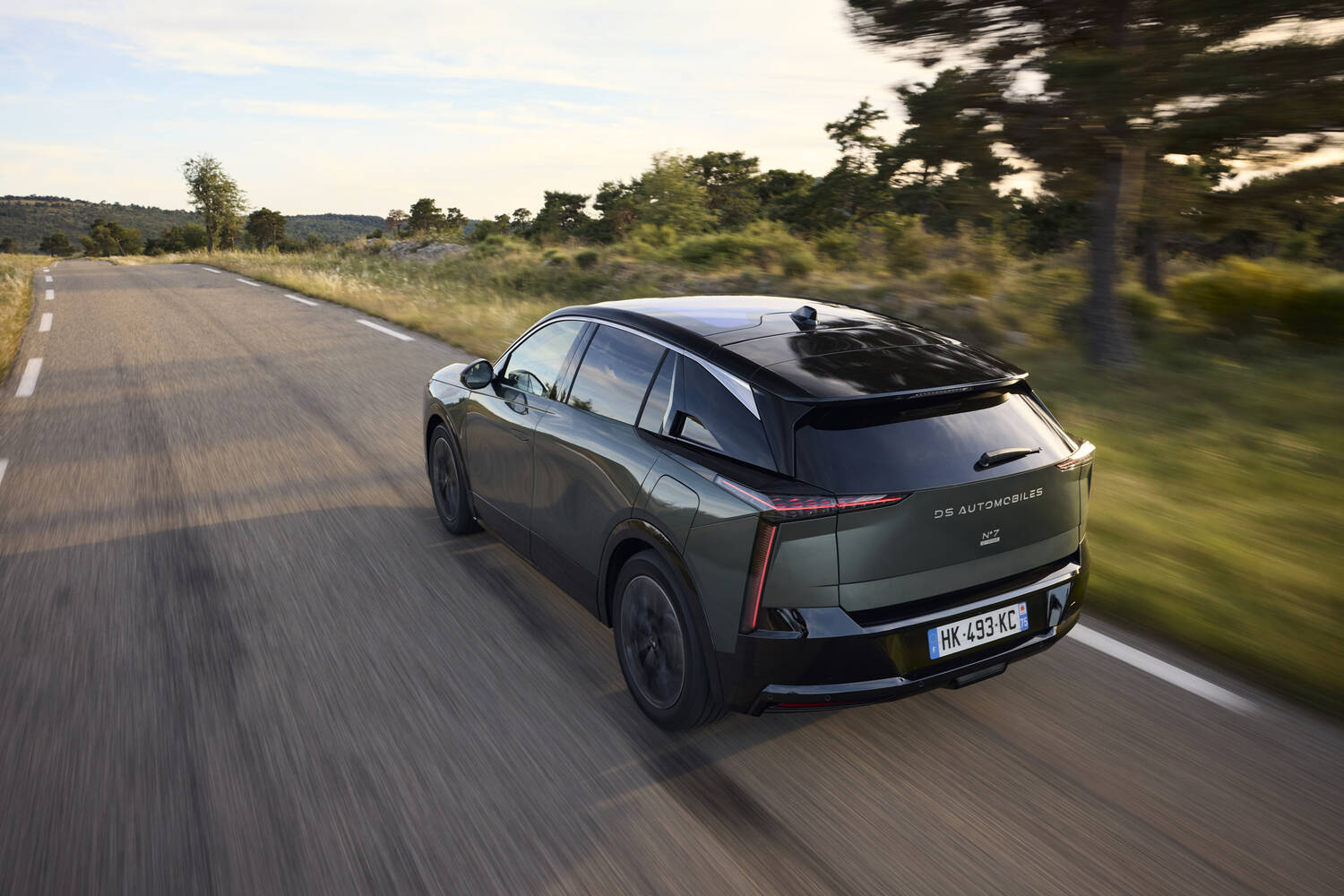
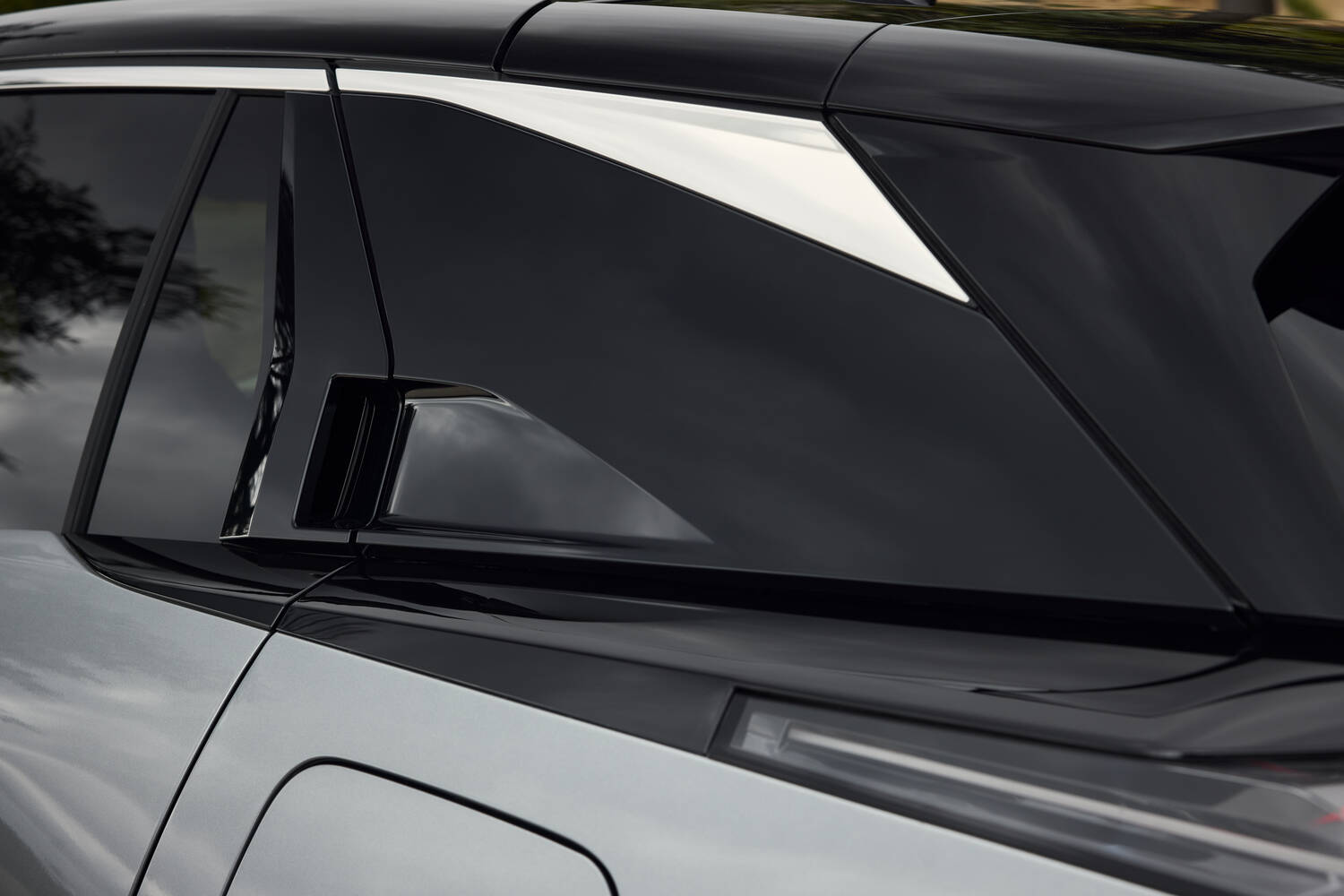
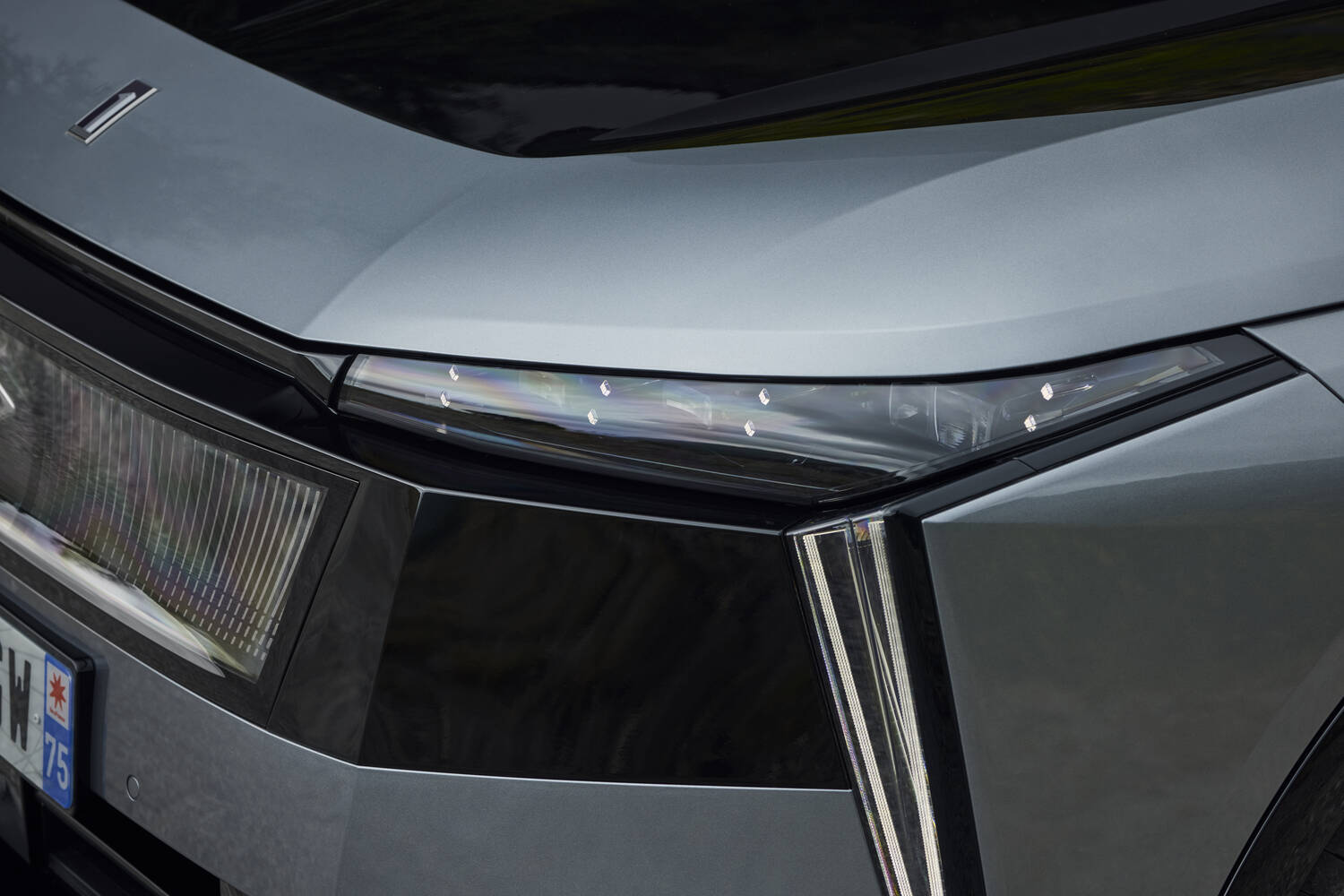
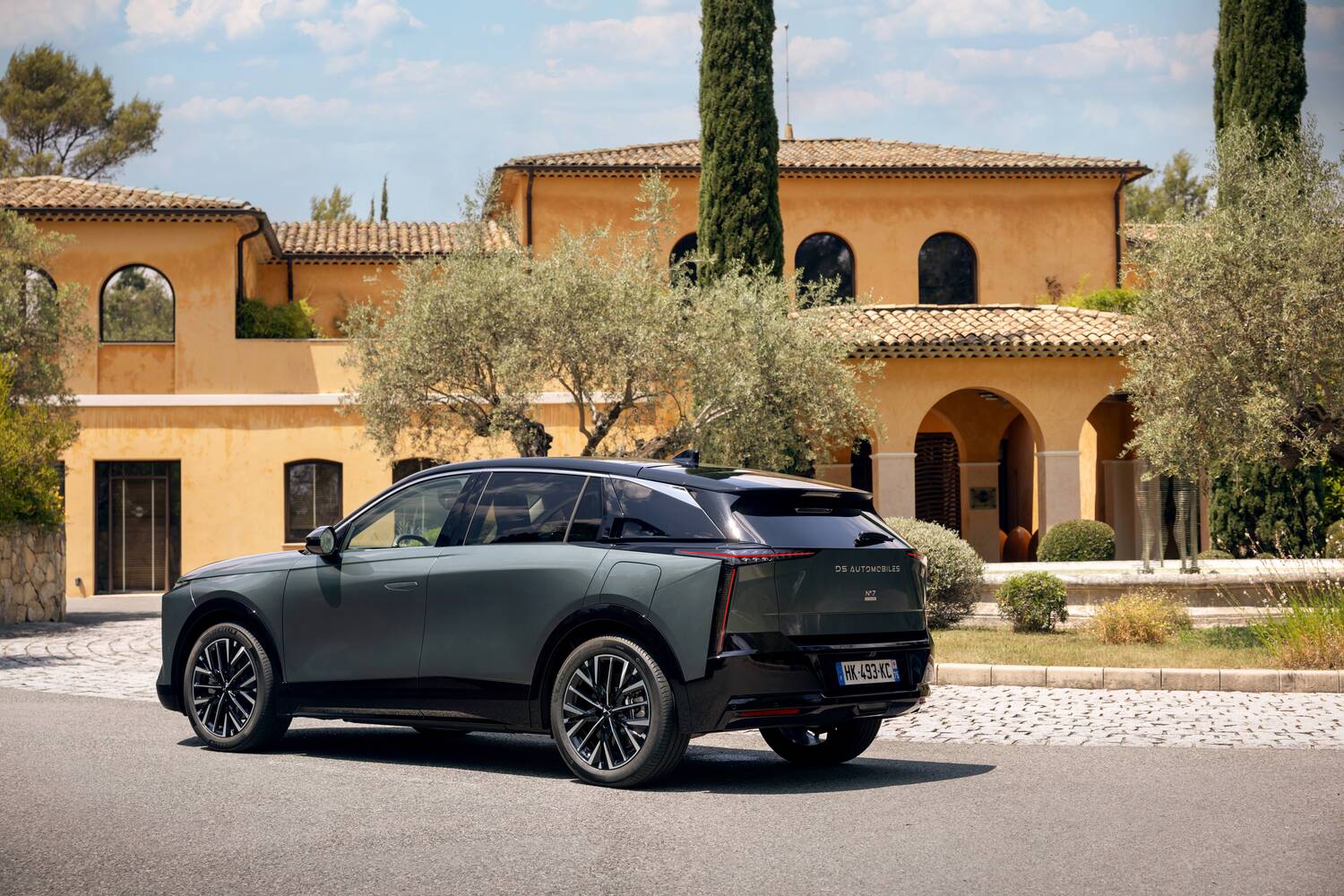
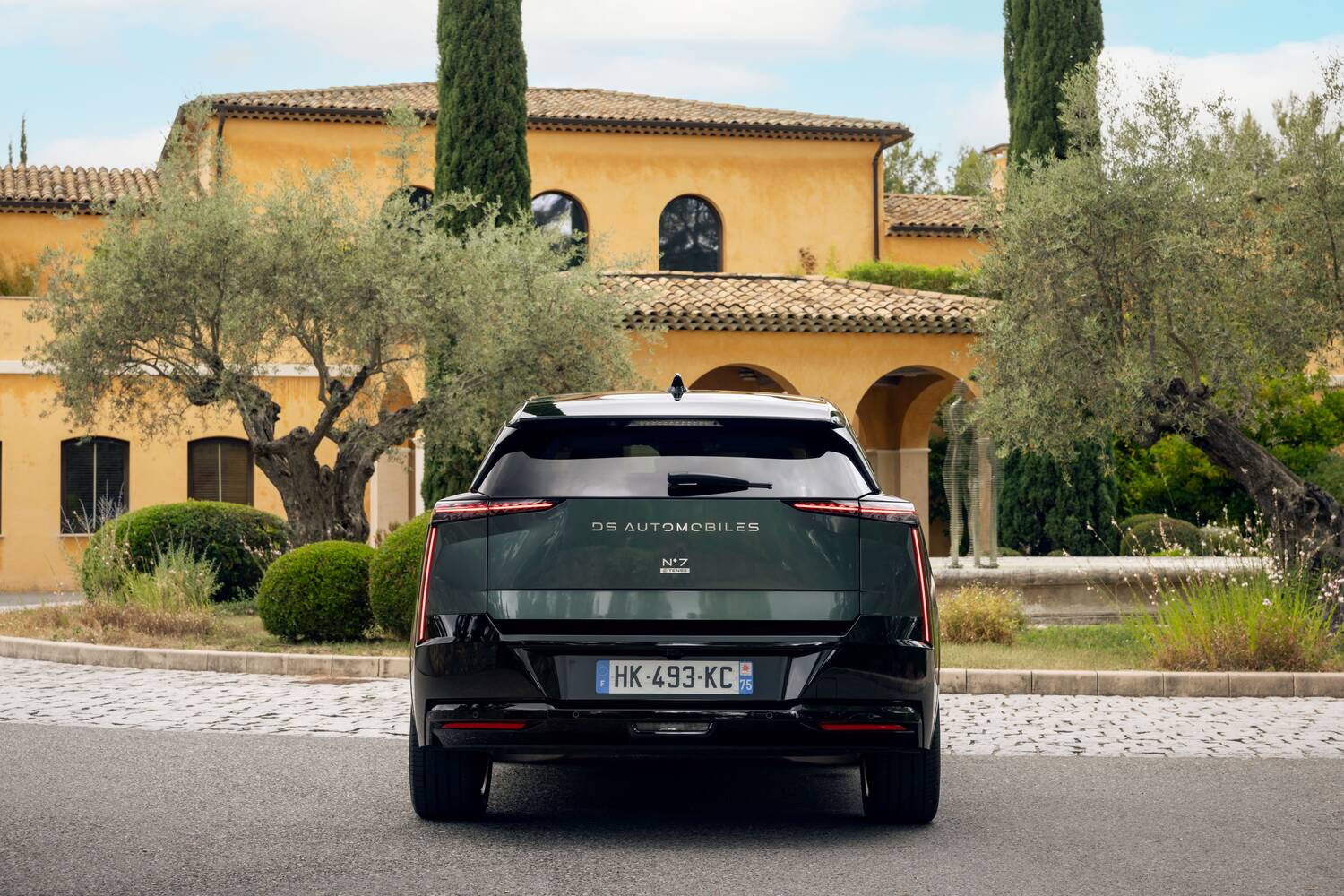
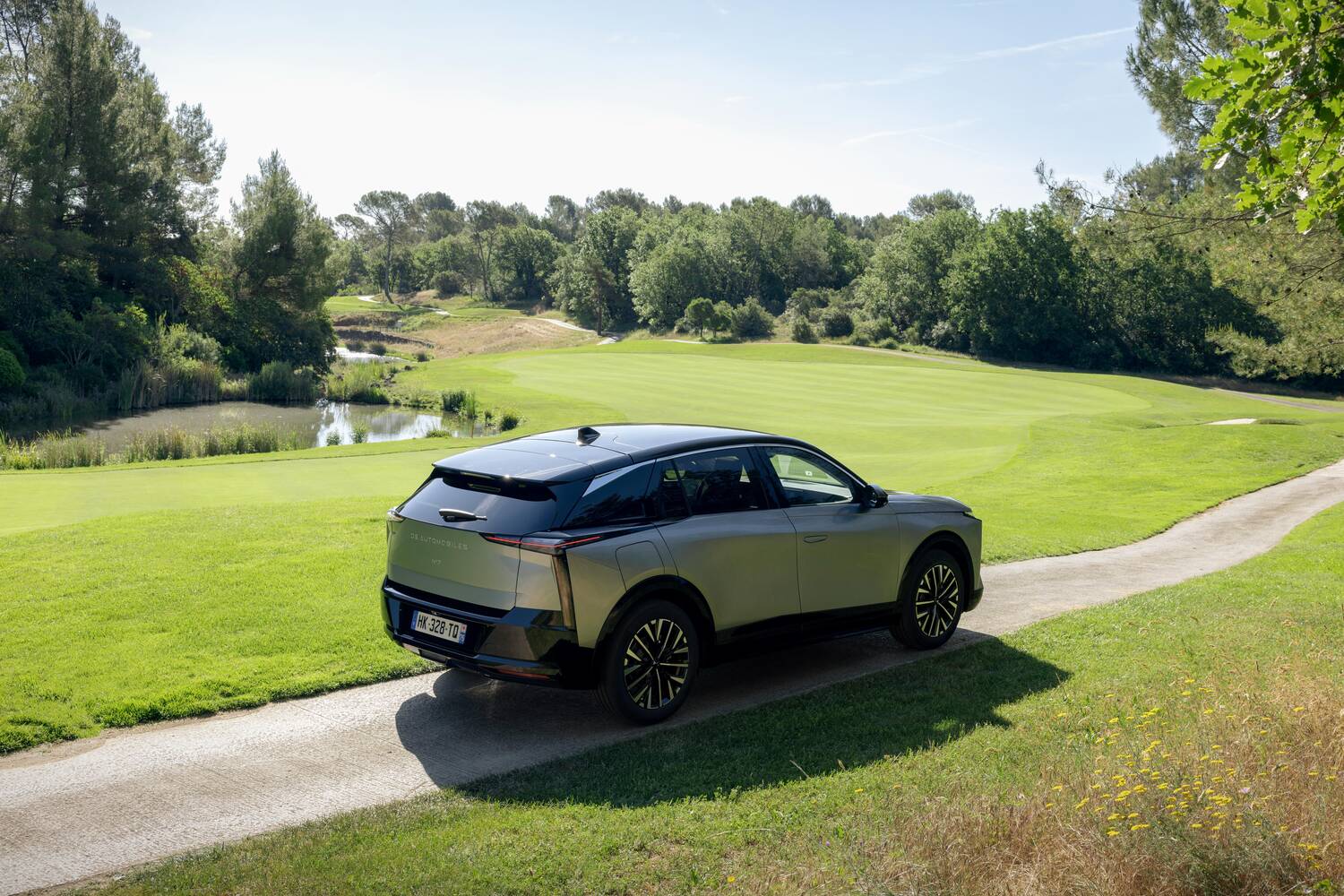
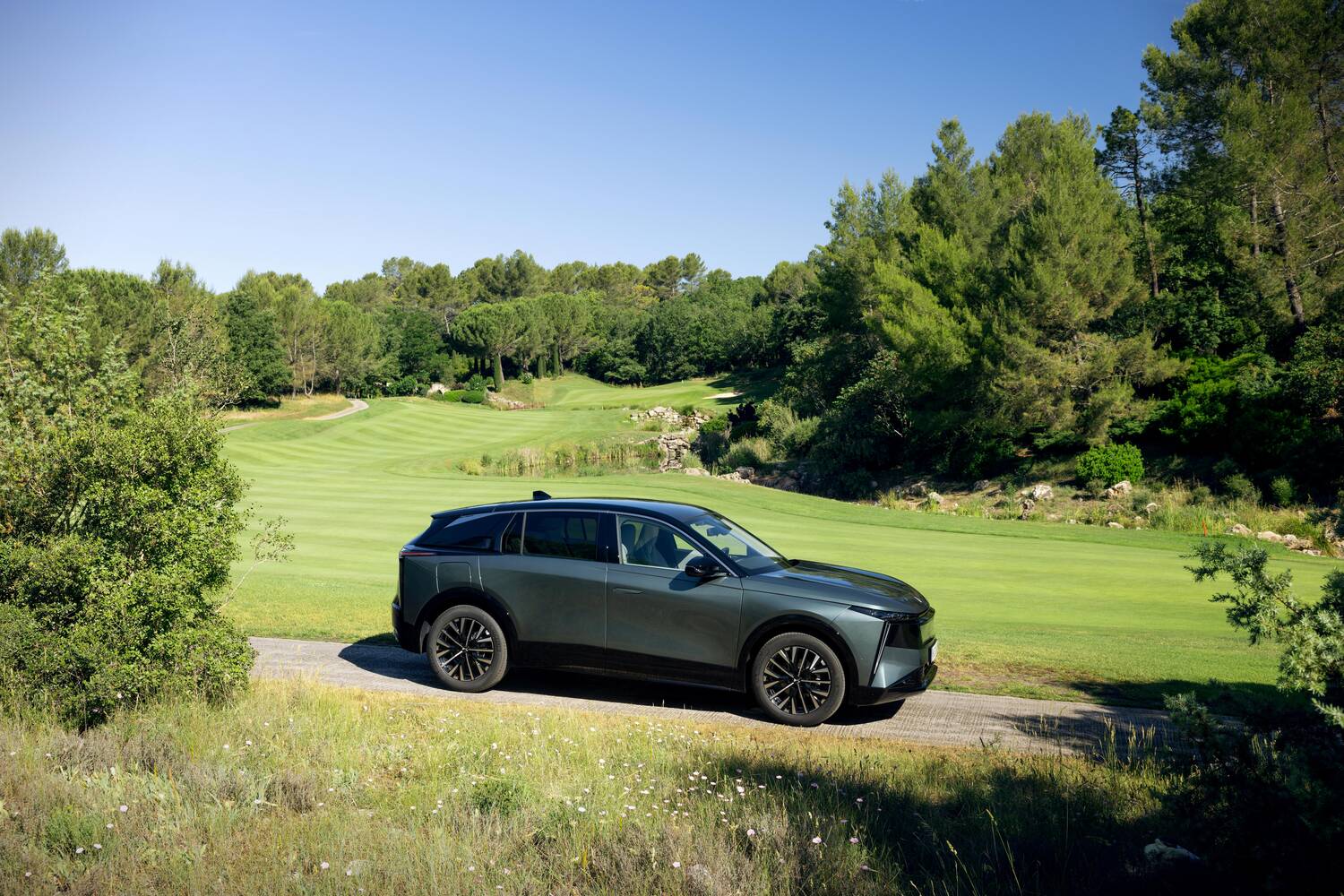
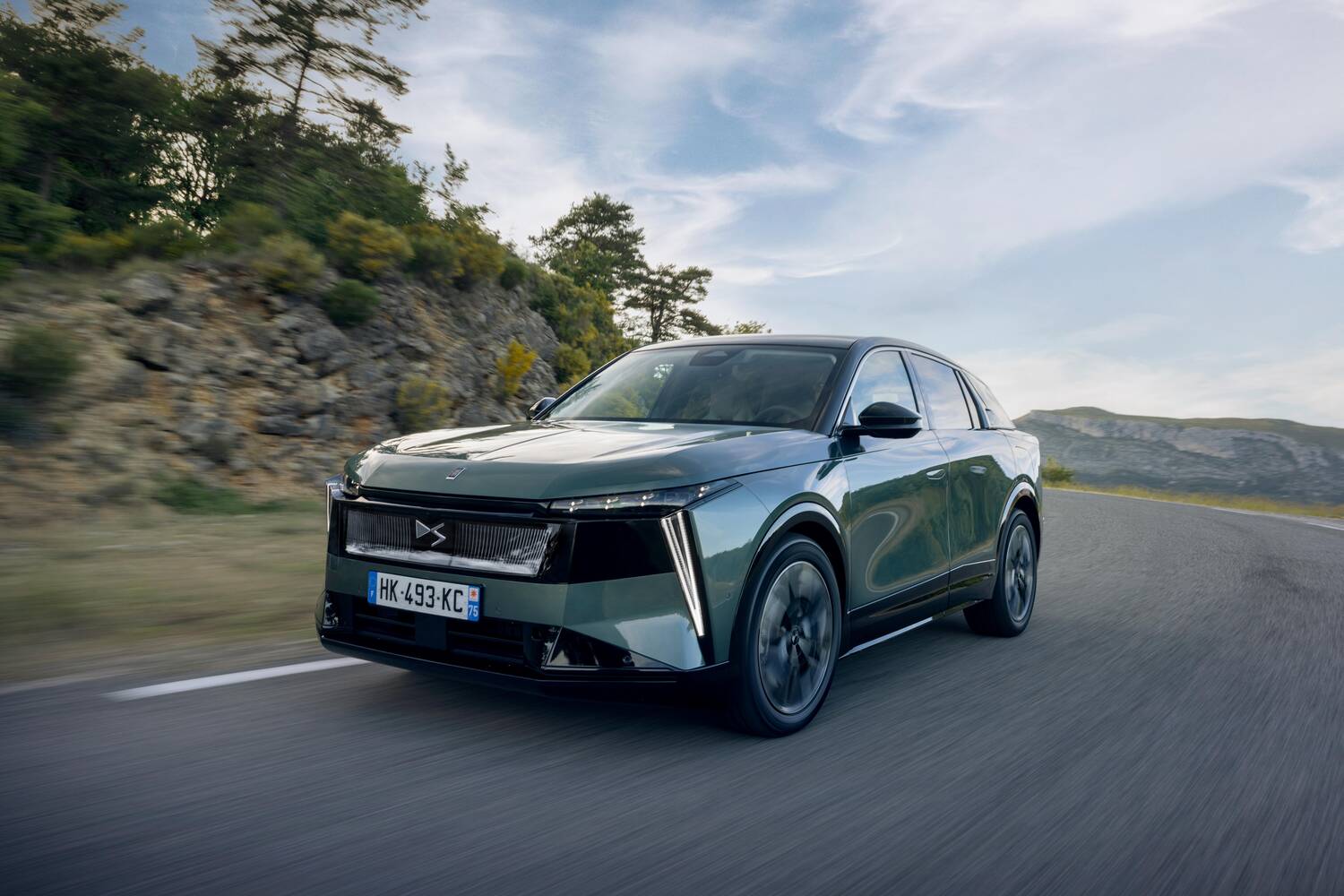
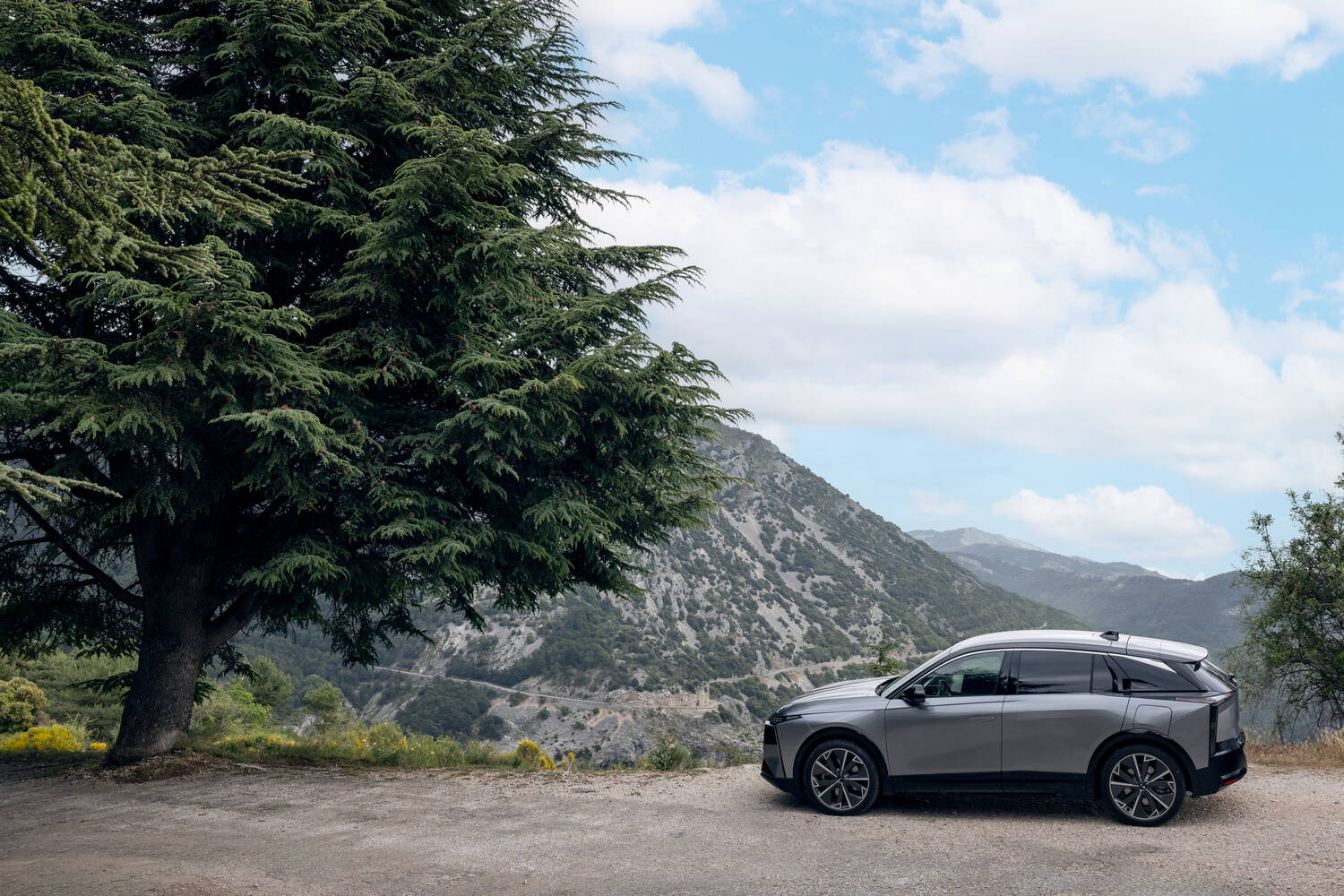
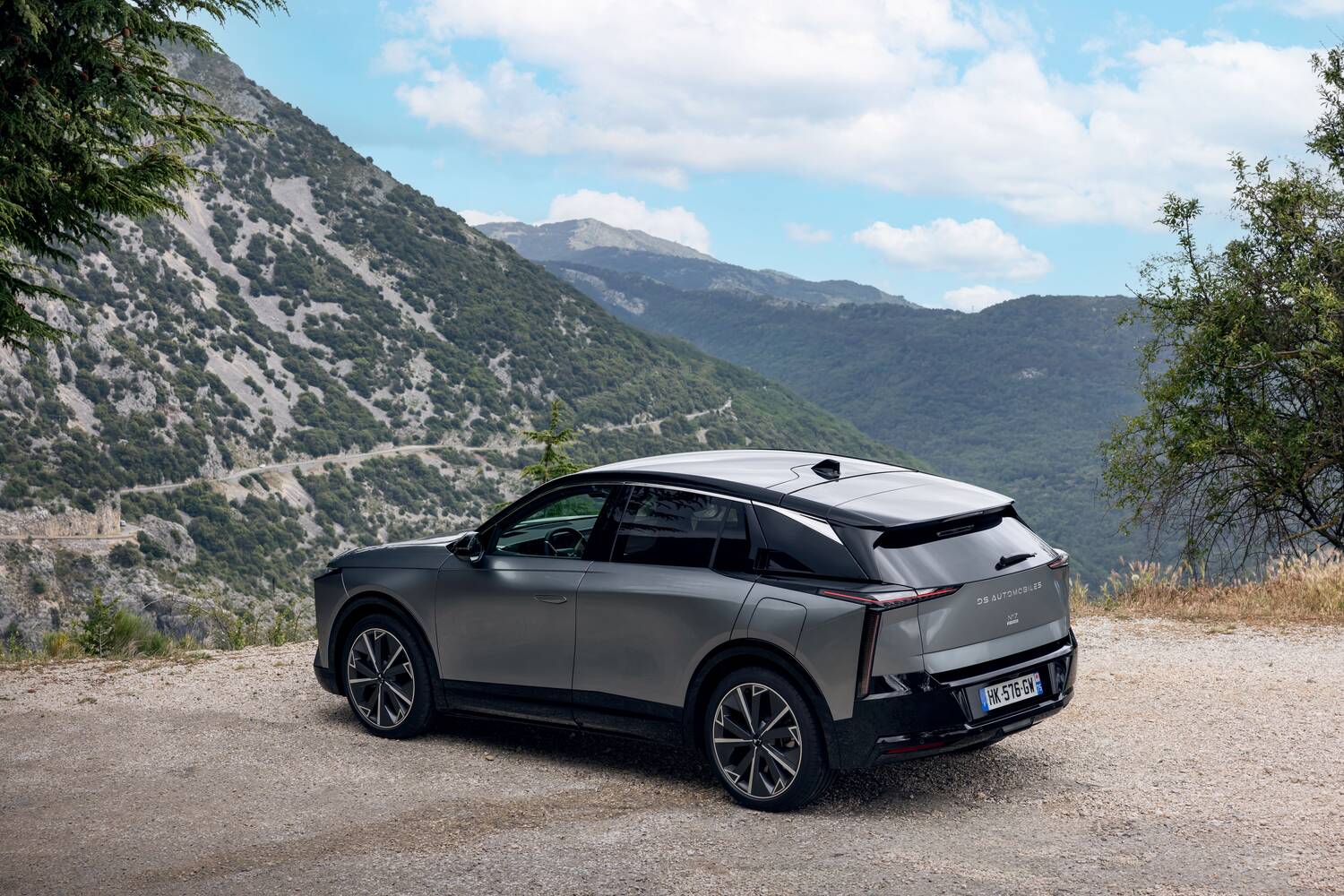
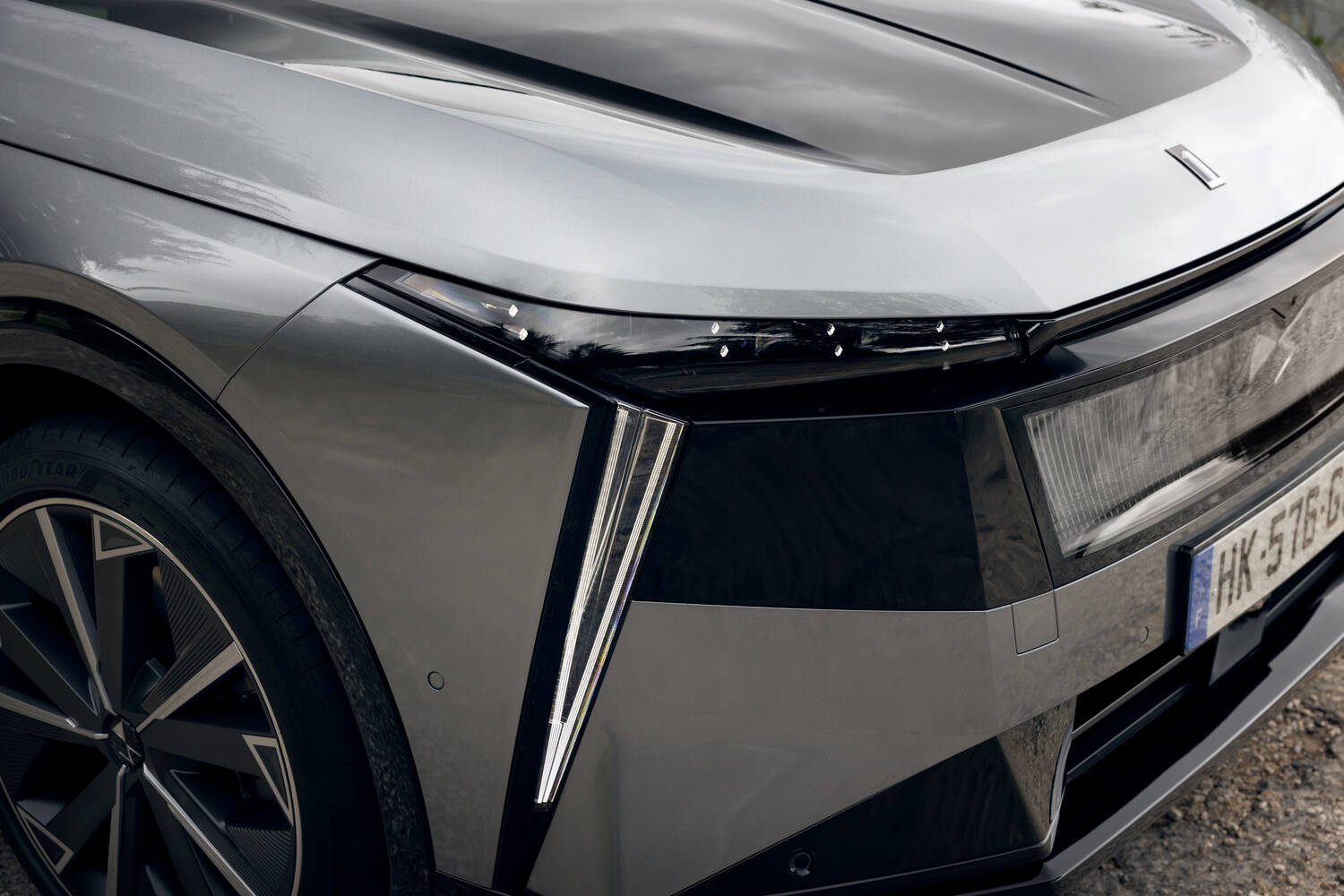
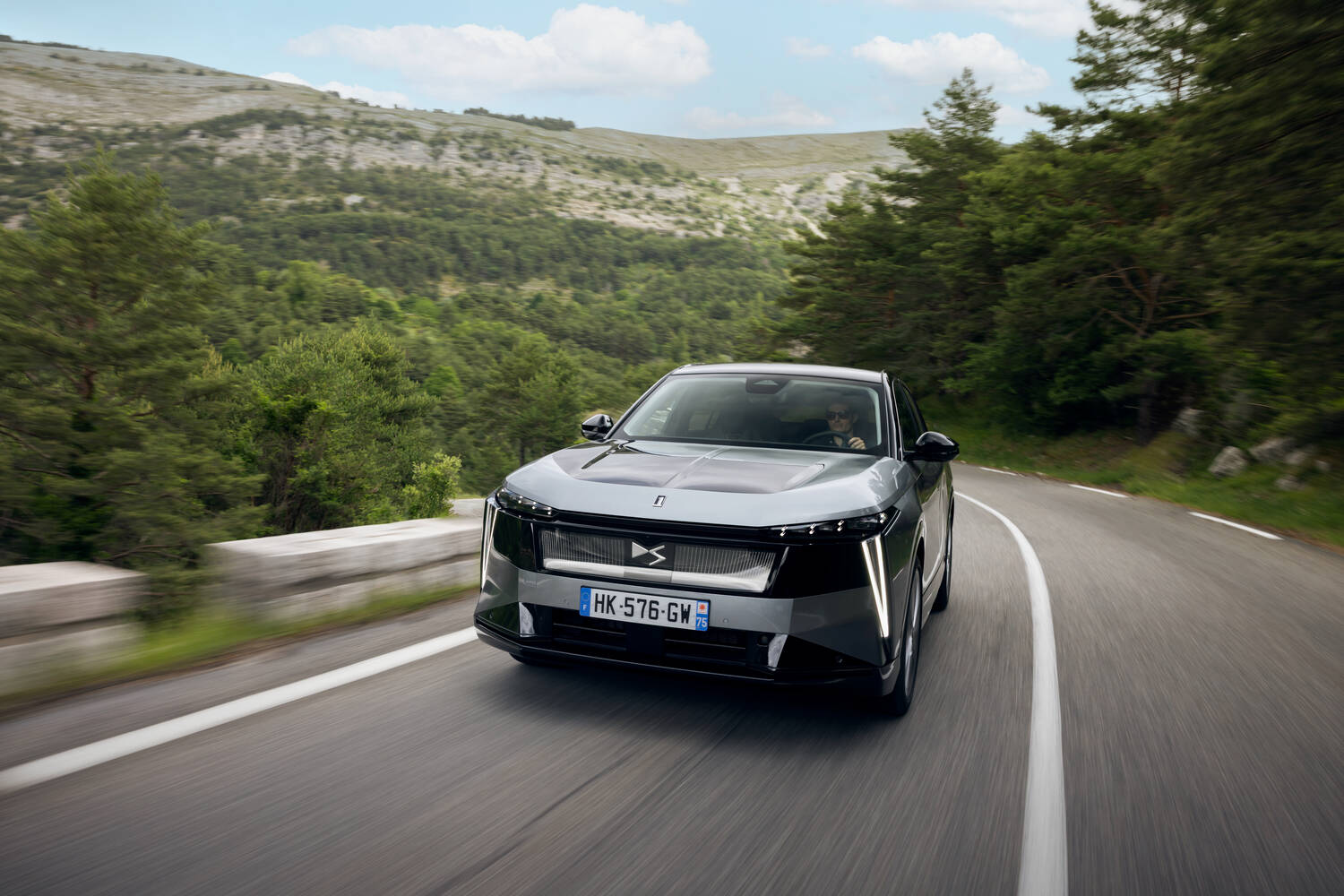
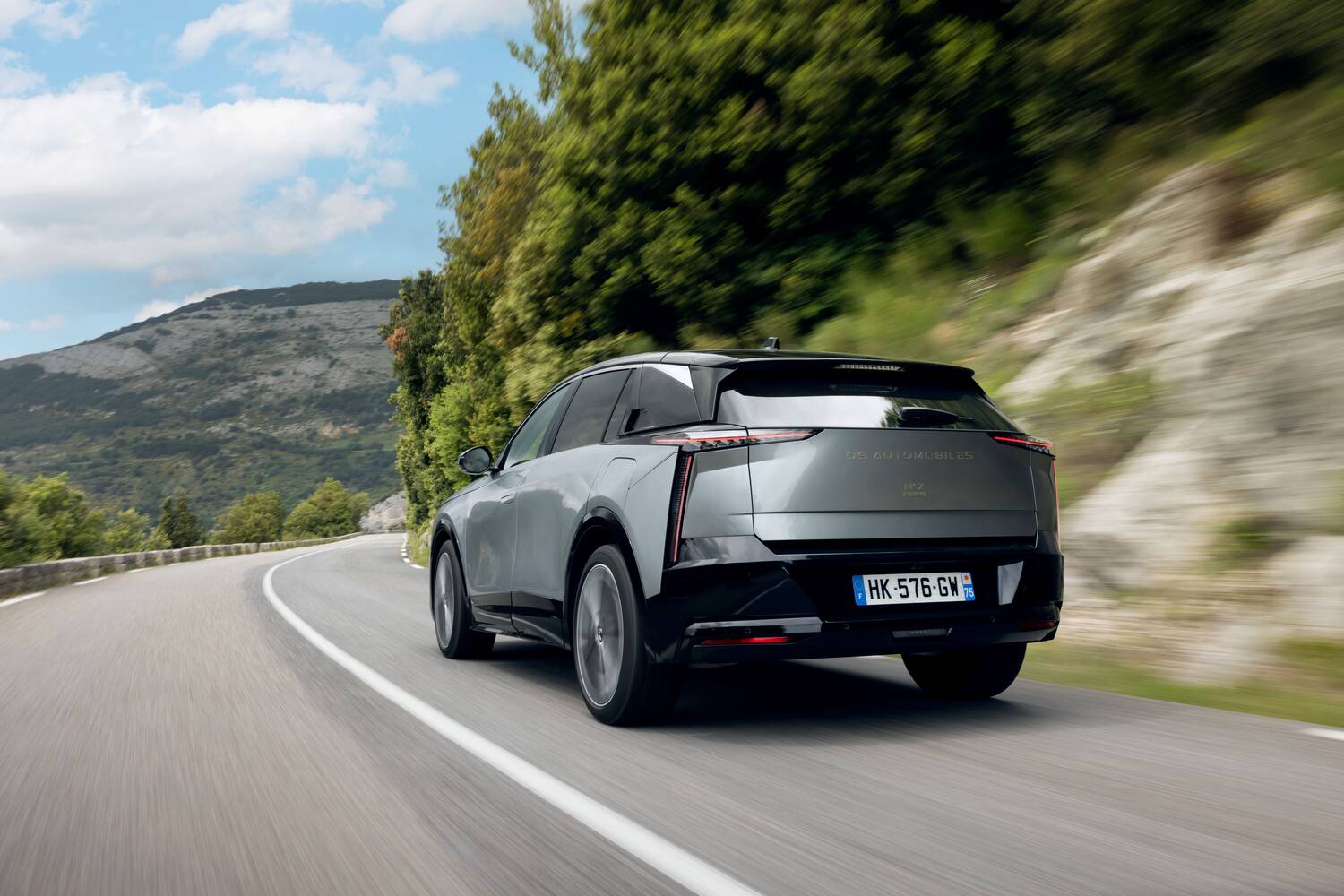
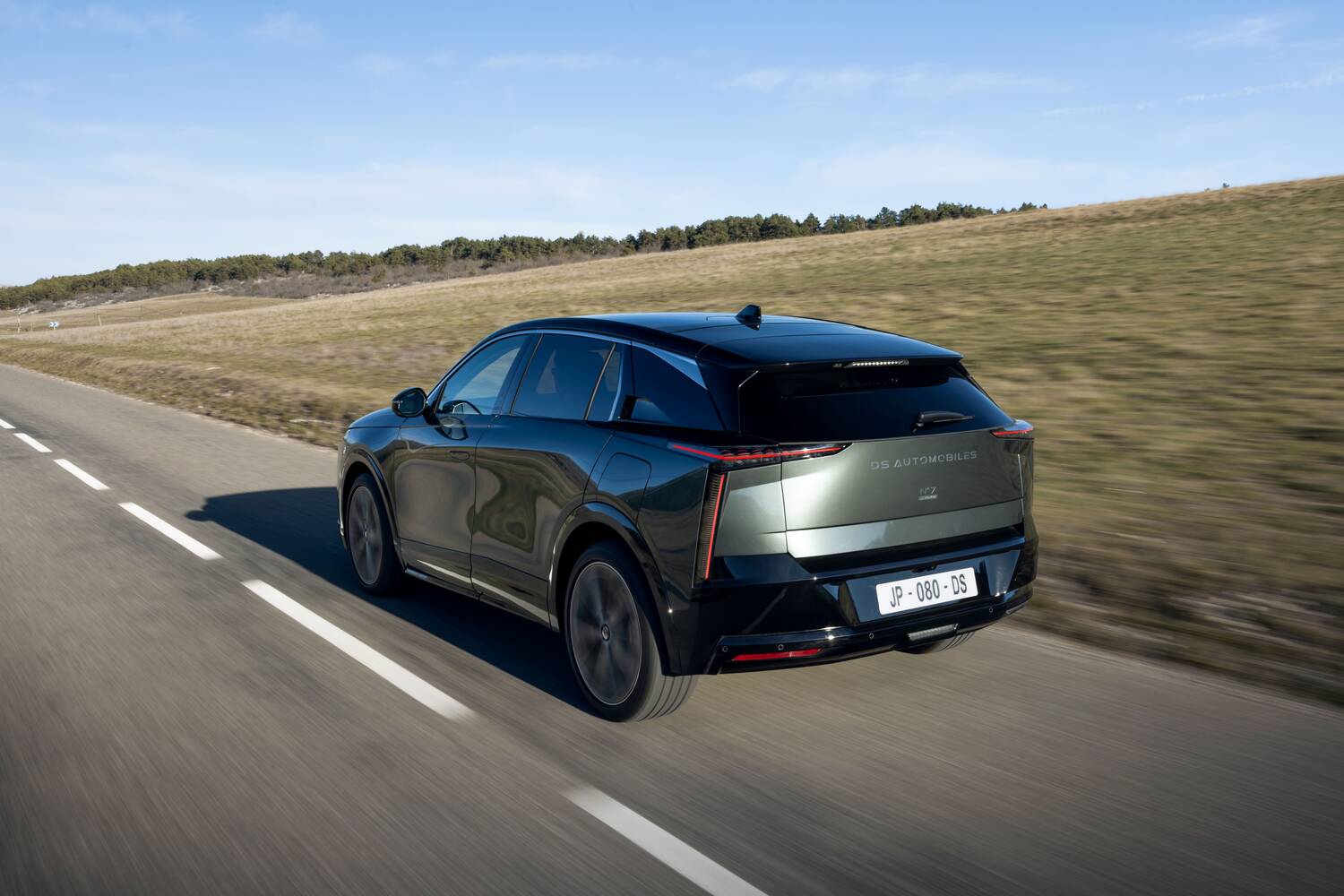
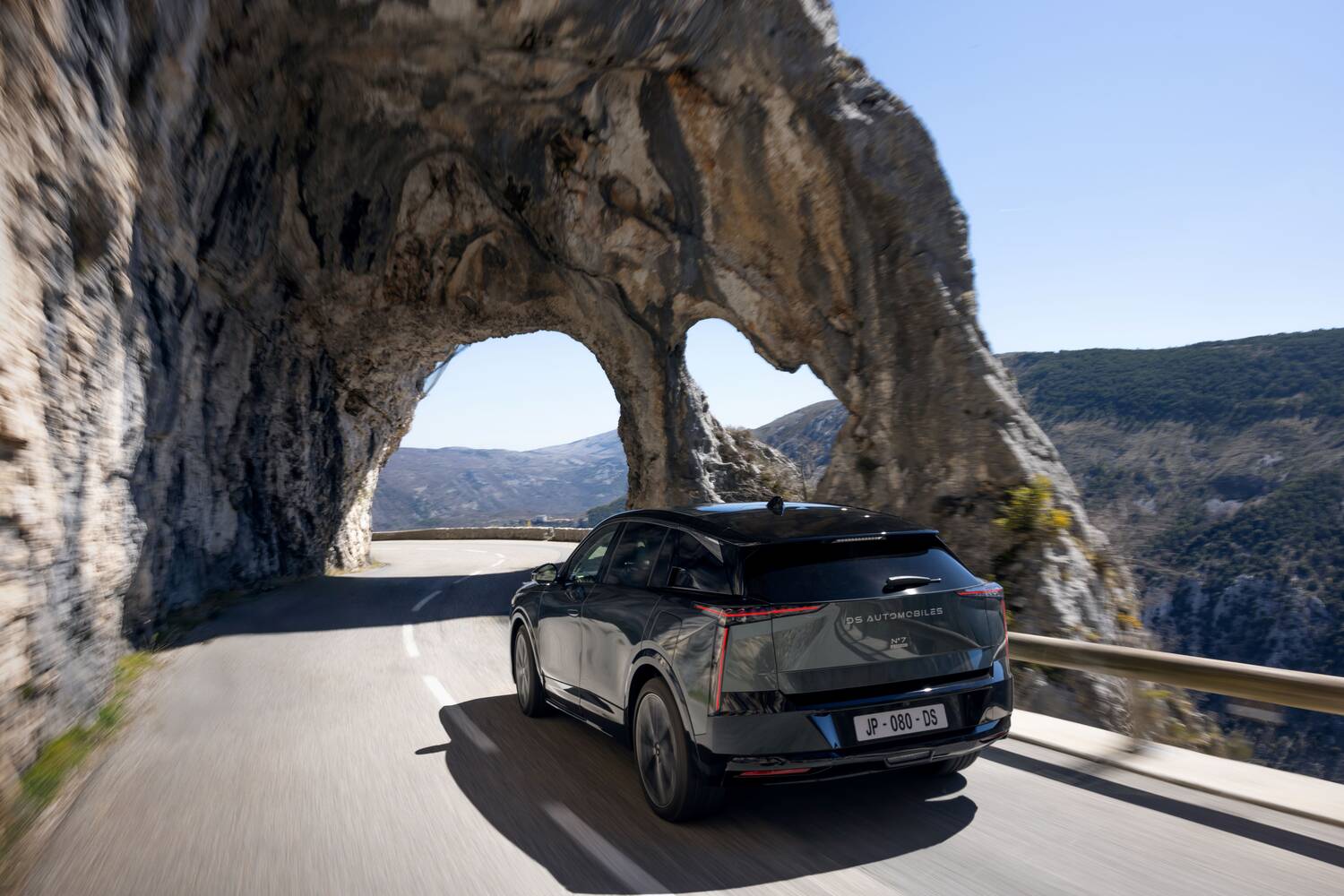
Regardless of that positioning, the No.7 is neatly styled, with sharp, chamfered lines, an optional two-tone paint scheme with a black bonnet and aerodynamically optimised alloy wheels measuring 19-21 inches in diameter.

We also like the large V-pattern daytime running lights at the front, a DS hallmark. Despite its blocky, upright shape, the No.7 is aerodynamic: DS quotes a drag coefficient of 0.26, an impressive figure for an SUV of this size.
Dimensions of the 2027 DS No.7
- Length:
- 4,660mm
- Width:
- 1,900mm (excluding mirrors)
- Height:
- 1,625-1,635mm
- Wheelbase:
- 2,790mm
Paint colours for the 2027 DS No.7

There are six metallic colours available for the DS No.7, though the palette is muted. The standard finish is Alabaster White, while Topaz Blue, Crystal Pearl, Palladium Grey, Perla Nera Black and Silk Green will command an upgrade fee.
Interior, practicality, tech & comfort of the 2027 DS No.7
- Upmarket interior finishes and colours
- Plenty of passenger space
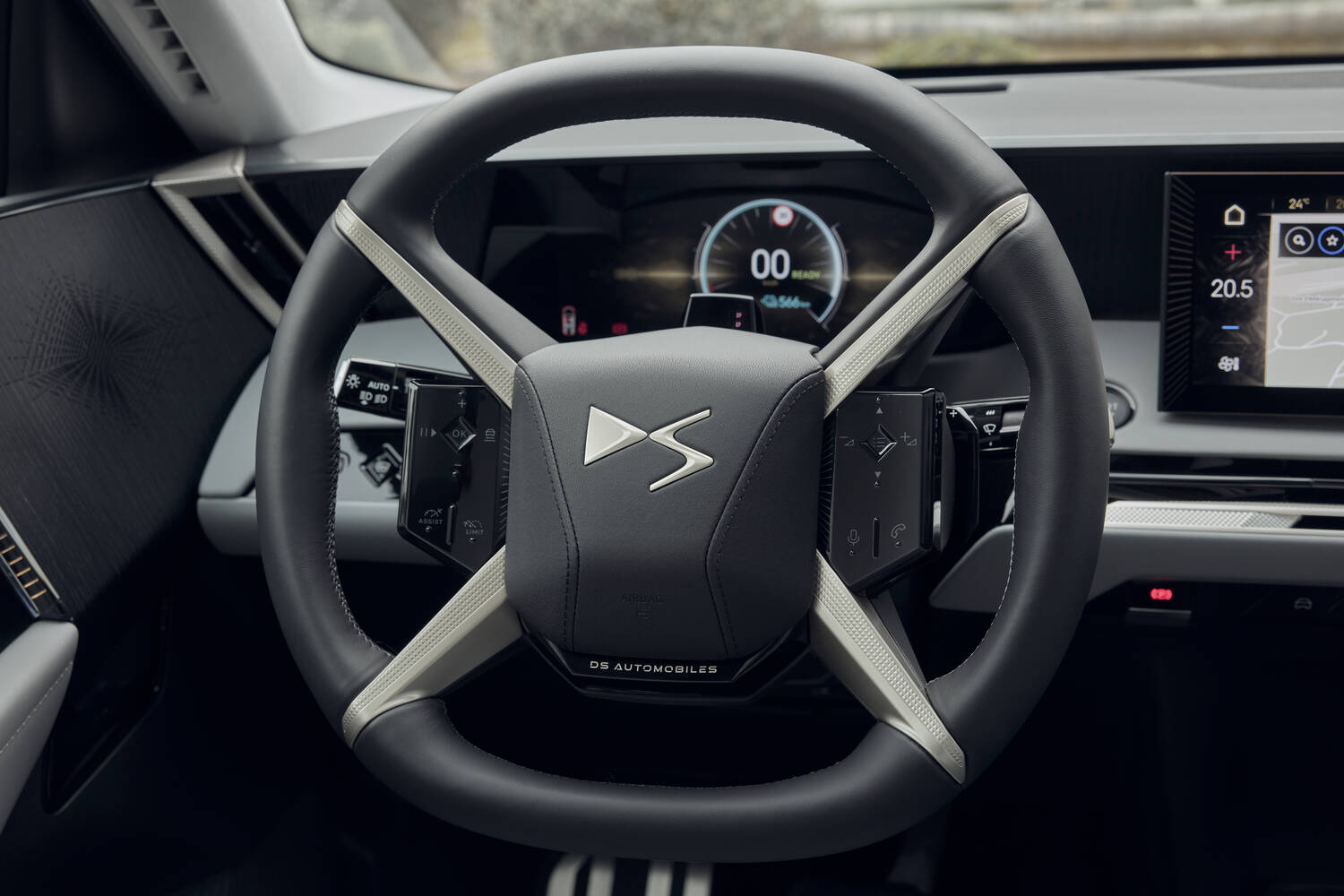
- Features DS's X-shaped wheel

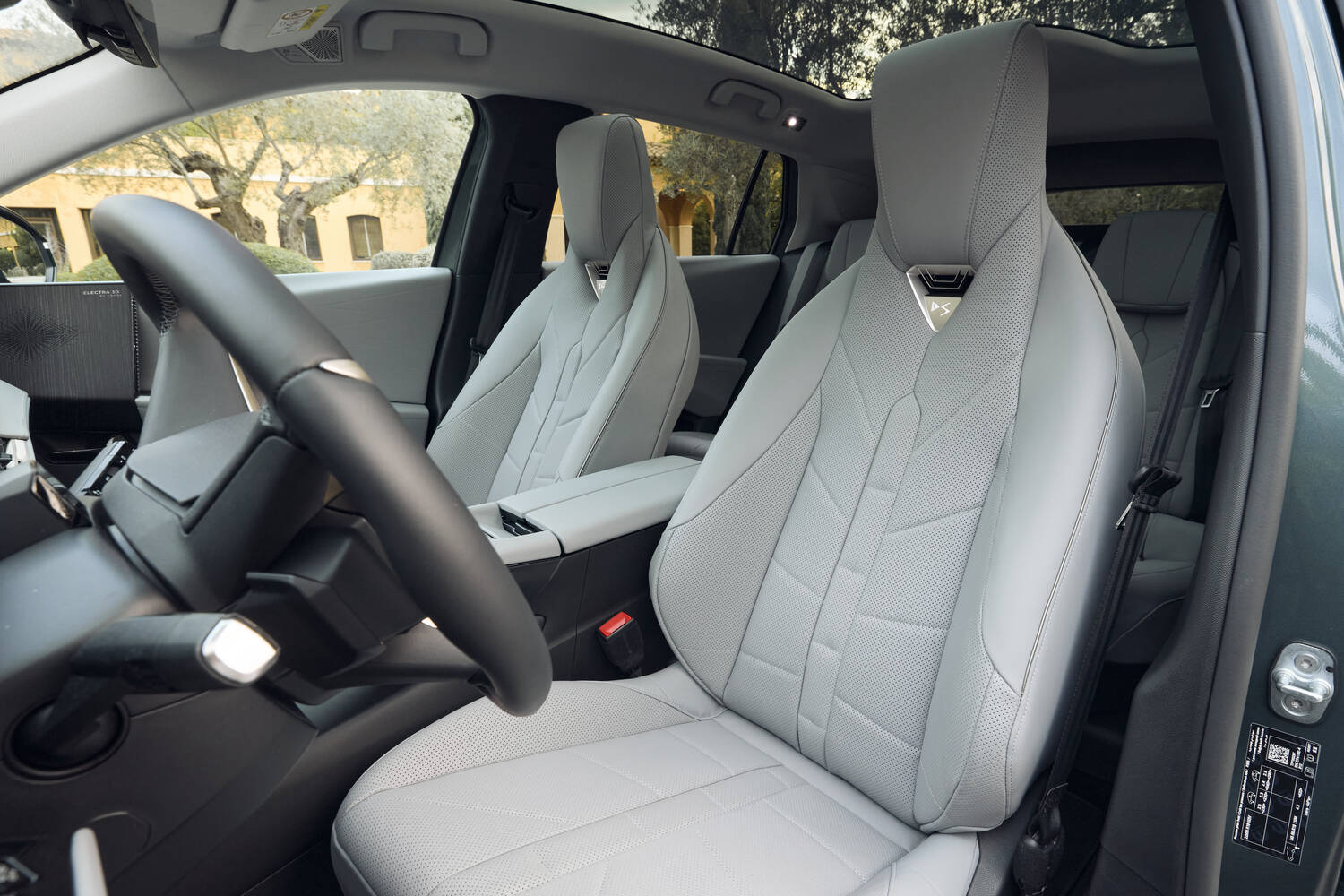
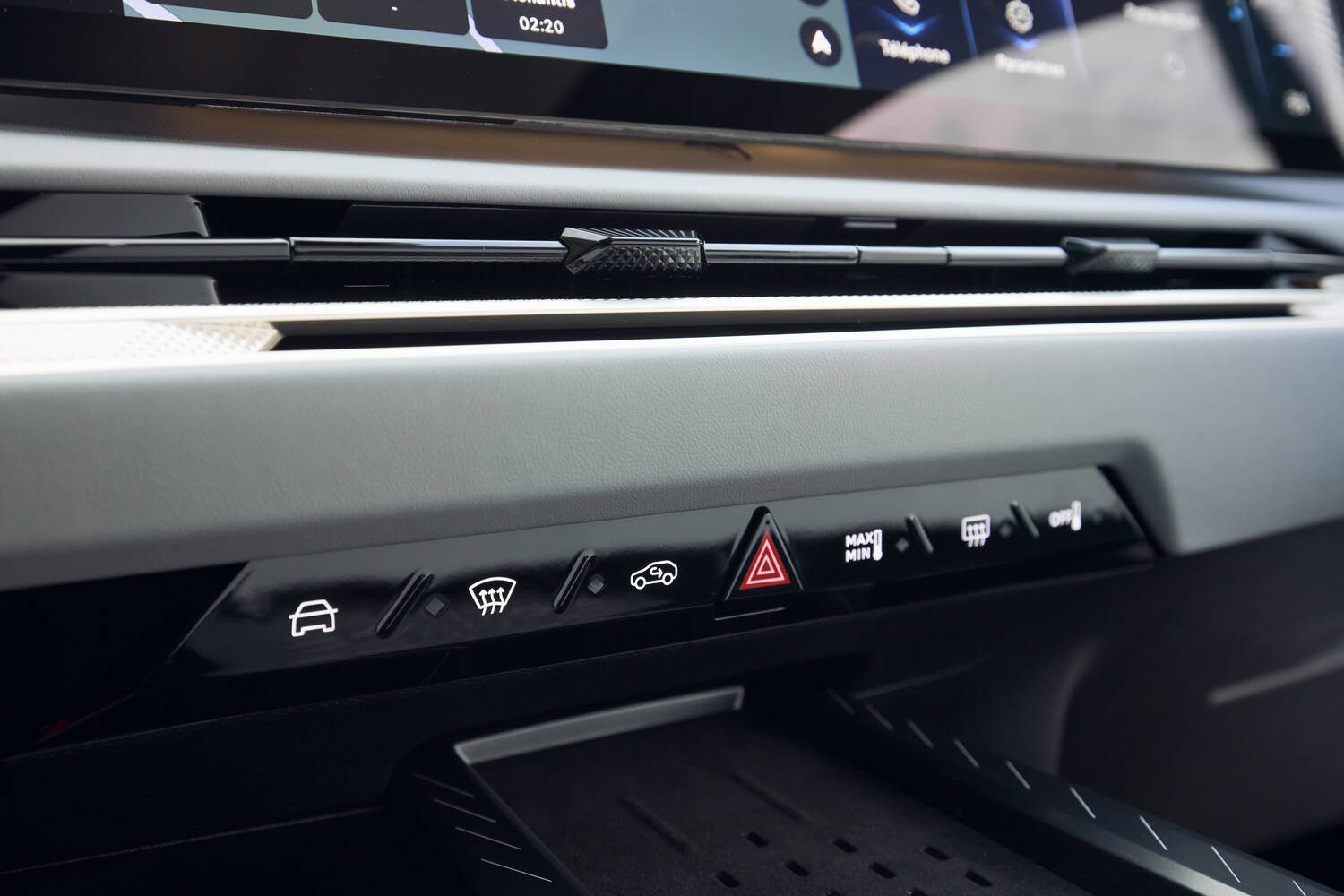
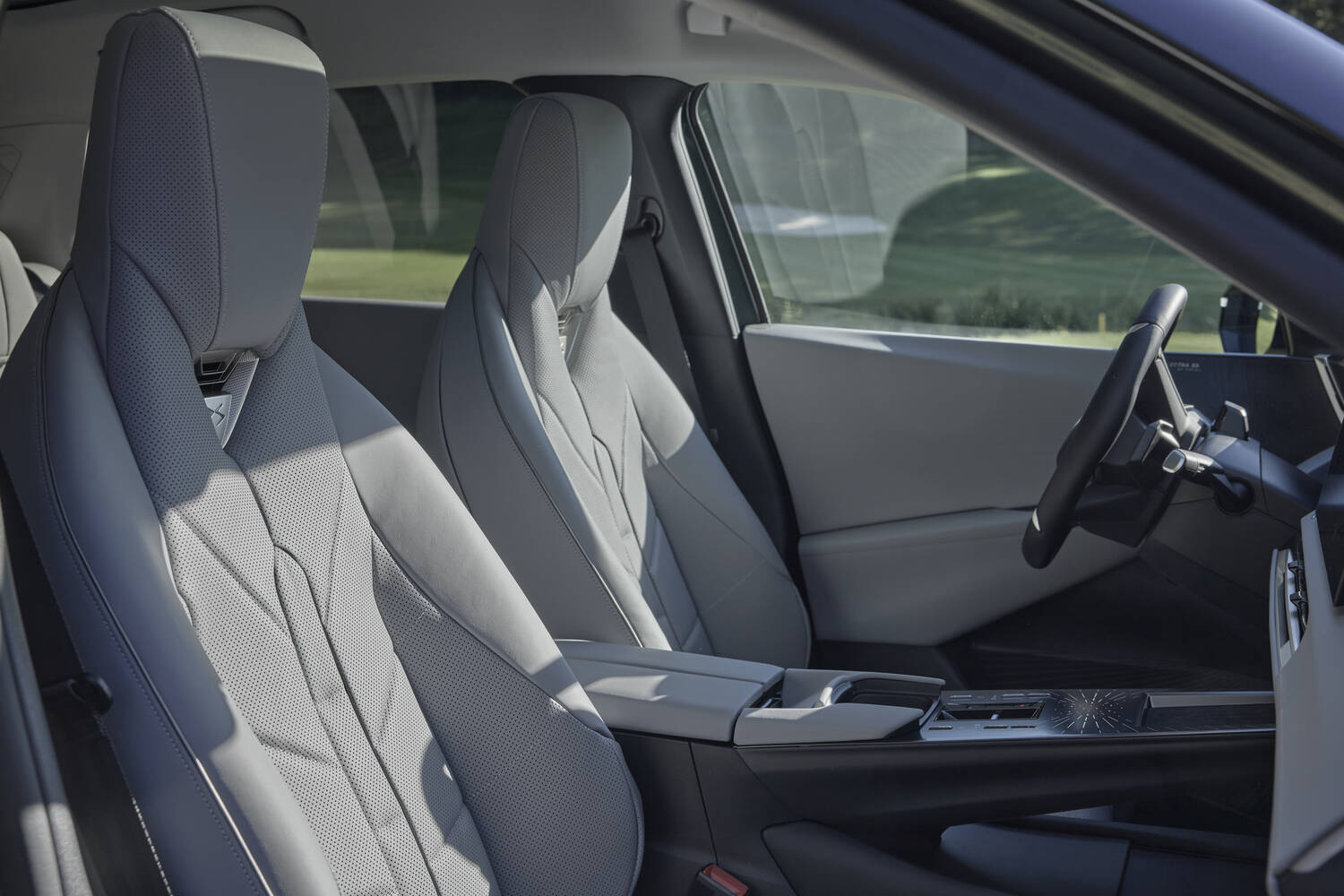
Broadly speaking, the ambience in the DS No.7 is relaxing and upmarket. The leather and other materials feel good, while the cabin layout is reasonably pleasing and intuitive.
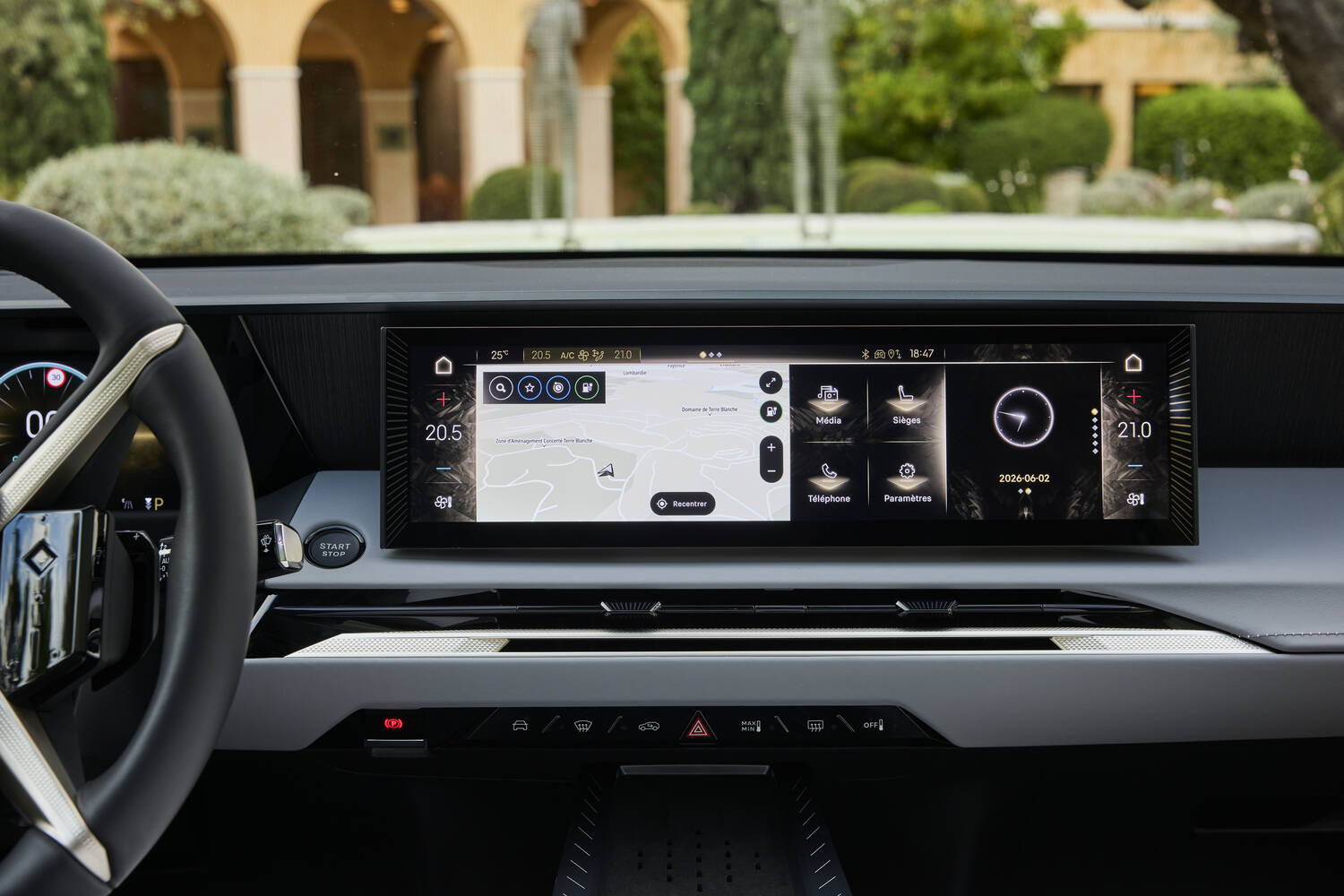
The technology is not integrated perfectly, however. The central infotainment screen has an excessively wide aspect ratio, for example. Otherwise, the systems work well.
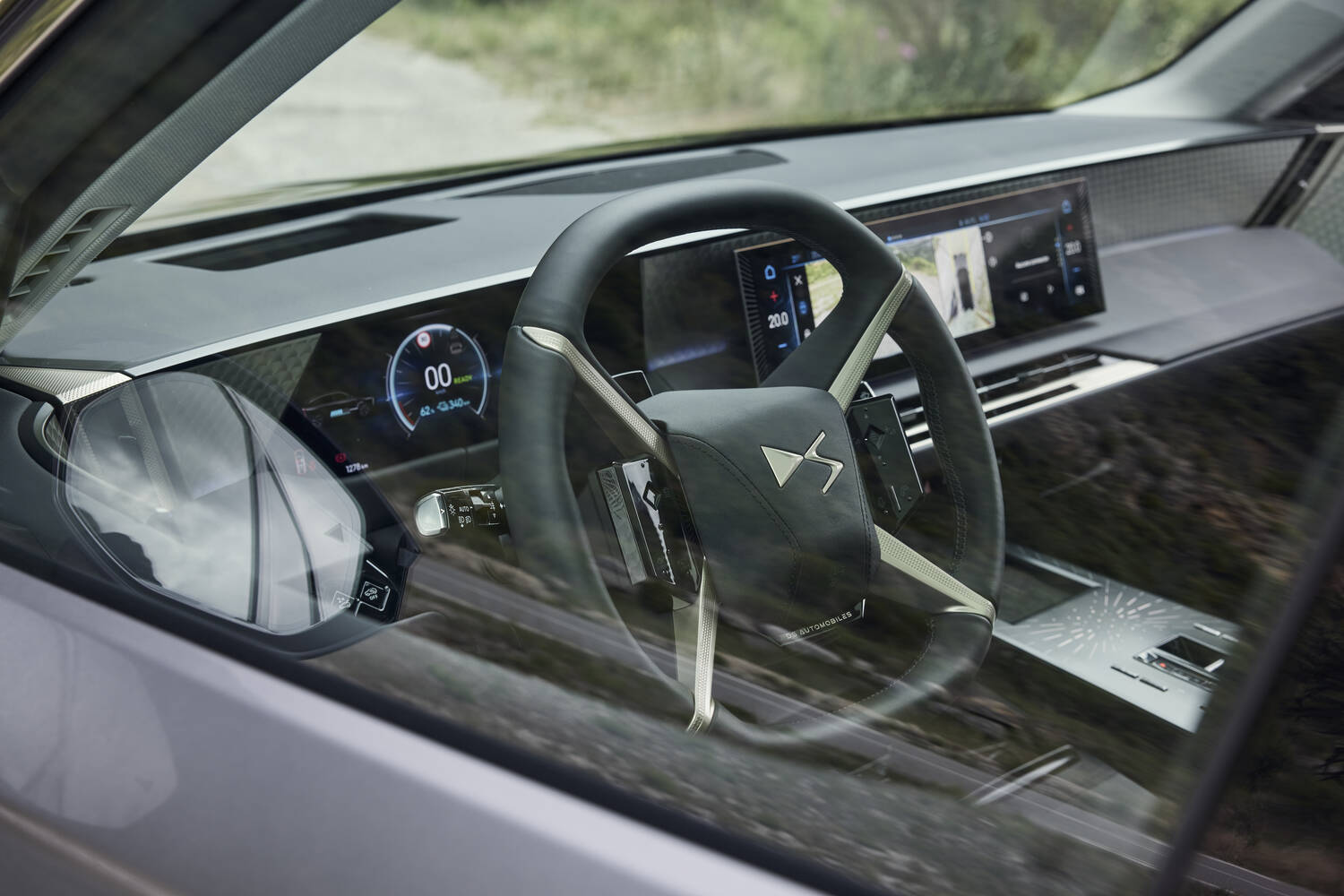
Not everyone is enamoured with the X-shaped steering wheel, though. It looks unusual, and is strange to hold.
Getting comfortable in the driver's seat

Assuming Pallas is the base specification in Ireland, all versions of the DS No.7 will have at least partially electrically adjustable front seats, while higher-specification models get full electric adjustment.
The steering column adjusts for reach and rake, helping to create a comfortable driving position. It is low enough to make the driver feel part of the car, while retaining the elevated seating position and visibility expected of an SUV.
Infotainment and technology

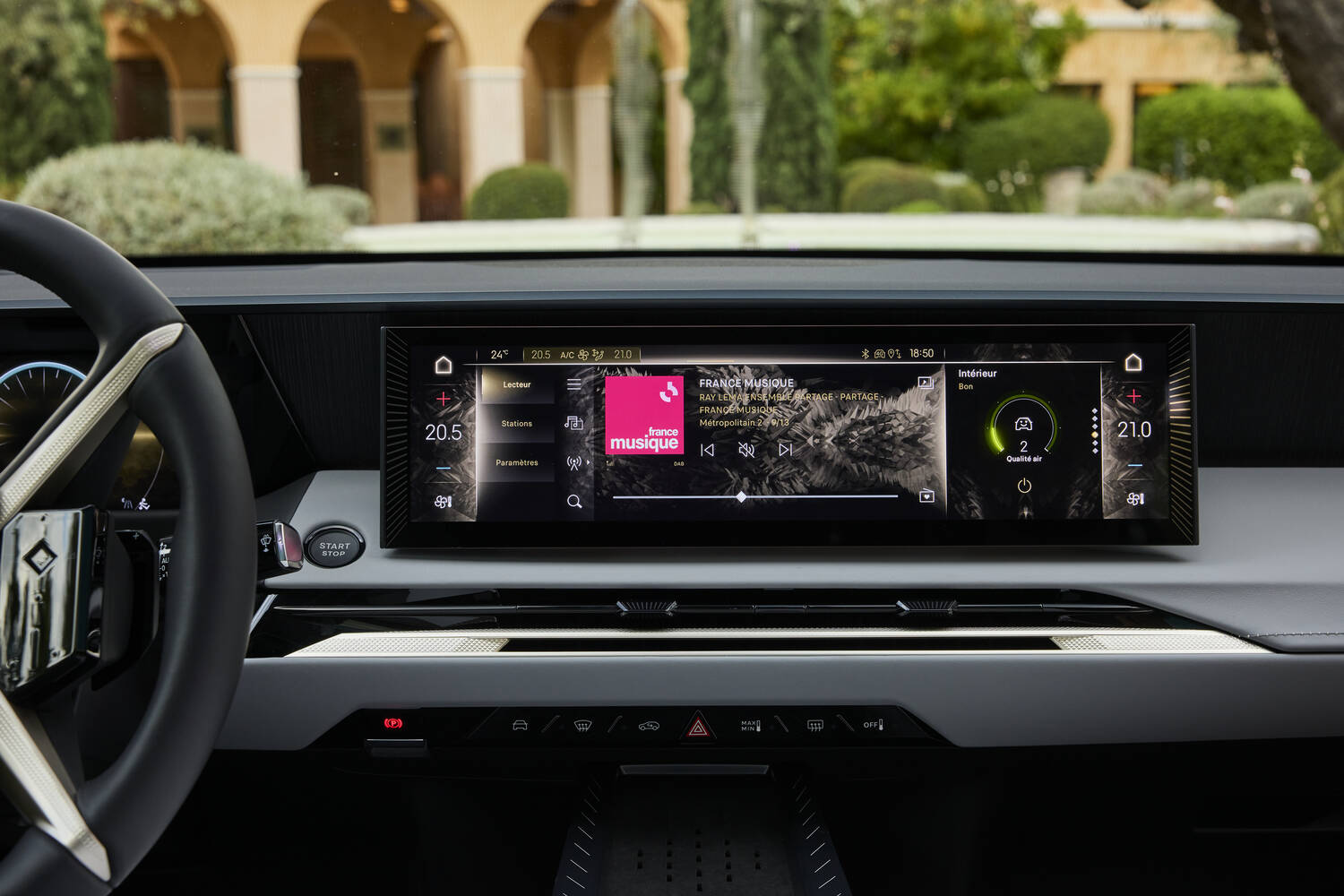
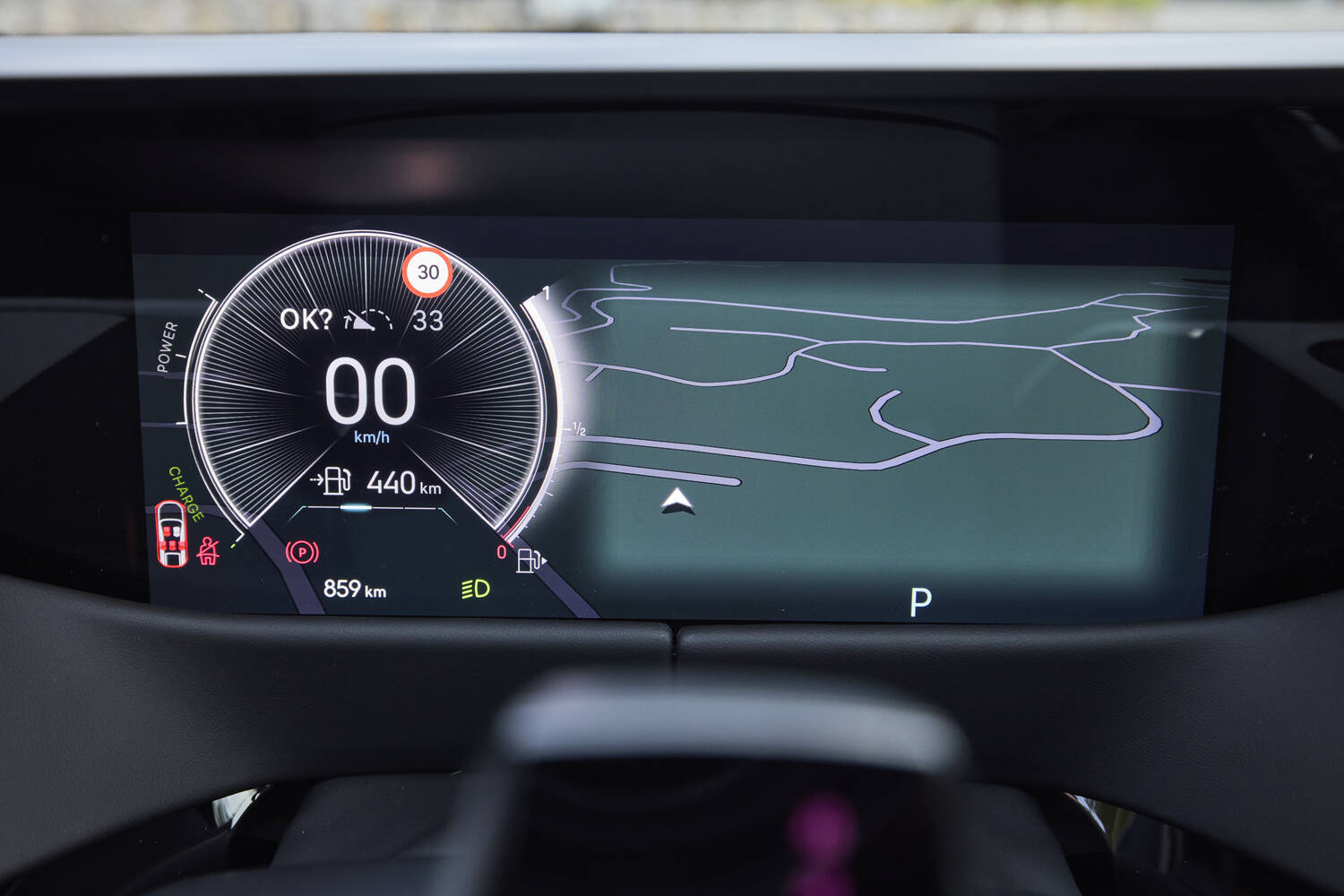
Every DS No.7 comes with a 16-inch infotainment screen supporting wireless Apple CarPlay and Android Auto, as well as the DS Extended Head-Up Display, which combines a digital instrument cluster with information projected onto the windscreen.
The graphics are crisp and the systems respond well, but the main infotainment screen is too wide. This restricts the forward view shown by the navigation map, so upcoming turns can appear onscreen later than expected.
Equipment highlights include heated seats, with neck warmers fitted to some higher-specification versions, a panoramic sunroof and an optional 'Electra3D by Focal' sound system. These features help to give the No.7 a suitably modern feel.
Practicality around the cabin

Up front, the DS No.7 has a large central cubby with a 12-volt socket beneath a split-lidded armrest, a pair of cupholders and a wireless smartphone charging pad.
Together, these form a rising centre console between the seats. There is also an under-dashboard storage area with USB ports. Good-sized door bins, moulded bottle holders and a reasonable glovebox complete the storage provision.
Rear-seat passenger space

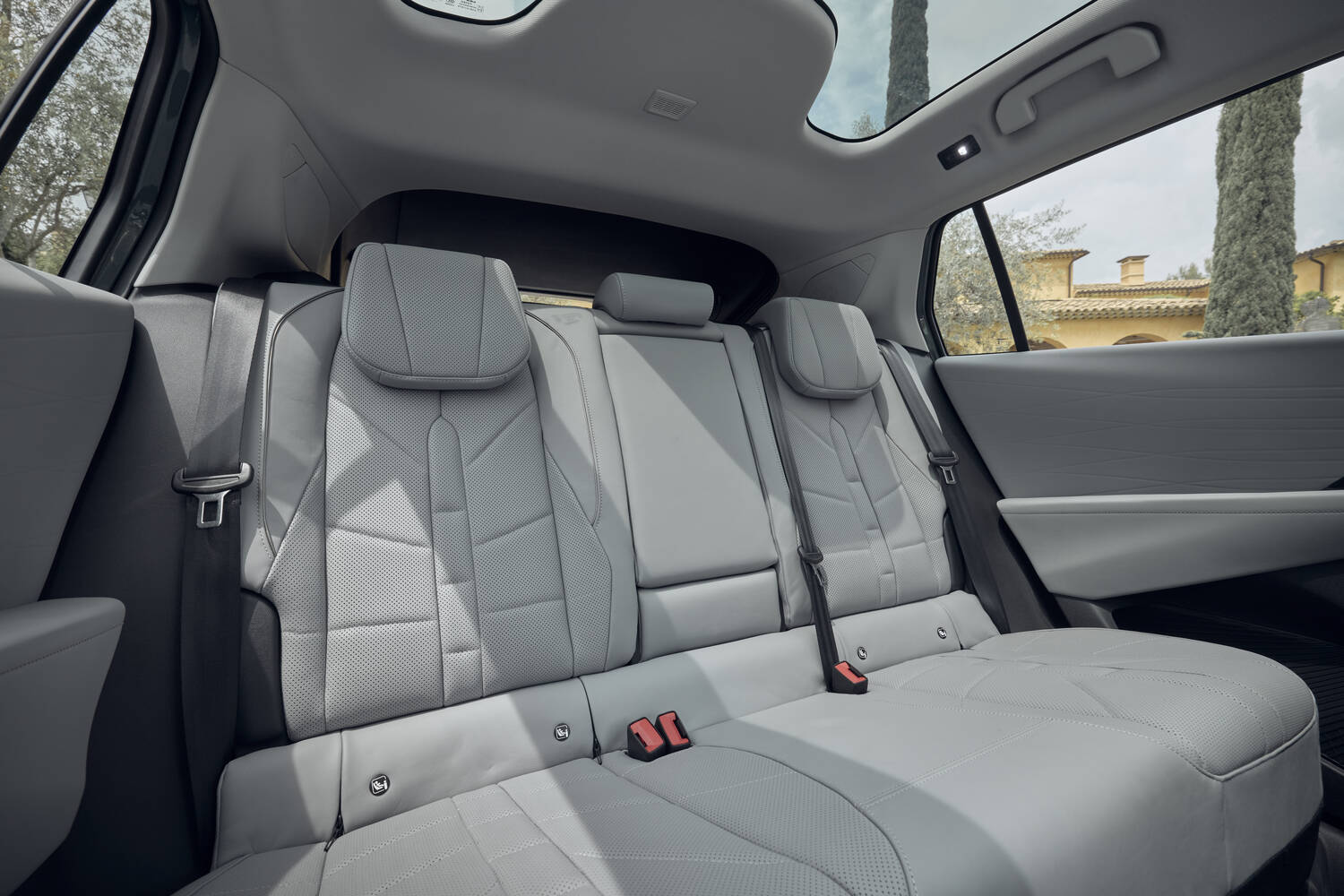
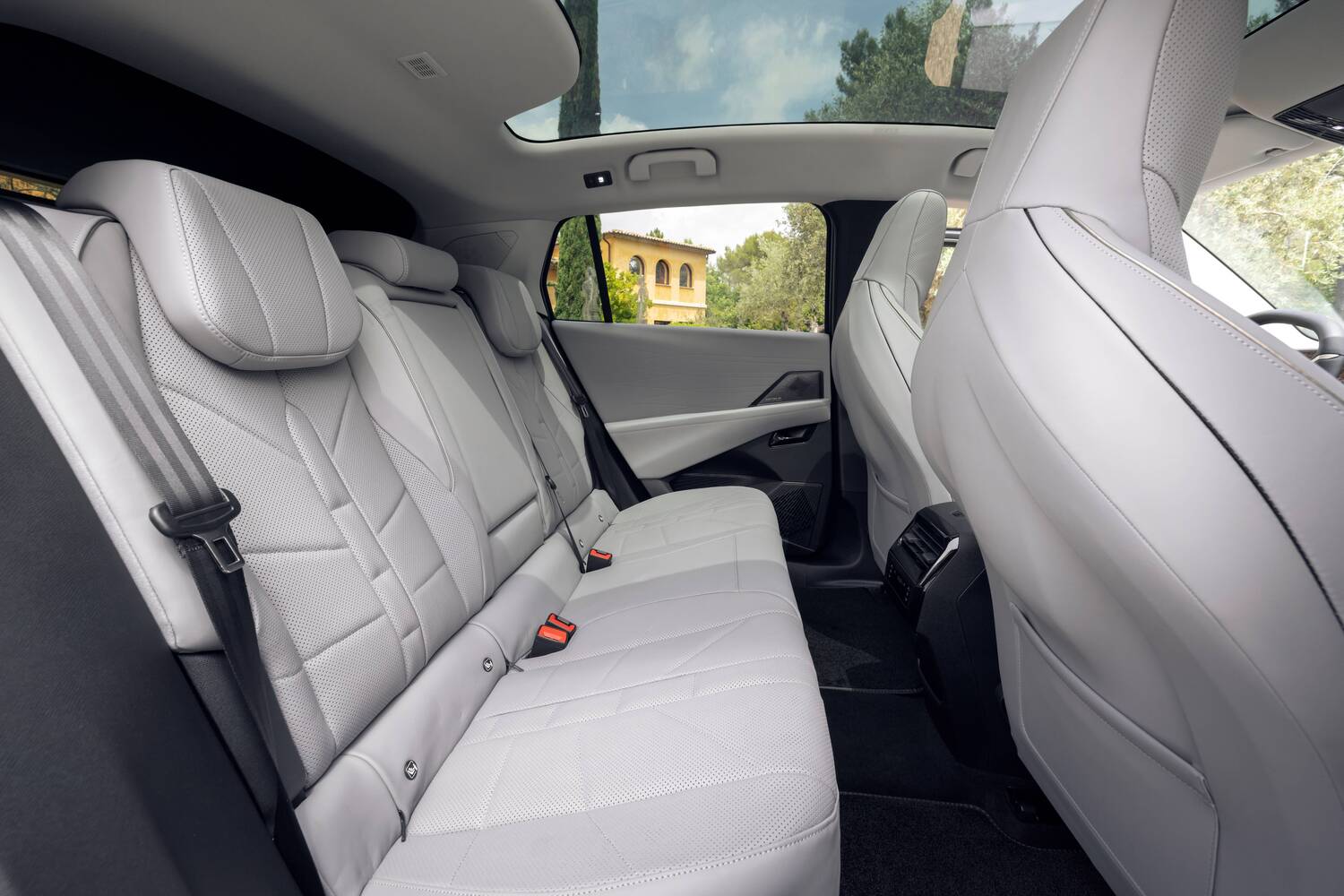
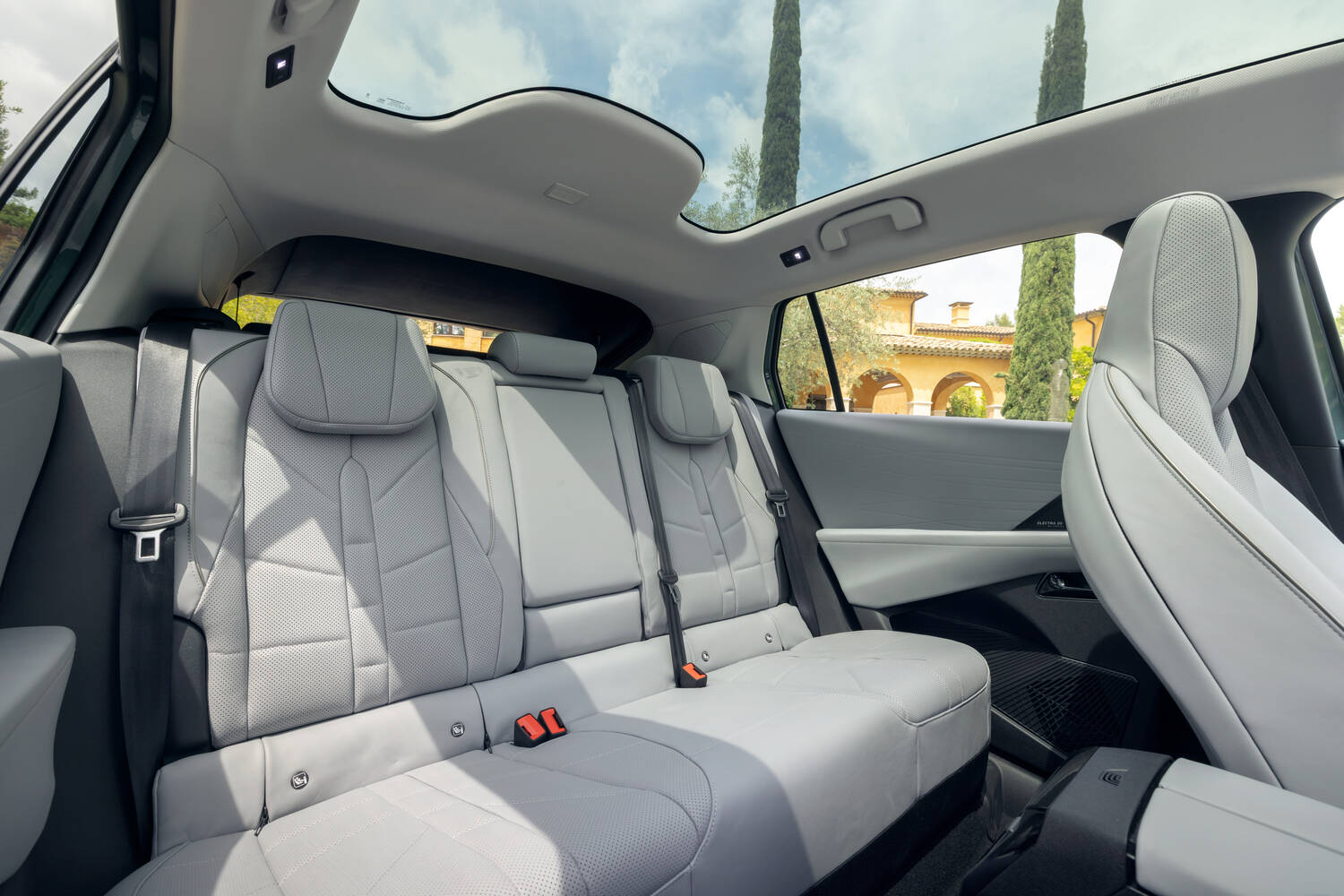
Although there is a small hump in the centre of the DS No.7's second-row floor, it is almost flat, so seating three across the rear bench should be realistic.
The 1.9-metre body width, generous legroom and good headroom make the rear compartment pleasant, while material quality remains broadly consistent with that in the front.
Rear-seat amenities include air vents, climate controls, two USB ports and a small storage recess, all positioned on the back of the front centre console.
There are also useful door bins, a fold-down central armrest with two cupholders and elasticated map pockets on the front-seat backrests.
Fitting child seats to the DS No.7

There are two ISOFIX positions in the rear of the DS No.7. The back doors are almost as large as the fronts and the second-row footwell is spacious, so fitting bulky child seats should be straightforward.
Boot space in the DS No.7

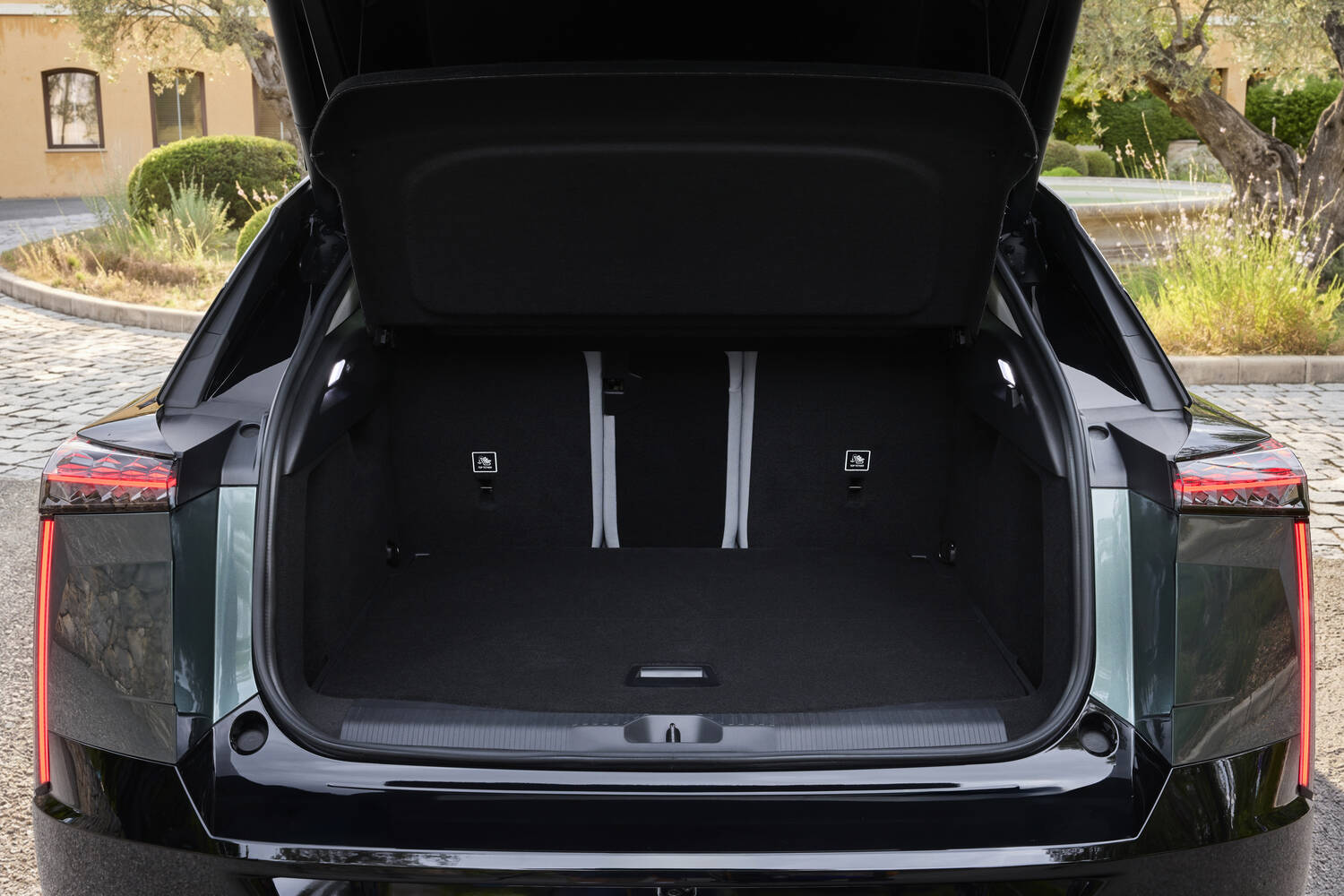
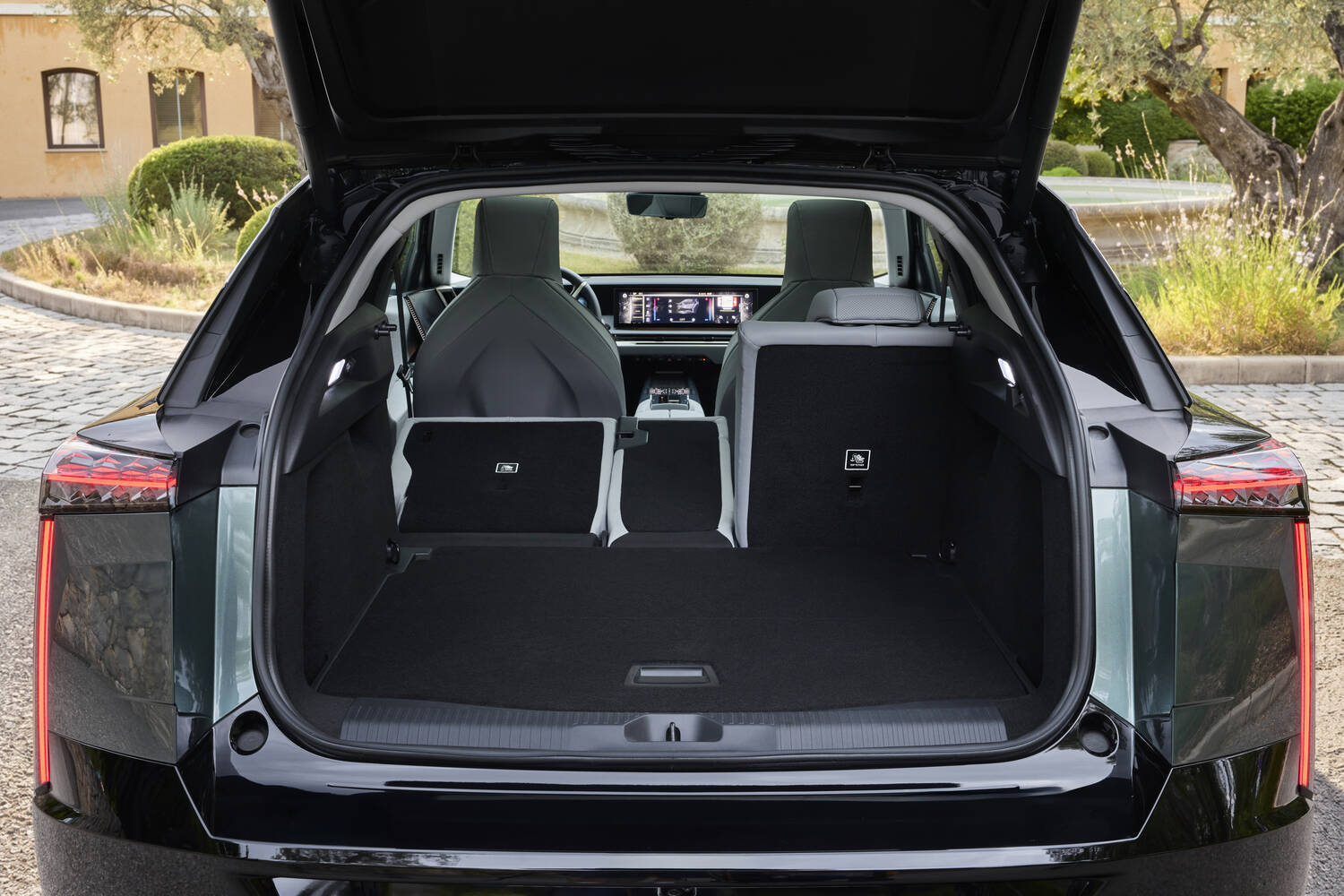
With all five seats in use, the DS No.7 has 560 litres of boot space in any of the front-wheel-drive models - this includes the Hybrid 145, the E-Tense FWD (with the smaller battery) and the E-Tense FWD Long Range (with the larger battery).
This rises to a handy 1,570 litres with the 40:20:40 split-folding rear seatbacks dropped down.
The exception is the flagship dual-motor, all-wheel-drive E-Tense. The additional motor on the rear axle reduces luggage capacity to 515 litres with the seats in use and 1,525 litres with them folded.
There is no front luggage compartment on any electric version of the DS No.7.
Safety in the DS No.7
The DS No.7 has not been tested by Euro NCAP, but the organisation considers it sufficiently similar to the related DS No.8 for that model's result to apply.
The No.7 therefore has a four-star rating. Its scores are 76 per cent for adult-occupant protection, 85 per cent for child-occupant protection, 80 per cent for vulnerable road-user protection and 65 per cent for safety assistance. Read the full Euro NCAP report here.
Performance of the 2027 DS No.7
- Most versions are EVs
- Hybrid 145 variant an alternative
- Majors on comfort over dynamic acuity

Following the pattern set by the similarly upmarket No.8, the DS No.7 is predominantly electric, though not exclusively so.
Some of its specifications will be familiar from models such as the Peugeot E-5008 and Opel Grandland Electric, which use similar electric powertrain hardware.
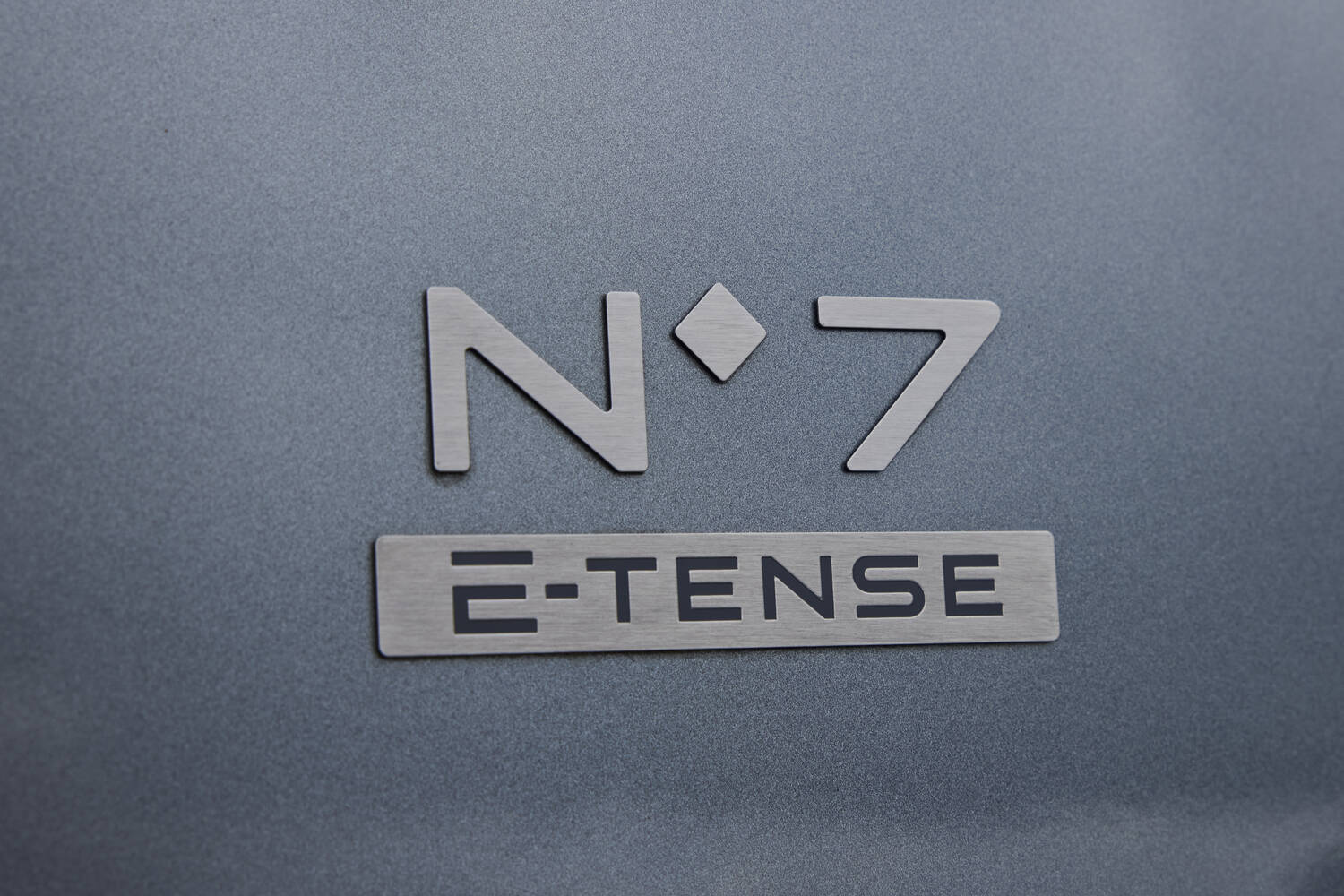
DS uses the 'E-Tense' badge for its electric models, starting with the E-Tense FWD. Its single front-mounted motor produces 230hp in normal operation and up to 260hp during a time-limited boost phase, along with 343Nm of torque.
Its smaller battery makes it the lightest electric version at 2,091kg, and it completes 0-100km/h in 7.7 seconds.

The E-Tense FWD Long Range has a bigger battery, increasing its weight to 2,138kg. Despite using a slightly more powerful electric motor, producing 245hp normally and up to 280hp on boost, with unchanged maximum torque, it is marginally slower from 0-100km/h at 7.8 seconds.
The E-Tense AWD Long Range uses the same larger battery as the 280hp model but gains a second motor on the rear axle for all-wheel drive.
It produces 350hp in normal use and 375hp on boost, along with 509Nm of torque. The extra power and traction allow it to complete 0-100km/h in 5.4 seconds, despite its 2,252kg kerb weight.

Unlike the electric-only DS No.8, the No.7 is also offered in Hybrid 145 form. It combines a turbocharged 1.2-litre three-cylinder petrol engine with a 21kW electric motor and a small battery.
Driving the front wheels through a six-speed dual-clutch automatic transmission, it produces up to 145hp and 230Nm and completes 0-100km/h in 10.4 seconds.
The Hybrid 145 does have a substantial weight advantage. Its 1,556kg kerb weight makes it 535kg lighter than the next-lightest model and 696kg lighter than the dual-motor, all-wheel-drive electric version.

Driving the DS No.7 E-Tense FWD Long Range on French roads
Words by Matt Robinson on 14 July, 2026
The mid-range E-Tense EV has enough performance to feel credible among premium rivals, though it is brisk rather than startlingly fast.

The accelerator response and delivery of power and torque are smoothly calibrated, providing linear acceleration rather than a sudden surge. The blended braking system also works well.
As expected of a DS, the No.7's strengths are ride comfort and refinement. Laminated acoustic glass in the front and side windows helps to suppress noise, while suspension and tyre noise are also well contained. The result is a composed and relaxing car at a cruise.
The 'Active Scan' predictive suspension system is available on the Long Range E-Tense models, but not on the Hybrid or the smaller-battery electric version. It uses a forward-facing camera to monitor the road surface and prepare the suspension accordingly. It worked very well on the smooth French roads used for the test.

All electric E-Tense models use multilink rear suspension, whereas the Hybrid 145 has a less-sophisticated torsion beam design. There is little that is sporty or engaging about the way the No.7 E-Tense FWD Long Range tackles corners, however.
It has plenty of grip and good body control, but the steering offers artificial weight rather than meaningful feedback, while the car's front-biased weight distribution becomes apparent if it is pushed into bends.
The No.7 is therefore best driven smoothly, allowing occupants to enjoy its excellent ride and refinement.
Driving the DS No.7 Hybrid 145 on French roads
Words by Matt Robinson on 14 July, 2026
In the large, luxurious No.7, the Hybrid 145 feels out of its depth. The three-cylinder engine can sound characterful in smaller and more affordable cars, but here it feels too coarse and underpowered.

The Hybrid 145 also fails to make the most of its substantial weight advantage. Its torsion-beam rear suspension contributes to a more unsettled ride than that of the E-Tense, while the handling is no more memorable than in the heavier electric model.
Range, battery, charging and running costs of the 2027 DS No.7
- Two battery options for E-Tense cars
- Eye-catching 740km peak range
- DC charging speeds aren't amazing

There are two battery sizes for the DS No.7 E-Tense, the larger of which provides an official range of more than 700km. Its 400-volt electrical architecture results in merely average charging speeds, however.
Battery options and official range
The entry-level DS No.7 E-Tense FWD uses an NMC battery of 73.7kWh usable energy capacity, providing up to 543km of official range.
The other two electric models use the same battery chemistry, but with 97.2kWh of usable energy capacity. The E-Tense AWD Long Range has an official range of 679km, while the single-motor FWD Long Range reaches the No.7's headline figure of 740km.
Real-world range and efficiency of the DS No.7 E-Tense FWD Long Range
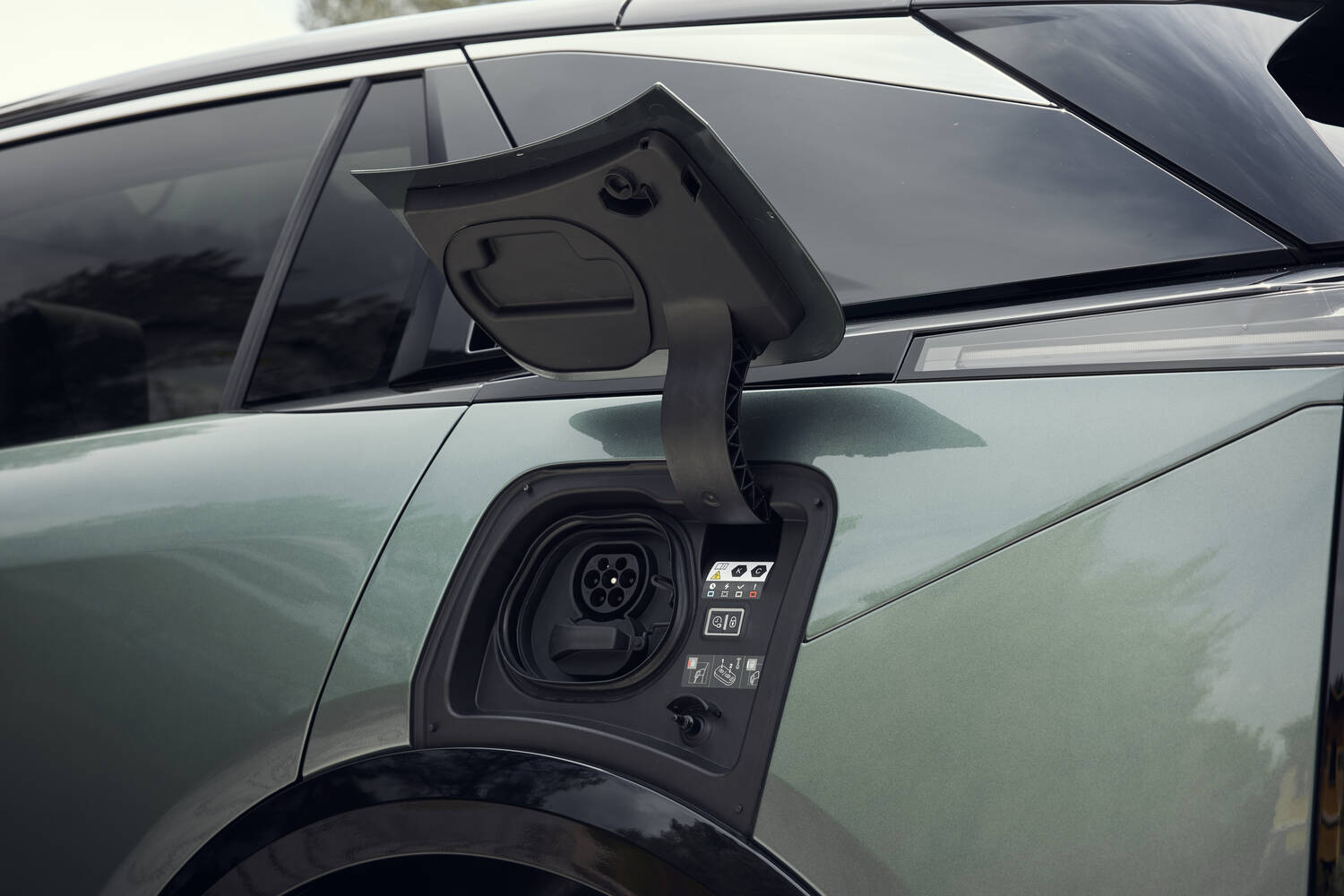
After resetting the trip computer halfway through our drive in the FWD Long Range, on a downhill section through southern France, the car recorded an impressive 12.7kWh/100km in hot weather with the climate control running constantly.
In isolation, that figure would equate to a real-world range of about 765km, slightly more than the official 740km.

The downhill route was highly favourable, however, with extensive regenerative braking and little use of the accelerator.
Across the full test route of more than 160km, including the earlier climb, the indicated average was 21.9kWh/100km. At that rate, the 97.2kWh battery would provide about 444km of range.
Charging up the DS No.7 E-Tense
Although its official range is competitive, the DS No.7 E-Tense's peak DC charging rate of 160kW is unremarkable. A 20-80 per cent charge takes 27-31 minutes in suitable conditions.

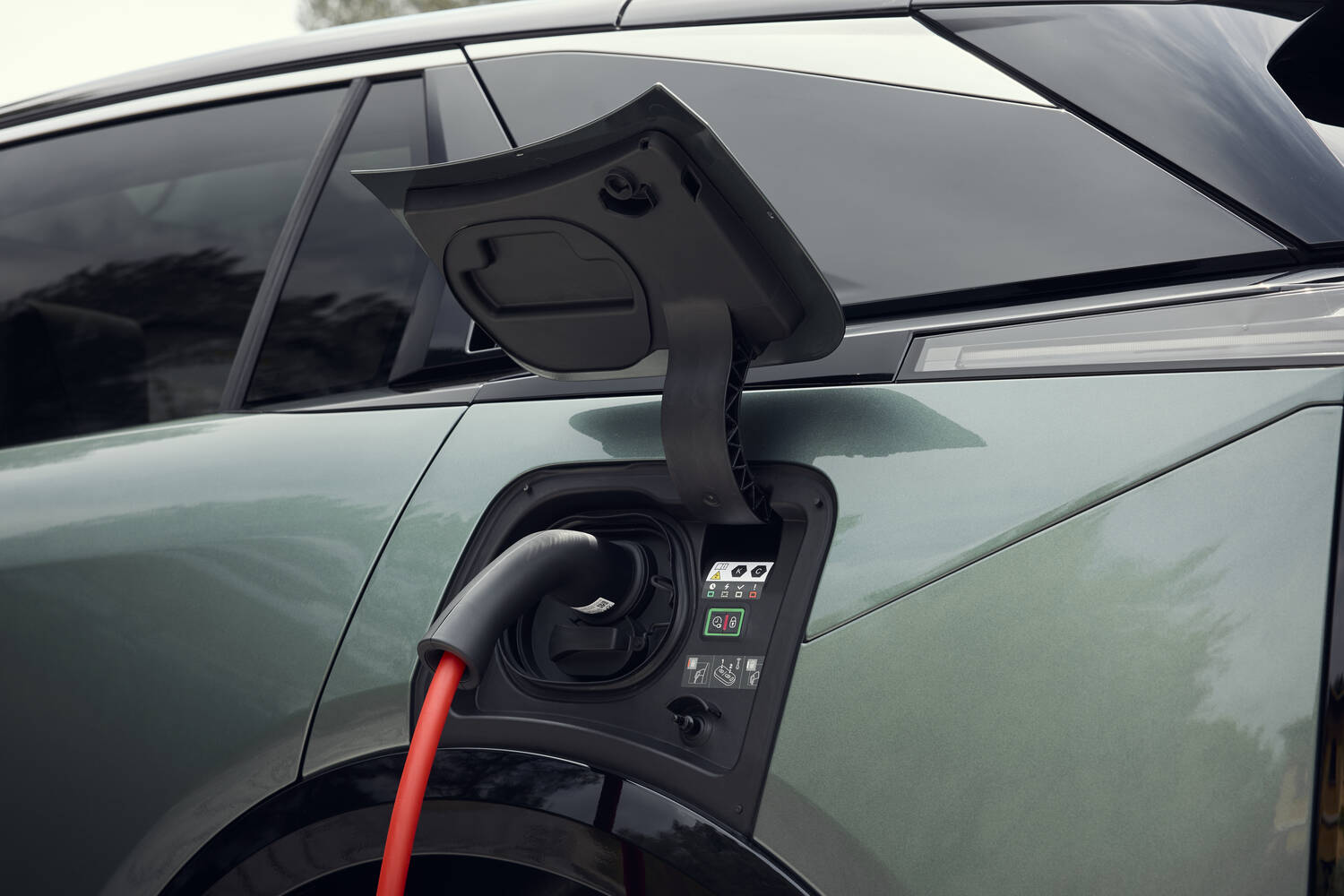
As standard, AC charging on a three-phase outlet is up to 11kW, while a 22kW option is available. A 20-80 per cent charge using a 7.4kW wallbox takes 6 hours 55 minutes with the smaller battery and nine hours five minutes with the larger one.
At 11kW on AC, the respective times fall to 4 hours 55 minutes and 6 hours 20 minutes. With the optional 22kW charger, they reduce to 2 hours 35 minutes and 3 hours 15 minutes.
A full 0-100 per cent charge takes considerably longer on a typical 7.4kW domestic wallbox. The entry-level E-Tense requires about 11.5 hours, while the larger-battery versions need just over 15 hours.
Official CO2 and fuel economy figures - DS No.7 Hybrid 145
The DS No.7 Hybrid 145 has official fuel-consumption figures of 5.3-5.6 litres/100km, or 50.4-53.3mpg, and CO2 emissions of 121-127g/km.
That places it in the €200 annual motor-tax band, while the E-Tense versions cost €120 per year to tax.
Real-world efficiency of the DS No.7 Hybrid 145

On a shorter (109km) test route on the second day of the international launch, the Hybrid 145 recorded an indicated 7.9 litres/100km. That is some way above the official figures, despite an average speed of less than 50km/h and a route that was flatter than the one used for the E-Tense test.
Servicing the DS No.7
DS models usually have an annual or 16,000km servicing schedule, but it remains to be confirmed whether this applies to the E-Tense versions of the No.7, as electric cars can have different maintenance requirements.
DS No.7 warranty
All new DS models have a three-year, unlimited-distance warranty, with separate cover for the high-voltage batteries in the E-Tense versions. The battery warranty lasts for eight years or 160,000km, whichever comes first.
Irish pricing & rivals to the 2027 DS No.7
- Not yet priced up for Ireland
- Should be cheaper than DS No.8
- Hybrid may not come to Ireland

Irish prices for the DS No.7 have not yet been announced, but we expect the E-Tense versions to cost a little less than the equivalent DS No.8, which starts from €56,495.
That could place the SUV close to the Audi Q4 e-tron, BMW iX1 and Volvo EX40. DS points out that the No.7 is physically larger and more lavishly appointed than those rivals.

Verdict - should you buy the 2027 DS No.7?
The DS No.7 should not be ignored. It is a good car in many respects, yet it lacks a single standout quality on which to base a strong purchasing decision.
The E-Tense FWD Long Range offers an impressive official range and the No.7 is a distinctive alternative to more familiar premium SUVs.
However, a growing number of rivals can approach its range while managing their weight more effectively and offering greater driver appeal. The DS No.7 is a good effort, but not a class-leading one.

FAQs about the 2027 DS No.7
Is the DS No.7 all-wheel drive?
The flagship E-Tense AWD Long Range has all-wheel drive, while the other three versions send their power and torque to the front wheels only.
Is the DS No.7 the artist formerly known as the DS 7?
Yes. This is the replacement for the DS 7, and it adopts the 'No.' tag used by the manufacturer's other models. These include the DS No.4, which is a facelifted and renamed version of the DS 4, and the DS No.8, which introduced the naming policy when it arrived in 2025.
How many child seats fit into the DS No.7?
There are two ISOFIX positions in the back of the DS No.7, and it is the area of the Euro NCAP test where it scored its highest individual sub-mark too (85 per cent for child occupant safety).
Is the DS No.7 rated to tow anything?
Yes, all models have official towing capacities. The Hybrid 145 is limited to 650kg for a braked trailer. The E-Tense FWD Long Range can tow 1,200kg, while the version with the smaller battery can tow 1,270kg. The dual-motor, all-wheel-drive E-Tense has the highest rating at 1,430kg.
Want to know more about the 2027 DS No.7?
If there's anything about the DS No.7 we've not covered, or you'd like help in choosing between it and other cars, you can avail of our expert advice service via the Ask Us Anything page.
If there is anything about this car we have not covered, or you would like help choosing between it and other cars, you can avail of our expert advice service via the Ask Us Anything page.